Top 10 Benefits of Food Grade Nonwoven Fabric for Buyers?
In today's market, the demand for safe and hygienic materials is greater than ever. Food Grade Nonwoven Fabric stands out as a top choice for various applications. This innovative material offers a range of benefits for buyers in the food industry. Its design is specifically tailored to meet strict safety standards. With an increasing awareness of food safety, producers must choose reliable materials.
Food Grade Nonwoven Fabric is versatile and durable. It provides effective barrier protection while allowing breathability. This balance ensures that food stays fresher for longer. Many buyers appreciate its lightweight nature, making it easy to handle. Additionally, it is cost-effective compared to traditional fabrics, which can lead to reduced operational costs.
There are challenges, though. Not all nonwoven fabrics are created equal. Buyers should be cautious and conduct thorough research. Knowing which suppliers meet food safety regulations is crucial. Ultimately, Food Grade Nonwoven Fabric can significantly enhance food safety while offering practical advantages. Making informed choices will pave the way for better solutions in the industry.
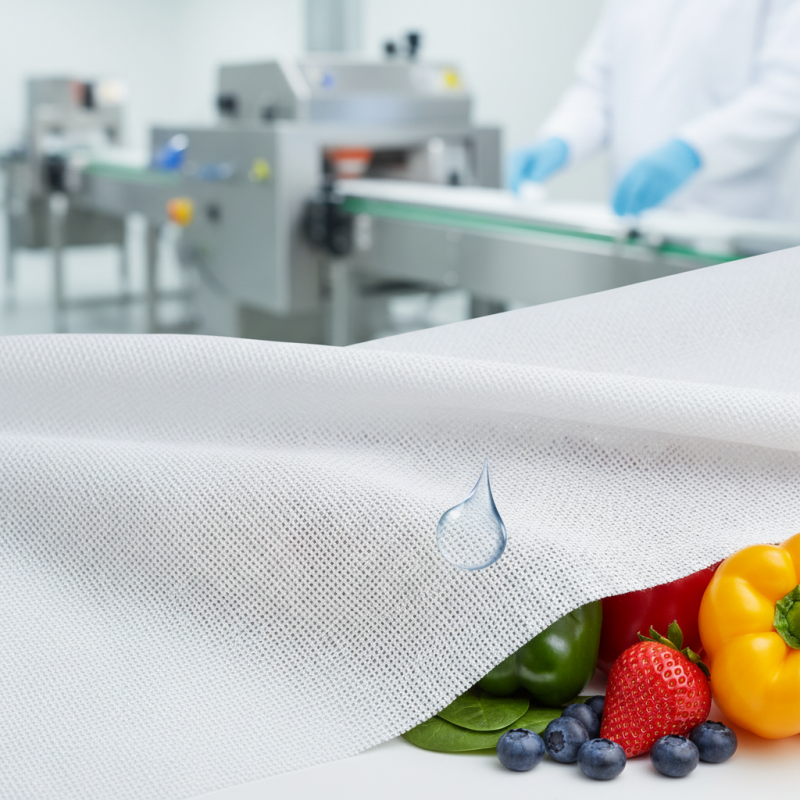
Understanding Food Grade Nonwoven Fabric: A Comprehensive Overview
Food grade nonwoven fabric plays a crucial role in the food packaging and processing industries. This material is designed to meet strict safety standards, ensuring that it does not contaminate food products. According to a report from ResearchAndMarkets, the global nonwoven fabric market is projected to reach $50 billion by 2025. This growth is driven by the increasing demand for hygienic and safe food packaging solutions.
The benefits of food grade nonwoven fabrics include their lightweight nature and versatility. They are often used in various applications such as packaging, filters, and protective garments. The filtration properties of nonwoven fabrics help in maintaining food quality during processing and transportation. A study by Smithers Pira emphasizes that 65% of consumers prioritize packaging safety. This trend highlights the importance of using food-grade materials.
Despite their advantages, there are challenges that manufacturers face. One concern is the environmental impact of nonwoven fabrics, especially those made from synthetic materials. Buyers need to be aware of the sustainability practices employed by their suppliers. Innovations in biodegradable nonwoven options are on the rise, reflecting a shift towards greener alternatives in the industry.
Top 10 Benefits of Food Grade Nonwoven Fabric for Buyers
| Benefit |
Description |
| Safety Compliance |
Manufactured under stringent safety regulations, ensuring no harmful substances. |
| Hygienic |
Nonwoven fabrics provide a clean and sterile environment for food packaging. |
| Cost-effective |
Affordable material choice for bulk production without sacrificing quality. |
| Versatility |
Can be used in a wide range of applications including bags, wraps, and trays. |
| Lightweight |
Easy to handle and transport, helping reduce shipping costs. |
| Breathability |
Allows air circulation, keeping food fresh and preventing moisture buildup. |
| Eco-friendly options |
Many types are biodegradable and made from recycled materials. |
| Customizability |
Can be produced in various colors, textures, and configurations to meet specific needs. |
| Reduced contamination risk |
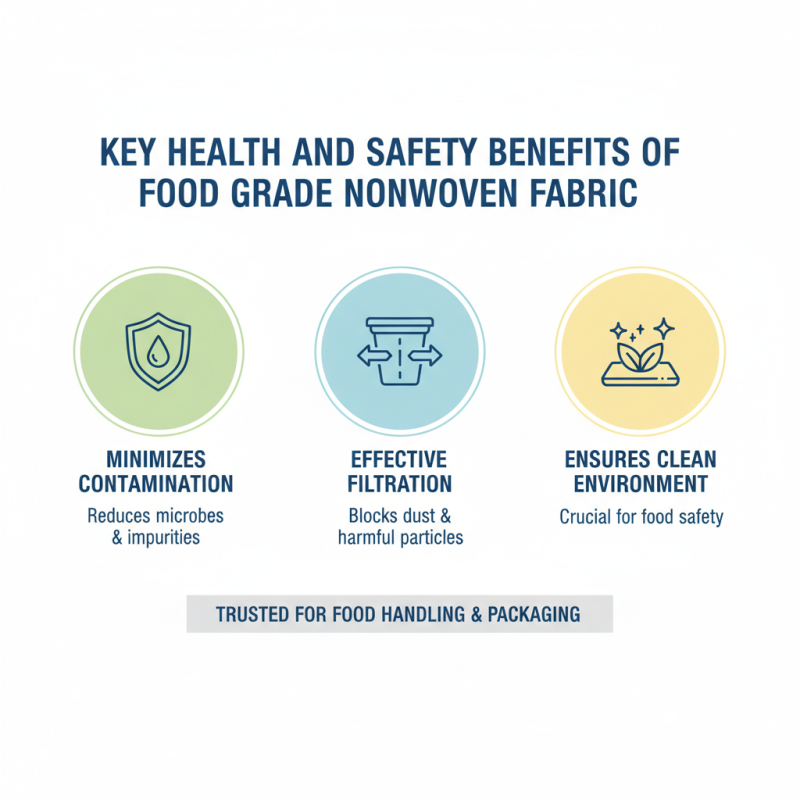
Minimizes the chance of microbiological contamination during food handling. |
| Durability |
Strong materials that withstand tearing and wear during use. |
Cost Efficiency: Why Buyers Choose Food Grade Nonwoven Fabric
Cost efficiency stands out as a primary reason buyers opt for food-grade nonwoven fabric. These materials offer a range of advantages that appeal to both small and large businesses. They are lightweight yet durable, which reduces shipping costs significantly. Moreover, the manufacturing process of nonwoven fabrics often requires fewer resources than traditional fabrics, lowering overall production costs.
In addition to economic benefits, food-grade nonwoven fabrics are versatile. They can be tailored to meet specific needs without sacrificing quality. For instance, they can be engineered to provide barrier protection from contaminants, while still being breathable. This combination allows producers to maintain high hygiene standards at a lower cost.
However, there are challenges to consider. Not all nonwoven fabrics are created equal, and buyers must ensure they meet food safety regulations. Lack of uniformity in quality can lead to potential risks. It's essential for buyers to research and choose suppliers wisely to ensure compliance and reliability. Ultimately, finding the right balance between cost and quality remains a continuous challenge in this evolving market.
Top 10 Benefits of Food Grade Nonwoven Fabric for Buyers
Versatility in Applications: Food Industry and Beyond
Food grade nonwoven fabric offers remarkable versatility in various applications. In the food industry, it ensures safety and hygiene. This material is lightweight and breathable, making it ideal for packaging. It prevents contamination while reducing waste, meeting the industry's stringent standards.
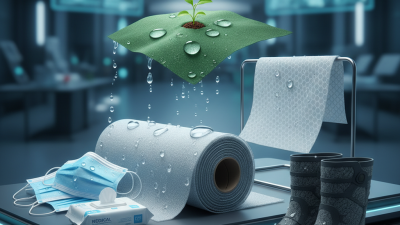
Beyond food, this fabric finds use in healthcare and personal care. Its filtration properties make it suitable for masks and protective apparel. The nonwoven structure allows for efficient barrier protection. However, one might ponder the environmental impact of producing nonwoven materials. While they serve vital purposes, the sustainability aspect remains a topic of discussion for many consumers.
Innovation plays a crucial role in the future of food grade nonwoven fabrics. Their adaptability in catering, for instance, is noteworthy. They can be used for table covers or serving wraps. Yet, buyers must remain aware of their sourcing. Understanding the production process can enhance reliability. Striking a balance between functionality and sustainability is essential for informed choices.
Sustainability and Environmental Impact of Food Grade Nonwoven Fabric
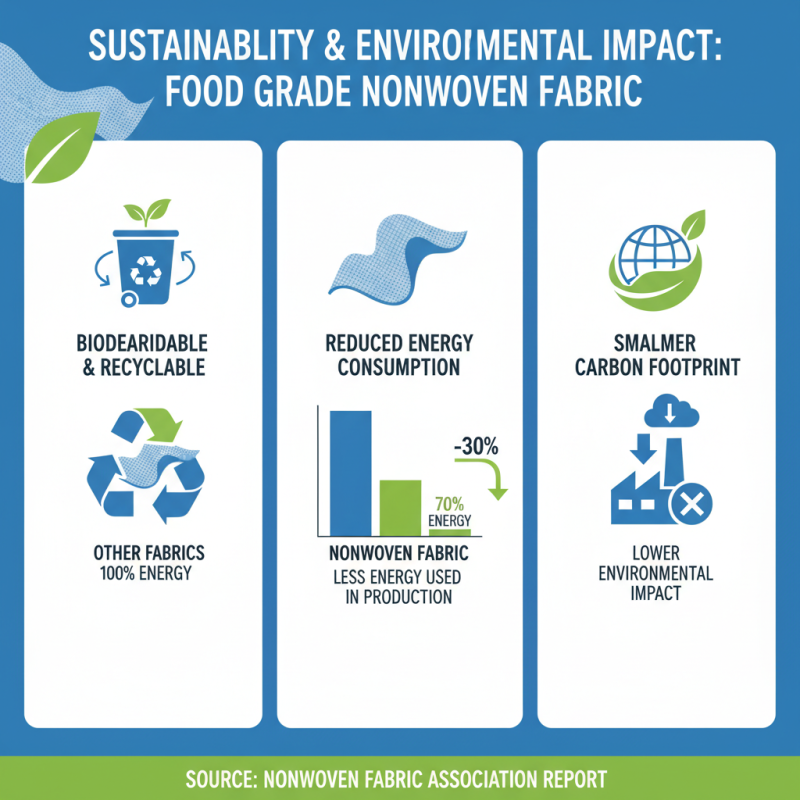
Food grade nonwoven fabric presents a remarkable opportunity for sustainable practices in the food industry. This material is made from biodegradable and recyclable components. According to a report by the Nonwoven Fabric Association, the production of nonwoven fabric consumes 30% less energy compared to other fabric types. This significant reduction contributes to a smaller carbon footprint and lower environmental impact.
The environmental benefits extend beyond production. Food grade nonwoven fabrics are often used as packaging solutions. They are lightweight, reducing transportation costs and emissions. A study by Research and Markets indicates that sustainable packaging can reduce greenhouse gas emissions by up to 30%. However, there's a challenge with disposal. Many consumers lack awareness about how to recycle these materials properly. Encouraging proper waste management practices remains crucial for maximizing their benefits.
Workers in this industry often face scrutiny over safety protocols. Ensuring that the production process does not compromise worker health is a constant concern. Regular audits and certifications can help enhance safety standards. With continuous innovation in materials, the push for better sustainability becomes even more relevant. Integrating food grade nonwoven fabric is a step forward, but it's essential to approach this change critically.

 PP Laminates
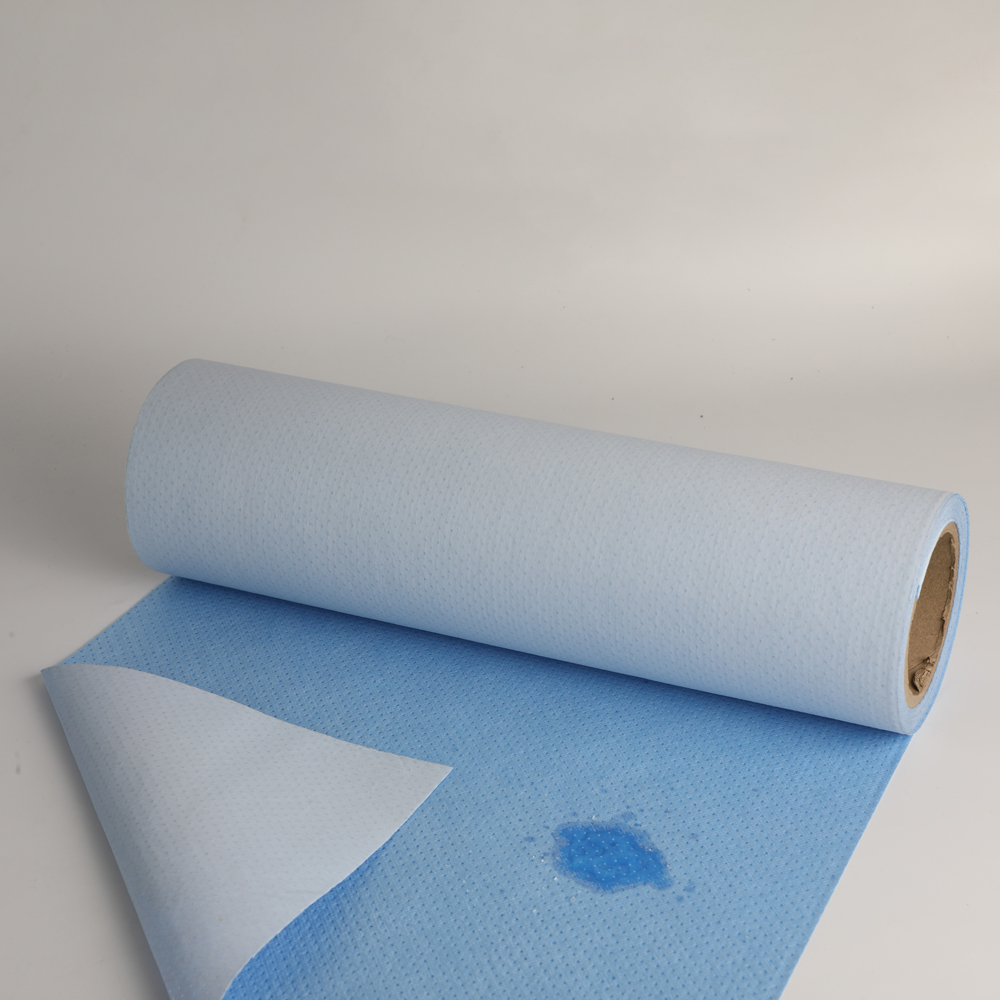 Multi Laminates
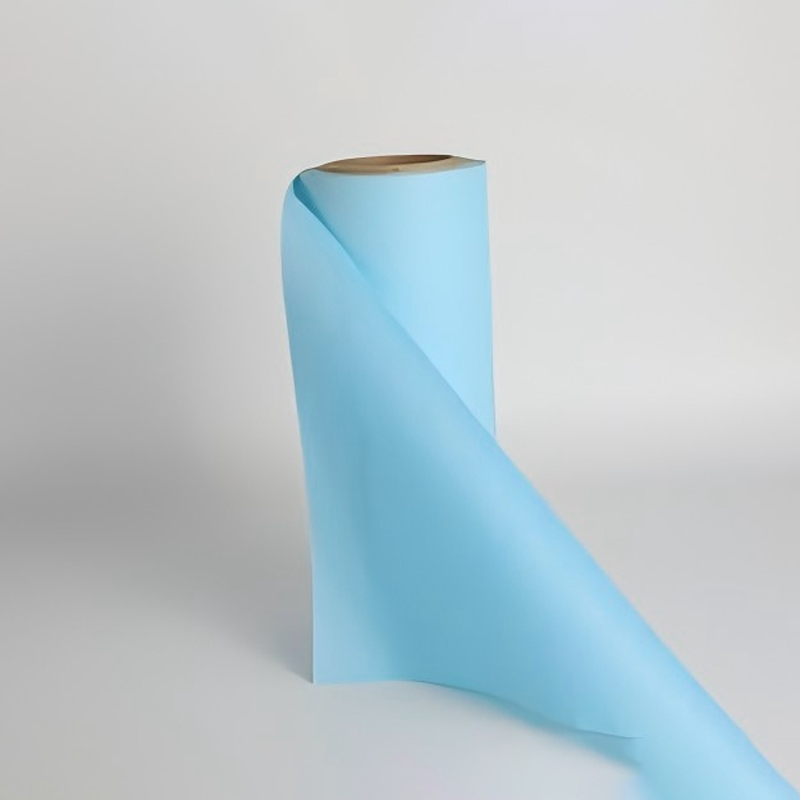 Spunlace Nonwoven Laminates
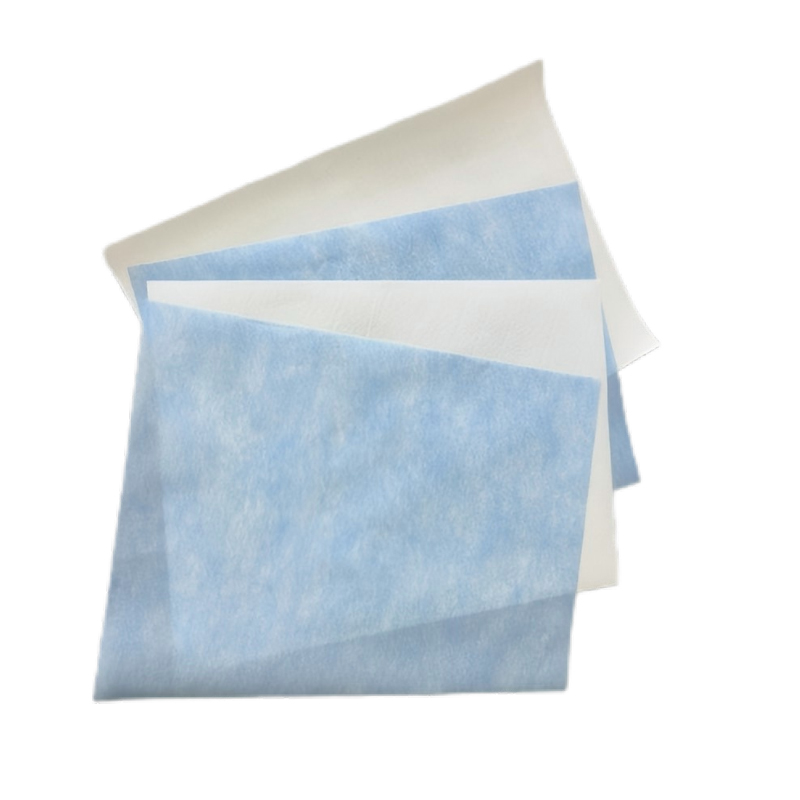 Breathable Film Laminates
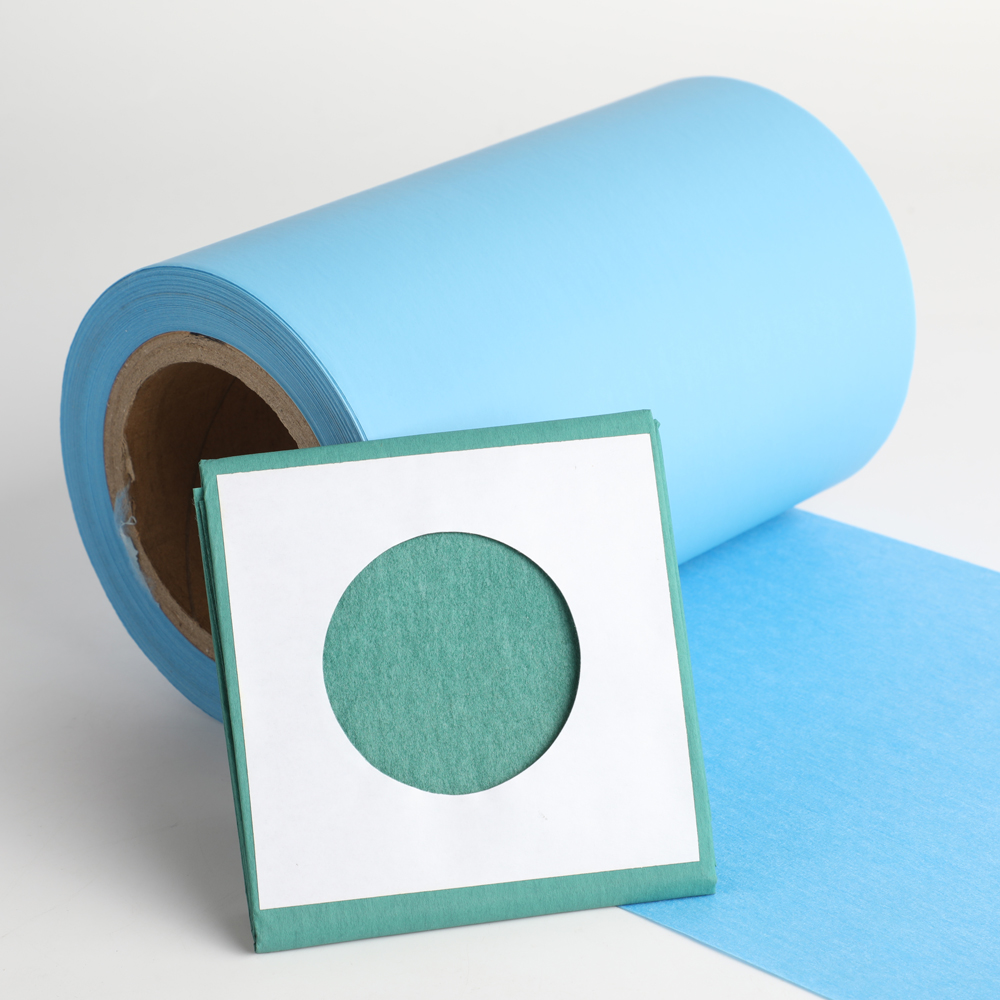 Viscose Laminates
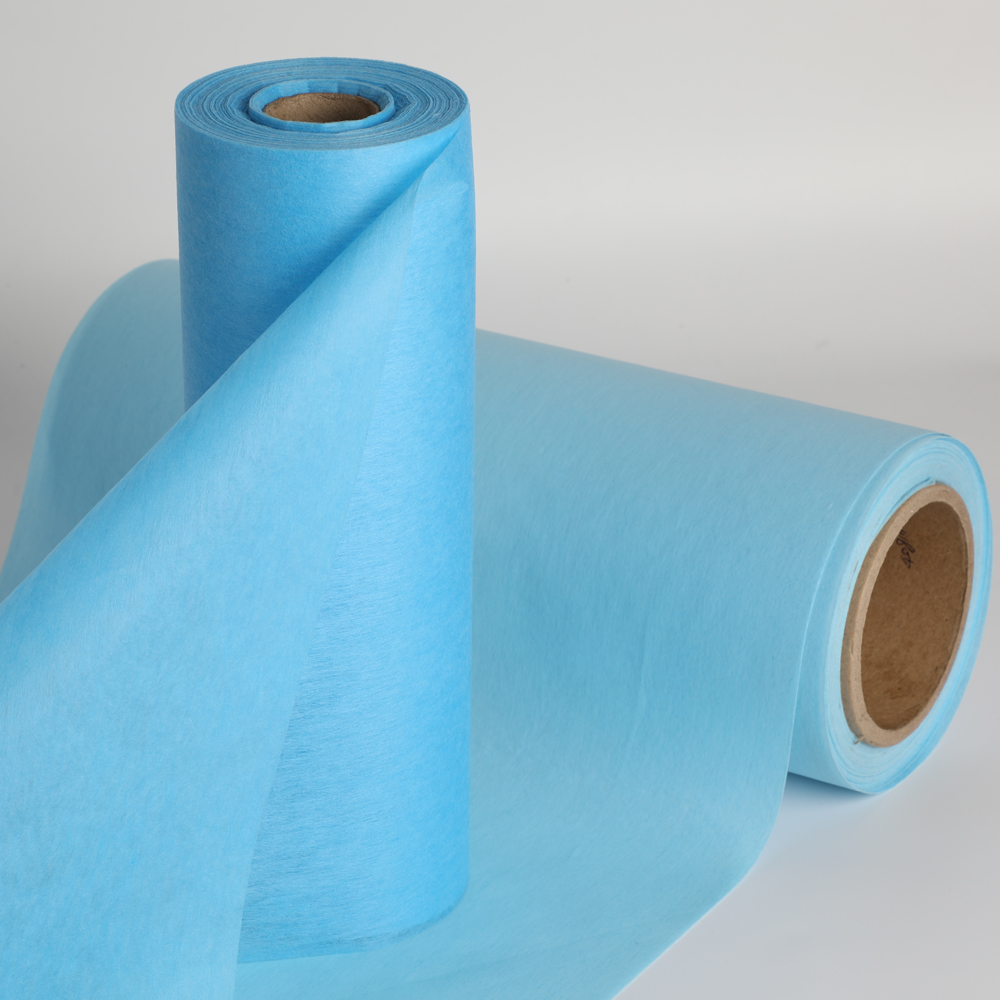 Medical Viscose Nonwoven
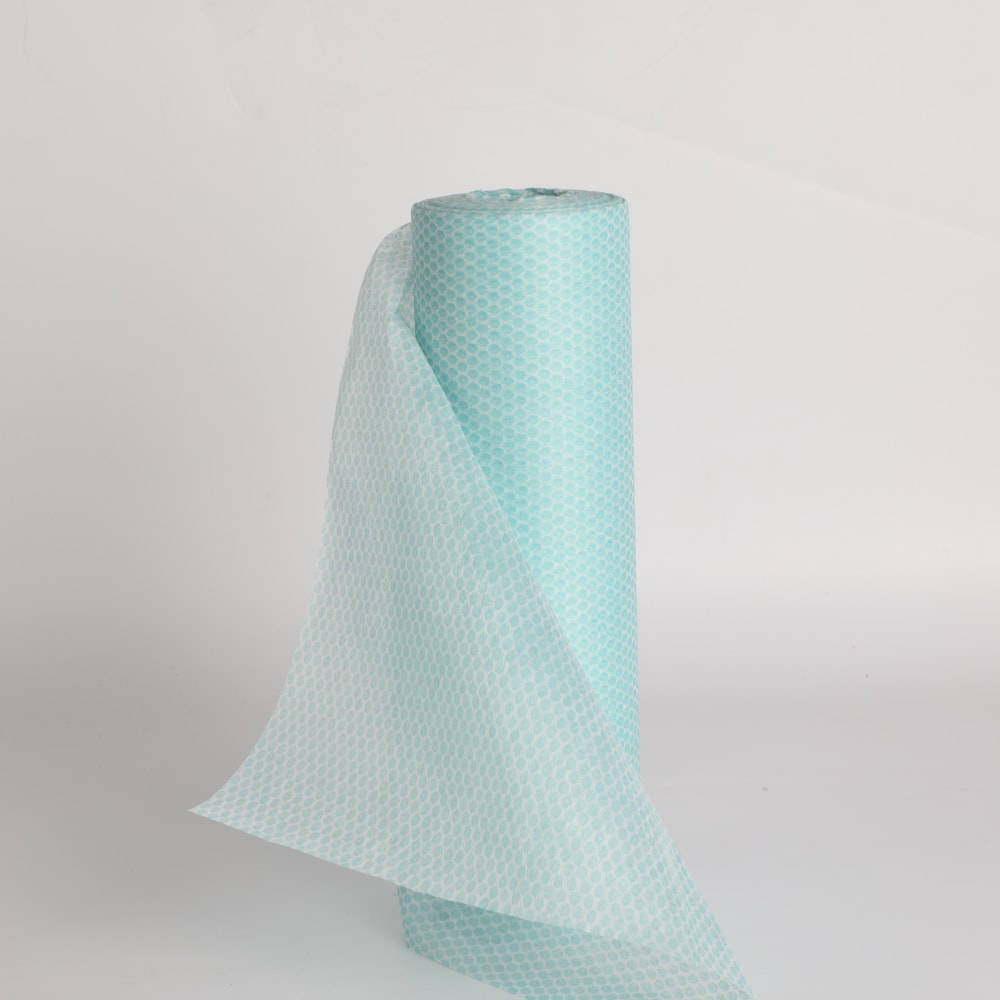 Head Wear Nonwoven
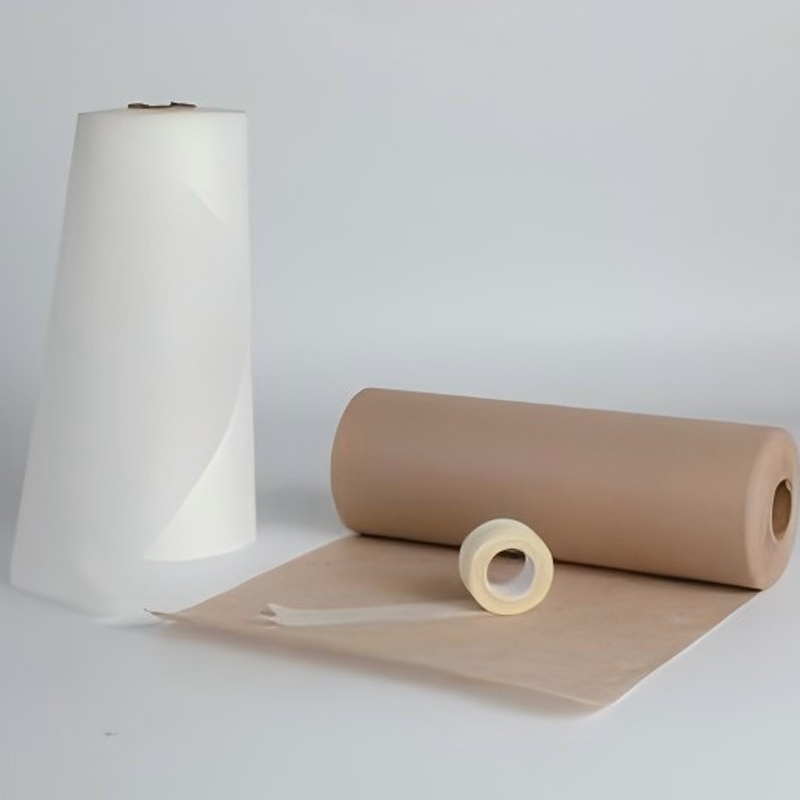 Medical Tape Nonwoven
 Snus Pouch Nonwoven
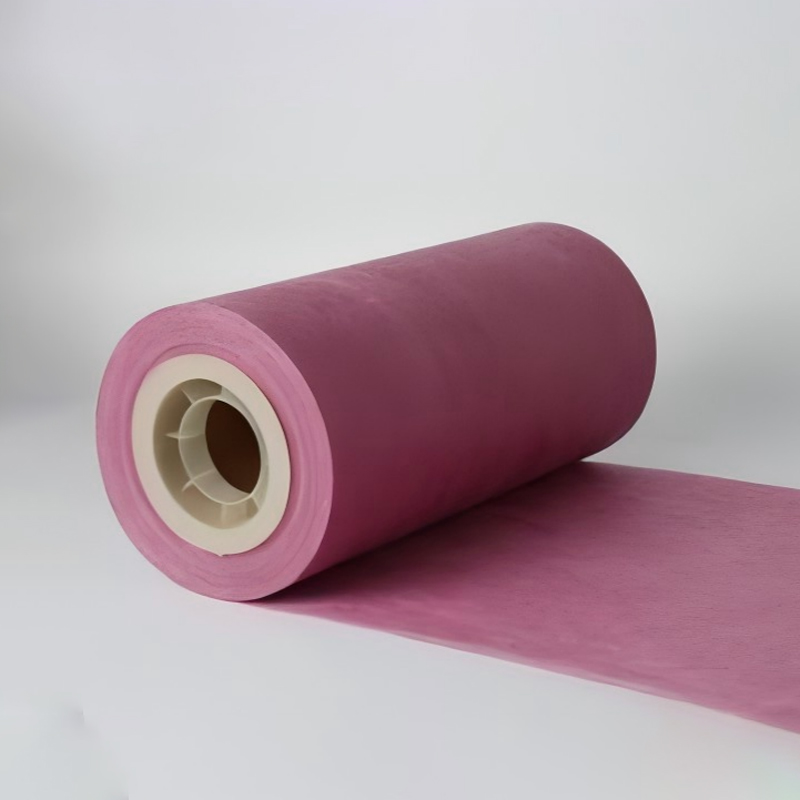 Filtration Nonwoven
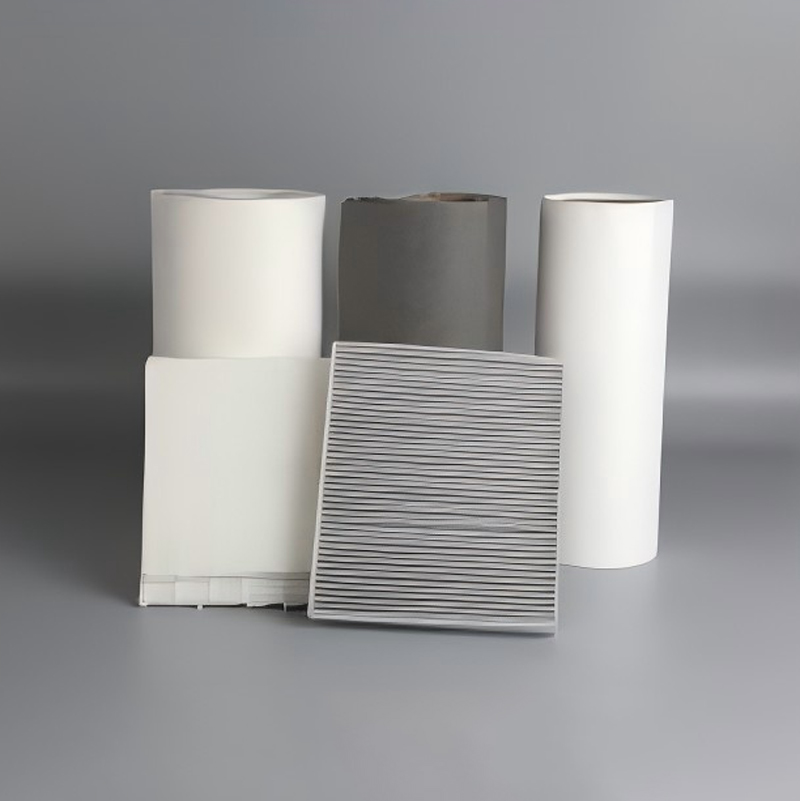 Air Filter Media
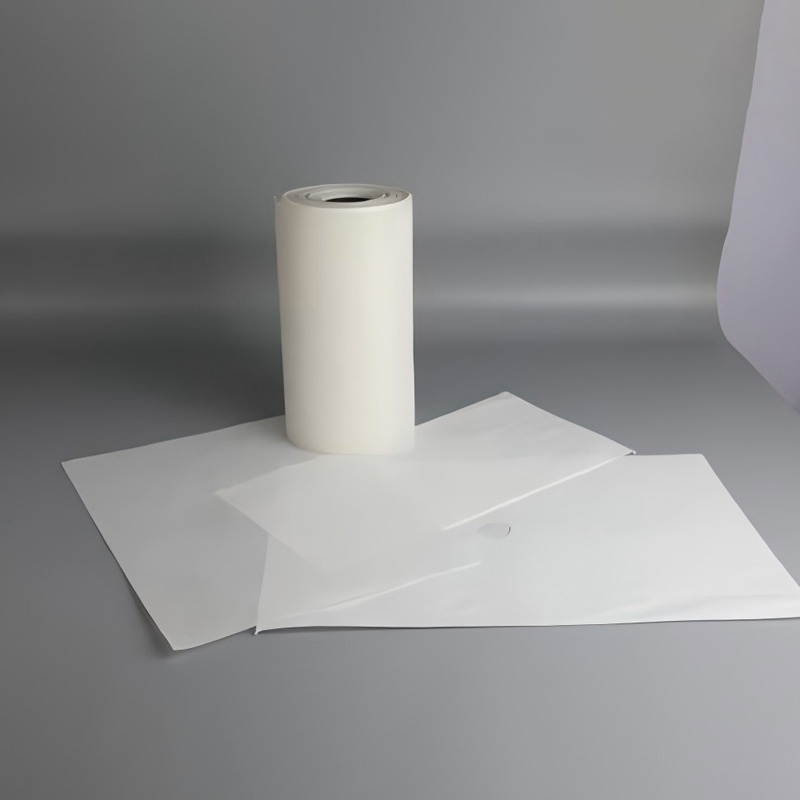 Liquid Filter Media
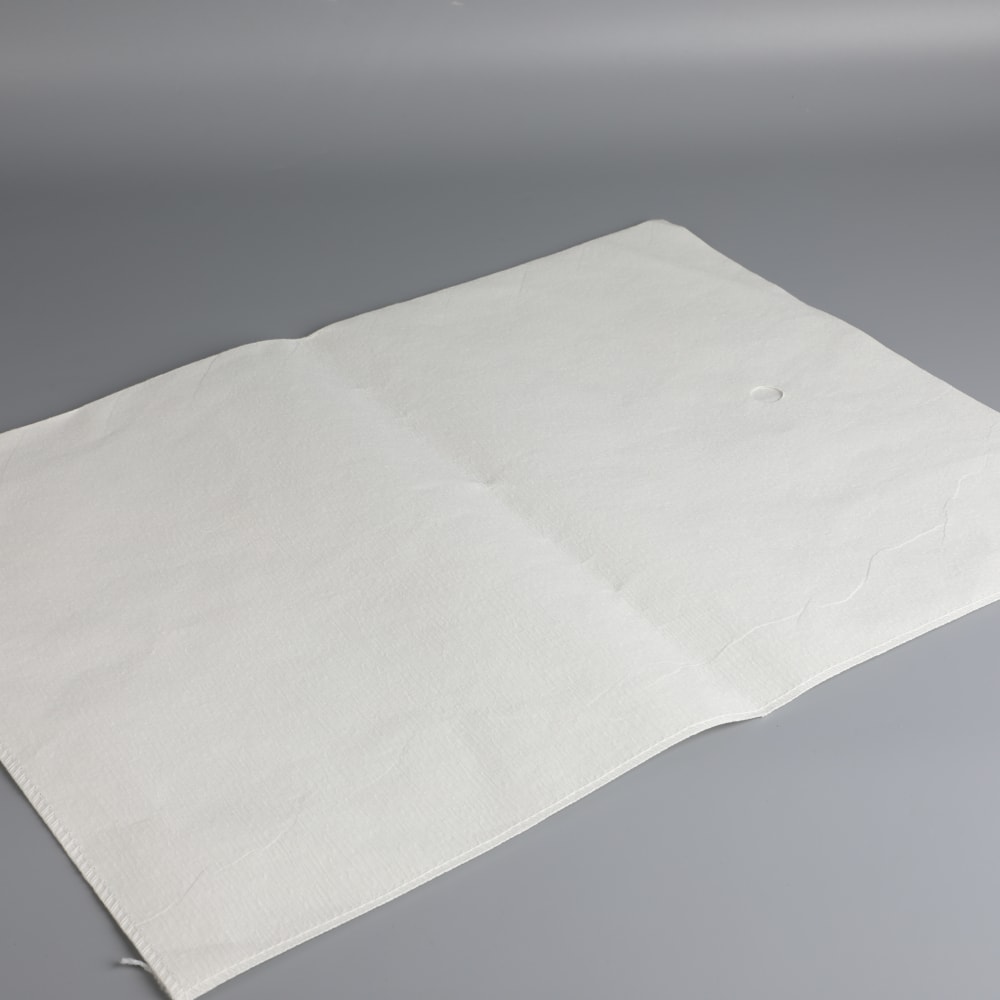 Filter Envelope & Filter Sheet
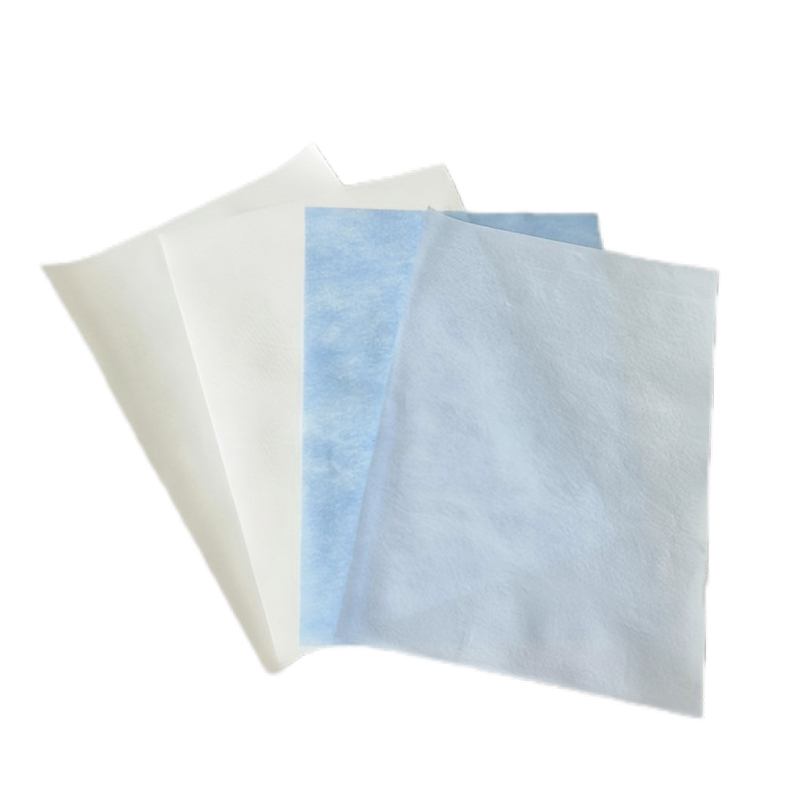 Breathable Film Laminates
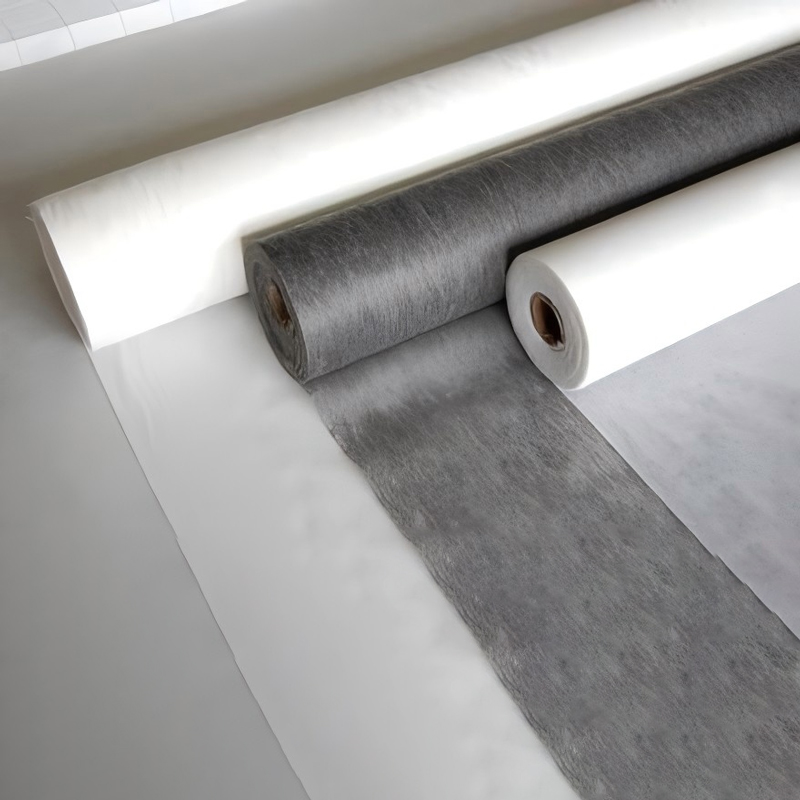 Nonwoven Interlining
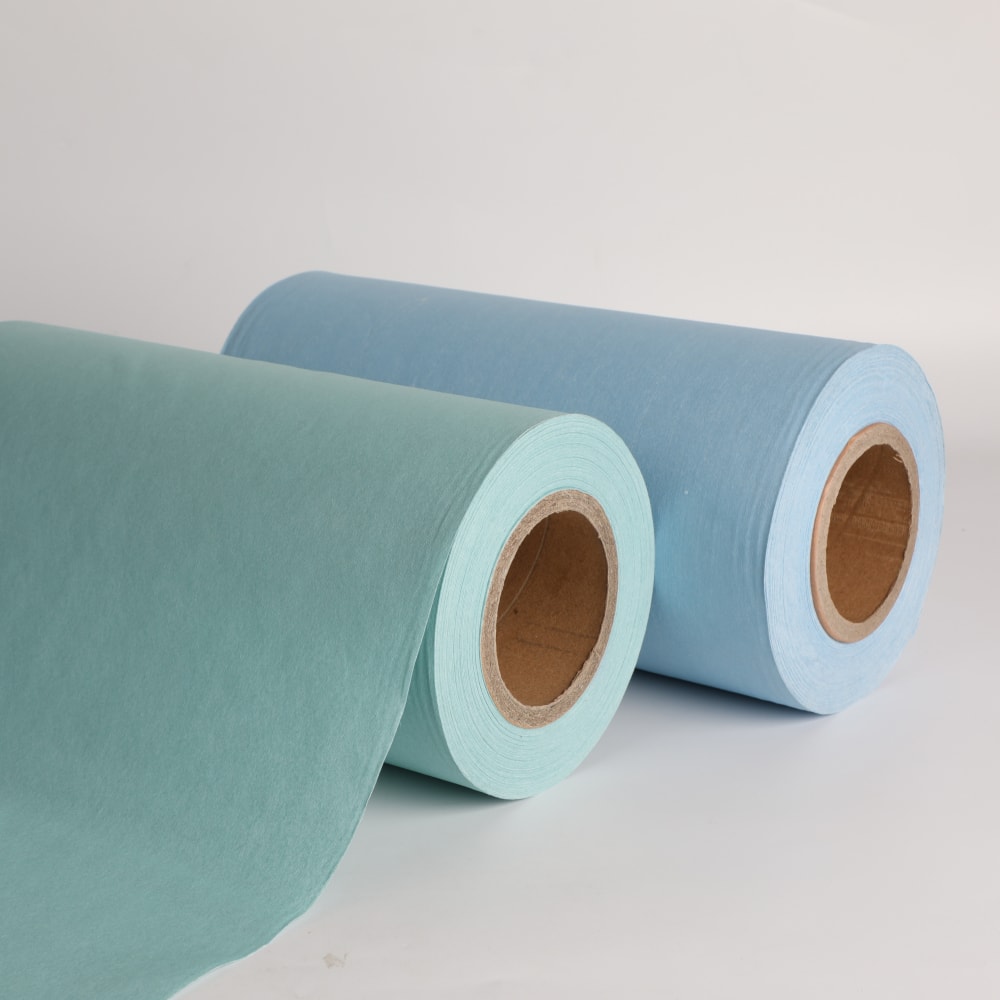 Fluid Repellent Woodpulp Spunlace Nonwoven
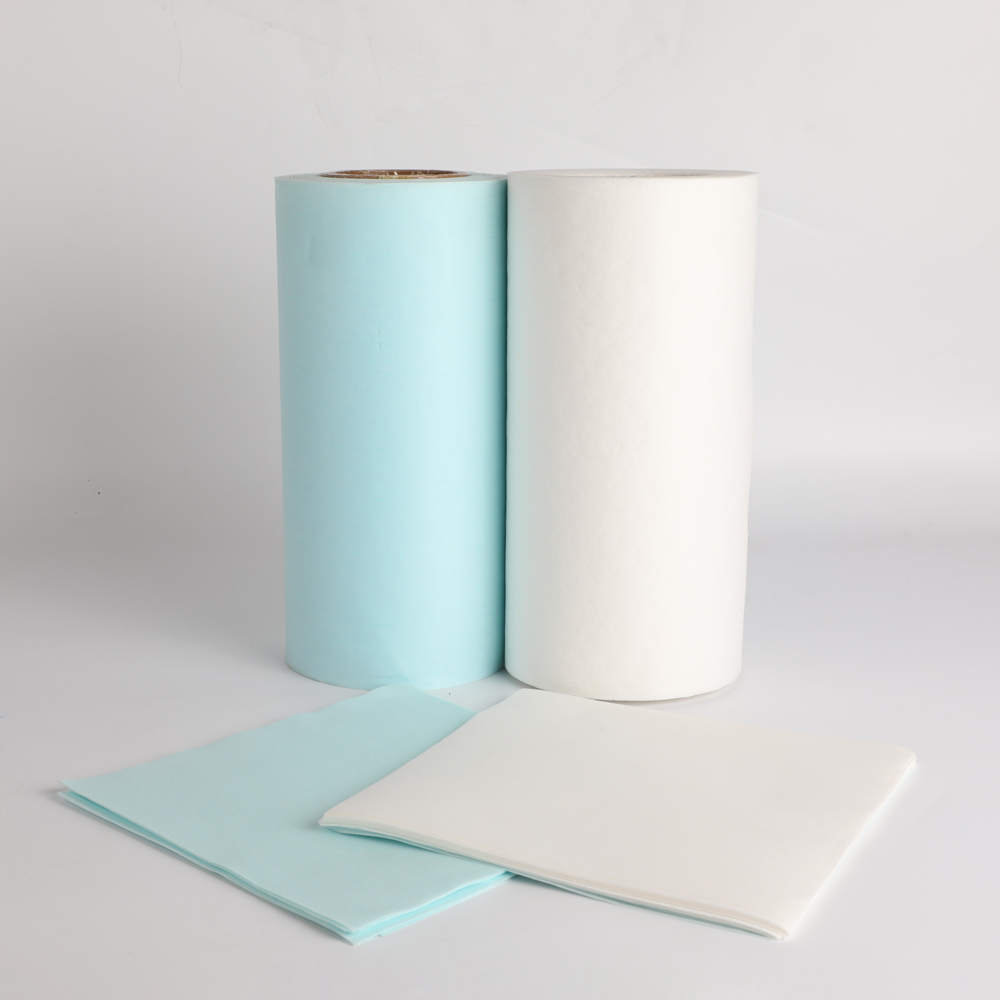 Woodpulp Nonwoven Wipe
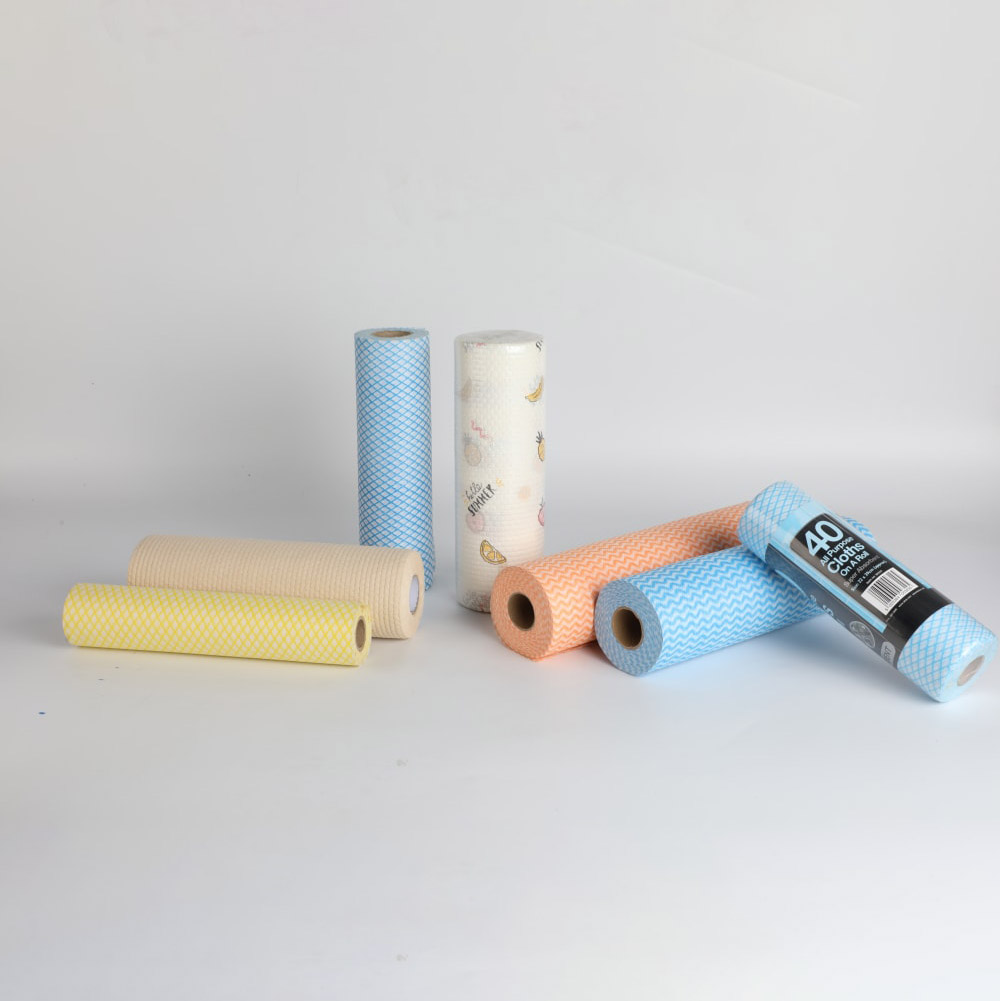 Nonwoven Cleaning Wipe
 Curtain Nonwoven
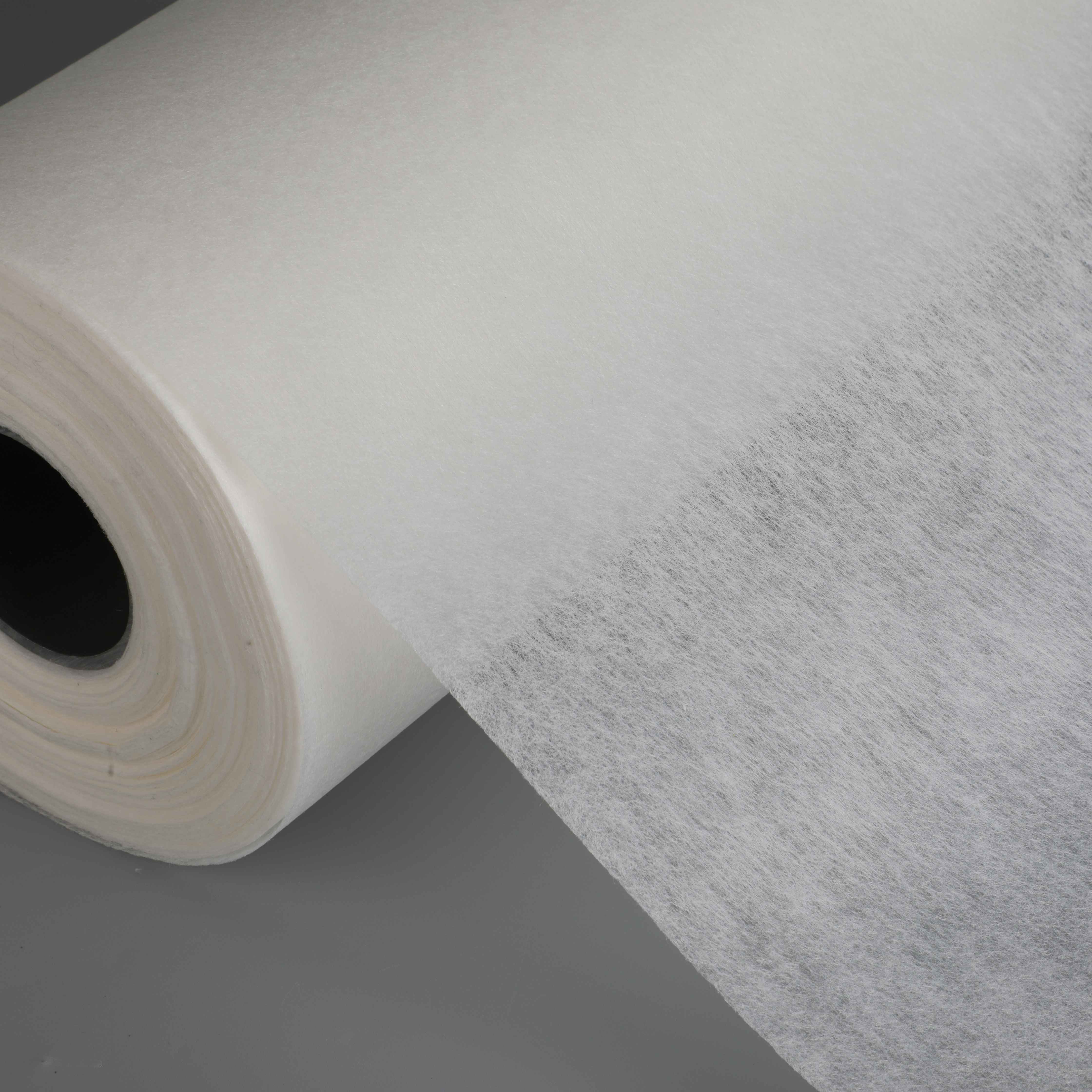 Food Grade Packaging Nonwoven
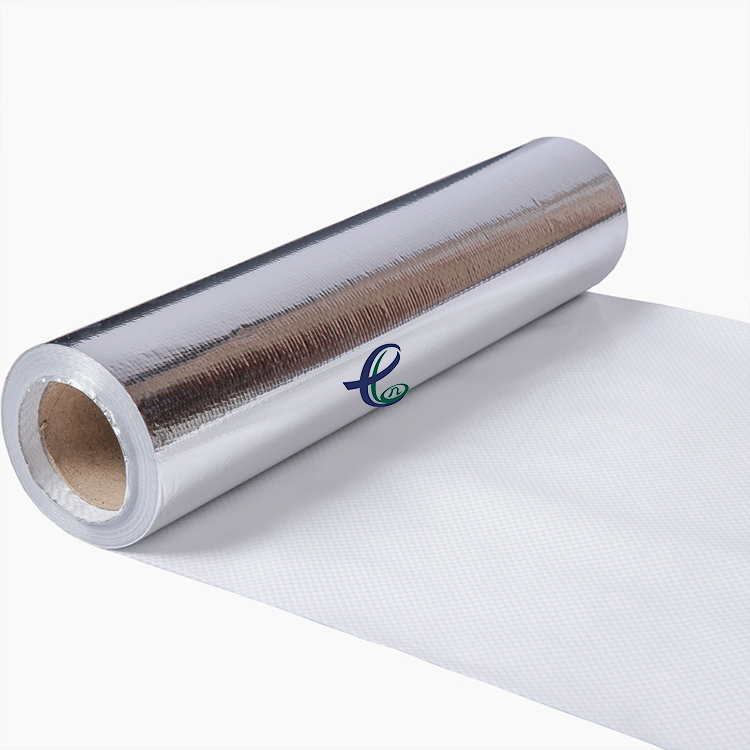 Aluminized Nonwoven
 Hot Air Cotton Nonwoven
 Flame Retardant Nonwoven
 Cable Wrapping Nonwoven
 Semi-conductive Nonwoven
 Anti-Bacterial Nonwoven
 +8613957712400
 CONTACT WhatsApp
 CONTACT WeChat
 CONTACT NUMBER
 CONTACT EMAIL