Top 10 Benefits of Medical Nonwoven Fabric for Healthcare?
In the ever-evolving field of healthcare, the role of Medical Nonwoven Fabric has become indispensable. Dr. Emily Carter, a leading expert in medical textiles, states, “Medical Nonwoven Fabric revolutionizes hygiene and efficiency in patient care.” This innovative material plays a crucial role in various applications, from surgical drapes to wound care products.
Medical Nonwoven Fabric offers numerous benefits that enhance patient safety and comfort. Its lightweight design allows for better breathability, which is vital in promoting healing. Furthermore, the fabric's fluid-resistance properties help prevent infections in critical care settings. However, despite these advantages, not all nonwoven materials meet the rigorous standards required in healthcare.
As the industry grows, challenges remain. The need for sustainable options is becoming increasingly urgent. There are questions about the environmental impact of disposable nonwoven products. Addressing these concerns calls for further innovation in the Medical Nonwoven Fabric sector. The potential for future developments is promising yet requires thoughtful consideration and reflection on current practices.
Understanding Medical Nonwoven Fabric in Healthcare Applications
Medical nonwoven fabric plays a crucial role in healthcare applications. This innovative material is engineered for specific medical needs. Its unique structure allows for breathability, softness, and flexibility. According to a report by Smithers, the global medical nonwoven fabric market is projected to reach $19 billion by 2025, reflecting its growing utilization in the industry. This growth is largely due to the increased focus on hygiene and infection control.
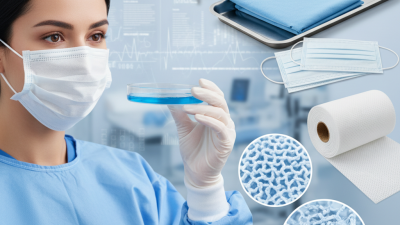
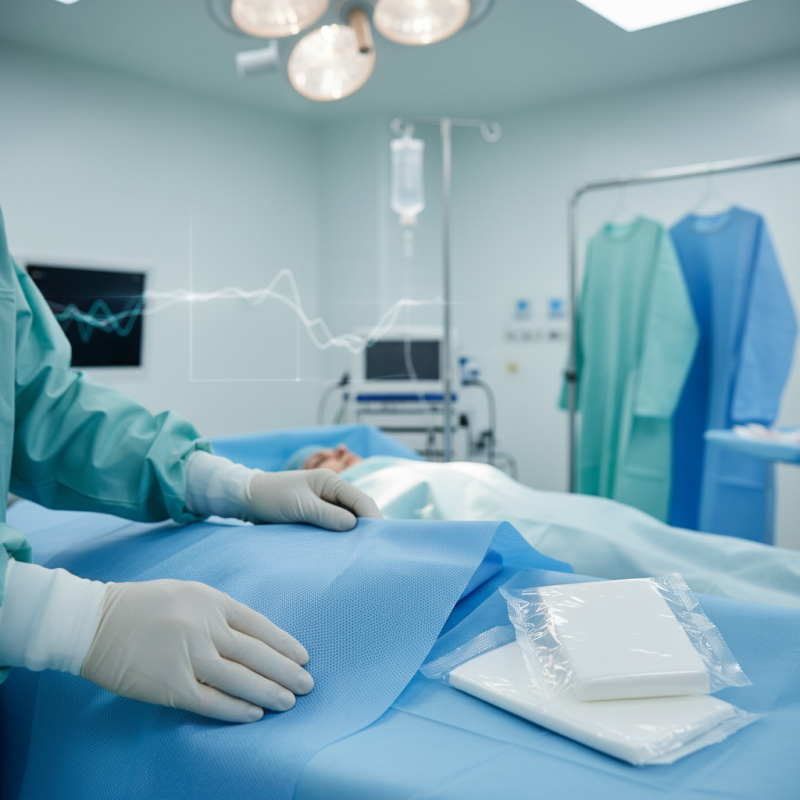
In surgical environments, nonwoven fabrics provide effective barrier protection against contaminants. They are commonly used in gowns, drapes, and masks. The American Hospital Association emphasizes that using nonwoven materials decreases the risk of post-operative infections. Their lightweight nature also enhances comfort for both medical staff and patients.
Tip: Always choose nonwoven products that meet ASTM standards for safety and effectiveness. Not all materials are created equal. Some may not provide adequate barrier protection.
Another aspect to consider is sustainability. The healthcare sector is increasingly prioritizing eco-friendly materials. Nonwoven fabrics can be made from recycled fibers, reducing environmental impact. However, the challenge remains. Not all nonwovens are biodegradable, leading to waste issues.
Tip: Check for certification labels to ensure the product's environmental claims. Verify if they have eco-friendly options.
Key Characteristics that Make Nonwoven Fabrics Suitable for Medical Use
Medical nonwoven fabrics have gained popularity for their unique qualities. These fabrics are designed to meet strict hygiene standards. They offer breathability, which is crucial in healthcare settings. Nonwoven fabrics are lightweight and soft, making them comfortable for patients. Their texture also helps in reducing friction against the skin.
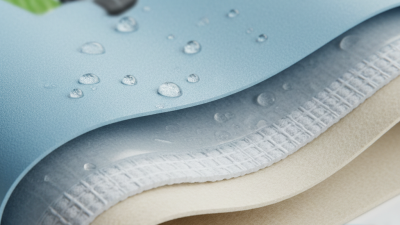
One key characteristic is their barrier properties. They provide protection against liquids and contaminants. This is essential in preventing infections. Additionally, nonwoven materials are often disposable, eliminating risks linked to reusability. This aspect is critical in surgical and clinical environments.
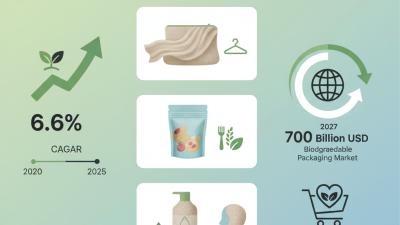
Sustainability is another emerging consideration. Some nonwoven fabrics are made from biodegradable materials. It prompts a reflection on the environmental impact of healthcare products. While the benefits are clear, the long-term effects still require more examination. Emphasizing innovation while ensuring safety is a delicate balance.
Top Benefits of Using Nonwoven Fabrics in Patient Care
Nonwoven fabrics are transforming patient care in healthcare settings. They offer exceptional versatility and comfort.
One major benefit is their breathability. Patients feel more comfortable wearing gowns and masks made from these materials. This can lead to
better overall patient experience during recovery.
These fabrics are also highly absorbent. They effectively manage moisture, reducing the risk of skin irritations.
For instance, nonwoven wound dressings keep the affected area dry, allowing for faster healing. Their disposability is another significant advantage.
After a procedure, used items can be discarded quickly, minimizing the risk of infection.
However, it's essential to consider the environmental impact. The production and disposal of nonwoven materials can contribute to waste.
There's a growing need for innovation in making these fabrics biodegradable. Balancing patient safety and environmental responsibility
remains a challenge in healthcare practices. As the industry evolves, finding sustainable solutions becomes increasingly crucial.
Cost-Effectiveness of Medical Nonwoven Fabrics in Healthcare Settings
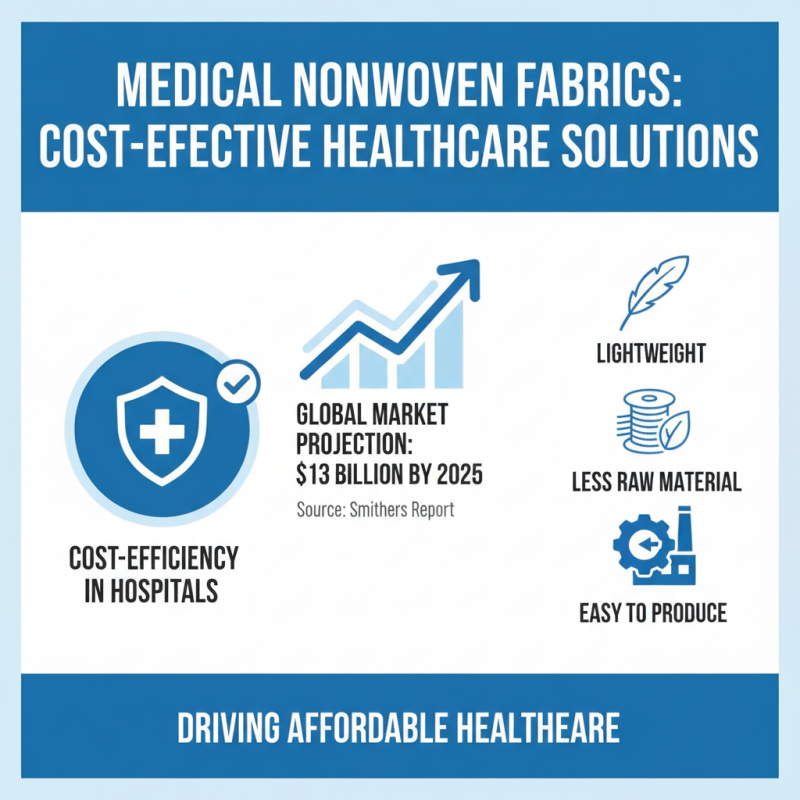
The cost-effectiveness of medical nonwoven fabrics in healthcare is significant. According to a report by Smithers, the global medical nonwoven market is projected to reach $13 billion by 2025. This growth is largely driven by the rising demand for cost-efficient solutions in hospitals. Nonwoven fabrics are lightweight, require less raw material, and are easy to produce.
Furthermore, nonwoven fabrics can reduce overall healthcare expenses. They are often used in surgical gowns, drapes, and masks, replacing traditional woven materials. A study from the Textile Research Journal highlights that nonwoven materials can cut costs by up to 30% in certain applications. This offers budget relief during tight financial periods.
However, there are concerns regarding their environmental impact. Nonwoven fabrics typically have lower recycling rates compared to woven counterparts. This raises questions about sustainability in healthcare settings. Institutions must weigh the immediate cost benefits against longer-term environmental effects. Finding a balance is crucial for future healthcare practices.
Environmental Impact and Sustainability of Nonwoven Medical Textiles
The environmental impact of nonwoven medical textiles is a significant topic in healthcare today. Nonwoven fabrics, made from polypropylene, polyester, and other synthetic materials, are widely used in medical applications. A report by Smithers indicates that the global nonwoven fabric market is expected to reach $50 billion by 2025, emphasizing the ongoing demand for these materials.
While nonwoven fabrics offer excellent functionality and protection, their sustainability has raised concerns. The production process involves the use of fossil fuels, contributing to greenhouse gas emissions. Additionally, disposal poses a challenge, as many nonwoven products are not biodegradable. A recent study highlighted that over 90% of healthcare textiles end up in landfills. This statistic is troubling, considering the growing awareness around waste management and environmental responsibility.
Some manufacturers are exploring eco-friendly alternatives. There is a push for recycled materials and biodegradable options. However, these innovations are not yet mainstream, and adoption rates remain low. The industry must strive for a balance between functionality and ecological responsibility. As healthcare advances, finding sustainable solutions should become a priority, reflecting a commitment to both patient care and planetary health.

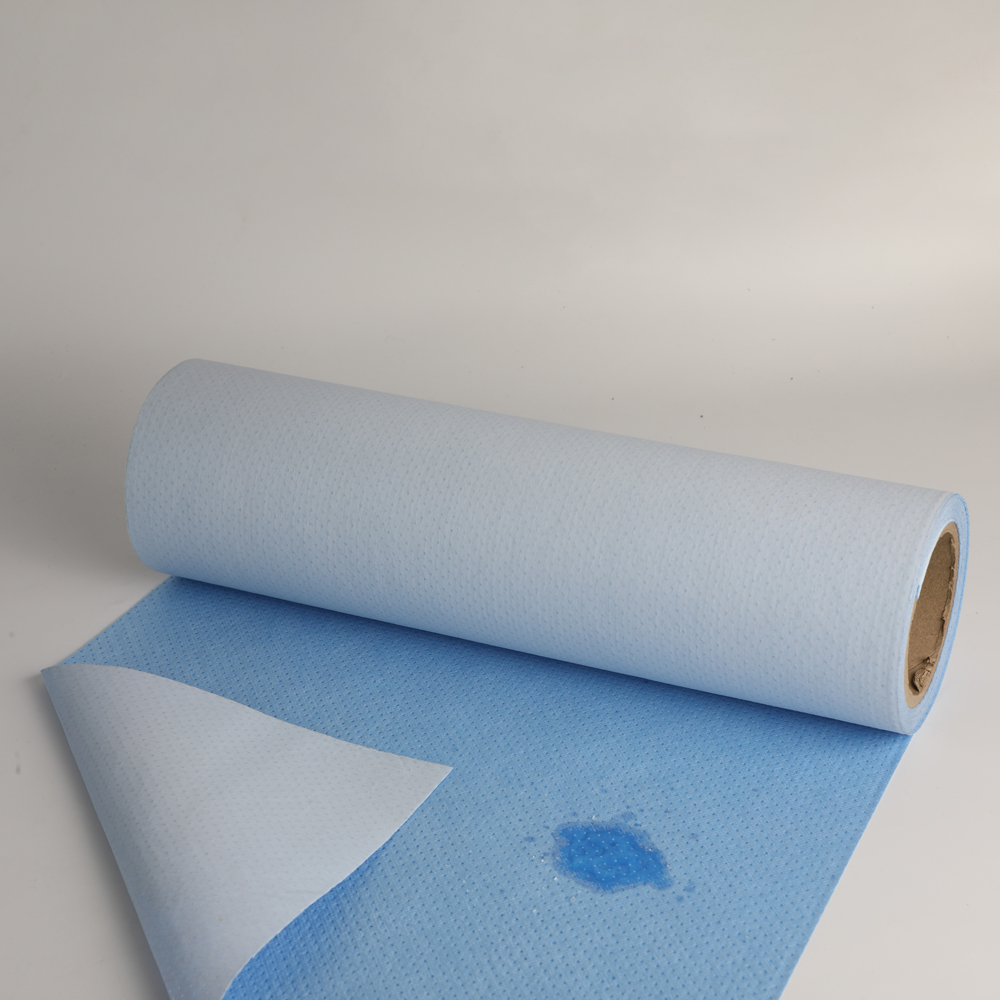 Multi Laminates
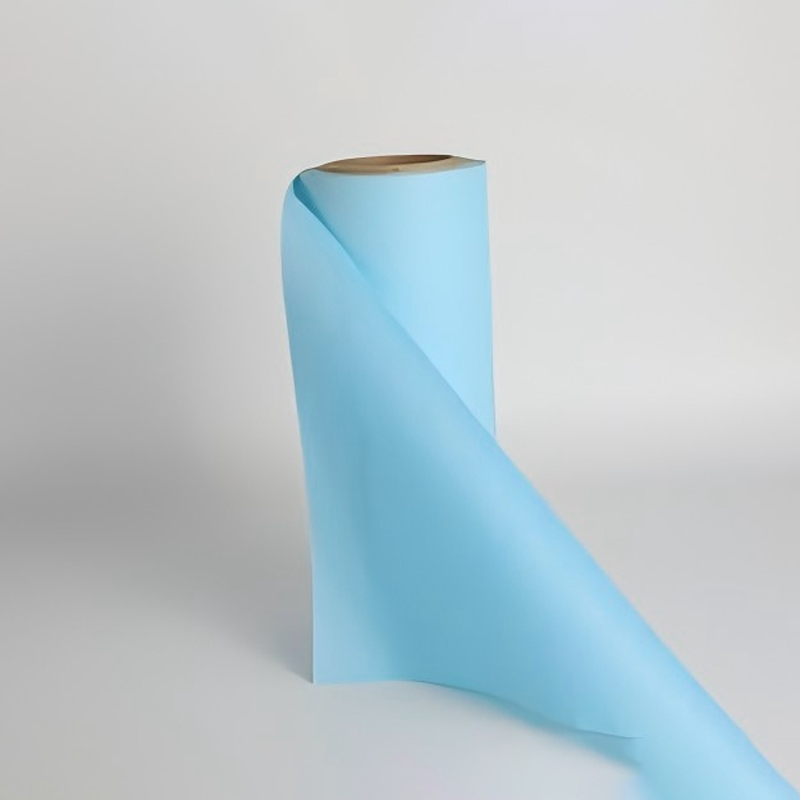 Spunlace Nonwoven Laminates
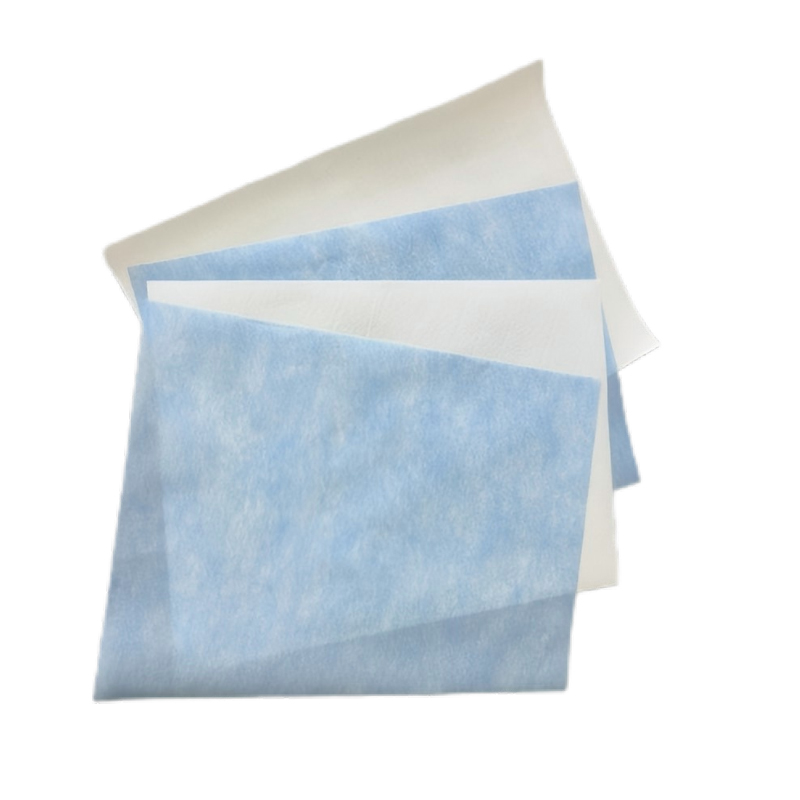 Breathable Film Laminates
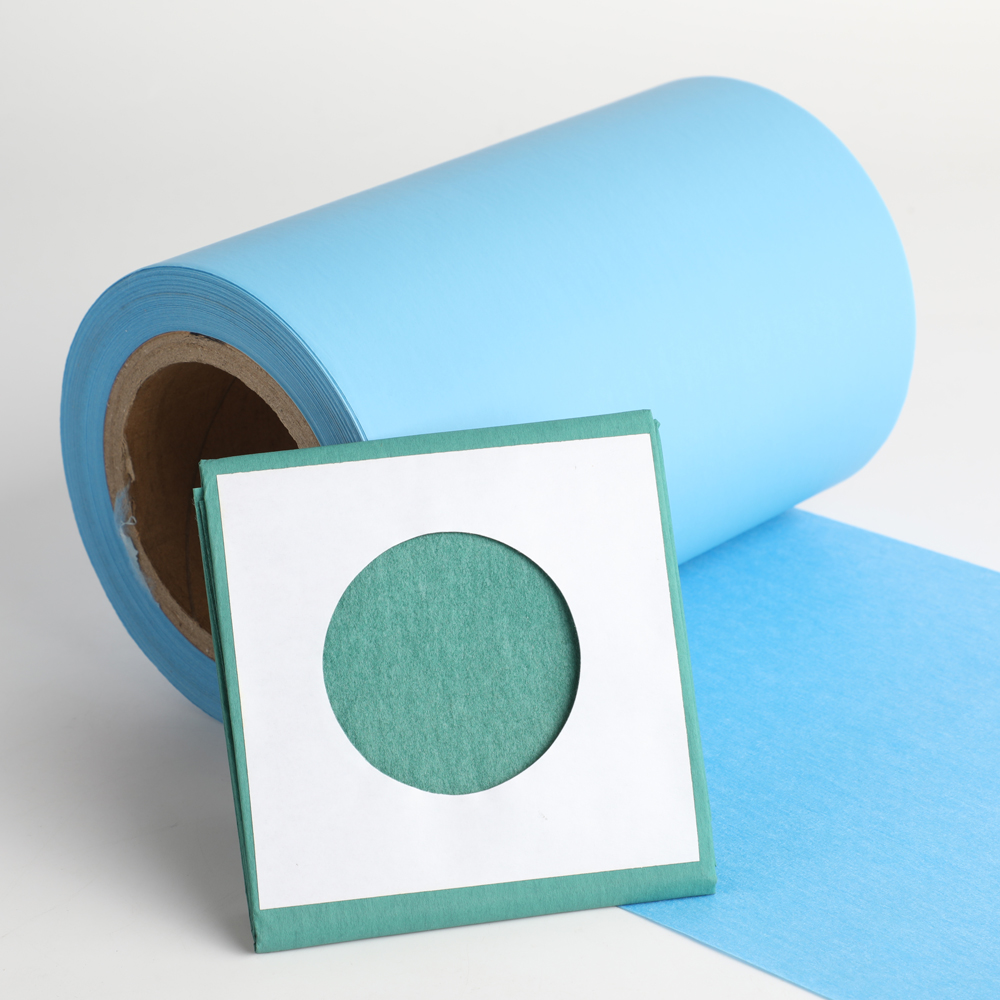 Viscose Laminates
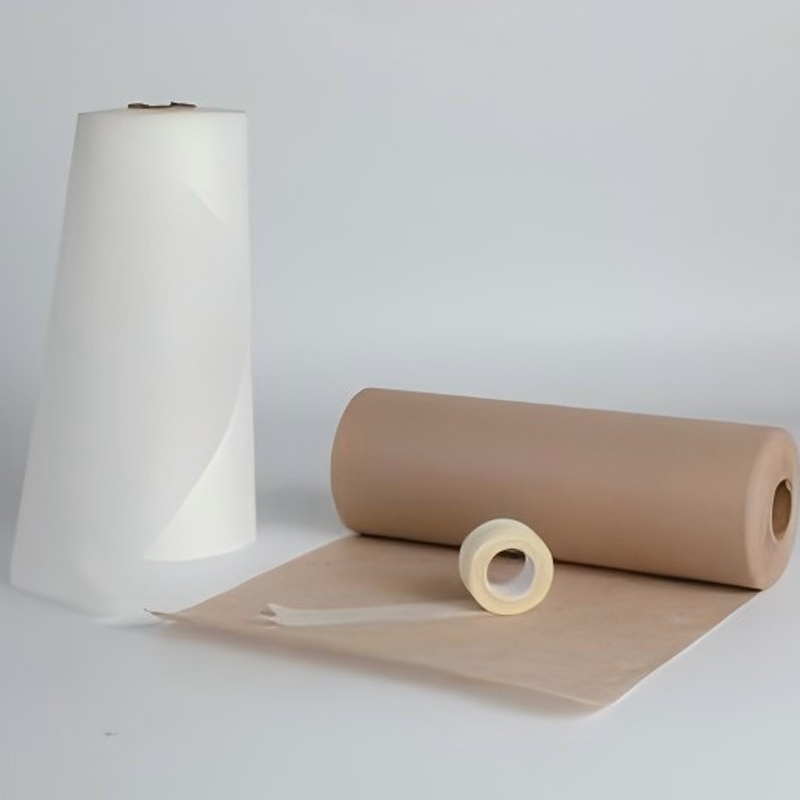 Medical Tape Nonwoven
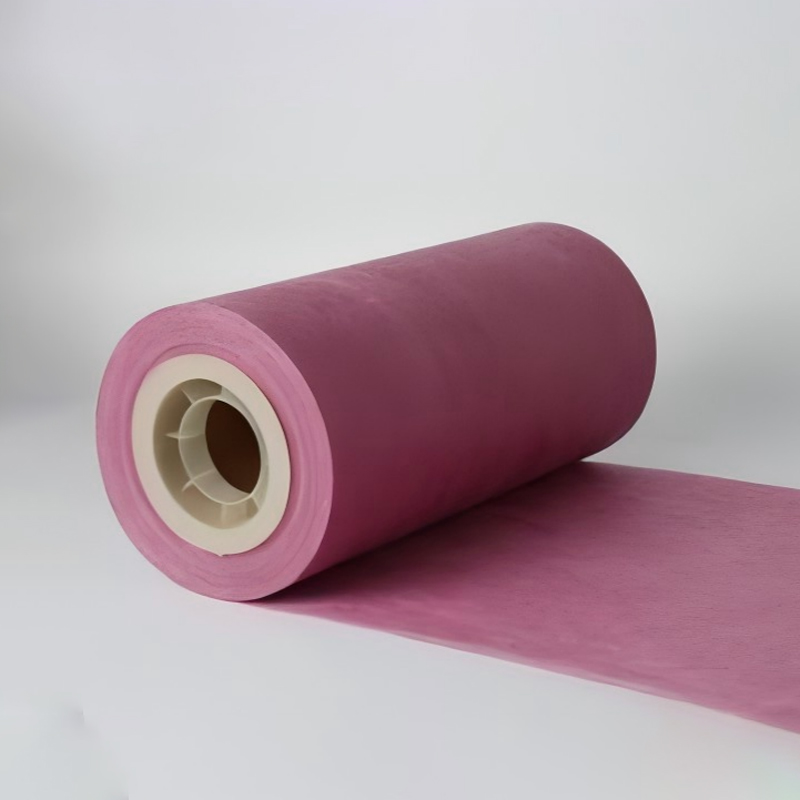 Filtration Nonwoven
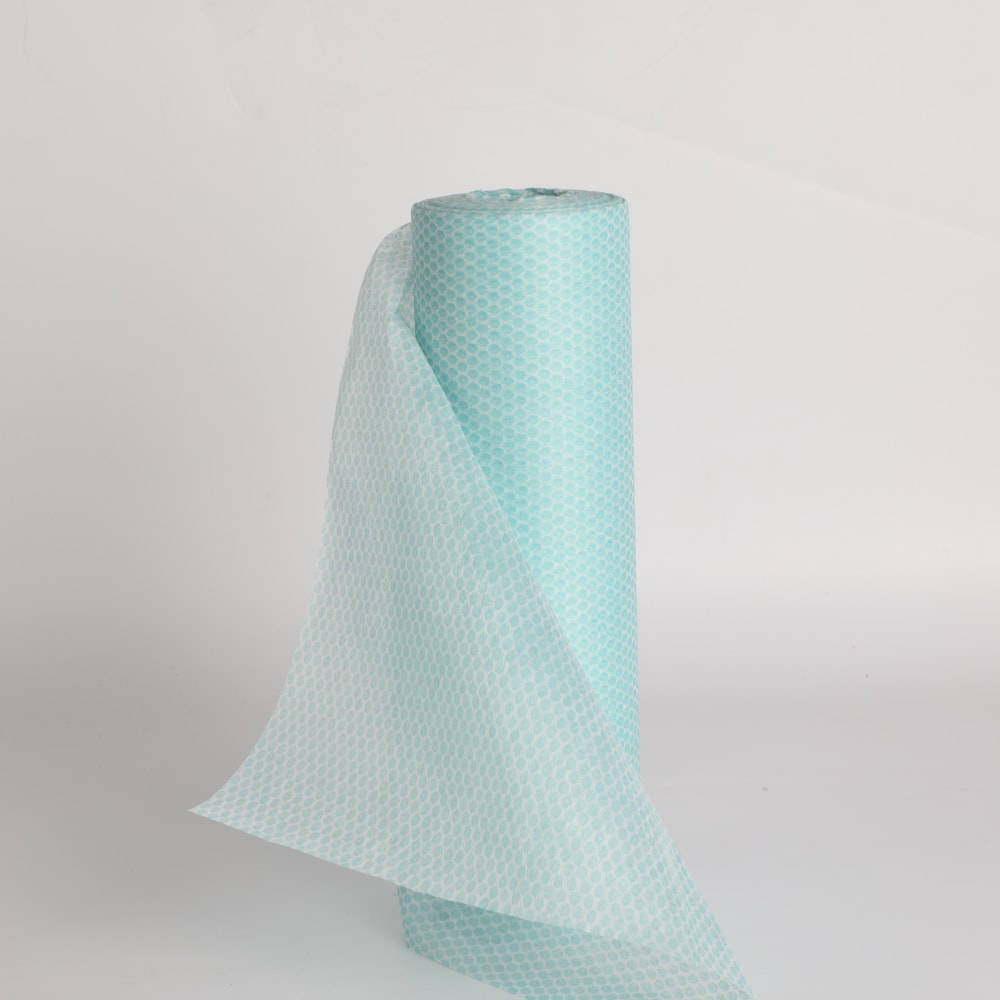 Head Wear Nonwoven
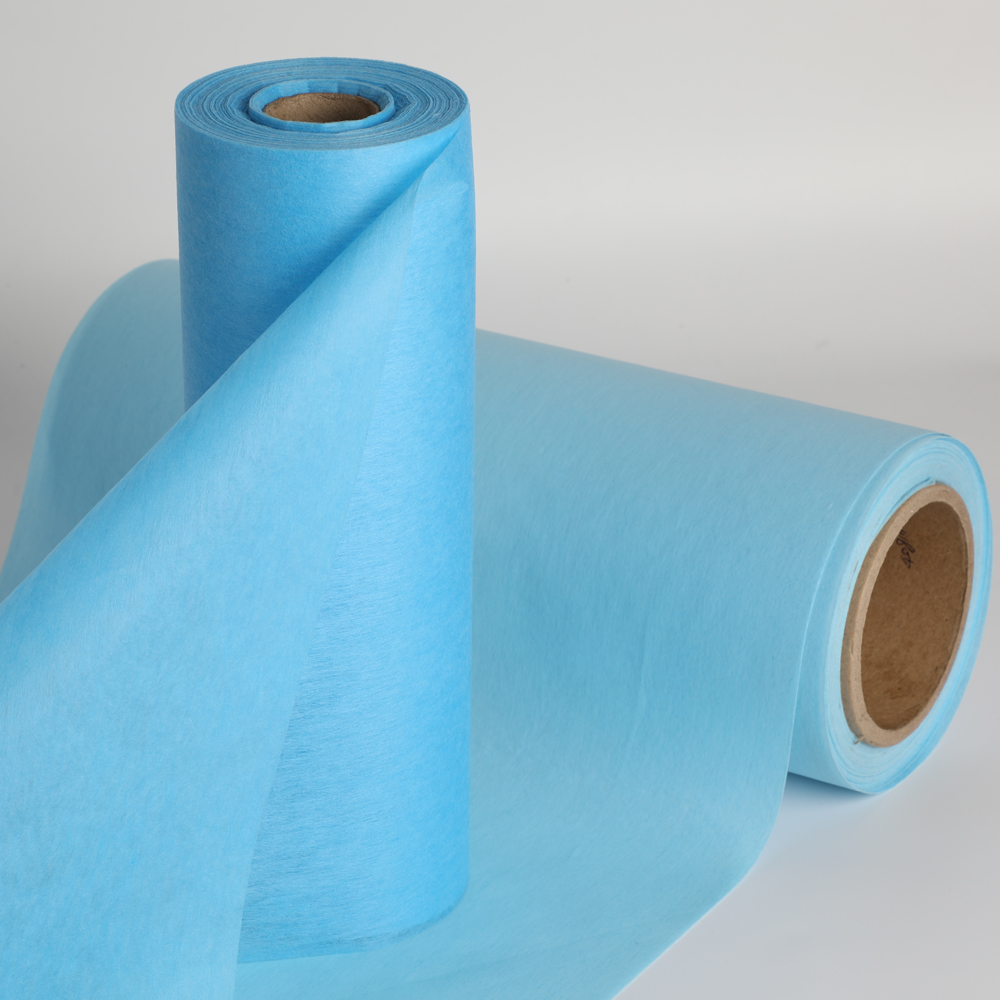 Medical Viscose Nonwoven
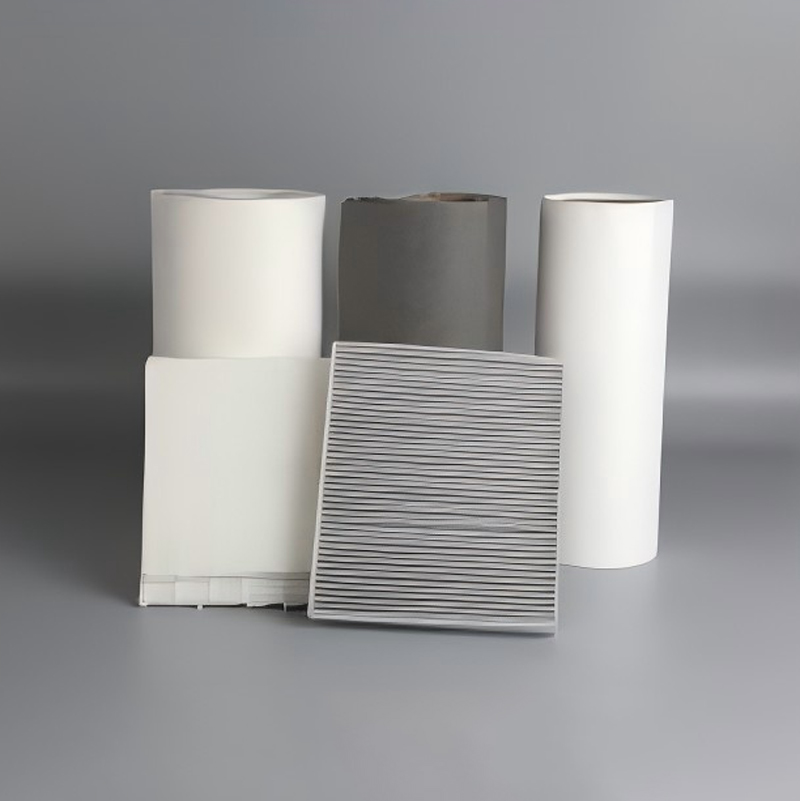 Air Filter Media
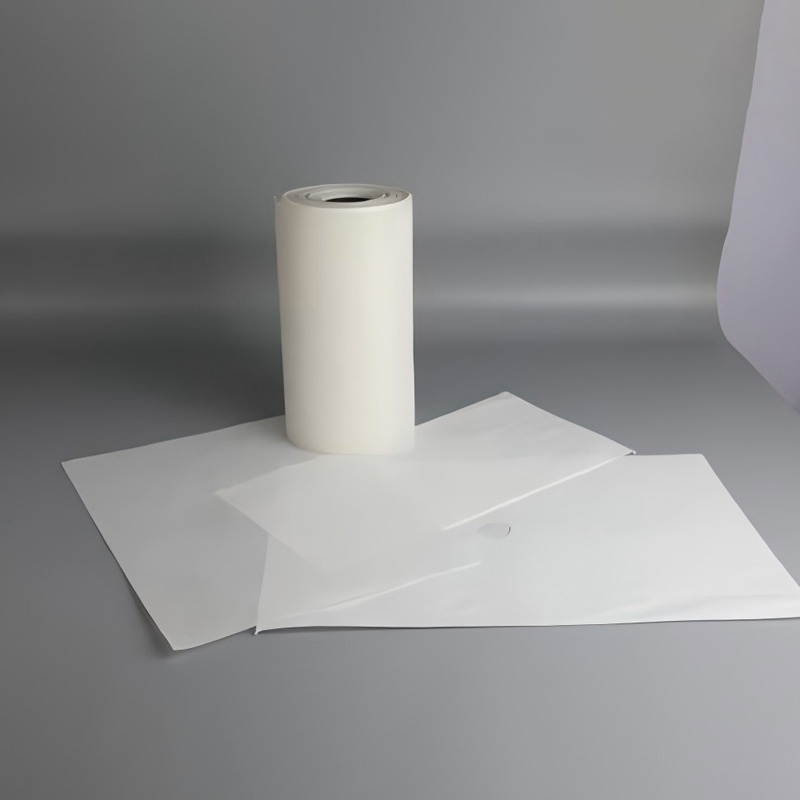 Liquid Filter Media
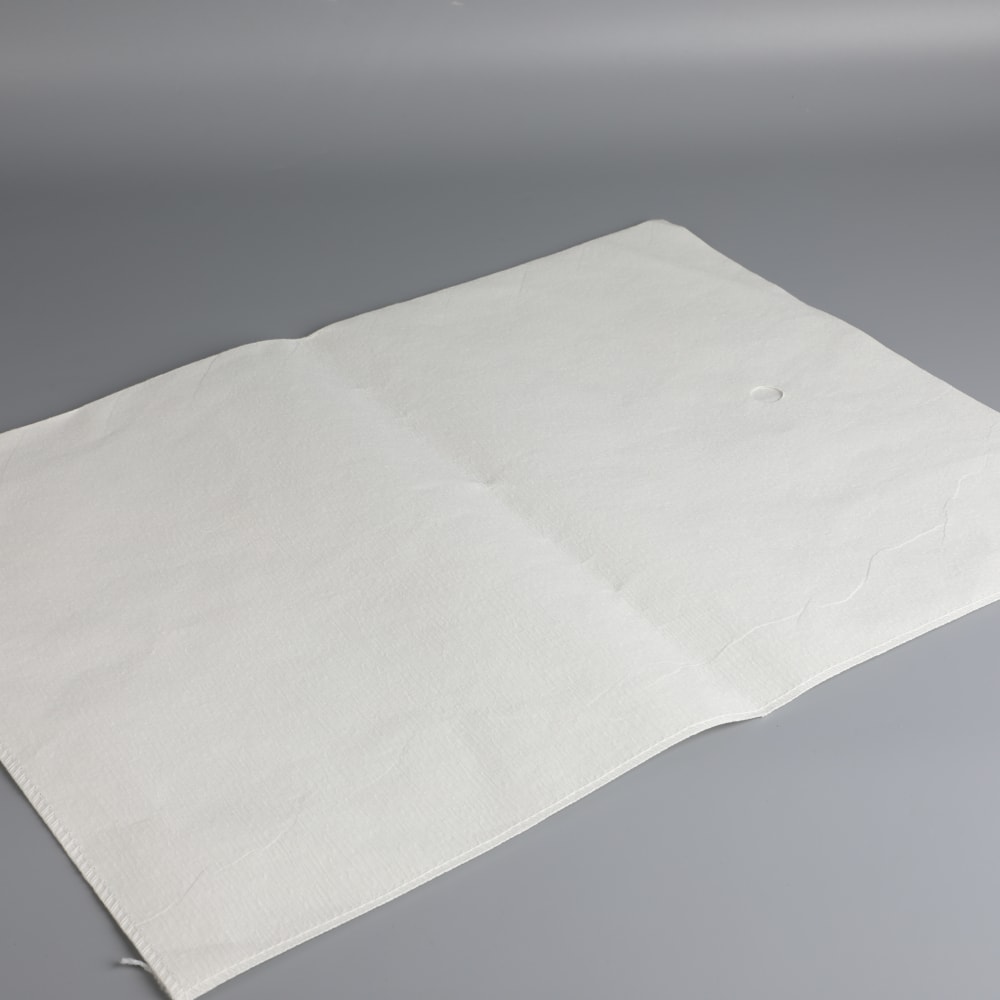 Filter Envelope & Filter Sheet
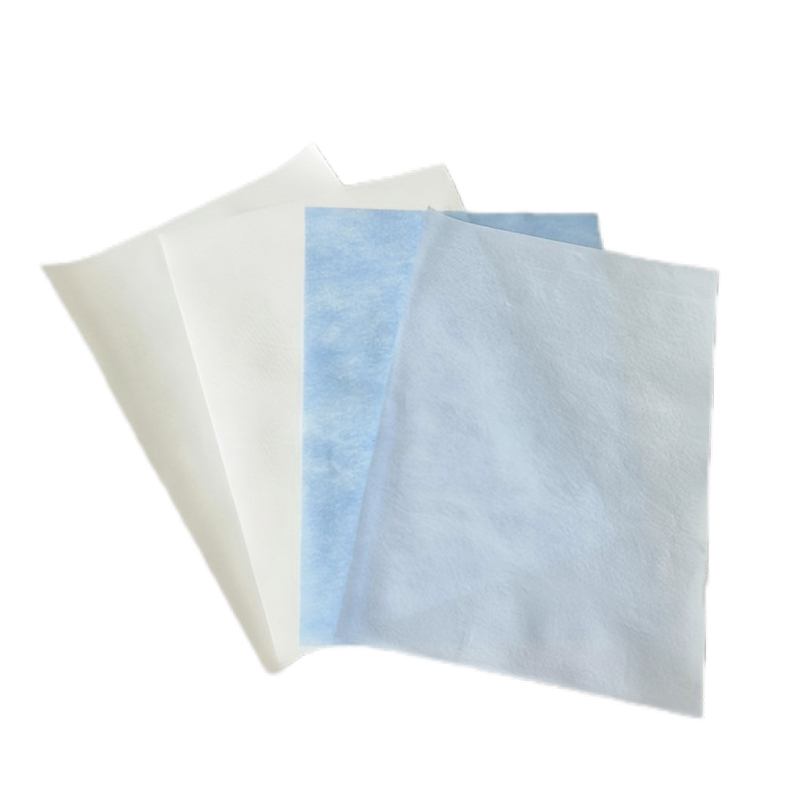 Breathable Film Laminates
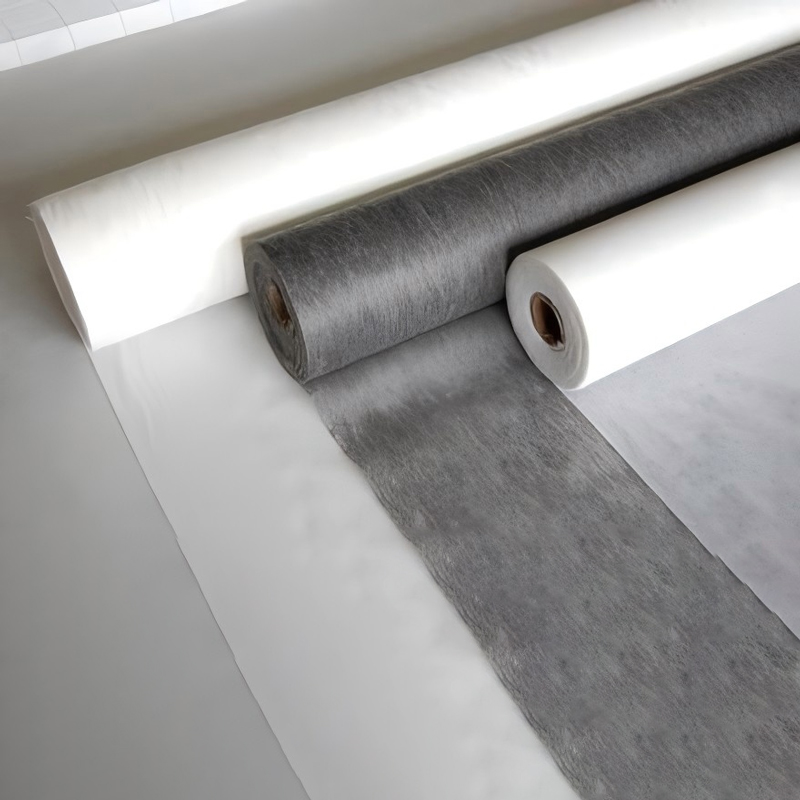 Nonwoven Interlining
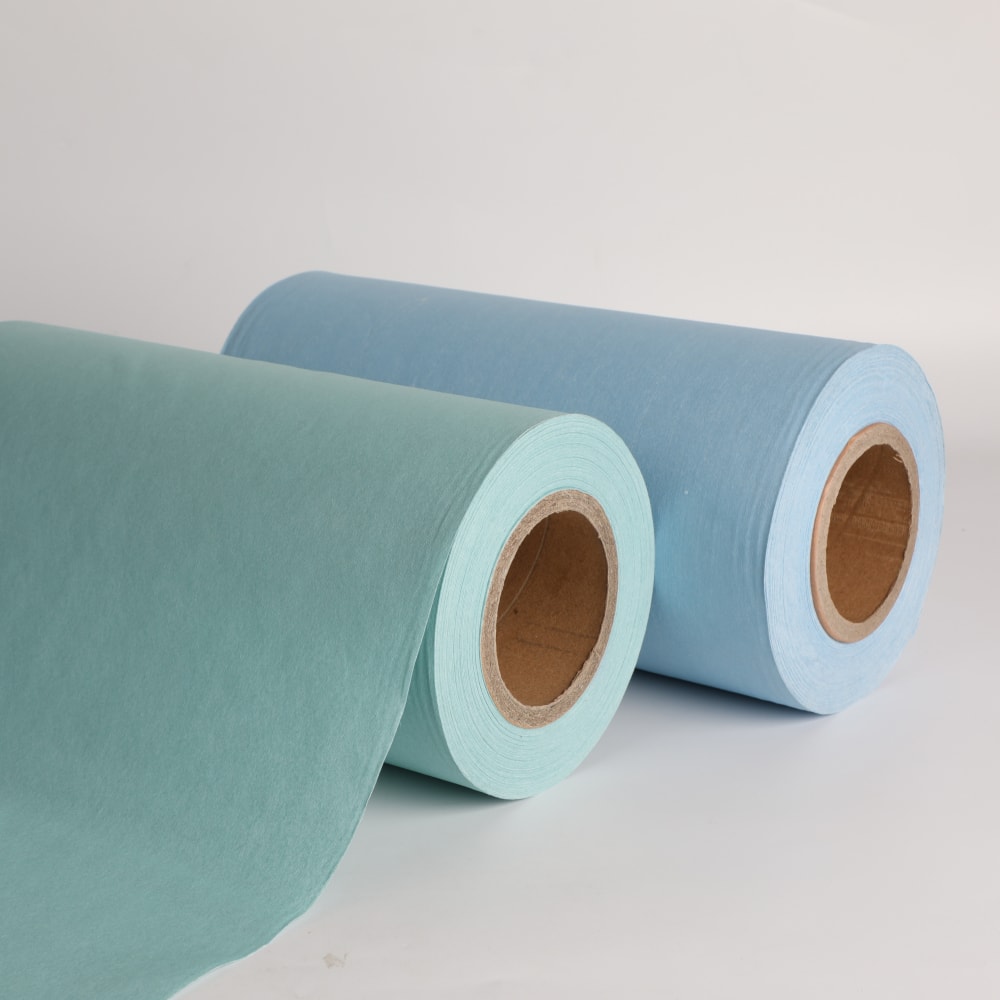 Fluid Repellent Woodpulp Spunlace Nonwoven
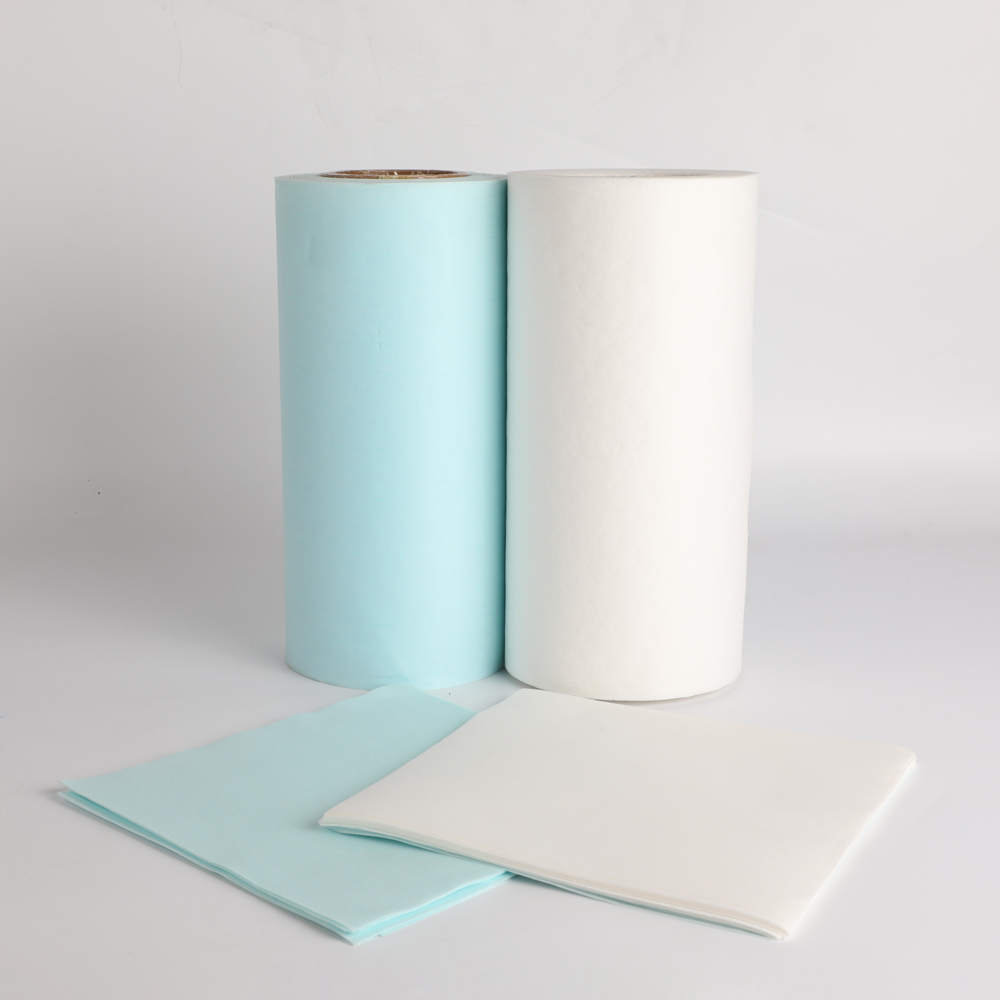 Woodpulp Nonwoven Wipe
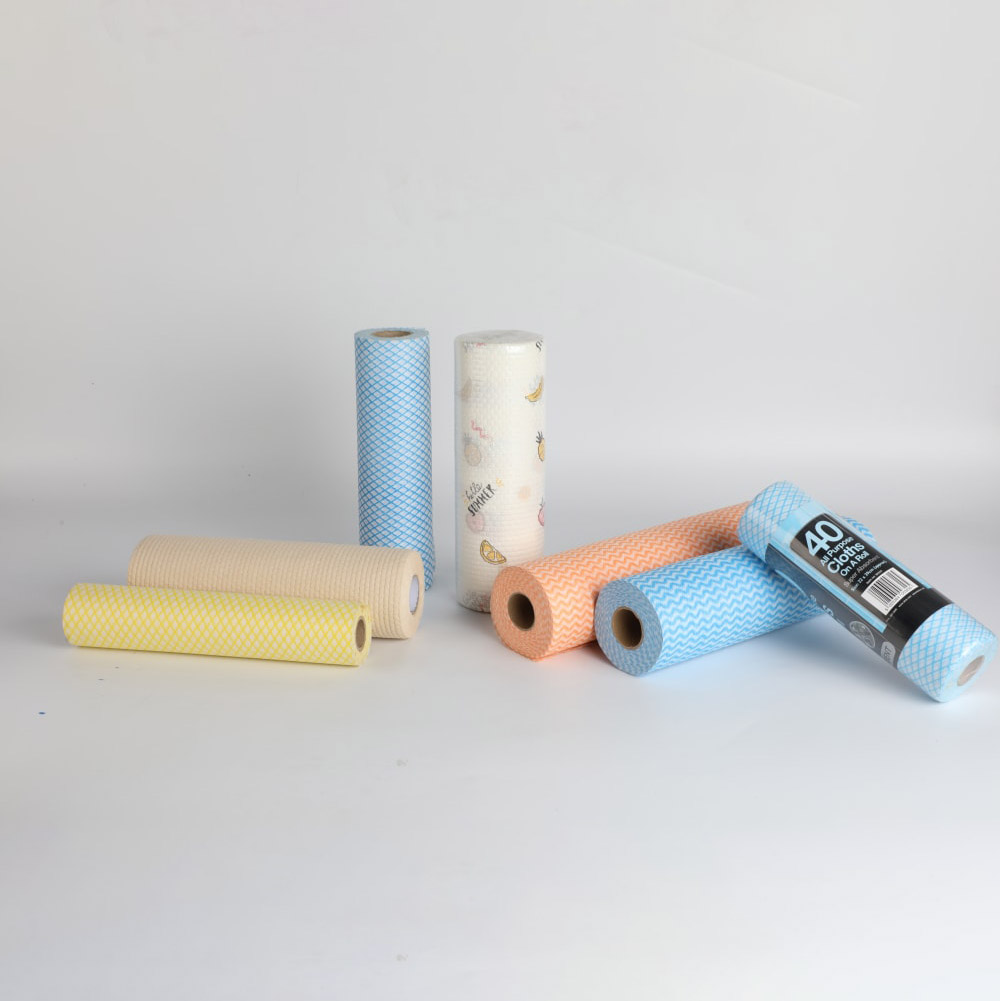 Nonwoven Cleaning Wipe
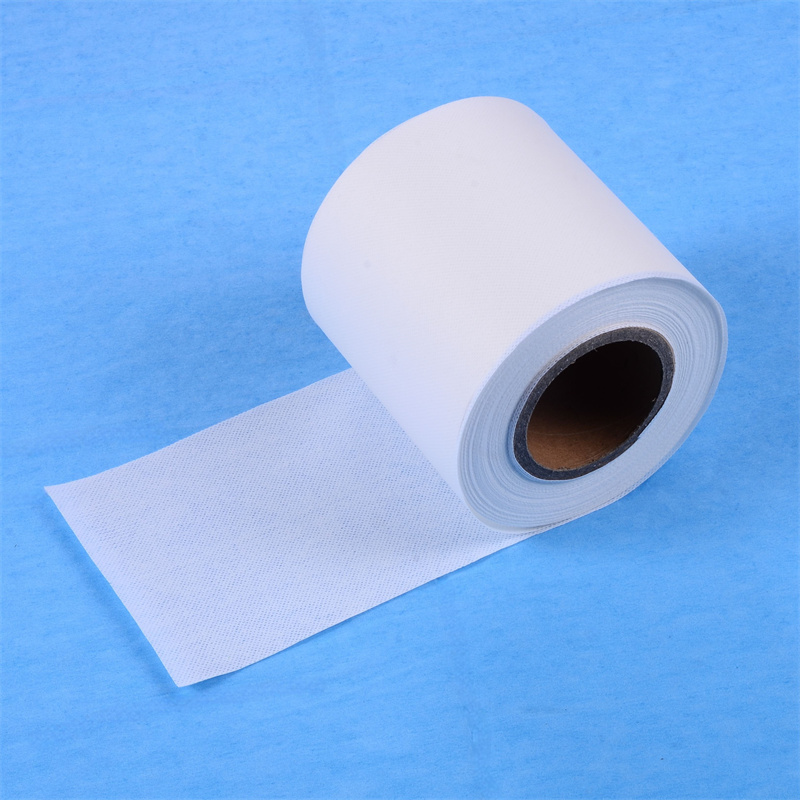 Flame Retardant Nonwoven Fabric
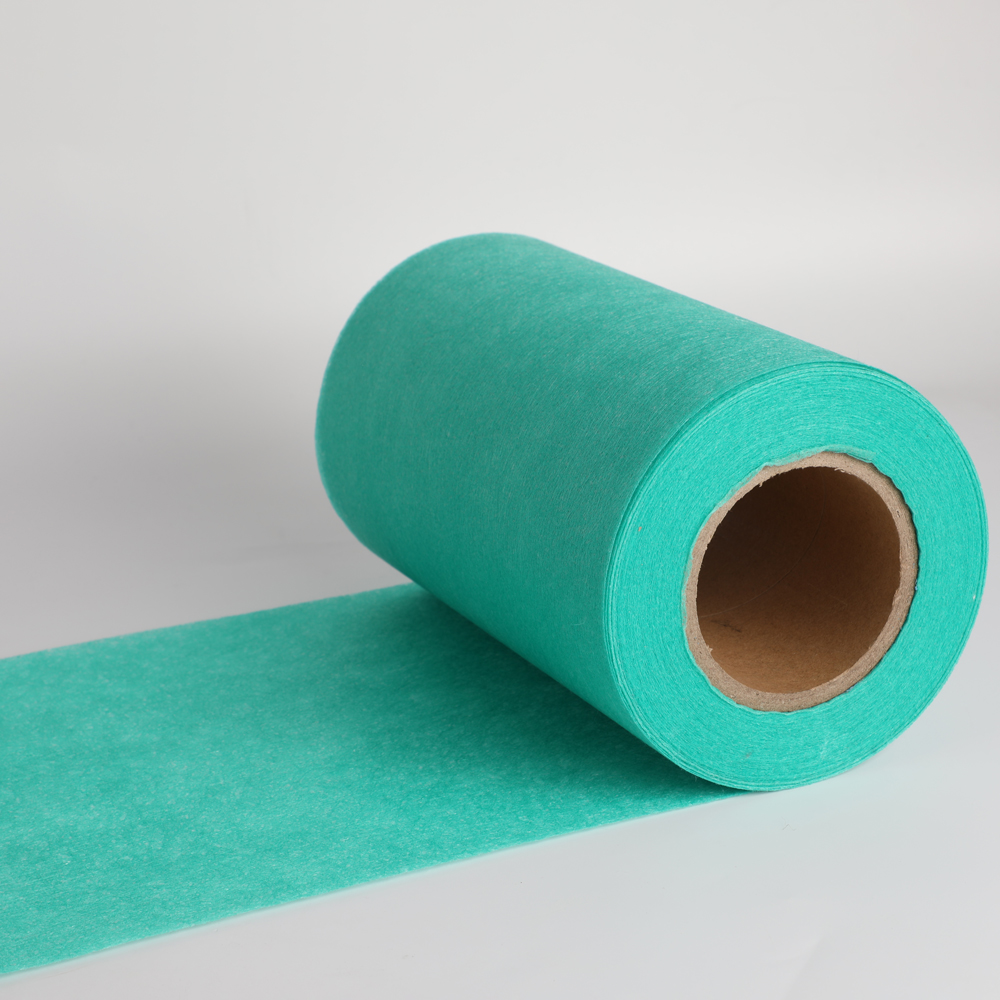 Anti-Bacterial Nonwoven
 CONTACT WhatsApp
 CONTACT WeChat

 CONTACT NUMBER
 CONTACT EMAIL