What are the Benefits of Non Woven Polyester Fabric for Buyers?
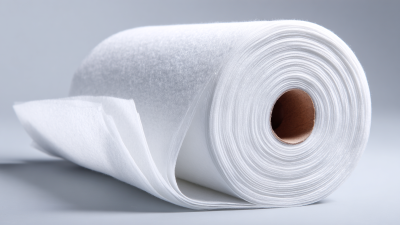
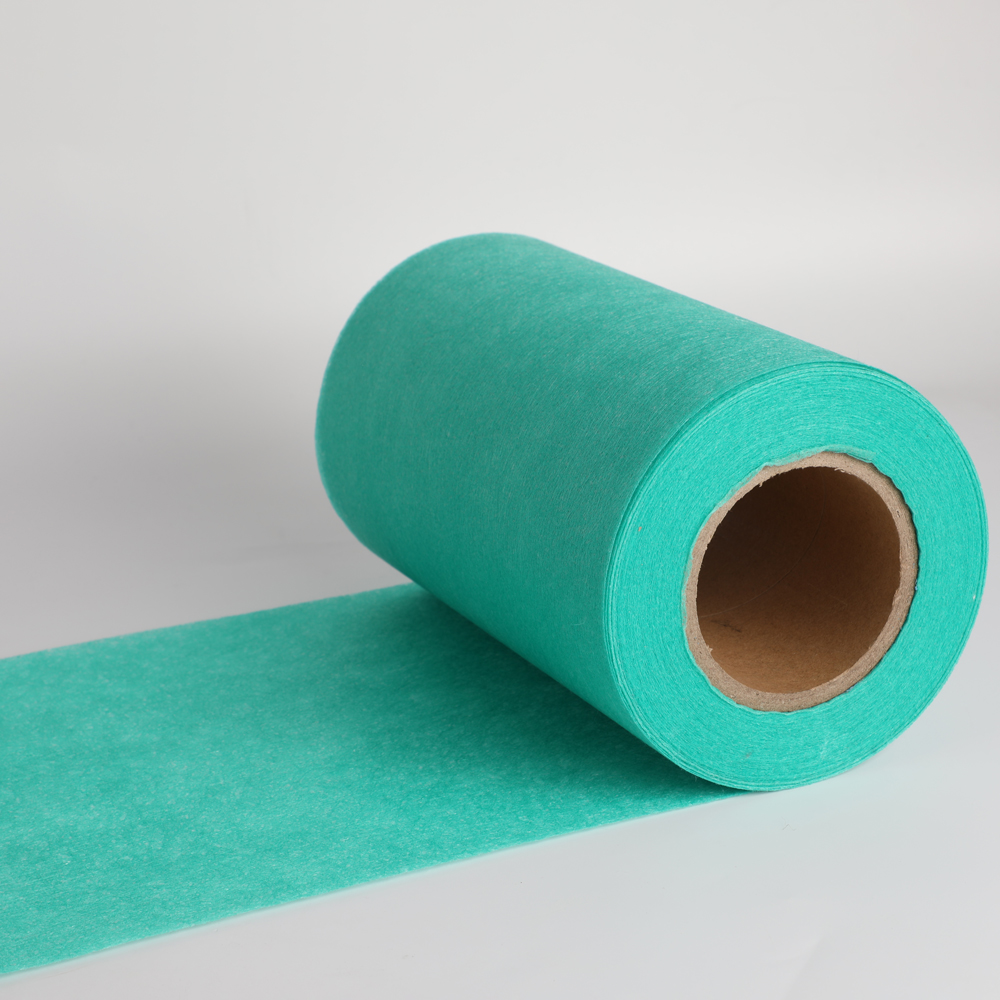
Non Woven Polyester Fabric offers impressive benefits for buyers in various industries. According to industry expert Dr. Sarah Peters, "The versatility of Non Woven Polyester Fabric makes it a preferred choice in many applications." This fabric is known for its durability and lightweight nature. It has gained popularity in sectors like healthcare, automotive, and home textiles.
Beyond its strength, Non Woven Polyester Fabric is cost-effective. Businesses appreciate its affordability without compromising quality. Moreover, it is easy to work with, allowing for innovative designs and applications. However, buyers must consider their specific needs. Not all Non Woven Polyester Fabrics are equal. Different production processes lead to varying qualities.
Many companies may overlook these factors when sourcing materials. Careful evaluation is necessary to ensure that the fabric meets industry standards. It's crucial to partner with reliable suppliers. Ultimately, Non Woven Polyester Fabric holds great promise, but buyers should approach their choices thoughtfully.
Benefits of Durability and Longevity in Non Woven Polyester Fabric
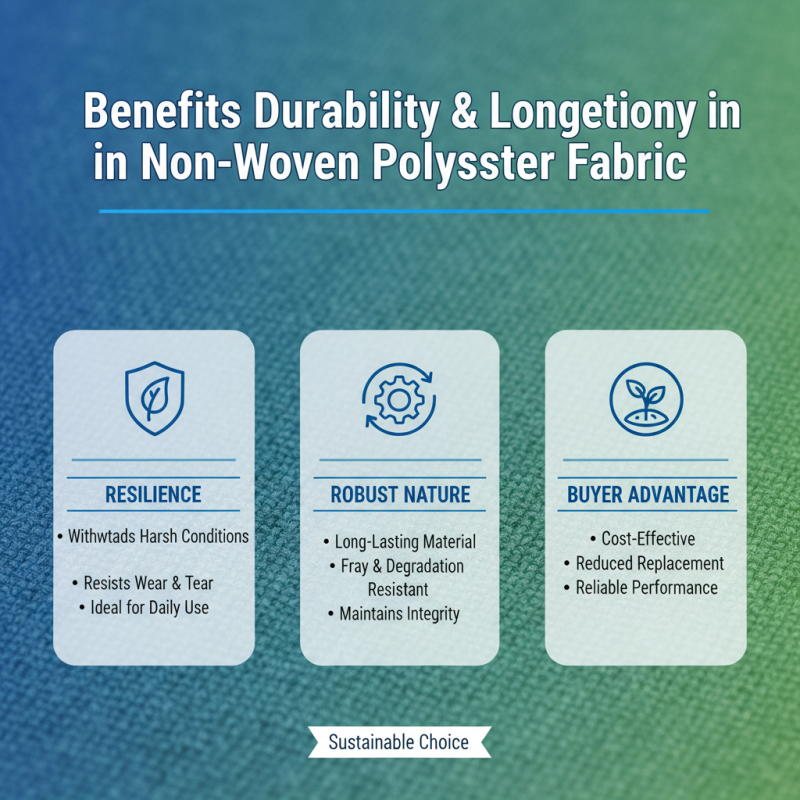
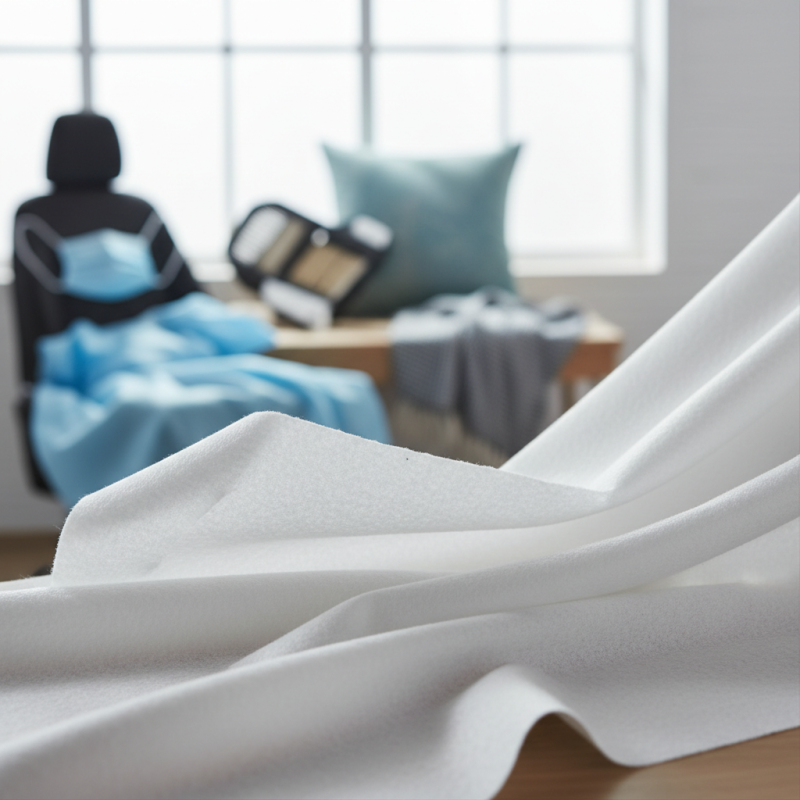
Non-woven polyester fabric stands out for its remarkable durability and longevity. This material is designed to withstand various environmental conditions. It resists wear and tear, making it ideal for everyday use. Buyers can benefit greatly from its robust nature. This fabric does not easily fray or degrade, ensuring it maintains its integrity over time.
In many applications, durability means less frequent replacements. This translates to cost savings for consumers. However, some might overlook the importance of proper care. Even durable materials need attention to maintain their quality. Regular cleaning methods can enhance the lifespan further. Buyers may also find that the color retention in non-woven polyester is impressive. This keeps products looking fresh longer, reducing the need for replacements.
Choosing non-woven polyester fabric is a smart decision for those seeking value. The longevity can lead to fewer environmental impacts. Though the initial investment might seem higher, the lasting quality makes it worthwhile. Reflecting on this, one might ponder how often they truly assess the materials they choose. Different applications may require varying levels of care and attention. It's crucial to understand how to maximize the benefits of this versatile fabric.
Cost-Effectiveness: How Non Woven Polyester Saves Buyers Money
Non-woven polyester fabric offers significant cost savings for buyers, making it an attractive option in various industries. One of its main advantages is the reduced production cost. Non-woven fabrics are made through processes that require less energy compared to woven materials. This efficiency translates into lower prices for end consumers.
Additionally, these fabrics require minimal maintenance. Unlike traditional textiles, non-woven polyester is easy to clean and durable. This durability means less frequent replacements, further saving money over time. Buyers can invest in products made from this material with confidence.
Tips: Always choose suppliers with a good reputation. Research can prevent costly mistakes. Consider bulk purchasing to drive down costs even further.
Innovation in non-woven technologies continues to grow. However, not all products are created equal. Buyers should evaluate quality and performance to ensure they are making a wise investment. It’s essential to weigh both immediate cost and long-term durability. This balance is crucial for maximizing value.
Benefits of Non Woven Polyester Fabric for Buyers
| Benefit |
Description |
Cost Savings |
| Durability |
Non woven polyester fabric is highly durable and resistant to wear and tear. |
Reduces replacement costs due to longer lifespan. |
| Lightweight |
This fabric is lighter than traditional fabrics, allowing easier handling and shipping. |
Lower shipping costs due to reduced weight. |
| Versatility |
Can be used in various applications from clothing to industrial uses. |
Cost-effective for multiple applications without needing different materials. |
| Eco-Friendly Options |
Some non woven polyester options are made from recycled materials. |
Potential tax benefits for using sustainable materials. |
| Cost Efficiency |
Manufacturing processes for non woven polyester are generally less expensive. |
Lower production costs lead to lower retail prices for end-users. |
Environmental Considerations: Eco-Friendliness of Non Woven Polyester
Non woven polyester fabric is gaining attention for its eco-friendliness. In recent studies, this material has shown promise in reducing environmental impacts. According to a report by the Environmental Protection Agency, polyester can be recycled multiple times, retaining significant quality. This recycling potential helps decrease landfill waste.
One of the most remarkable aspects is its low energy consumption during production. A study published in the Journal of Cleaner Production states that non woven polyester fabric requires less energy compared to traditional woven fabrics. This results in a smaller carbon footprint. Additionally, the fabric's durability means it can be reused, further extending its lifecycle.
However, the production process is not without concerns. While the recyclability is a strong point, the environmental impact of polyester production still warrants caution. The process involves petrochemicals, which can lead to pollution if not managed properly. Thoughtful sourcing and responsible practices become crucial in mitigating these effects. These factors make it necessary for buyers to consider the full lifecycle of non woven polyester.
Versatility of Applications: Where Non Woven Polyester Shines
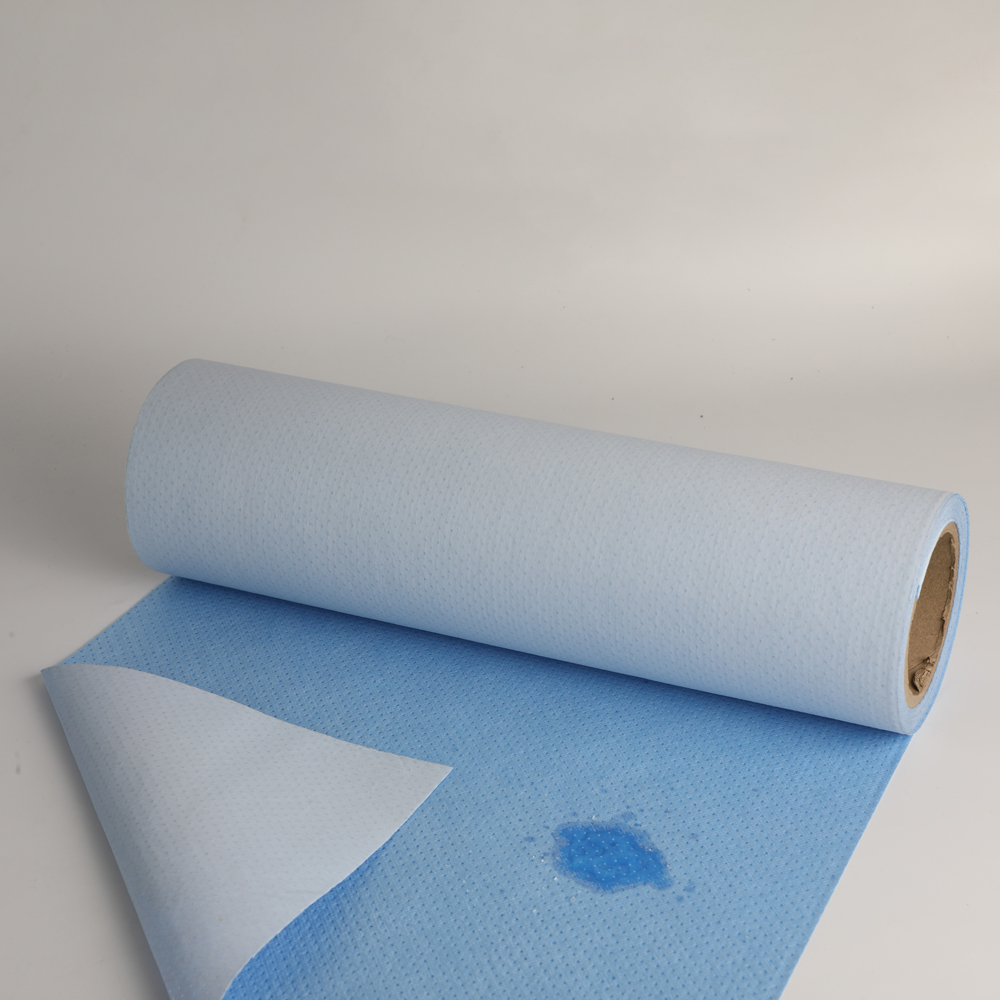
Non-woven polyester fabric is highly versatile. It finds applications in various industries due to its unique characteristics. For example, it is commonly used in the medical field for gowns, masks, and drapes. These products benefit from the fabric's breathability and lightweight nature. The fabric is also resistant to water and various chemicals, making it suitable for protective clothing.
In the home textiles sector, non-woven polyester shines as well. It is often used for upholstery and bedding, offering durability and ease of care. Interestingly, it allows for complex designs and textures that appeal to consumers. However, some may overlook its environmental impact during production. This calls for careful consideration by buyers.
Additionally, non-woven polyester is gaining traction in the automotive industry. Manufacturers utilize it for interior components, sound insulation, and filtration systems. These applications highlight the fabric's adaptability and performance under various conditions. Despite its high utility, it is essential to reflect on sourcing practices and recycle options. This ensures that the fabric's advantages do not come at an environmental cost.
Comfort and Performance: The User Experience with Non Woven Polyester
Non woven polyester fabric is gaining popularity for various applications. Its unique characteristics contribute significantly to user comfort and performance. According to industry reports, the material is breathable, lightweight, and offers excellent durability. These qualities make it suitable for products like garments, hygiene products, and medical supplies.
A recent study indicated that about 75% of users prefer non woven polyester for its softness and comfort. This fabric has become the go-to choice for those seeking products that do not compromise on performance. Moreover, it provides added moisture-wicking properties, enhancing user experience, especially in active wear.
**Tip:** Always check the fabric weight for better durability. Heavier fabrics typically last longer.
While non woven polyester excels in many areas, it is essential to address some limitations. The fabric's recyclability is a pressing concern; many users feel conflicted about its environmental impact. Existing data shows only around 10% of polyester is recycled, urging buyers to reflect on sustainability practices.
**Tip:** Consider the application before purchasing. Not all non woven polyester is created equal; performance can vary significantly based on manufacturing processes.
Benefits of Non Woven Polyester Fabric for Buyers

 Multi Laminates
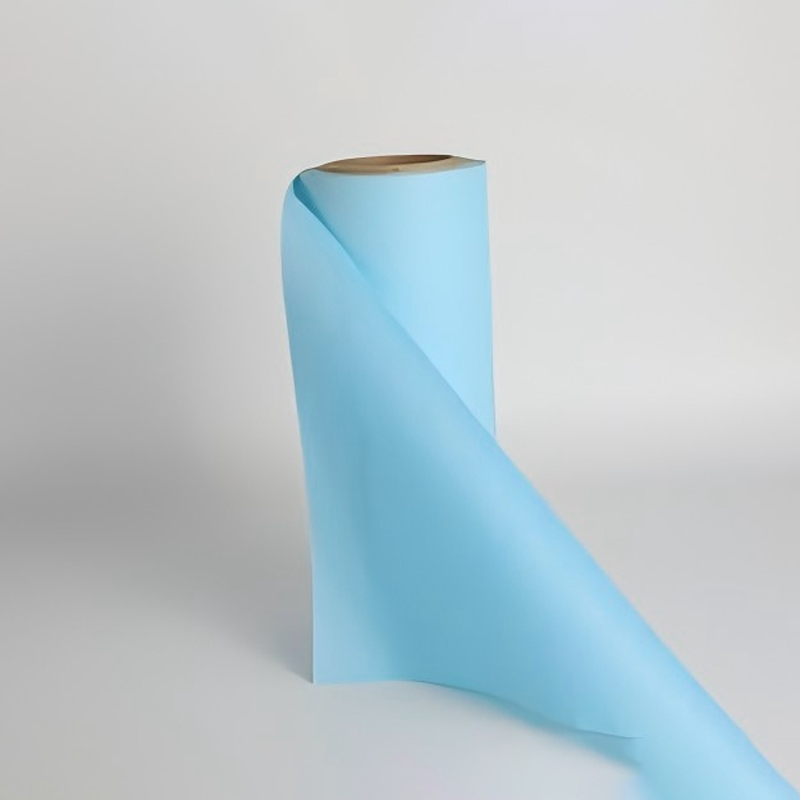 Spunlace Nonwoven Laminates
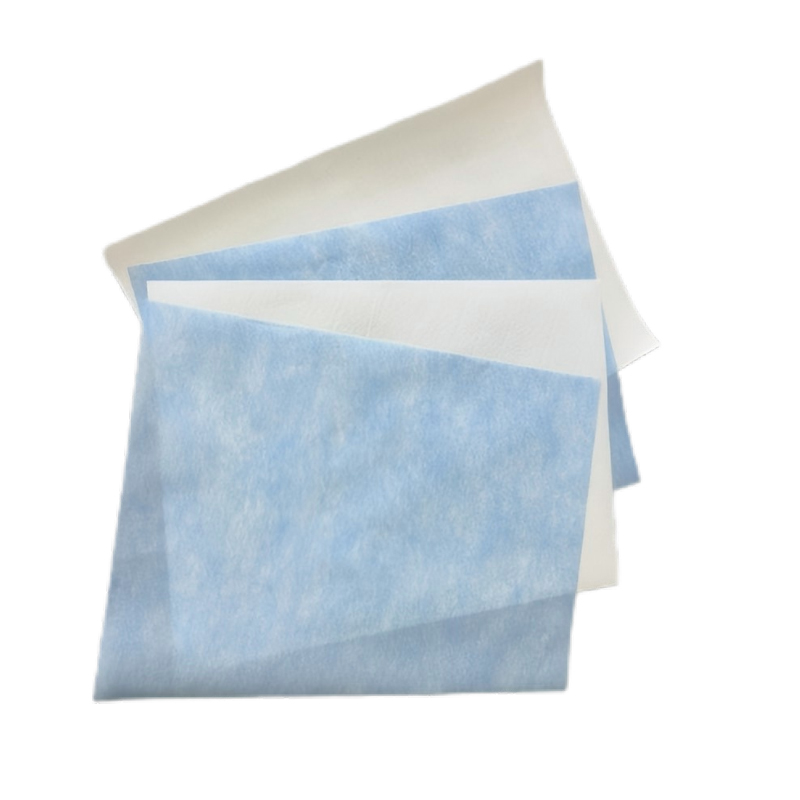 Breathable Film Laminates
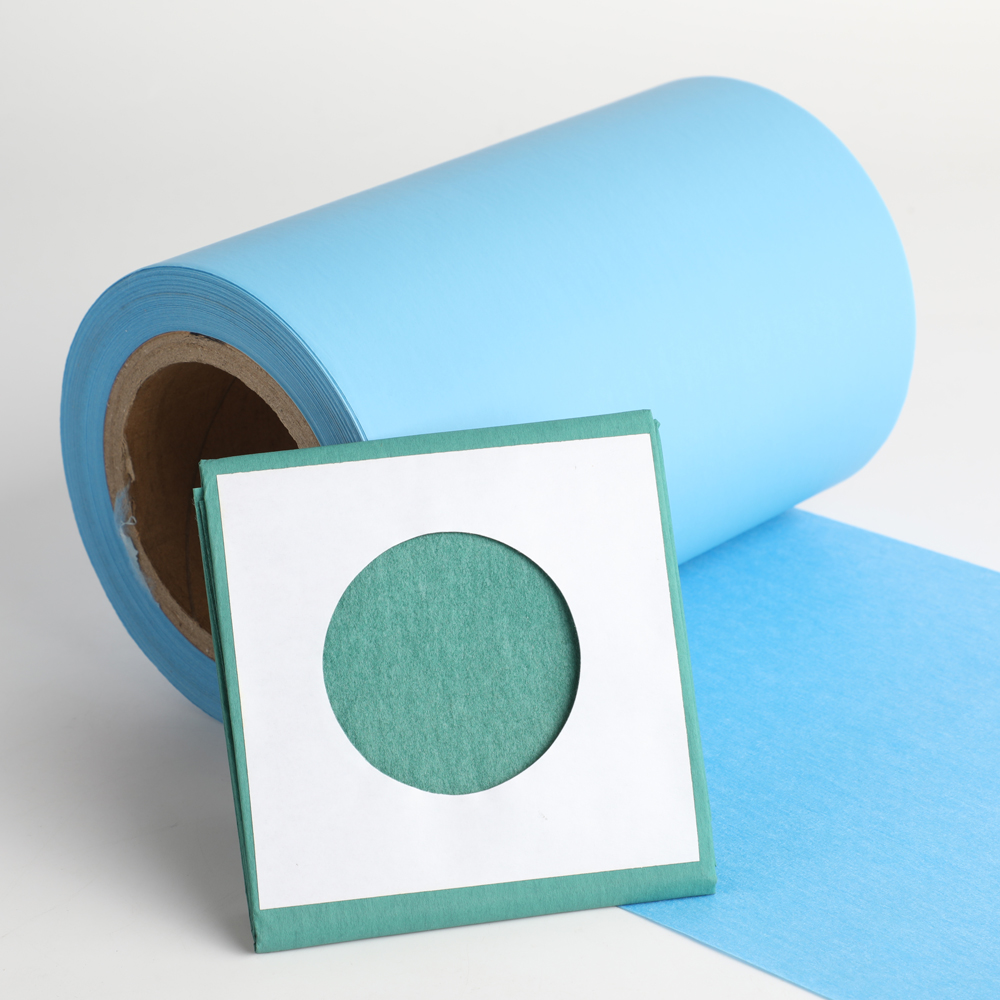 Viscose Laminates
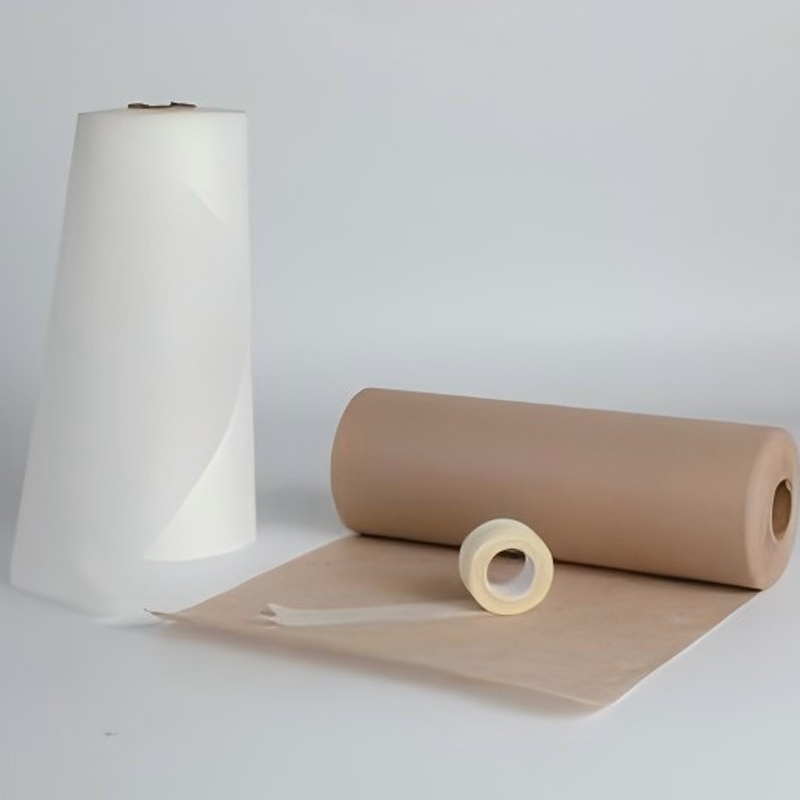 Medical Tape Nonwoven
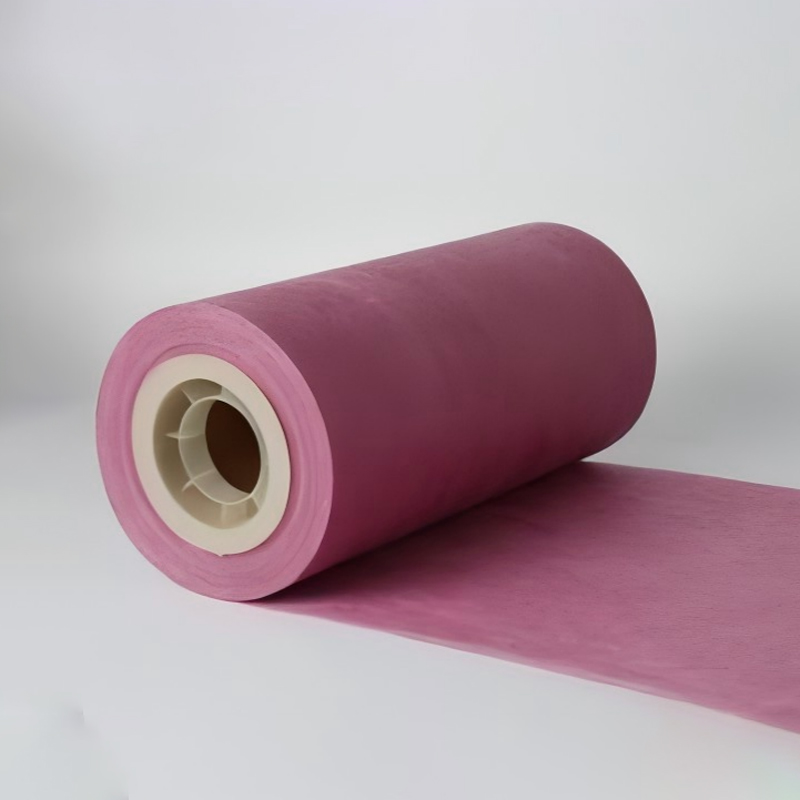 Filtration Nonwoven
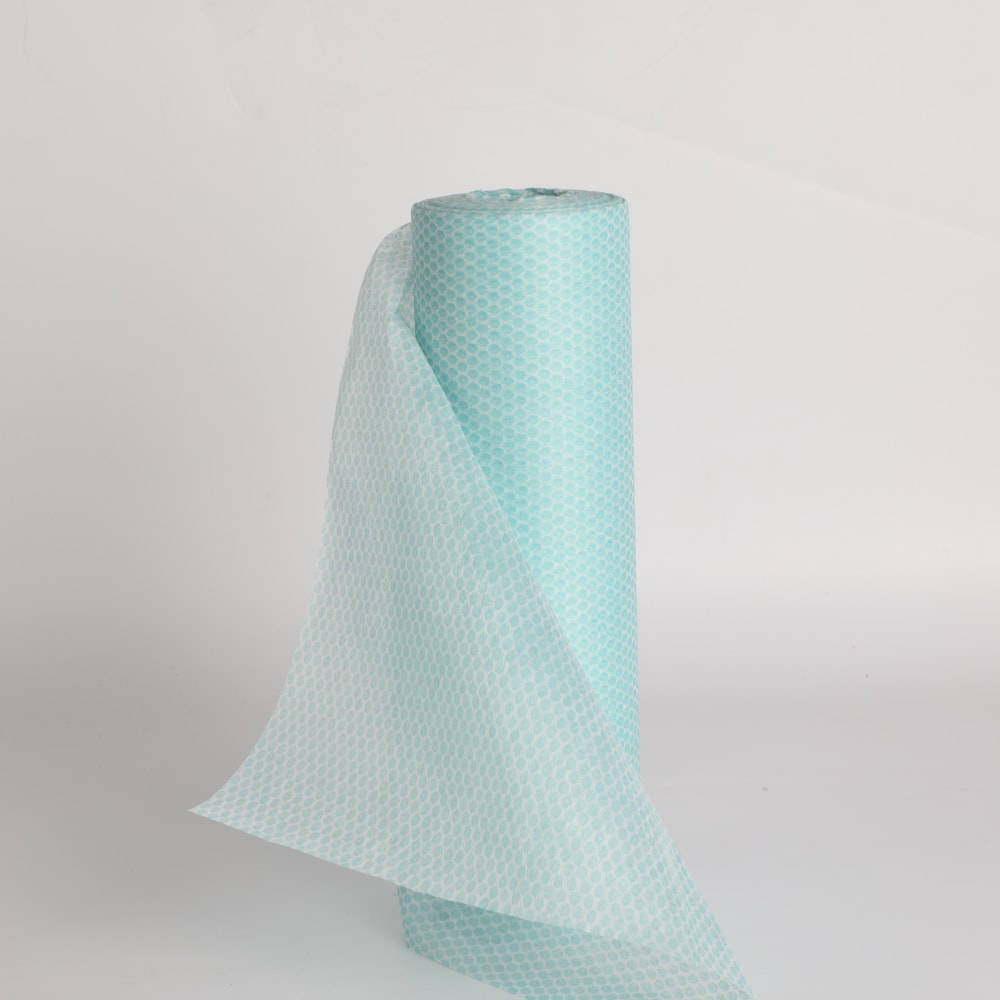 Head Wear Nonwoven
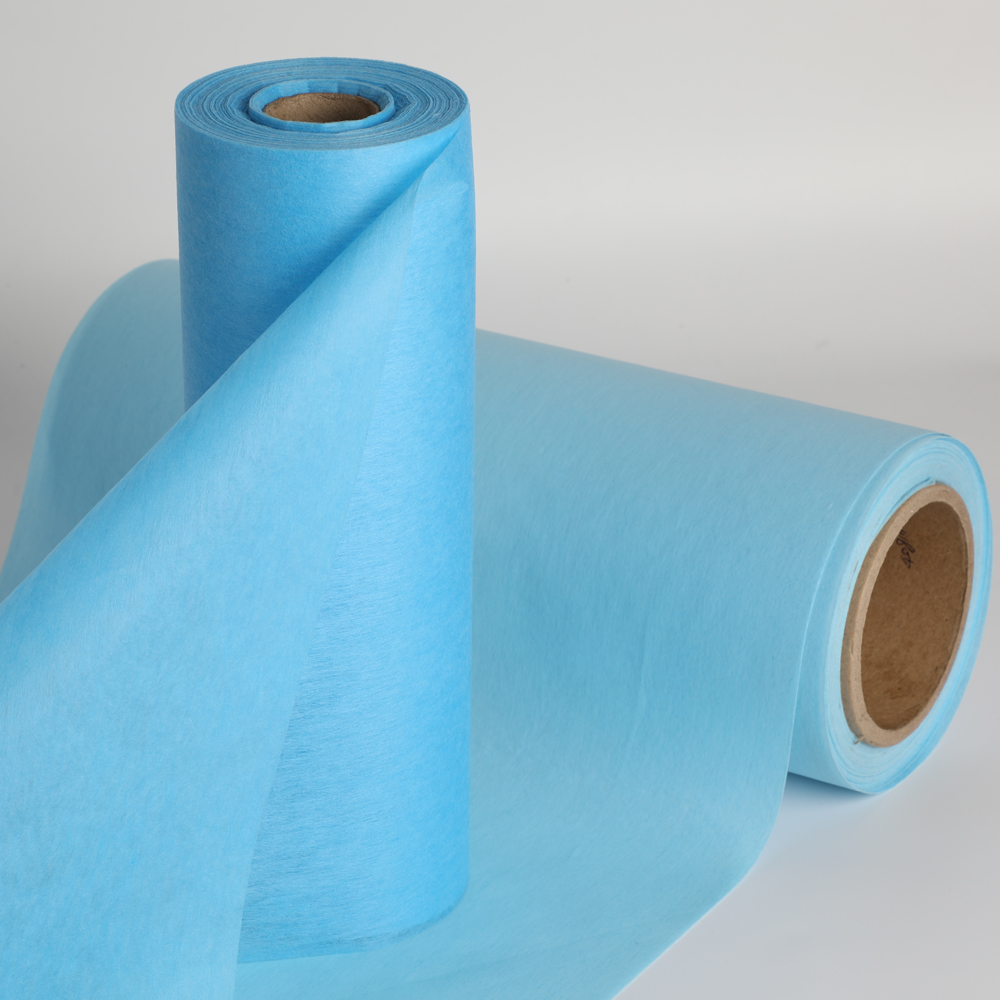 Medical Viscose Nonwoven
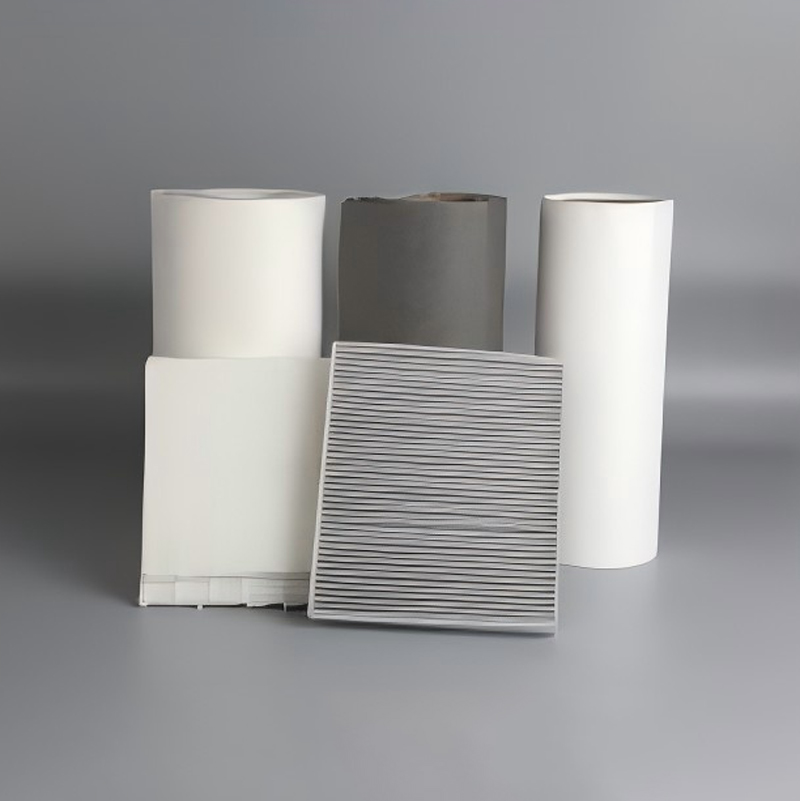 Air Filter Media
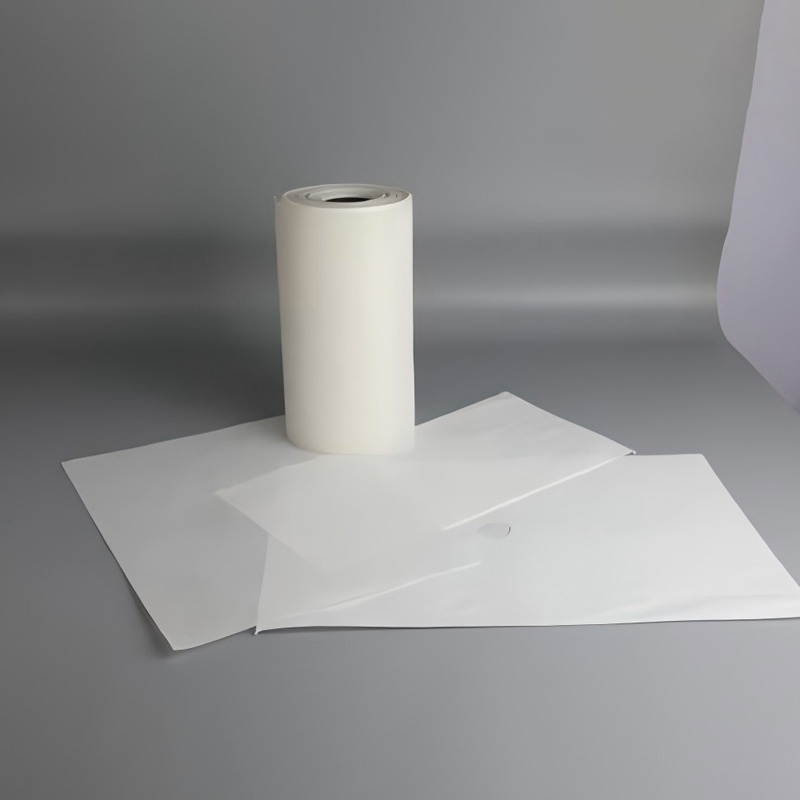 Liquid Filter Media
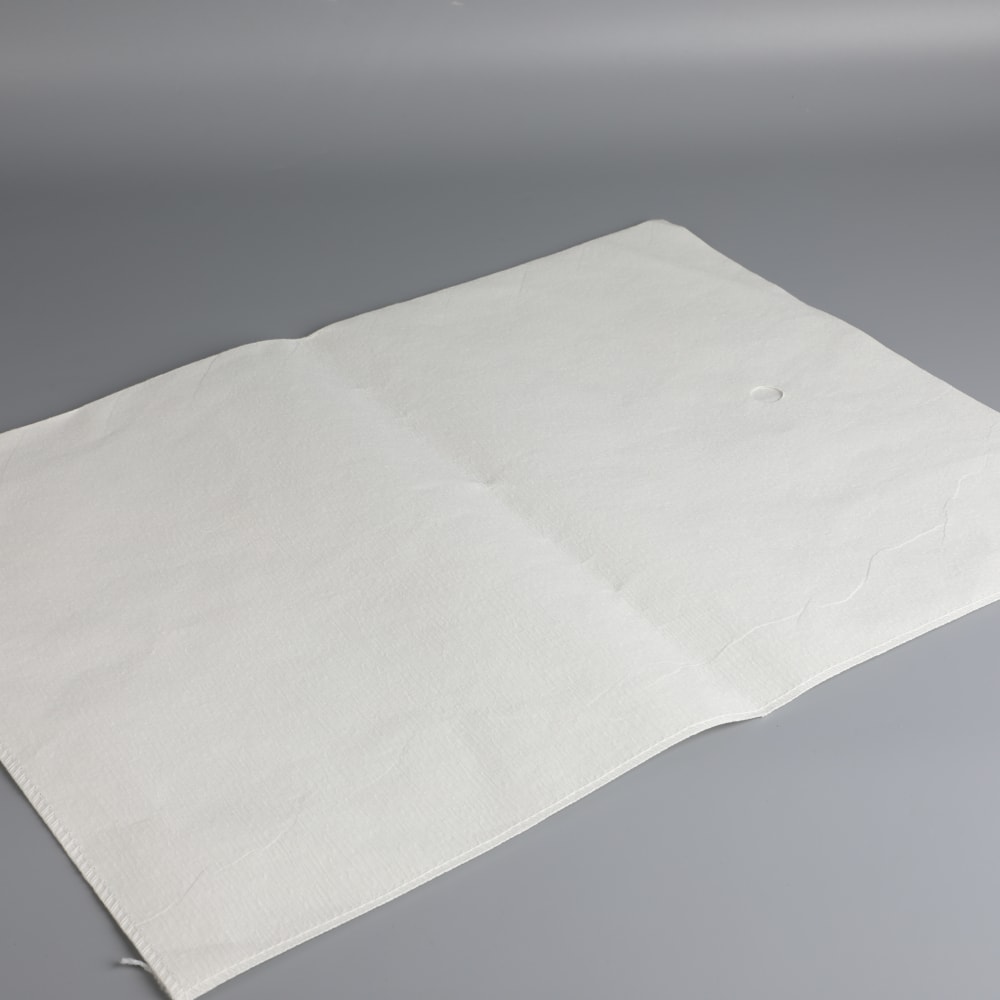 Filter Envelope & Filter Sheet
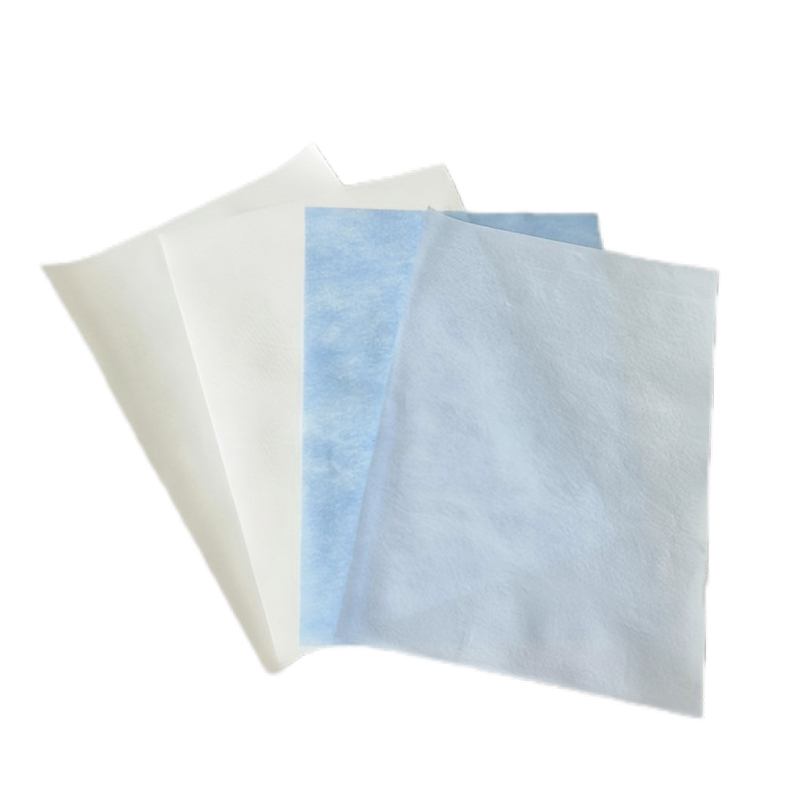 Breathable Film Laminates
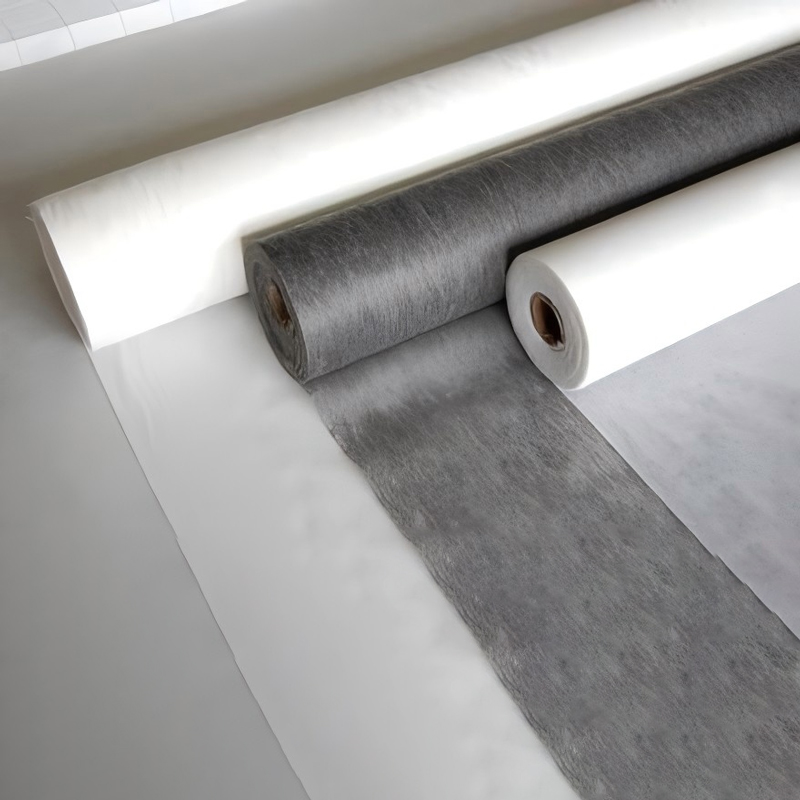 Nonwoven Interlining
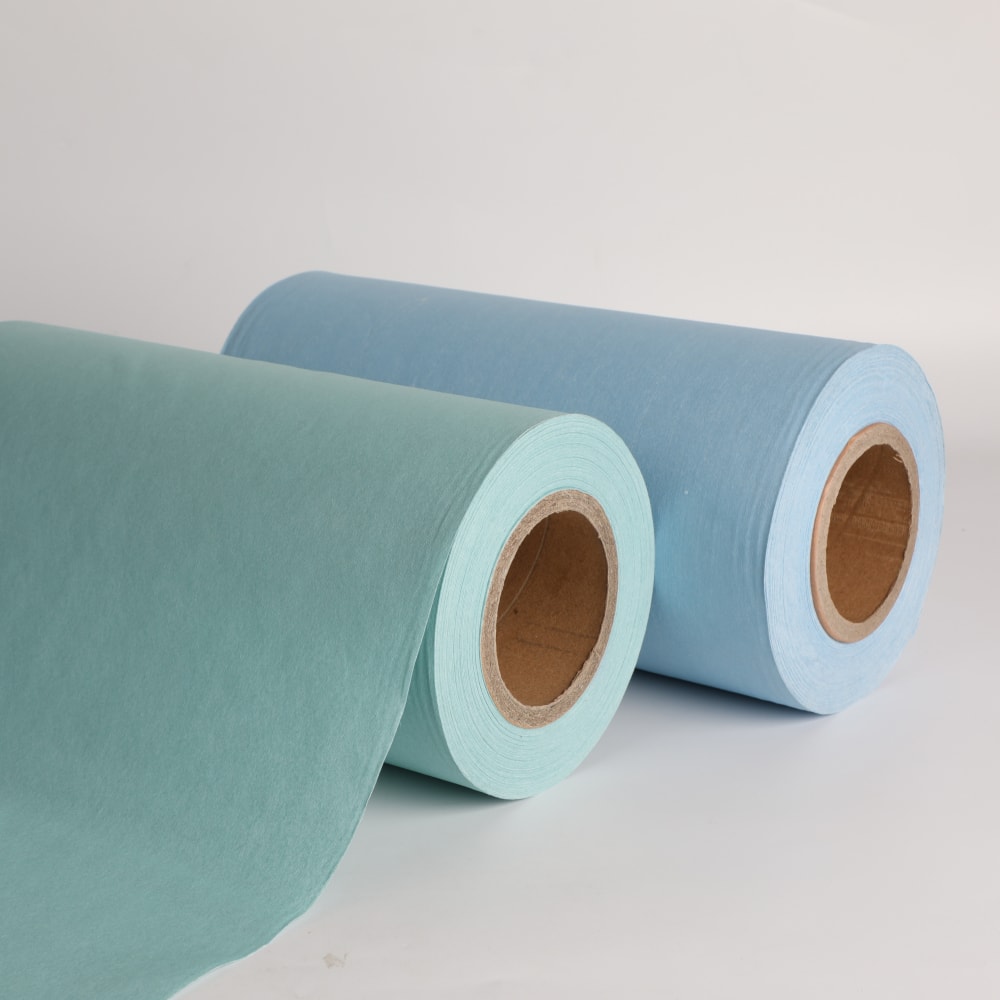 Fluid Repellent Woodpulp Spunlace Nonwoven
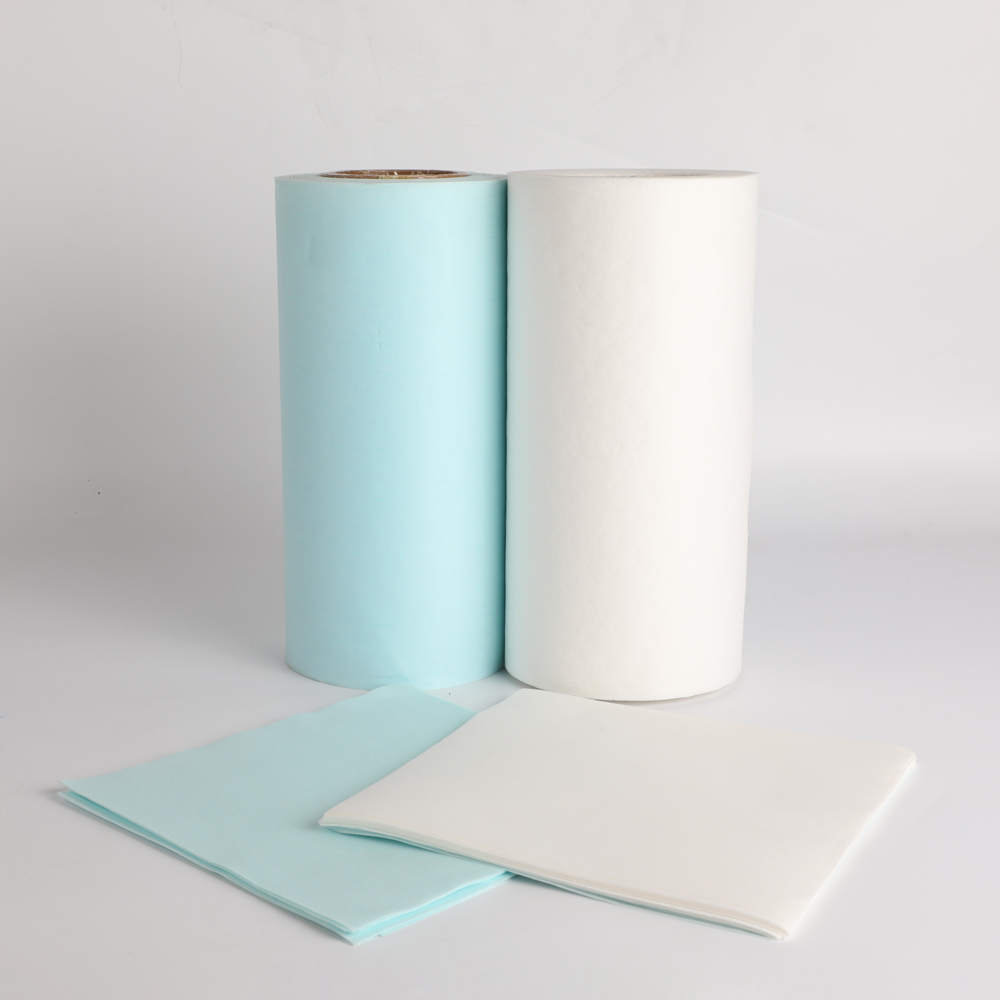 Woodpulp Nonwoven Wipe
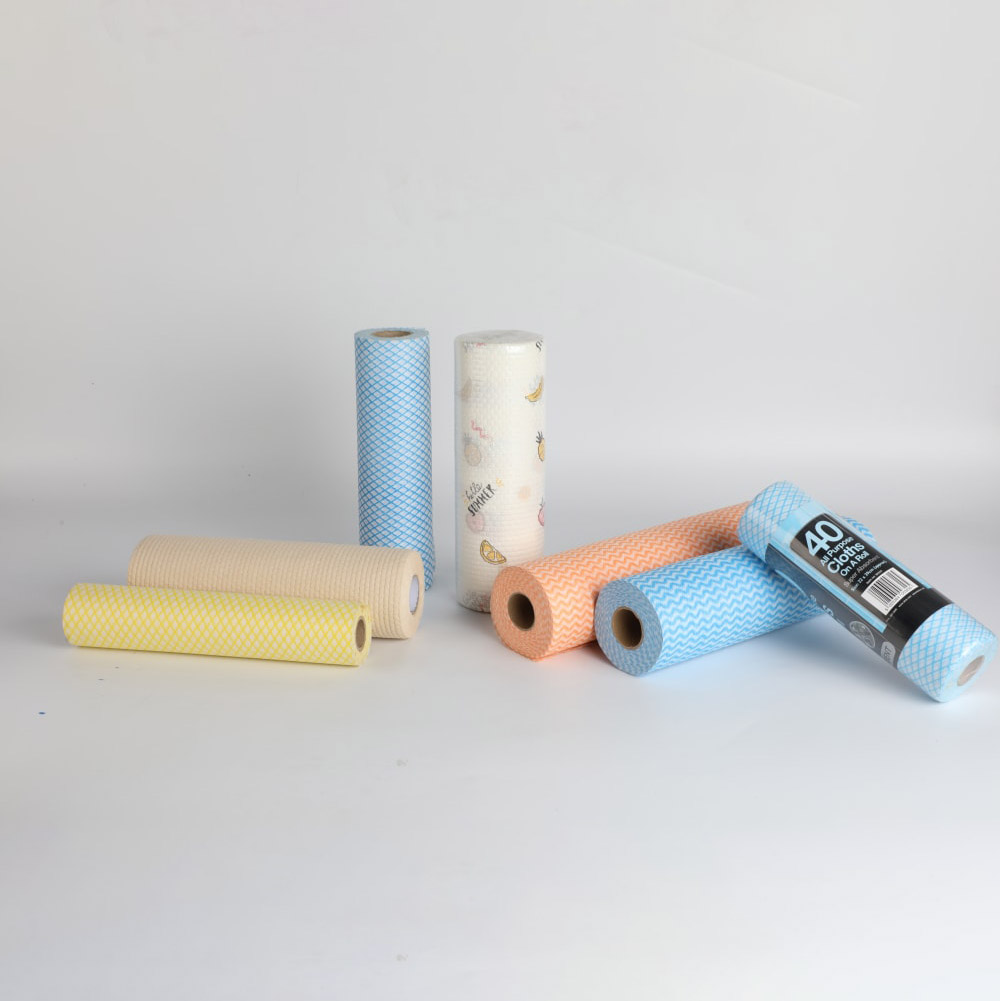 Nonwoven Cleaning Wipe
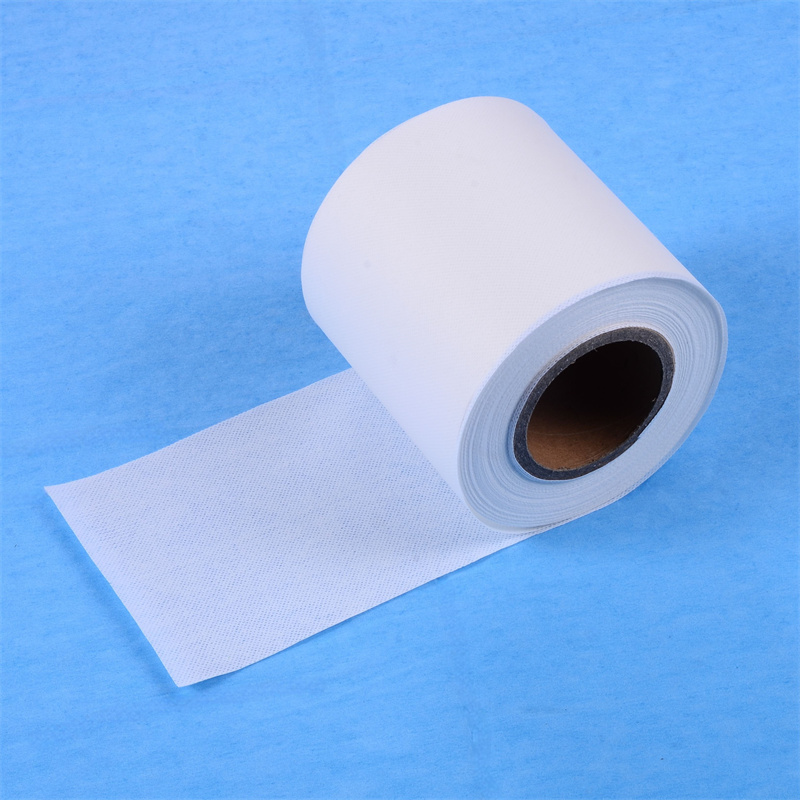 Flame Retardant Nonwoven Fabric
 Anti-Bacterial Nonwoven
 CONTACT WhatsApp
 CONTACT WeChat

 CONTACT NUMBER
 CONTACT EMAIL