Leave Your Message

7 Best Fusible Nonwoven Interlining Fabric Suppliers for Buyers

Choosing a supplier for Fusible Nonwoven Interlining Fabric is not just about finding the lowest price. The right material should support the garment’s shape without making it stiff or uncomfortable. A collar, cuff, and jacket front may each need a different weight or bonding performance. Small details matter.

This guide introduces seven suppliers for buyers comparing product range, manufacturing capabilities, and service. It also explains what to check before requesting a quote. Ask for fabric weight, available widths, adhesive type, and recommended bonding temperature. These details can affect production far more than a polished catalog suggests. Request samples, then test them with your own fabric and pressing equipment. Check whether the bond stays even after washing and handling. A sample is useful, but it cannot prove every batch will behave the same.

Supplier evaluation should include practical issues too. Confirm minimum order quantities, lead times, packaging, and how quickly the sales team answers technical questions. Where available, review quality documents and ask how production consistency is monitored. No supplier is a perfect fit for every buyer. That takes careful comparison. A low-cost option may work for a small trial, while a larger factory may better support repeat orders. Even a careful shortlist can miss something. Use the profiles below as a starting point, verify current specifications directly, and match each supplier’s strengths to your garment, volume, and production process.
7 Best Fusible Nonwoven Interlining Fabric Suppliers for Buyers

What Fusible Nonwoven Interlining Fabric Is and How It Is Used

What Fusible Nonwoven Interlining Fabric Is and How It Is Used

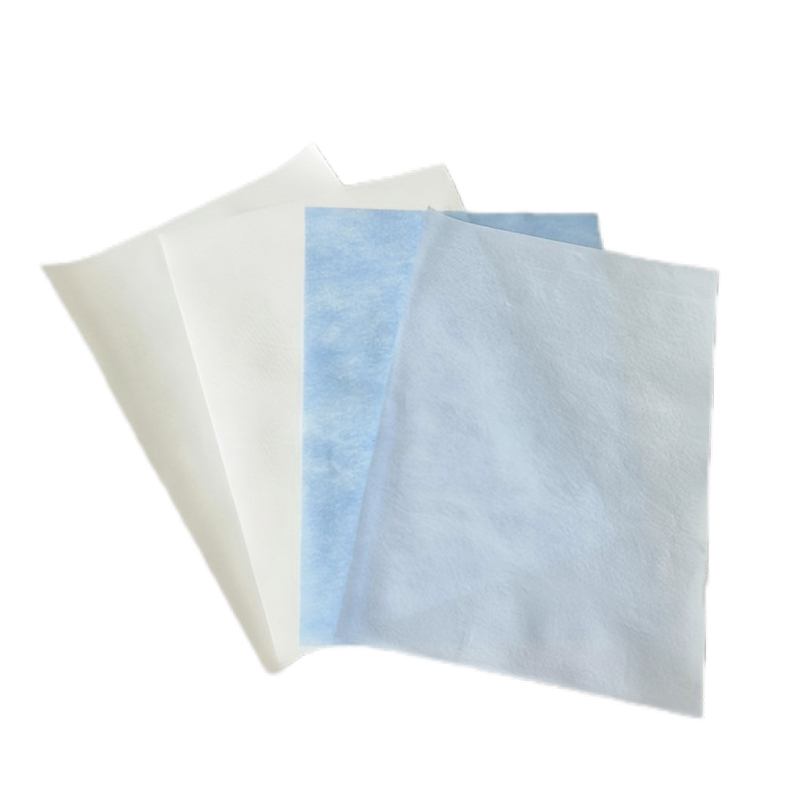
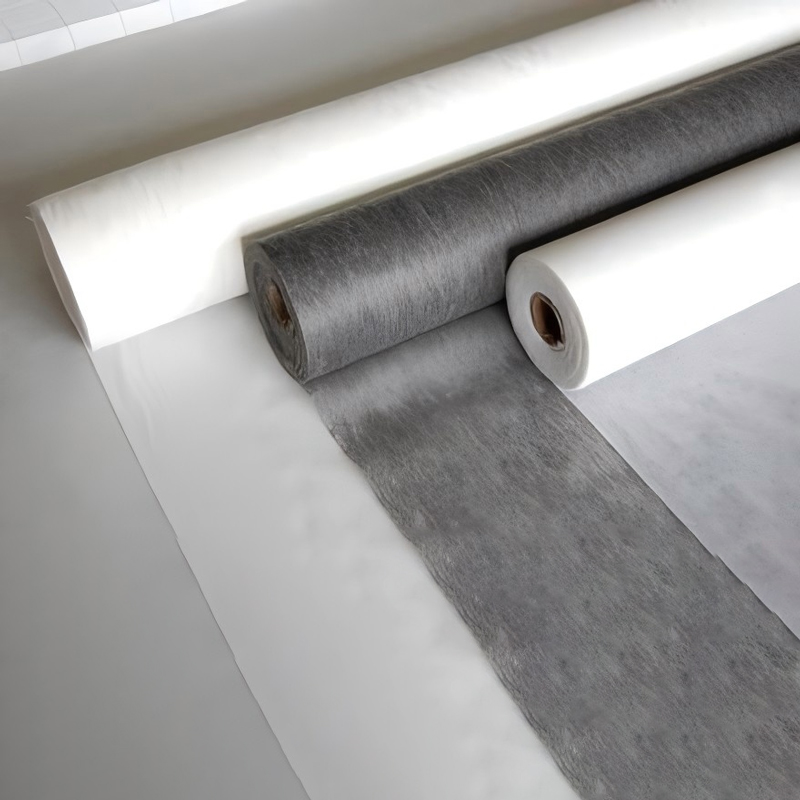
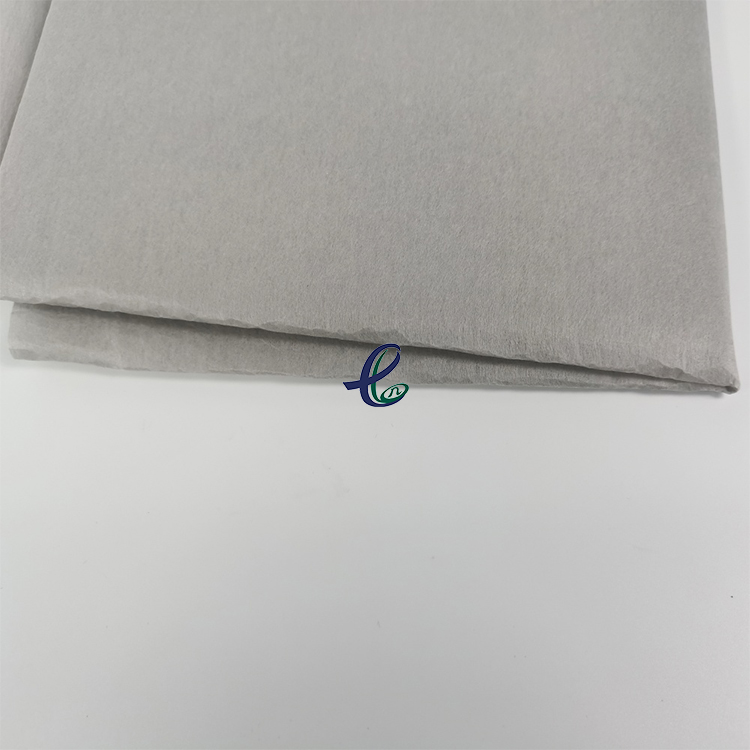
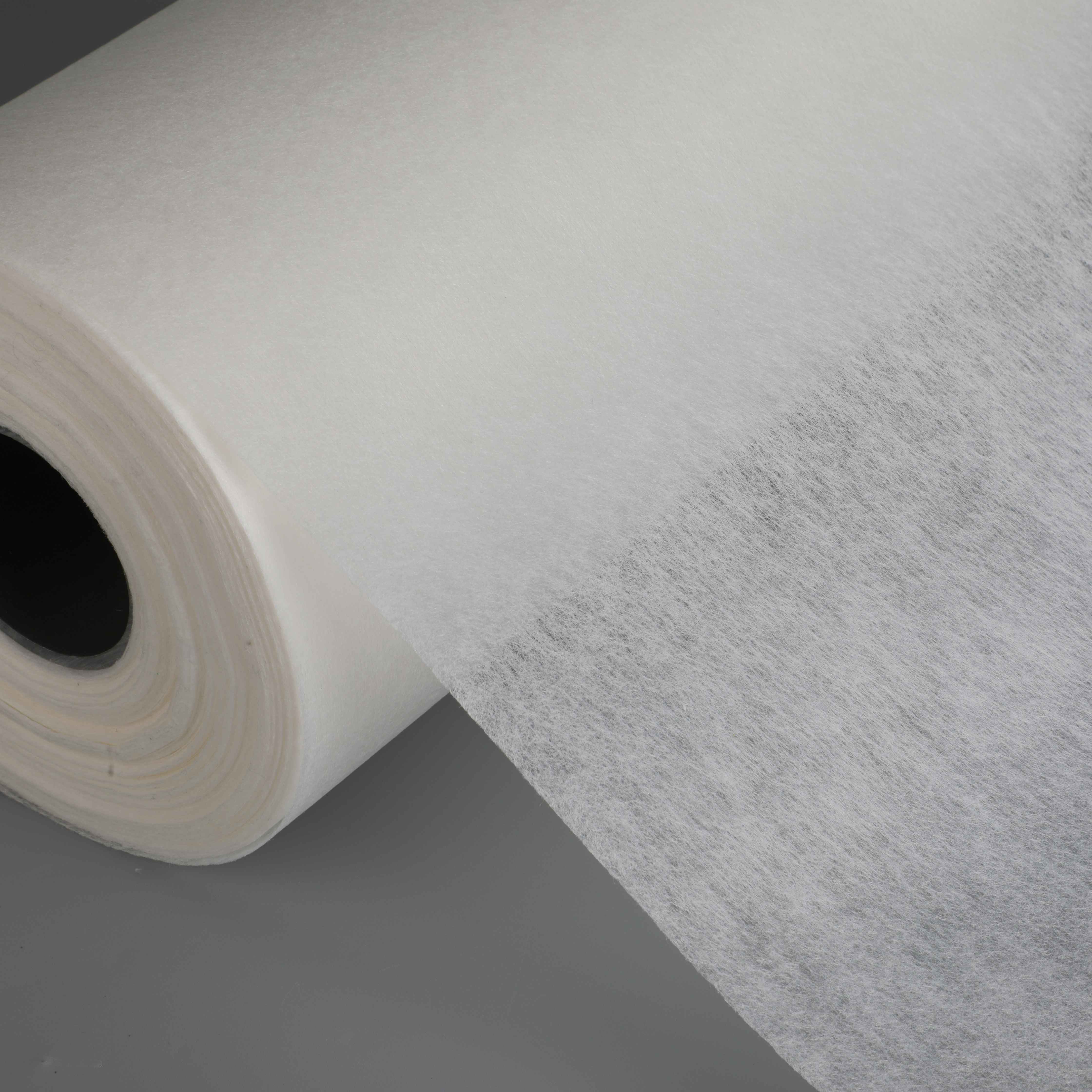
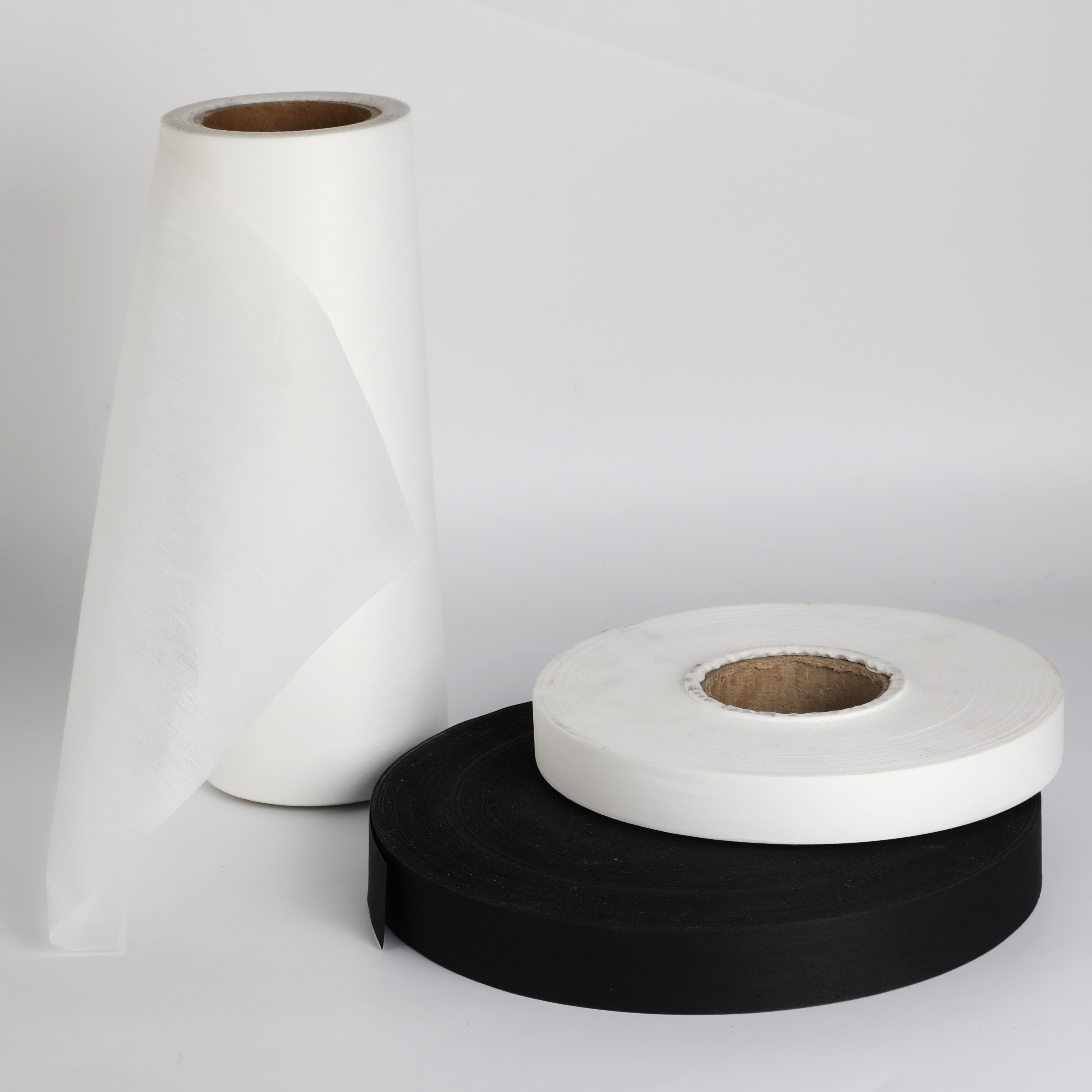
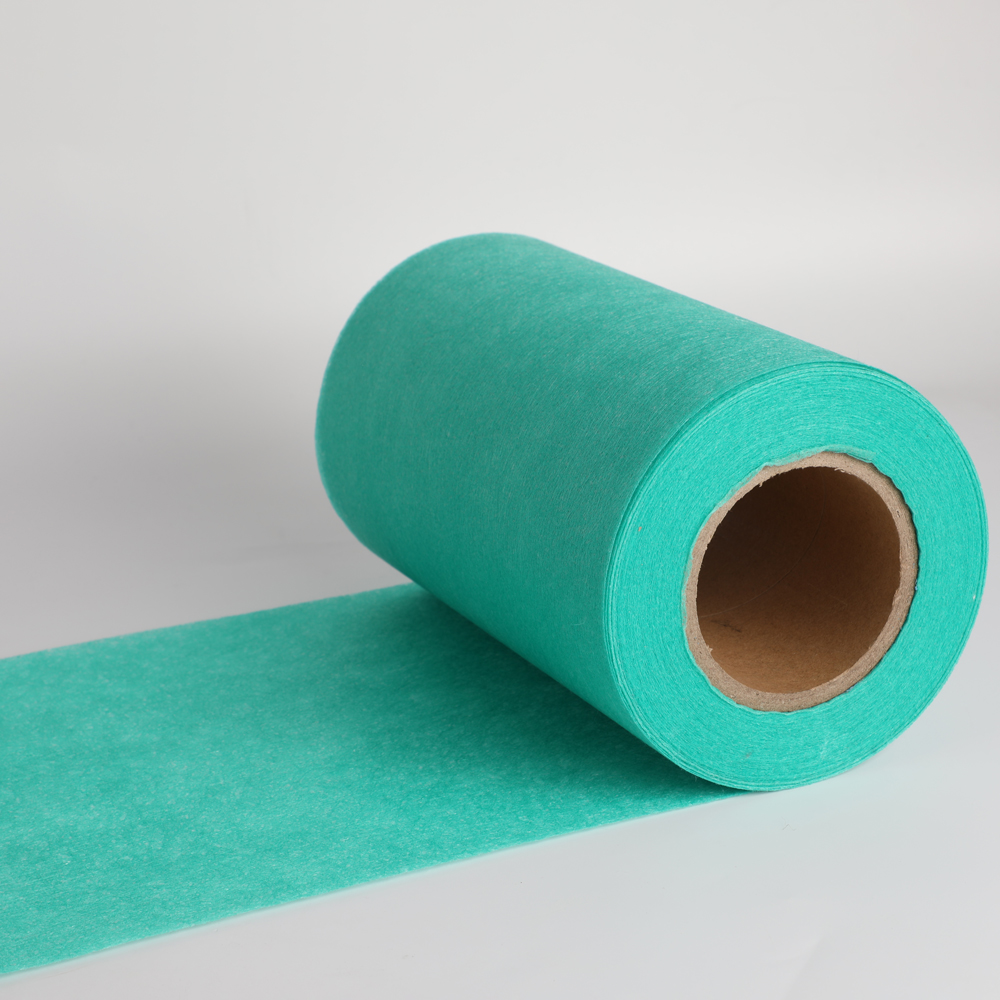
Fusible nonwoven interlining is a thin support fabric with heat-activated adhesive on one side. It bonds to the garment shell when pressed under controlled heat, pressure, and time. Unlike woven interlining, it has no yarn grid. Fibers are bonded mechanically, chemically, or thermally.

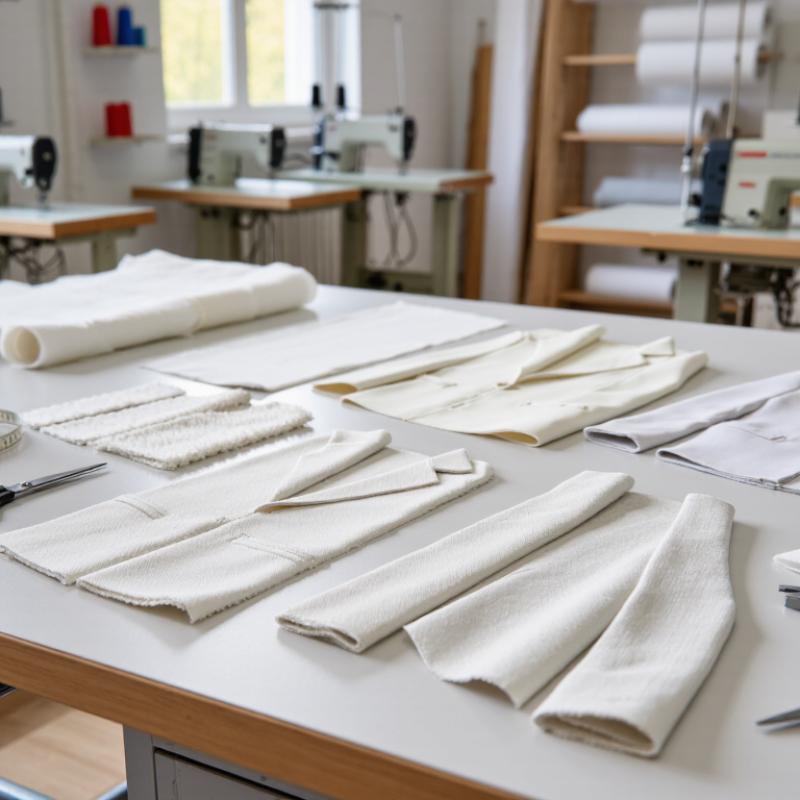
Its main job is quiet structure. A shirt collar keeps its edge. A jacket front resists wrinkling. A pocket opening feels firmer. In production, operators place the adhesive side against the wrong side of the fabric, then press it evenly. Cooling matters. Peeling can occur if the bond is tested too soon.

According to Grand View Research, the global nonwoven fabric market reached about USD 53.5 billion in 2022, with continued growth projected through 2030. Smithers’ industry forecast also identifies apparel, filtration, hygiene, and technical textiles as major nonwoven application areas. These figures describe the wider market, not fusible interlining alone. That distinction matters when comparing supplier claims.

Buyers should request fabric weight, adhesive type, pressing temperature, dwell time, and washing performance. Test on the actual shell fabric. Dark wool, lightweight polyester, and coated fabrics react differently. I once treated pressing settings as universal. That was a mistake. Excess heat can cause strike-through, while low pressure may create weak corners. Small laboratory trials are less expensive than repairing a whole production batch.


Key Factors for Evaluating Interlining Fabric Suppliers

A dependable fusible nonwoven interlining supplier should provide more than a weight and a price. Ask for the fiber composition, resin type, coating pattern, recommended fusing temperature, pressure, and dwell time. Check whether these settings suit your fabric, not just the supplier’s sample cloth. Small differences matter. A collar may look crisp after pressing, then bubble after washing.

The Textile Exchange Materials Market Report 2024 estimates that global fiber production reached 124 million tonnes in 2023, with polyester accounting for 57%. This scale makes fiber traceability and batch consistency practical sourcing questions. Request test records for peel strength, dimensional change, wash durability, and shade or surface effects. Confirm the test method and conditioning used; results from different procedures may not be directly comparable.

Ask suppliers how they control coating weight and lot variation, and whether they can provide samples from more than one production batch. Test them first. Press swatches using your factory’s actual equipment, then inspect edges, seams, and the fabric face after laundering. A recycled-content claim does not prove stable bonding; it is only one part of the evidence. In practice, a supplier’s response to a failed trial can be as revealing as its specification sheet. I would still leave room for retesting: fabric finishes and press settings can change the result.

Seven Leading Fusible Nonwoven Interlining Fabric Suppliers

Choosing among seven leading fusible nonwoven interlining fabric suppliers requires more than comparing prices. In garment sourcing, I have learned that bonding quality changes with fabric weight, coating pattern, pressing temperature, and pressure. A reliable supplier should provide sample rolls, technical data, wash testing, and clear production tolerances.

The seven leading supplier profiles include integrated textile mills, specialist interlining factories, recycled-fiber producers, apparel accessory manufacturers, technical textile converters, regional stock suppliers, and custom coating houses. Integrated mills often offer stable fiber control. Specialist factories usually provide more coating options. Recycled-fiber producers support sustainability goals, but their hand feel may vary between batches. Custom coating houses suit unusual fabrics, though minimum orders can be higher.

Ask each supplier for peel strength, shrinkage, coating weight, roll width, and recommended fusing conditions. Test the material on your actual shell fabric. A smooth polyester blouse may need a different adhesive layer than a dense wool jacket. Small details matter.

Check sample consistency.

Review the test method, not only the result. Some suppliers show impressive figures from laboratory conditions that do not match production equipment. Lead time, packaging protection, and replacement policies also reveal operational maturity. I would not trust a low quotation without checking these points. Even experienced buyers can overlook storage humidity, which may affect bonding performance. The best choice is not always the largest supplier. It is the one that documents performance honestly and responds clearly when a trial fails.

Typical Fusible Nonwoven Interlining Weights by Application

Representative fabric weights in grams per square metre (GSM). Actual specifications vary by garment, substrate and supplier; confirm compatibility and fusing conditions before ordering.

Comparing Supplier Products, Services, and Capabilities

When comparing seven fusible nonwoven interlining suppliers, buyers should inspect products beyond catalog images. Ask for samples in several weights, such as 30, 50, and 80 gsm. Check resin coverage, hand feel, shrinkage, and bonding temperature on the intended fabric. A clean bond matters. In my sampling experience, a smooth surface can still fail after washing. Request peel-strength data after laundering, pressing, and dry-cleaning simulations. Suppliers with in-house laboratories usually provide more useful technical guidance. Still, test their claims independently.

Compare minimum order quantities, roll widths, color matching, and replenishment speed. A supplier may offer excellent adhesive performance but struggle with narrow widths or urgent production. Ask whether coating lines can handle custom dot patterns, powder density, and low-temperature adhesives. Confirm lot traceability, inspection records, and packaging protection against moisture. Reliable teams explain tolerances instead of promising perfection. Look for technical staff who can adjust pressure, dwell time, and fusing temperature. Samples should arrive labeled with construction details and recommended settings. That saves time. Pricing also needs context; a cheaper roll may create more cutting waste or rework. I would score each supplier across product consistency, service response, capacity, and documented quality controls. No supplier is flawless. A missed delivery or unclear test report can expose weak communication before it affects a full order.

7 Best Fusible Nonwoven Interlining Fabric Suppliers for Buyers — Comparing Supplier Products, Services, and Capabilities
Supplier Profile Common Product Types Typical Weight Range Common Width Options Adhesive and Bonding Options Typical Applications Services and Capabilities to Verify
Garment-focused producer Fusible polyester and polyamide nonwoven interlining About 20–80 g/m², depending on construction Often supplied in garment-industry roll widths; confirm usable width and edge condition Dot-coated adhesive options; bonding settings depend on the adhesive, face fabric, and press Collars, cuffs, plackets, waistbands, and lightweight garment panels Ask for fabric-specific fusing instructions, wash-test results, sample yardage, and lot-to-lot consistency records
Lightweight apparel specialist Soft, lightweight nonwoven fusible backing About 15–40 g/m² Roll widths vary by product and order; request a sample roll before bulk approval Low-melt adhesive choices may be available; confirm compatibility with delicate face fabrics Blouses, dresses, lightweight linings, and soft garment details Check hand feel, strike-through, bubbling, dimensional stability, and performance after care-label laundering
Structured-garment specialist Heavier or firmer nonwoven fusible interlining About 40–100 g/m² Confirm roll width, winding direction, and whether cut-width supply is offered Adhesive coating and bonding conditions are product-specific; request technical data for temperature, time, and pressure Jackets, tailored garments, belts, and areas requiring additional body Evaluate stiffness, recovery, shrinkage, bond durability, and compatibility with the intended shell fabric
Polyamide-adhesive range supplier Nonwoven interlinings coated with polyamide-based adhesive systems Base fabric commonly falls within roughly 20–80 g/m²; total finished weight varies with coating Available widths depend on the base fabric and coating line Polyamide adhesive systems are used in apparel interlining; confirm the specific grade and care requirements Apparel components requiring a durable fusible bond, subject to fabric compatibility testing Request adhesive identification, recommended fusing window, bonding test data, and applicable chemical-compliance documents
Polyester-adhesive range supplier Nonwoven interlinings coated with polyester-based adhesive systems Product-dependent; ask for base and finished-weight specifications Confirm standard roll dimensions and tolerances in the quotation Polyester adhesive grades may be offered for selected applications; confirm suitability for the end-use conditions Garments and textile components where the specified adhesive system meets the required bond and care performance Compare bonding strength, resistance to the intended cleaning process, and test results on the buyer’s actual fabric
Custom-coating and development supplier Nonwoven base fabrics with selected coating patterns or adhesive options Can vary by base substrate and coating; specify target finished weight Custom widths may be possible subject to equipment limits and order quantity Coating pattern and adhesive selection require technical confirmation and sampling Applications needing a specified hand, bond pattern, or fabric combination Agree on sample approval, tolerances, minimum order quantity, development lead time, and change-control procedures
Export-oriented multi-product supplier Range may include nonwoven fusible interlining alongside woven or knitted interlining products Varies by product; compare like-for-like specifications rather than category averages Confirm roll length, width tolerance, core size, packaging, and export packing details Available adhesive systems and coating patterns should be confirmed for each item code Buyers consolidating multiple interlining types for apparel production Verify production capacity, sample approval process, shipping terms, certificates, traceability, and delivery schedule

Comparison note: Weight ranges and capability descriptions are representative industry-level guidance, not verified specifications for individual suppliers. Confirm current product data, minimum order quantities, lead times, certificates, and bonding performance directly with each supplier before purchasing.

How to Select and Source the Right Interlining Fabric

How to Select and Source the Right Interlining Fabric

Choosing fusible nonwoven interlining starts with the garment, not the price list. A crisp shirt collar needs different support from a soft jacket front. Check the shell fabric’s weight, stretch, and heat tolerance before comparing samples. Then review the interlining’s weight, stiffness, and adhesive coverage. Ask suppliers for technical data and a sample roll, not just a swatch. A small test can reveal bubbling, strike-through, or a bond that weakens after washing. Feel the finished panel, too. It should support the fabric without making it board-like.

Tips: Test on your actual shell fabric. Follow the supplier’s temperature, pressure, and dwell-time guidance, then let the bonded piece cool flat. Wash and press a sample before approving bulk production. Record the settings; a few degrees can matter.

When comparing suppliers, ask about minimum order quantities, lead times, color options, and batch consistency. Request details on fiber composition and quality checks, and clarify how defects are handled. For repeat orders, keep an approved sample and written specifications. This sounds fussy, perhaps. Yet vague notes can lead to noticeably different hand feel between production runs. If trial results conflict with the data sheet, pause and ask the supplier to help investigate before placing a larger order.