China Top Nonwoven Filter Material Trends for 2026 Canton Fair?
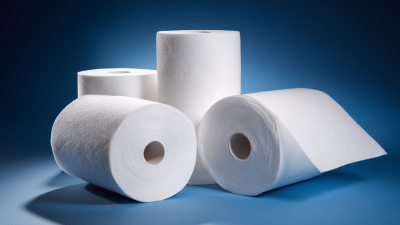
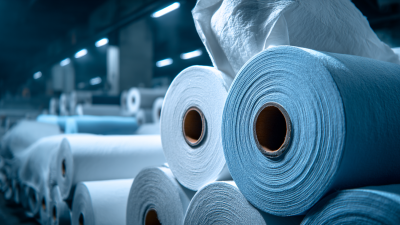
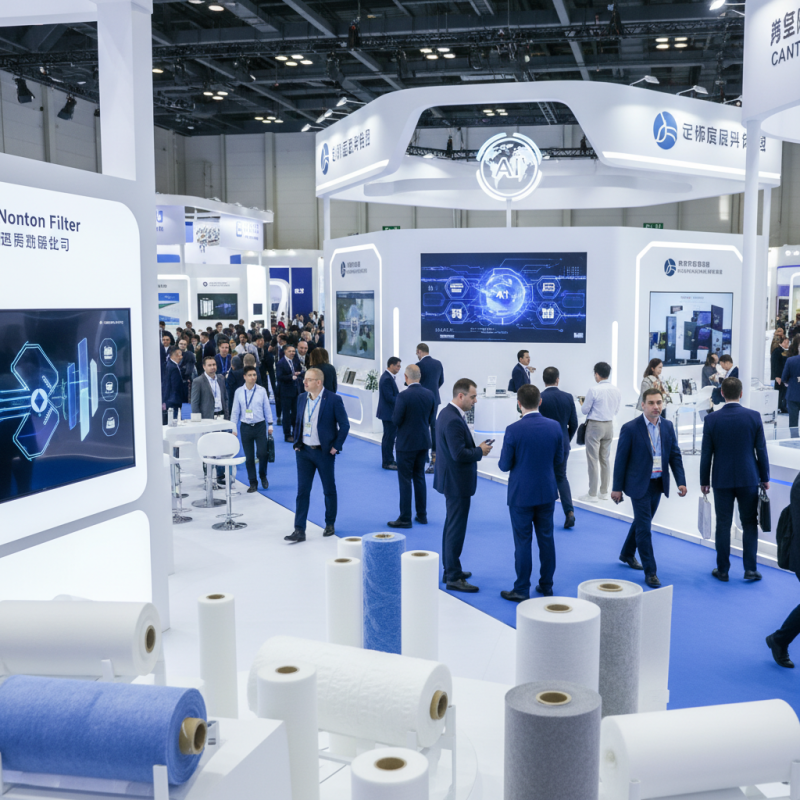
As the 139th Canton Fair approaches in 2026, trends in Nonwoven Filter Material are gaining attention. This fair will feature advanced manufacturing and innovative new materials. Manufacturers and suppliers are gearing up to showcase their latest offerings. Nonwoven Filter Material stands out for its versatility in various applications, including air and water filtration.
Attendees will notice improved navigation through AI-powered features. Buyers can efficiently filter suppliers based on specific certifications like ISO and CE. This aligns well with the growing demand for high-quality Nonwoven Filter Material in industrial and consumer markets. However, some manufacturers may still lag in adopting these advancements.
The integration of smart technologies highlights the importance of efficient sourcing. Yet, not all participating companies will be ready to meet these evolving standards. Observing this gap will lead to interesting discussions about the future of Nonwoven Filter Material. The Canton Fair thus serves as a vital platform, reflecting both progress and the areas needing improvement.
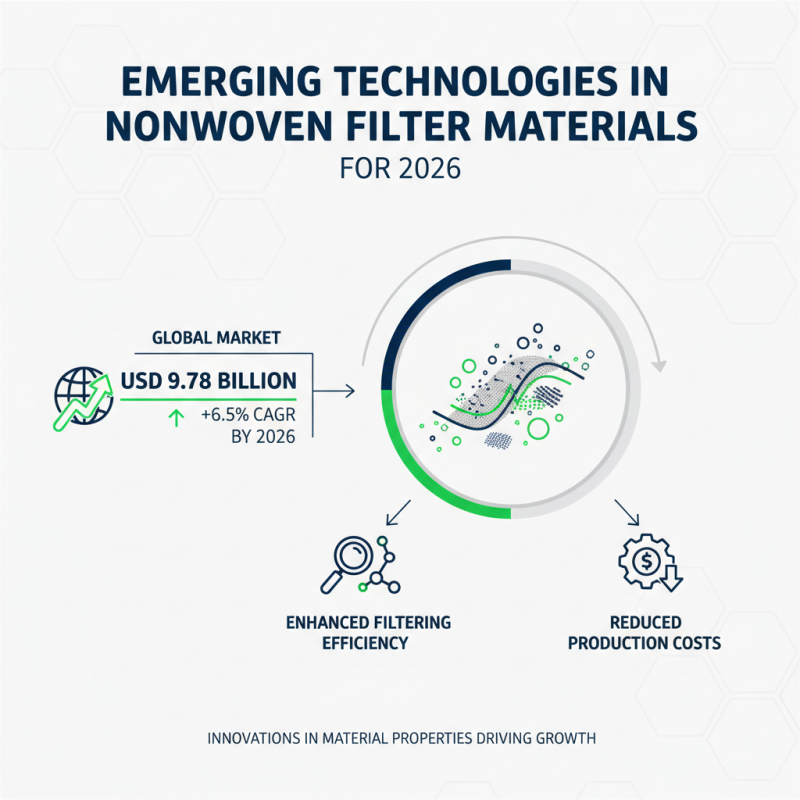
Emerging Technologies in Nonwoven Filter Materials for 2026
In the world of filtration, emerging technologies in nonwoven filter materials are gaining attention. Market research indicates that the global nonwoven filter market is projected to reach USD 9.78 billion by 2026. This reflects a compound annual growth rate (CAGR) of 6.5%. Innovations in material properties are expected to enhance filtering efficiency and reduce production costs.
Recent advancements include the development of bio-based nonwovens. These materials are becoming crucial due to environmental concerns. They offer a sustainable alternative while maintaining filtration performance. Control of pore size and improving the surface area of these materials are also trending. Reports suggest that finer filtration can trap smaller particles effectively.
Despite the promising developments, challenges remain. The need for better scalability in production is essential. Some technologies require high investment, which can deter small manufacturers. Furthermore, ongoing research is needed to fully optimize these materials' properties. Without addressing these hurdles, the potential of nonwoven filters may not be fully realized by 2026.
Sustainability Trends Impacting Nonwoven Filter Material Production
Sustainability trends are reshaping the nonwoven filter material industry. Manufacturers are increasingly seeking eco-friendly materials. This shift is driven by consumer demand for greener products. Many companies are exploring plant-based fibers and biodegradable options. These alternatives reduce environmental footprints significantly.
While innovation is evident, challenges remain. Sourcing sustainable materials can be more costly. The entire supply chain must adapt. This transition requires time and investment. Moreover, some sustainable materials may not hold up well under rigorous conditions. Performance is crucial, particularly for filtration applications.
Incorporating recycling processes into production is another vital trend. It helps in minimizing waste. However, not all companies have embraced this yet. Education on the benefits of recycling is essential. Many are still hesitant to change established practices. Fragile ecosystems are at stake, demanding urgent action. The road ahead is complex, requiring collaboration and commitment.
Market Demand Drivers for Nonwoven Filters at the 2026 Canton Fair
The 2026 Canton Fair is set to showcase significant trends in nonwoven filter materials. The growing awareness of air and water quality is a key demand driver. Consumers and industries seek better filtration solutions. Many industries are evolving, making nonwoven filters crucial.
These filters are versatile. They adapt to various applications, from automotive to medical sectors. The demand for sustainable and efficient materials is evident. Innovations in nonwoven technology are presenting new opportunities. However, manufacturers face challenges in scalability and consistency.
Market players need to address these issues while meeting consumer expectations. Balancing performance and cost-effectiveness remains a priority. The shift towards eco-friendly materials influences design and production methods. Continuous research will help refine these products. There is a growing need for education about their benefits.
Innovative Applications of Nonwoven Filters in Various Industries
The nonwoven filter material industry is evolving rapidly. Innovative applications are emerging across various sectors. Reports suggest that the global nonwoven fabrics market was valued at approximately $49 billion in 2021. It is projected to reach over $76 billion by 2026. This indicates a robust growth trajectory, driven by technological advancements and rising demand.
Industries are adopting nonwoven filters for air and liquid filtration. In the automotive sector, for instance, nonwoven materials enhance cabin air quality. Healthcare also benefits significantly. Nonwoven filters play a crucial role in surgical masks and other medical supplies. However, challenges remain. The sustainability of raw materials is a growing concern. Many manufacturers are looking at biodegradable and recyclable options. The innovation must focus on balancing performance and environmental impact.
Other sectors, like food and beverage, are using nonwoven filters for efficient processing. They help in removing impurities effectively. Reports indicate an increase in demand for these filters, but not all products meet quality standards. This inconsistency can impact end-user experiences. Continuous improvement is vital in research and production methodologies to ensure reliability.
Key Manufacturers and Competitors in China’s Nonwoven Filter Market
As the demand for nonwoven filter materials grows, key players are stepping up their game in China's market. Research indicates that the nonwoven filter industry is projected to reach $5 billion by 2026. A significant focus is on innovation and sustainability. Manufacturers are investing in advanced technology for improved filtration efficiency.
Data from industry reports show an annual growth rate of 8% in the nonwoven sector. Various companies are exploring eco-friendly materials. However, challenges remain. The competition is fierce, and not all innovations meet market needs. Some products lack adequate testing for durability. There is an evident gap between production and user requirements. As a result, many manufacturers are refining their strategies.
The trends observed highlight a need for collaboration among stakeholders. Encouragingly, more companies are engaging in joint ventures. This approach can lead to better quality filters. Market dynamics are shifting. Keeping up with consumer expectations is critical. Continuous improvement and investment in R&D will be key indicators of success in this evolving landscape.

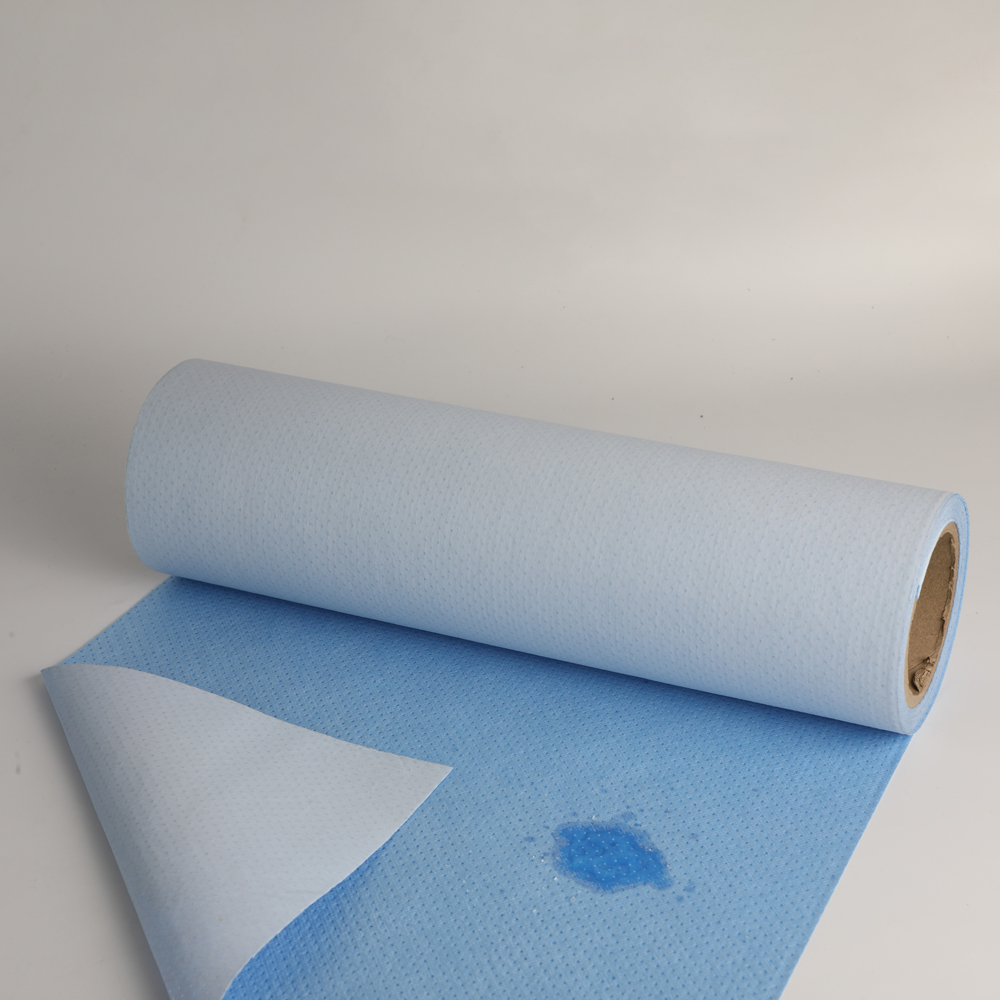 Multi Laminates
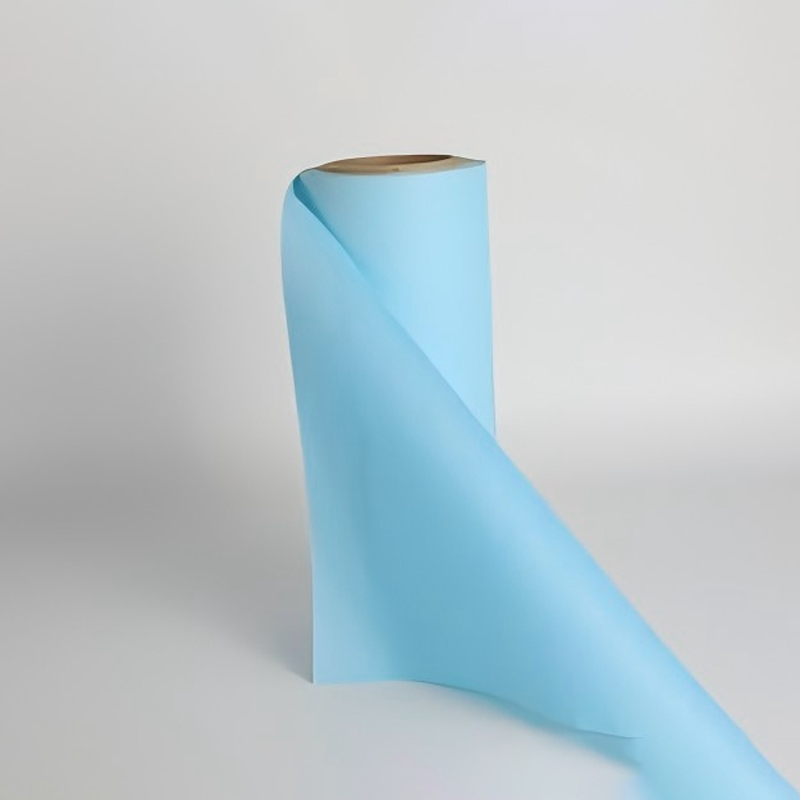 Spunlace Nonwoven Laminates
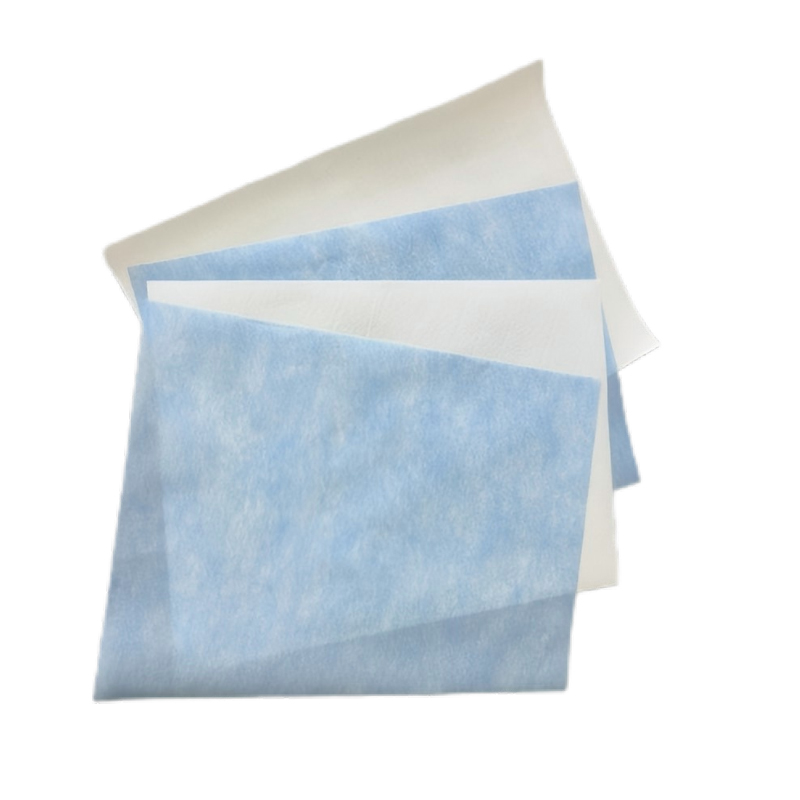 Breathable Film Laminates
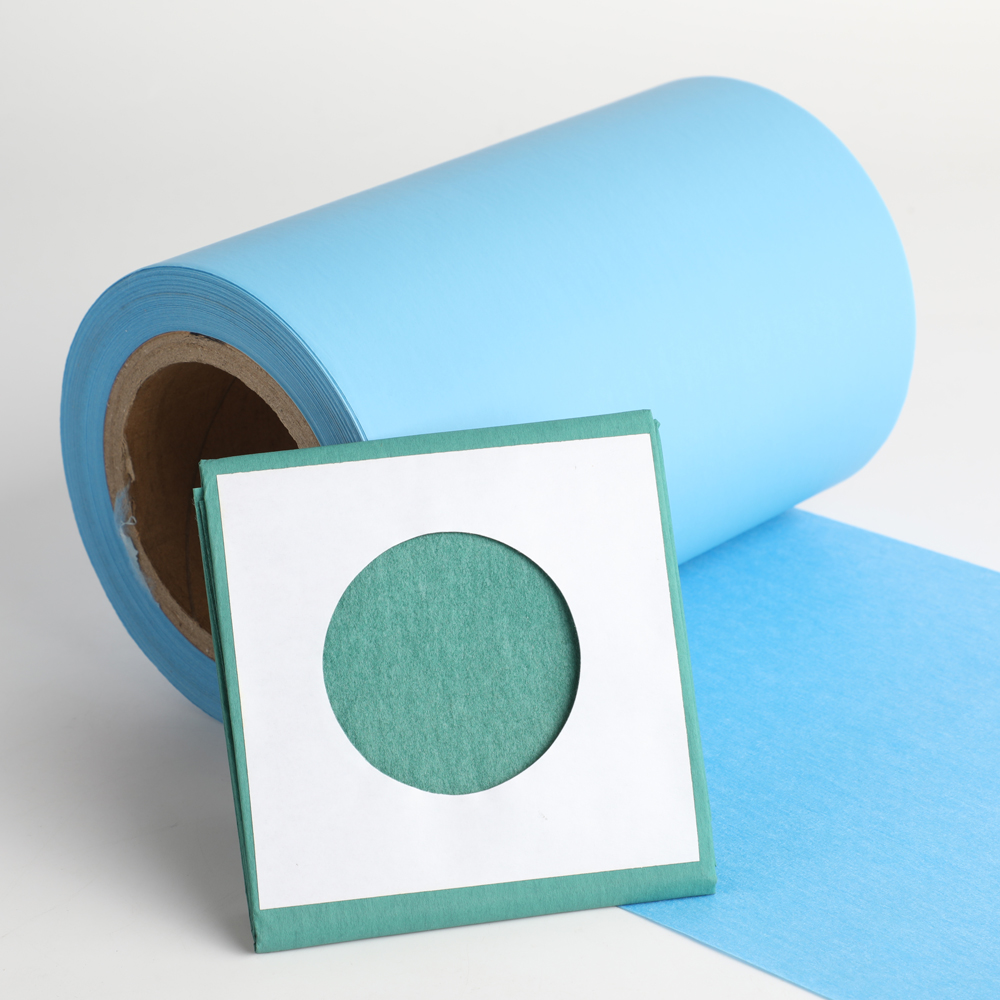 Viscose Laminates
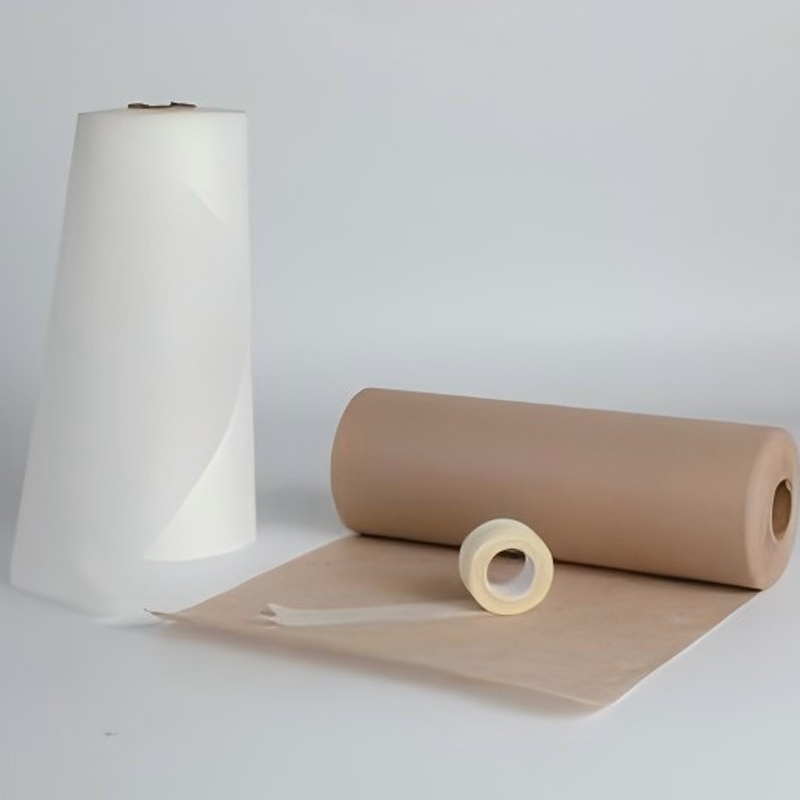 Medical Tape Nonwoven
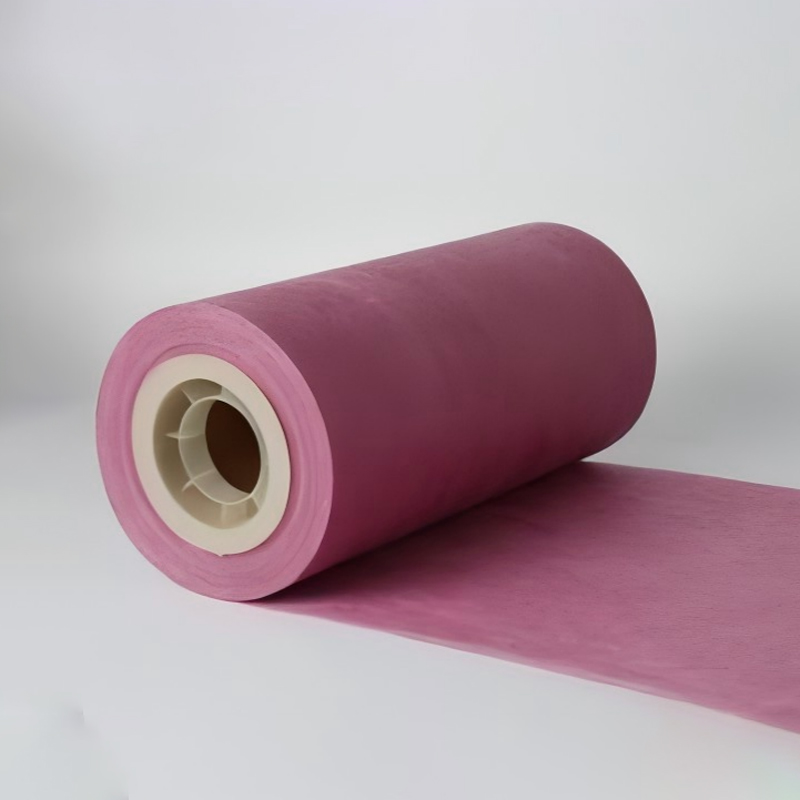 Filtration Nonwoven
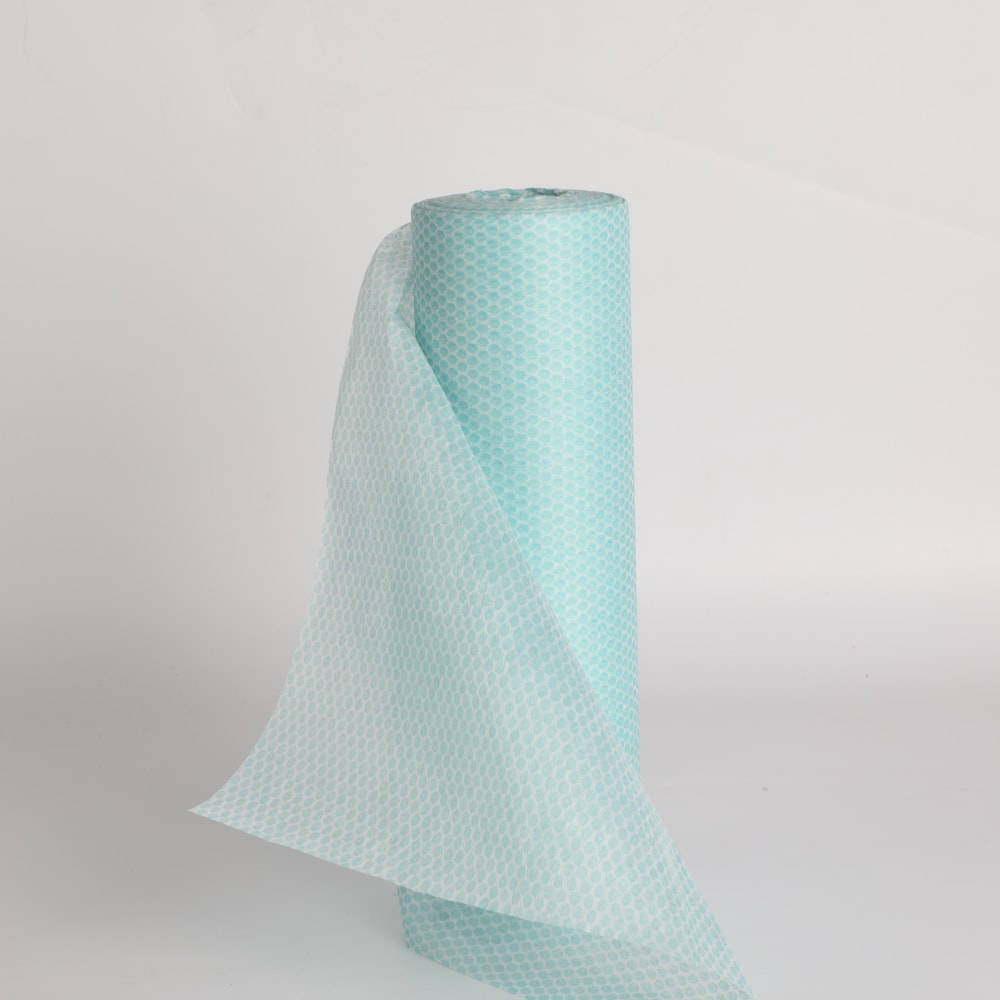 Head Wear Nonwoven
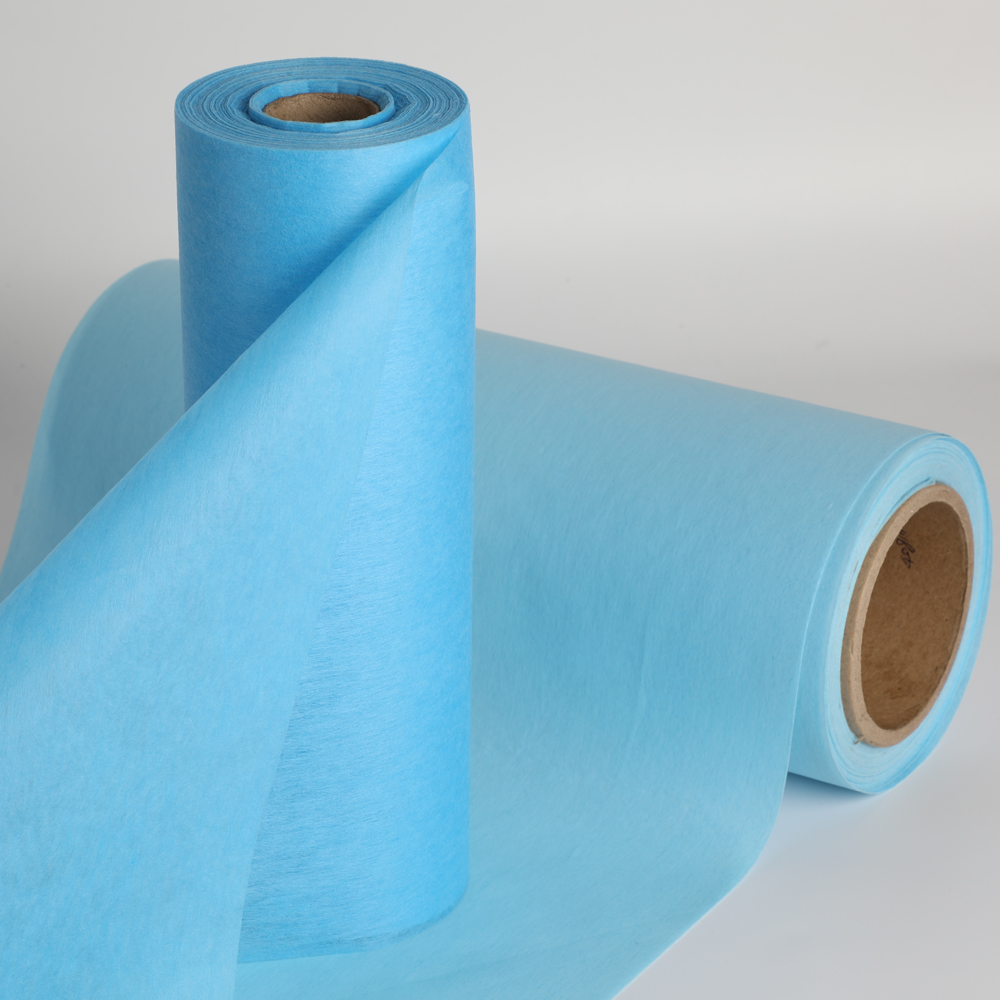 Medical Viscose Nonwoven
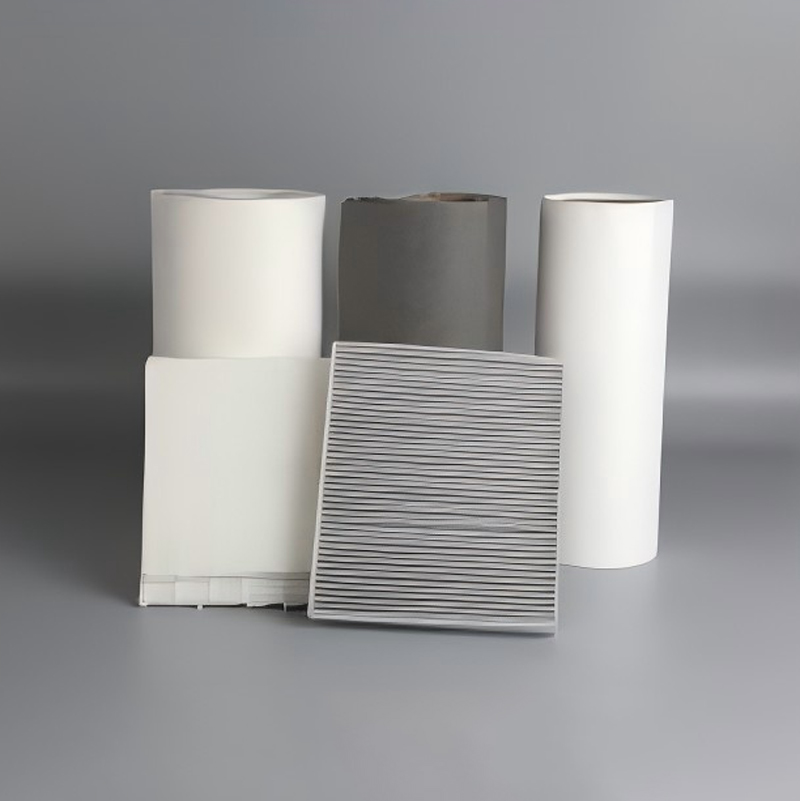 Air Filter Media
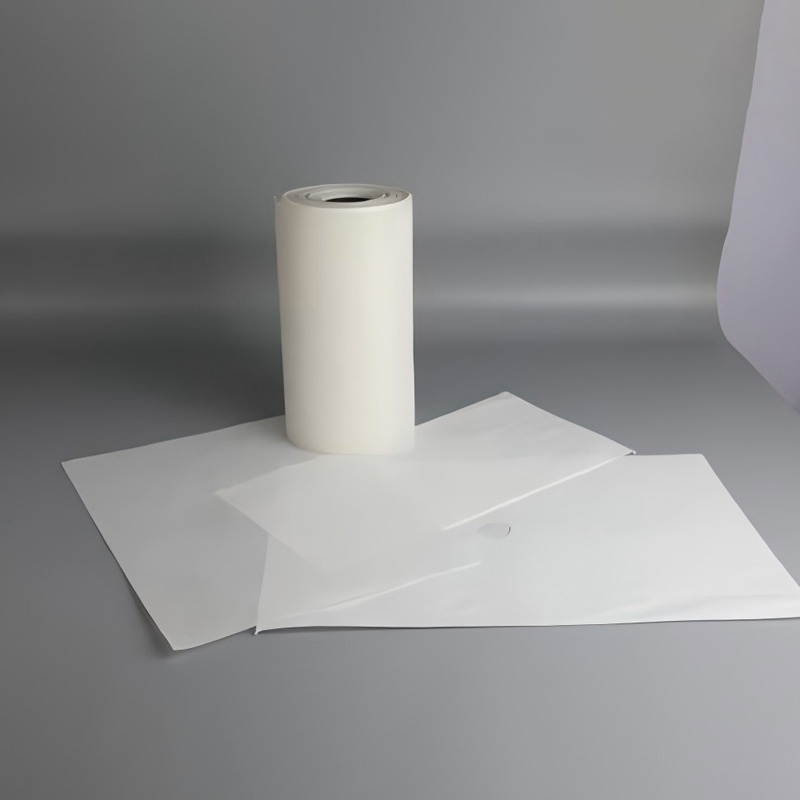 Liquid Filter Media
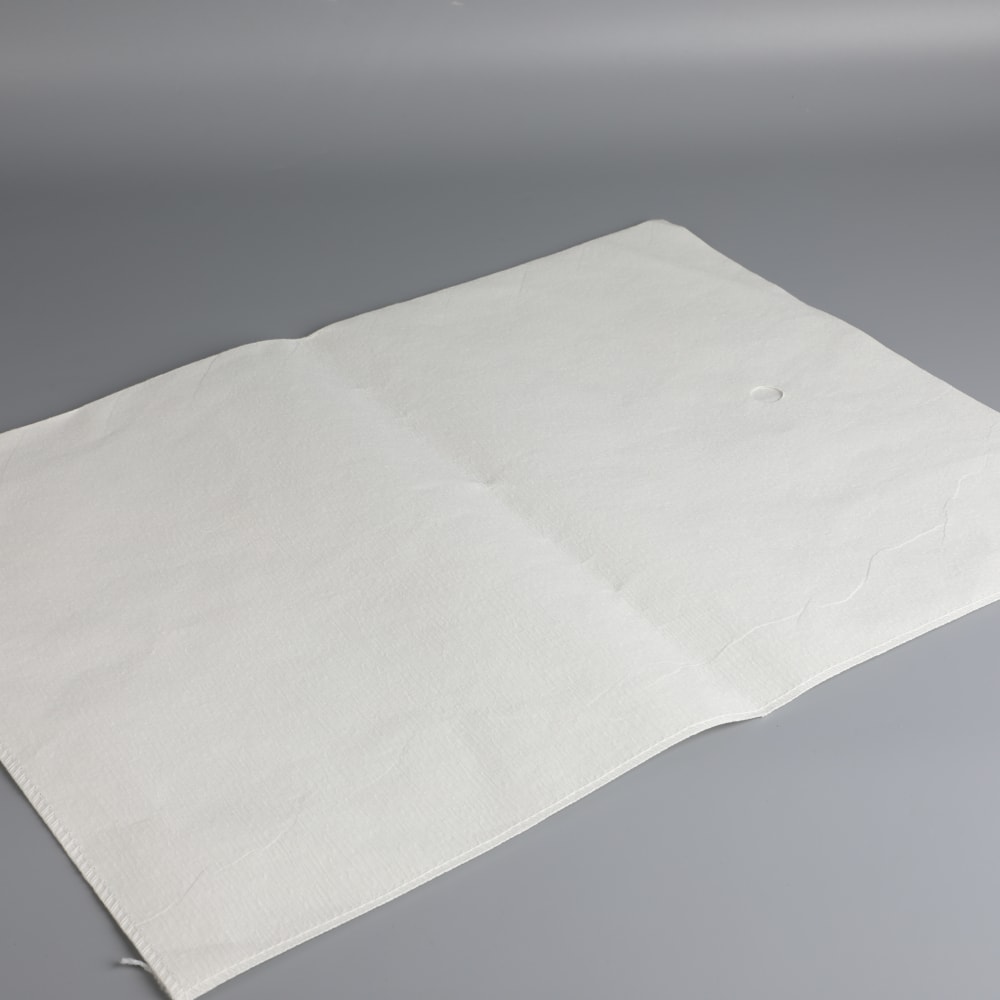 Filter Envelope & Filter Sheet
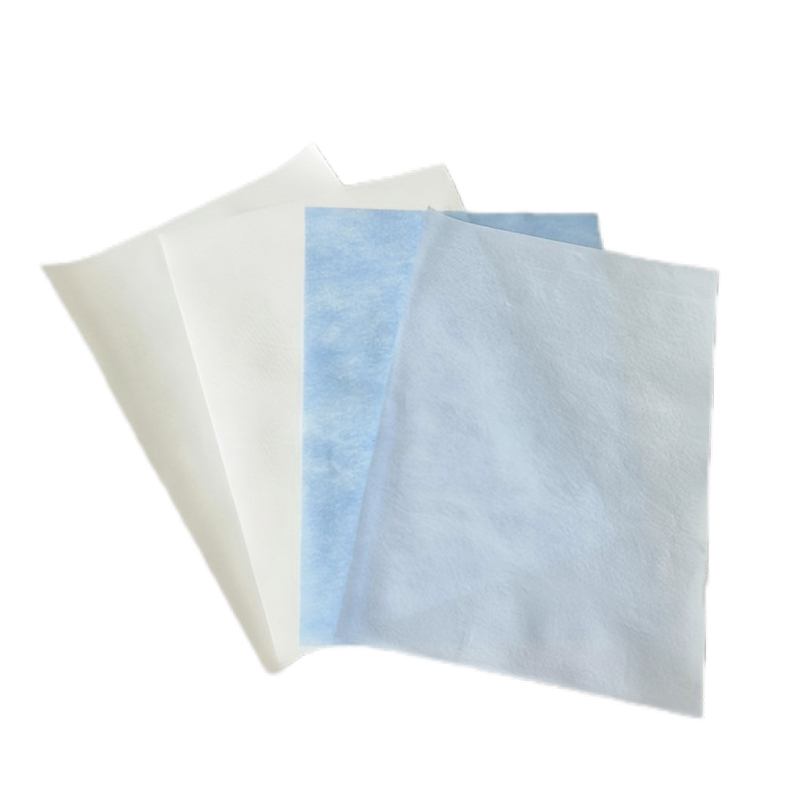 Breathable Film Laminates
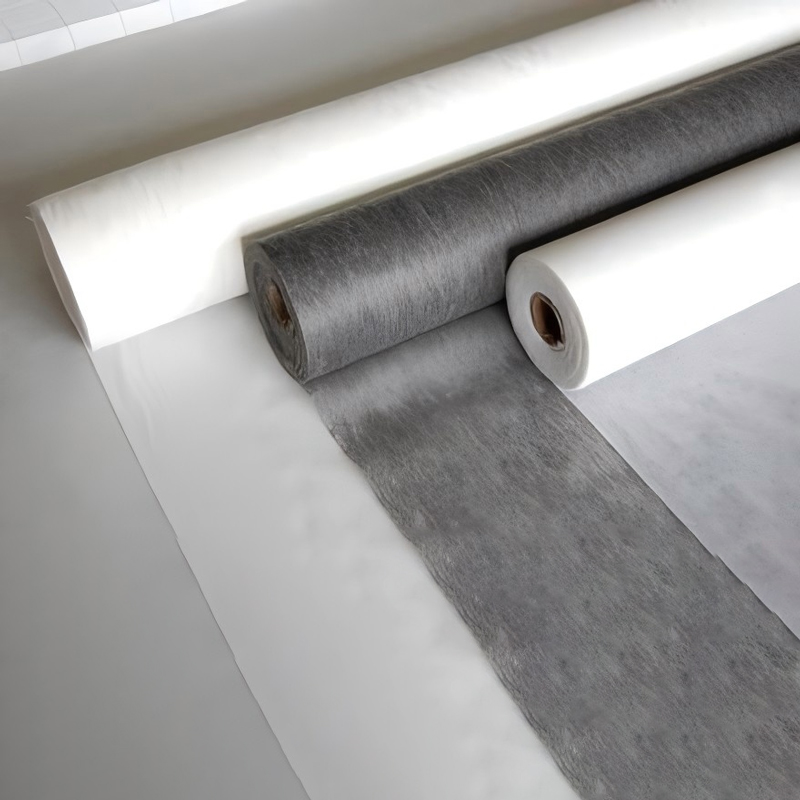 Nonwoven Interlining
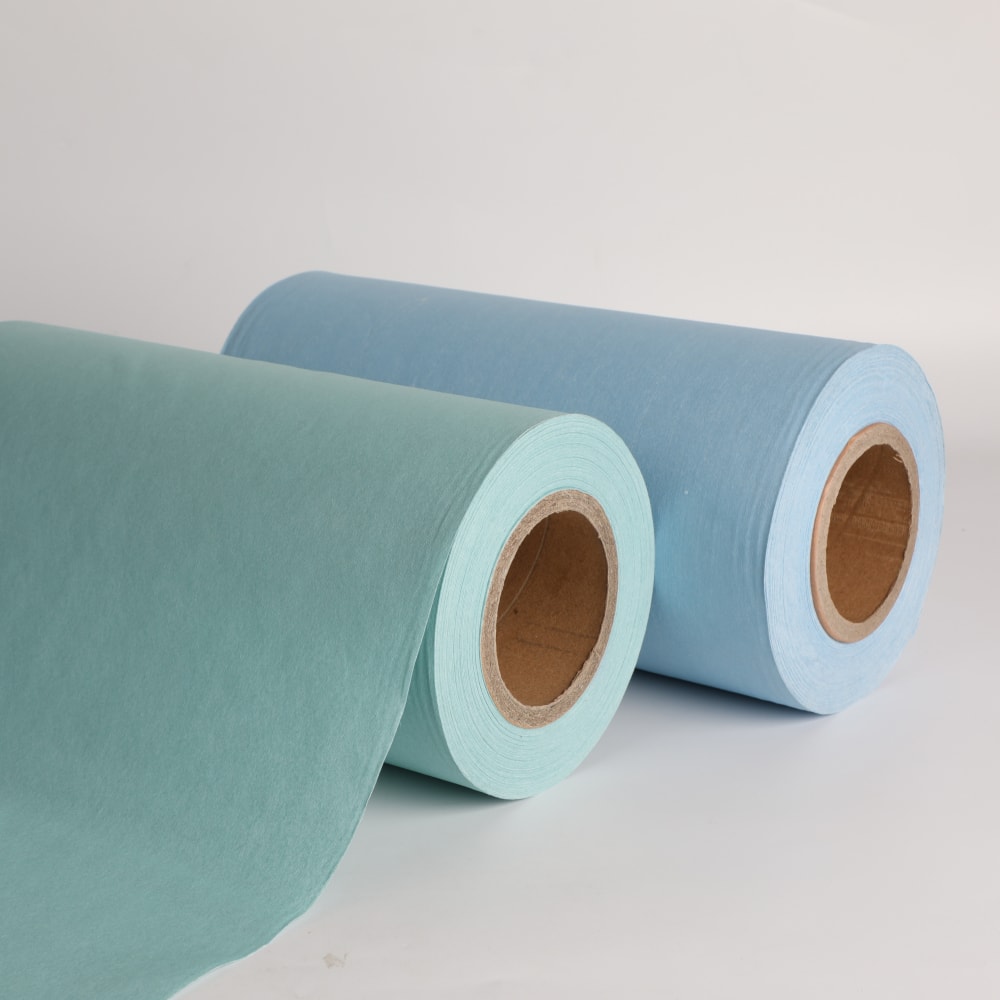 Fluid Repellent Woodpulp Spunlace Nonwoven
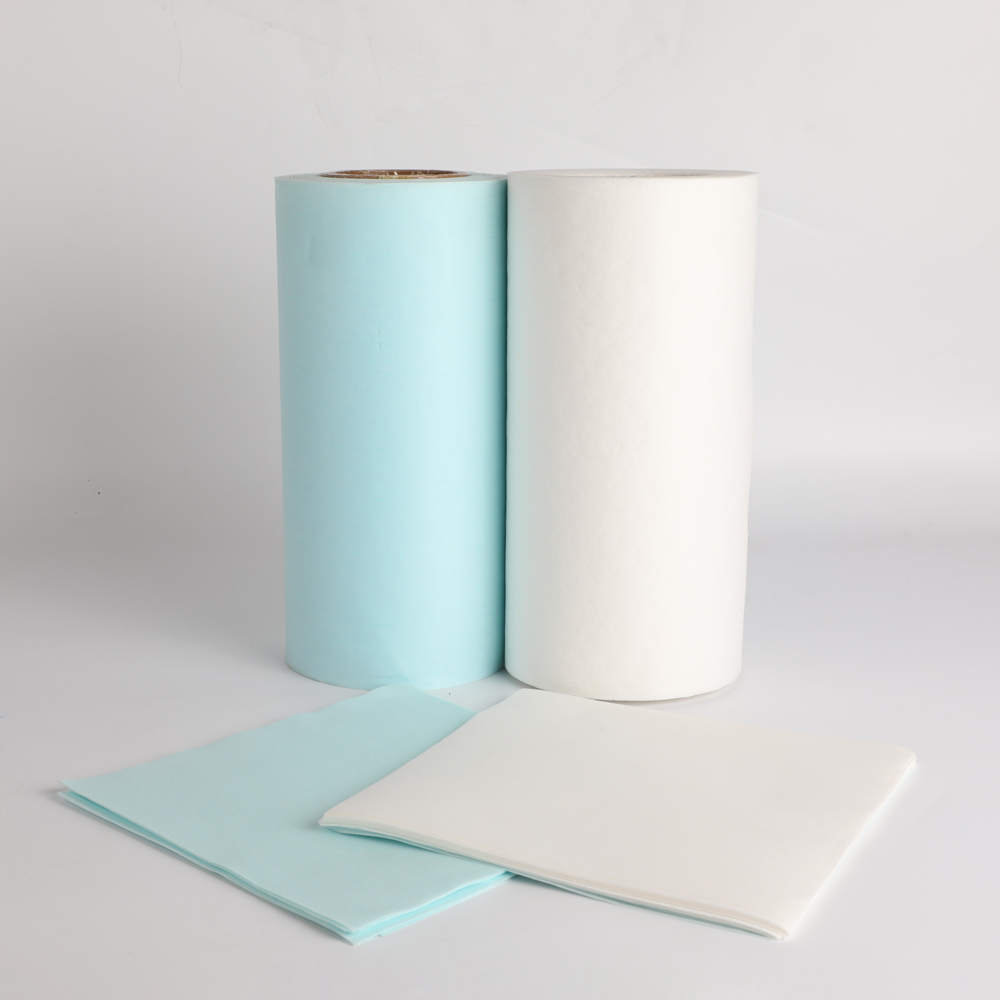 Woodpulp Nonwoven Wipe
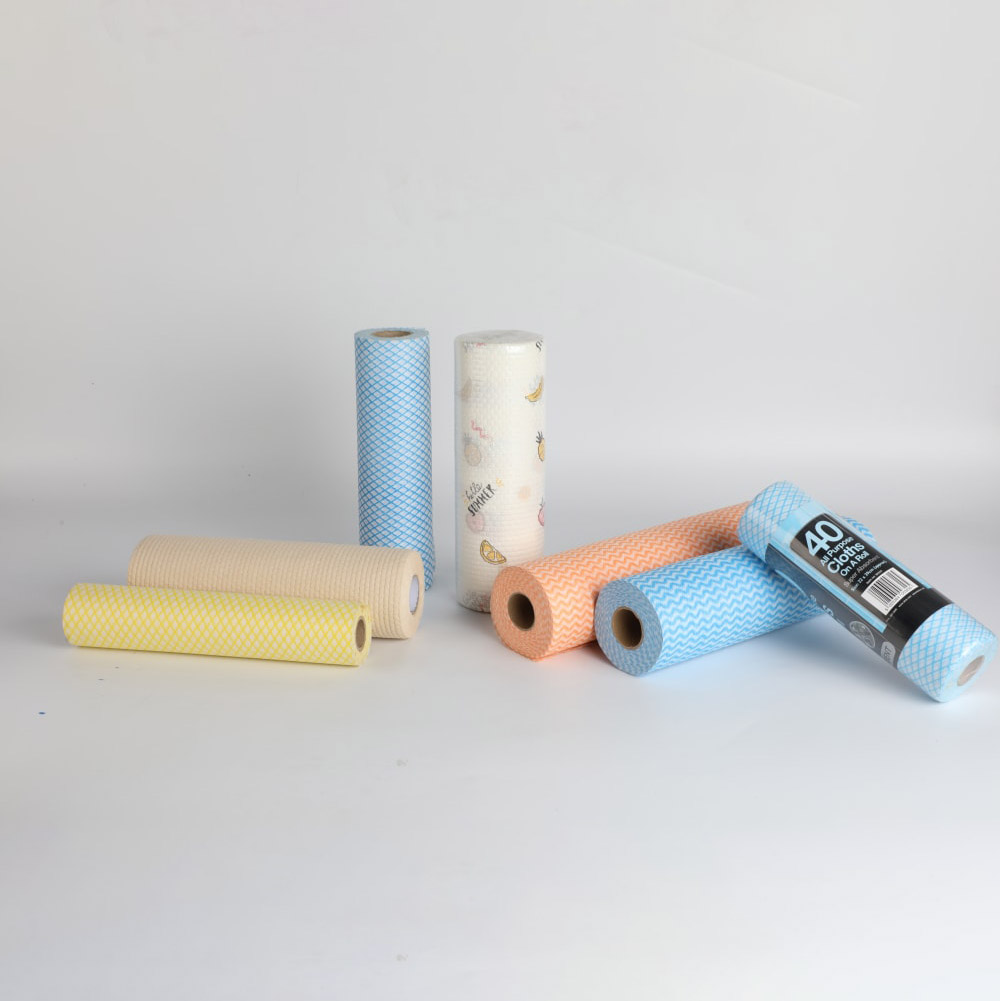 Nonwoven Cleaning Wipe
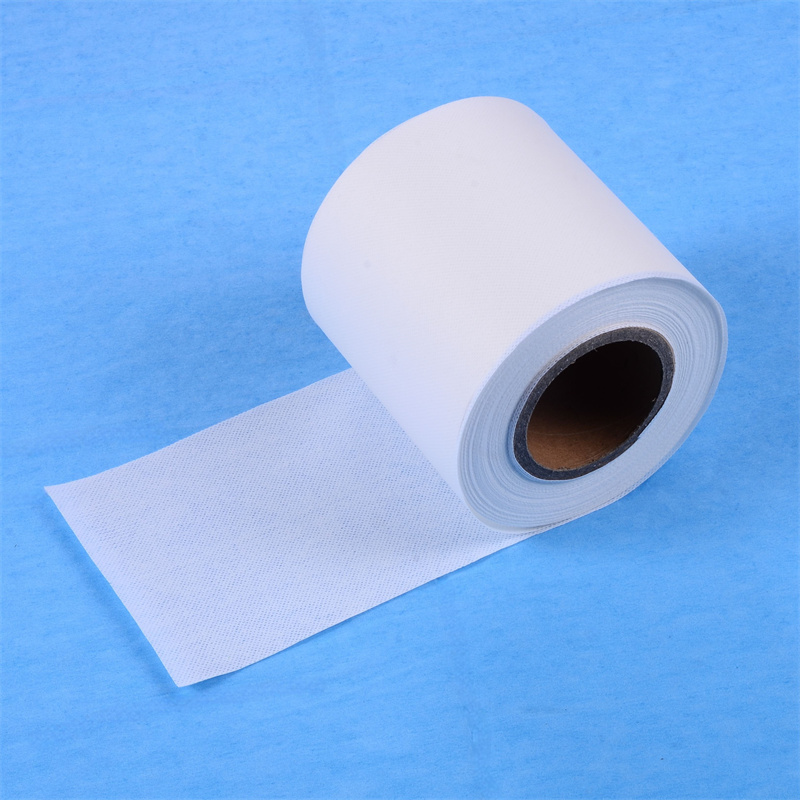 Flame Retardant Nonwoven Fabric
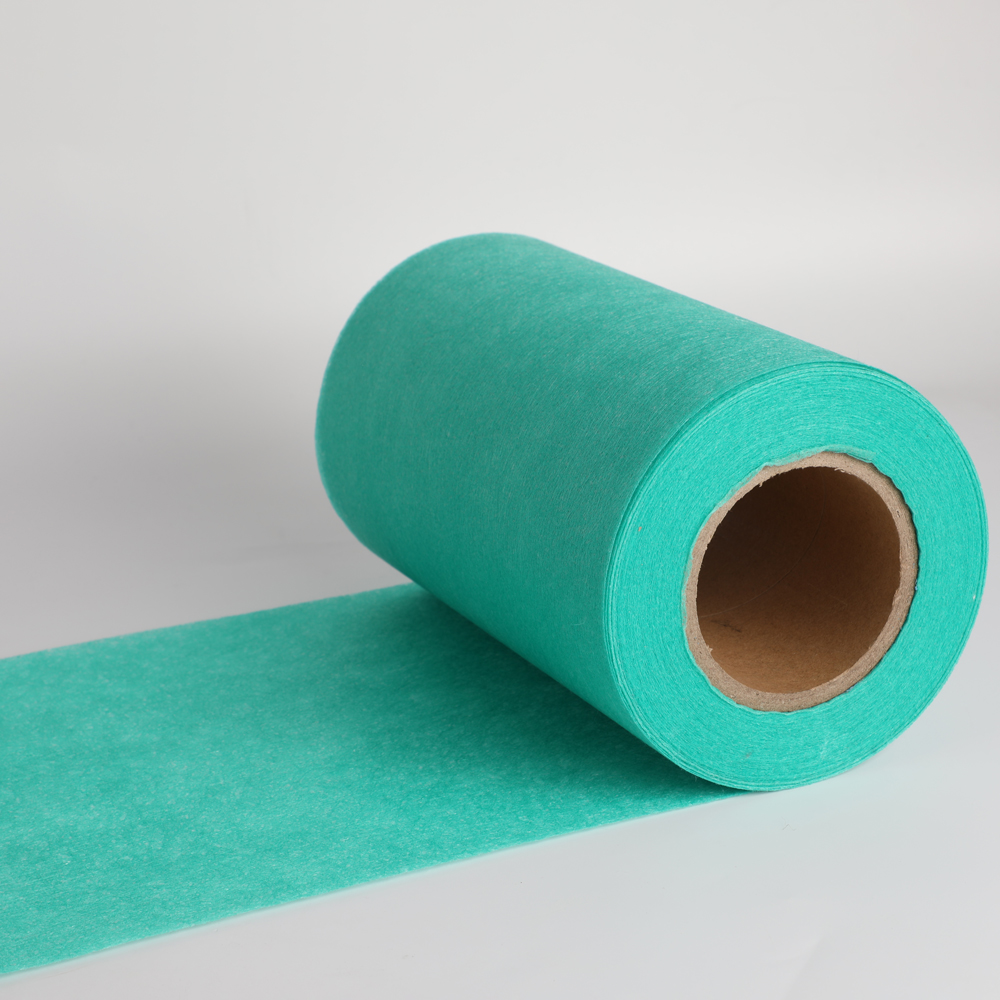 Anti-Bacterial Nonwoven
 CONTACT WhatsApp
 CONTACT WeChat

 CONTACT NUMBER
 CONTACT EMAIL