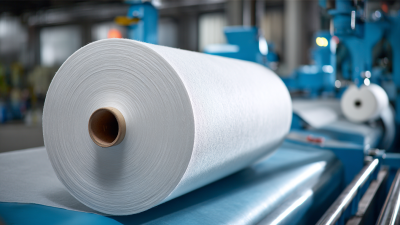
How to Choose the Best Flame Retardant Nonwoven for Your Needs?
Choosing the right flame retardant nonwoven can be challenging. With various options available, understanding your needs is crucial. Flame retardant nonwoven materials play a vital role in many industries, from textiles to construction. These materials significantly enhance safety by resisting ignition and slowing the spread of fire.
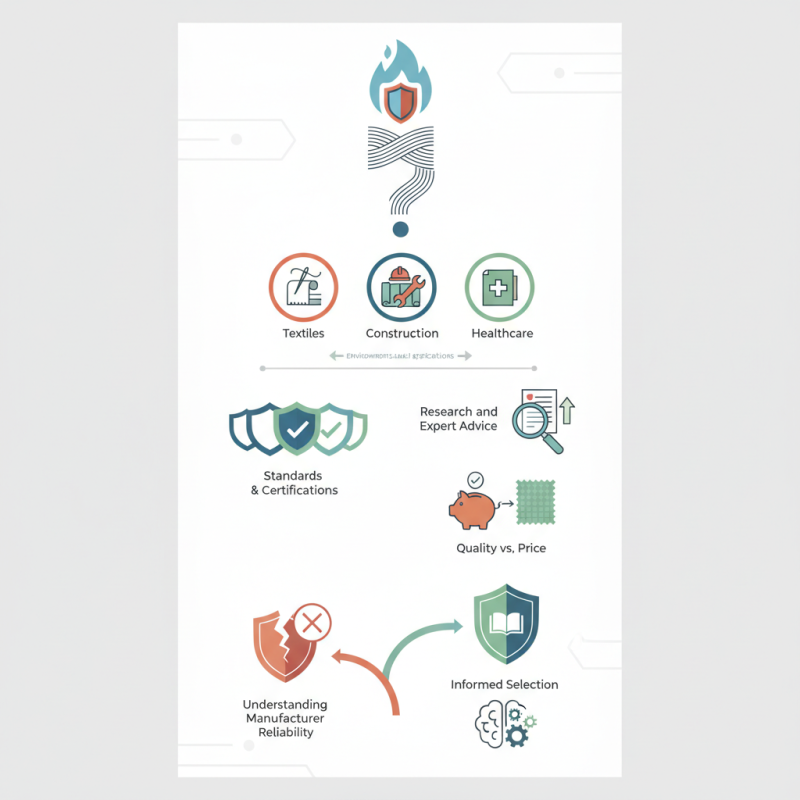
When selecting a flame retardant nonwoven, consider the specific application. Different environments demand unique properties. For instance, the needs of a healthcare setting will contrast sharply with those of industrial use. There are various standards and certifications to look for, which can be overwhelming. This complexity makes it easy to overlook essential details.
It's important to not solely focus on price. High-quality flame retardant nonwoven may come at a higher cost, but they often provide better safety and durability. Research and expert advice can help clarify your options. Understanding manufacturer reliability can also guide your decision-making. Remember, the wrong choice could have serious consequences, highlighting the importance of informed selection.
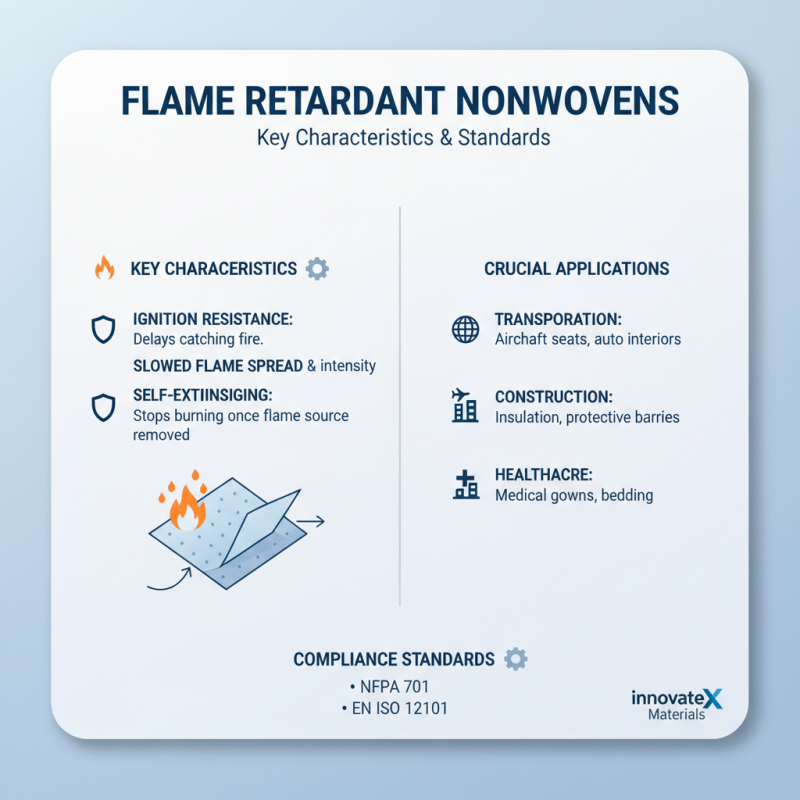
Understanding Flame Retardant Nonwovens: Key Characteristics and Standards
Flame retardant nonwovens play a crucial role in various applications. Understanding their key characteristics is essential. These materials are engineered to resist ignition and slow the spread of flames. This is vital for safety in sectors like transportation, construction, and healthcare.
One key characteristic is the ability to withstand high temperatures. Flame retardant nonwovens must also meet specific safety standards. Standards vary by region and application, often dictated by industry requirements. It is essential to confirm that the materials comply with these regulations. Failure to do so may result in significant safety risks.
When selecting these materials, consider both performance and compliance. Talk to manufacturers about their testing processes. It’s important to know how the materials were treated. Often, the chemicals used can vary significantly. This requires careful examination. Sometimes, there are trade-offs between effectiveness and environmental impact. This complexity demands thoughtful reflection before making a choice.
Common Applications of Flame Retardant Nonwovens in Various Industries
Flame retardant nonwovens play a crucial role in various industries. These materials are designed to resist ignition and slow the spread of fire. In the automotive sector, for instance, these nonwovens are utilized in upholstery, interior linings, and carpets to enhance safety. They not only provide comfort but also help meet safety regulations. This is critical, given the stringent rules governing vehicle interiors.
In the construction industry, flame retardant nonwovens offer invaluable benefits. They are used in insulation materials and protective coverings. These nonwovens help to improve fire safety and thermal performance. Additionally, they are suitable for protective gear in workplaces, such as industrial environments. Workers often require materials that ensure durability while offering fire resistance.
There are challenges in choosing the right flame retardant nonwoven. Not all products perform equally in all applications. The specific requirements for different industries can complicate the selection process. It’s important to assess factors like environmental impact, comfort, and cost-efficiency. Balancing these elements is essential for making the right choice.
Comparing Different Types of Flame Retardant Treatments and Their Efficacy
When selecting flame retardant nonwoven materials, understanding the various treatments available is crucial. Fire safety regulations differ by industry, making it essential to know your specific needs. Common treatments include chemical coating and fiber modification. Each method has its pros and cons. Chemical coatings can provide immediate protection but may wear off over time. Fiber modification offers intrinsic fire resistance, leading to longer-lasting performance.
Efficacy varies significantly among these treatments. Some coatings allow for repeated washings, while others do not. Consider durability in real-world applications. Testing methods also vary, with some standards more rigorous than others. Look at test reports critically; sometimes, results may not reflect real usage scenarios. Users often overlook the long-term effects of fire retardant treatments, such as potential degradation of material properties over time.
Reflect on your environmental goals, too. Some treatments may involve harmful chemicals, impacting both safety and sustainability. Finding the right balance between effectiveness and environmental responsibility is challenging. It's important to research thoroughly and seek expert advice if needed. In the end, the best choice aligns with your specific application while ensuring safety and reliability.
How to Choose the Best Flame Retardant Nonwoven for Your Needs?
| Type of Treatment |
Efficacy Rating |
Durability |
Cost |
Applications |
| Chemical Resins |
High |
Moderate |
$$$ |
Industrial fabrics, upholstery |
| Nanotechnology |
Very High |
High |
$$$$ |
Clothing, technical textiles |
| Coatings |
Moderate |
High |
$$ |
Protective clothing, curtains |
| Blending Techniques |
Good |
Low |
$ |
General textiles, nonwovens |
| Inherent Flame Resistance |
Very High |
Very High |
$$ |
Bedding, insulation materials |
Evaluating Performance Metrics: Testing Methods for Flame Resistance
Evaluating the flame resistance of nonwoven materials is crucial for safety. There are various testing methods to consider. Common procedures include the vertical and horizontal flame test. These tests assess how materials react when exposed to direct flames. Results can guide material selection effectively.
When selecting a flame retardant nonwoven, consider factors like thickness and fiber composition. Thicker materials may offer better protection but can affect flexibility. Fiber types also play a significant role in flame behavior. Some natural fibers ignite faster than synthetic options. It's essential to understand these nuances during evaluation.
Testing performance metrics reveals a lot about material suitability. However, results can vary based on conditions. Temperature, humidity, and airflow can influence outcomes. It's vital to reflect on these variables when interpreting test results. In some cases, a nonwoven may perform well in one test but poorly in real-world applications. A thorough understanding of both testing methods and environmental factors is necessary for informed decisions.
Selecting the Right Supplier: Industry Certifications and Compliance Factors
When selecting a flame retardant nonwoven supplier, industry certifications play a crucial role. Look for suppliers with certifications like ISO 9001 and Oeko-Tex Standard 100. These quality certifications indicate adherence to strict manufacturing processes and material safety. According to a report by Textile World, around 65% of consumers consider certifications essential when purchasing flame retardant textiles.
Compliance with safety standards, such as NFPA and ASTM, is equally important. These standards ensure that the nonwoven materials can withstand high temperatures and prevent the spread of flames. A recent study by the Fire Protection Research Foundation highlighted that improperly tested textiles are a leading cause of safety failures. Collaborating with certified suppliers can provide peace of mind.
It’s vital to address the issue of transparency when reviewing suppliers. Not all suppliers disclose the full range of testing information. An alarming statistic showed that 40% of non-certified materials failed safety assessments. This discrepancy can lead to significant risks, both for manufacturers and end-users. Therefore, always ask for documentation and testing results to assess the reliability of your chosen supplier.
Flame Retardant Nonwoven Material Properties Comparison

 Multi Laminates
 Spunlace Nonwoven Laminates
 Breathable Film Laminates
 Viscose Laminates
 Medical Tape Nonwoven
 Filtration Nonwoven
 Head Wear Nonwoven
 Medical Viscose Nonwoven
 Air Filter Media
 Liquid Filter Media
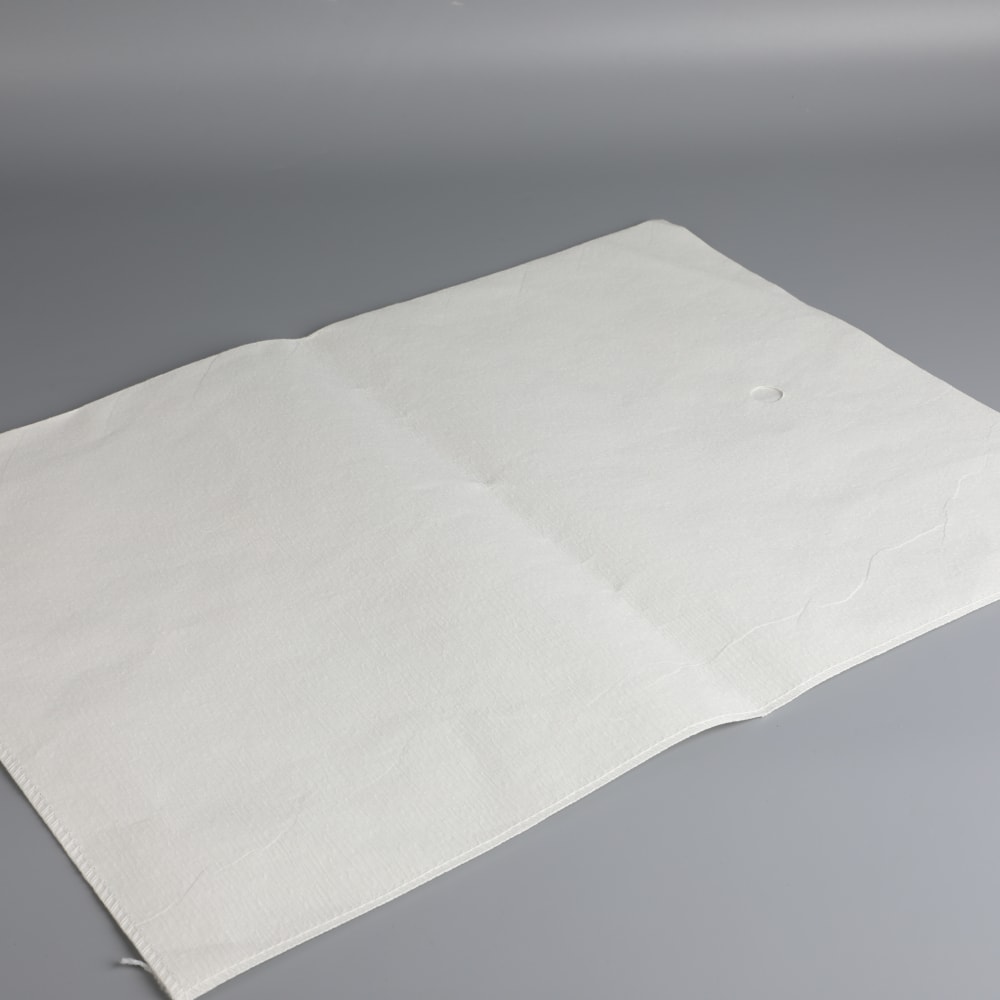 Filter Envelope & Filter Sheet
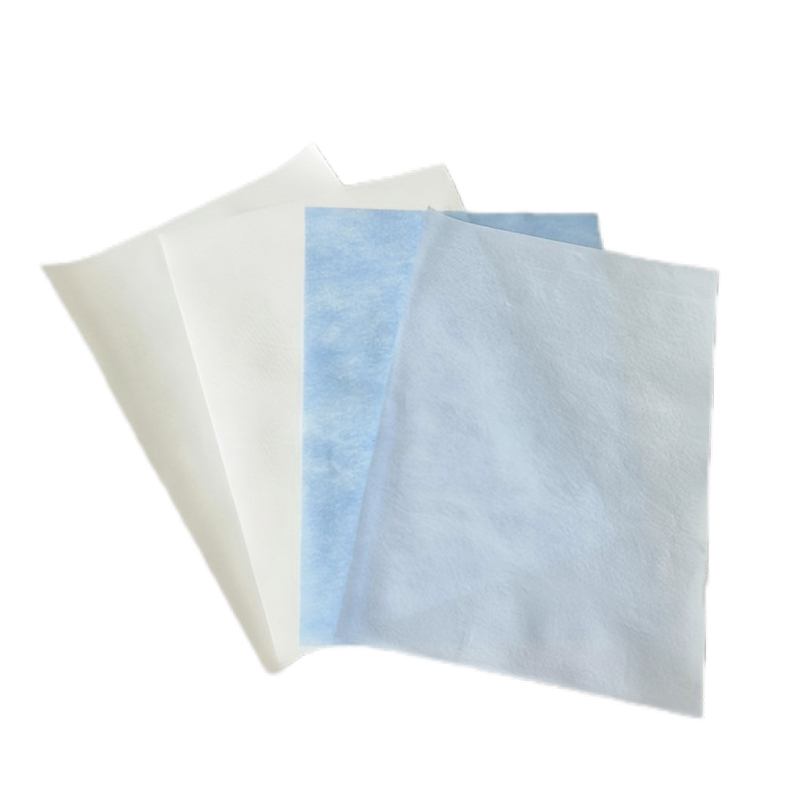 Breathable Film Laminates
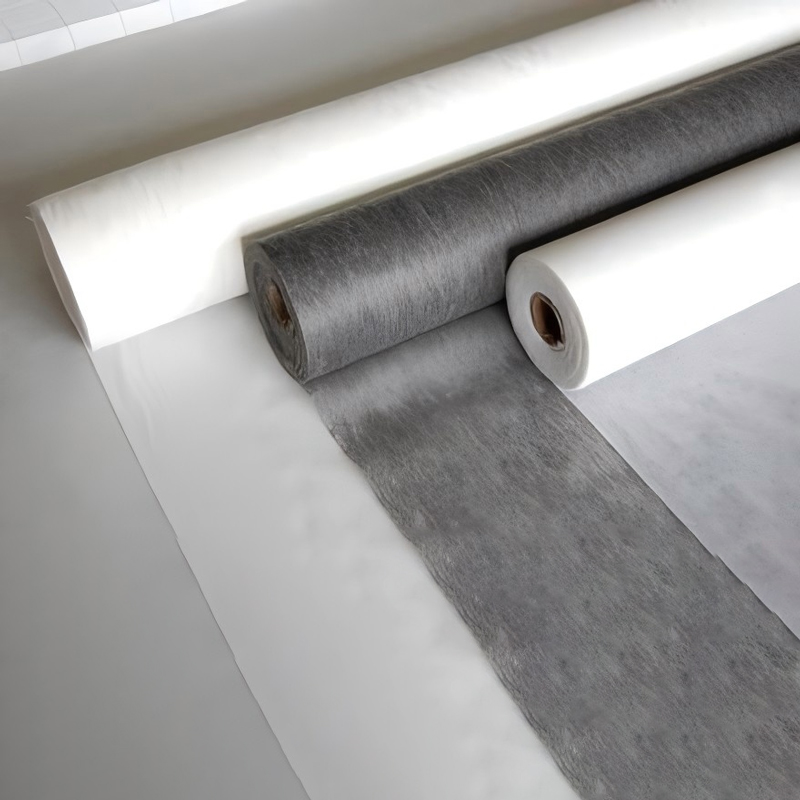 Nonwoven Interlining
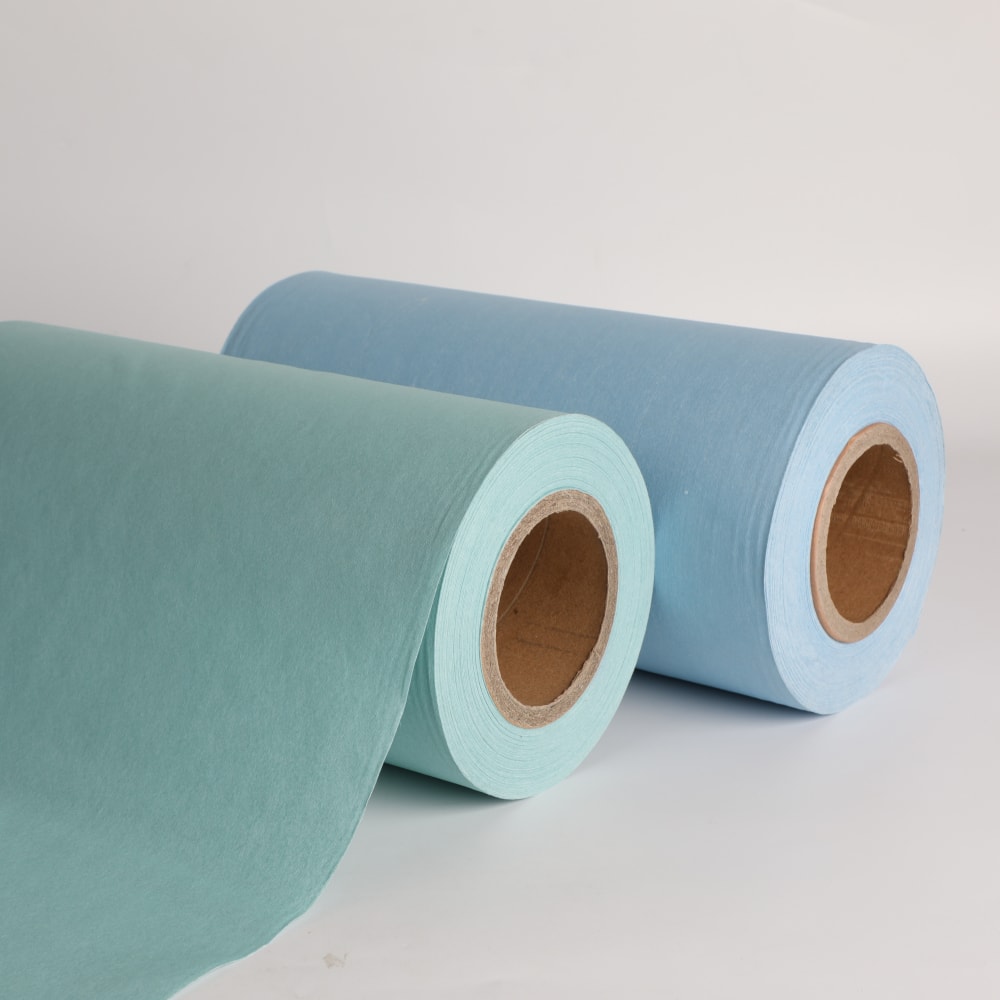 Fluid Repellent Woodpulp Spunlace Nonwoven
 Woodpulp Nonwoven Wipe
 Nonwoven Cleaning Wipe
 Flame Retardant Nonwoven Fabric
 Anti-Bacterial Nonwoven
 CONTACT WhatsApp
 CONTACT WeChat

 CONTACT NUMBER
 CONTACT EMAIL