Why Choose Nonwoven Fabric Needle Punched for Your Projects?
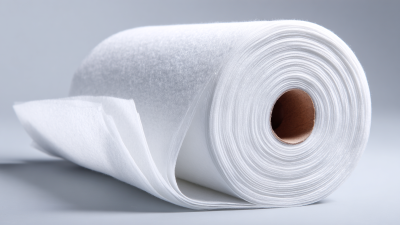
When selecting materials for your projects, the choice of fabric can significantly impact quality and performance. One increasingly popular option is Nonwoven Fabric Needle Punched. This fabric is known for its strength and versatility, making it ideal for various applications. It combines the properties of textiles and nonwoven materials, providing unique benefits.
Nonwoven Fabric Needle Punched is created through a specialized process. This method enhances the fabric's durability and structure. Many industries, including automotive, construction, and medical, rely on this fabric for its reliability. Its applications also extend to home décor and filtration systems. Each use demonstrates its unmatched performance and adaptability.
However, like any material, there are potential drawbacks. For instance, the manufacturing process can be energy-intensive. It’s crucial to weigh the benefits against the environmental impact. Still, for many, the advantages of Nonwoven Fabric Needle Punched outweigh these concerns, cementing its place in modern textile solutions. Choosing the right fabric is essential, and this option stands out as a strong contender.
Benefits of Nonwoven Fabric in Various Industries
Nonwoven fabric, particularly needle-punched varieties, offers remarkable benefits across various industries. In agriculture, it serves as an effective barrier against pests while allowing air and moisture to circulate. Farmers appreciate the lightweight nature, which makes handling easy. Additionally, the fabric's durability ensures it withstands harsh weather conditions, providing reliable protection for crops.
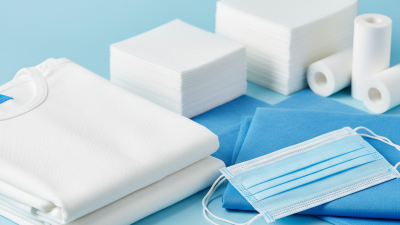
In the medical field, nonwoven fabrics are crucial for hygiene products. They are widely used in surgical masks and gowns. The breathable characteristics help maintain comfort during extended use. However, the challenge remains in ensuring consistent quality. Variability in production can lead to performance issues, which needs careful monitoring.
In automotive applications, needle-punched nonwoven fabrics are becoming popular for insulation and sound absorption. These fabrics help reduce noise inside vehicles while being lightweight. The industry must overcome the hurdle of recycling these materials effectively, as environmental concerns grow. Finding solutions for waste management is essential for sustainable development within this sector.
Why Choose Nonwoven Fabric Needle Punched for Your Projects? - Benefits of Nonwoven Fabric in Various Industries
| Industry |
Benefits of Nonwoven Fabric |
Applications |
| Healthcare |
Lightweight, breathable, and resistant to liquid penetration. |
Surgical drapes, gowns, and masks. |
| Automotive |
Excellent sound absorption and thermal insulation properties. |
Interior linings, carpets, and insulation. |
| Construction |
Durable and provides good moisture control. |
House wraps, insulation, and filters. |
| Agriculture |
Promotes plant growth by allowing moisture and air to penetrate. |
Geotextiles and crop covers. |
| Home Furnishings |
Soft, comfortable, and affordable. |
Upholstery, bedding, and interior decorations. |
Understanding Needle Punching Technology in Nonwoven Fabric Production
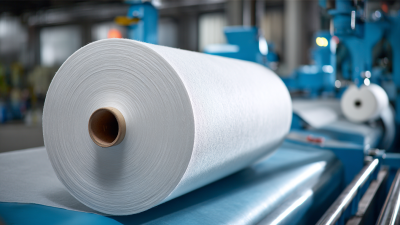
Needle punching technology is a unique method used in nonwoven fabric production. It involves entangling fibers through a series of barbed needles. This process creates a strong, durable fabric suited for various applications. According to a 2023 industry report, the global nonwoven fabric market is projected to reach $45 billion by 2027, largely driven by advancements in needle punching techniques.
This method allows for better control over fabric density and texture. It can produce materials ranging from lightweight covers to heavy-duty textiles. Needle punched fabrics are often preferred for their sustainability. They are made from recyclable materials and have low environmental impact during production. Recent studies indicate that needle punched nonwovens generate 30% less waste compared to woven fabrics.
However, it is essential to share the challenges as well. The needle punching process can produce excessive noise and requires careful maintenance of machinery. Additionally, consistent quality control is crucial, as variations in fiber source affect the final product's performance. While needle-punched nonwoven fabrics present many advantages, there is still a learning curve for manufacturers striving to optimize the process effectively.
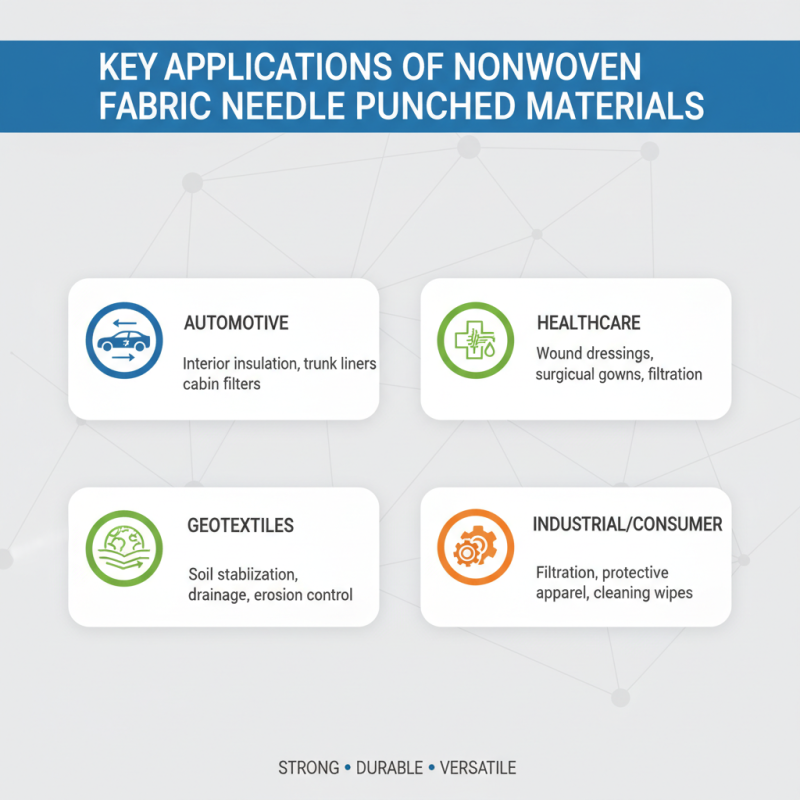
Key Applications of Nonwoven Fabric Needle Punched Materials
Nonwoven fabric needle punched materials are increasingly popular in various applications. These fabrics are made by entangling fibers through a mechanical process, resulting in strong and durable products. Their versatility makes them suitable for industries ranging from automotive to healthcare.
In the automotive sector, needle punched fabrics are used for insulation, sound absorption, and interior linings. They can effectively reduce noise and improve comfort. In healthcare, these fabrics serve critical roles in disposable medical masks and surgical gowns. They provide a barrier against fluids while remaining breathable. However, not every application can achieve the desired performance. Issues such as fiber shedding and limited washability may arise.
Consider the construction industry, where needle punched nonwovens are employed for filtration and ground stabilization. They help prevent soil erosion but may not last long under constant exposure to moisture. This limitation must be assessed before usage. Understanding these challenges can better inform material selection for specific projects.
Environmental Impact and Sustainability of Nonwoven Fabrics
Nonwoven fabrics, particularly needle-punched ones, significantly address sustainability concerns. These materials derive from renewable resources, which helps in reducing the overall carbon footprint. According to the Nonwovens Institute, nonwoven production typically uses 70% less water than conventional textiles. This reduction is crucial in mitigating water scarcity issues, especially in regions facing drought.
Moreover, needle-punched nonwoven fabrics are often made from recycled materials. Reports indicate that up to 30% of these fabrics utilize post-consumer waste. This recycling aspect not only minimizes landfill contributions but also reduces the demand for new raw materials. However, the recycling process can be energy-intensive and may still present opportunities for improvement in resource use efficiency.
The biodegradability of many nonwoven fabrics adds another layer to their environmental appeal. Studies show that some nonwoven products decompose within five years when properly disposed of. Yet, challenges remain in ensuring these materials are not ending up in landfills due to improper waste management practices. The industry faces a constant need to innovate and create effective systems for recycling and composting nonwoven fabrics, pushing towards a truly sustainable future.
Environmental Impact and Sustainability of Nonwoven Fabrics
Comparative Analysis: Nonwoven vs. Woven Fabrics in Project Efficiency
When considering material options for various projects, it is essential to
analyze the differences between nonwoven and woven fabrics.
Nonwoven fabrics, particularly needle-punched variants, offer unique advantages,
making them suitable for diverse applications. They are often more
cost-effective due to reduced manufacturing processes.
This efficiency can lead to quicker project timelines and lower overall expenses.
In contrast, woven fabrics generally require more complex production methods.
They provide durability and strength, but this comes at a cost.
The heavy machinery involved in producing woven fabrics can lead to longer lead times.
Moreover, their rigidity can limit design flexibility. Nonwoven fabrics, on the other hand,
can be easily molded into different shapes. They adapt well to various project requirements,
making them versatile and user-friendly.
However, relying solely on nonwoven fabrics may warrant a deeper analysis.
Their structure can sometimes lead to lower durability in high-stress environments.
Evaluating specific project needs is vital. Consider performance metrics
thoroughly before making your choice. Each fabric type has its strengths and weaknesses,
and understanding these can help guide informed decisions.

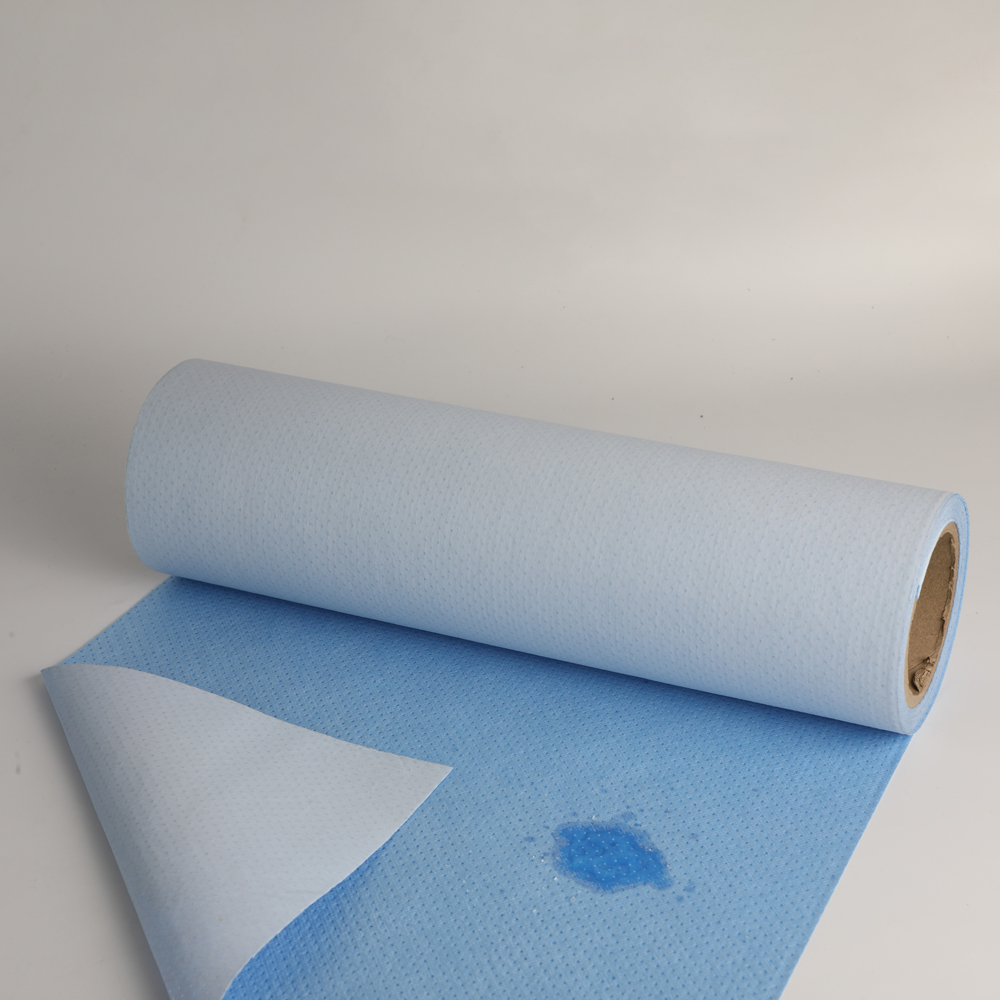 Multi Laminates
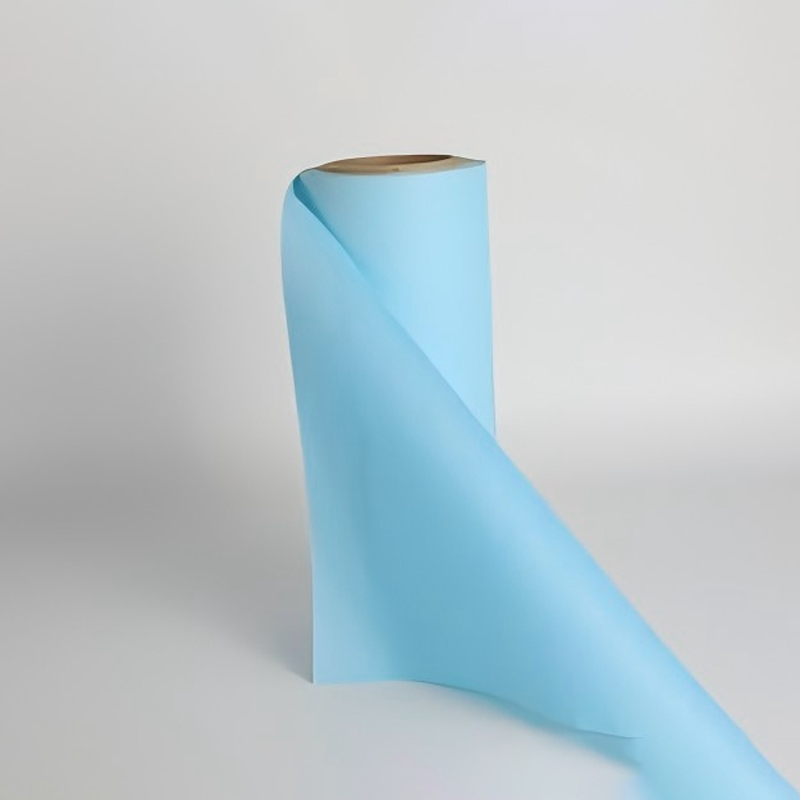 Spunlace Nonwoven Laminates
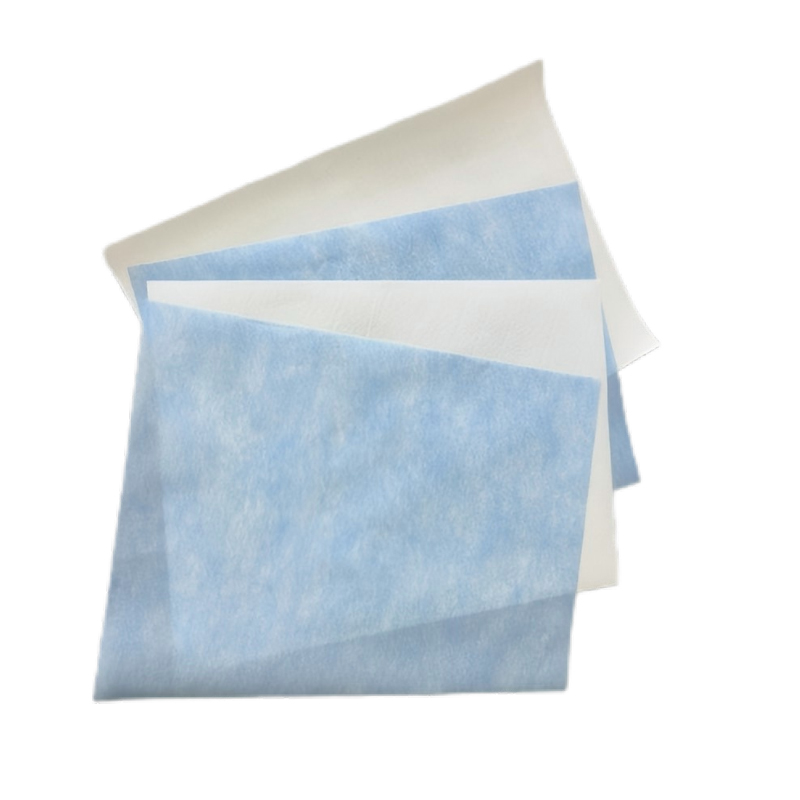 Breathable Film Laminates
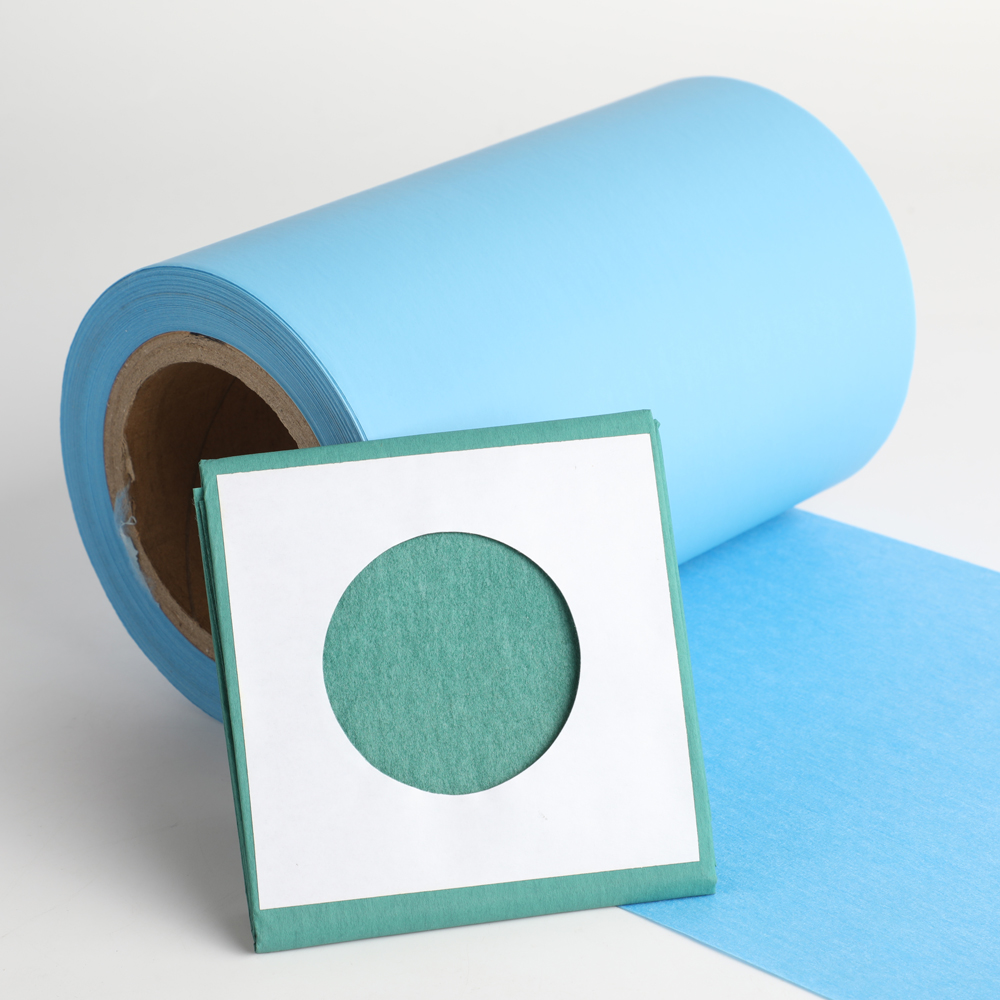 Viscose Laminates
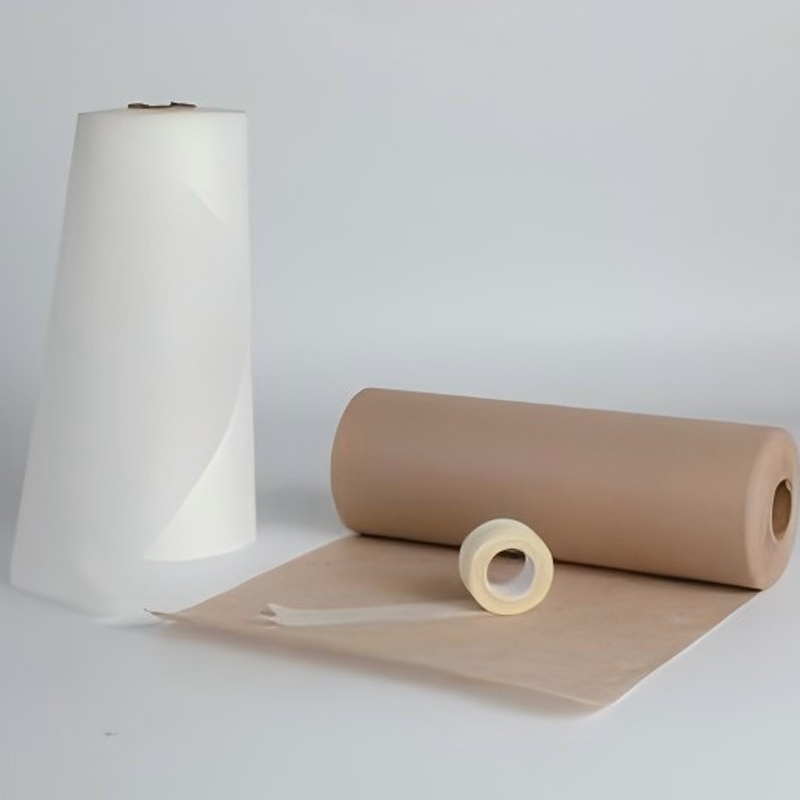 Medical Tape Nonwoven
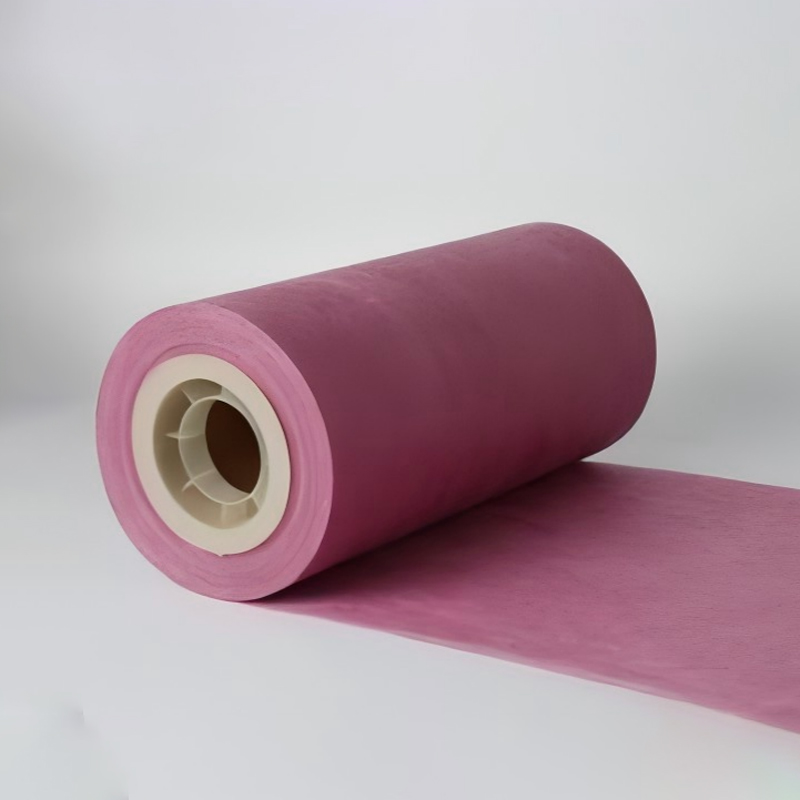 Filtration Nonwoven
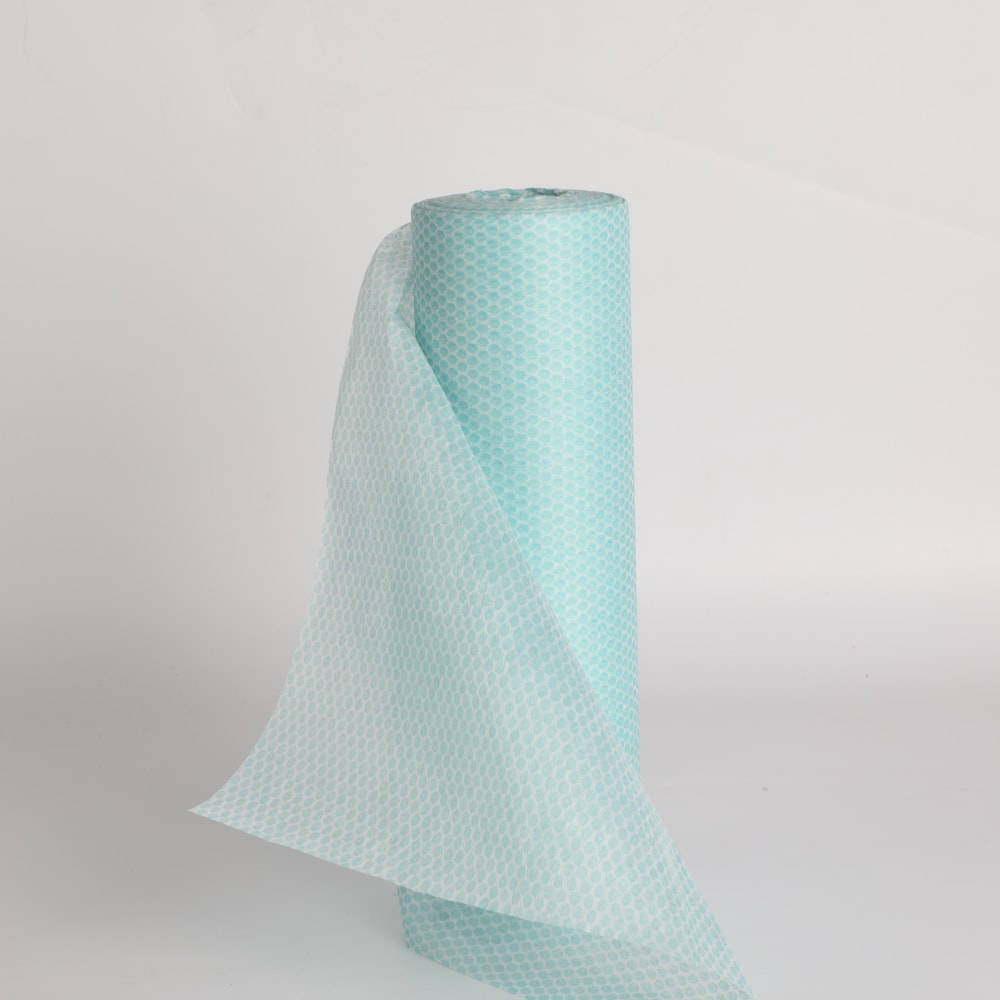 Head Wear Nonwoven
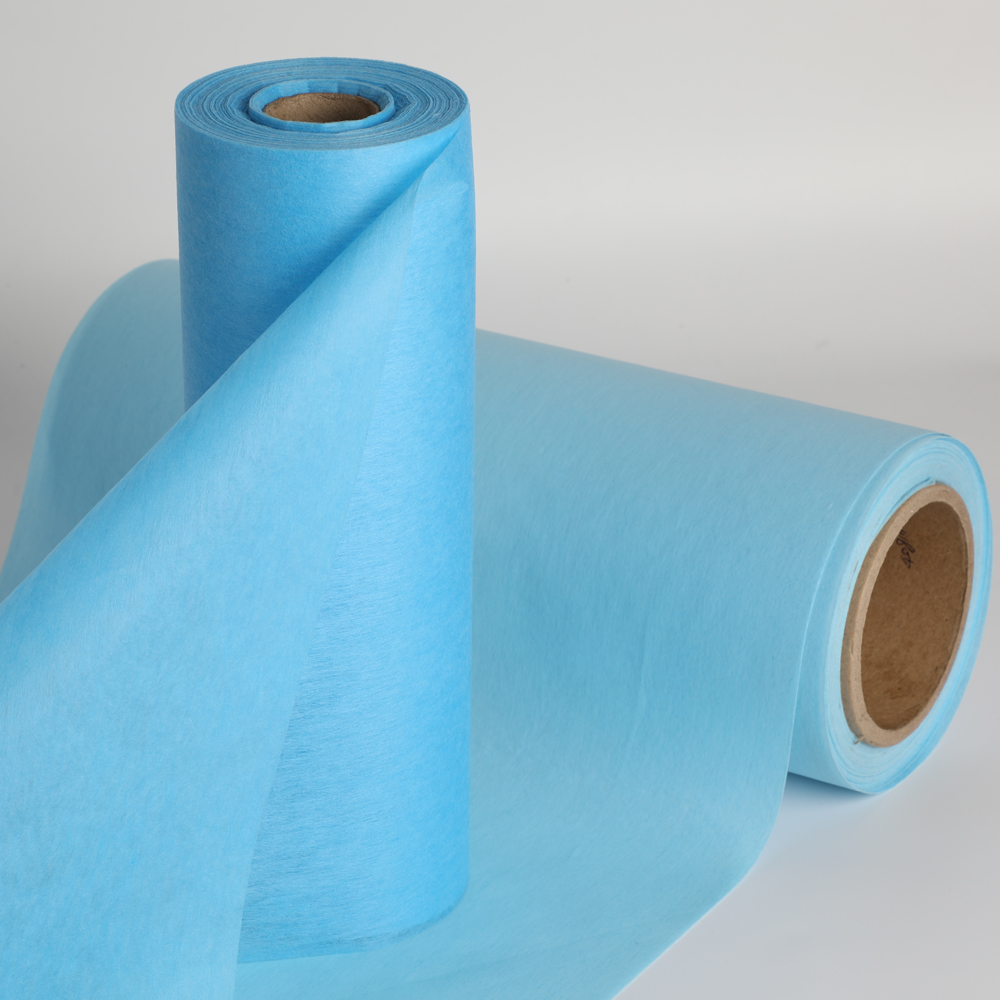 Medical Viscose Nonwoven
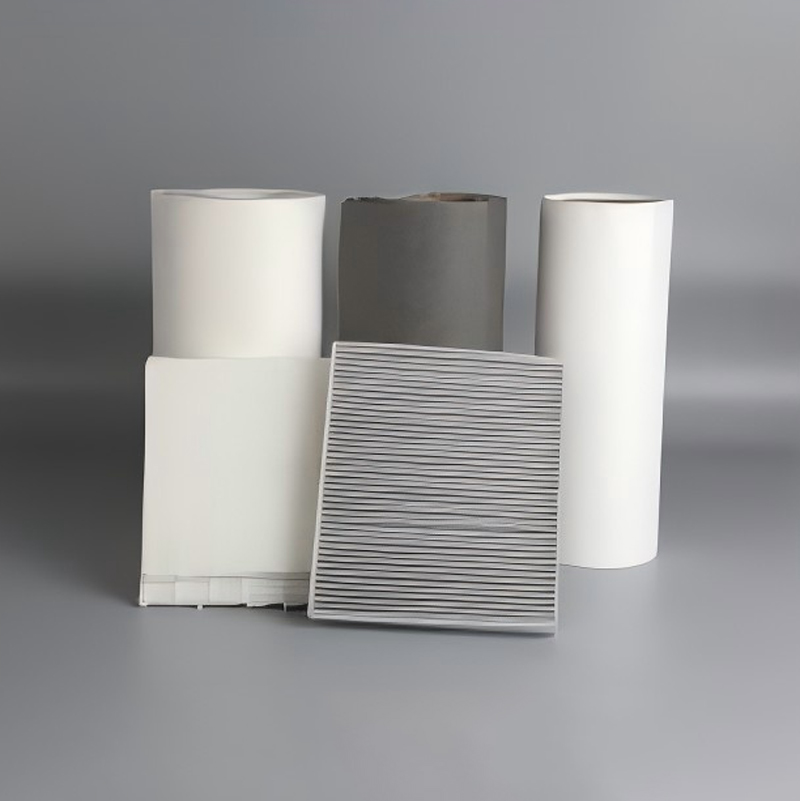 Air Filter Media
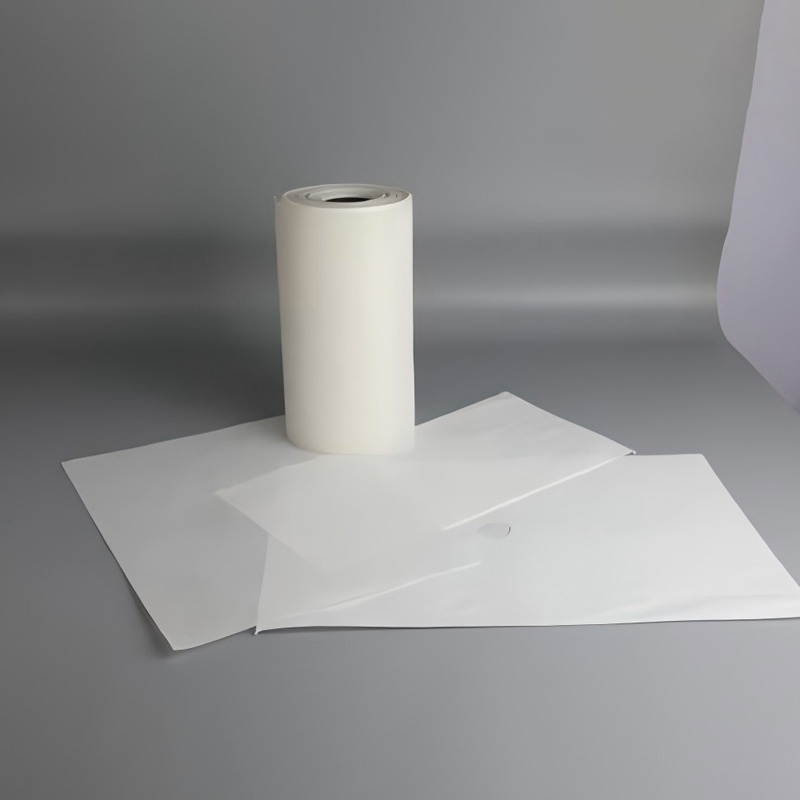 Liquid Filter Media
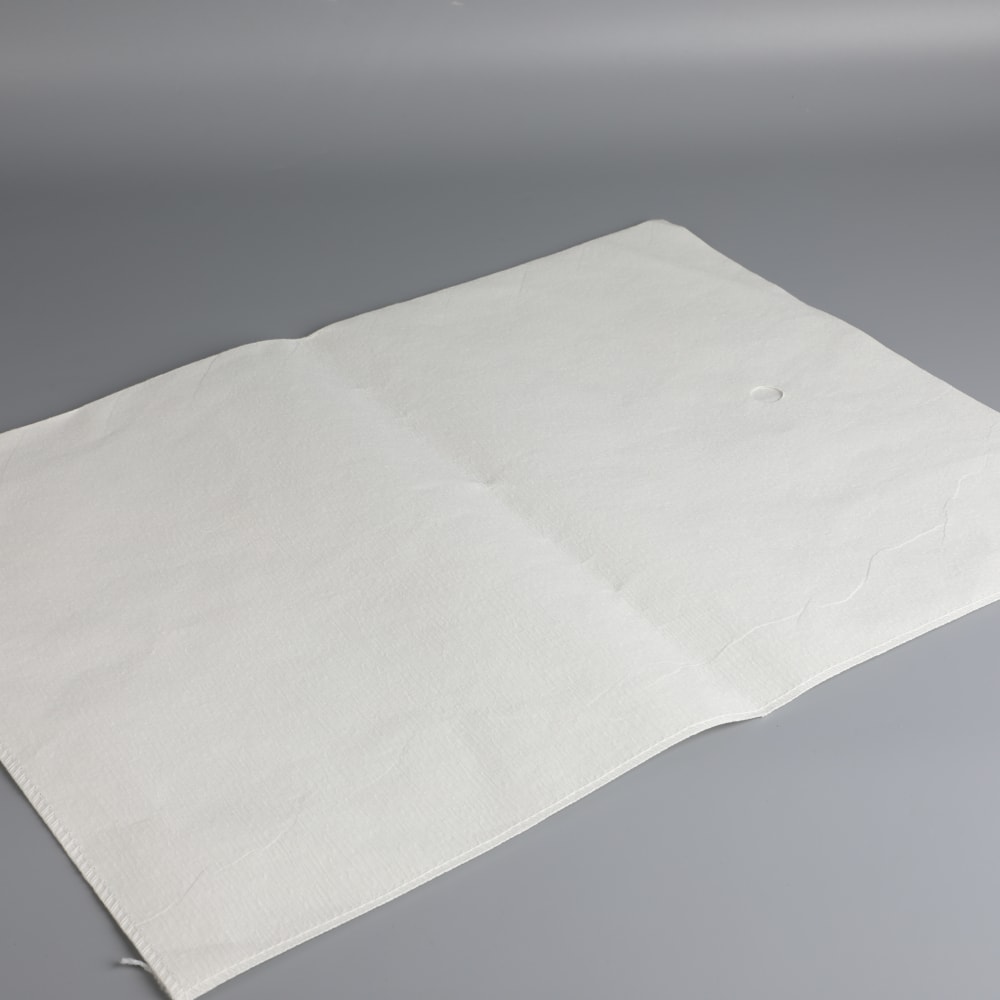 Filter Envelope & Filter Sheet
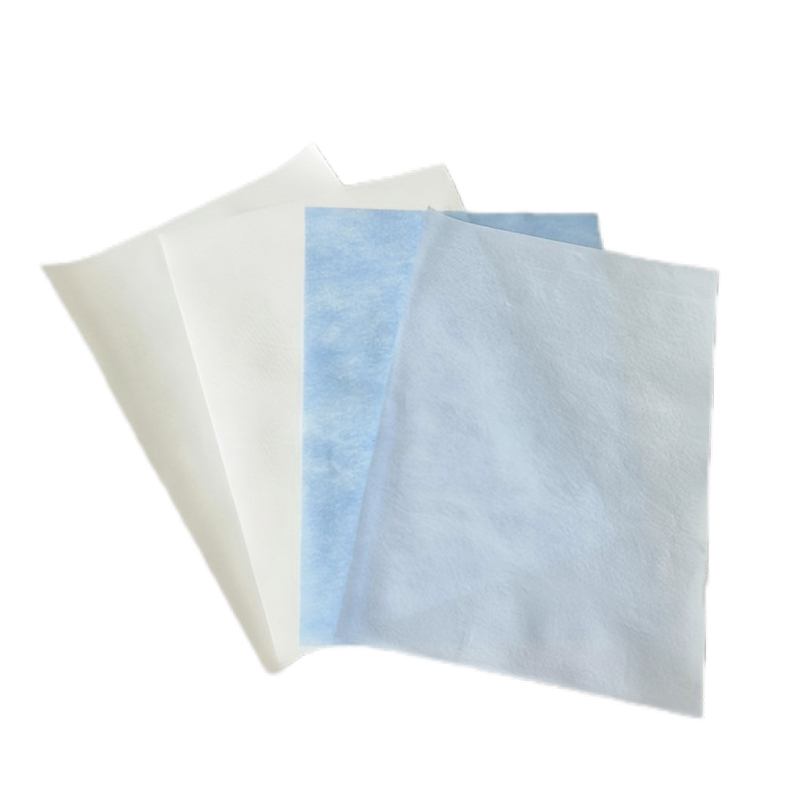 Breathable Film Laminates
 Nonwoven Interlining
 Fluid Repellent Woodpulp Spunlace Nonwoven
 Woodpulp Nonwoven Wipe
 Nonwoven Cleaning Wipe
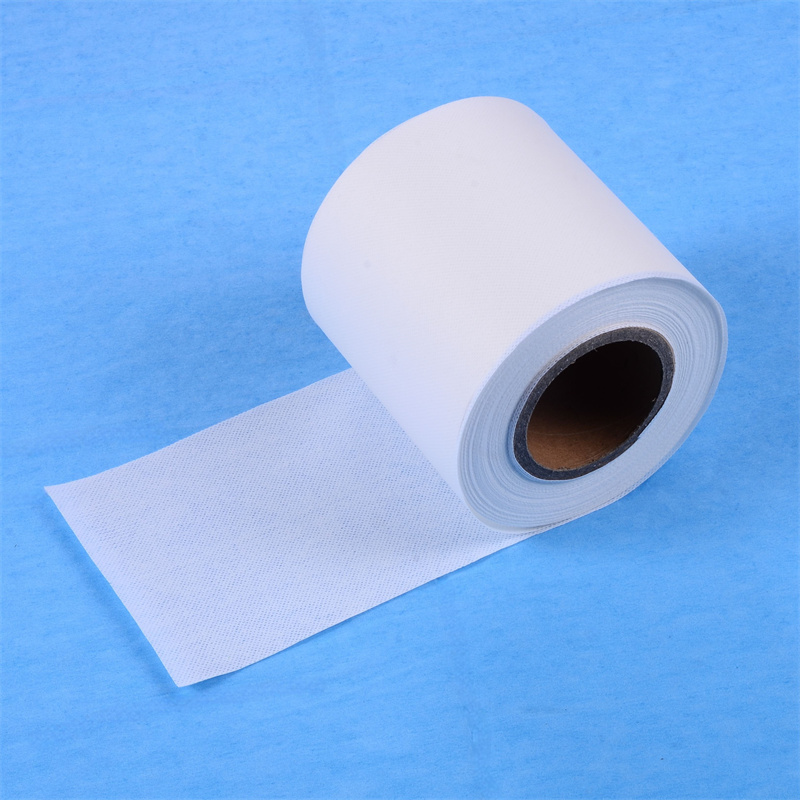 Flame Retardant Nonwoven Fabric
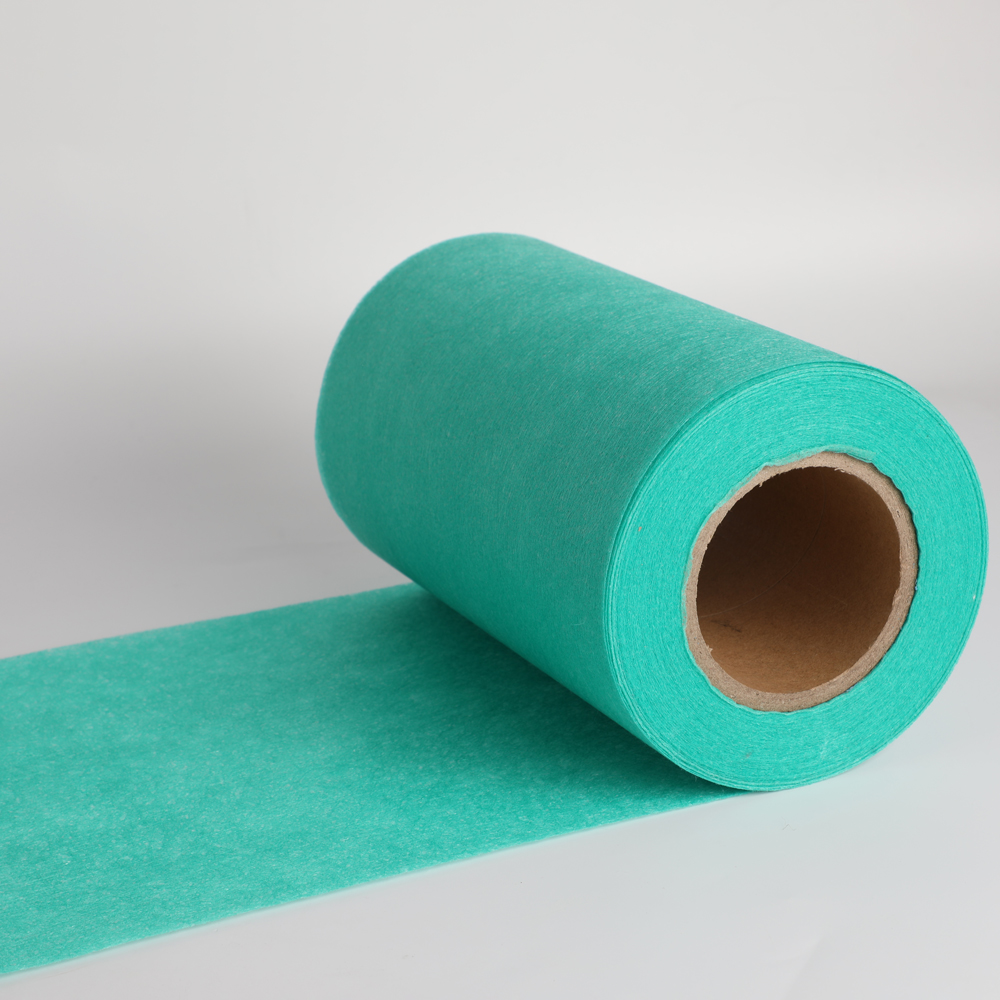 Anti-Bacterial Nonwoven
 CONTACT WhatsApp
 CONTACT WeChat

 CONTACT NUMBER
 CONTACT EMAIL