How to Choose the Best Colorful Nonwoven Fabrics for Your Project?
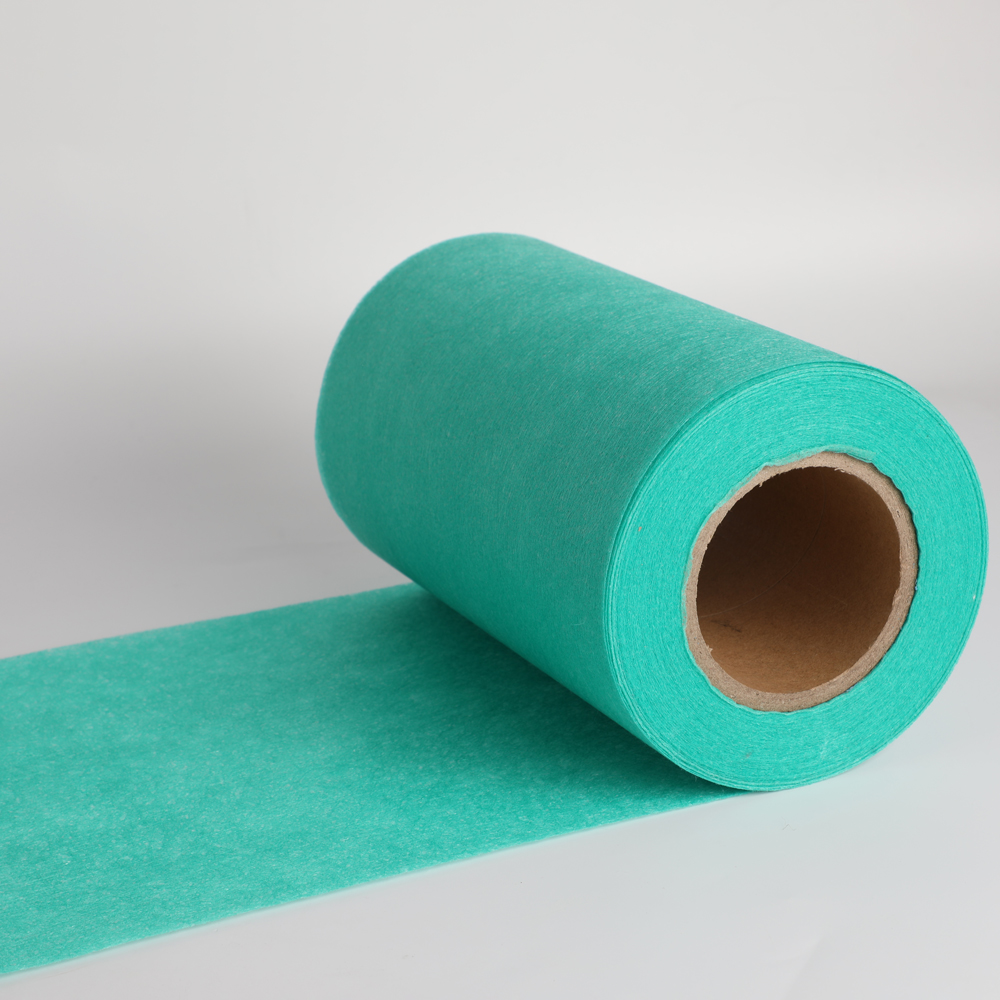
Selecting the right material for your project is crucial. One popular choice today is colorful nonwoven fabrics. The global nonwoven fabric market has seen a significant rise, growing annually by 7.5% over the past five years. This trend indicates a growing interest in versatile fabric solutions that meet various needs.
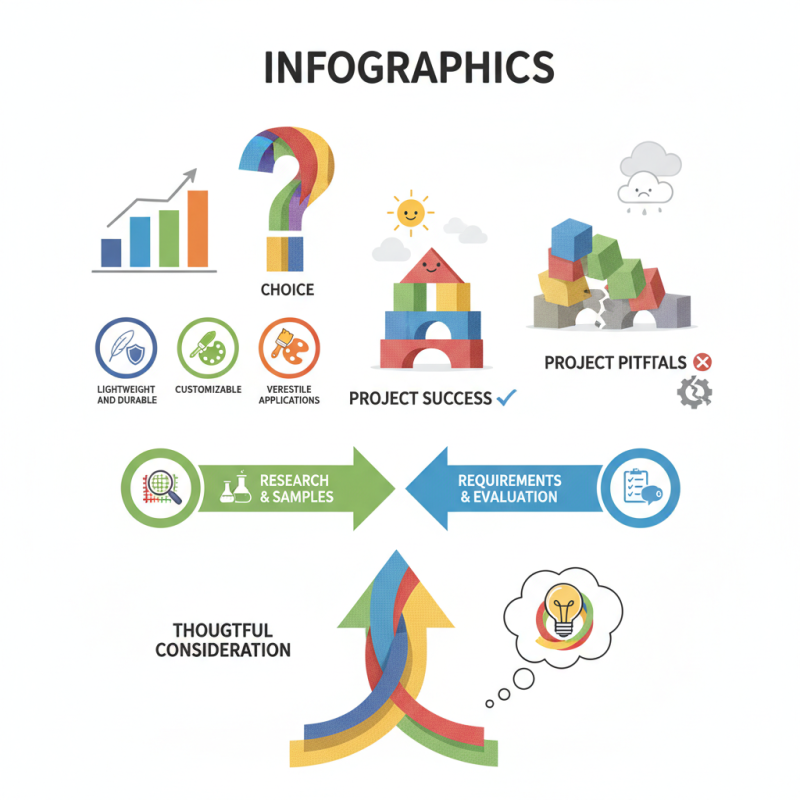
Colorful nonwoven options provide aesthetic and functional benefits. They are lightweight, durable, and customizable, making them suitable for numerous applications. As businesses aim to enhance their product offerings, they increasingly look towards these vibrant materials. However, it’s important to note that not all colorful nonwoven fabrics are created equal. Some may lack the desired durability or colorfastness, leading to project pitfalls.
Understanding your project requirements is essential. Certain colorful nonwoven fabrics might not match the performance attributes needed for tasks such as insulation or filtration. Researching these fabrics thoroughly can prevent future mistakes. Furthermore, many manufacturers offer samples, encouraging careful evaluation before making a decision. Overall, the choice of colorful nonwoven fabrics deserves thoughtful consideration.
Understanding Nonwoven Fabrics and Their Uses
Nonwoven fabrics are revolutionizing various industries. These materials are engineered through bonding processes, not weaving. They are crafted from synthetic or natural fibers. Their versatility makes them popular in construction, healthcare, and automotive sectors. According to a recent market report, the global nonwoven fabric market is projected to reach $60 billion by 2028.
In healthcare, nonwoven fabrics are crucial. They are used for masks, gowns, and sterilization wraps. A study revealed that nonwoven masks filter at least 95% of airborne particles. This efficiency has boosted their demand during health crises. However, the environmental impact of nonwoven disposal raises questions. Many of these fabrics are not biodegradable, leading to pollution concerns.
In the fashion industry, colorful nonwoven fabrics have gained attention. Designers use them for innovative products. Their lightweight nature and vibrant colors attract consumers. Yet, durability can be an issue. Color fading and wear over time are common complaints. It’s vital to consider these factors when choosing fabrics for projects. They can enhance aesthetics but may not last as long as traditional textiles.
Colorful Nonwoven Fabrics Usage by Application
Factors to Consider When Choosing Colorful Nonwoven Fabrics
Selecting the right colorful nonwoven fabrics can significantly impact your project. Consider the fabric's weight and durability. Lightweight materials are ideal for soft items, while heavier fabrics suit projects requiring structure. According to a recent report from Smithers Pira, the global nonwoven market is expected to reach 50 million tons by 2028, indicating robust demand.
Colorfastness is another critical factor. Fabrics need to withstand fading from washing and UV exposure. Tests show that nonwoven fabrics can lose up to 30% of their color in just eight washes. Additionally, the intended use matters. Nonwovens for outdoors require different properties than indoor textiles, such as water resistance and breathability.
Pay attention to the environmental impact. Many nonwoven fabrics are not biodegradable. They can contribute to landfill waste. Yet, recycled options are emerging in the market. You might find that they lack the sheer vibrancy of newly manufactured fabrics. Finding the right balance between aesthetics and sustainability is often challenging. Always ask yourself: does the beauty of the fabric justify its environmental footprint?
Evaluating Fabric Quality and Durability for Your Project
When selecting colorful nonwoven fabrics, fabric quality and durability are crucial. The strength of nonwoven fabrics directly impacts their usability in various projects. According to a 2022 industry report by Smithers, the global nonwoven fabric market is expected to reach $50 billion by 2025, underscoring its growing importance in various applications.
One key factor to consider is the fabric's weight. Typically measured in grams per square meter (GSM), heavier fabrics tend to be more durable. A GSM between 60 and 120 is ideal for many applications. Cheaper options may seem appealing, but they often compromise on strength and longevity. This can lead to frustration when the material tears or fails to perform as expected.
Another element to evaluate is the fabric's resistance to environmental factors. Nonwoven fabrics can vary in their ability to endure UV light, moisture, and wear. Testing for abrasion resistance can help ensure that the fabric will hold up in demanding conditions. Not all colorful options will stand the test of time. Sometimes, a vibrant appearance does not guarantee a sturdy performance. Look for certifications, such as the ASTM D5034 standard, to verify quality.
How to Choose the Best Colorful Nonwoven Fabrics for Your Project?
| Fabric Type |
Color Options |
Weight (g/m²) |
Durability Rating |
Price per Meter |
| Spunbond |
Red, Blue, Green, Yellow |
60 |
4/5 |
$1.50 |
| Meltblown |
White, Pink, Purple |
50 |
3/5 |
$2.00 |
| Composite |
Black, Grey, Orange |
90 |
5/5 |
$3.00 |
| Needlepunched |
Brown, Beige, Cyan |
80 |
4.5/5 |
$2.50 |
Exploring Color Options and Their Impact on Design
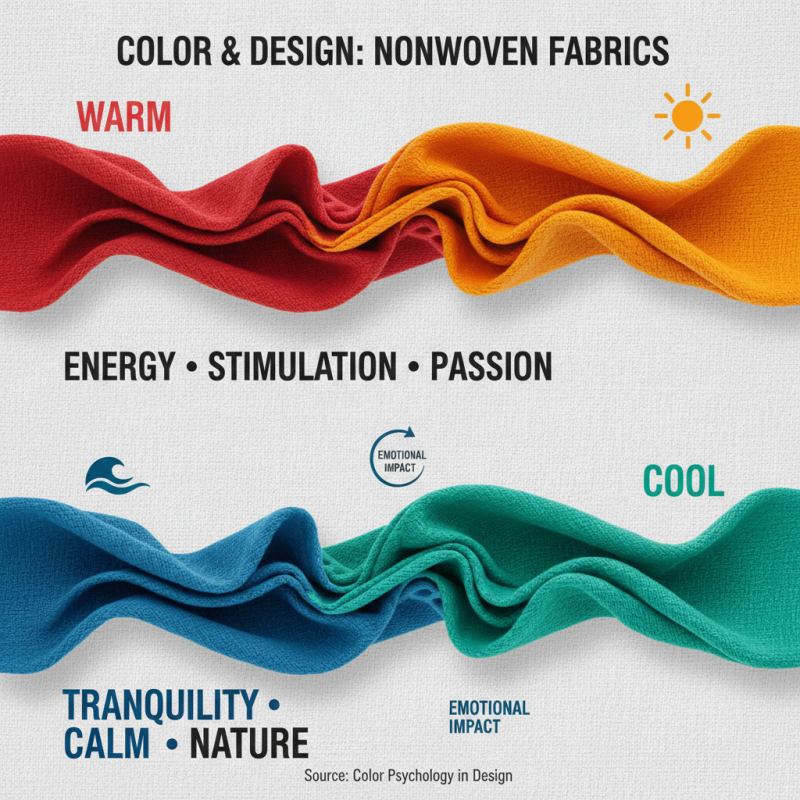
Color plays a significant role in design choices, especially with nonwoven fabrics. The right shade can evoke emotions and set the atmosphere for various projects. According to color psychology, warm colors like red and yellow stimulate energy, while cool colors like blue and green offer tranquility. This balance can influence the mood of an entire space or product.
While selecting colorful nonwoven fabrics, consider how different colors might interact. For instance, vibrant hues can attract attention but might feel overwhelming in large quantities. A study by the Color Marketing Group highlights that 93% of consumer decisions are influenced by color. This statistic underscores the importance of thoughtful color selections in design.
Experimenting with unexpected color combinations can yield unique results, but not all combinations will resonate. For example, pairing bright colors with muted ones can create an appealing contrast. However, it’s crucial to test samples before committing. A variety of opinions can also help refine your color palette. Gathering feedback is an essential step in this process to ensure your project aligns with your vision and audience preferences.
Sourcing and Purchasing Nonwoven Fabrics Effectively
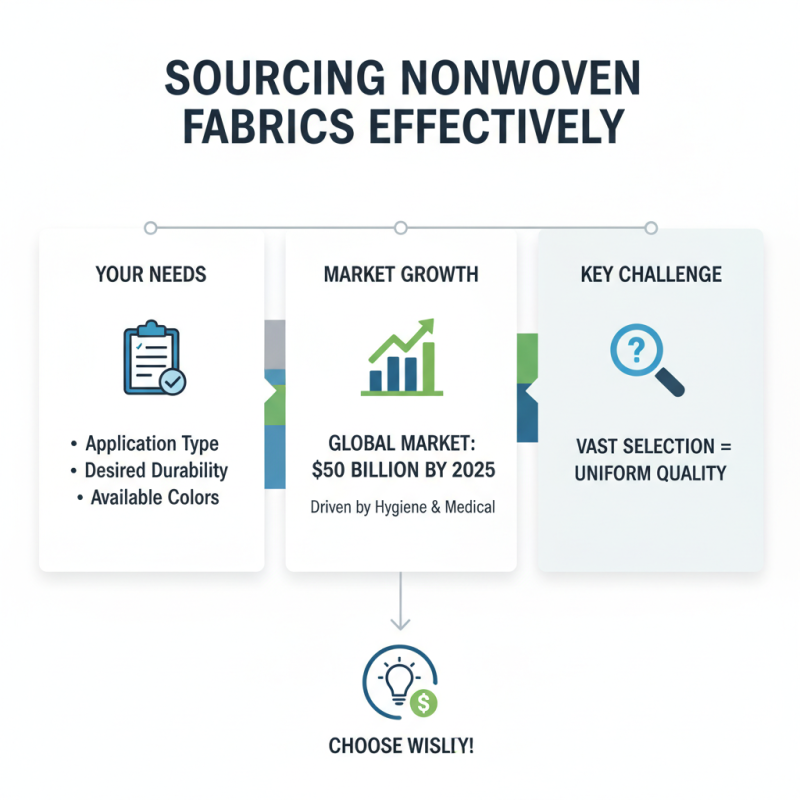
When sourcing nonwoven fabrics, it’s essential to evaluate your project's specific needs. Consider the type of application, desired durability, and colors available. Recent studies show that the nonwoven fabric market is projected to reach $50 billion by 2025, driven by diverse applications like hygiene products and medical textiles. What does this mean for you? It means there’s a vast selection out there, but not uniform quality.
Comparing suppliers is a key step in purchasing effectively. A report indicates that over 60% of buyers faced challenges sourcing quality materials. Make a checklist of specifications to ensure you find the right fit. For instance, check the fabric's thickness, tensile strength, and color fastness. Ask for samples to avoid unpleasant surprises. Relying solely on price may lead to compromises in quality, which can hurt your project in the long run.
Incorporate feedback from team members who have experience with these materials. Tracking your order history can provide insights into which suppliers have performed best. Remember, not all colorful nonwoven fabrics are created equal. Some may fade more quickly than others. It's vital to research thoroughly and continually assess your options.

 Multi Laminates
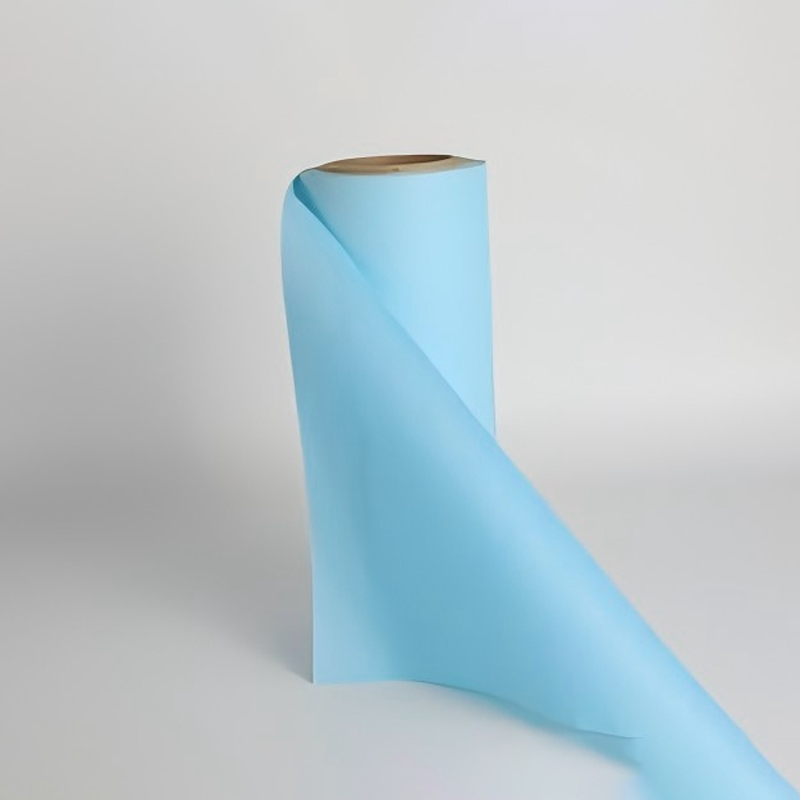 Spunlace Nonwoven Laminates
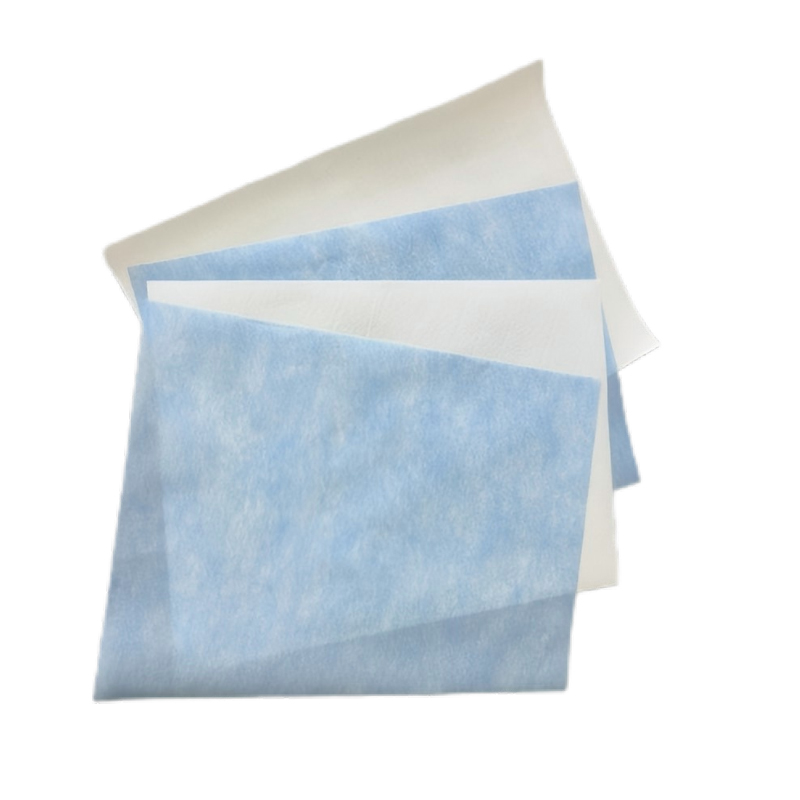 Breathable Film Laminates
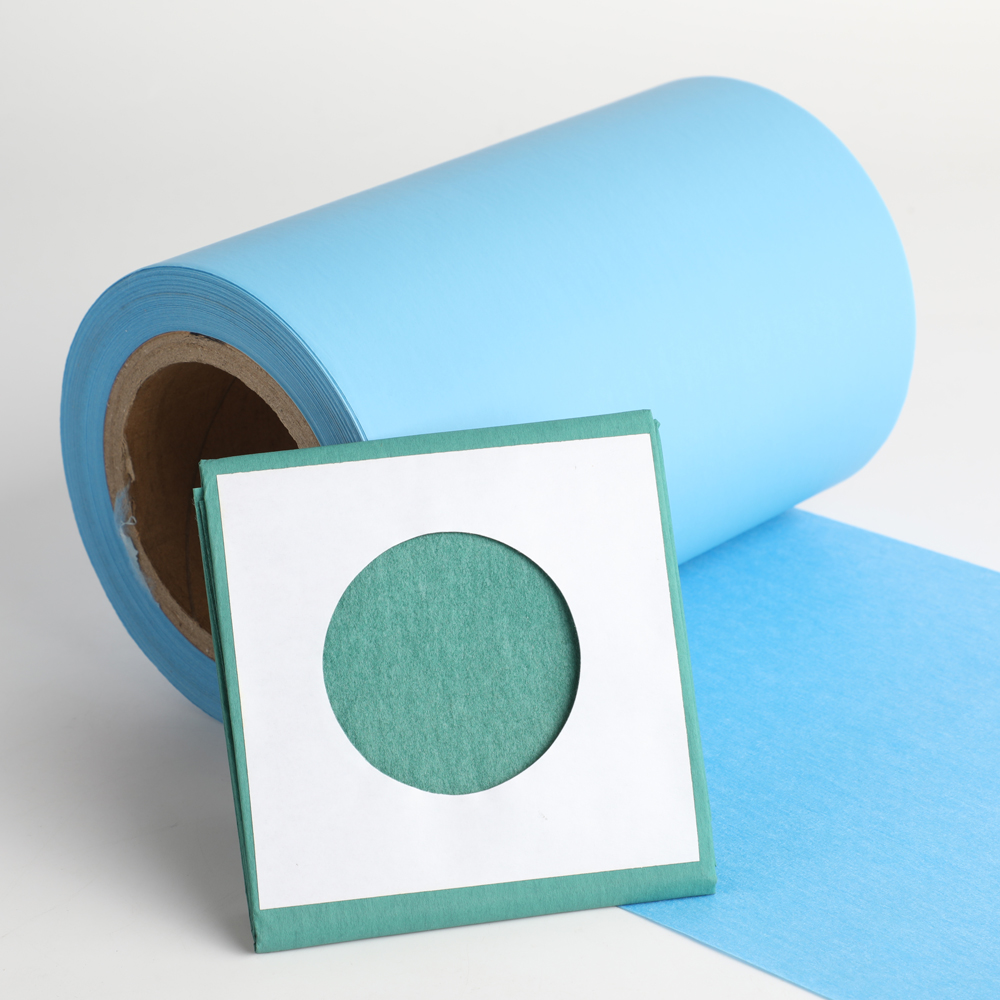 Viscose Laminates
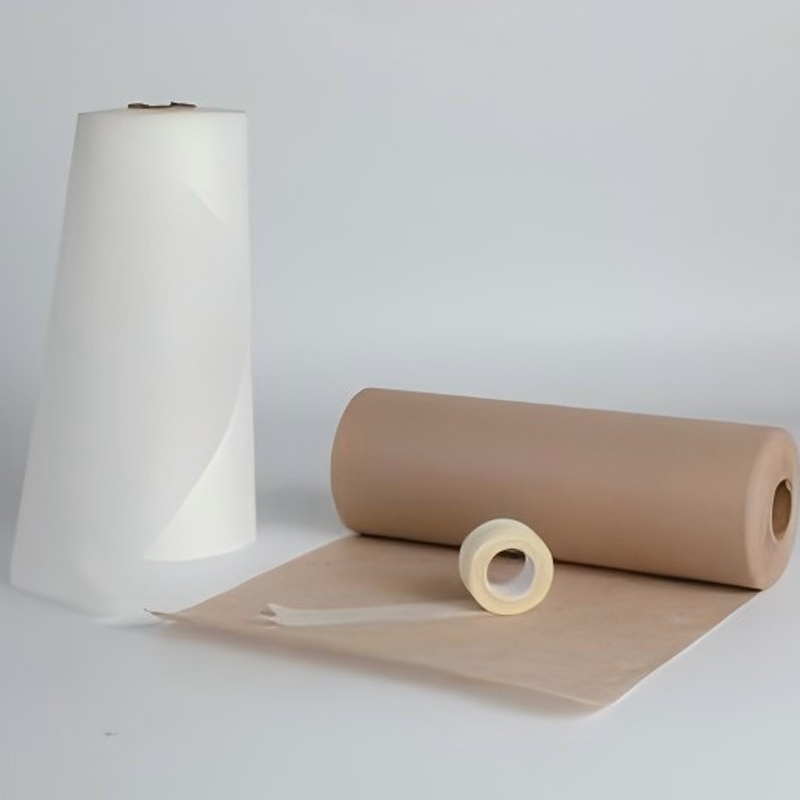 Medical Tape Nonwoven
 Filtration Nonwoven
 Head Wear Nonwoven
 Medical Viscose Nonwoven
 Air Filter Media
 Liquid Filter Media
 Filter Envelope & Filter Sheet
 Breathable Film Laminates
 Nonwoven Interlining
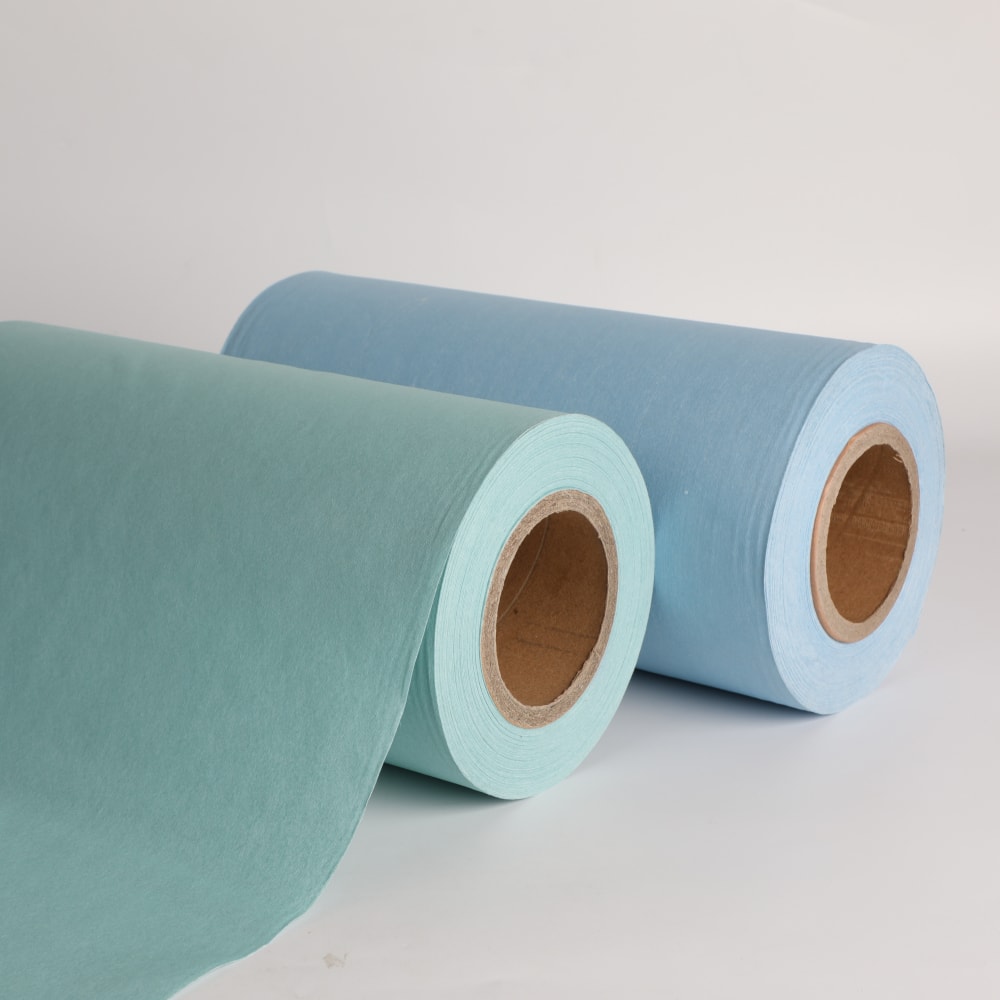 Fluid Repellent Woodpulp Spunlace Nonwoven
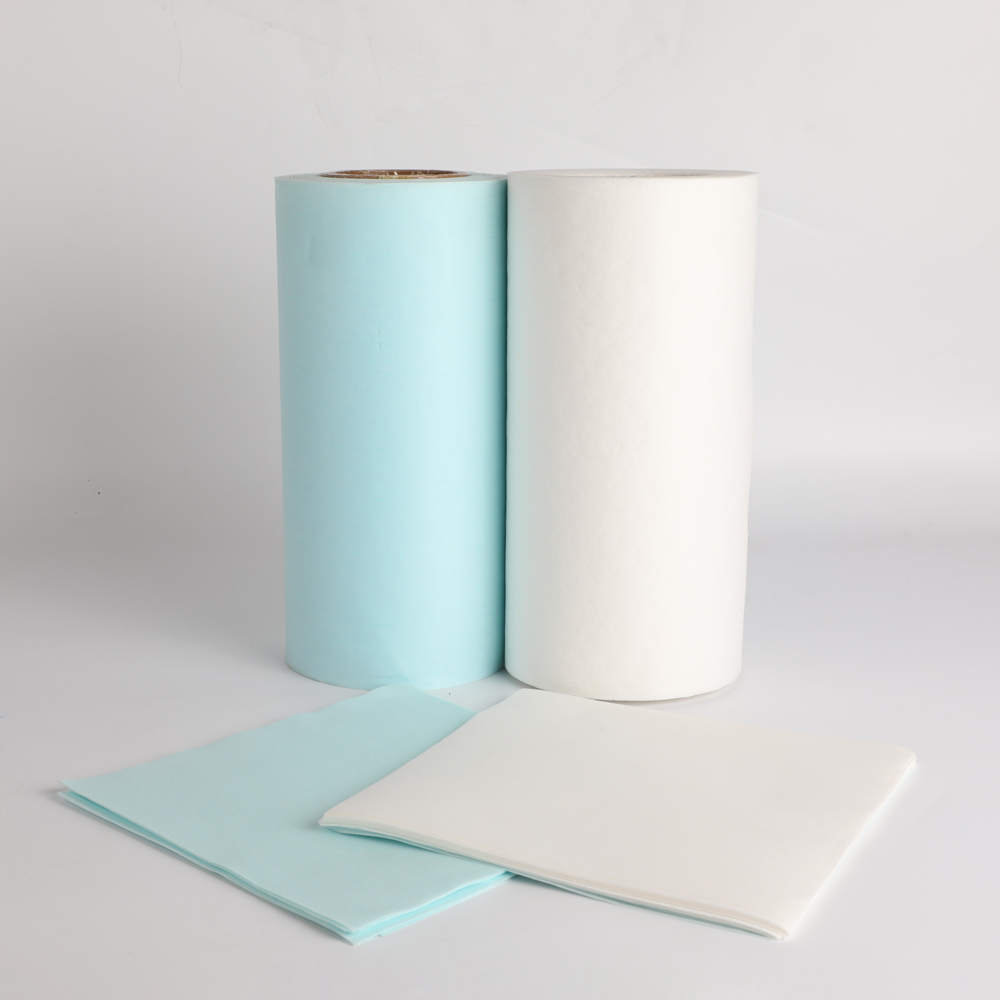 Woodpulp Nonwoven Wipe
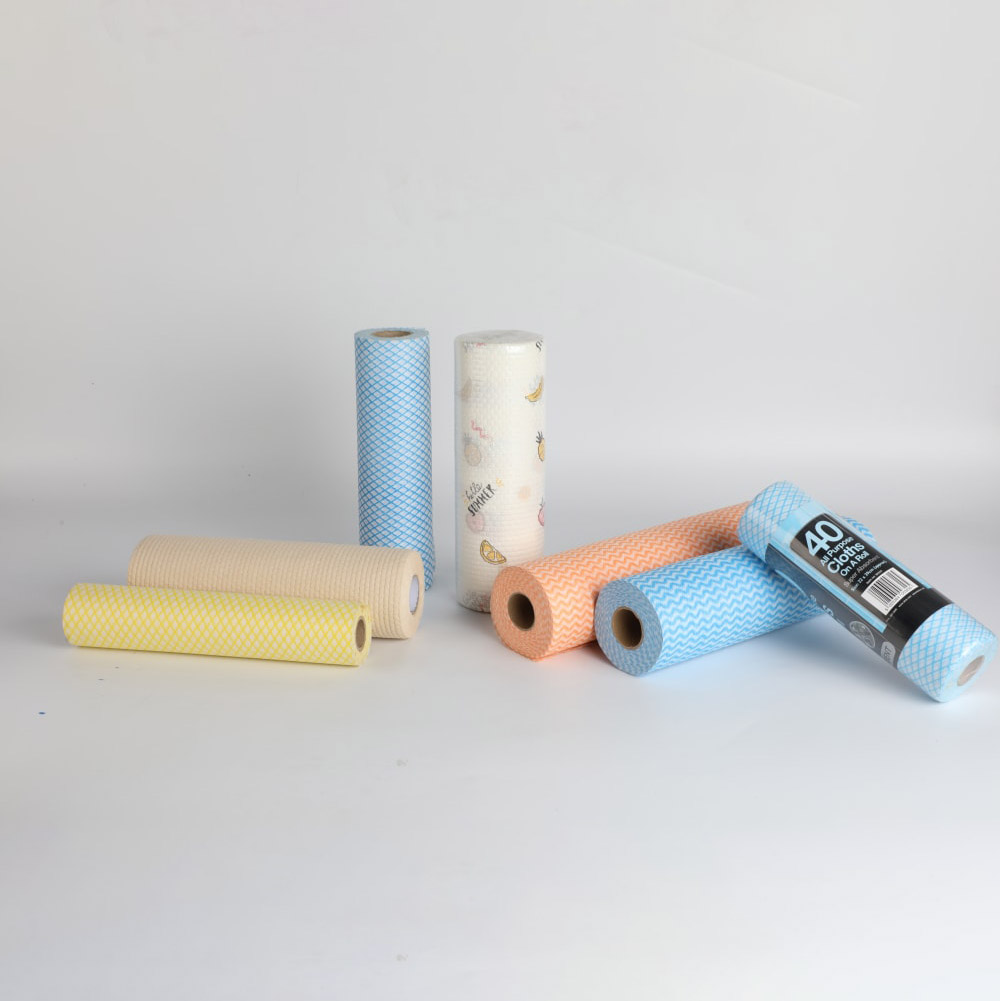 Nonwoven Cleaning Wipe
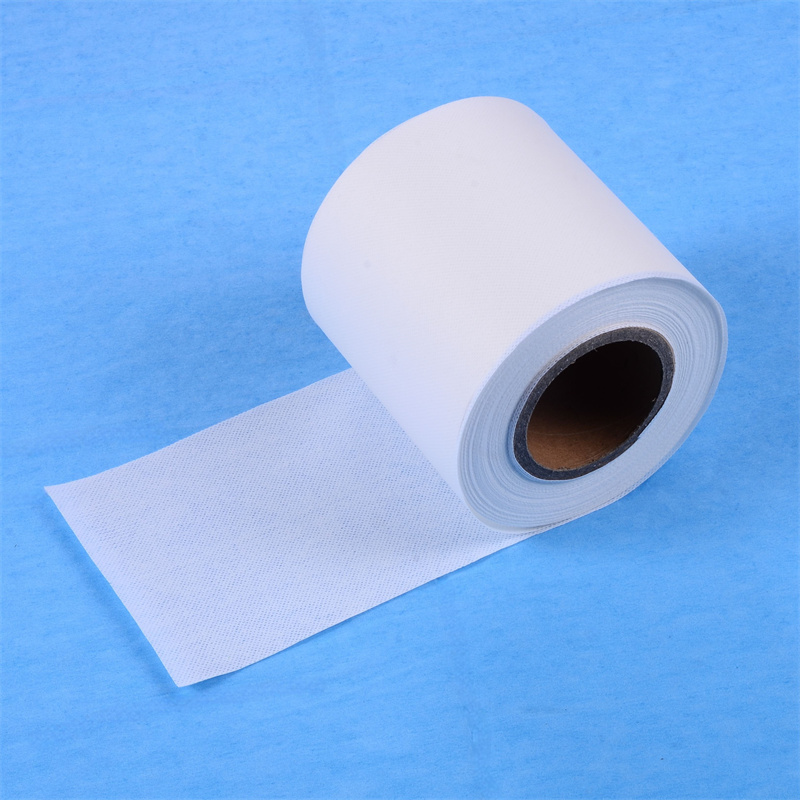 Flame Retardant Nonwoven Fabric
 Anti-Bacterial Nonwoven
 CONTACT WhatsApp
 CONTACT WeChat
 CONTACT NUMBER
 CONTACT EMAIL