+8613957712400


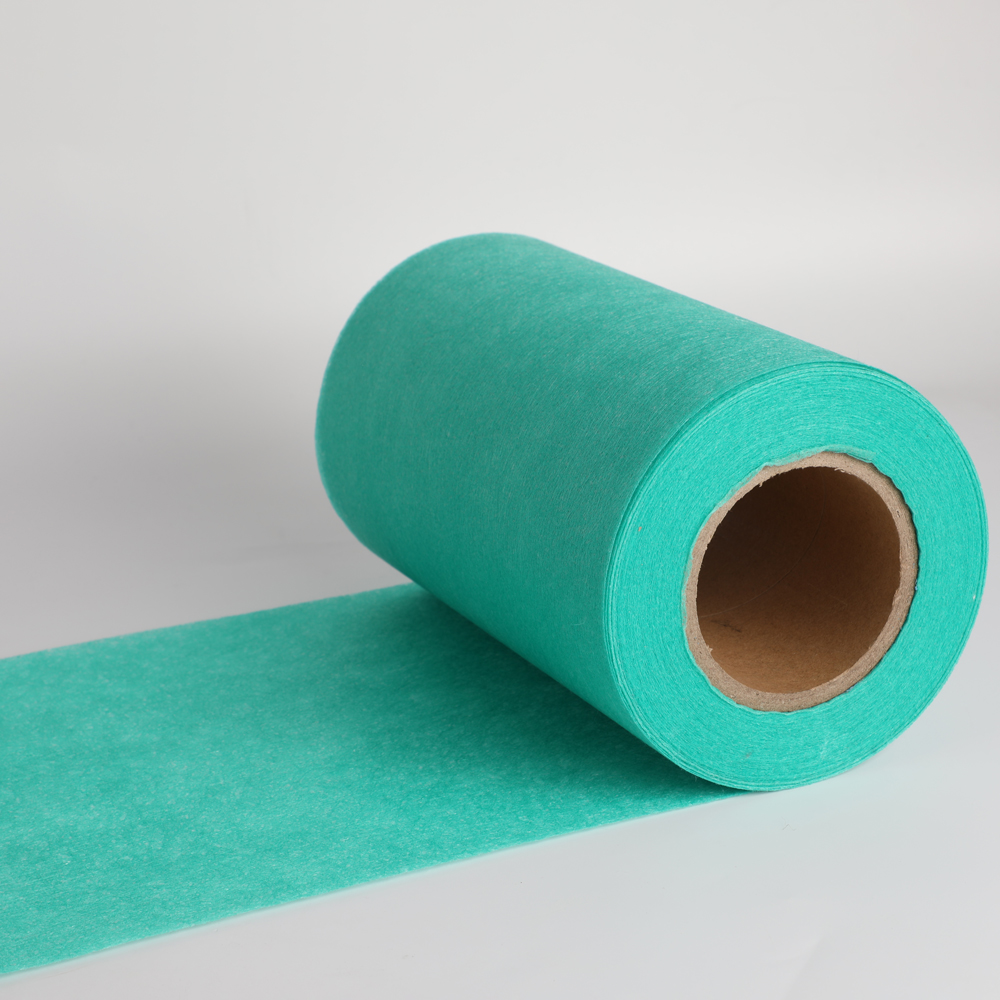
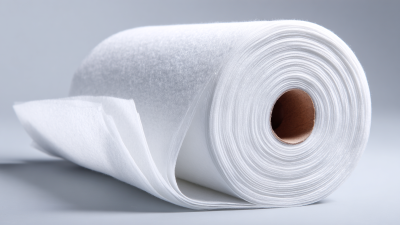
Choosing the best Nonwoven Filter Material is crucial for various applications. These materials are widely used in industries such as air filtration, liquid filtration, and automotive systems. They can significantly impact performance and operational efficiency.
Different types of nonwoven materials offer distinct characteristics. For instance, some provide excellent particulate retention, while others ensure high flow rates. Understanding your specific needs is essential. Consider factors like particle size, chemical compatibility, and temperature resistance.
Evaluating supplier expertise and material quality cannot be overlooked. Reliable sources often share detailed specifications and test results. However, remember that not every product will meet your expectations. Some materials might underperform in real-world applications, leading to frustration. By carefully considering all factors, you can make a more informed decision in selecting the right Nonwoven Filter Material for your specific application.
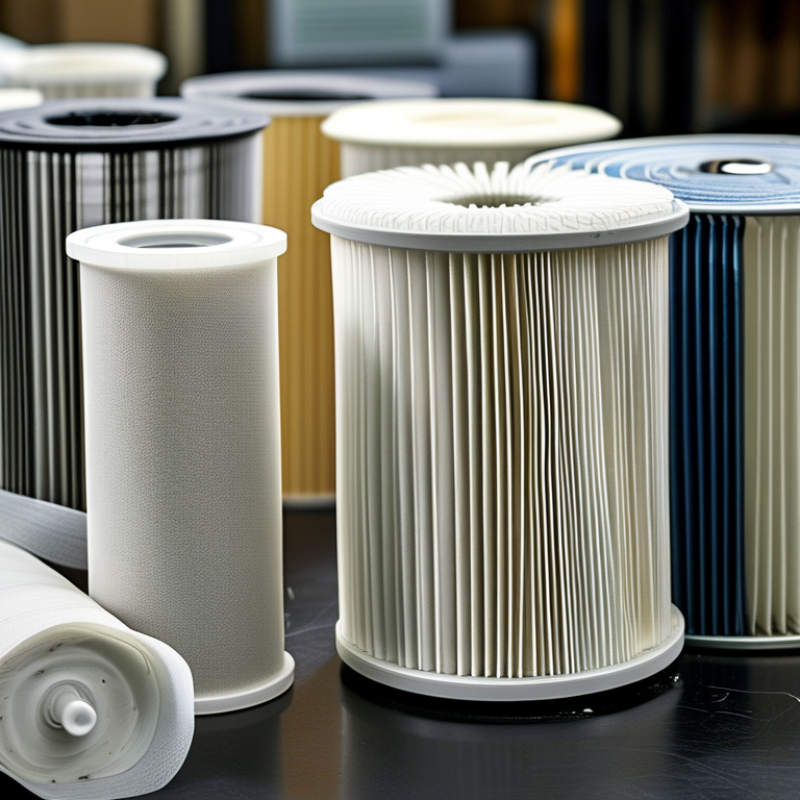
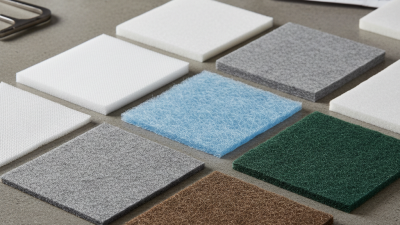
When selecting nonwoven filter materials, it’s essential to understand the various types available today. Nonwoven fabrics are classified based on their raw materials and manufacturing techniques. Common types include polyester, polypropylene, and nylon. Each material has unique properties that make it suitable for different filtering applications. For instance, polyester is known for its durability and resistance to chemicals, while polypropylene can offer excellent moisture resistance.
The choice of filter material also depends on pore size and filtration efficiency. Some materials provide finer filtration, ideal for capturing small particles. Others might be engineered for high-flow applications. Balancing these factors is crucial to meeting specific filtration goals. It’s worth noting that not every material will perform well in all conditions. This requires careful consideration of the environment in which the filter will operate. Testing prototypes can often reveal unexpected performance issues.
Cost is another important aspect. While some high-performance materials are more expensive, they may lead to lower operational costs in the long run. Consider your specific needs and how each material might meet those demands. Reflecting on these factors will lead to a more informed decision. Filters are essential components in many industries, and choosing the right one can significantly impact efficiency and effectiveness.

When selecting nonwoven filter materials, understanding filtration efficiency is crucial. Key metrics such as particle size retention and air permeability play significant roles. Reports indicate that materials must achieve a filtration efficiency of at least 99% for critical applications. However, achieving high efficiency sometimes compromises airflow. Users must strike a balance.
Industry standards, such as those set by the American Filtration and Separations Society, provide frameworks for assessment. They often focus on the material's ability to capture particles across different sizes. A common benchmark is ISO 16890, which tests air filter performance based on particulate matter. This standard categorizes filters into groups according to their efficiency, guiding users in making informed decisions.
Many nonwoven materials excel in specific applications but fall short in others. For instance, while some offer excellent bacteria retention, they may lack robust durability in high-traffic environments. It's vital to analyze the intended application and specific requirements. Some materials may seem ideal on paper but do not perform well in real-world conditions. Users must be prepared to reassess their choices based on hands-on experience and performance data.
When selecting a nonwoven filter material, understanding physical properties is crucial. Strength is one major factor. A stronger material can withstand pressure and provides better filtration efficiency. Consider how the filter will be used. For high-flow applications, choose materials with appropriate tensile strength.
Permeability is another critical aspect. This measures how easily liquids or gases pass through the material. It directly affects filtration performance. High permeability means quicker flow rates but might compromise the filtering ability. Balance is key. Some applications need fine filtration, while others prioritize speed.
Thickness cannot be overlooked. Thicker materials tend to provide greater durability. However, they may also restrict flow. Assess your specific needs carefully. Ensure the thickness aligns with operational requirements and maintains the desired balance between strength and permeability. As you evaluate, engage with experts for insights.
When selecting a nonwoven filter material, cost-effectiveness plays a crucial role. Quality often dictates the performance of filters. However, budget constraints can limit choices. Choose materials that offer durability without compromising efficiency. Consider the lifecycle cost, including maintenance and replacement frequency. A higher initial investment might save money in the long run.
Assess the filtration requirements. Different applications have varied needs. For example, air filtration requires different properties than liquid filtration. Understand the environment where the filter will be used. Will it encounter chemicals or extreme temperatures? Material should withstand these conditions.
Evaluate available options carefully, but remember, not all expensive materials guarantee better results. Sometimes, mid-range options perform adequately for specific tasks. Research alternative materials that meet your performance criteria. Seek advice from experts in the field. Understanding the balance between quality and cost can lead to better choices.
Nonwoven filters are increasingly used across various industries. Their versatility makes them suitable for applications in healthcare, automotive, and manufacturing. In healthcare, for example, nonwoven filters provide critical filtration for surgical masks and other protective gear. They offer an effective barrier against airborne particles, enhancing safety during medical procedures.
In the automotive sector, nonwoven filters play a vital role in air and oil filtration systems. These filters must endure high temperatures and harsh environments. They are designed to improve engine performance while reducing emissions. Using nonwoven materials can also lead to lighter filters, which contribute to better fuel efficiency.
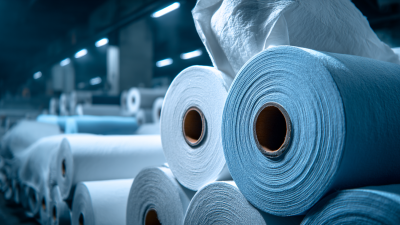
Manufacturing industries utilize nonwoven filters in processes like water filtration and chemical processing. These applications require filters to handle a range of contaminants. However, not all nonwoven materials are created equal. Selecting the right filter material can be challenging. Factors such as pore size, thickness, and durability must be considered carefully. It's essential to evaluate the specific needs of each application to ensure optimal performance.
| Industry | Common Applications | Key Material Properties | Performance Metrics |
|---|---|---|---|
| Healthcare | Surgical masks, wound dressings | Biocompatibility, filtration efficiency | 99% bacterial filtration efficiency (BFE) |
| Automotive | Air filters, cabin filters | Durability, dust holding capacity | >85% particulate efficiency |
| Food & Beverage | Liquid filtration, packaging | Moisture resistance, FDA compliance | >99% removal of contaminants |
| Construction | Geotextiles, roofing membranes | Strength, water resistivity | High tensile strength > 20 kN/m |
| Electronics | Dust filters, protective covers | Electrostatic discharge (ESD) protection | Maintains <10^6 ohm for ESD protection |