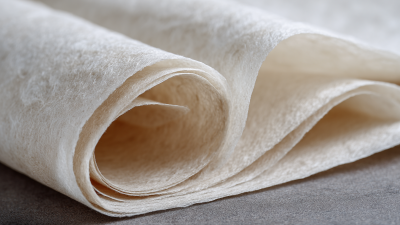
What is Fusible Nonwoven Interlining Fabric and How is it Used?
Fusible Nonwoven Interlining Fabric plays a critical role in the textile industry. This fabric provides structure and support to garments. Industry expert Dr. Emily Carter states, “Fusible Nonwoven Interlining offers limitless possibilities for enhancing garment quality.” Her insights reflect the fabric's importance.
Fashion designers rely on Fusible Nonwoven Interlining Fabric to achieve desirable shapes and finishes. This interlining helps in maintaining crisp edges and firm silhouettes. It is ideal for tailoring suits, dresses, and other structured clothing. Without this innovative material, many garments would lack the desired form and elegance.
Despite its benefits, choosing the right type of Fusible Nonwoven Interlining Fabric can be confusing. Several options exist, each with unique properties. Designers must consider fabric weight, adhesive strength, and application methods. This complexity can lead to challenges in achieving the perfect fit and finish. Continuous learning and experimentation in this area are essential for success.
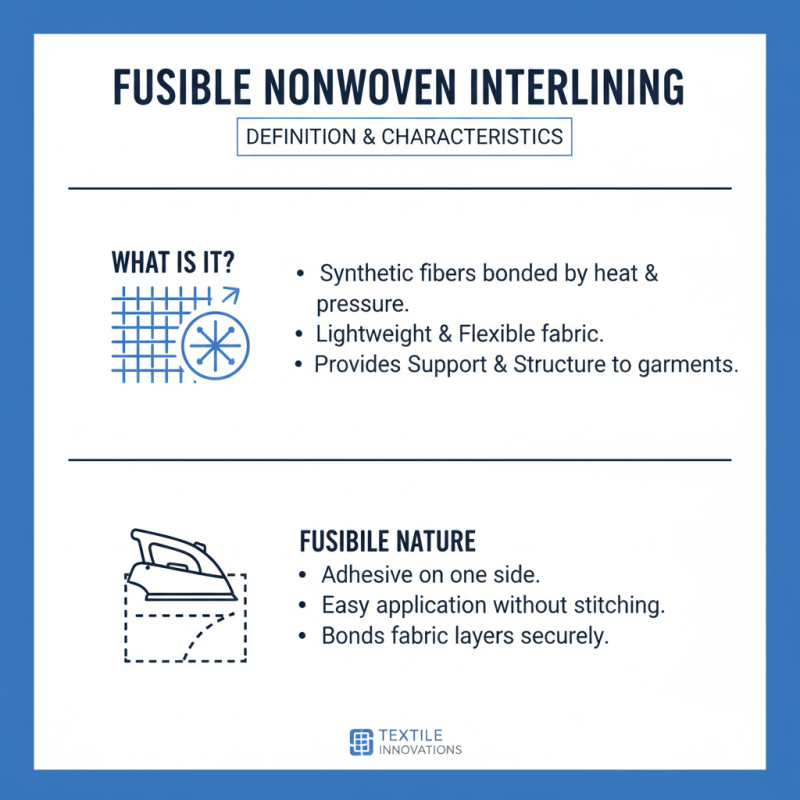
Definition and Characteristics of Fusible Nonwoven Interlining Fabric
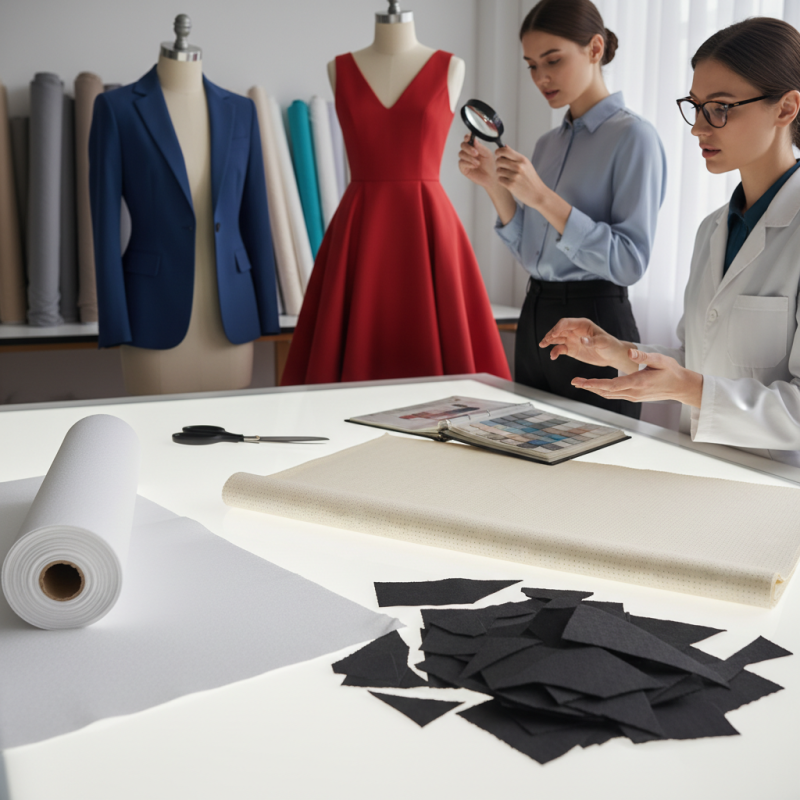
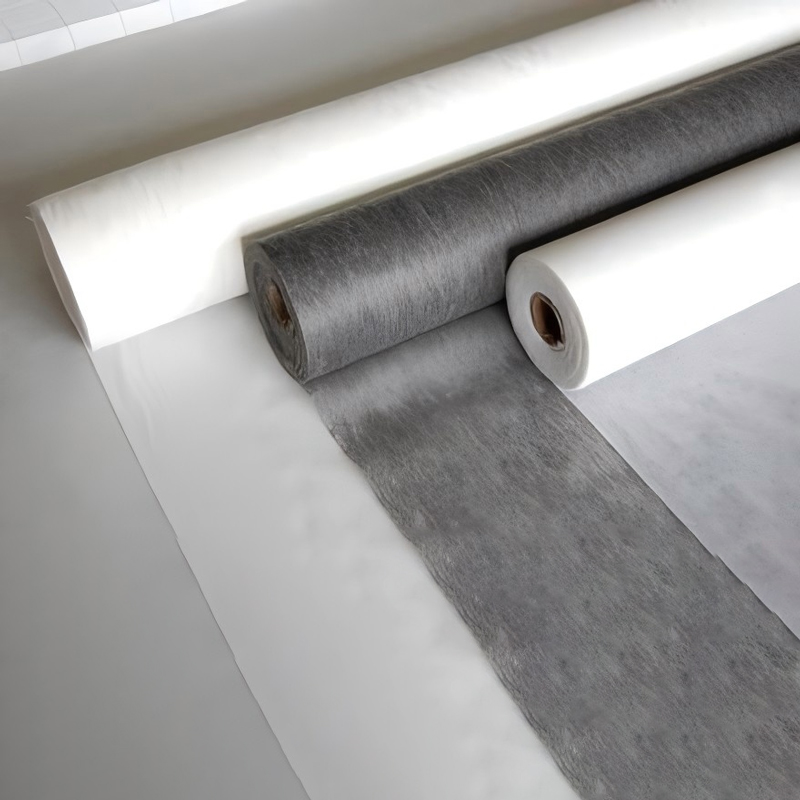
Fusible nonwoven interlining fabric serves as an essential component in garment construction. This material is made from synthetic fibers that are bonded together through heat and pressure. The result is a lightweight, flexible fabric that offers excellent support and structure to various garments. Its fusible nature means it features an adhesive on one side, allowing for easy application to fabric without stitching.
One key characteristic of fusible nonwoven interlining is its versatility. It can be used in collars, cuffs, and waistbands to provide stability. This is particularly important in fitted or tailored garments. The fabric can also enhance the durability of clothing, ensuring it withstands regular wear. However, it is crucial to apply the interlining correctly. If overheated, it may become stiff or lose its bond with the fabric. Users should test the temperature before application to avoid mishaps.
Another aspect to consider is the varying weights of nonwoven interlining available on the market. Light-weight options work well for delicate fabrics, while heavier varieties are suitable for structured designs. Selecting the right type is essential for achieving the desired drape and look of the final garment. Ultimately, understanding these characteristics will help fabric enthusiasts make informed choices when working with fusible nonwoven interlining fabric.
Common Uses of Fusible Nonwoven Interlining Fabric in Apparel
Fusible nonwoven interlining fabric is a versatile material often used in apparel. This fabric offers stability and structure to garments, making it a staple in fashion design. It is produced by bonding fibers together using heat and adhesive, creating a durable and lightweight solution for various clothing types.
In apparel, fusible nonwoven interlining serves multiple purposes. It is commonly used in collars, cuffs, and waistbands. These components require extra support to maintain their shape. Designers appreciate how this fabric enhances the fit and look of garments without adding bulk. It allows for precise tailoring, which is essential in high-quality clothing.
However, not all applications go smoothly. Some fabrics may not adhere properly, leading to issues during manufacturing. A mismatch between the outer fabric and interlining can compromise the final product. Careful consideration is necessary when selecting the right type of fusible nonwoven interlining. Ultimately, understanding its properties ensures better results in apparel design.
Application Techniques for Fusible Nonwoven Interlining in Sewing
Fusible nonwoven interlining fabric serves as a versatile tool in the sewing world. This material is designed to bond to the fabric when heat and pressure are applied. It provides stability and structure, essential for various projects, from tailored garments to home decor. When used correctly, it enhances the overall quality of the finished items.
Application techniques for fusible nonwoven interlining require attention to detail. Begin by pre-washing your fabric to remove any chemical residues. Next, ensure the fabric is smooth and wrinkle-free before applying the interlining. Align it carefully on the wrong side of the fabric. Use a pressing cloth to protect both the fabric and the iron. Apply consistent pressure for a few seconds, ensuring complete adhesion.
Despite its advantages, mistakes can occur. Overheating can lead to shrinking, while misalignment results in uneven structure. It's a learning process; each project offers opportunities for improvement. Experimenting with different fabrics and weights helps refine your technique. Regular practice aids in building confidence. The aim is to achieve a professional finish while navigating the challenges inherent in sewing.
What is Fusible Nonwoven Interlining Fabric and How is it Used? - Application Techniques for Fusible Nonwoven Interlining in Sewing
| Application Technique |
Description |
Benefits |
Common Uses |
| Ironing |
Heat is applied to bond the interlining to the fabric. |
Provides a strong, lasting bond, enhances fabric structure. |
Collars, cuffs, waistbands |
| Sewing |
Sew the interlining to the fabric to add stability. |
Increases durability, prevents fabric from fraying. |
Dresses, jackets, tailored garments |
| Fusing |
Use of a fusing machine for precise application. |
Ensures even application, reduces inconsistency. |
Formal wear, structured designs |
| Layering |
Combining interlining with main fabric before cutting. |
Saves time in cutting and reduces waste. |
Quilting, multi-layer garments |
Benefits of Using Fusible Nonwoven Interlining in Fashion Design
Fusible nonwoven interlining fabric plays a crucial role in fashion design. This material enhances the structure of garments. It is made from synthetic fibers and is widely used for its adhesion properties. Designers appreciate its ability to bond with fabrics, creating stability without adding bulk.
One major benefit is improved garment shape. The interlining allows fabrics to hold their form better. This is especially important for tailored clothing. Proper structure enhances the overall aesthetic. It also helps in reducing wrinkling, maintaining a polished look throughout the day.
However, not every fabric pairs well with fusible interlinings. Designers must ensure compatibility to avoid issues like bubbling or peeling. Choosing the right weight and finish is vital. Experimentation is key here.
Understanding the characteristics of both fabrics can lead to better outcomes. Fashion is about innovation, but it also involves learning from past mistakes. Embracing this understanding can enhance the creative process.
Differences Between Fusible and Non-Fusible Interlining Fabrics
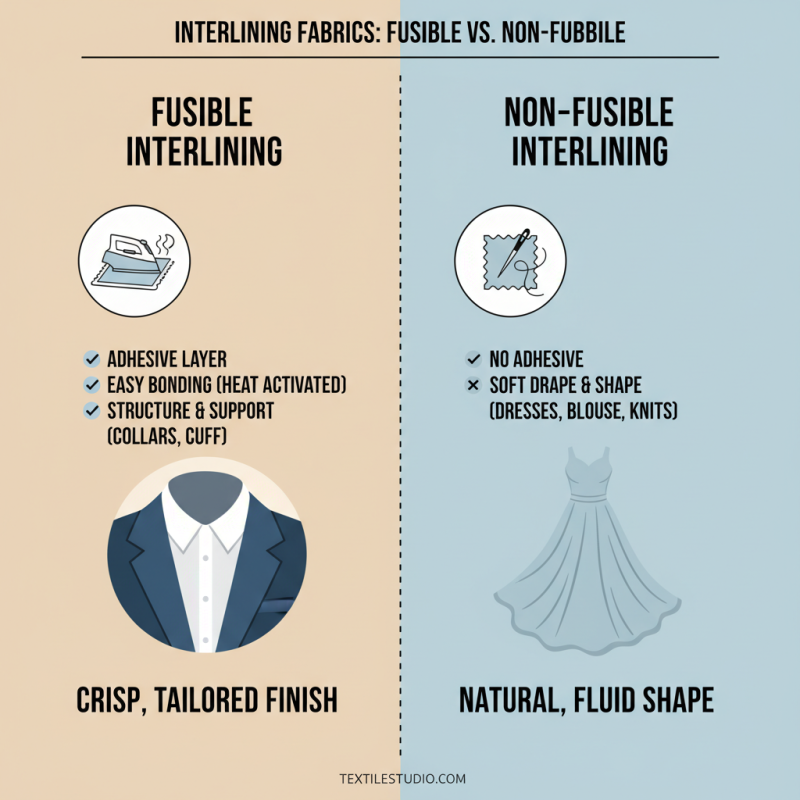
Fusible and non-fusible interlining fabrics play distinct roles in garment construction. Fusible interlinings include an adhesive layer, making them easy to bond with outer fabrics. They offer structure, stability, and support to collars, cuffs, and waistlines. When heated, the adhesive melts, creating a secure bond. This type is ideal for tailored garments, providing a crisp finish.
Conversely, non-fusible interlinings lack adhesive properties. They require stitching to attach, which might introduce extra steps in the sewing process. However, they offer flexibility and breathability. Tailors often choose them for delicate fabrics that need gentle handling. Non-fusible linings allow for more movement, which is important for comfort.
Making the right choice can be challenging. Some fabrics benefit from fusible interlining's neat finish, while others require the softer touch of non-fusible options. It’s essential to consider the fabric type and desired garment structure. Mistakes in choosing interling can lead to undesirable weight or stiffness in the finished product. This highlights the importance of hands-on experience in selecting the right interlining for each unique project.

 PP Laminates
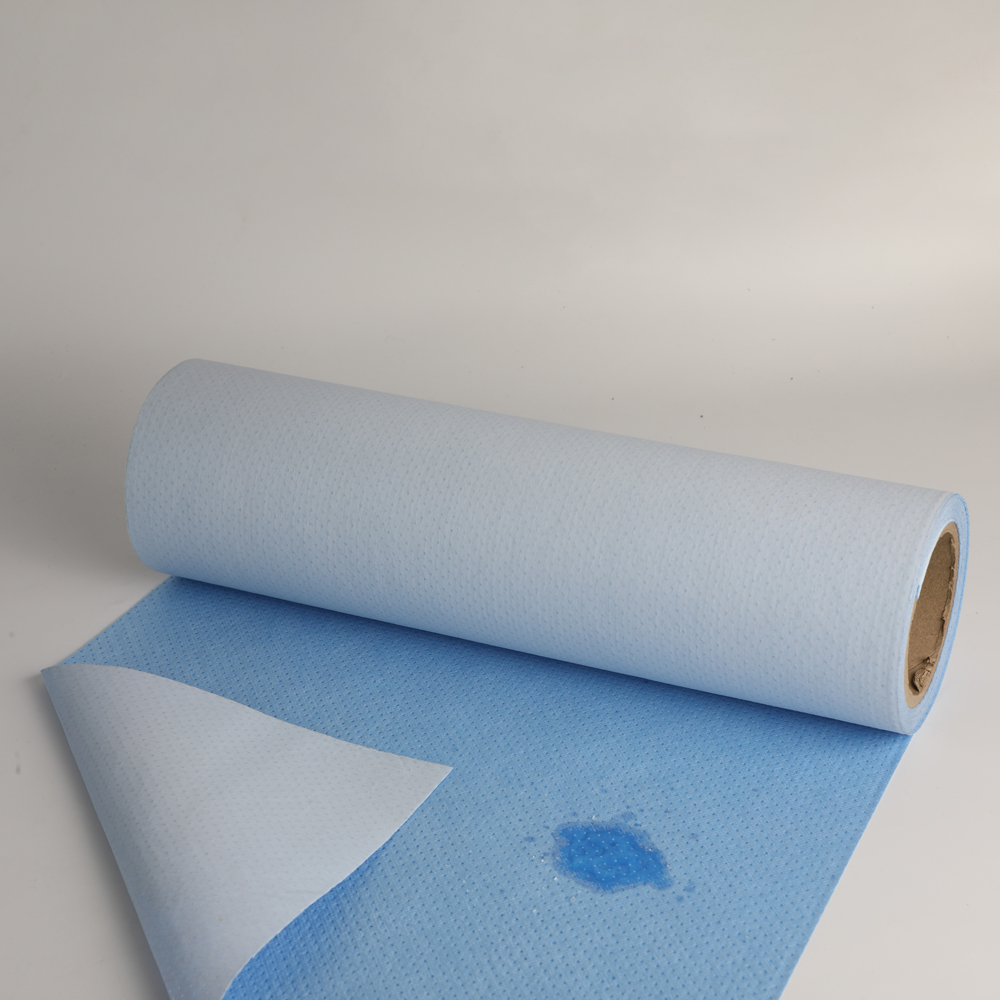 Multi Laminates
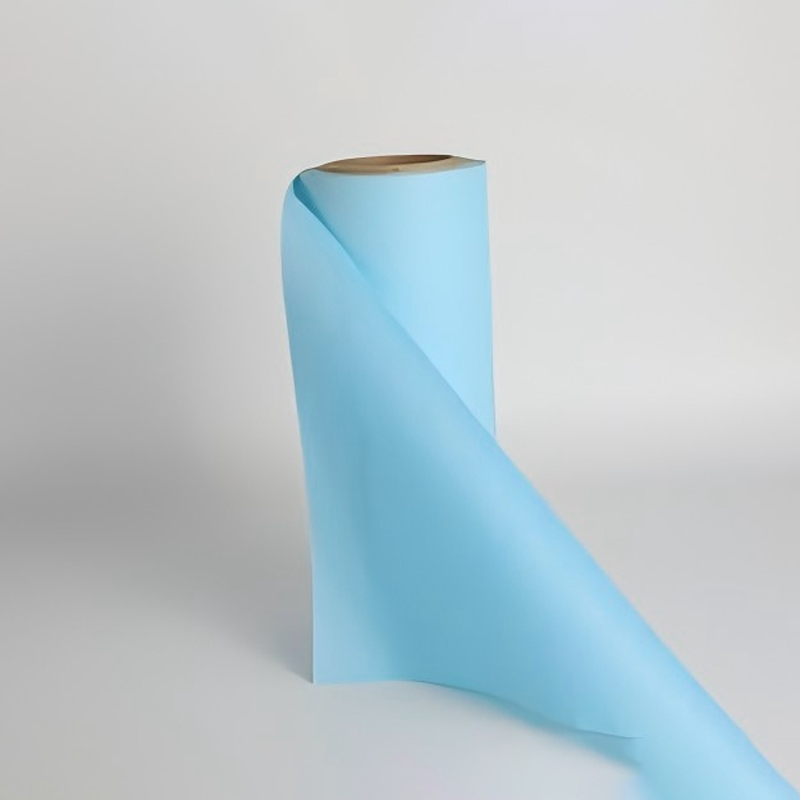 Spunlace Nonwoven Laminates
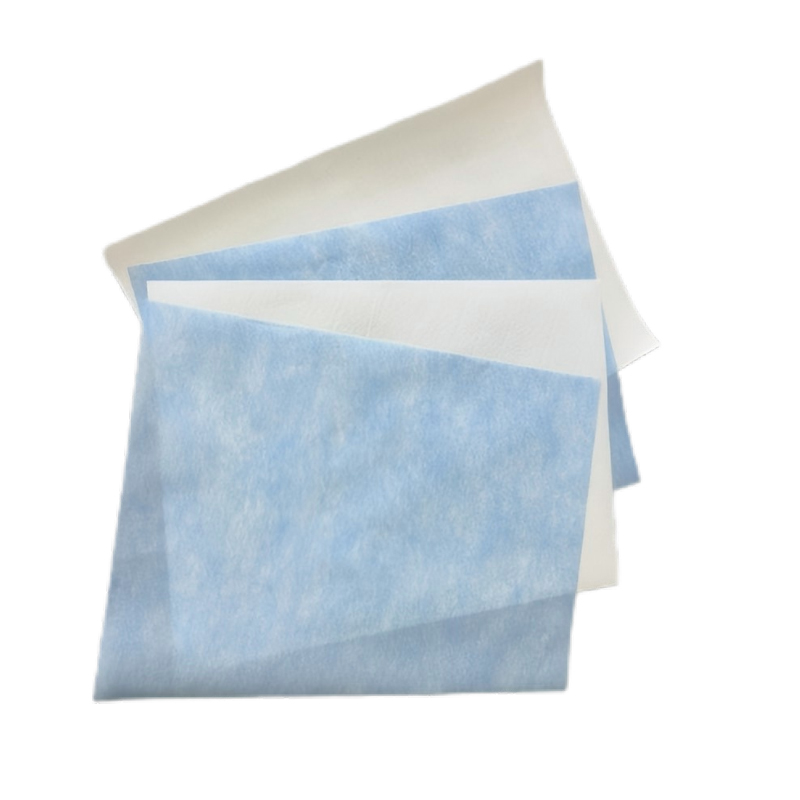 Breathable Film Laminates
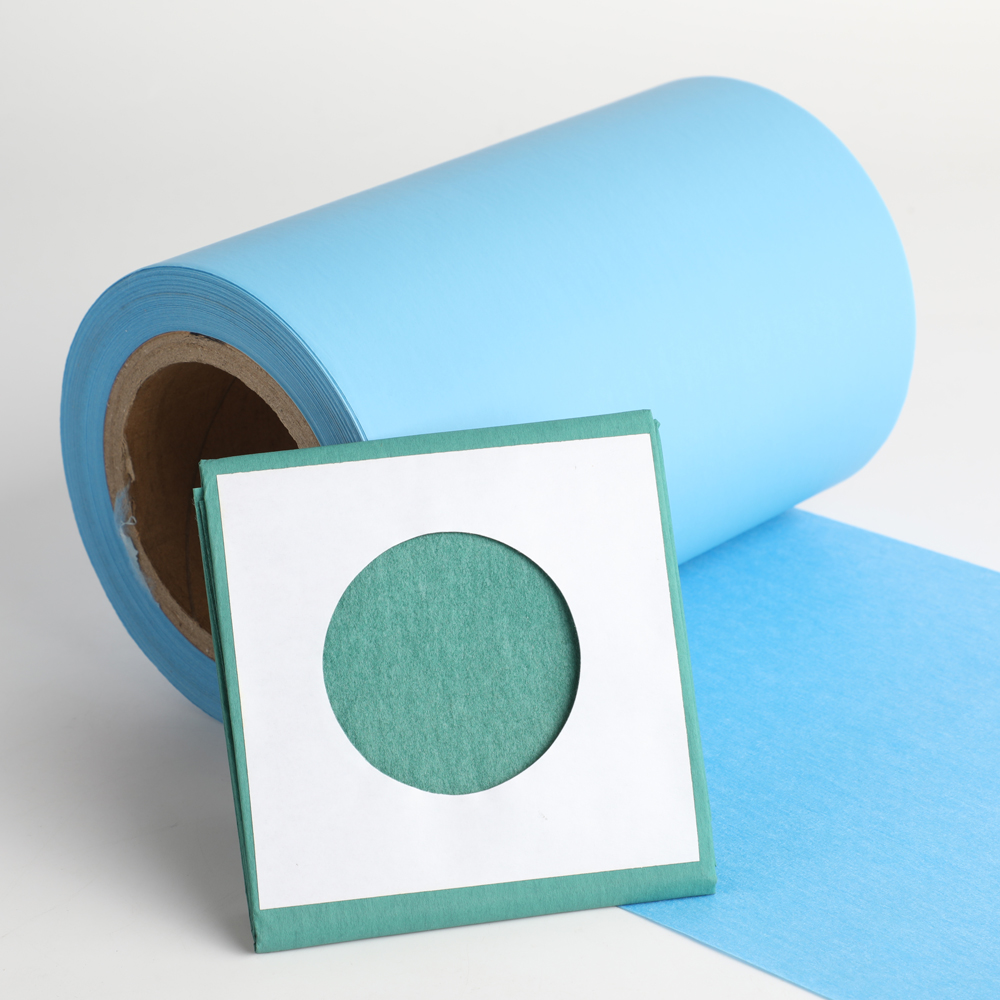 Viscose Laminates
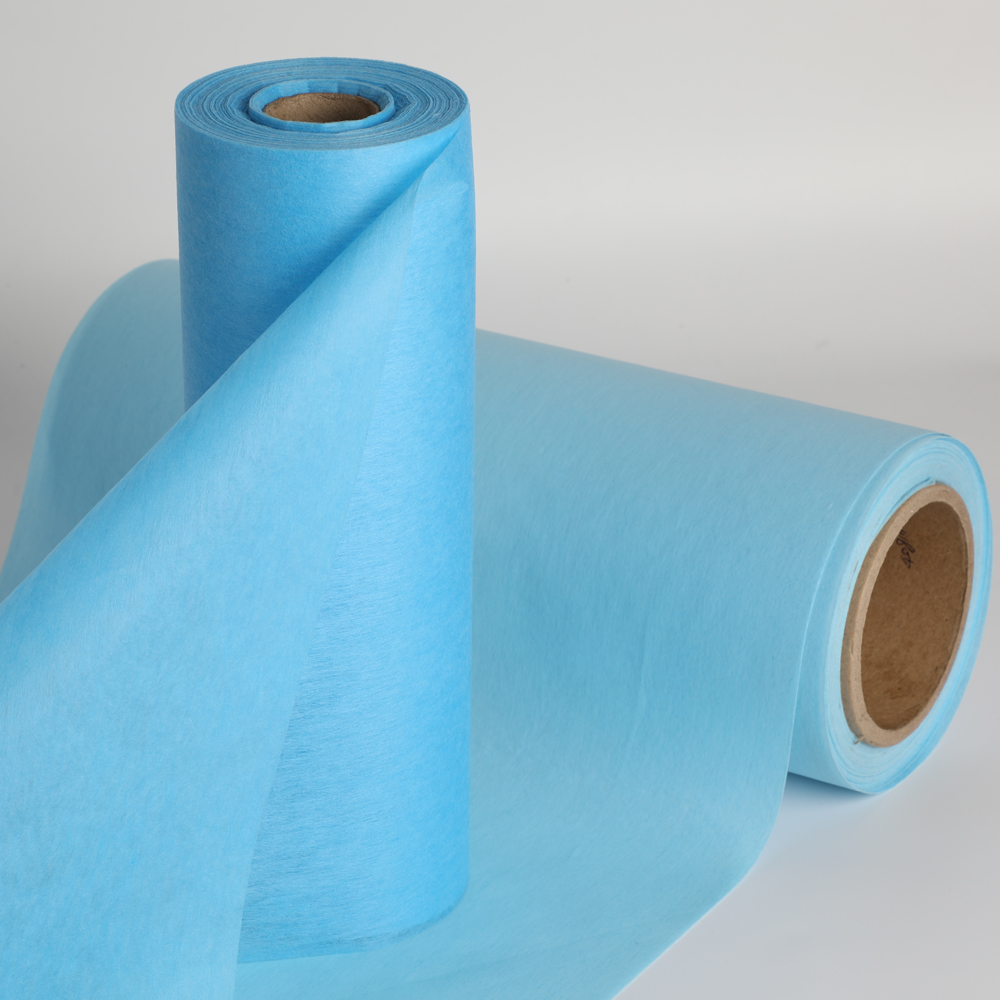 Medical Viscose Nonwoven
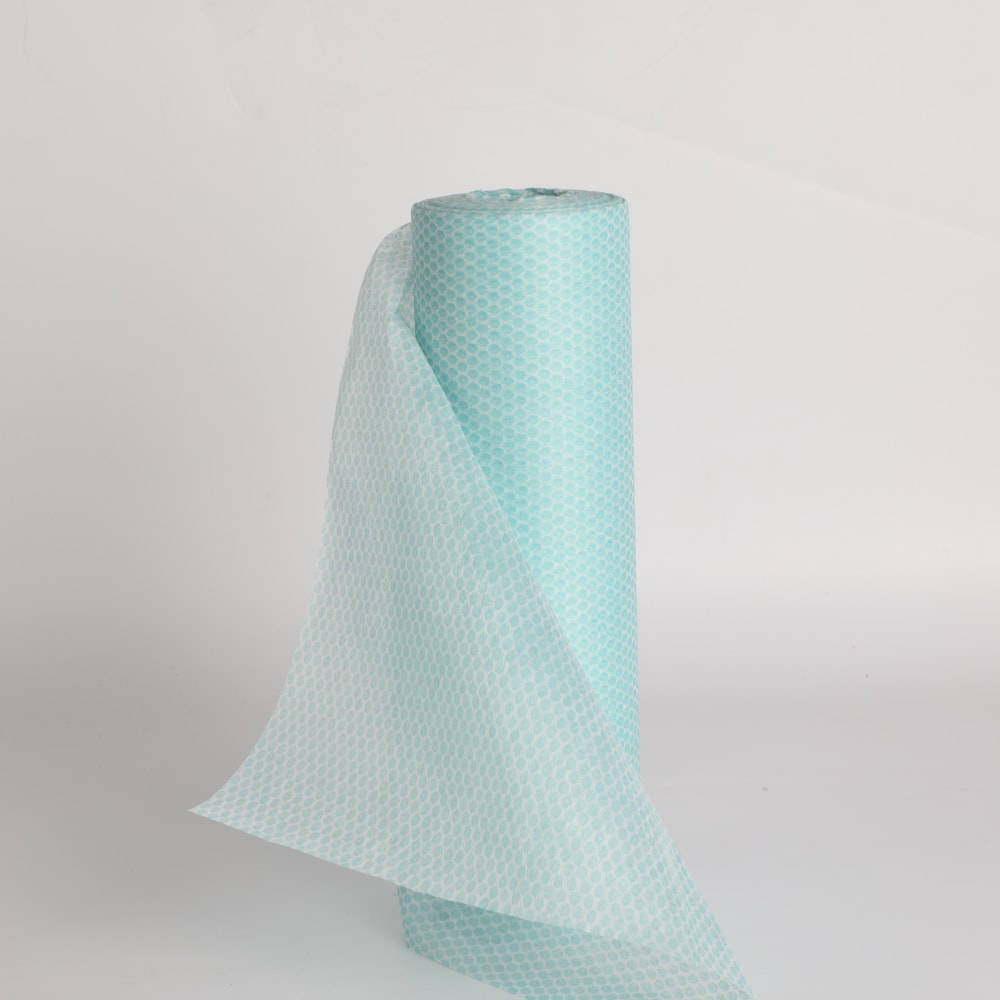 Head Wear Nonwoven
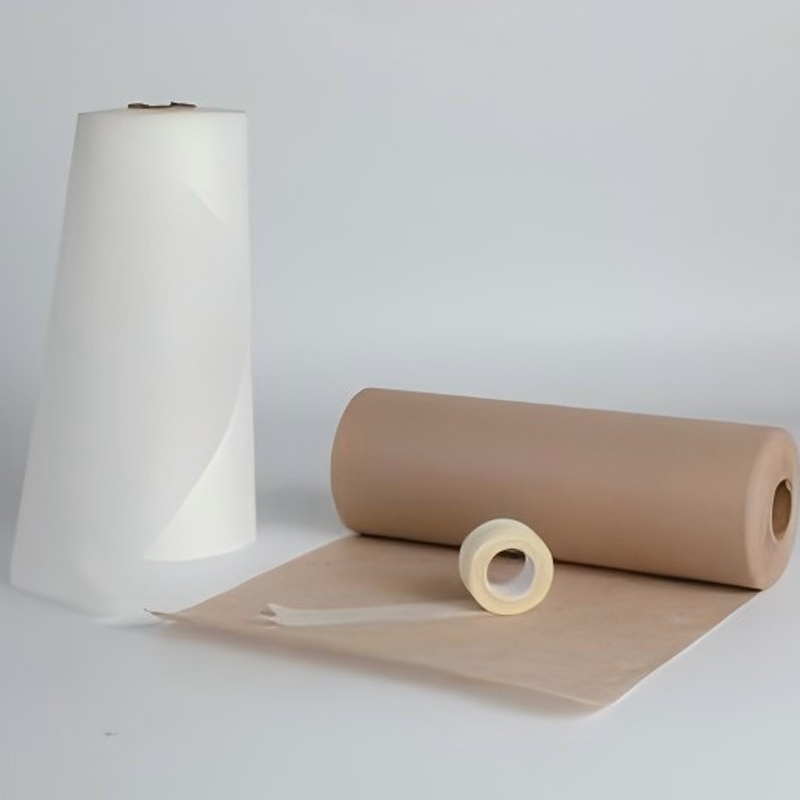 Medical Tape Nonwoven
 Snus Pouch Nonwoven
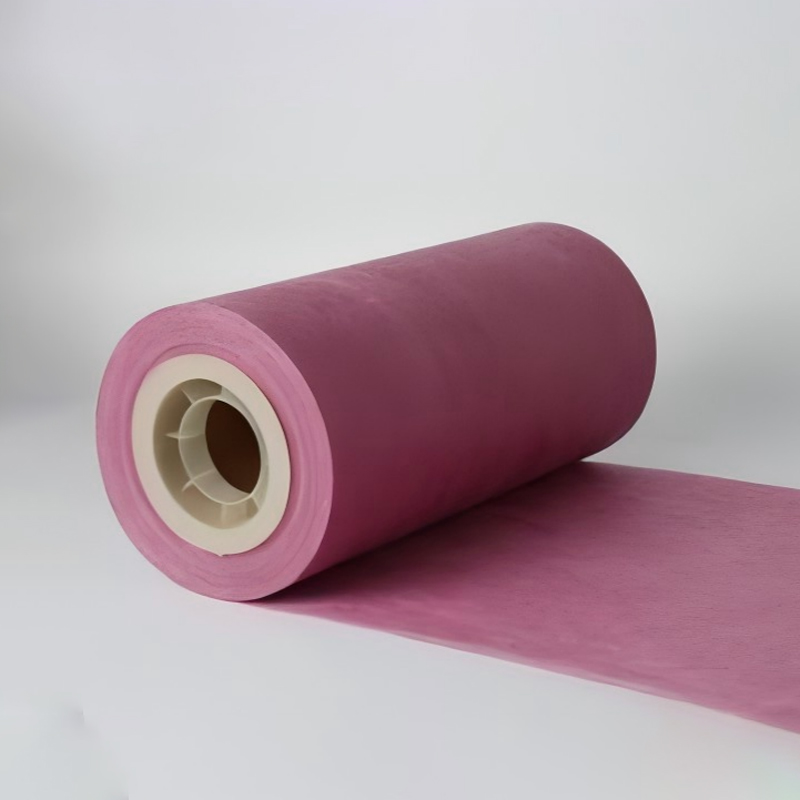 Filtration Nonwoven
 Air Filter Media
 Liquid Filter Media
 Filter Envelope & Filter Sheet
 Breathable Film Laminates
 Nonwoven Interlining
 Fluid Repellent Woodpulp Spunlace Nonwoven
 Woodpulp Nonwoven Wipe
 Nonwoven Cleaning Wipe
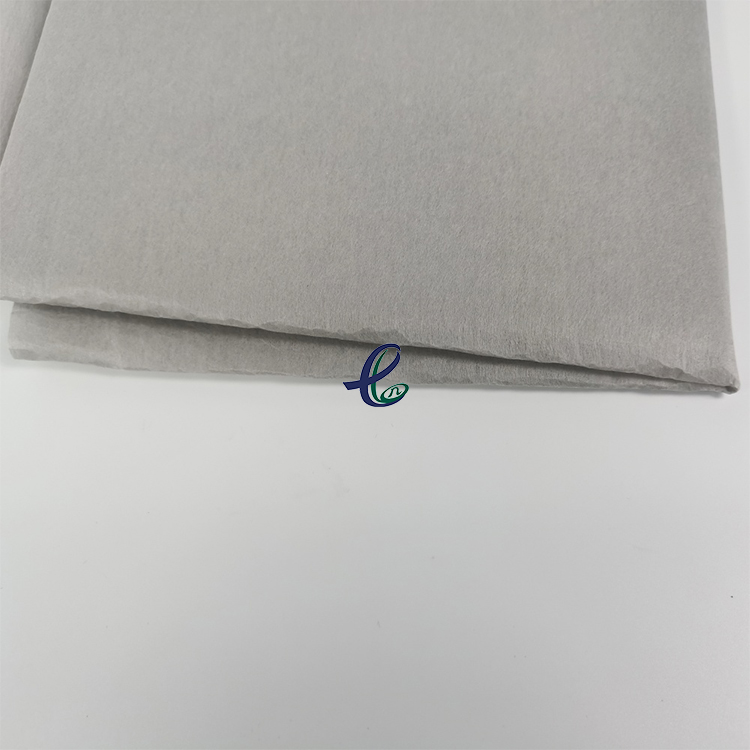 Curtain Nonwoven
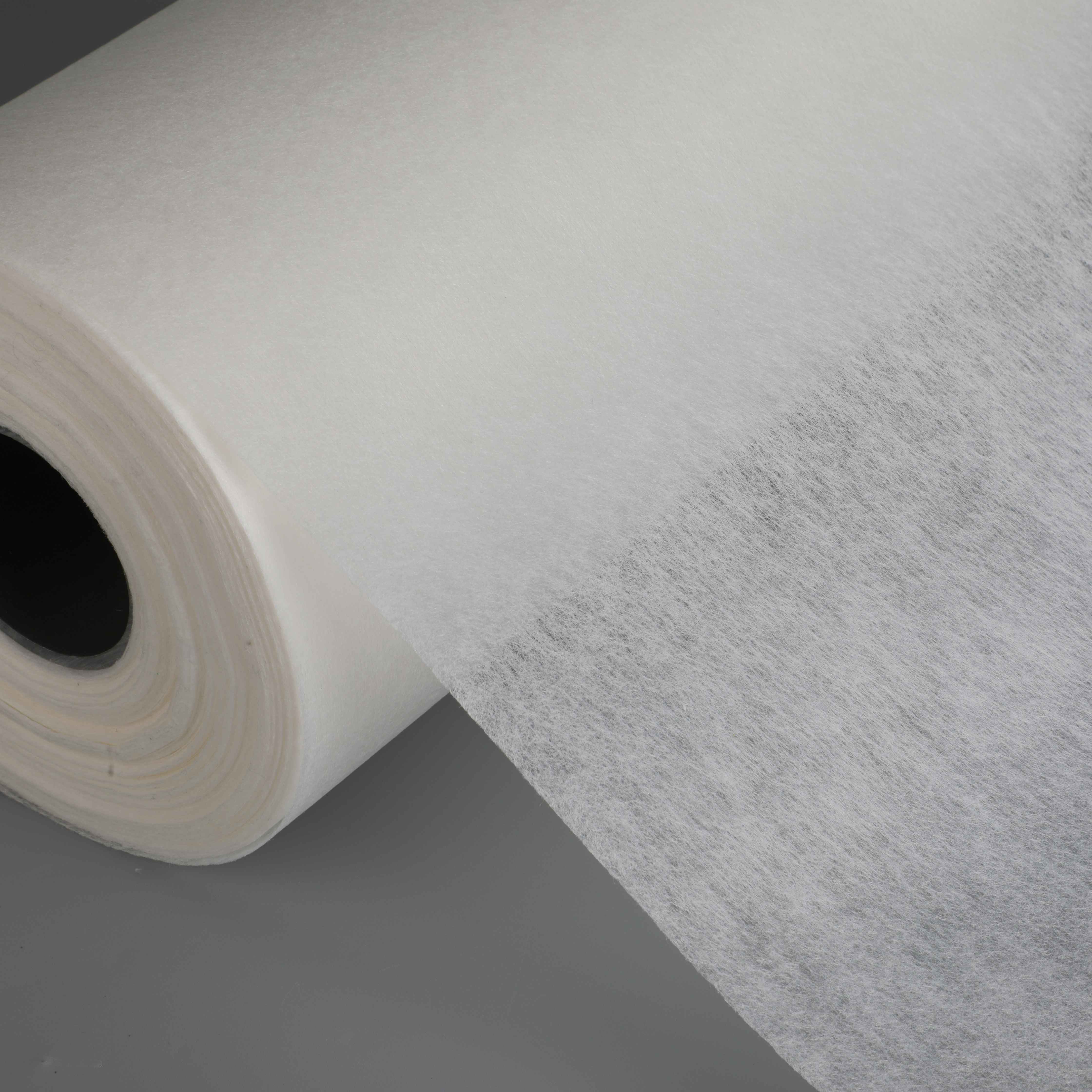 Food Grade Packaging Nonwoven
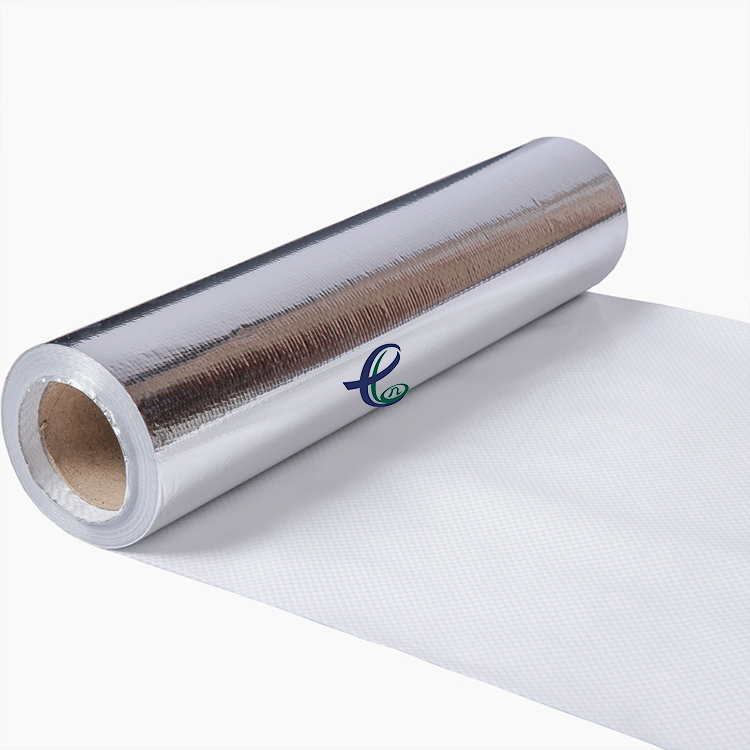 Aluminized Nonwoven
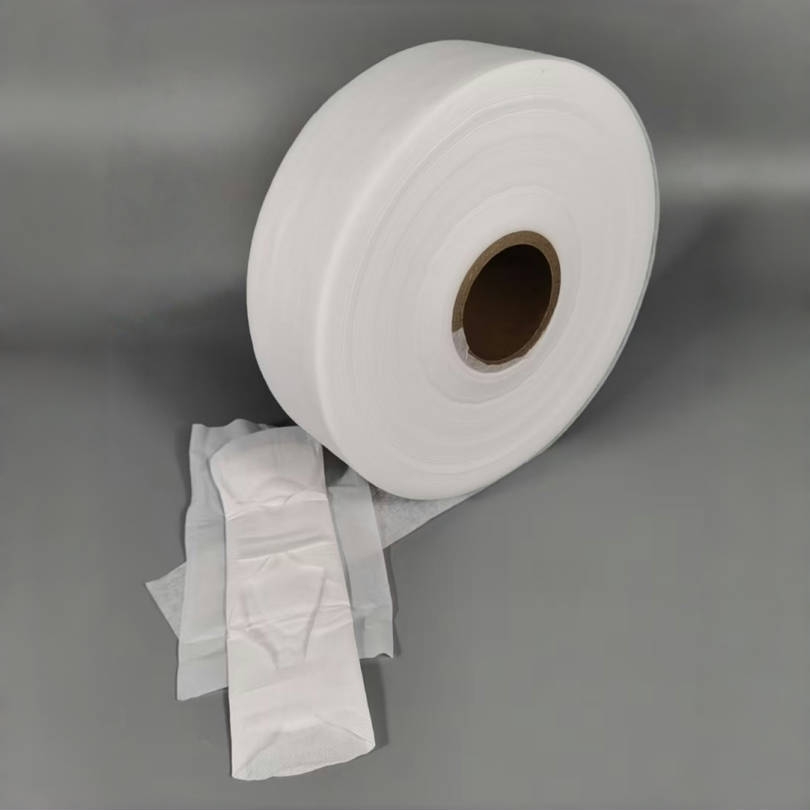 Hot Air Cotton Nonwoven
 Flame Retardant Nonwoven
 Cable Wrapping Nonwoven
 Semi-conductive Nonwoven
 Anti-Bacterial Nonwoven
 +8613957712400
 CONTACT WhatsApp
 CONTACT WeChat
 CONTACT NUMBER
 CONTACT EMAIL