Leave Your Message

How to Source Headwear Nonwoven Globally in 2026?

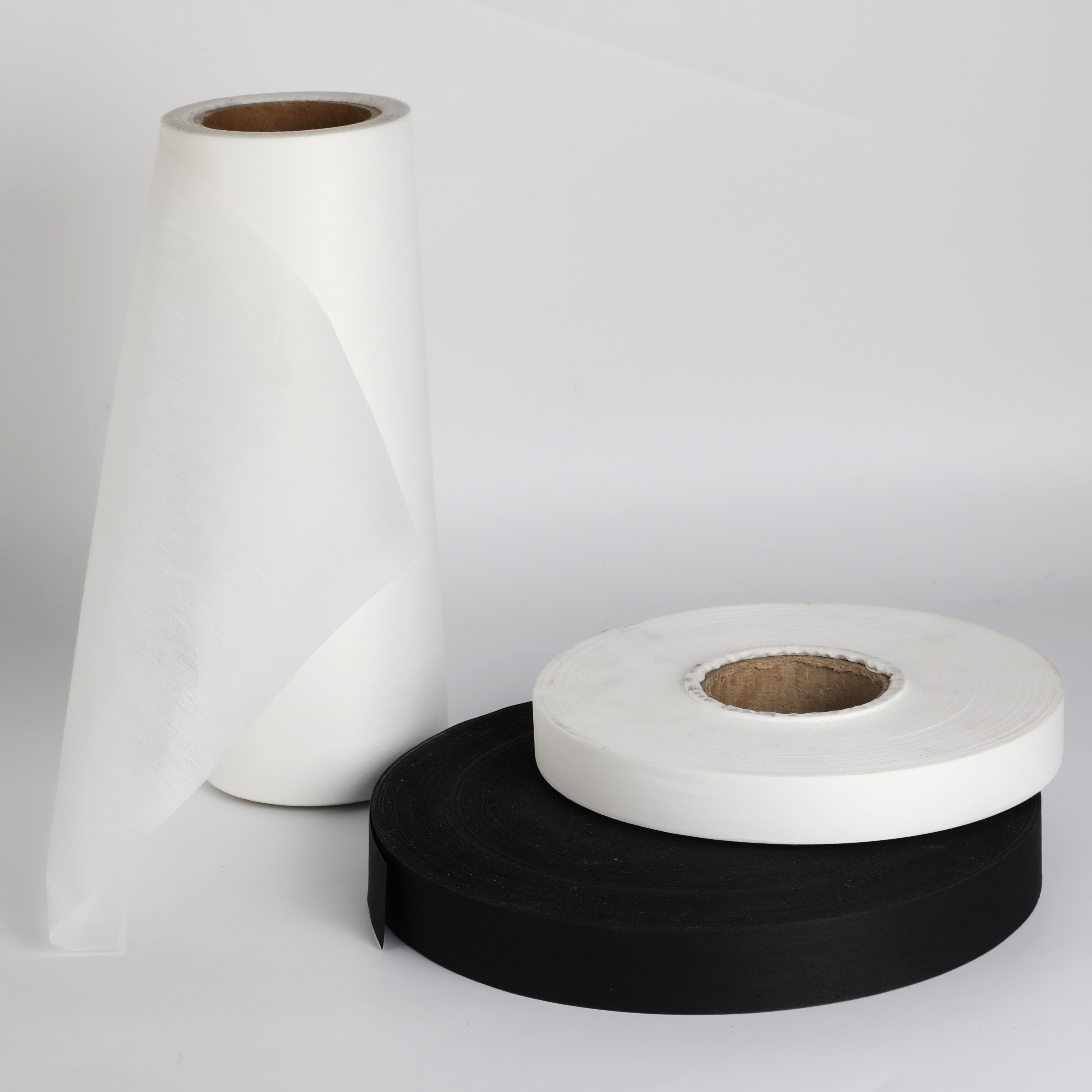
Global headwear sourcing is entering a more disciplined phase in 2026. Buyers now assess performance, traceability, and supply resilience together. Headwear Nonwoven materials support caps, visors, sweatbands, linings, and protective covers. Their value depends on fiber choice, bonding method, weight, softness, and moisture control.

Smithers’ The Future of Nonwovens to 2029 reports continued demand across hygiene, filtration, medical, and technical applications. These sectors strengthen manufacturing capabilities that headwear suppliers can also use. Grand View Research identifies nonwoven fabrics as a growing global market, supported by lightweight construction and efficient production. However, market estimates vary by definition and region. That difference deserves attention.

Textile Exchange’s Materials Market Report highlights the need for better fiber data, recycled-content verification, and transparent supply chains. For global sourcing, this means requesting test reports, production-site details, batch records, and credible certification evidence. A supplier may offer attractive pricing from China, Vietnam, Türkiye, India, or Europe, yet freight distance can change the real cost quickly. A practical audit should examine roll consistency, edge damage, odor, color variation, and packaging moisture. Small defects become visible around a curved crown or stitched brim.

Not every “sustainable” claim is equally reliable. Buyers should compare lifecycle evidence, not marketing language. The International Organization for Standardization and recognized certification bodies can help structure testing and documentation. Still, supplier interviews and physical samples remain essential. Reports guide decisions. Factory evidence confirms them. This guide explains how to build a qualified, flexible, and accountable Headwear Nonwoven sourcing strategy for 2026.

How to Source Headwear Nonwoven Globally in 2026?

Define Specs with ISO 9073 Tests and EN 14683 BFE Targets of ≥95%

How to Source Headwear Nonwoven Globally in 2026?

Global sourcing starts with a measurable specification, not a fabric name. For headwear nonwovens, request ISO 9073 testing for mass per unit area, thickness, tensile strength, elongation, and air permeability. These values reveal whether a cap feels stable or collapses around the forehead. ISO 9073-1 and ISO 9073-2 define practical methods for mass and thickness measurement. Small differences matter. A 20 gsm variation can change drape, breathability, and packing volume.

Use EN 14683 BFE targets carefully. Type I medical masks require bacterial filtration efficiency of at least 95%, while Type II and Type IIR require at least 98%. However, BFE testing applies to a complete mask construction, not automatically to loose headwear fabric. Ask laboratories to document the test specimen, bacterial challenge, airflow, and conditioning. The European Committee for Standardization states these requirements in EN 14683:2019+AC:2019. The World Health Organization also stresses performance-based procurement for protective products, rather than appearance alone.

Tips: Build a comparison sheet with GSM, thickness, air permeability, BFE, tensile strength, and shrinkage. Request samples from two production regions. Test them after transport and humidity exposure. One common mistake is trusting a supplier’s certificate without checking its test scope. I have seen soft material fail at the elastic seam. Specifications should include seam strength, not only fabric performance. Smithers’ nonwovens market assessments identify healthcare and hygiene as major demand applications, but market growth does not guarantee consistent factory control. Verify every batch.
Size Demand Using EDANA/INDA 2023 Global Nonwoven Production Data

How to Source Headwear Nonwoven Globally in 2026?

EDANA and INDA’s 2023 global nonwoven production data offers a practical starting point for headwear sourcing. Global output was approximately 15.2 million metric tonnes, with Asia representing the largest production base. However, this figure covers all applications, not headwear alone. It should guide market sizing, not replace buyer interviews or factory audits.

For headwear, I would separate demand by product use. Disposable caps may require lightweight spunbond fabric, while structured hats often need firmer layers or laminated support. A simple estimate multiplies regional nonwoven output by the expected headwear share, then adjusts for seasonal orders, export flows, and material yield. The result is imperfect. Still useful.

A supplier map should compare capacity, machinery, certification records, and delivery distance. Ask for roll width, basis weight, tensile strength, air permeability, and color consistency. A 25-gram fabric may look economical, but weak seams can increase cutting waste. Trial orders should include washing, folding, storage, and stitching tests. Do not rely only on laboratory samples.

In 2026, demand may shift unevenly across regions. Medical and workplace headwear can support stable volume, while promotional and fashion orders may change quickly. Production data shows scale, but it does not reveal every purchasing habit. Local distributor feedback remains necessary. My own estimate would include a clear error range, perhaps 10 to 20 percent, rather than presenting one precise number. The numbers need questioning.

Screen Regions Against Smithers’ 2024 Nonwovens Market Forecast

How to Source Headwear Nonwoven Globally in 2026?

Screen Regions Against Smithers’ 2024 Nonwovens Market Forecast

Global headwear sourcing needs more than a low quotation. Smithers’ 2024 nonwovens market forecast offers a useful starting point for screening regions in 2026. Compare projected demand with local production capacity, feedstock access, converting skills, and export reliability. A growing market may still fail your project if suppliers lack stable basis-weight control.

Start with a regional shortlist. Assess East Asia for mature converting networks and broad material availability. Examine South Asia and Southeast Asia for expanding manufacturing capacity and competitive labor structures. Consider Europe and North America when traceability, technical documentation, and shorter replenishment cycles matter. These are screening signals, not automatic decisions.

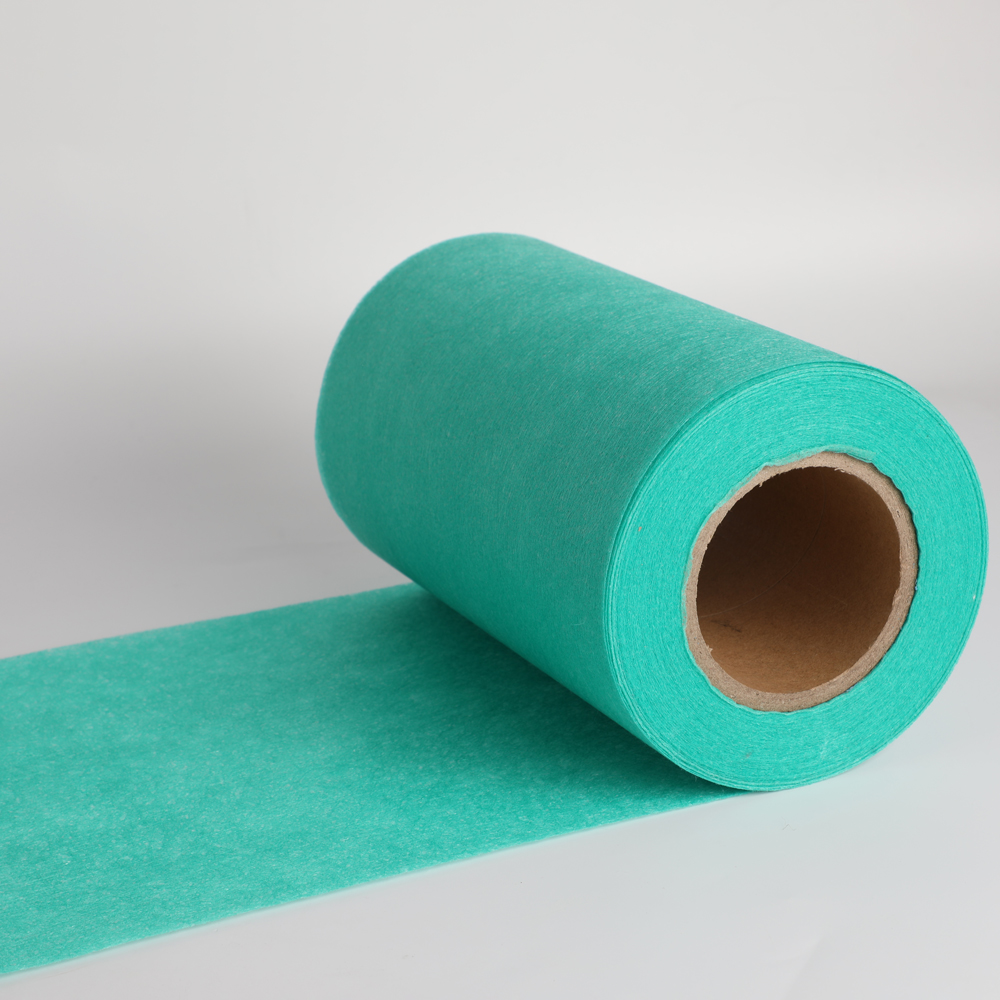
Test the material directly. Request spunbond, needle-punched, or laminated samples in the intended weight range. Measure tensile strength, air permeability, softness, color consistency, and seam behavior. Ask for batch records and recent test reports. Keep one sealed sample from every approved lot.

Forecasts can mislead. They describe market direction, not your exact product. Freight disruptions, resin prices, seasonal demand, or factory expansion may change the result quickly. I would score each region quarterly, then revise the ranking after pilot production. A spreadsheet is helpful. It is not field experience. Walk the production floor when possible, inspect storage conditions, and check whether operators understand the headwear application rather than only the material specification.

Audit Suppliers for MOQ, Capacity, Lead Time, and ISO 9001 Evidence

Global headwear sourcing needs more than a low fabric price. Grand View Research estimates the global nonwoven fabrics market reached about USD 53.99 billion in 2023. That scale creates choices, but it also hides uneven supplier discipline. Request MOQ by material, color, width, and monthly order volume. A factory quoting “one MOQ” may exclude dyeing, coating, or custom packaging.

Capacity claims need physical evidence. Ask for machine lists, production rates, current utilization, and the last three months of output records. Compare promised capacity with your peak-season demand. Smithers’ nonwovens outlook identifies hygiene, medical, and filtration as major demand sectors, which can tighten shared production lines. Lead time should be divided into raw-material preparation, manufacturing, inspection, and dispatch. Add buffer days. I once treated shipping time as supplier lead time, and the launch schedule suffered.

ISO 9001 evidence deserves careful auditing. The ISO Survey 2023 reported 1,265,216 ISO 9001 certificates worldwide, but a certificate alone proves limited operational detail. Verify the certificate number, issuing body, validity dates, site address, and certified scope. Request recent internal-audit findings, corrective-action records, batch traceability, and inspection limits for weight, thickness, tensile strength, and air permeability. Visit the production site when possible. Remote documents can look perfect. They are not always perfect. A practical supplier scorecard should weight verified capacity, repeatable lead times, MOQ flexibility, and quality evidence separately, rather than rewarding the cheapest quotation.

Approve Samples Against REACH’s 0.1% SVHC Threshold and Colorfastness

Global headwear sourcing in 2026 requires more than a soft handfeel or attractive color. Nonwoven suppliers should provide a material declaration for each layer, coating, print, elastic, and trim. Under REACH Article 33, an SVHC concentration at or above 0.1% per article weight can trigger communication duties. The Candidate List changes, so an old declaration is not enough. Request recent laboratory screening, preferably from an ISO/IEC 17025-accredited facility. Textile Exchange’s Materials Market Report 2024 recorded global fiber production at 124 million tonnes in 2023, with growth projected toward 160 million tonnes by 2030. More volume means greater traceability pressure.

Approve samples against the 0.1% threshold, then test production lots. A finished cap may contain several articles, and each can require separate assessment. Ask for test methods, detection limits, sample dates, and supplier batch numbers. ECHA’s enforcement project reported 18% non-compliance among inspected products, showing why paperwork alone can mislead. It is an uncomfortable gap. Supplier declarations still need verification.

Colorfastness deserves equal attention. Test dyed nonwoven against ISO 105-C06 for washing, ISO 105-X12 for rubbing, and ISO 105-B02 for light exposure when relevant. Check dark panels, sweat zones, printed edges, and bonded seams. A pass after one wash may not predict repeated use. Record dry and wet crocking results, shade change, staining, and the test fabric used. Human judgment remains useful, but inconsistent lighting can distort approval. Use a controlled light booth and retain a sealed reference sample for comparison.