What is Nonwoven Fabric Needle Punched and its Applications?
Nonwoven fabric needle punched technology has gained significant attention in recent years. This innovation offers numerous applications across various industries. John Smith, a leading expert in the nonwoven sector, once stated, "Needle punching is revolutionizing the way we create durable and versatile fabrics." His insight underscores the importance of nonwoven fabric needle punched in today’s market.
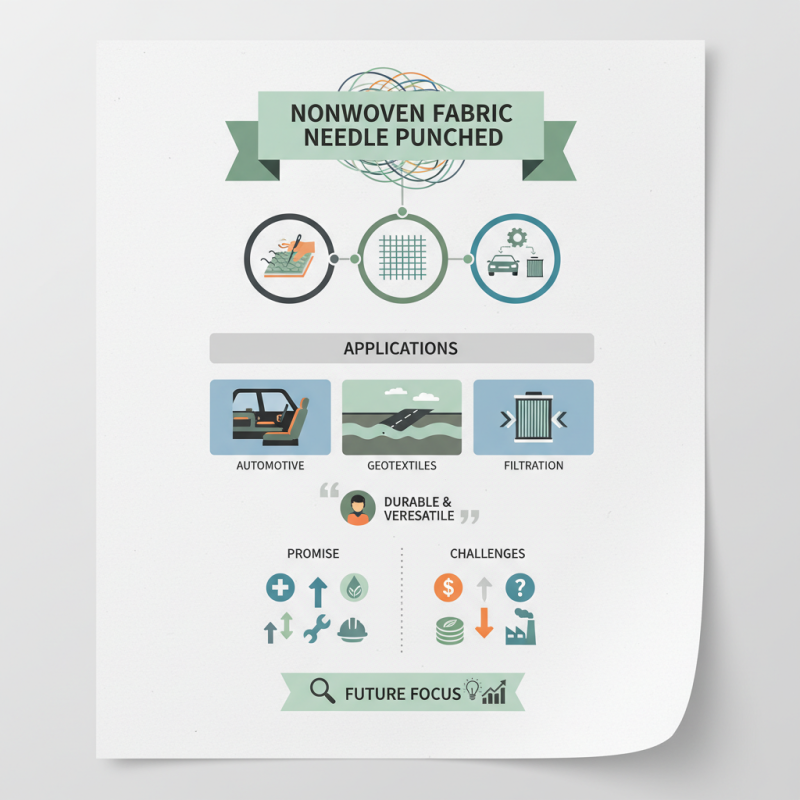
The process involves the use of barbed needles to entangle fibers. This creates a strong and durable material that is often used in automotive, geotextiles, and filtration products. The versatility of nonwoven fabric needle punched makes it suitable for both functional and aesthetic applications. However, challenges like production costs and environmental impact warrant careful consideration.
In industries like healthcare, hygiene, and construction, the demand for innovative solutions is rising. Nonwoven fabric needle punched plays a pivotal role in meeting this demand. While the technology shows great promise, ongoing research and development are crucial. Understanding its limitations and potential for improvement will drive further advancements in the field.
Definition of Nonwoven Fabric and Needle Punching Technique
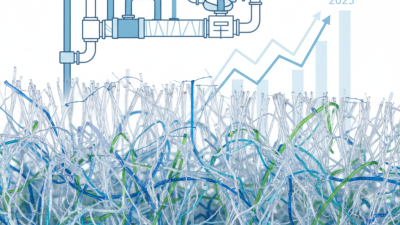
Nonwoven fabrics are materials made from long fibers, bonded together through various methods. The needle punching technique is one of the most widely used methods for producing nonwoven fabrics. This process involves the use of barbed needles that entangle the fibers, creating a durable and versatile material. Reports indicate that the global nonwoven fabric market will reach approximately $50 billion by 2025, driven by increasing demand across various industries.
Needle-punched nonwoven fabrics are particularly valued in sectors such as automotive, construction, and healthcare. For example, sound absorbent materials in vehicles and filtering fabrics in medical applications benefit from this technology. Despite its advantages, the process produces waste material that can be an environmental concern. In addition, the energy requirements for needle punching can be relatively high, prompting industries to seek more sustainable methods.
The versatility of needle-punched nonwoven fabrics allows for diverse applications, but challenges exist. Variability in fiber quality can impact final performance, leading to inconsistencies in product outcomes. Additionally, achieving optimal density and strength can be a delicate balance, requiring constant adjustment in production settings. These factors must be addressed to ensure that the growth of this market does not come at an ecological cost.
Applications of Nonwoven Fabric Needle Punched
This chart illustrates the distribution of various applications of needle punched nonwoven fabrics across different industries.
Overview of the Needle Punching Process in Fabric Production
The needle punching process is essential in producing nonwoven fabrics. This technique involves using barbed needles to entangle fibers, creating a stable mat. The method is widely adopted due to its efficiency and versatility. An estimated 30% of nonwoven fabrics utilize needle punching, according to industry reports.
This process starts with feeding a web of fibers onto a conveyor belt. Needles then penetrate the web repeatedly, binding the fibers together. The result is a dense, durable fabric suitable for various applications, including automotive interiors and geotextiles. Interestingly, the speeds can exceed 200 meters per minute, making it a rapid method.
However, challenges persist. The quality of finished products can vary based on factors like fiber type and needle design. Companies must carefully balance cost and quality. A recent study highlighted that up to 15% of needle-punched products failed to meet desired standards, raising questions about manufacturing practices. Continuous improvement in techniques and equipment is necessary.
What is Nonwoven Fabric Needle Punched and its Applications?
| Application |
Material Used |
Properties |
Benefits |
| Automotive Interiors |
Polyester, Polypropylene |
Durable, Lightweight |
Noise Insulation, Cost-Effective |
| Medical Supplies |
Viscose, Polyester |
Sterile, Breathable |
Infection Control, Comfort |
| Geotextiles |
Polypropylene, Polyester |
Durable, Waterproof |
Soil Stabilization, Erosion Control |
| Construction |
Polyester, Fiberglass |
Flexible, Strong |
Load Bearing, Cost Savings |
Key Properties and Characteristics of Needle Punched Nonwoven Fabrics
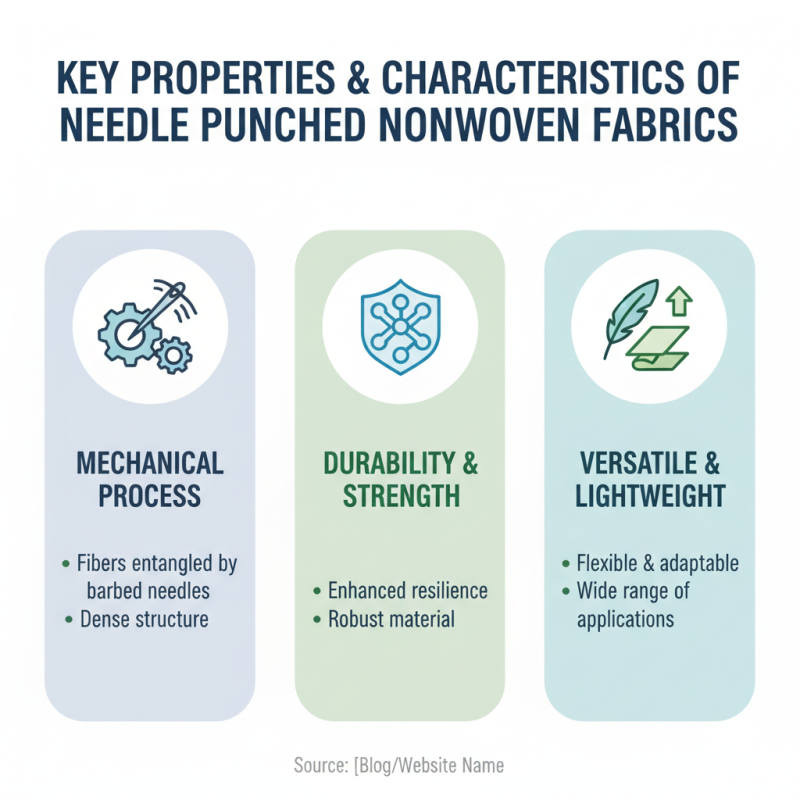
Needle punched nonwoven fabrics are unique materials created through a mechanical process. This process involves entangling fibers using barbed needles. As a result, they have a dense structure that enhances durability and strength. The fabrics are lightweight yet resilient, making them suitable for various applications.
One key property is their breathability. Needle punched fabrics allow air and moisture to pass through without sacrificing strength. This makes them ideal for use in protective clothing, filtration systems, and automotive interiors. Additionally, they offer excellent thermal insulation. Their texture can range from soft to coarse, depending on the fiber selection and the needle punching technique employed.
However, there are challenges with needle punched fabrics. The manufacturing process can lead to inconsistency in density and thickness. Designers must carefully consider these factors during production. Also, while the fabrics are strong, they may lack the flexibility found in woven textiles. This can limit their use in certain applications. Overall, understanding the properties of needle punched fabrics is essential for effective utilization in various industries.
Common Applications of Needle Punched Nonwoven Fabrics in Various Industries
Needle punched nonwoven fabrics are increasingly popular due to their versatility. They are made by mechanically interlocking fibers using barbed needles. These fabrics exhibit unique properties, making them suitable for a variety of applications across different industries.
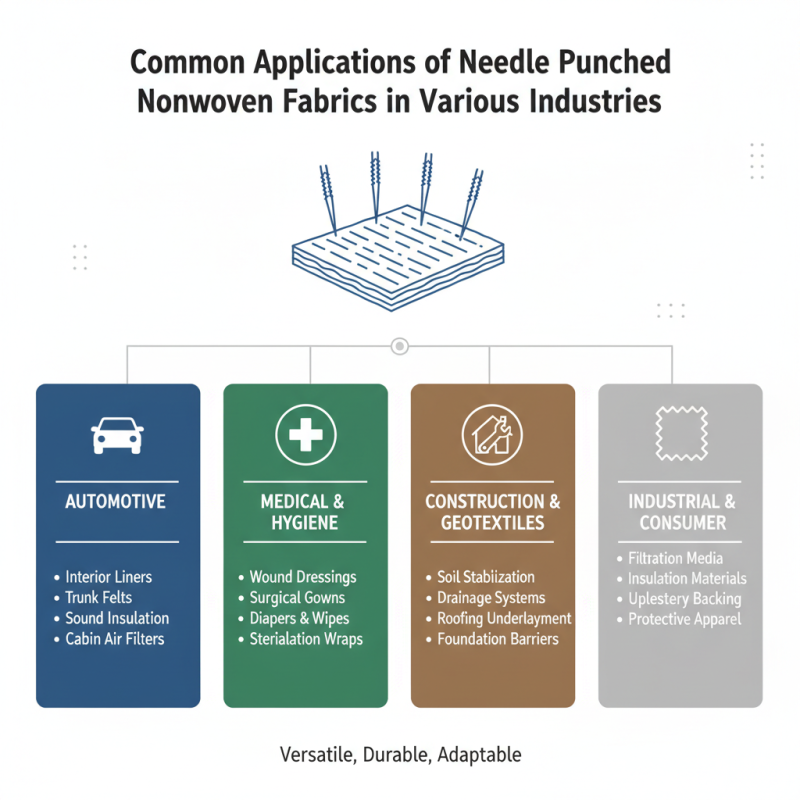
In the automotive sector, needle punched nonwovens are utilized for insulation, soundproofing, and surface coverings. According to a recent report, the automotive nonwoven fabric market is projected to reach $7.8 billion by 2027. The durability and lightweight nature of needle punched fabrics contribute to improved fuel efficiency in vehicles. In the construction industry, these fabrics serve as geotextiles, providing drainage and erosion control. They are effective in soil stabilization, which is crucial for maintaining landscape integrity.
The healthcare sector also benefits from needle punched nonwoven materials. They are used in surgical gowns, masks, and other protective garments. A study shows that nonwoven fabrics can possess superior barrier properties against bacteria compared to woven materials. Despite their advantages, challenges remain. The recycling process for these fabrics is not well-established, leading to environmental concerns. This is an area that needs further exploration and improvement.
Future Trends and Innovations in Needle Punched Nonwoven Fabric Technology
The world of nonwoven fabric technology is rapidly evolving, especially in needle punched fabrics. These materials are created through a mechanical bonding process, which offers unique characteristics. The future trends point towards increased sustainability. Eco-friendly fibers are gaining traction. Manufacturers are exploring biodegradable options to reduce environmental impact.
Innovation is driving this sector. Advances in machinery have enhanced production efficiency. Improved needle punching techniques allow for greater versatility in applications. From geotextiles to filtration media, the potential uses are vast. Yet, there are challenges. Balancing performance with cost remains crucial.
Creating highly durable fabrics while keeping prices competitive is tough. The quest for perfecting this balance continues. Companies must stay adaptable and responsive. New ideas will reshape what needle punched fabrics can offer. Mindful experimentation may lead to surprising breakthroughs. The path ahead is full of possibilities but also uncertainties.

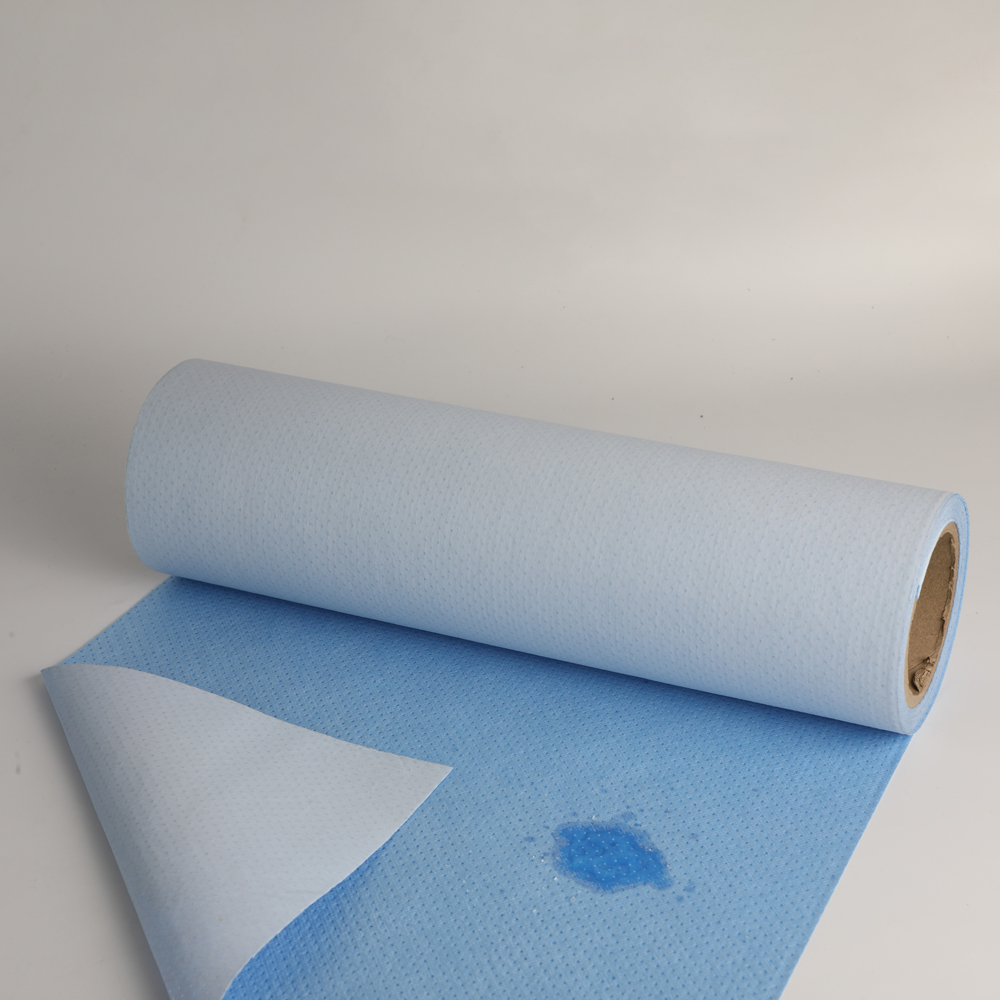 Multi Laminates
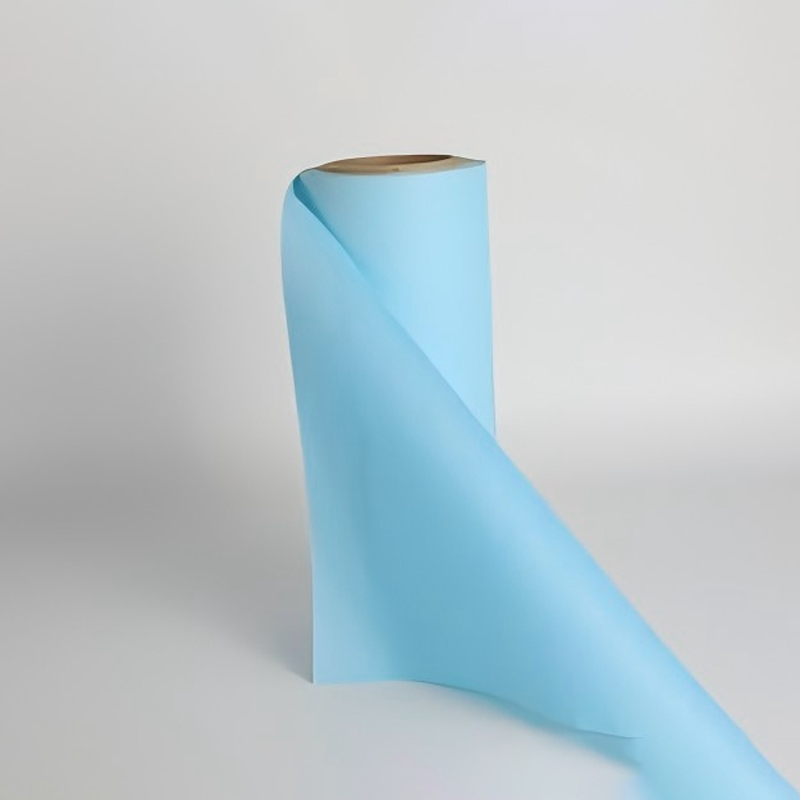 Spunlace Nonwoven Laminates
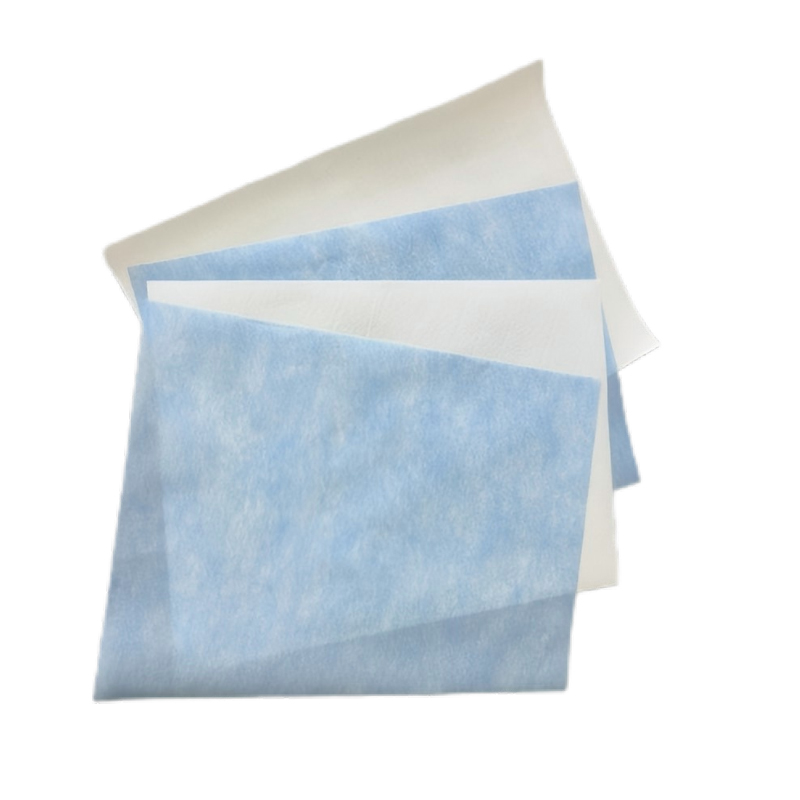 Breathable Film Laminates
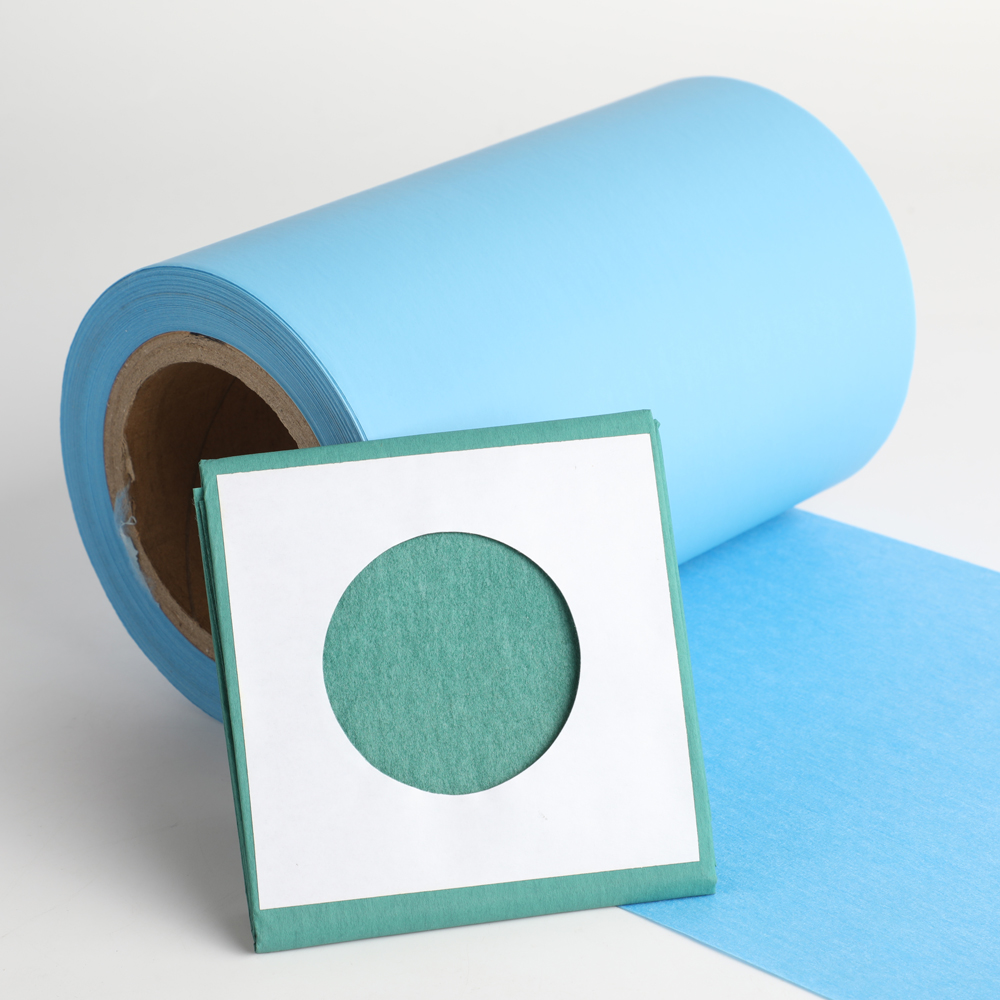 Viscose Laminates
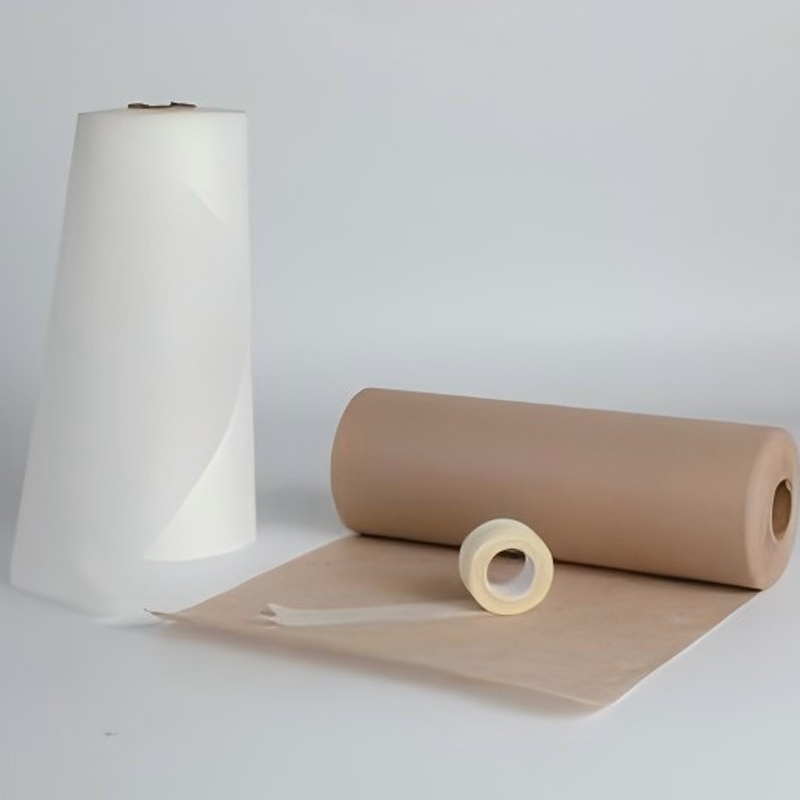 Medical Tape Nonwoven
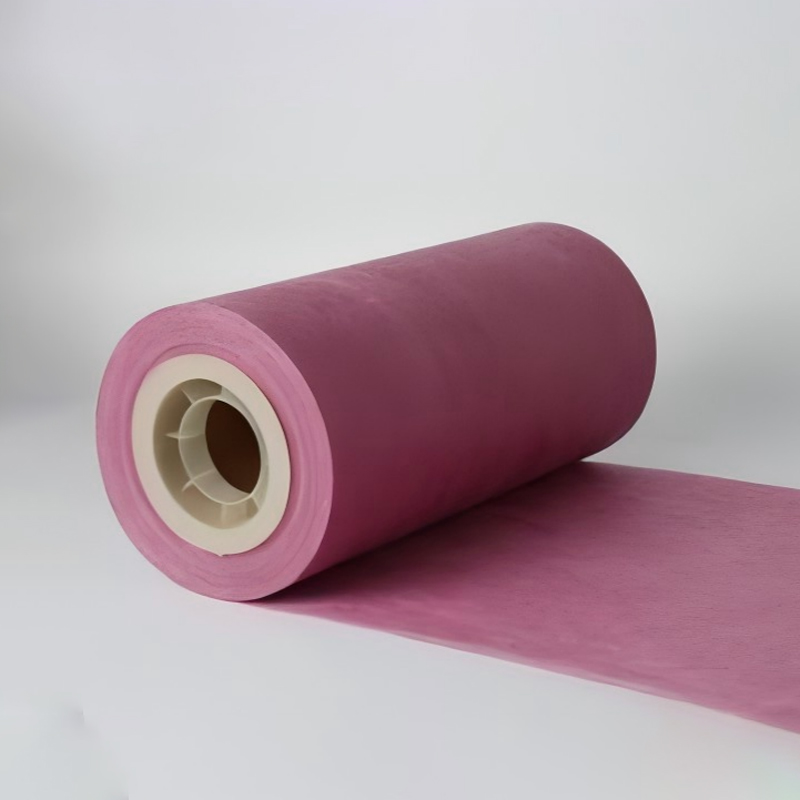 Filtration Nonwoven
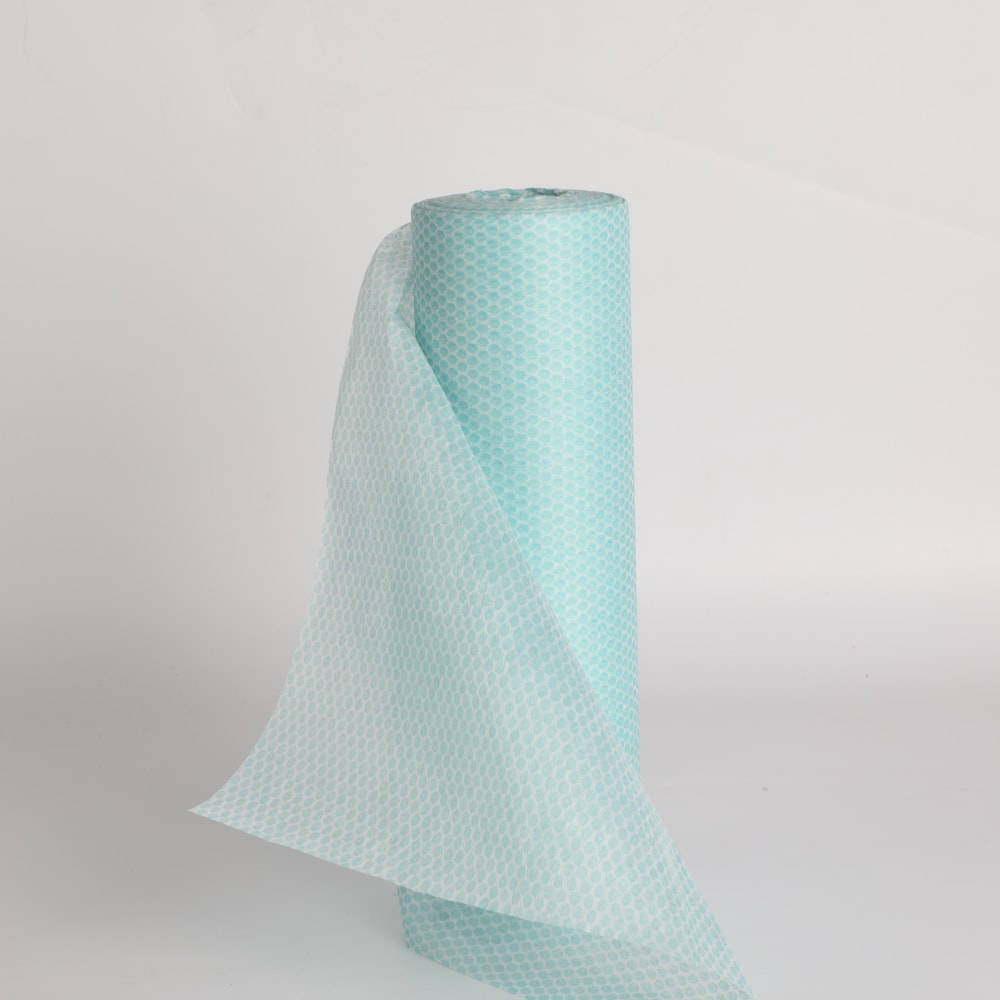 Head Wear Nonwoven
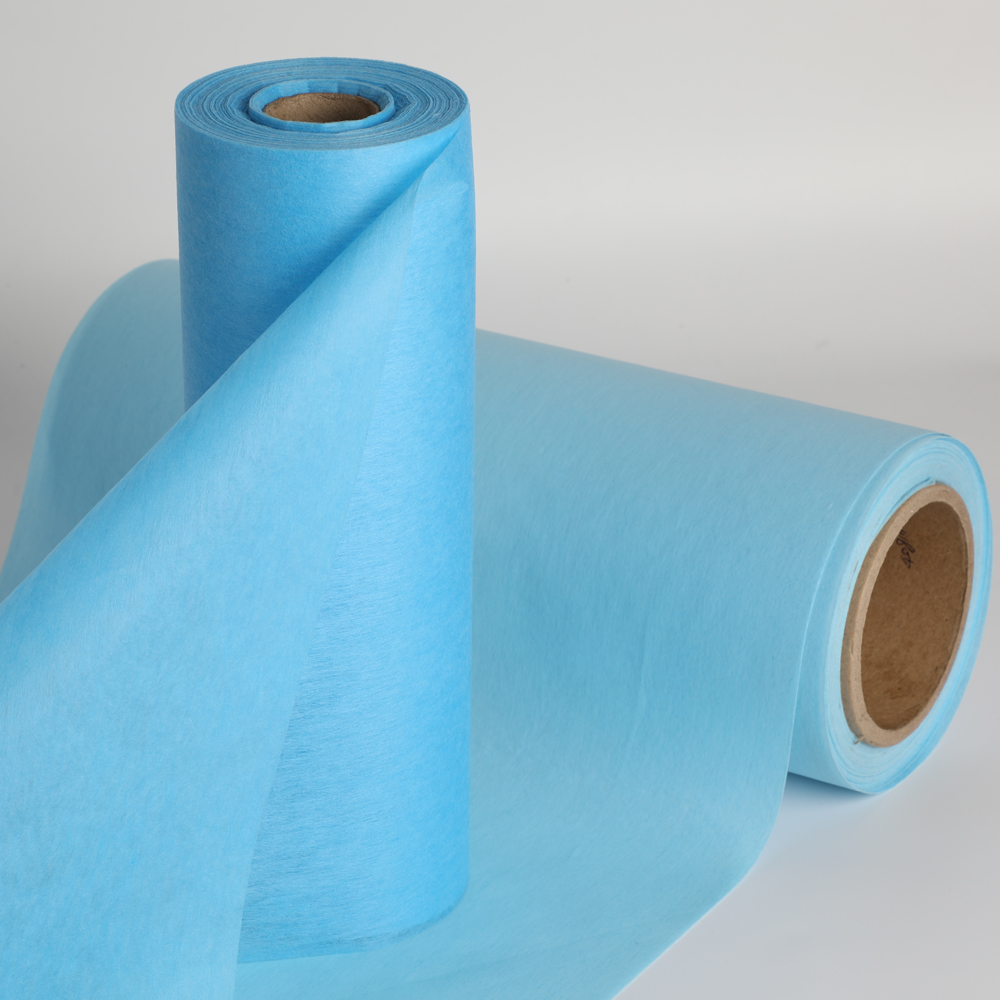 Medical Viscose Nonwoven
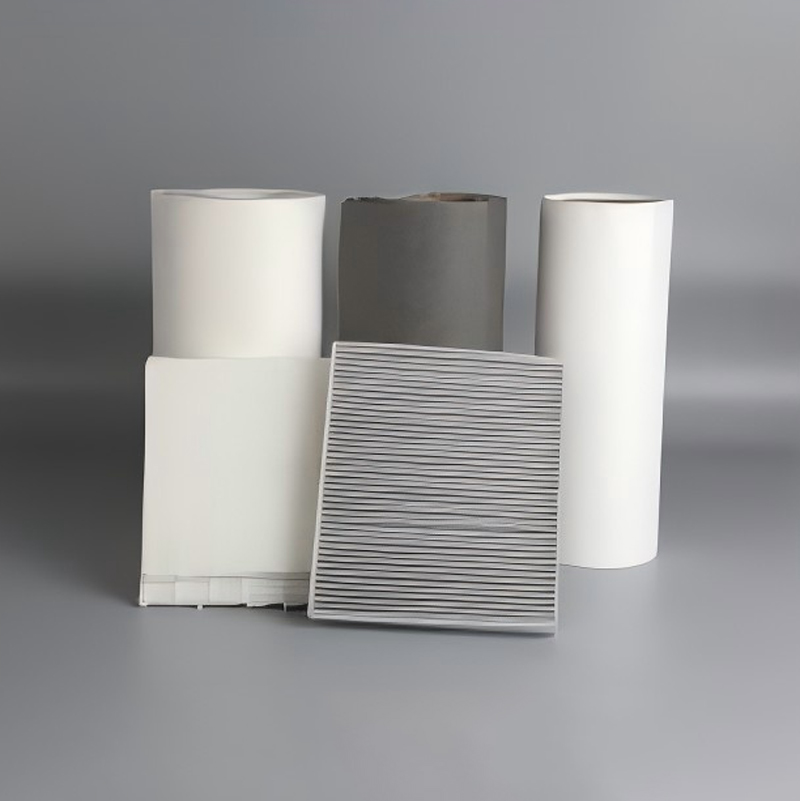 Air Filter Media
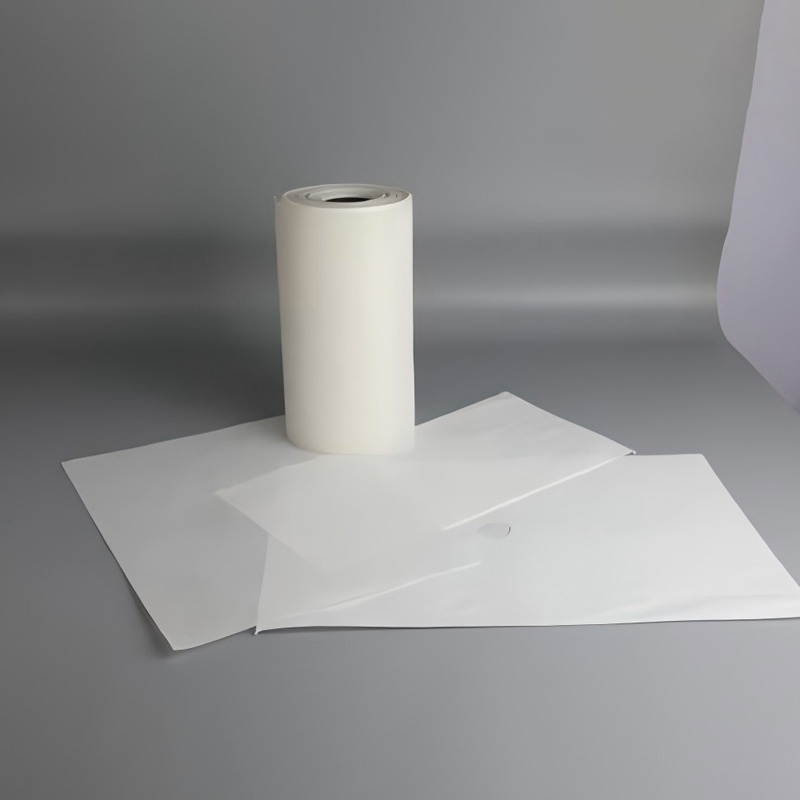 Liquid Filter Media
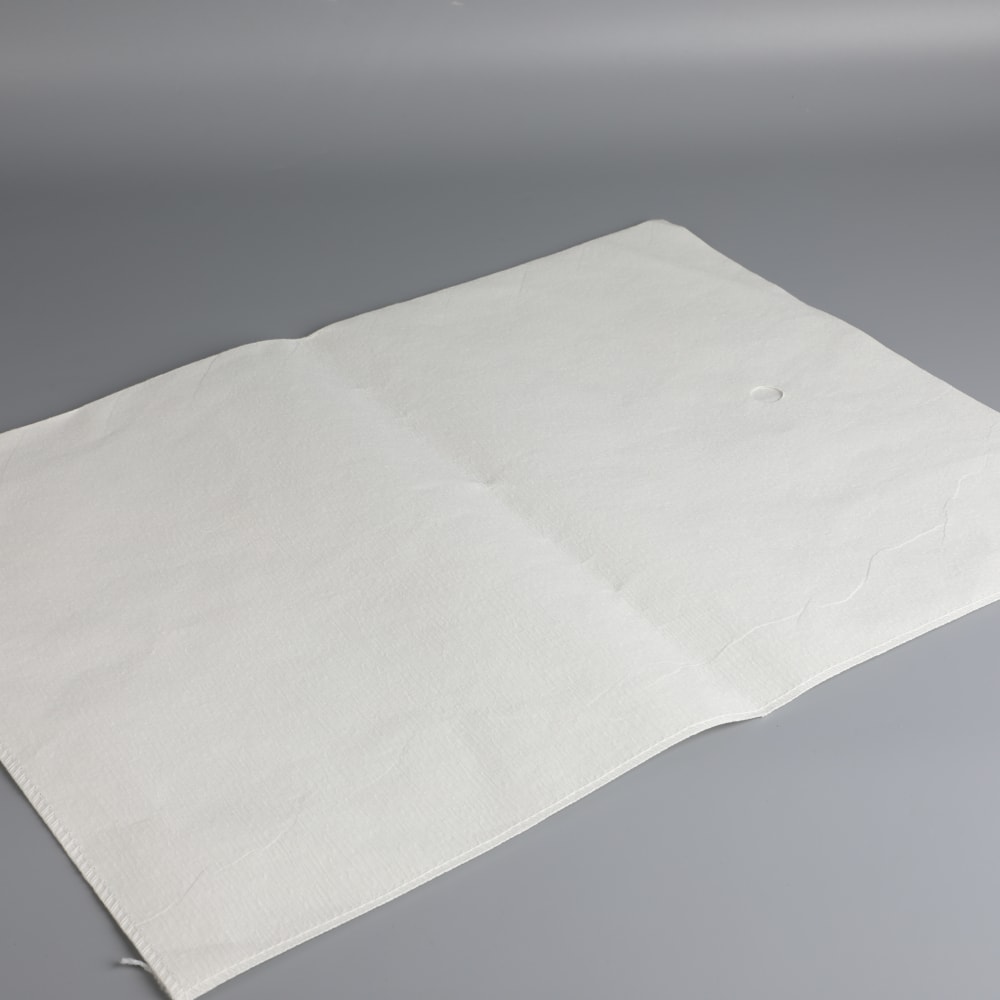 Filter Envelope & Filter Sheet
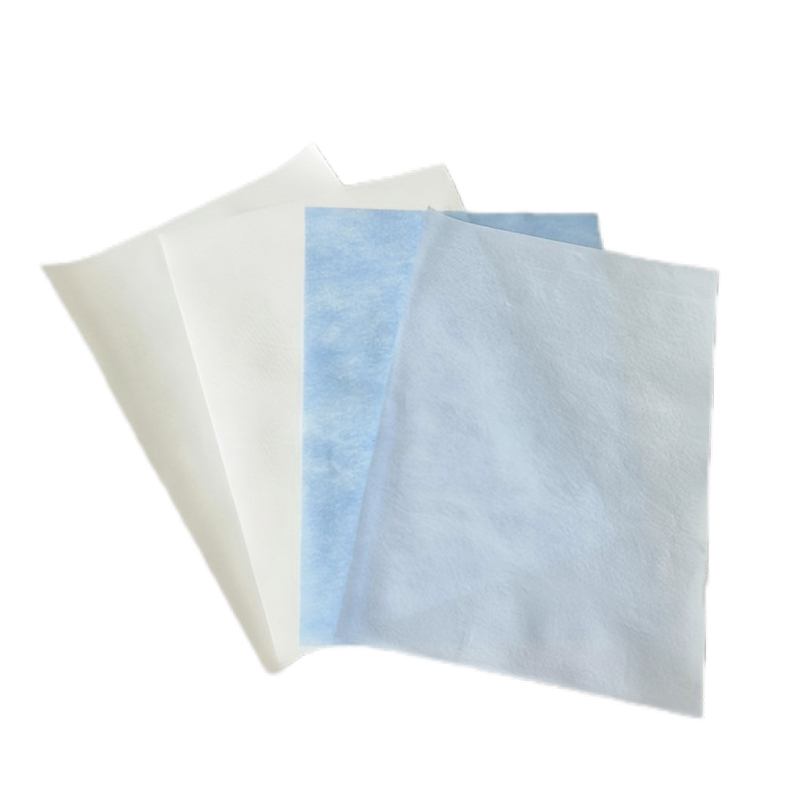 Breathable Film Laminates
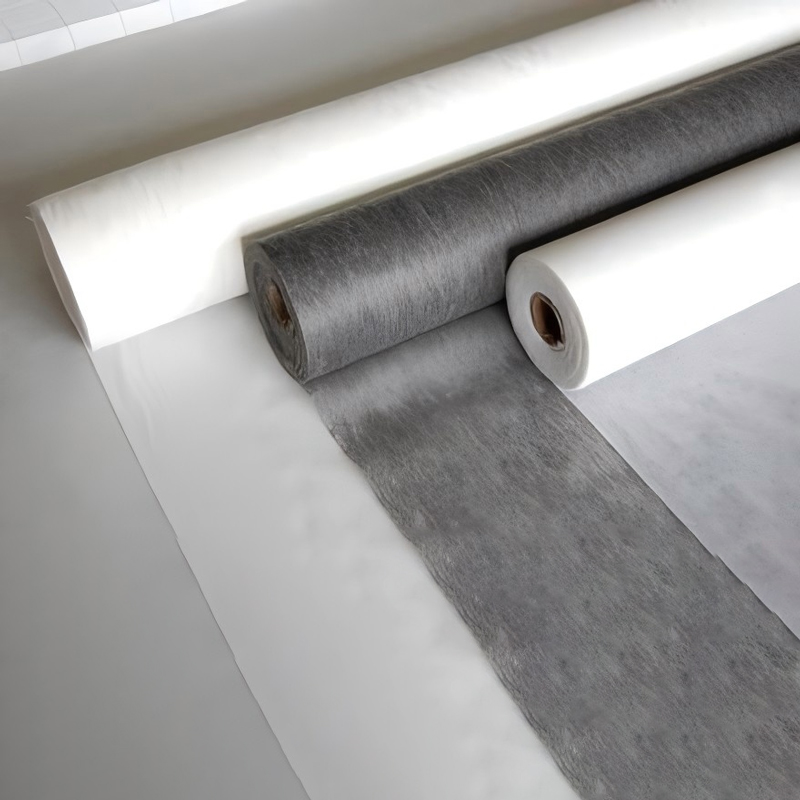 Nonwoven Interlining
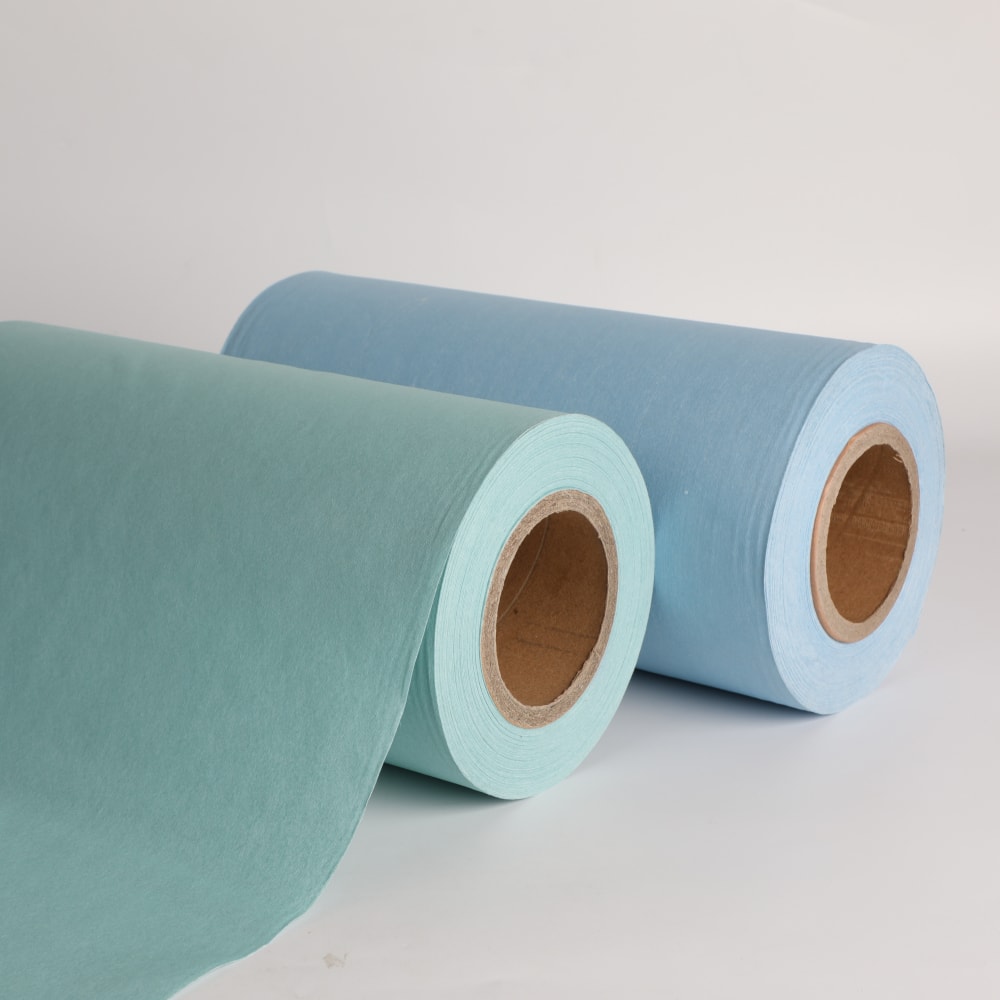 Fluid Repellent Woodpulp Spunlace Nonwoven
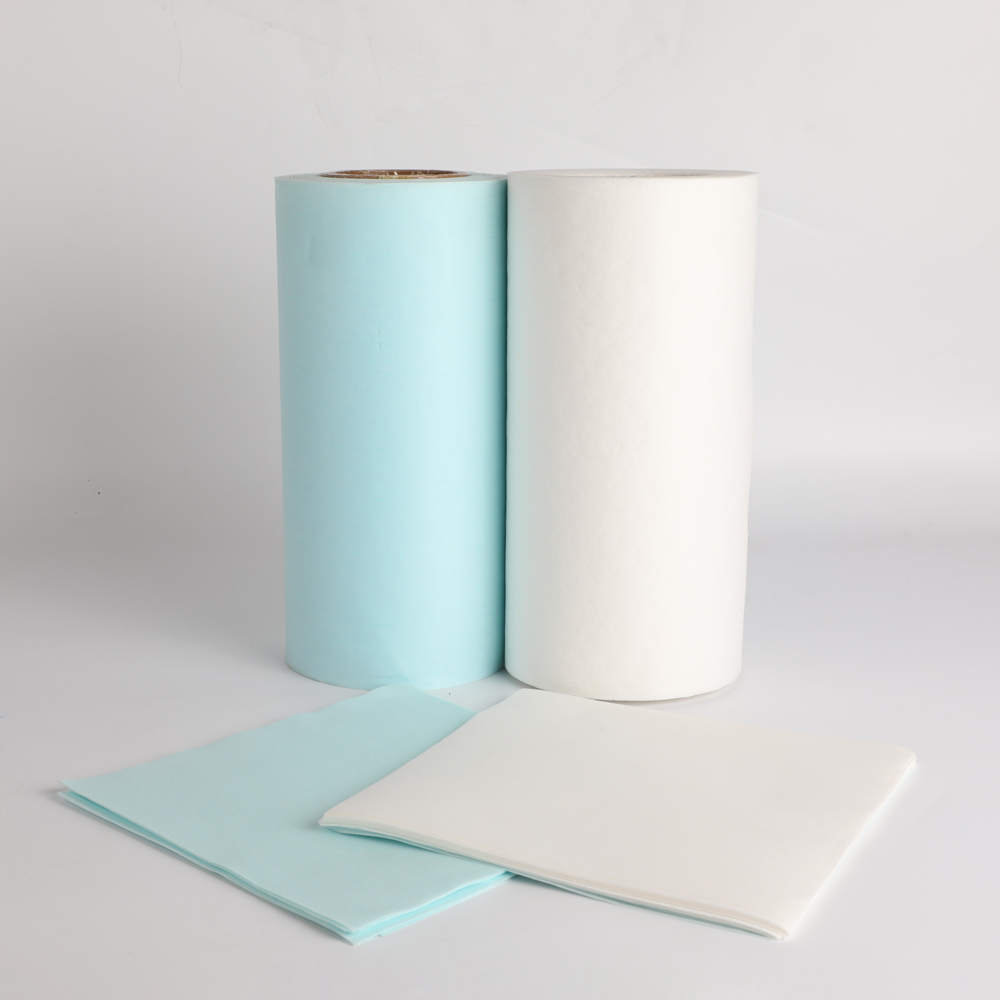 Woodpulp Nonwoven Wipe
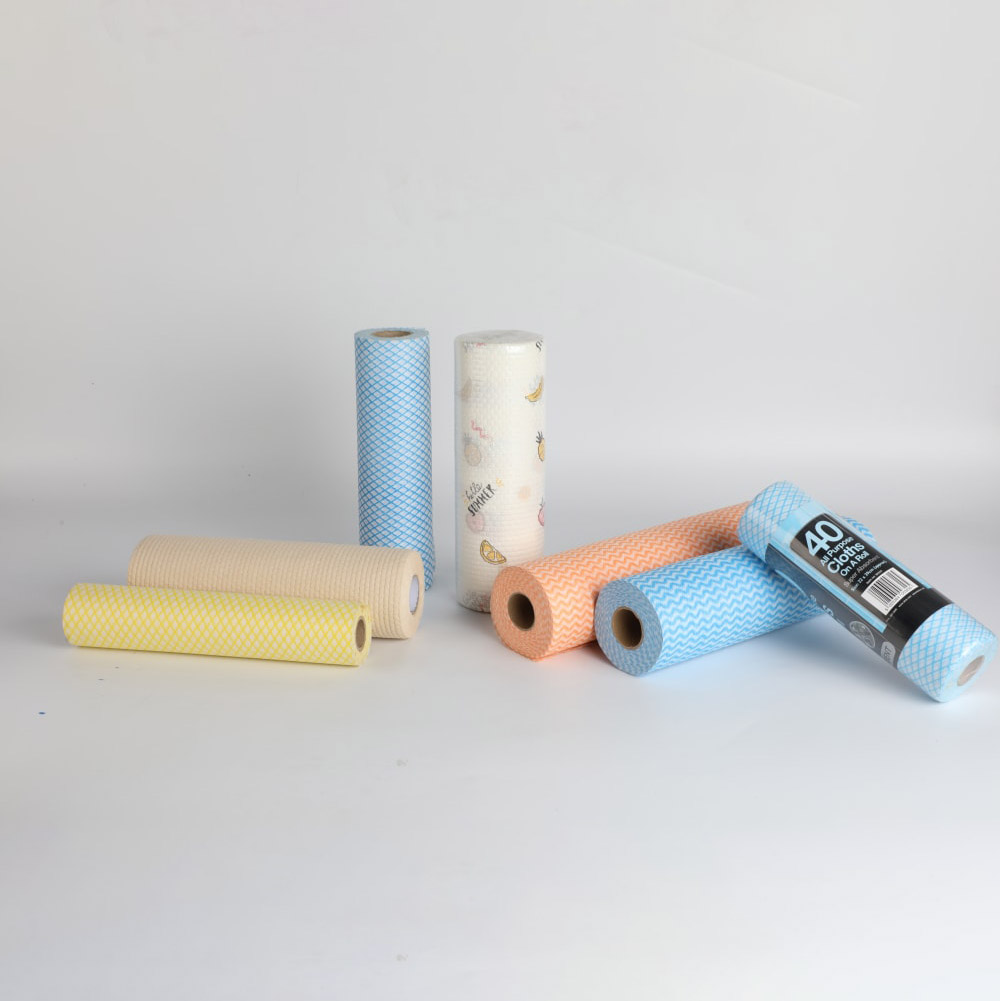 Nonwoven Cleaning Wipe
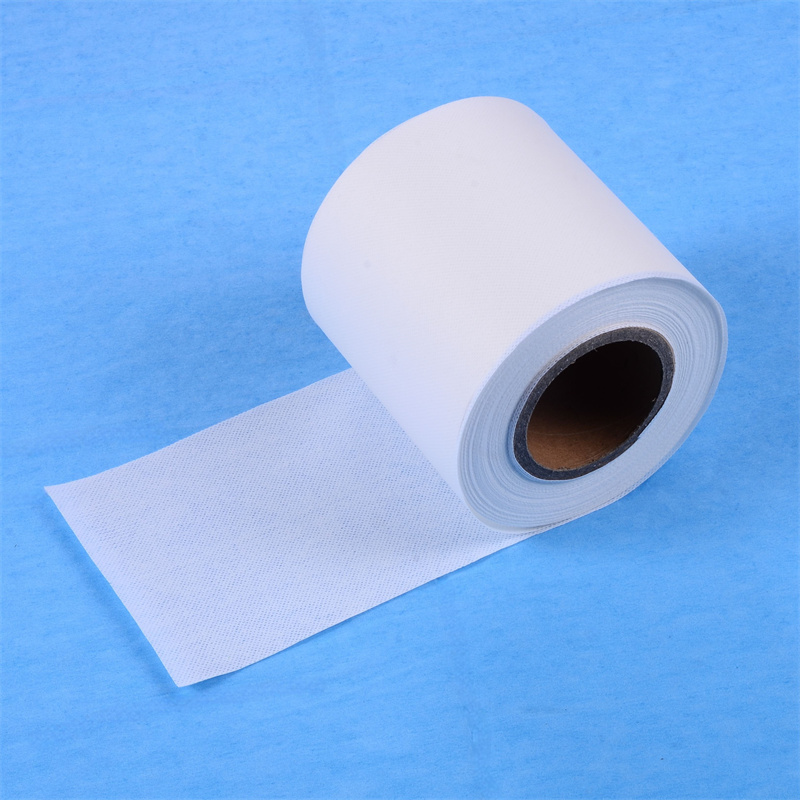 Flame Retardant Nonwoven Fabric
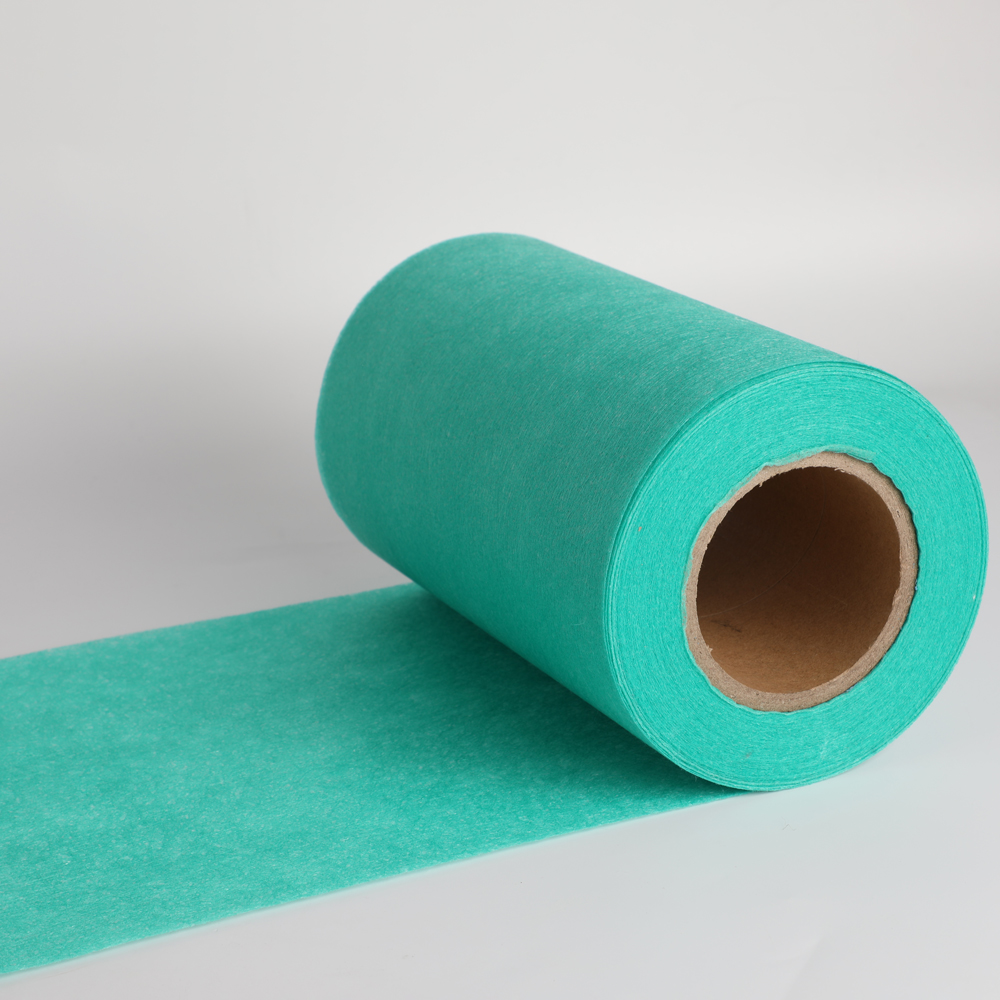 Anti-Bacterial Nonwoven
 CONTACT WhatsApp
 CONTACT WeChat

 CONTACT NUMBER
 CONTACT EMAIL