What is Nonwoven Filter Material and Its Applications?
Nonwoven Filter Material is gaining traction in various industries due to its unique properties. This type of material is made from synthetic fibers, bonded together through mechanical, thermal, or chemical processes. Its structure allows for efficient filtration while maintaining flexibility. Many companies and researchers recognize its potential for enhancing air and water purification systems.
Industries, ranging from healthcare to automotive, increasingly rely on nonwoven filter materials. They provide an effective way to capture particles, pollutants, and bacteria, ensuring cleaner environments. Their lightweight nature and customizable features make them ideal for various applications. However, it is essential to evaluate the environmental impact of their production and disposal.
While nonwoven filter materials are innovative, challenges remain. The durability and longevity of these filters can vary. Some may not perform effectively under certain conditions. Continuous research and development are necessary to address these issues. Balancing efficiency and eco-friendliness becomes crucial as we explore the future of filtration technology.
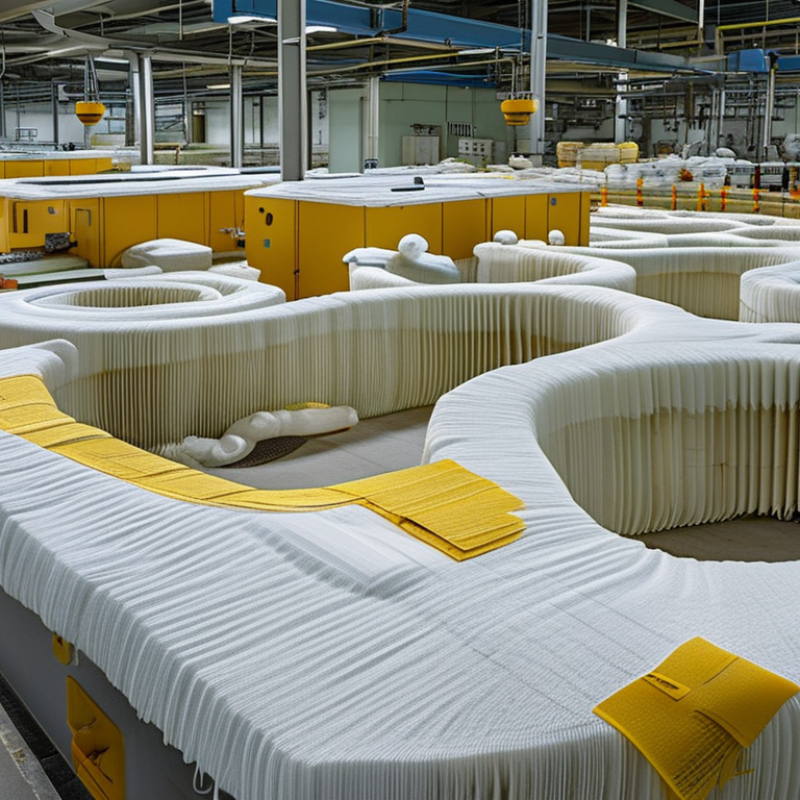
Definition and Composition of Nonwoven Filter Materials
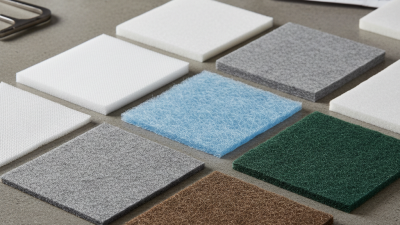
Nonwoven filter materials are engineered products made from fibers bonded together by mechanical, thermal, or chemical means. These materials exist in various forms, such as webs and sheets, and lack the traditional woven structure. According to industry reports, the global demand for nonwoven filter materials is expected to reach USD 15.9 billion by 2026, driven by their superior filtration capabilities and low production costs. The composition often includes synthetic fibers like polypropylene and polyester, known for their durability and resistance to moisture.
The filtration efficiency of these nonwoven materials can reach up to 98% for certain applications. This high performance makes them suitable for air and liquid filtration systems. In air purification, for instance, they capture fine particles, including allergens and bacteria. However, achieving the right balance between filtration efficiency and airflow remains a challenge. Some materials can become clogged quickly, reducing effectiveness over time. Additionally, regular testing is needed to ensure compliance with health and environmental standards.
In applications like automotive and HVAC systems, nonwoven materials are increasingly preferred. Their lightweight and flexible design allows for easy integration into various setups. Yet, manufacturers must constantly innovate to address issues related to the sustainability and recyclability of these materials. As the industry grows, so does the need for responsible sourcing and disposal practices. The exploration of biodegradable alternatives is ongoing, though challenges remain in terms of performance and cost.
Key Manufacturing Processes of Nonwoven Filter Materials
Nonwoven filter materials are crucial in various applications, primarily due to their efficiency and adaptability. The manufacturing processes behind these materials significantly influence their performance and suitability. One of the most common methods is needle punching. This process entangles fibers through barbed needles, creating a dense structure that enhances filtration capabilities. It's widely used in air and liquid filtration.
Another key method is thermal bonding, which uses heat to fuse fibers together. This technique allows for the creation of lighter materials, making them suitable for applications where weight is a concern. However, the challenges include maintaining uniformity and ensuring that the bond doesn't compromise filter efficiency.
Tips: Always consider the specific application requirements when selecting a filter material. Testing prototypes can save time and resources in the final stages. Additionally, keep in mind that while production methods can enhance performance, the material's overall design also plays a critical role. Evaluating these processes often leads to better material performance and reliability in real-world applications.
Market Demand and Growth Trends in the Nonwoven Filter Industry
The nonwoven filter material market has been gaining traction in recent years. With growing awareness about air and water quality, the demand for effective filtration solutions is surging. Nonwoven materials provide an excellent option due to their unique structure. They allow for high flow rates while capturing pollutants effectively.
Industry trends show a focus on sustainability. Manufacturers are looking to use recycled materials in creating nonwoven fabrics. This movement aligns with global efforts to reduce waste and promote eco-friendly practices. Despite these advancements, challenges remain. Not all nonwoven materials are biodegradable, and the technology for creating them can require significant resources.
For those considering using nonwoven filters, it’s essential to assess your specific needs. Every application might require different properties, such as thickness or tensile strength. Understanding these parameters will help in selecting the appropriate material.
Choosing the right supplier also matters. Research their production processes and sustainability commitments. Many new entrants in the market may not have established credibility. Ensure that the materials meet necessary industry standards to guarantee safety and performance.
Market Demand and Growth Trends in the Nonwoven Filter Industry
Applications of Nonwoven Filter Materials in Air and Liquid Filtration
Nonwoven filter materials are gaining attention for their versatility. These materials, made from fibers that are bonded together, offer unique benefits in both air and liquid filtration. Their structure allows for effective particle retention, making them suitable for various applications. In air filtration, nonwoven fabrics efficiently trap dust and allergens. This capability enhances indoor air quality and promotes healthier living environments.
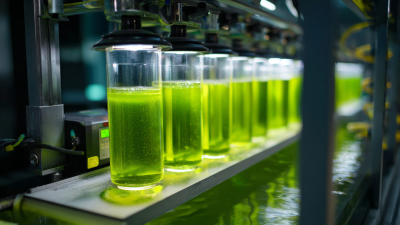
In liquid filtration, nonwoven materials are used in industries such as food and beverage, pharmaceuticals, and wastewater treatment. Their ability to remove contaminants ensures process efficiency and product safety. The design of nonwoven filters allows for high flow rates with low pressure drops, which is an advantage in many systems. However, some applications may require refinement and optimization for specific needs.
Despite their advantages, there are challenges in using nonwoven filter materials. Variability in fiber composition and density can affect performance. Achieving a balance between filtration efficiency and air or liquid flow is critical. Continuous testing and development are necessary to improve these materials and expand their applications further. As industries evolve, the demand for reliable filter solutions will likely drive innovation in nonwoven technology.
Performance Metrics and Efficiency Standards for Nonwoven Filters
Nonwoven filter materials have gained traction in various industries due to their exceptional filtration properties. Their effectiveness depends on several performance metrics and efficiency standards. Key metrics include filtration efficiency, pressure drop, and dust holding capacity. Filtration efficiency quantifies the material's ability to capture particles. It often varies based on the size and nature of the particles being filtered.
Pressure drop is another crucial factor. It measures the resistance that air encounters while passing through the filter. A high pressure drop indicates that the filter may be obstructed or less efficient. Selecting the right balance of efficiency and airflow is essential. Dust holding capacity represents how much particulate matter the filter can retain before it needs replacement. It is vital for determining the filter's lifespan and maintenance frequency.
Different applications require filters to meet specific efficiency standards. For example, in healthcare settings, strict standards ensure that airborne pathogens are effectively captured. However, not all filters meet these standards, raising concerns about reliability. The industry continually strives for improved materials and designs. These advancements are necessary to address shortcomings in performance and maintain consistent quality. Understanding these metrics assists in making informed decisions.

 PP Laminates
 Multi Laminates
 Spunlace Nonwoven Laminates
 Breathable Film Laminates
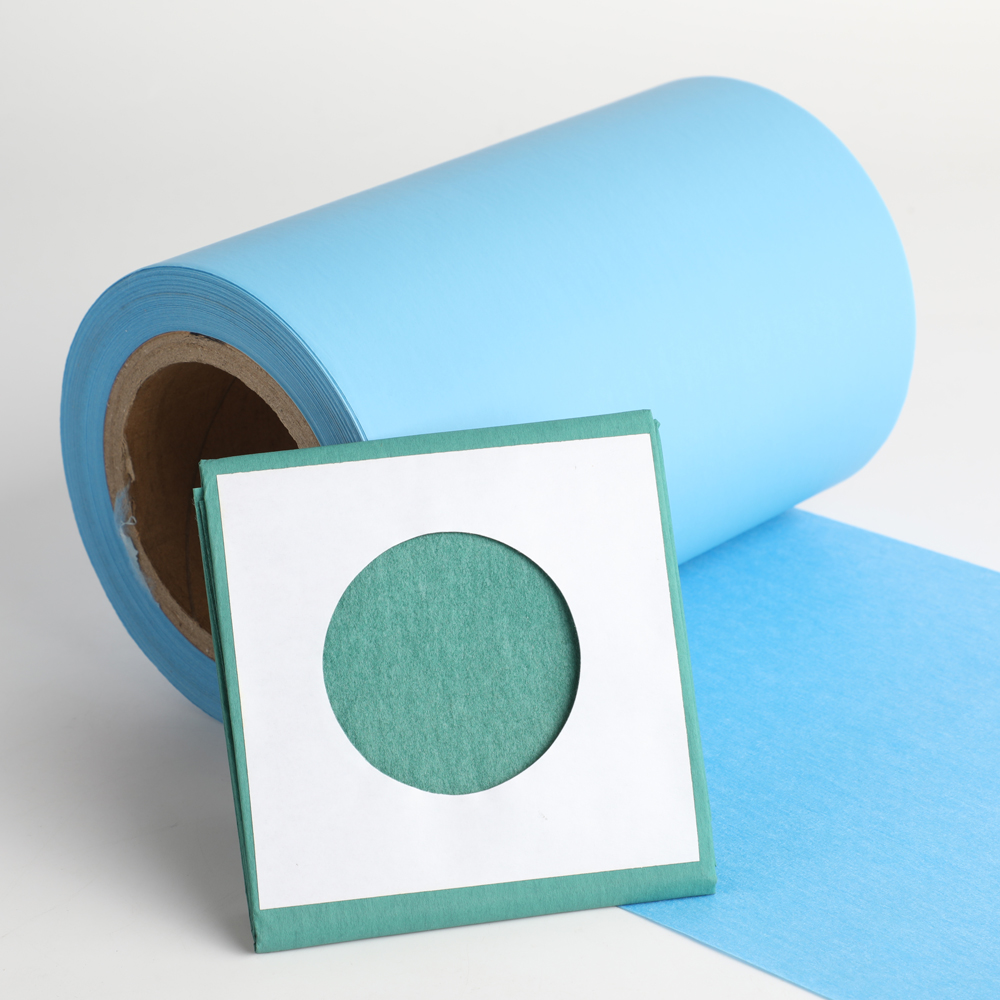 Viscose Laminates
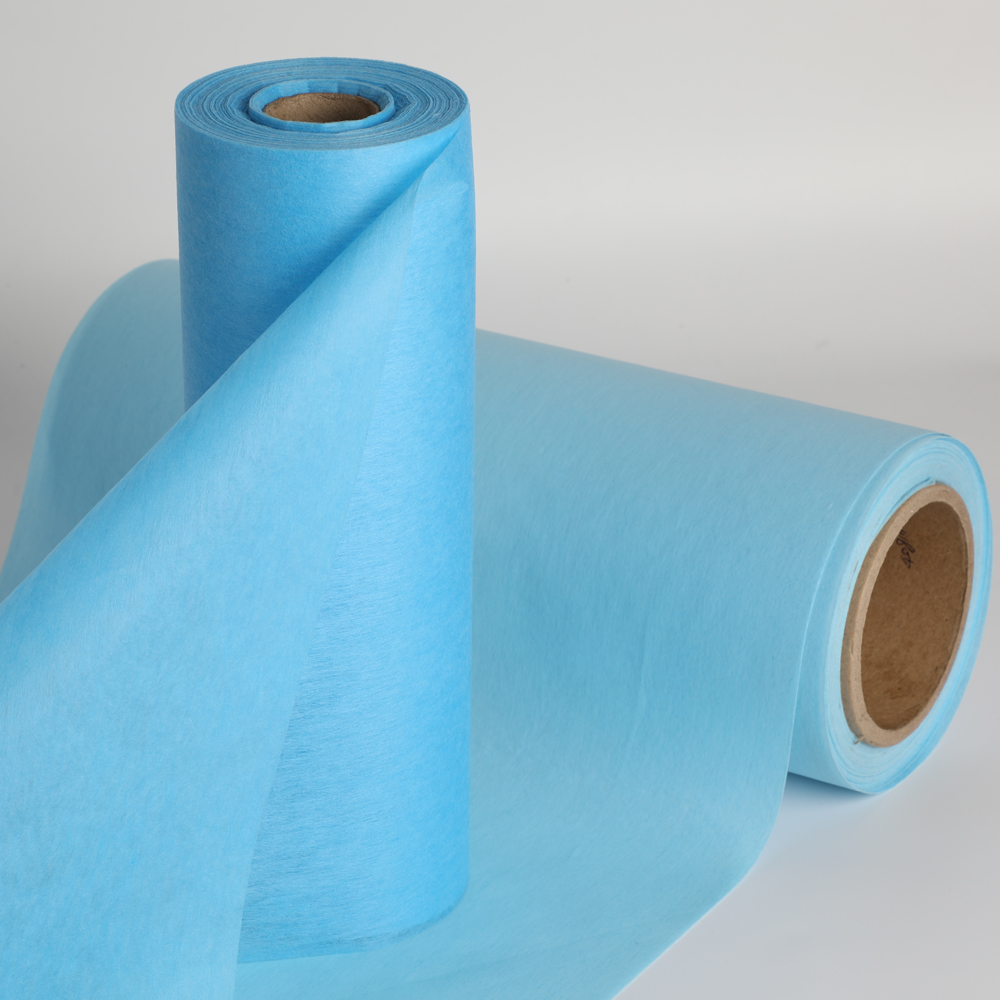 Medical Viscose Nonwoven
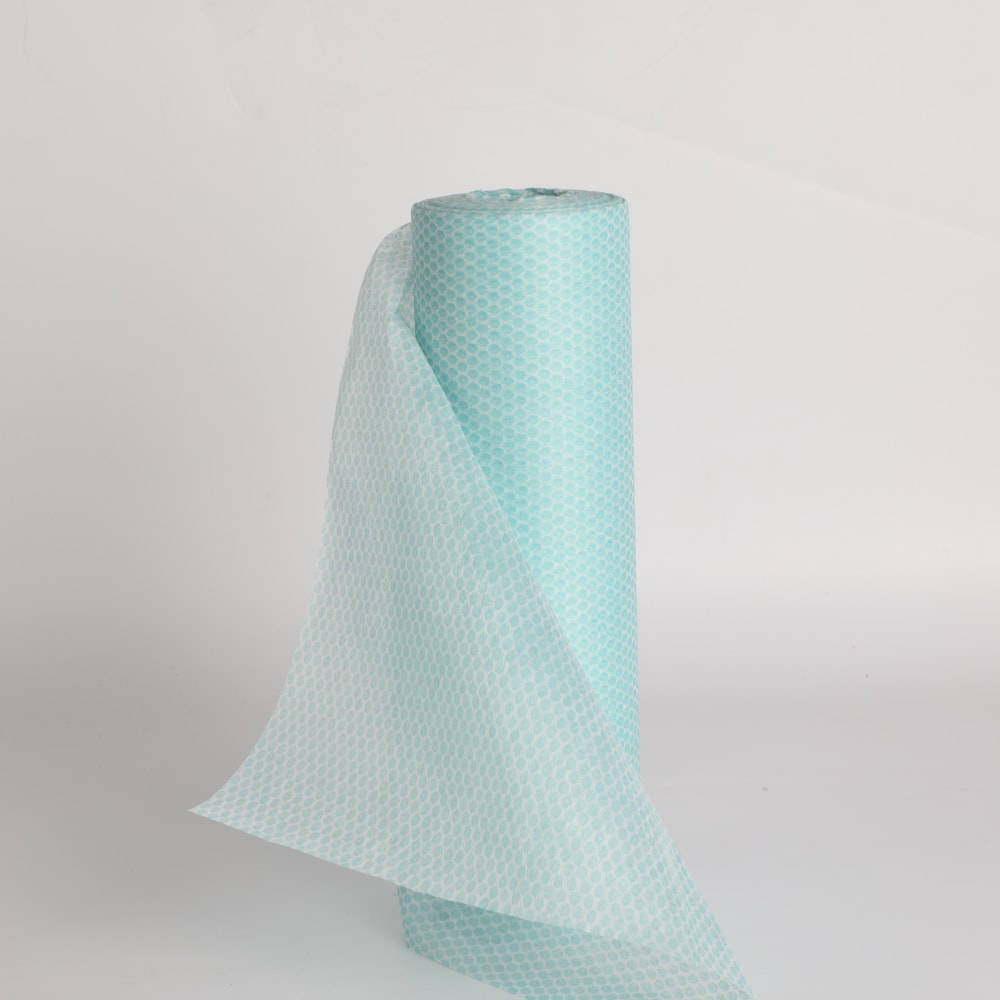 Head Wear Nonwoven
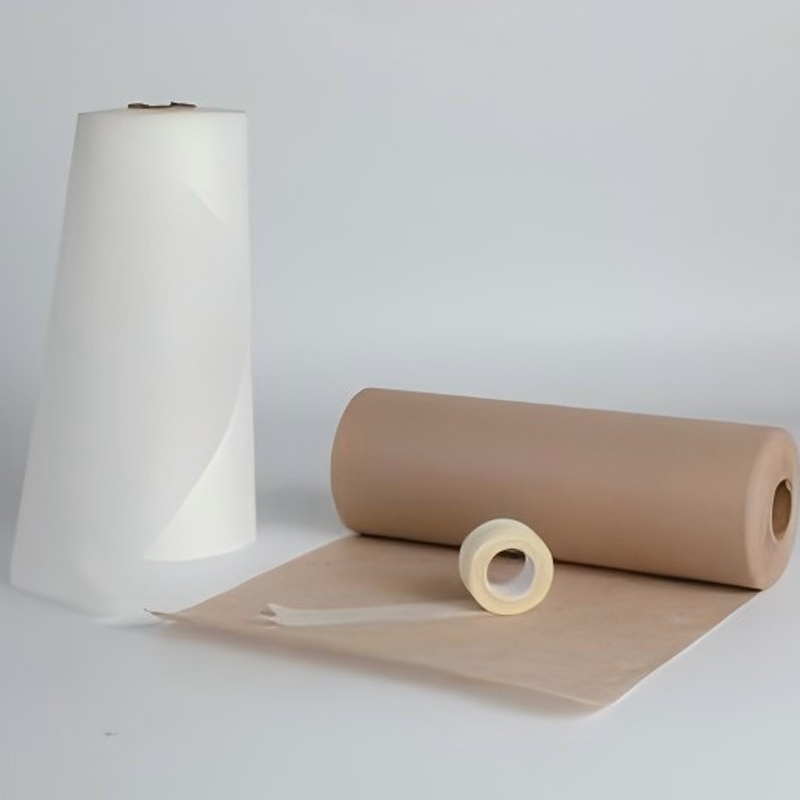 Medical Tape Nonwoven
 Snus Pouch Nonwoven
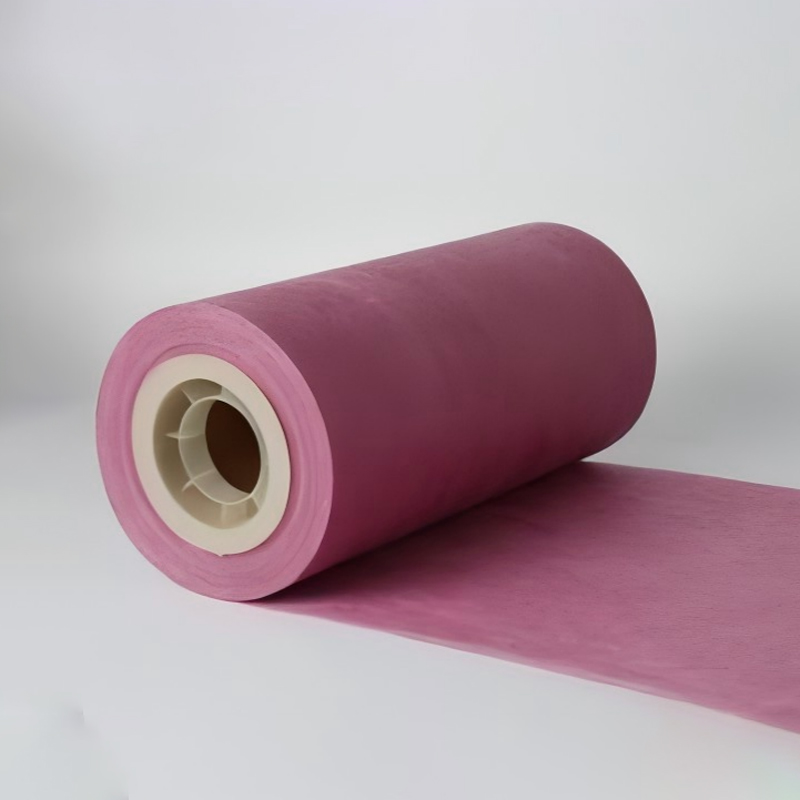 Filtration Nonwoven
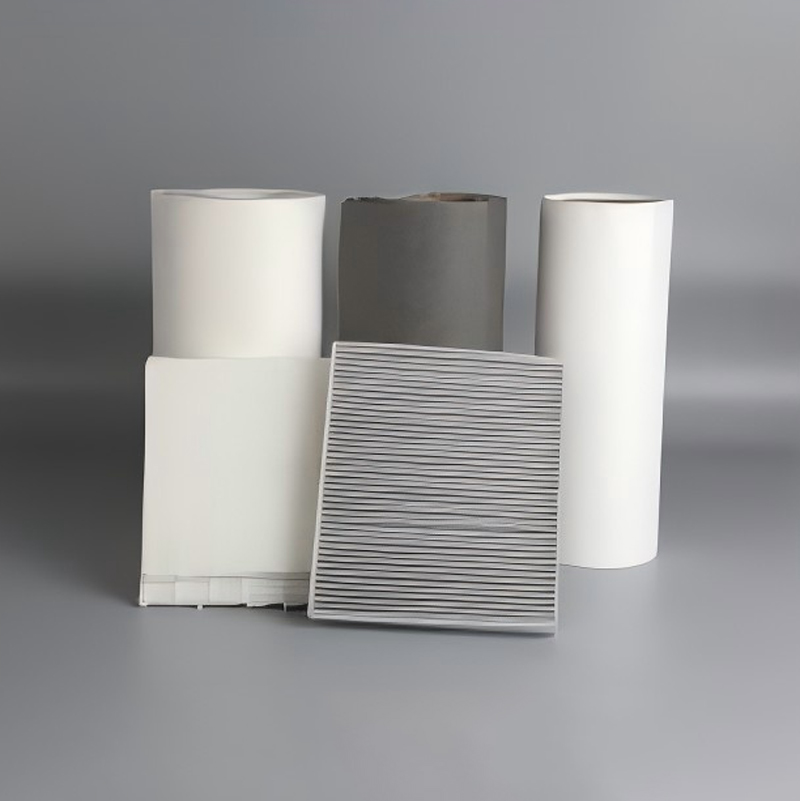 Air Filter Media
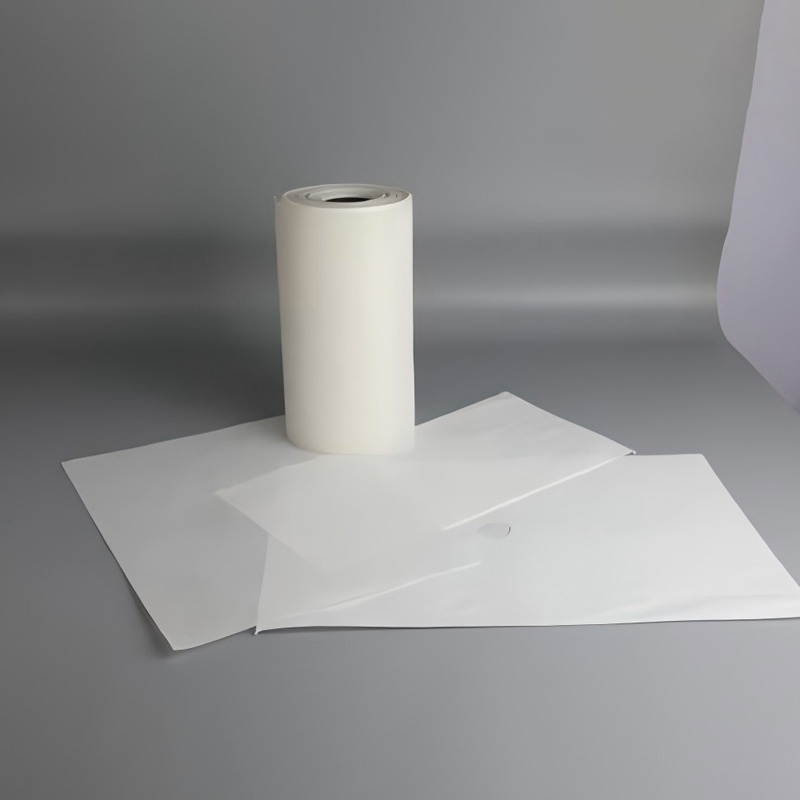 Liquid Filter Media
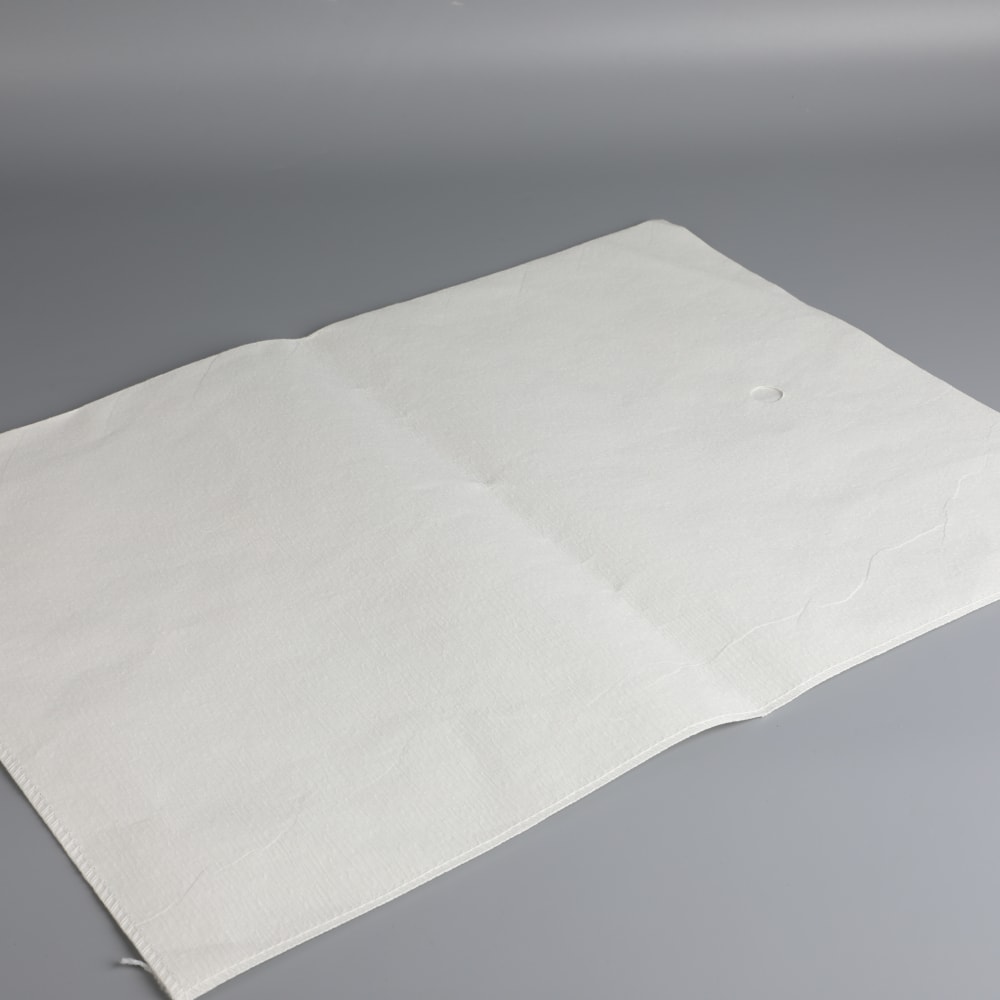 Filter Envelope & Filter Sheet
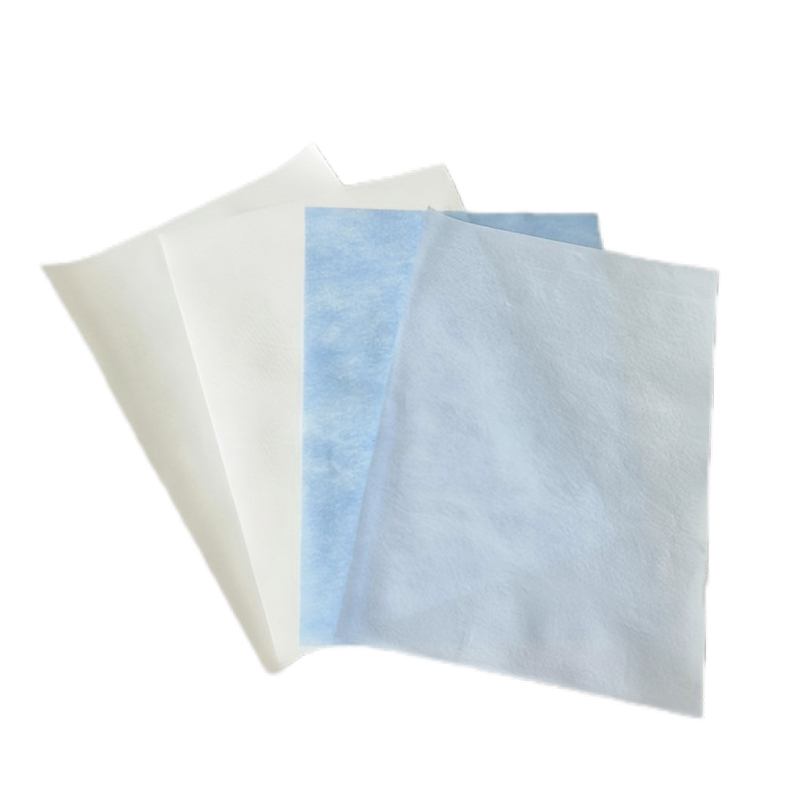 Breathable Film Laminates
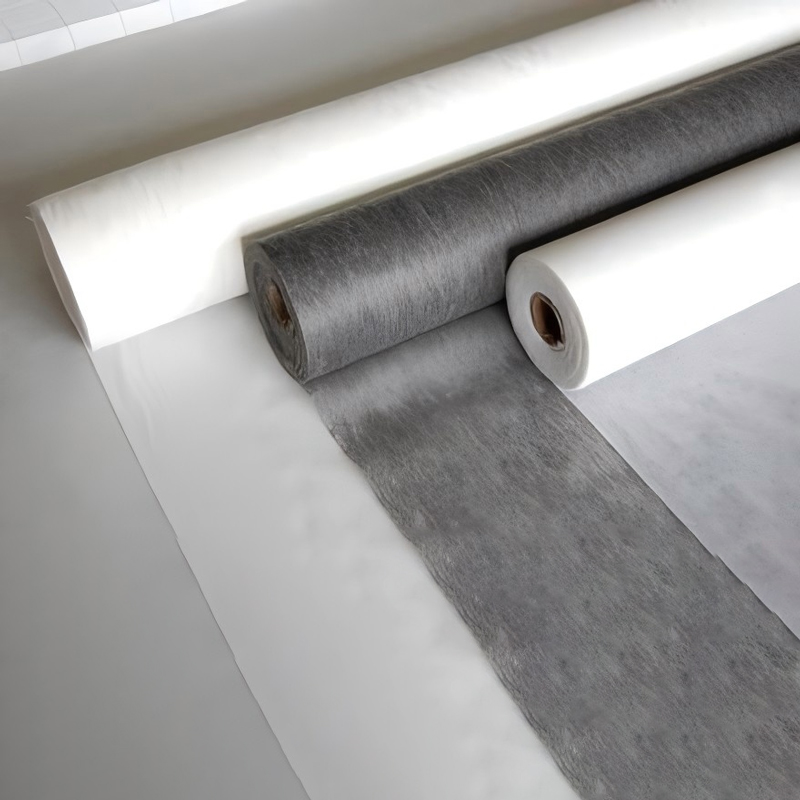 Nonwoven Interlining
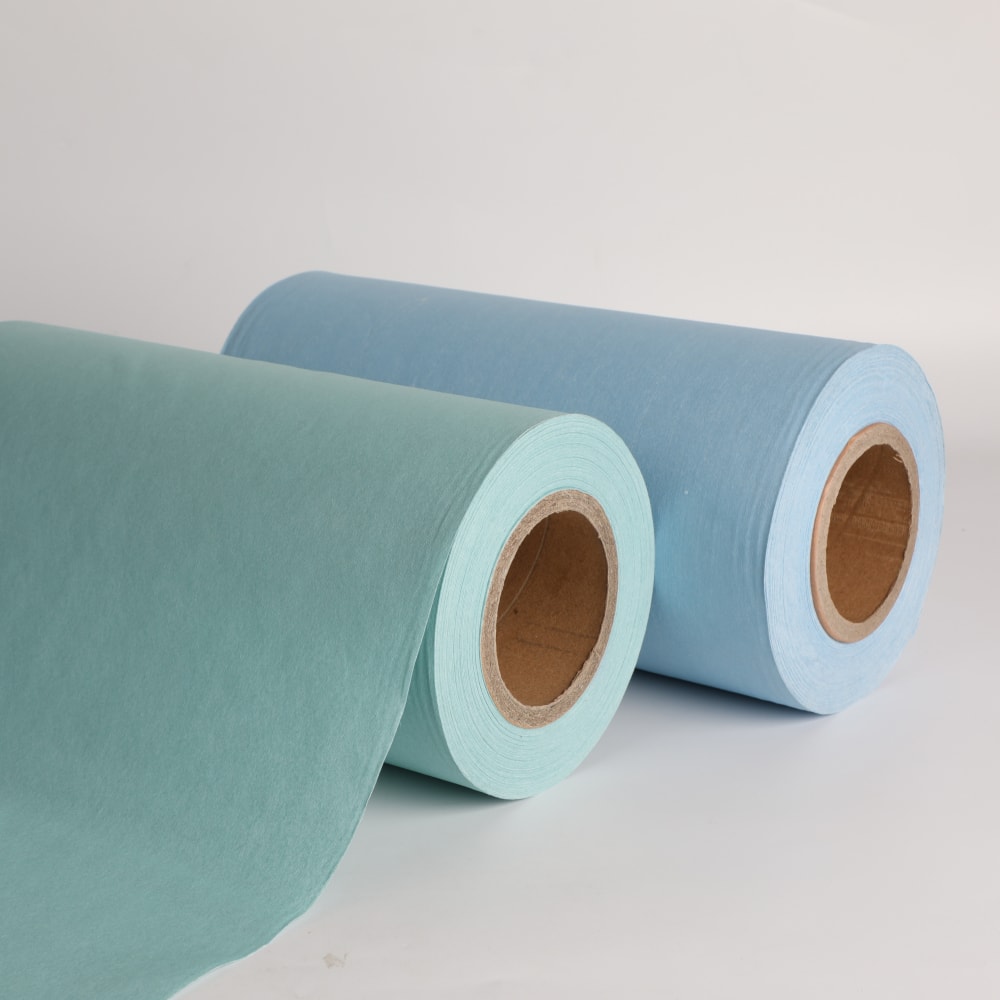 Fluid Repellent Woodpulp Spunlace Nonwoven
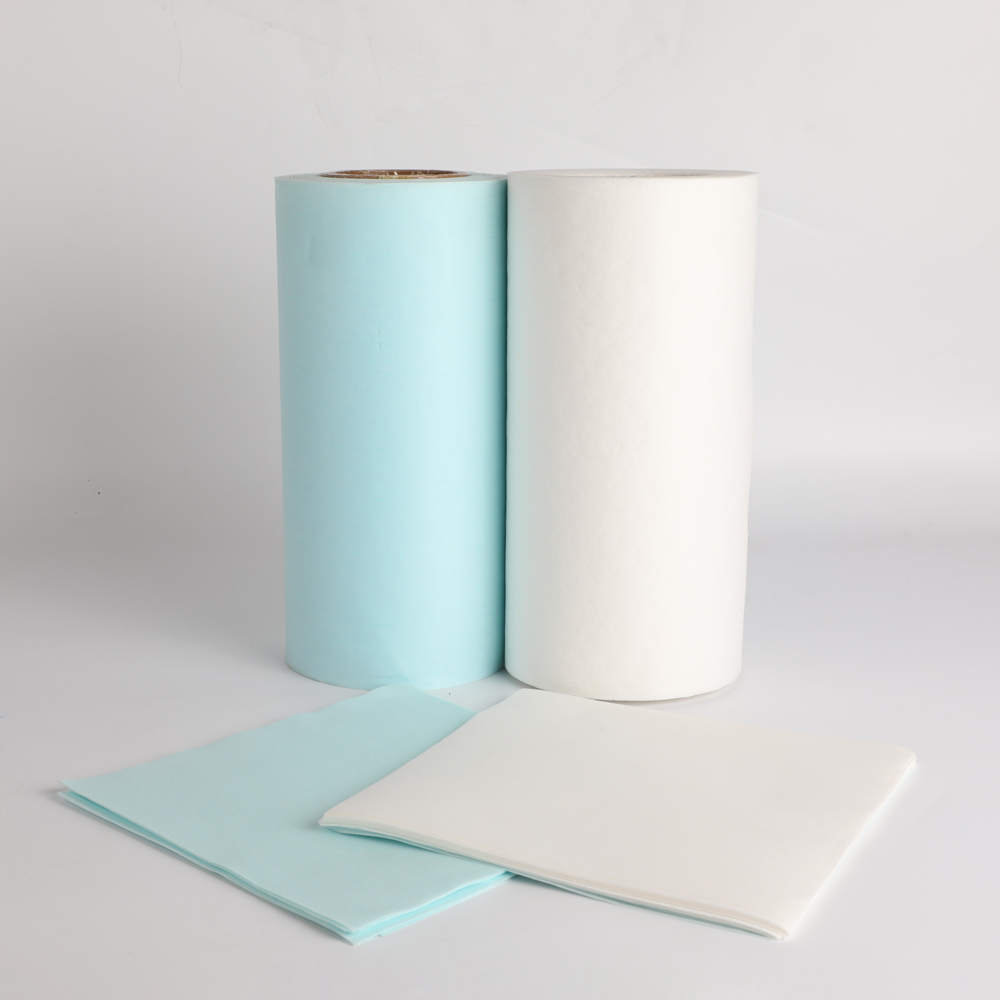 Woodpulp Nonwoven Wipe
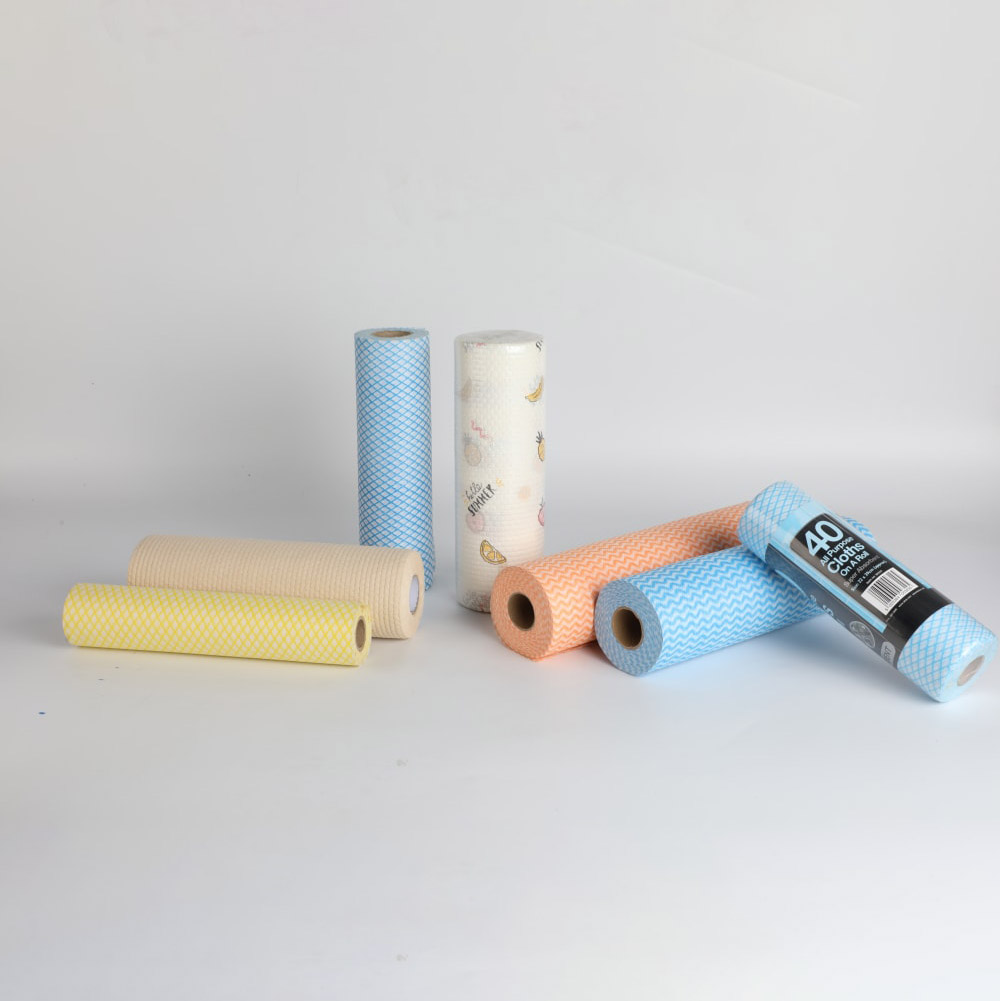 Nonwoven Cleaning Wipe
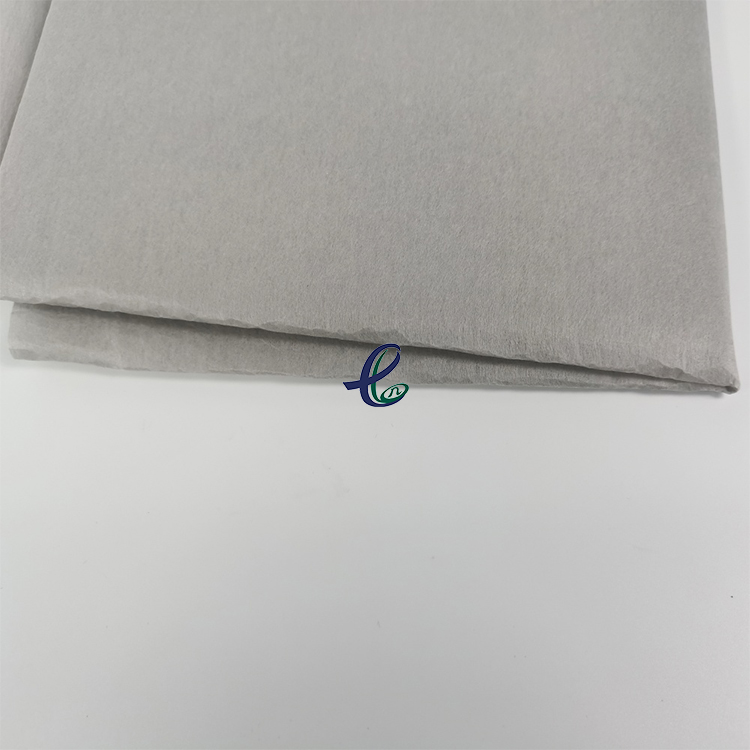 Curtain Nonwoven
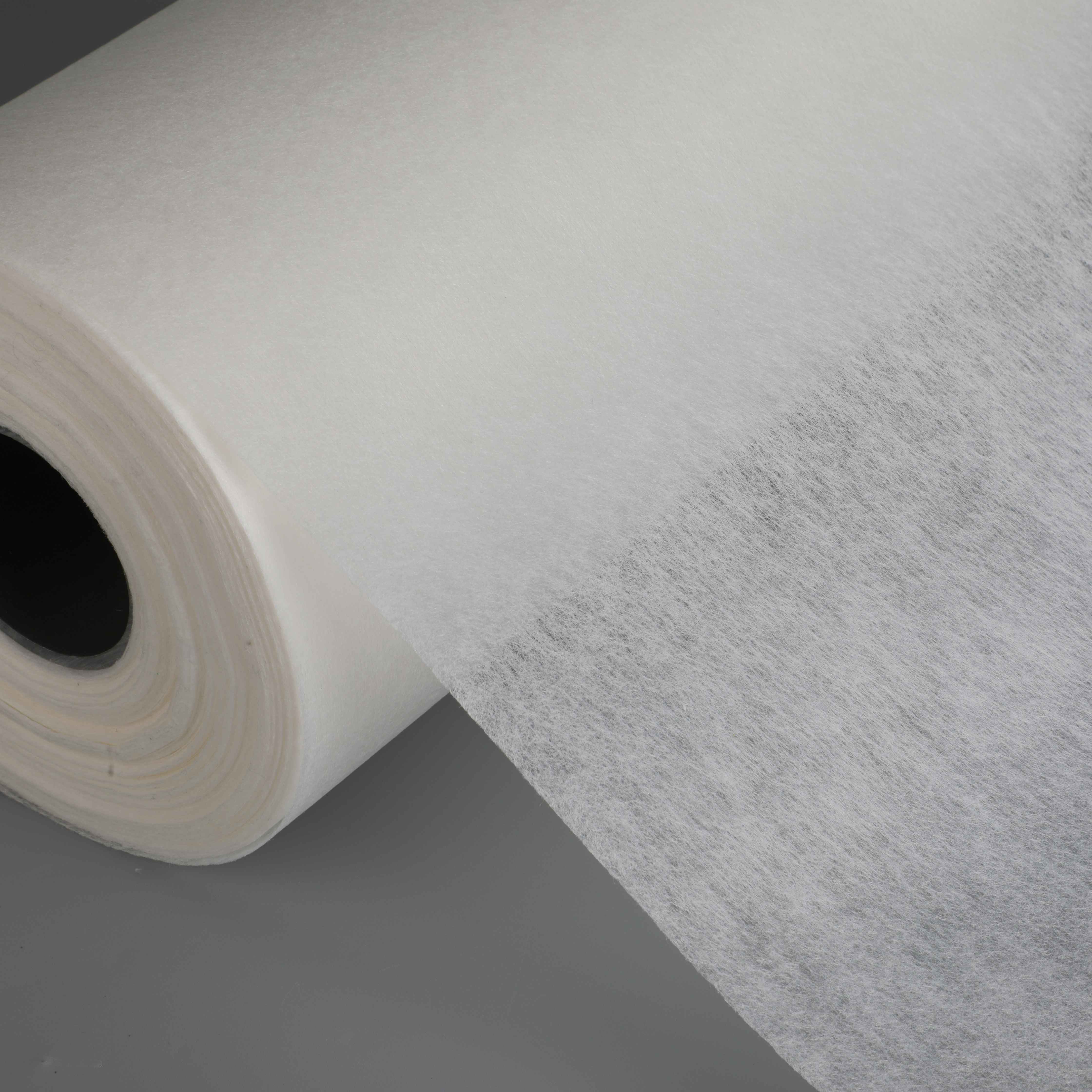 Food Grade Packaging Nonwoven
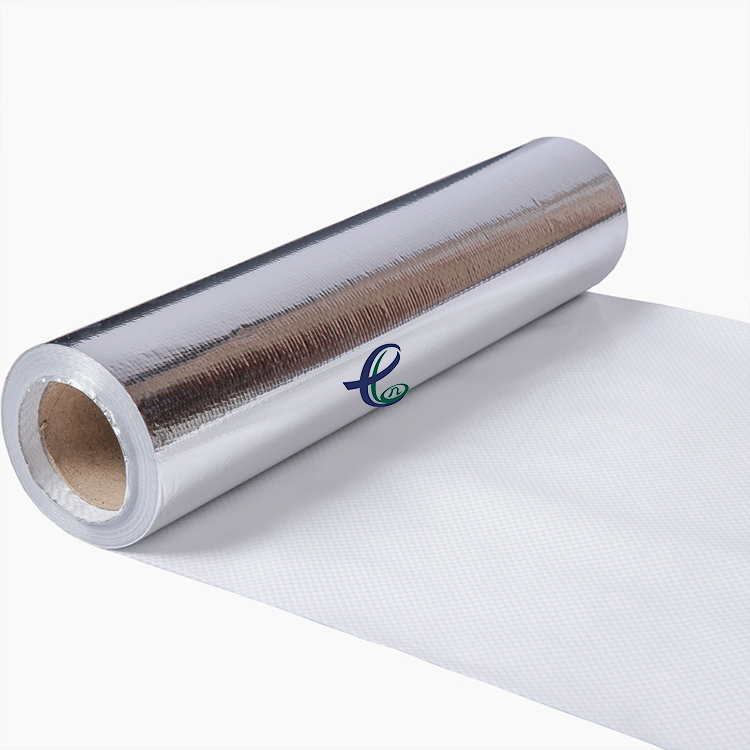 Aluminized Nonwoven
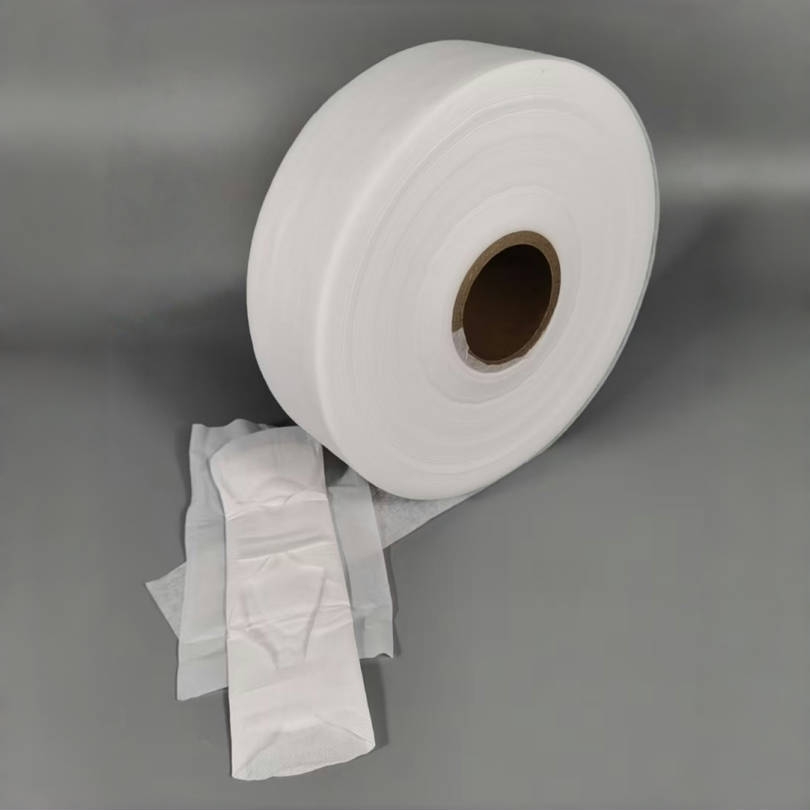 Hot Air Cotton Nonwoven
 Flame Retardant Nonwoven
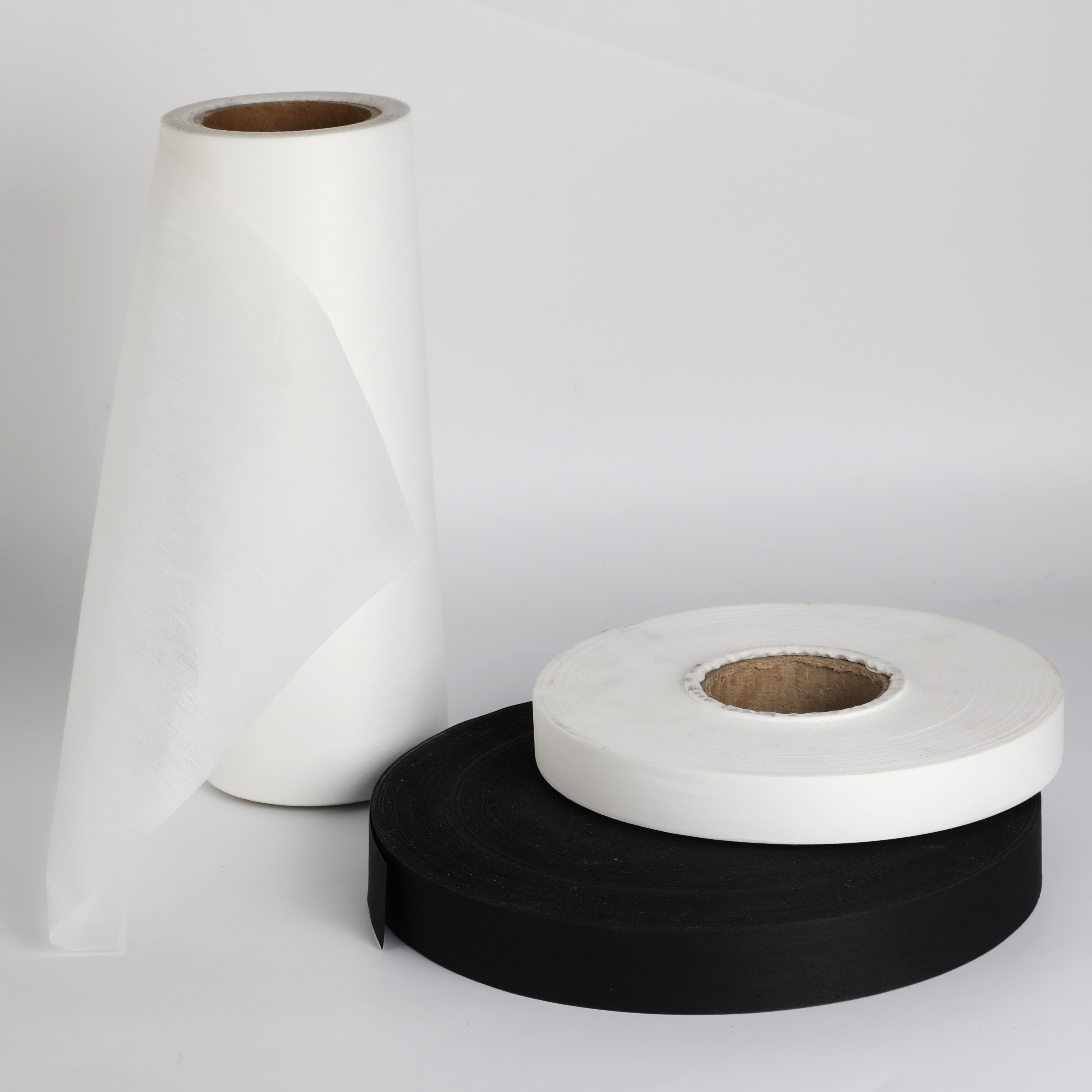 Cable Wrapping Nonwoven
 Semi-conductive Nonwoven
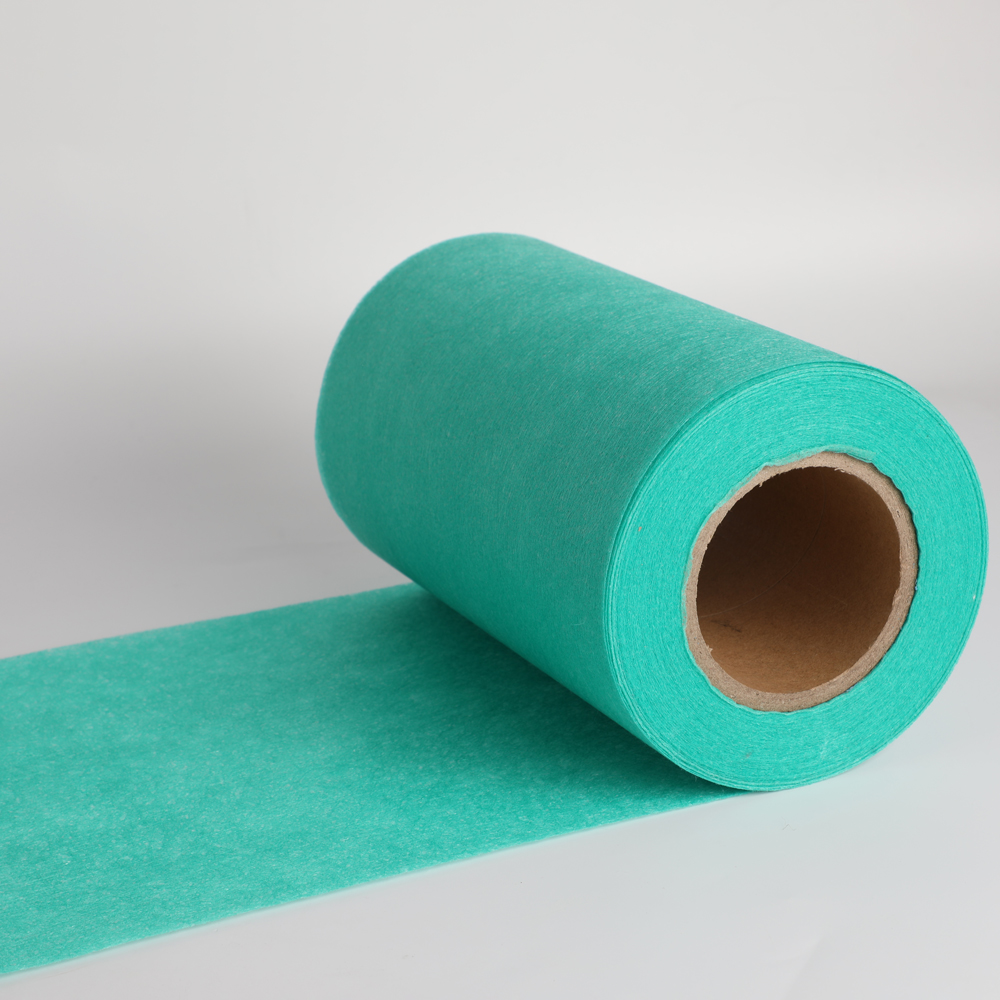 Anti-Bacterial Nonwoven
 +8613957712400
 CONTACT WhatsApp
 CONTACT WeChat
 CONTACT NUMBER
 CONTACT EMAIL