| Material |
Fiber composition |
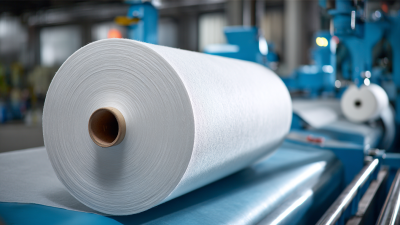
100% polyester staple fiber or polyester spunbond filaments |
Polyester provides good dimensional stability, abrasion resistance, and resistance to many common chemicals. |
Choose 100% polyester when consistent performance, low moisture absorption, and long service life are priorities. |
| Manufacturing Method |
Web-forming process |
Spunbond, needle-punched, thermal-bonded, or stitch-bonded construction |
The production method affects strength, surface texture, flexibility, porosity, and thickness. |
Use spunbond for lightweight continuous fabrics; select needle-punched material for cushioning, filtration support, or geotextile applications. |
| Weight |
Basis weight |
Common commercial range: approximately 15–300 g/m² |
Higher basis weight generally increases coverage, opacity, thickness, and potential strength, but may reduce flexibility. |
Select a lighter weight for wrapping and disposable products; select a heavier weight for reinforcement, insulation, and protective layers. |
| Mechanical Performance |
Tensile and tear strength |
Varies according to fiber type, bonding method, orientation, and basis weight |
Adequate strength helps the fabric resist stretching, tearing, and handling damage during use. |
Request machine-direction and cross-direction test data, especially when the fabric will be cut, sewn, laminated, or exposed to load. |
| Dimensional Stability |
Shrinkage and heat resistance |
Polyester softens and melts at high temperatures; exact limits depend on construction and finishing |
Stable dimensions improve fit and reduce deformation during storage, converting, or moderate heat exposure. |
Confirm the intended operating temperature and perform a shrinkage test before choosing fabric for heat-forming or thermal processing. |
| Moisture Management |
Water absorption and permeability |
Polyester fibers have low moisture regain; fabric permeability depends on porosity and finishing |
Low moisture absorption supports quick drying and helps maintain dimensional stability in humid conditions. |
Choose a porous structure for air or water passage; specify hydrophilic or hydrophobic finishing according to the end use. |
| Surface Performance |
Abrasion and lint control |
Can range from smooth, low-lint surfaces to textured needle-punched surfaces |
Surface design influences appearance, handling, particulate release, and resistance to repeated rubbing. |
For cleanroom-related or wiping applications, request particle and lint-release testing rather than relying only on visual appearance. |
| Chemical Resistance |
Resistance to common chemicals |
Generally resistant to many dilute acids and alkalis; strong chemicals, solvents, and high temperatures require testing |
Chemical compatibility helps prevent loss of strength, discoloration, swelling, or surface damage. |
Provide the exact chemical concentration, contact time, temperature, and exposure method for application-specific compatibility testing. |
| Filtration |
Air permeability and filtration efficiency |
Performance depends on fiber diameter, pore structure, basis weight, electrostatic treatment, and test conditions |
A controlled pore structure can provide particle capture while maintaining suitable airflow. |
Specify target particle size, flow rate, pressure drop, humidity, and applicable test method before selecting a filtration grade. |
| Fire Performance |
Flammability and flame-retardant treatment |
Untreated polyester is combustible; flame-retardant versions require application-specific verification |
Fire performance can reduce ignition risk and support compliance with project or regulatory requirements. |
Do not assume flame resistance from fiber content alone; request test results for the final fabric, coating, and finished product. |
| Environmental Exposure |
UV and weather resistance |
Outdoor durability depends on polymer quality, stabilizers, color, construction, and exposure intensity |
Improved weather resistance helps reduce loss of strength and color caused by sunlight and outdoor conditions. |
For outdoor use, select UV-stabilized material and verify performance using an agreed accelerated-aging or outdoor-exposure test. |
| Sustainability |
Recycled content and end-of-life options |
Recycled polyester may be available; recyclability is affected by coatings, laminations, dyes, and mixed fibers |
Material selection can reduce dependence on virgin resources and support a more circular product design. |
Request verified recycled-content documentation and avoid unnecessary mixed-material laminations when recyclability is important. |
| Quality Control |
Consistency and tolerances |
Check basis weight, width, thickness, color, tensile strength, moisture, and roll appearance |
Consistent fabric reduces production interruptions, rejects, and variation in finished-product performance. |
Define inspection limits, sampling frequency, roll-length tolerance, packaging requirements, and retained-sample procedures in advance. |
| Application Fit |
End-use requirements |
Construction Filtration Medical Packaging |
The correct structure balances strength, softness, permeability, protection, appearance, and cost for the intended use. |
Create a written specification covering performance, dimensions, testing, certifications, packaging, and storage conditions before purchasing. |

 PP Laminates
 Multi Laminates
 Spunlace Nonwoven Laminates
 Breathable Film Laminates
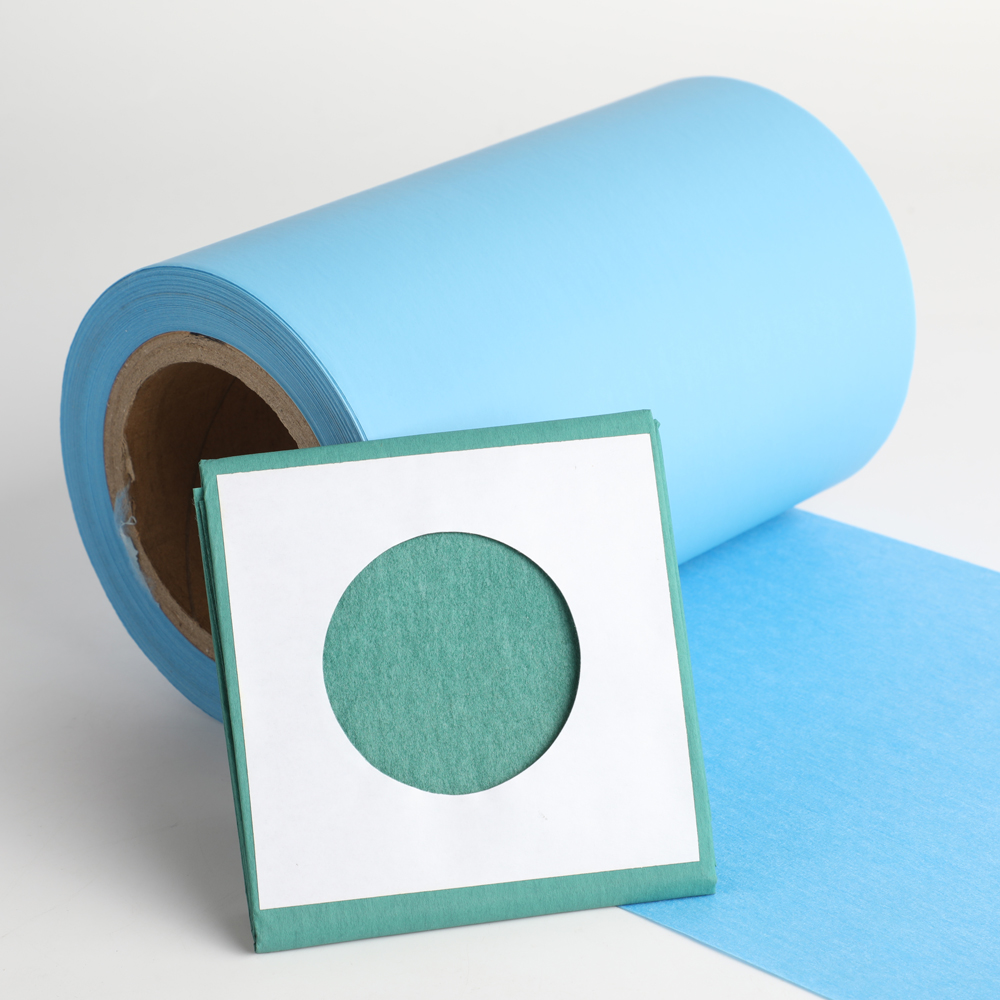 Viscose Laminates
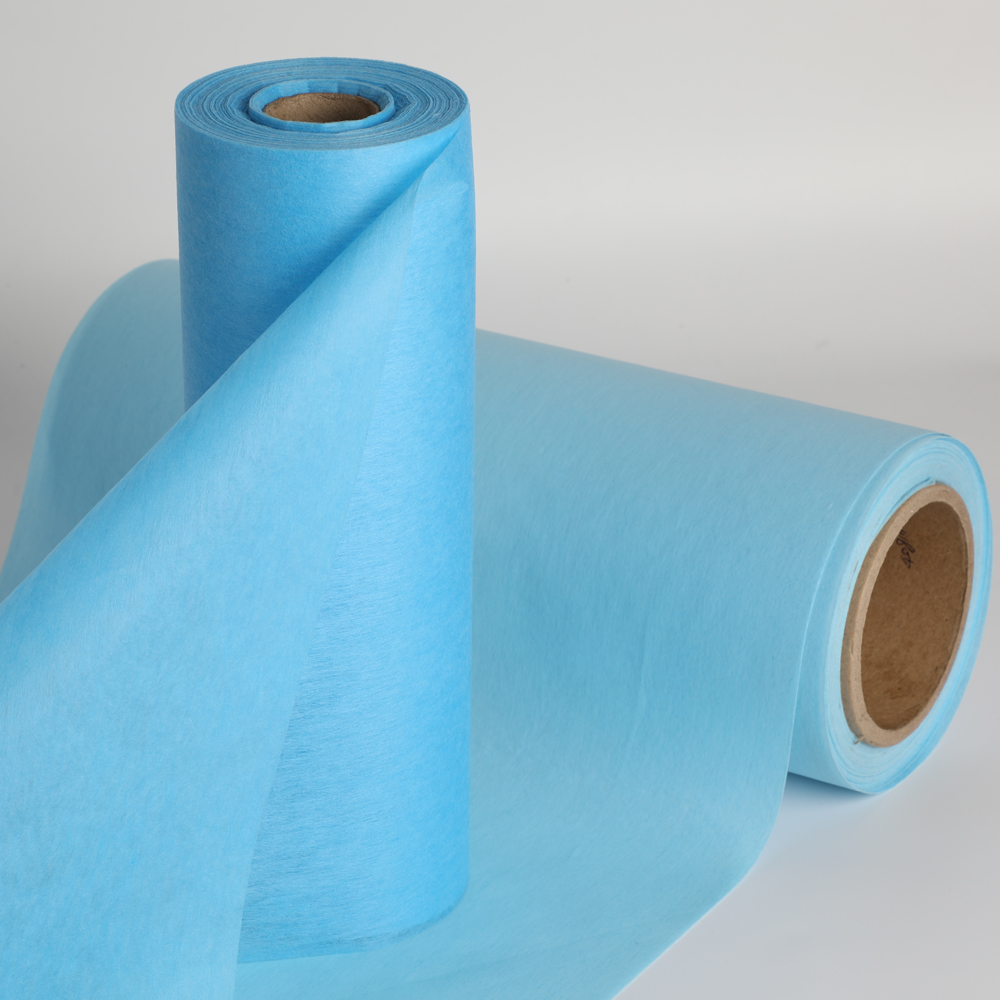 Medical Viscose Nonwoven
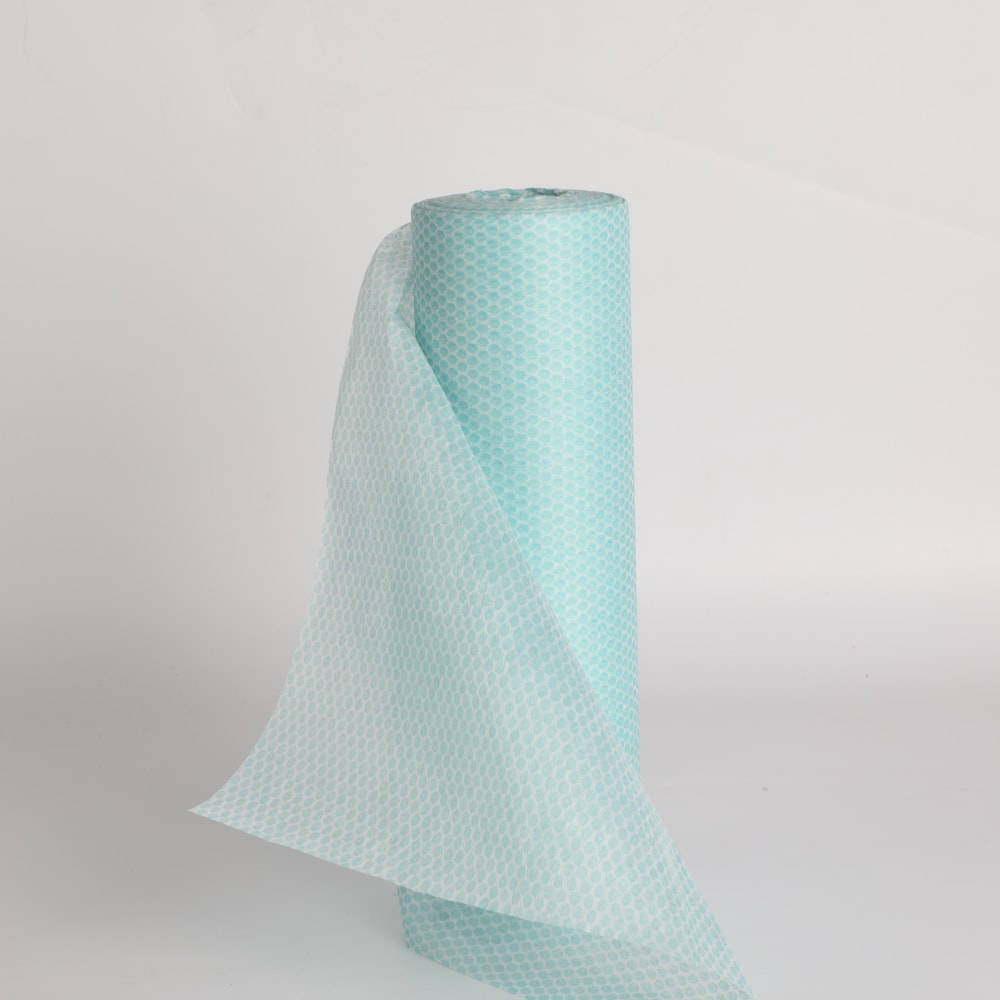 Head Wear Nonwoven
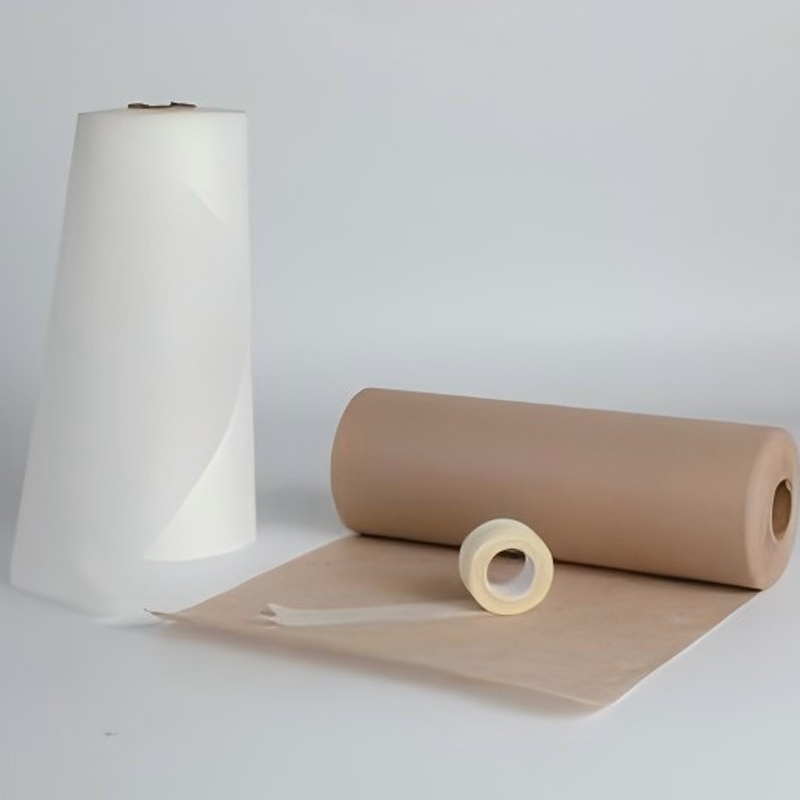 Medical Tape Nonwoven
 Snus Pouch Nonwoven
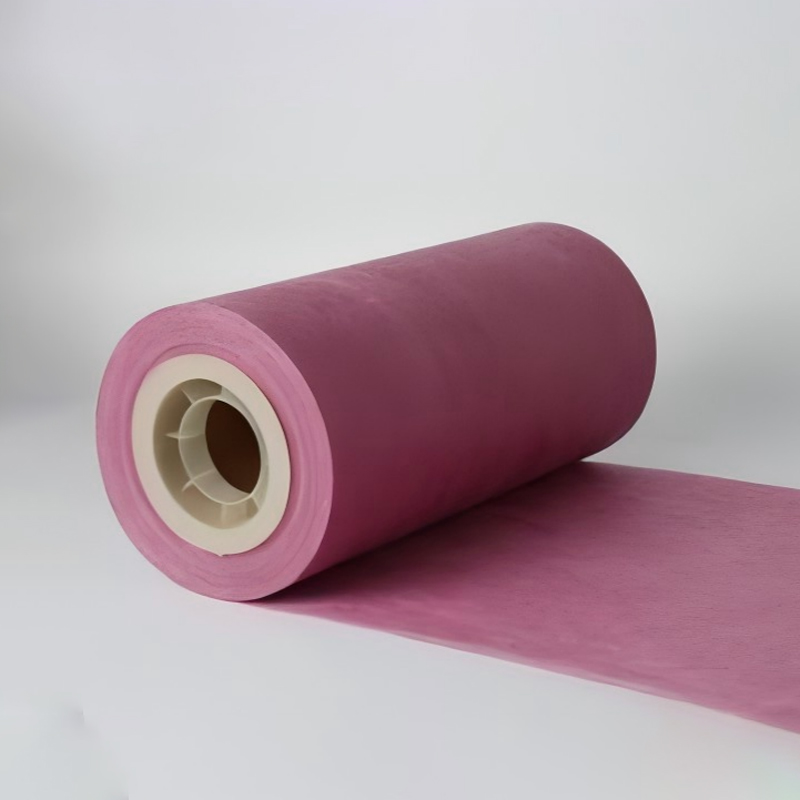 Filtration Nonwoven
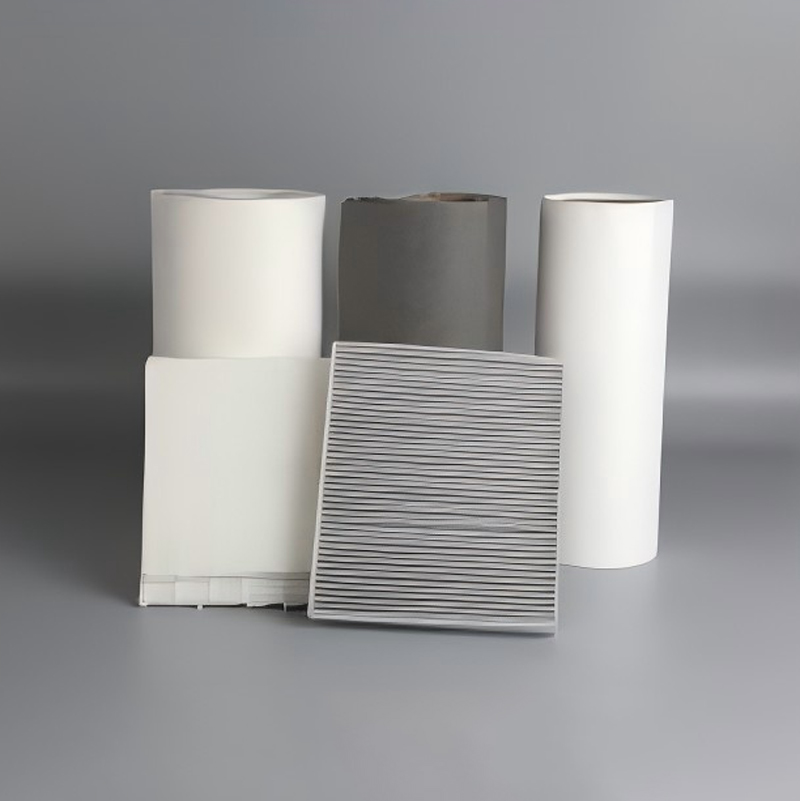 Air Filter Media
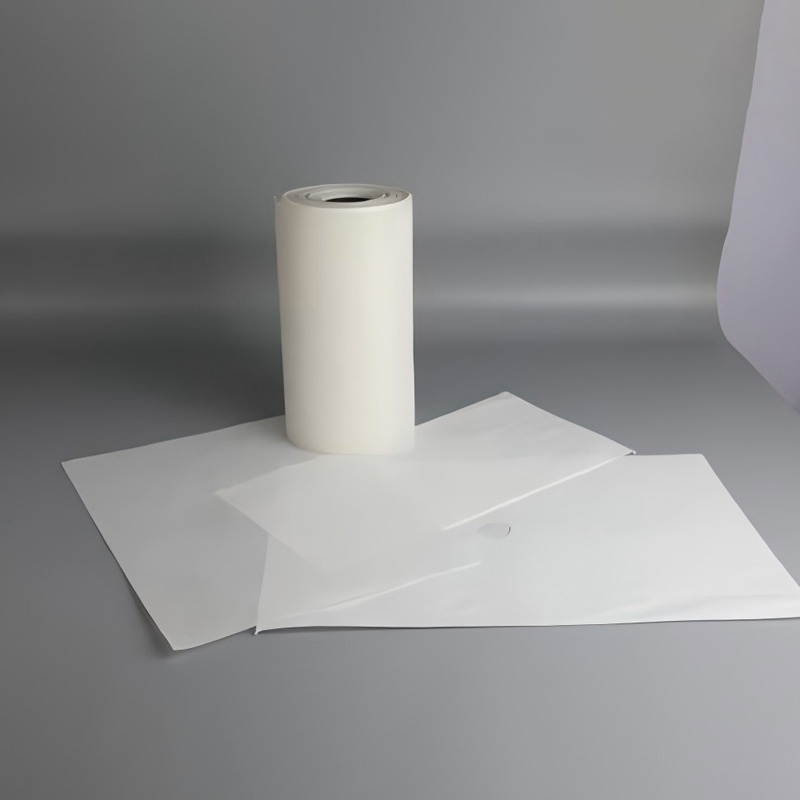 Liquid Filter Media
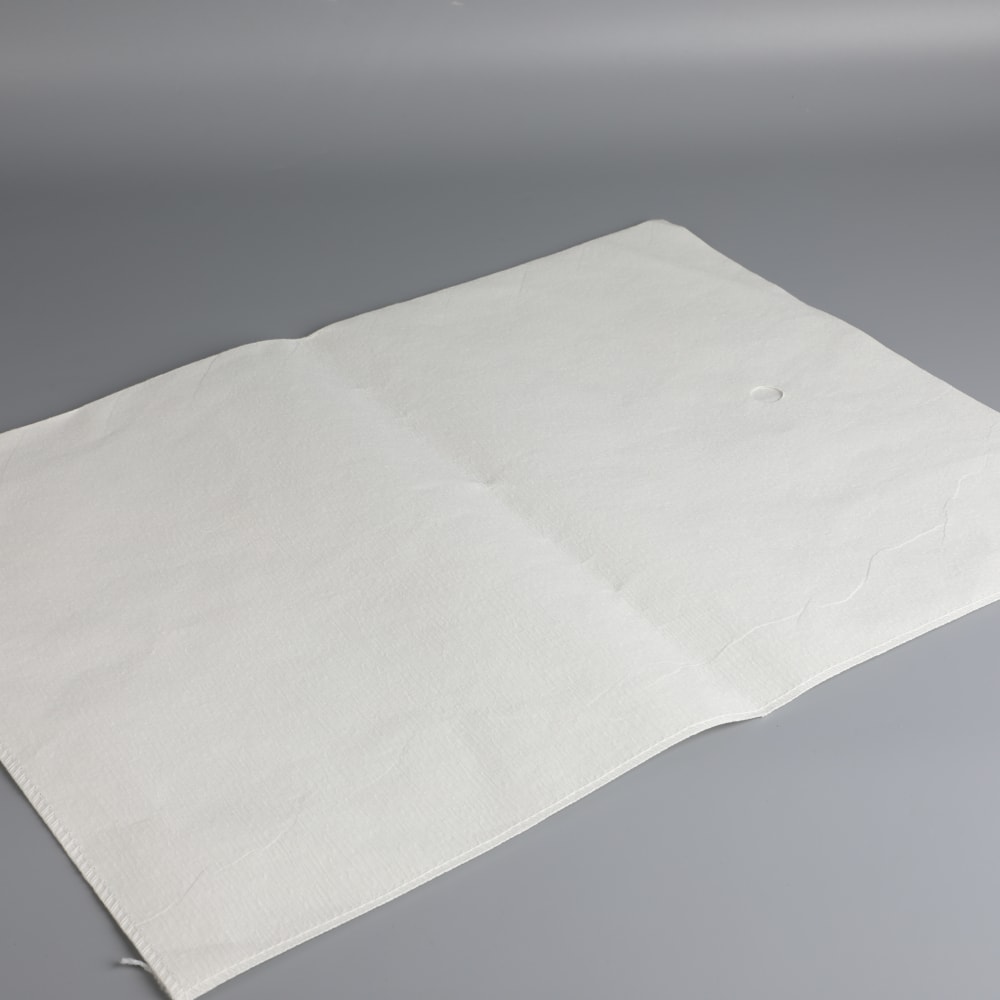 Filter Envelope & Filter Sheet
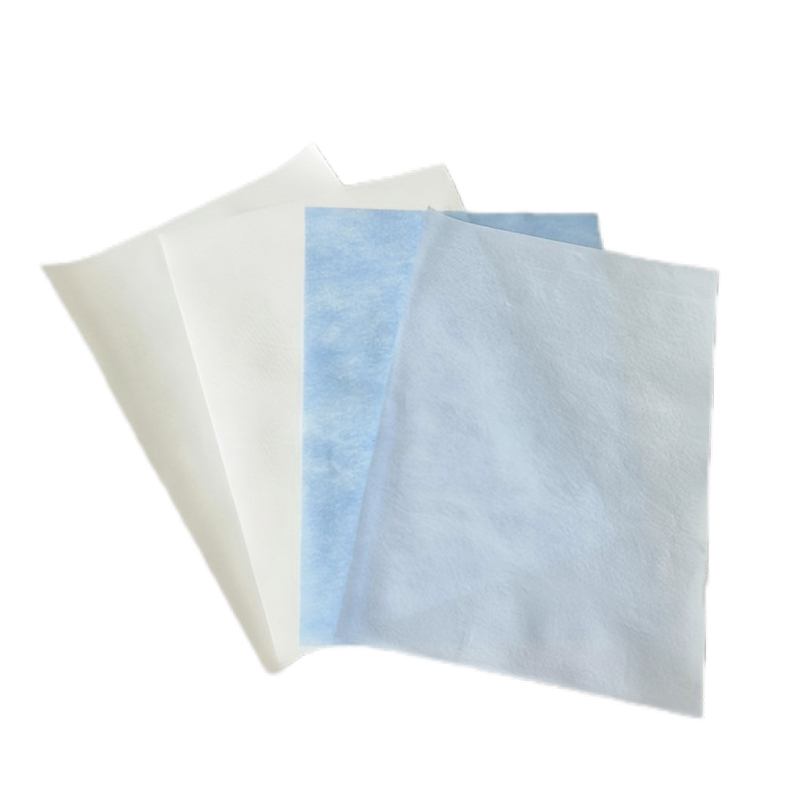 Breathable Film Laminates
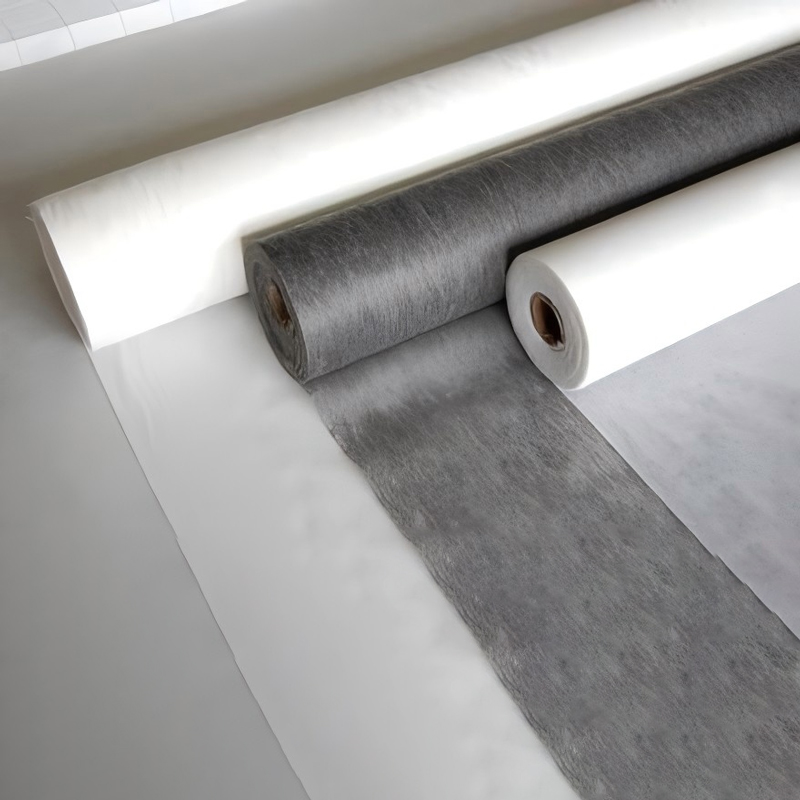 Nonwoven Interlining
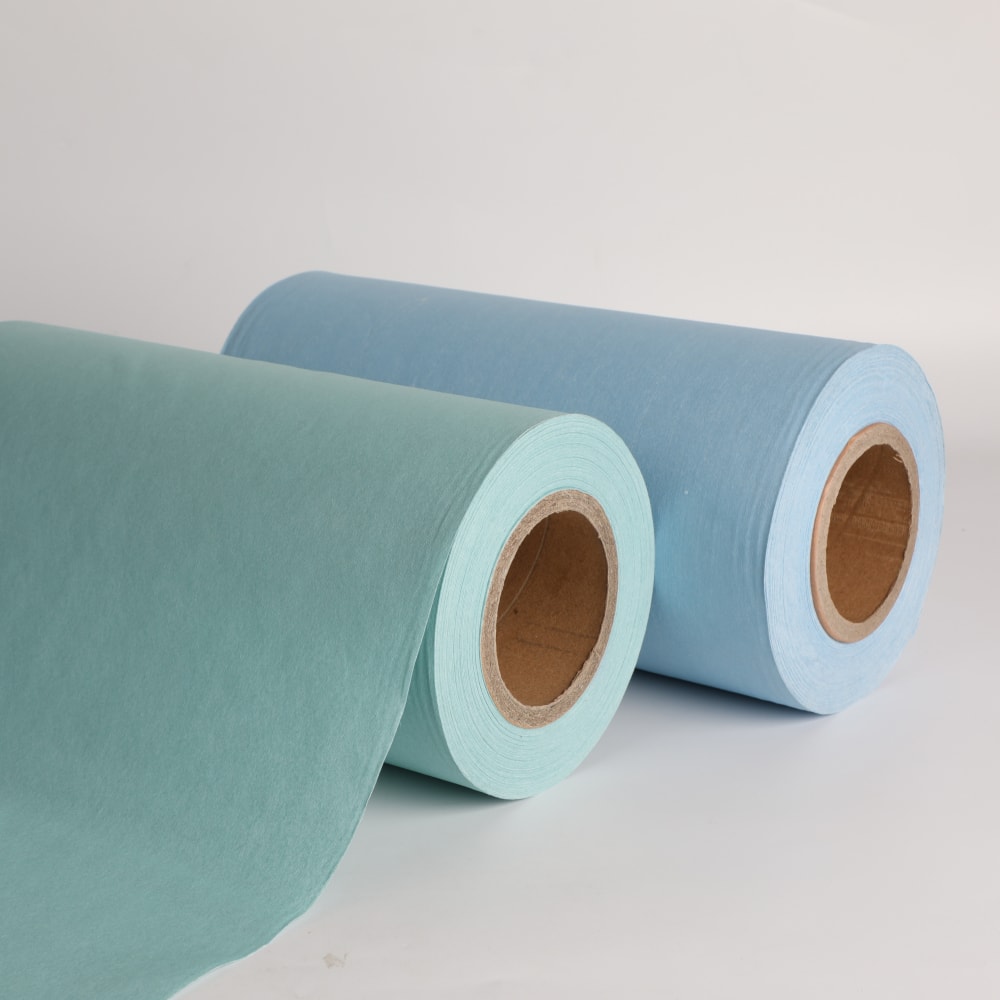 Fluid Repellent Woodpulp Spunlace Nonwoven
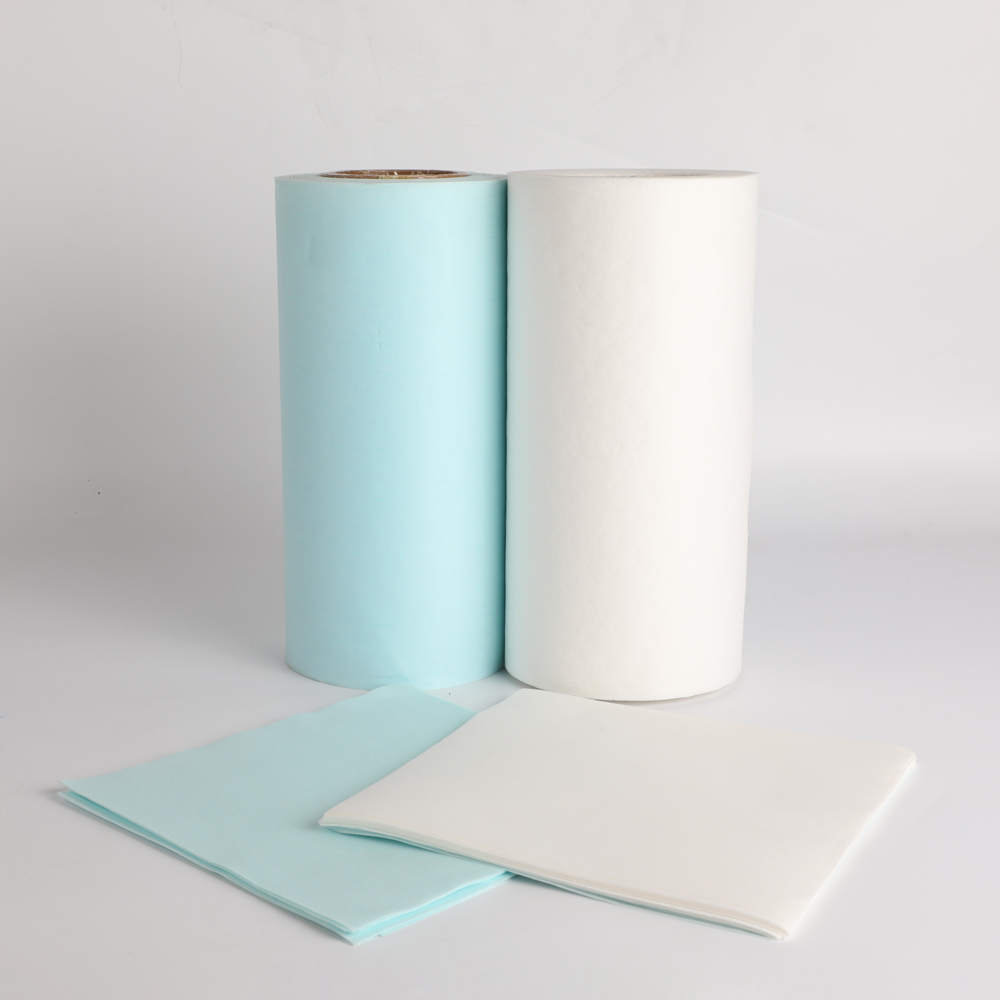 Woodpulp Nonwoven Wipe
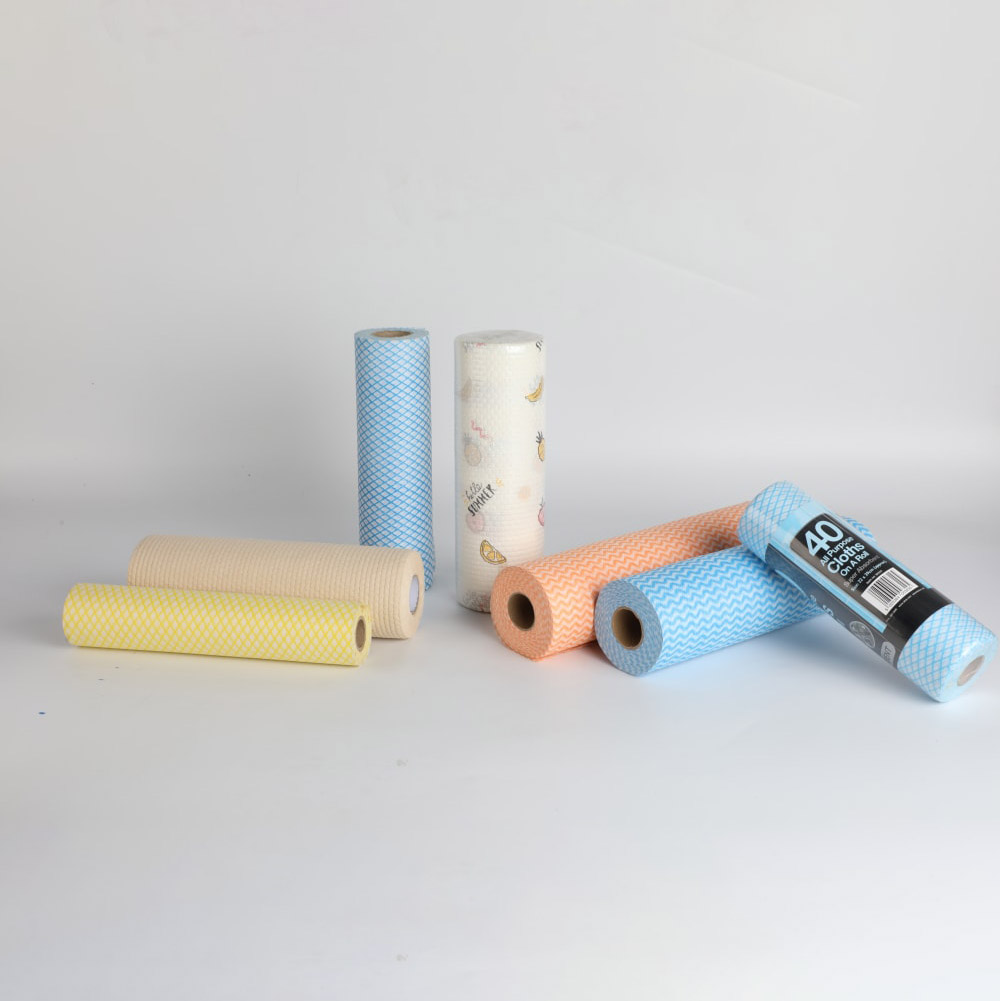 Nonwoven Cleaning Wipe
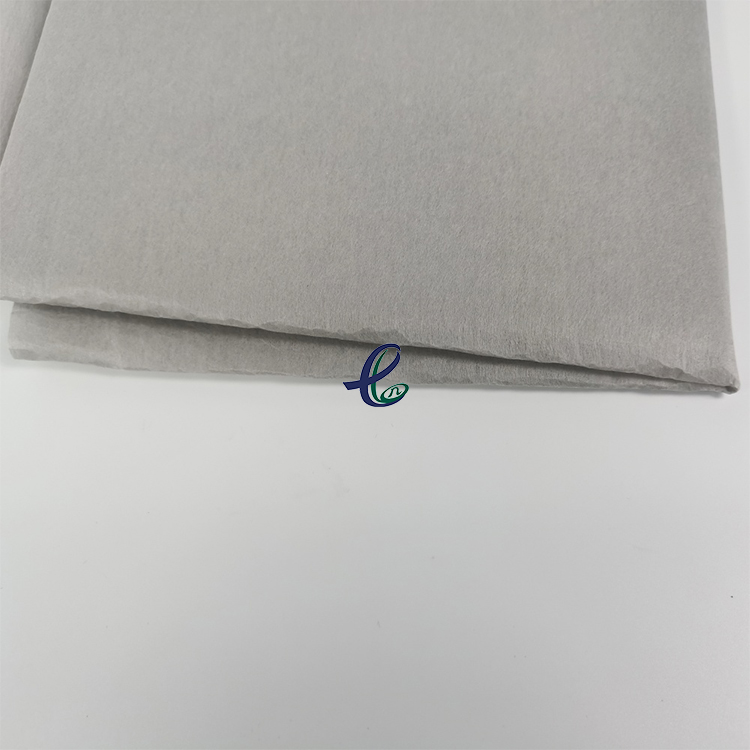 Curtain Nonwoven
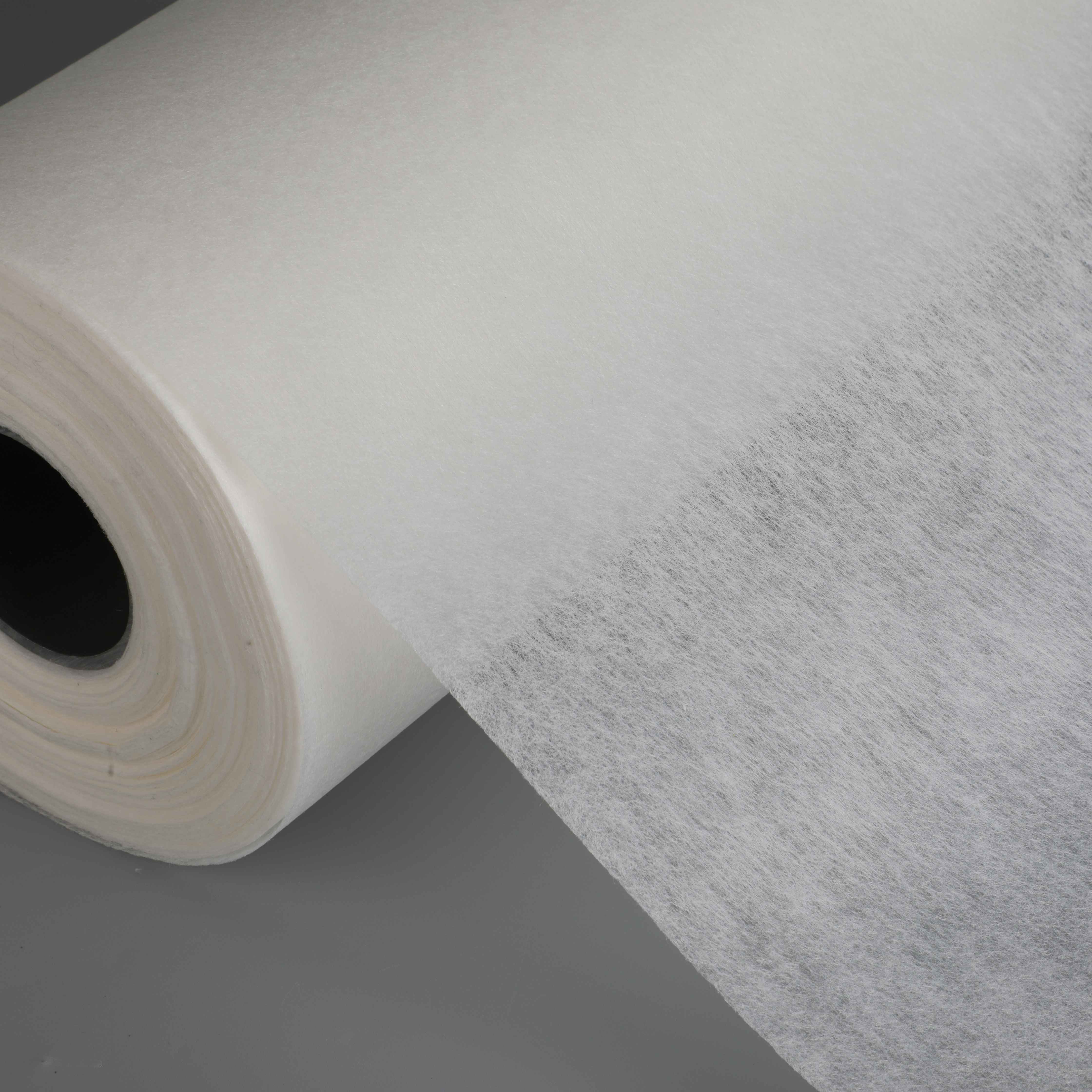 Food Grade Packaging Nonwoven
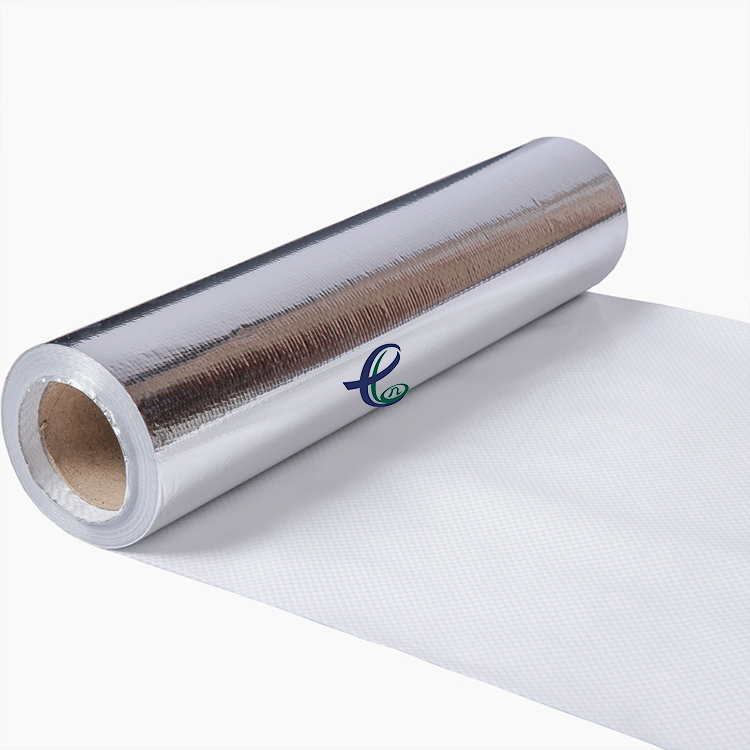 Aluminized Nonwoven
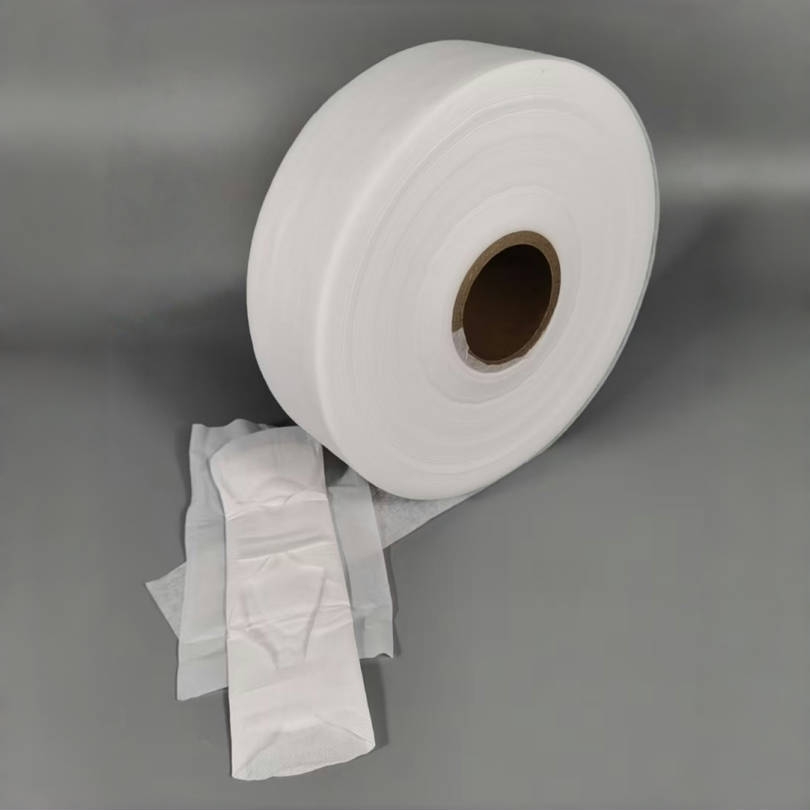 Hot Air Cotton Nonwoven
 Flame Retardant Nonwoven
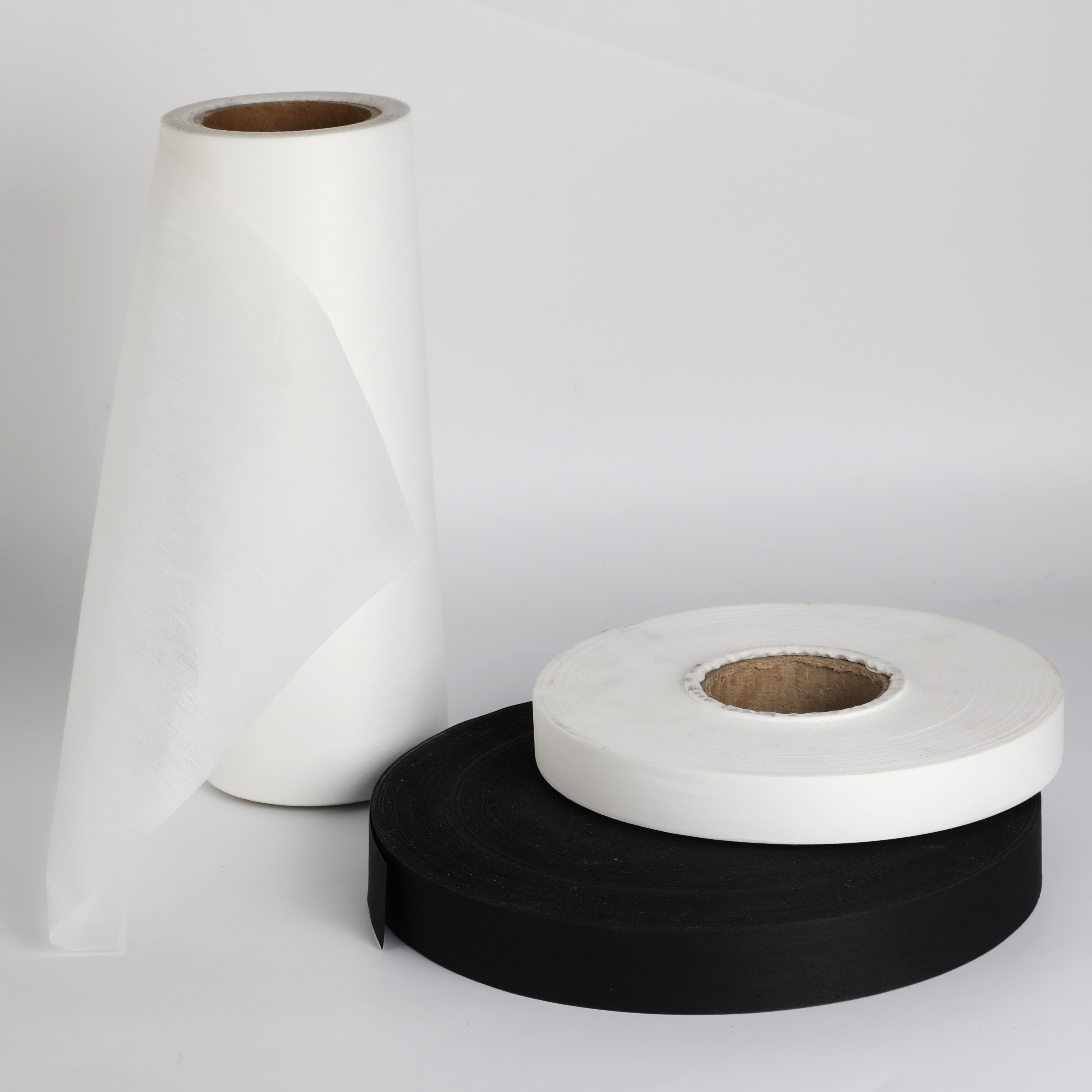 Cable Wrapping Nonwoven
 Semi-conductive Nonwoven
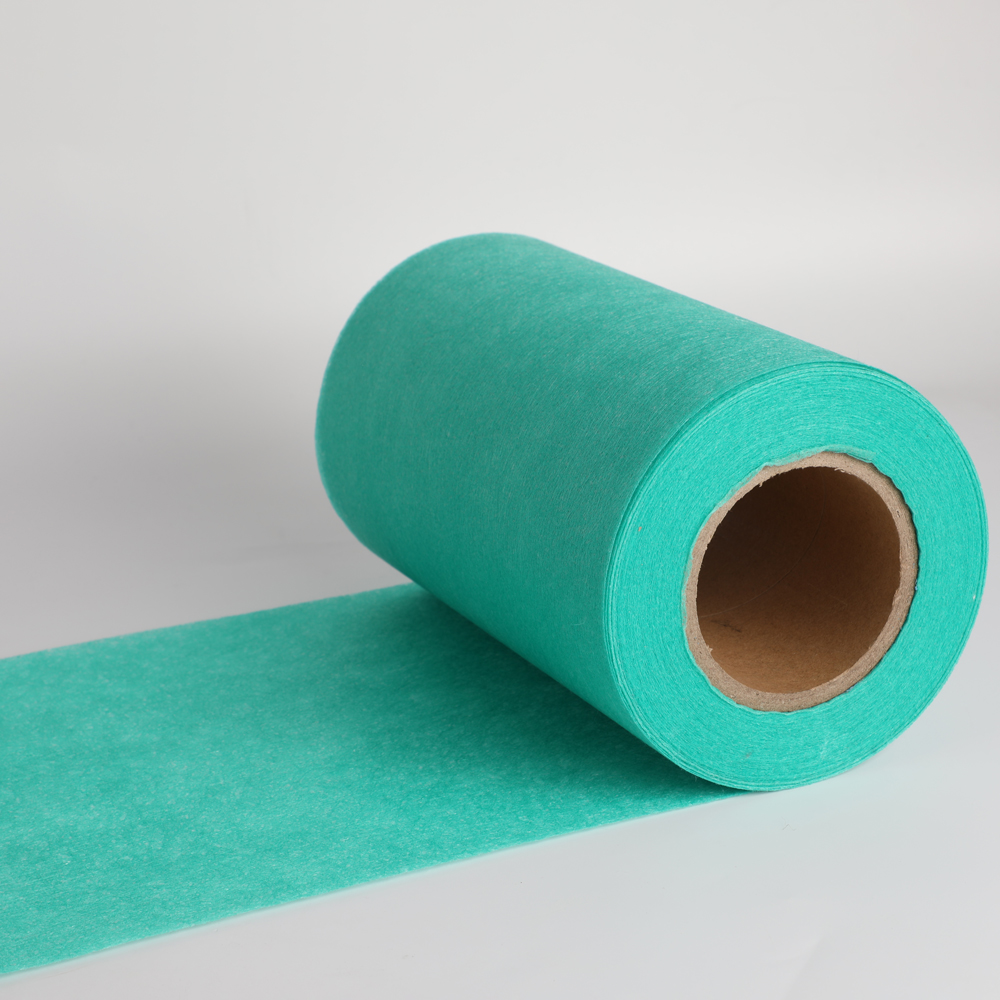 Anti-Bacterial Nonwoven
 +8613957712400