Top 10 Advantages of Water Repellent Nonwoven Fabrics?
Water Repellent Nonwoven fabrics have become increasingly essential in various industries due to their unique properties. According to a recent market report by MarketsandMarkets, the global nonwoven fabrics market is projected to reach $50 billion by 2025, driven by the rising demand for industrial and medical applications. This growth highlights the importance of innovative solutions, such as water repellent technologies, which offer enhanced functionality and performance.
The advantages of Water Repellent Nonwoven fabrics are profound. These materials resist moisture, providing significant benefits in packaging, clothing, and hygiene products. Manufacturers face challenges in balancing cost and quality. Yet, investing in these advanced materials yields impressive returns, as businesses can enhance product durability and consumer satisfaction. Research from Smithers Pira indicates that the demand for water-repellent textiles is growing at an annual rate of 8%, emphasizing their relevance in today’s market.
Reflecting on the increasing emphasis on sustainability, Water Repellent Nonwoven fabrics align with eco-friendly initiatives. However, achieving water resistance while maintaining breathability remains a challenge. This aspect requires careful consideration during the manufacturing process. Businesses must explore innovative methods to ensure their products meet consumer expectations for both function and environmental responsibility.
Advantages of Water Repellent Nonwoven Fabrics in Various Applications
Water repellent nonwoven fabrics have gained popularity across various industries due to their unique properties. These materials excel in applications like outdoor gear and medical uses. According to a recent report by Grand View Research, the global market for nonwoven fabrics is expected to reach $34 billion by 2027. This growth is driven by the increasing demand for durable and functional textiles, especially those that resist water.
In outdoor gear, water repellent nonwoven fabrics offer breathability while providing protection against the elements. This combination is vital for outdoor enthusiasts. For instance, in medical settings, these fabrics are used in protective clothing. They protect against fluids, reducing infection risks. A study published in the Journal of Applied Polymer Science noted a 30% improvement in moisture resistance when treating nonwoven fabrics with specific coatings. However, challenges remain in maintaining comfort alongside high water repellency. Balancing these properties requires ongoing research and innovation in material science.
Although these advantages are significant, it is essential to acknowledge potential downsides. Over time, the effectiveness of water repellency may diminish due to wear and washing. Additionally, not all water repellent treatments are eco-friendly. With sustainable practices becoming a priority, manufacturers face a dilemma. How to ensure performance without harming the environment? The future of water repellent nonwoven fabrics lies in addressing these concerns innovatively and responsibly.
Top 10 Advantages of Water Repellent Nonwoven Fabrics
Enhanced Durability of Water Repellent Nonwoven Fabrics
Water repellent nonwoven fabrics are gaining attention for their enhanced durability. These fabrics are engineered to resist water, making them ideal for various applications. Unlike traditional textiles, the advanced technology used in these fabrics provides a solid barrier against moisture. This durability ensures that the fabric maintains its integrity over time.
In harsh weather conditions, water repellent nonwovens outperform their non-treated counterparts. They resist wear and tear, which extends the lifespan of products made from them. For instance, outdoor apparel benefits significantly; they remain functional despite exposure to rain. However, achieving the right balance in water resistance can be challenging. Sometimes, fabrics may be overly treated, affecting breathability. This concern prompts ongoing research to refine the manufacturing process.
Moreover, the maintenance of these fabrics can be tricky. Care instructions are crucial to preserve their water repellent properties. Misuse can lead to diminished effectiveness, which is a common mistake. Yet, when properly cared for, these fabrics can revolutionize sectors like fashion and healthcare. Their versatility and strength make them a valuable choice, despite some lingering questions about long-term performance.
Environmental Benefits of Water Repellent Nonwoven Fabrics
Water repellent nonwoven fabrics are increasingly recognized for their environmental benefits. These materials are designed to repel water, making them useful in various applications. The ability to keep products dry can lead to less waste in outdoor gear and clothing. It reduces the need for frequent replacements.
Manufacturing these fabrics often requires fewer resources compared to traditional materials. The production process can be optimized to minimize energy usage. Additionally, water-repellent nonwoven fabrics are often made from recycled materials. This supports a circular economy and lowers the demand for virgin resources.
The longevity and durability of these fabrics contribute to sustainability. They withstand harsher conditions, reducing waste generation over time. However, some consumers still question the recyclability of such materials. There remains a need for transparent guidelines on disposal and recycling. Continuous improvement in manufacturing and usage is essential for maximizing their environmental advantages.
Cost-Effectiveness of Water Repellent Nonwoven Fabrics Over Time
Water repellent nonwoven fabrics have gained traction in various industries. Their cost-effectiveness is a notable advantage. Over time, these fabrics can lead to significant savings, which is crucial for budget-conscious businesses. According to a report by Smith Research, the lifecycle cost of water repellent nonwoven fabrics is 20-30% lower compared to traditional options. This long-term benefit stems from lower maintenance costs and extended durability, which means fewer replacements.
Maintaining quality while minimizing expenses is essential for many manufacturers. Water repellent nonwoven fabrics often require less frequent cleaning, contributing to further savings. A study highlighted that organizations using these fabrics experienced a 15% reduction in operational costs. However, selecting the right product is crucial. Not all water repellents offer equal performance, and low-quality options may lead to higher replacement rates, negating cost advantages. It's vital for businesses to assess their needs carefully to ensure they choose durable and reliable materials tailored to their specific applications.
Versatility of Water Repellent Nonwoven Fabrics Across Industries
Water repellent nonwoven fabrics have gained significant traction in various industries due to their unique properties. These fabrics, engineered to resist water, are used in sectors such as healthcare, automotive, and construction. According to a report by Smithers Pira, the global nonwoven fabric market is expected to reach $28 billion by 2025, with water-repellent variants emerging as a crucial segment.
In healthcare, the demand for protection against moisture is vital. Water repellent nonwovens are utilized in surgical gowns and drapes, ensuring sterility and safety. A study from the Nonwovens Institute highlighted that these materials reduce contamination risks by up to 70%. However, manufacturers face challenges with durability and comfort for patients, prompting ongoing research.
The automotive industry also celebrates these fabrics for their lightweight and versatile applications. Used in car interiors, water repellent nonwovens help manage moisture and enhance durability. According to a 2021 report from Technavio, this innovation could reduce vehicle weight by up to 15%. Yet, achieving a balance between water resistance and breathability remains a critical area for improvement, affecting long-term acceptance in the sector.

 PP Laminates
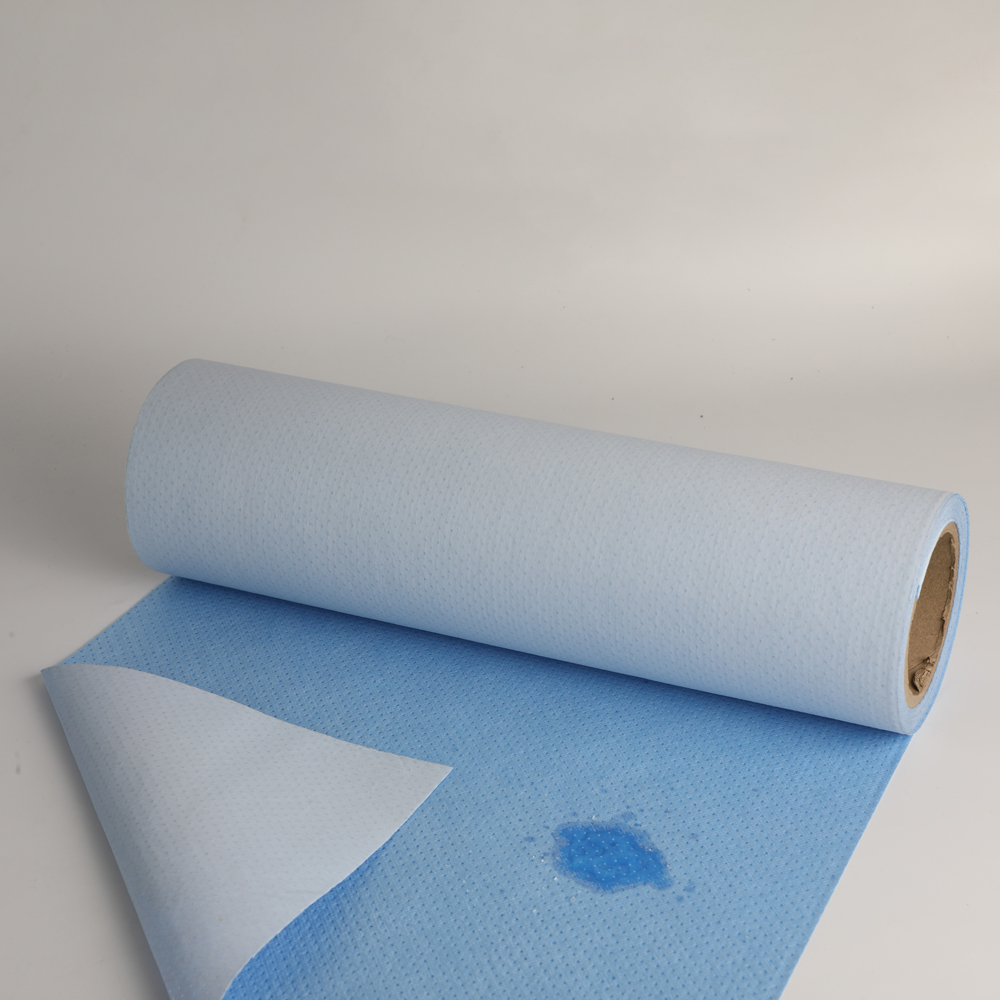 Multi Laminates
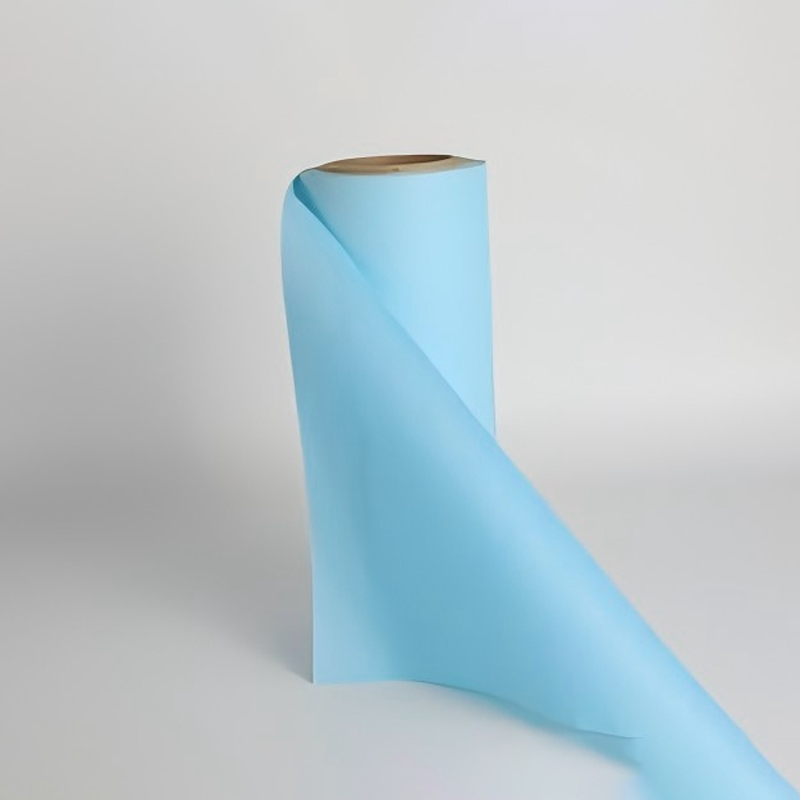 Spunlace Nonwoven Laminates
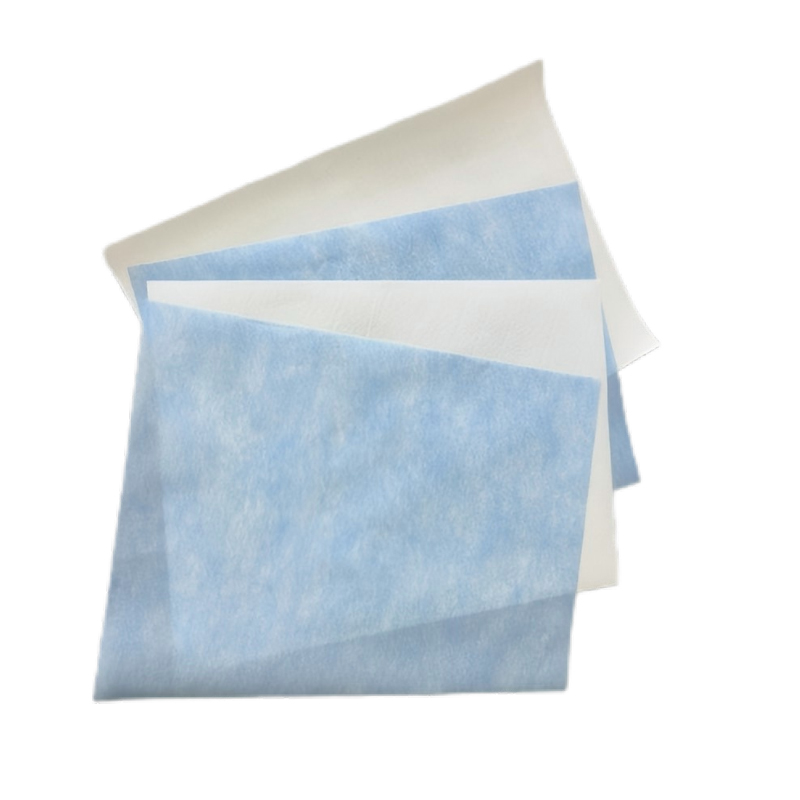 Breathable Film Laminates
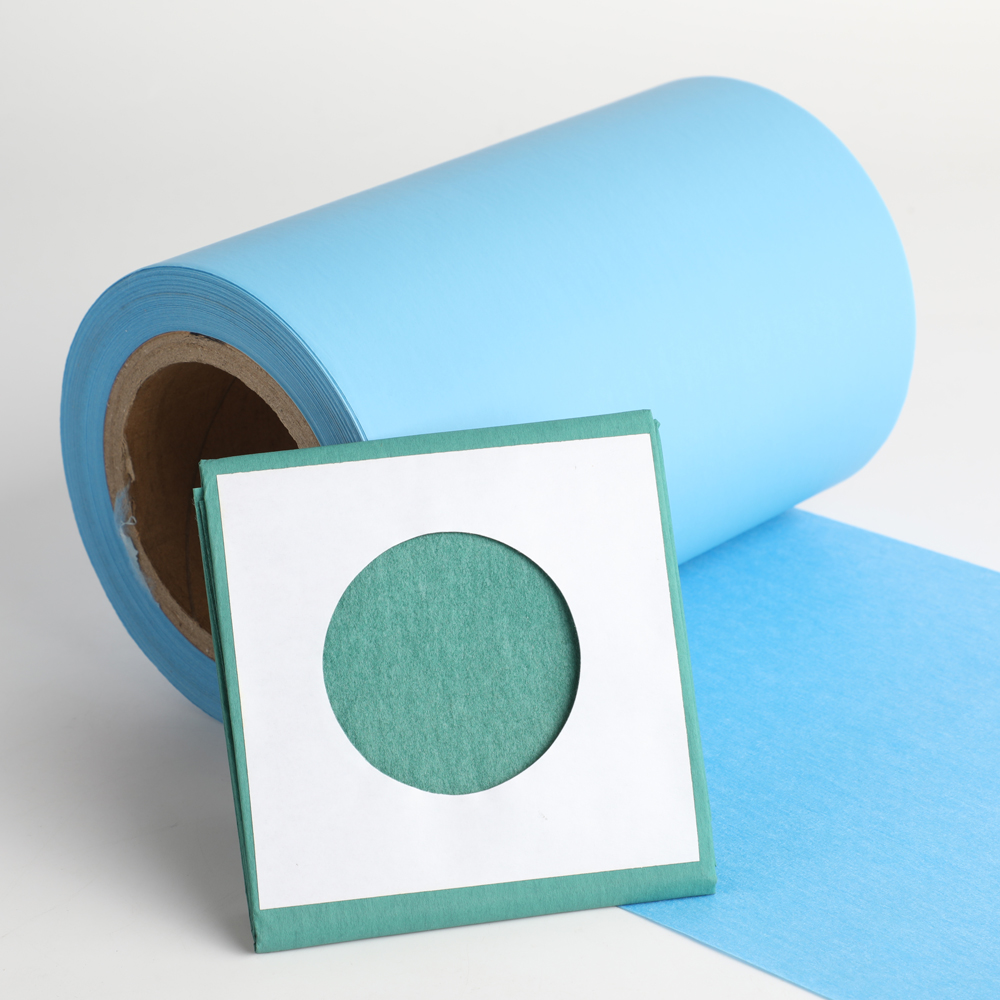 Viscose Laminates
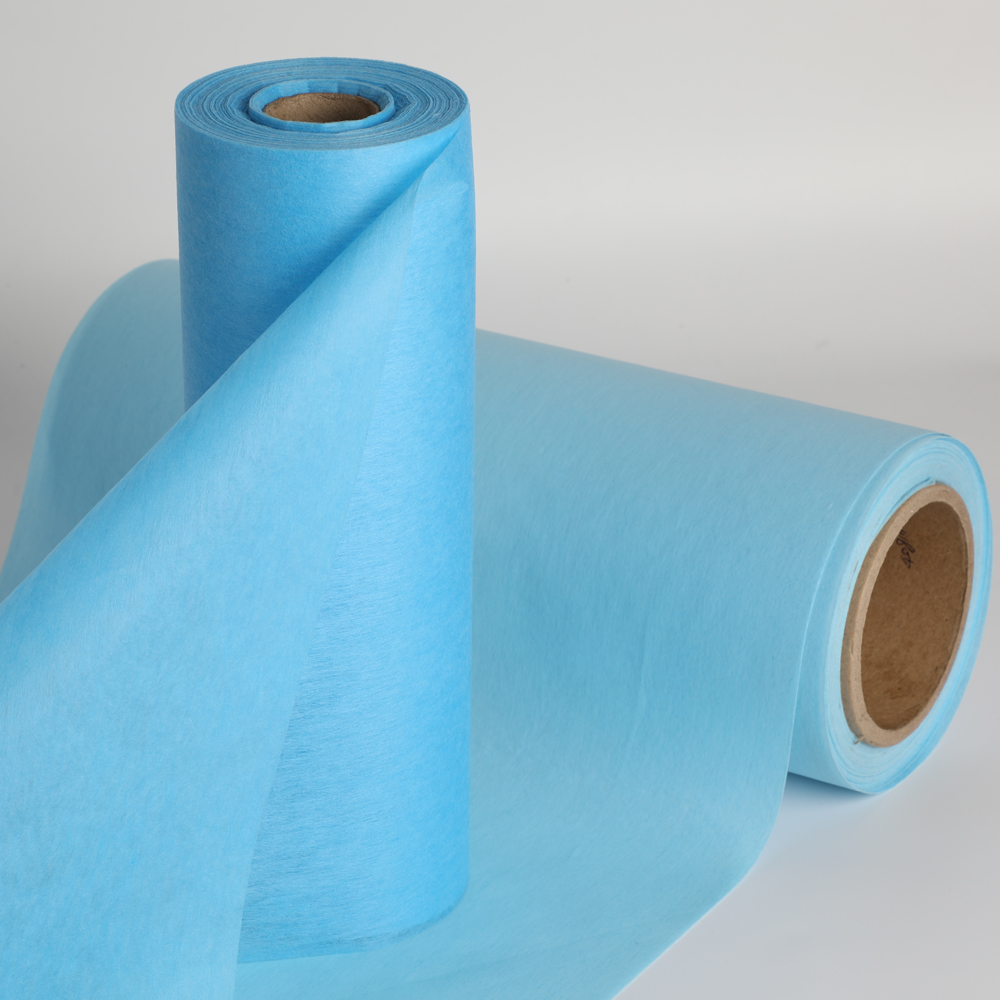 Medical Viscose Nonwoven
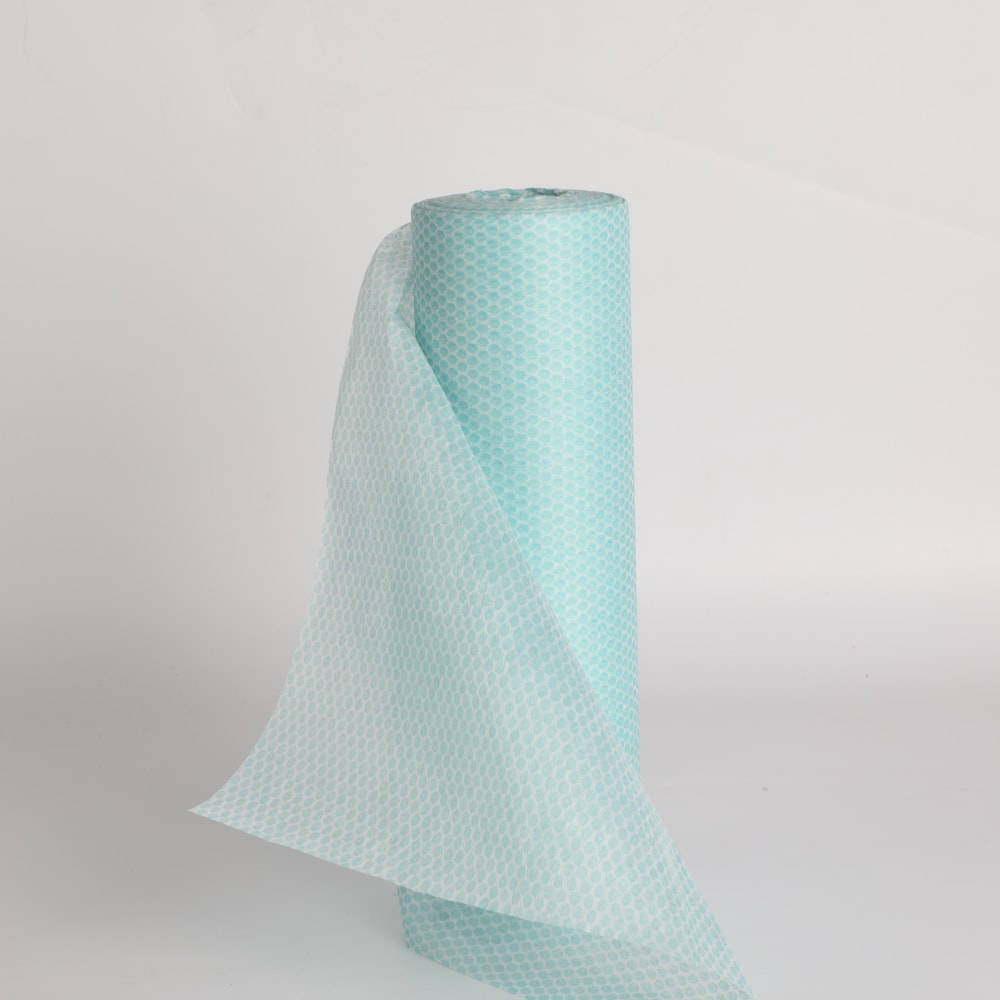 Head Wear Nonwoven
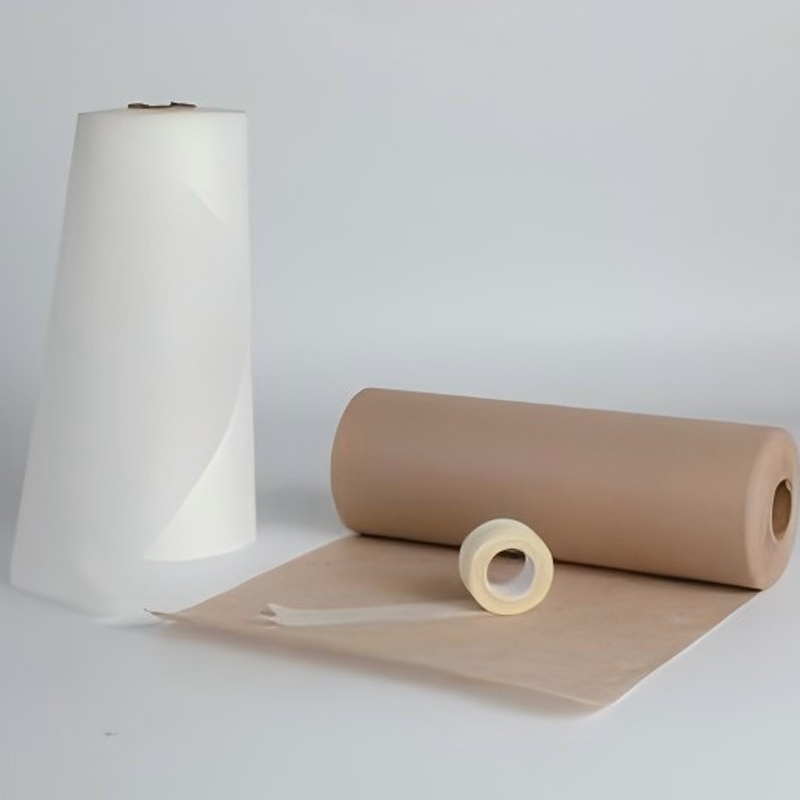 Medical Tape Nonwoven
 Snus Pouch Nonwoven
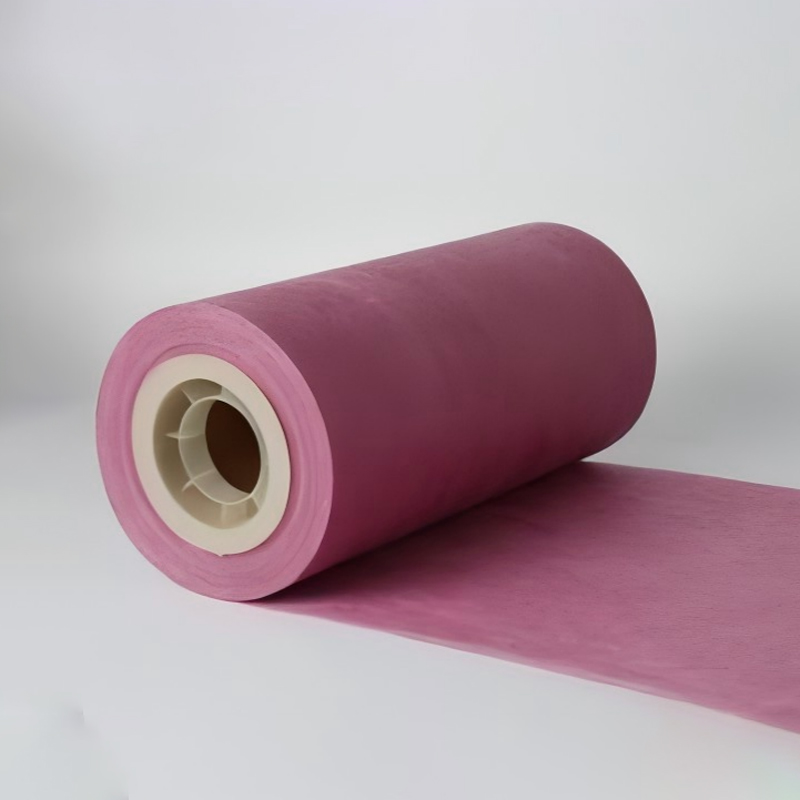 Filtration Nonwoven
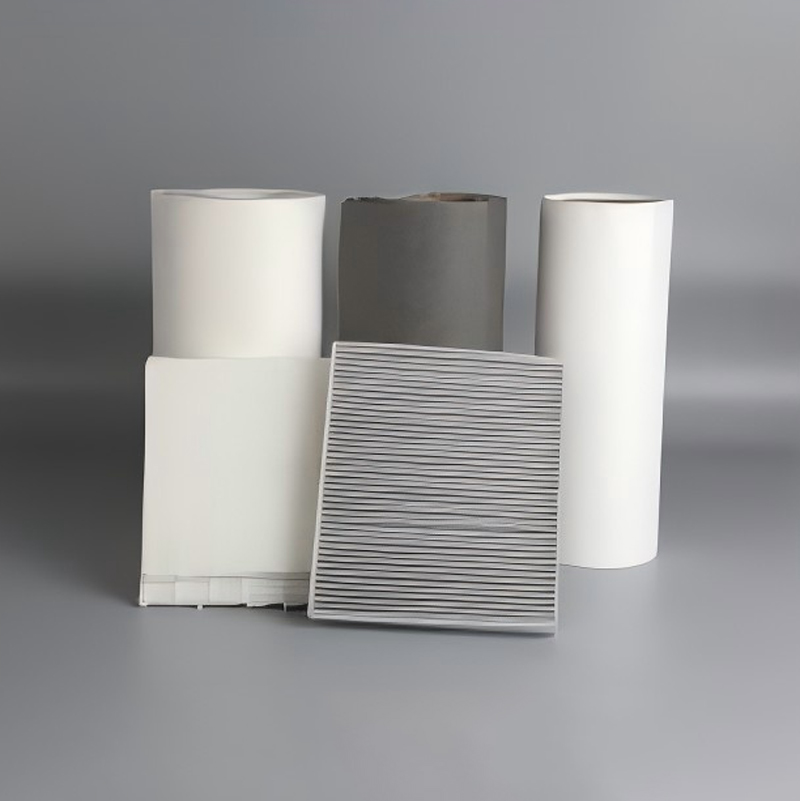 Air Filter Media
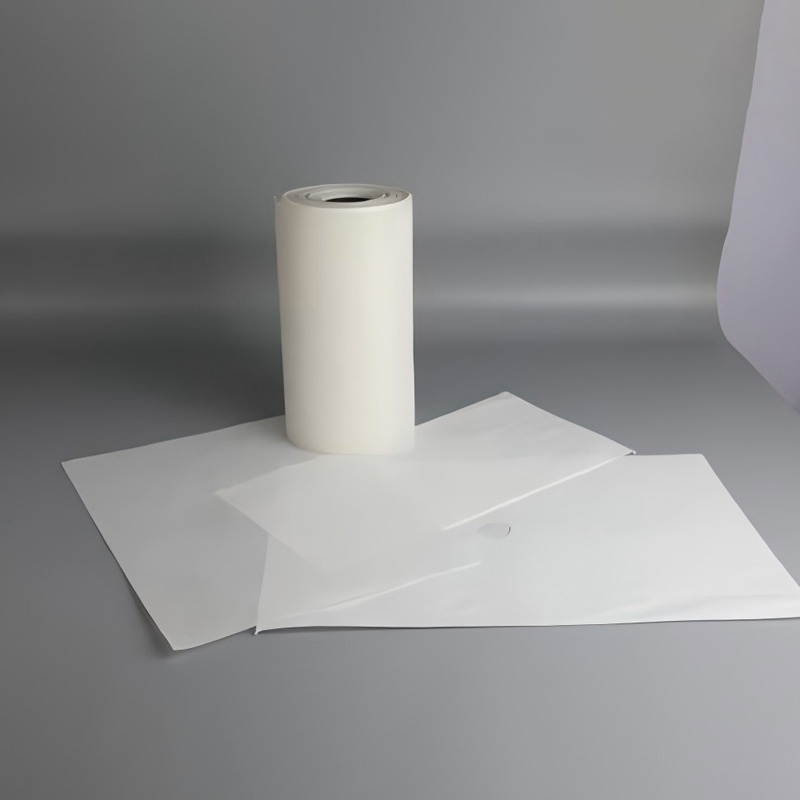 Liquid Filter Media
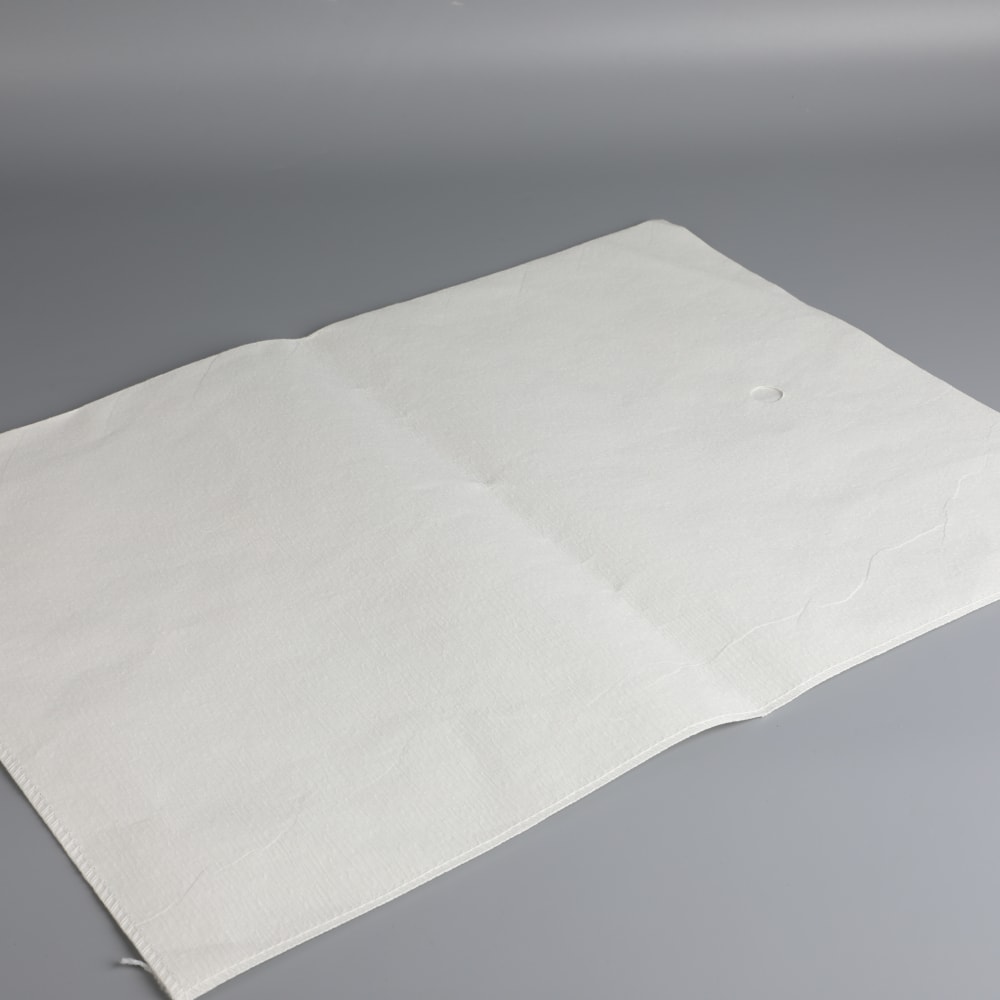 Filter Envelope & Filter Sheet
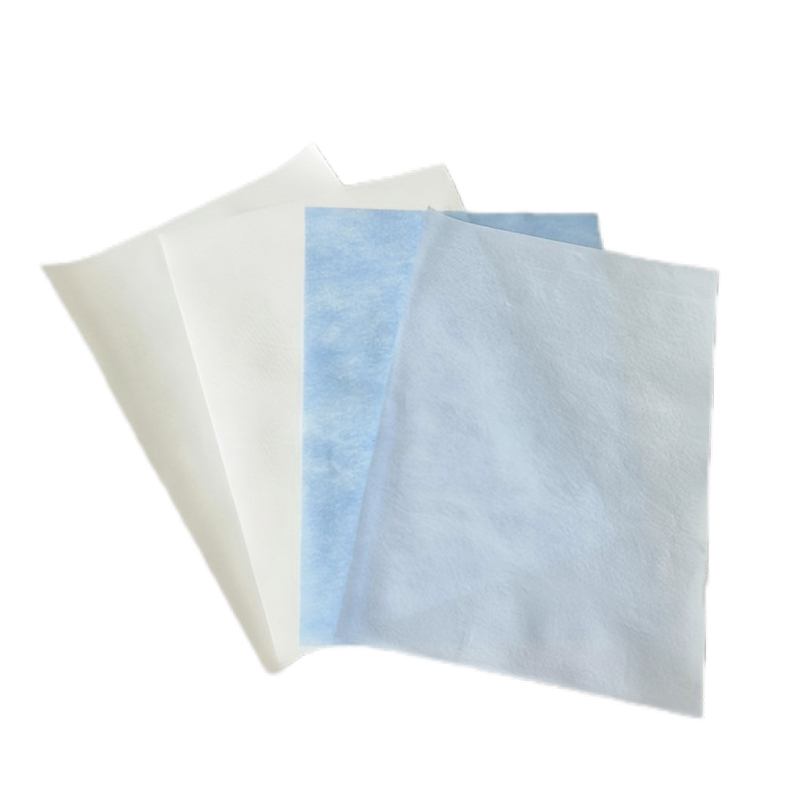 Breathable Film Laminates
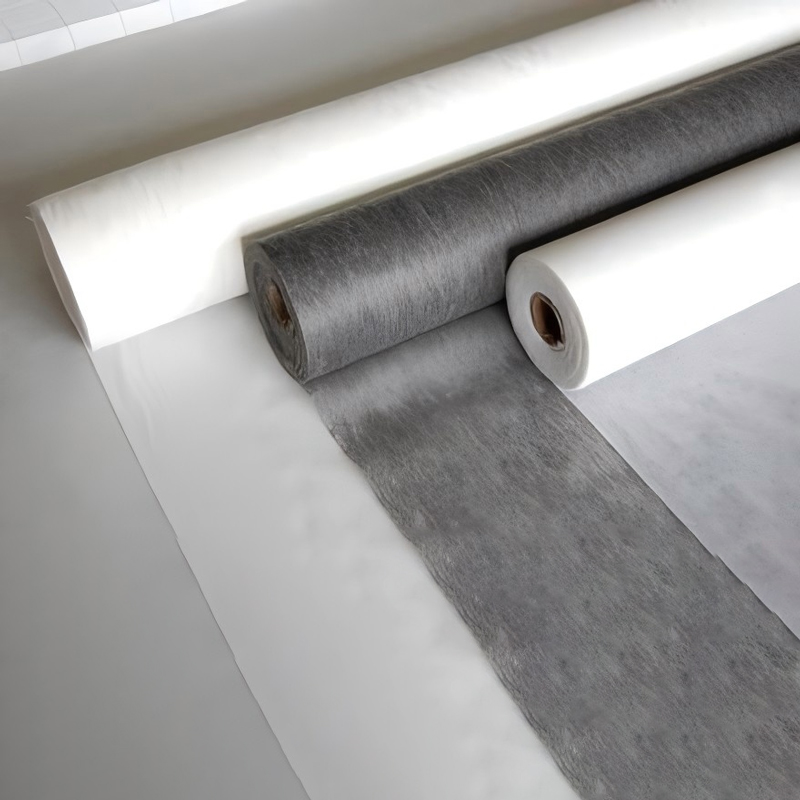 Nonwoven Interlining
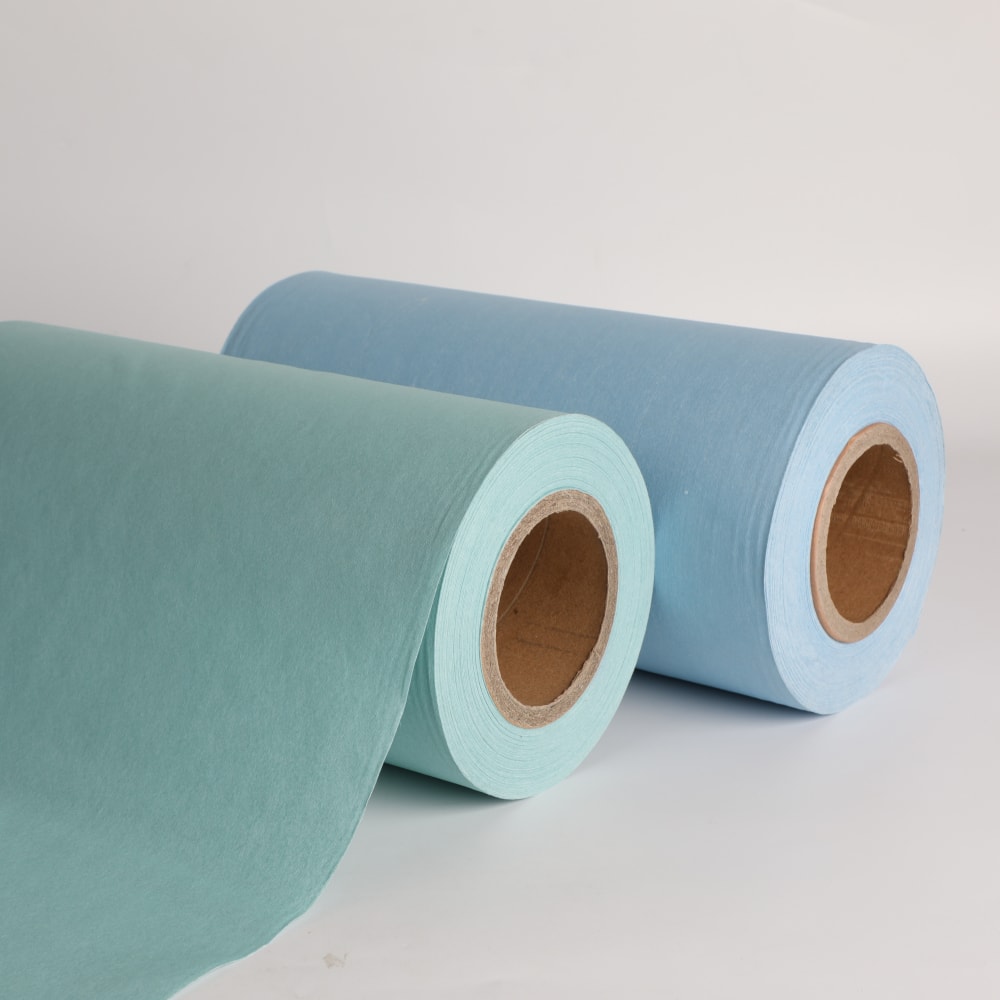 Fluid Repellent Woodpulp Spunlace Nonwoven
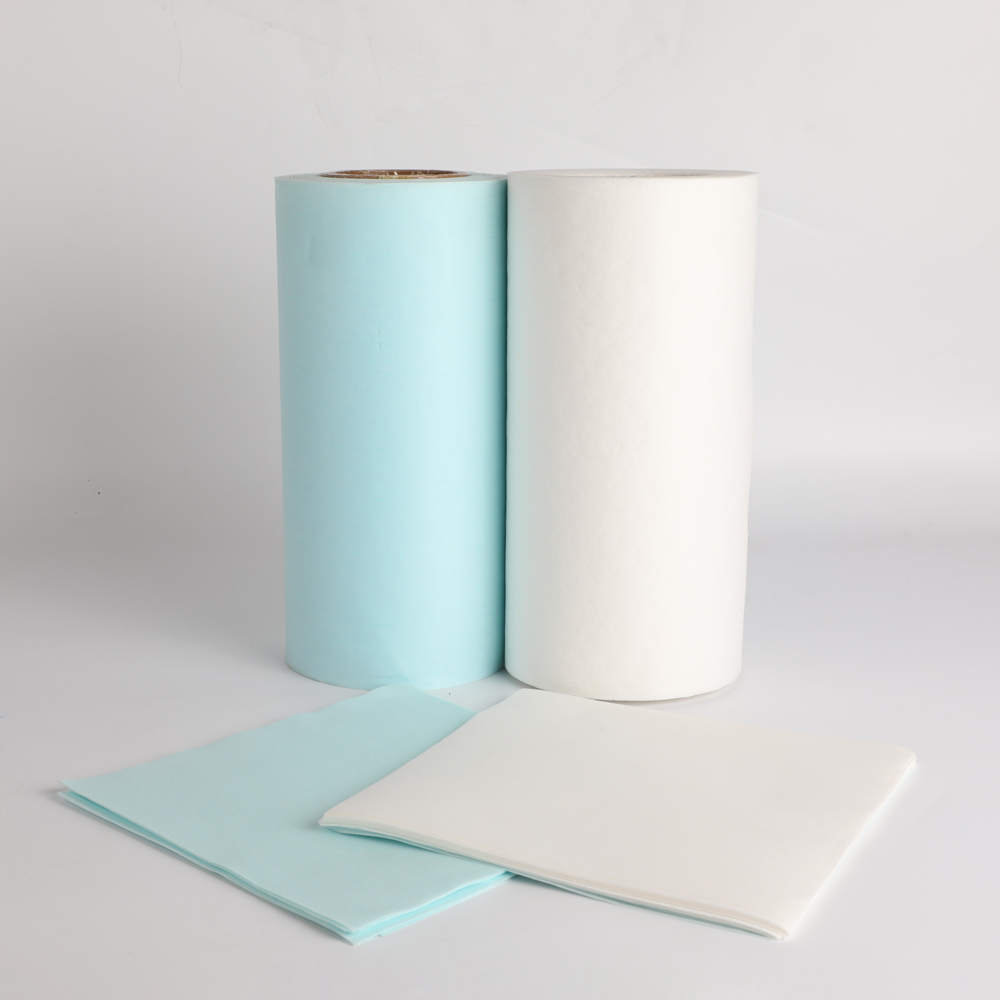 Woodpulp Nonwoven Wipe
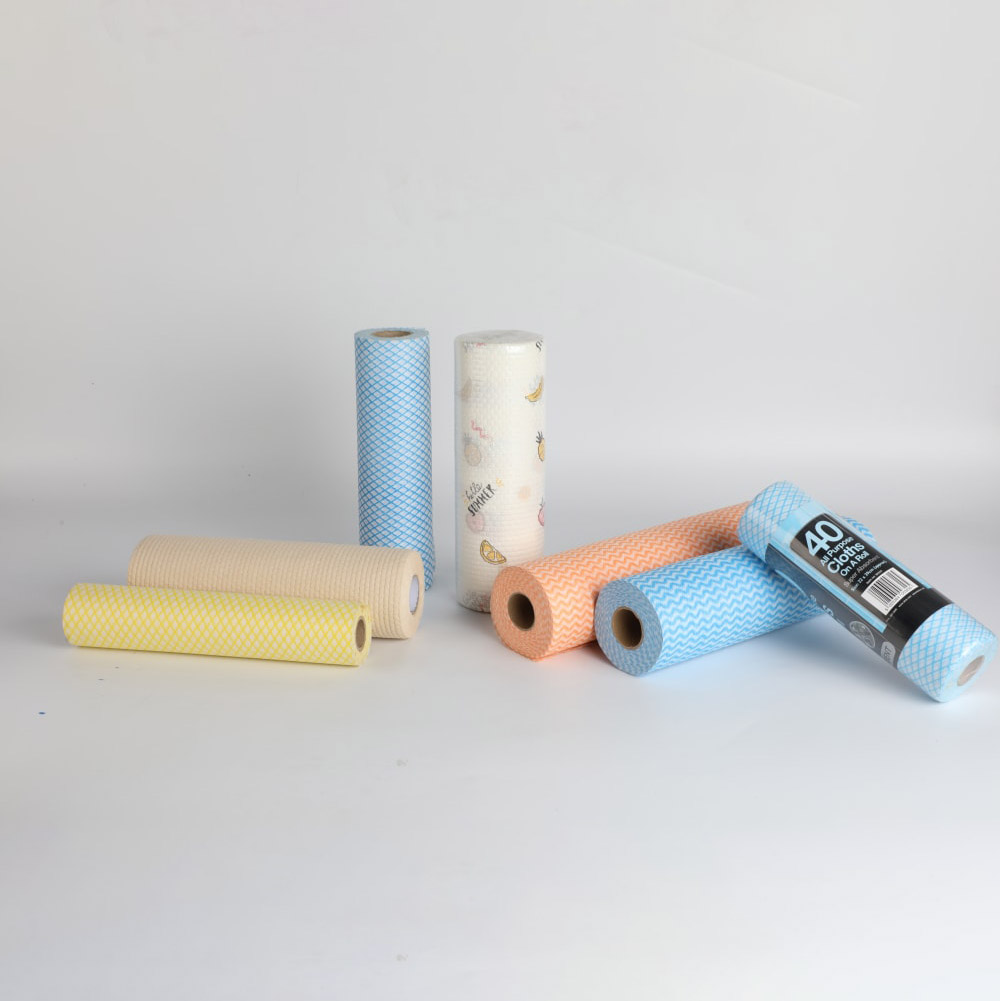 Nonwoven Cleaning Wipe
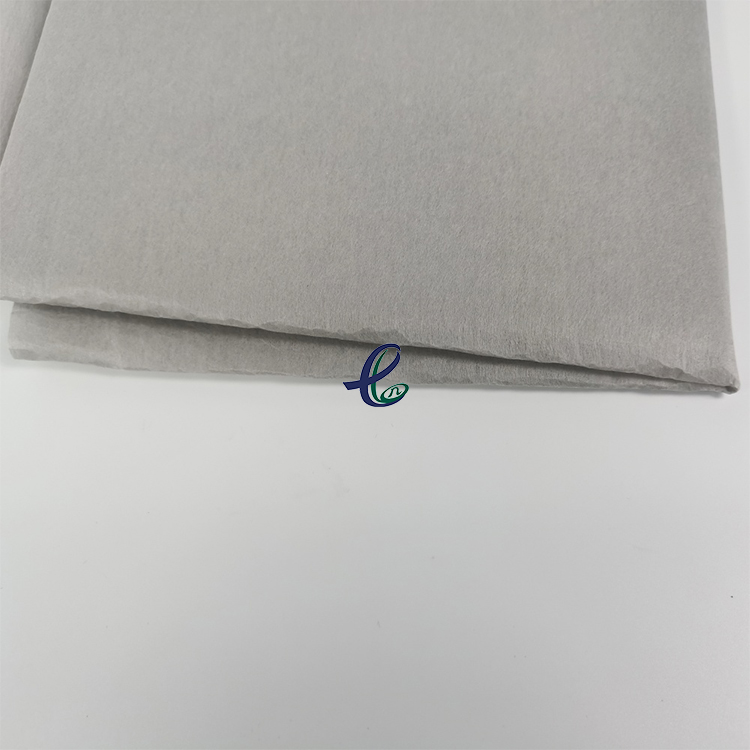 Curtain Nonwoven
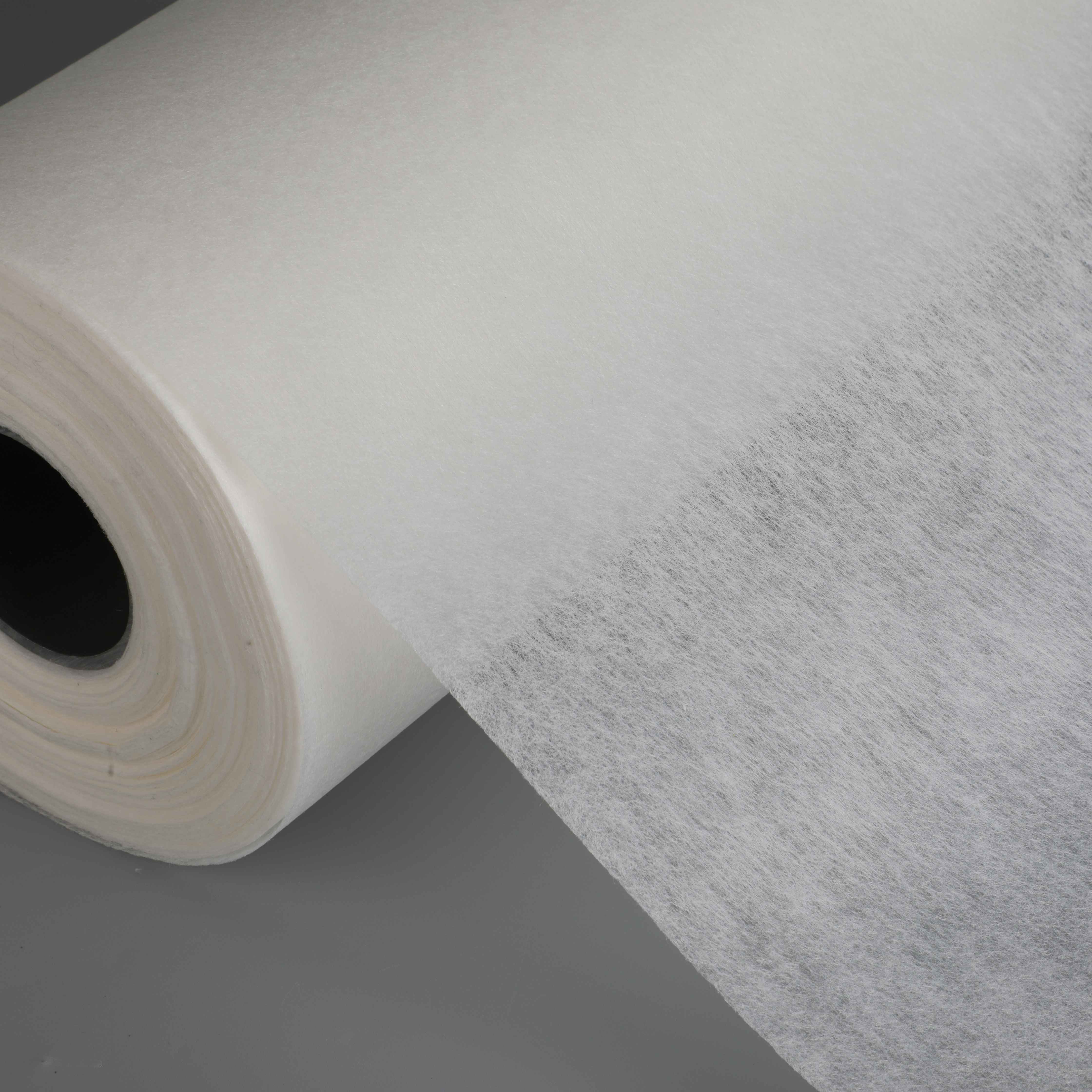 Food Grade Packaging Nonwoven
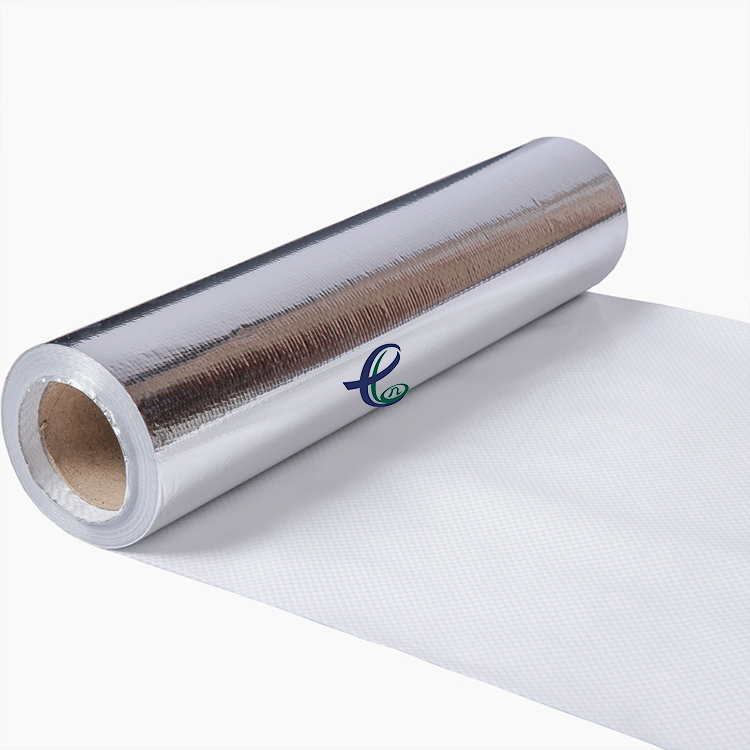 Aluminized Nonwoven
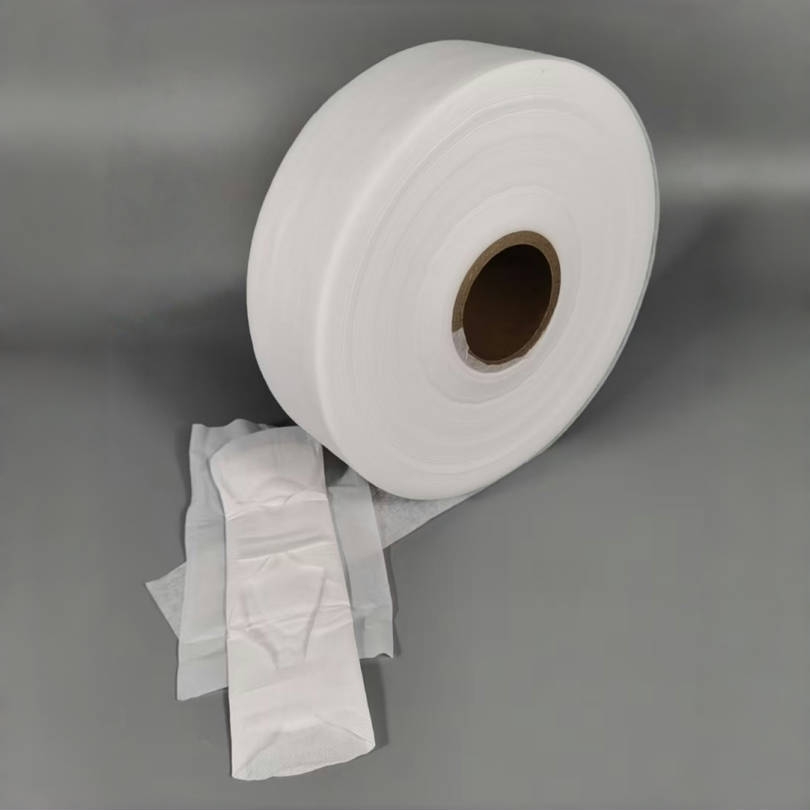 Hot Air Cotton Nonwoven
 Flame Retardant Nonwoven
 Cable Wrapping Nonwoven
 Semi-conductive Nonwoven
 Anti-Bacterial Nonwoven
 +8613957712400
 CONTACT WhatsApp
 CONTACT WeChat
 CONTACT NUMBER
 CONTACT EMAIL