Top 10 Benefits of Filter Nonwoven Fabric for Global Buyers
Filter Nonwoven Fabric has become increasingly pivotal for various industries worldwide. This material offers unique characteristics that set it apart from traditional fabrics. Its ability to filter particles makes it ideal for applications ranging from medical supplies to automotive manufacturing.
One of the standout benefits of Filter Nonwoven Fabric is its versatility. It can be tailored for specific needs, enhancing efficiency in production processes. Furthermore, its lightweight nature contributes to lower shipping costs, which is crucial for global buyers. Many industries depend on reliable filtering solutions, and this fabric provides just that.
As the demand for high-quality filtration solutions grows, understanding the advantages of Filter Nonwoven Fabric is essential. Buyers must consider factors like durability and effectiveness. Balancing these elements can be complex but is necessary for optimal purchasing decisions. By recognizing these benefits, buyers can make informed choices in a competitive market.
Overview of Filter Nonwoven Fabric
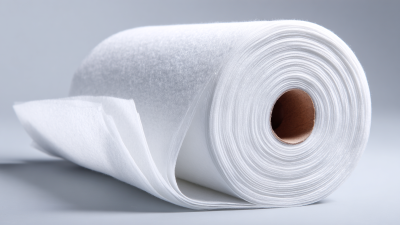
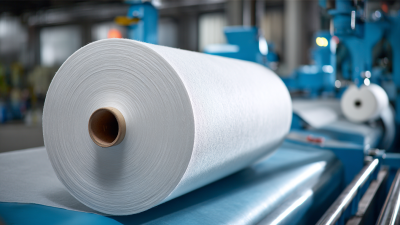
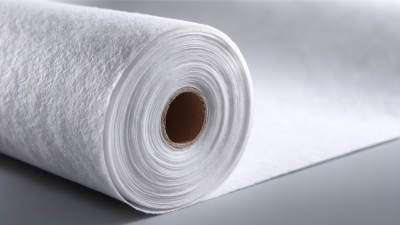
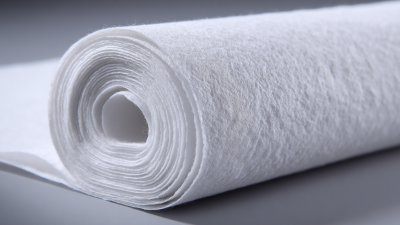
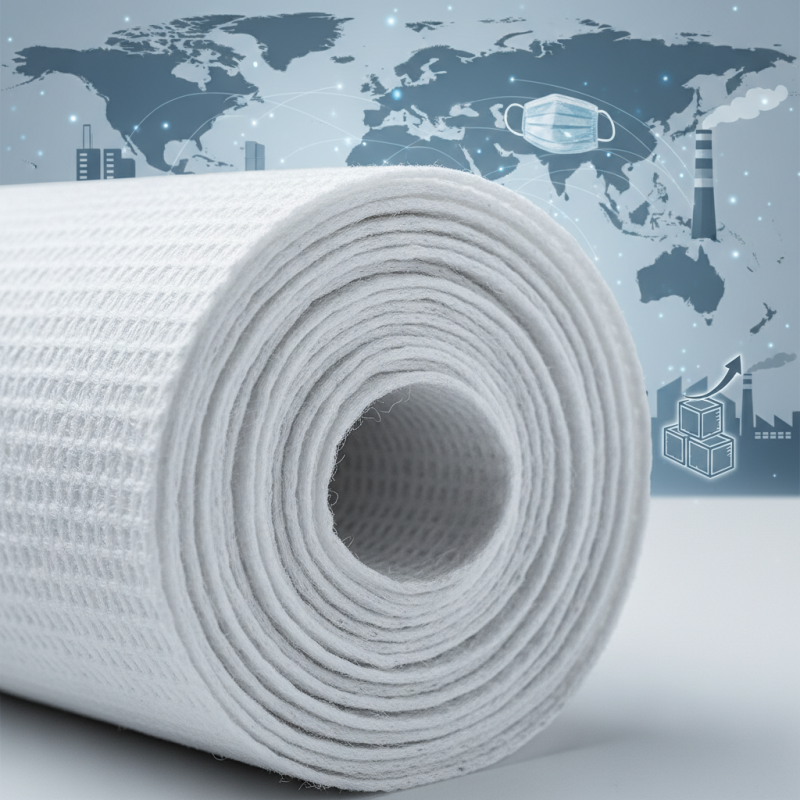
Filter nonwoven fabric is gaining traction in various industries due to its unique properties. This material is designed to act as a barrier while allowing air or liquids to pass through. Its structure consists of fibers that are bonded together, providing excellent filtration capabilities. This makes it ideal for applications in air and liquid filtration systems.
The versatility of filter nonwoven fabric is impressive. It can be used in environmental protection, healthcare, and even consumer products. For example, in air filtration, these fabrics trap particles such as dust, pollen, and smoke. In healthcare, they are vital in masks and gowns, ensuring safety for both patients and providers.
However, the industry must address concerns about waste management. As demand grows, the environmental impact of disposing nonwoven materials increases.
Developments in manufacturing technology are improving the design and efficacy of filter nonwoven fabrics. Innovations such as biobased materials are emerging, offering more sustainable options. Yet, the challenge remains in balancing performance and environmental responsibility. Buyers should stay informed about these advancements to make responsible purchasing decisions.
Key Properties and Characteristics of Filter Nonwoven Fabrics
Filter nonwoven fabrics play a crucial role in various industries, thanks to their unique properties. These fabrics are lightweight yet strong, allowing effective filtration while minimizing energy consumption. Their ability to trap particles makes them essential in air and liquid filtration applications. Manufacturers value these materials for their versatility and adaptability across sectors.
One key characteristic is the fabric's breathability. This feature ensures that air or liquid can pass through while still capturing contaminants. This property is critical in healthcare, where maintaining air quality is vital. Additionally, filter nonwoven fabrics are resistant to abrasion. This resistance prolongs their lifespan, reducing the frequency of replacements and maintenance.
Another notable benefit is their customization potential. Buyers can request specific properties tailored to their applications. This flexibility encourages innovation in product design. However, not all filter nonwoven fabrics perform equally. Some may not meet stringent industry standards, leading to potential issues. Evaluating materials rigorously is essential to ensure safety and efficacy.
Environmental Benefits of Using Filter Nonwoven Fabric
Filter nonwoven fabric is increasingly recognized for its environmental benefits. This material plays a crucial role in reducing waste and improving air quality. Its unique properties allow for efficient filtration, which can minimize harmful pollutants. Many industries use nonwoven fabrics to create eco-friendly products. This helps in promoting sustainable practices.
Using filter nonwoven fabrics can significantly reduce material waste. Unlike traditional woven fabrics, nonwovens often require fewer resources to produce. This efficiency translates to lower energy consumption during manufacturing. Additionally, many nonwoven fabrics are biodegradable. Choosing these options supports a circular economy. It encourages the use of materials that break down in nature, reducing landfill contributions.
Tips: Consider sourcing your materials from suppliers who prioritize sustainability. Look for certifications that validate eco-friendly practices. Collaborating with experts can ensure you understand the environmental impact of your choices. Embracing these tips can lead to a significant positive change in manufacturing processes. By prioritizing nonwoven fabrics, businesses can contribute to a healthier planet.
Applications of Filter Nonwoven Fabric in Various Industries
Filter nonwoven fabrics have become essential in various industries. Their unique properties make them ideal for applications in healthcare, automotive, and environmental sectors. According to a report by Smithers Pira, the global nonwoven fabric market will reach $50 billion by 2025. This growth highlights the increasing demand for versatile filtering materials.
In healthcare, filter nonwoven fabrics are used in surgical masks and gowns. They provide excellent barrier protection against pathogens while maintaining breathability. Additionally, the automotive industry utilizes these materials in air and cabin filters. These filters enhance air quality and improve vehicle efficiency. Data from MarketsandMarkets indicates that the automotive filtration market will grow by 5.6% annually until 2026.
Tips: Always evaluate the filtration efficiency of nonwoven fabrics. Performance is crucial for safety in healthcare settings. Also, consider environmental impacts. The production process can influence sustainability. Choosing eco-friendly options is increasingly important in today’s market.
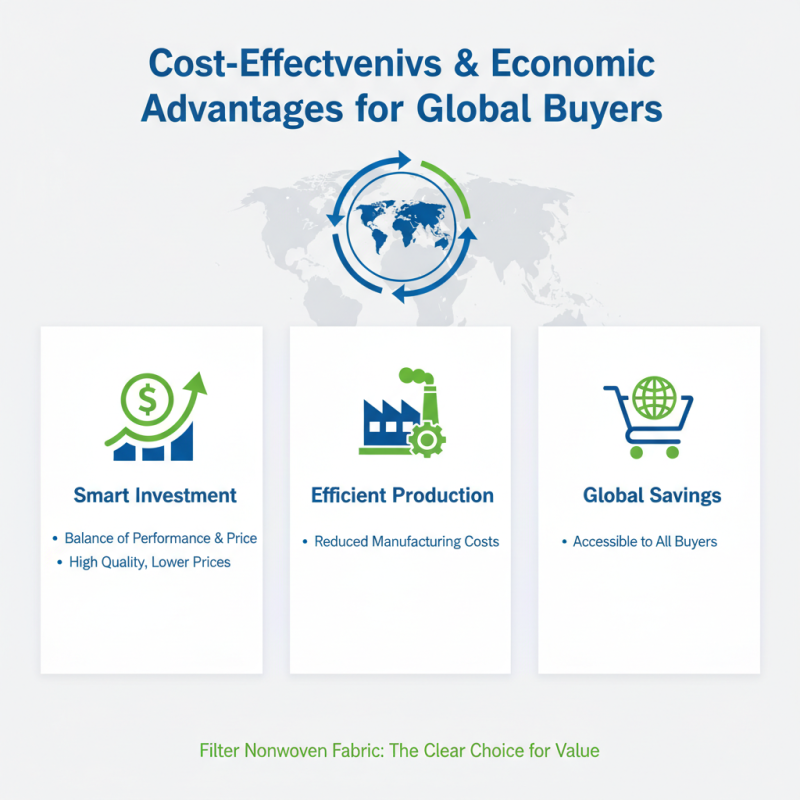
Cost-Effectiveness and Economic Advantages for Global Buyers
When exploring the economic advantages of filter nonwoven fabric, buyers find significant cost-effectiveness. This fabric provides an ideal balance between performance and price. Its manufacturing process is efficient, reducing production costs. For buyers, this translates to lower prices for high-quality materials.
The versatility of filter nonwoven fabric adds to its appeal. It can be used in various applications, from filtration systems to health care products. This adaptability helps businesses save on inventory costs. By investing in nonwoven fabrics, companies can streamline their operations while maintaining quality.
Tips to consider: Always assess the longevity of the material. A longer-lasting product can reduce replacement costs over time. Look for suppliers that emphasize sustainability. That's a promising sign for economic and environmental responsibility. Prioritize manufacturers that offer transparent pricing and reliable supply chains to ensure consistent quality.

 PP Laminates
 Multi Laminates
 Spunlace Nonwoven Laminates
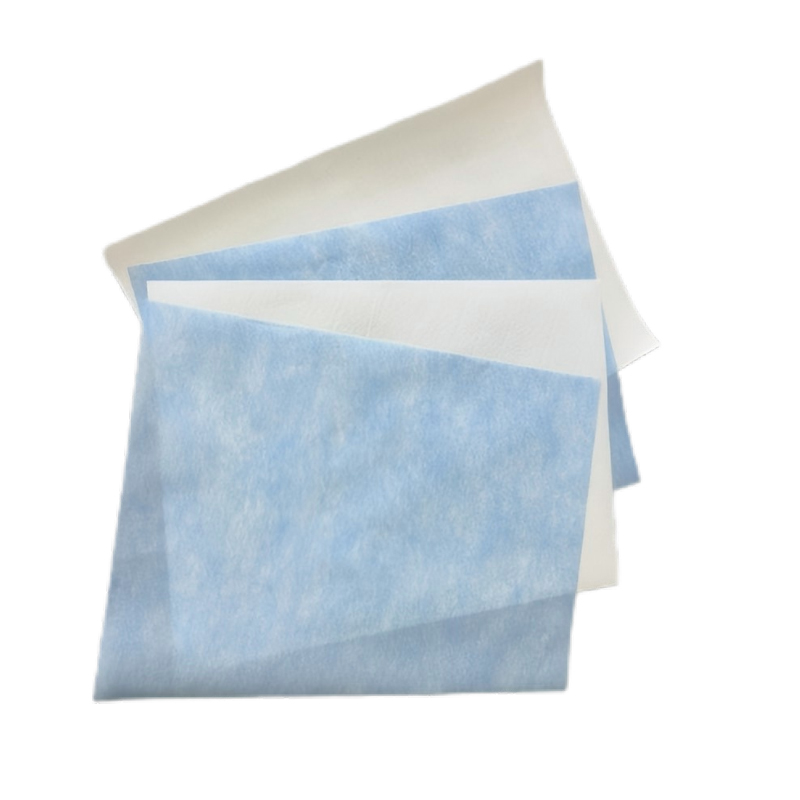 Breathable Film Laminates
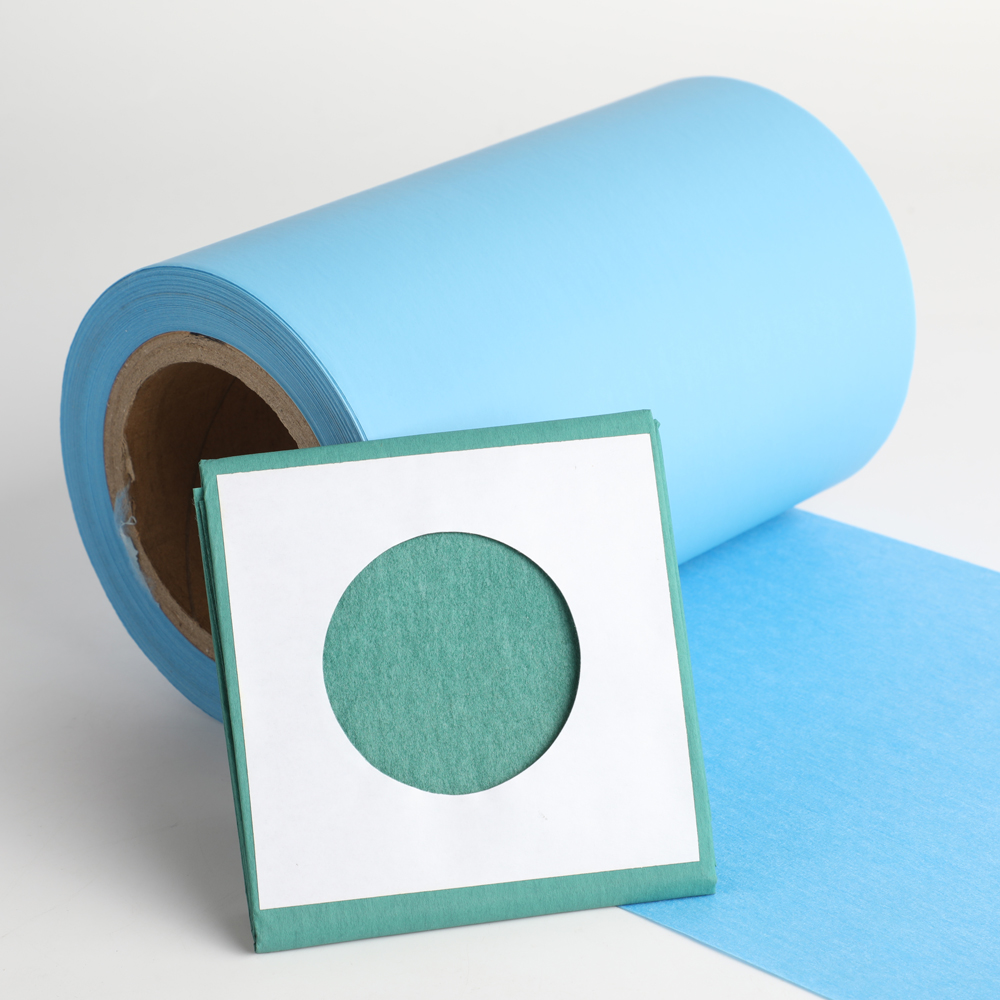 Viscose Laminates
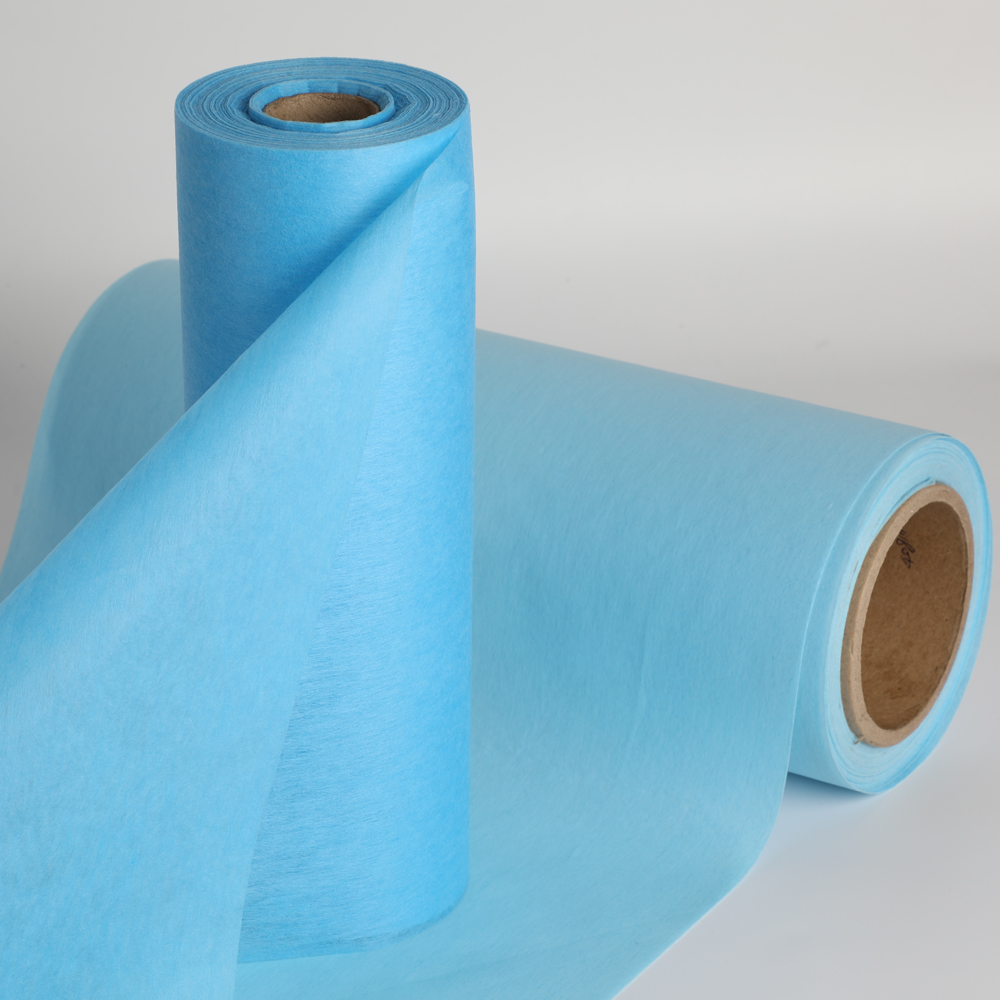 Medical Viscose Nonwoven
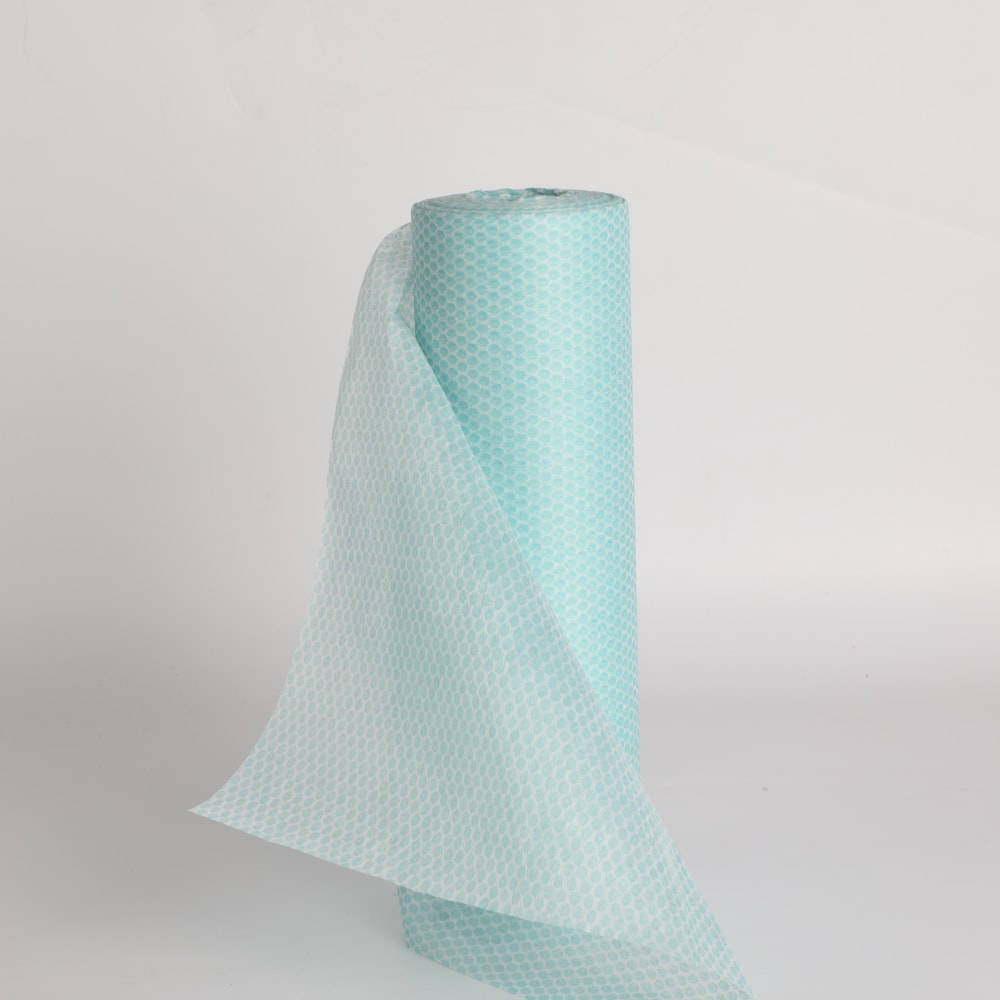 Head Wear Nonwoven
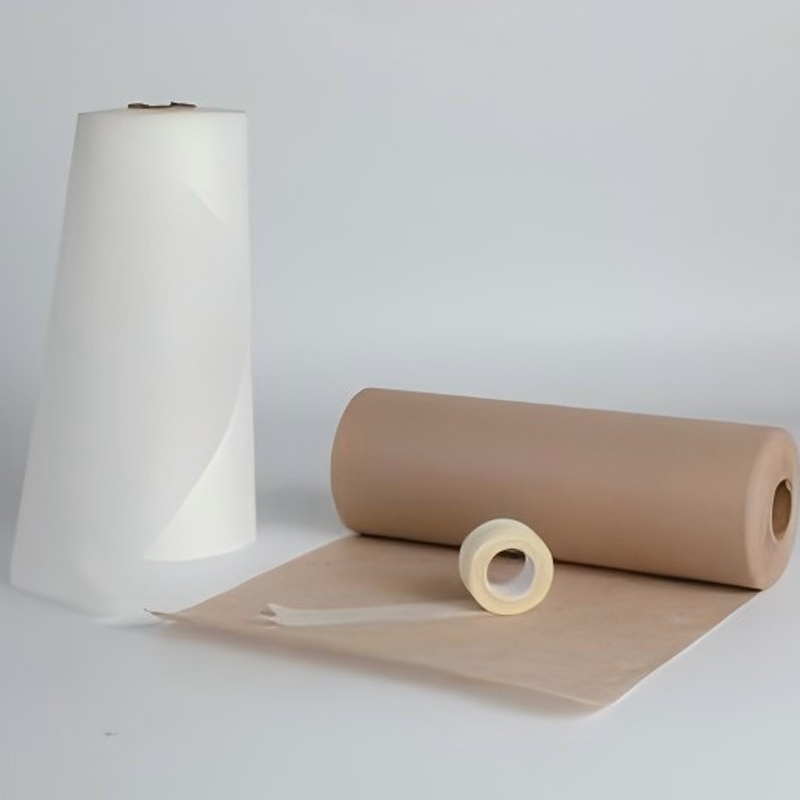 Medical Tape Nonwoven
 Snus Pouch Nonwoven
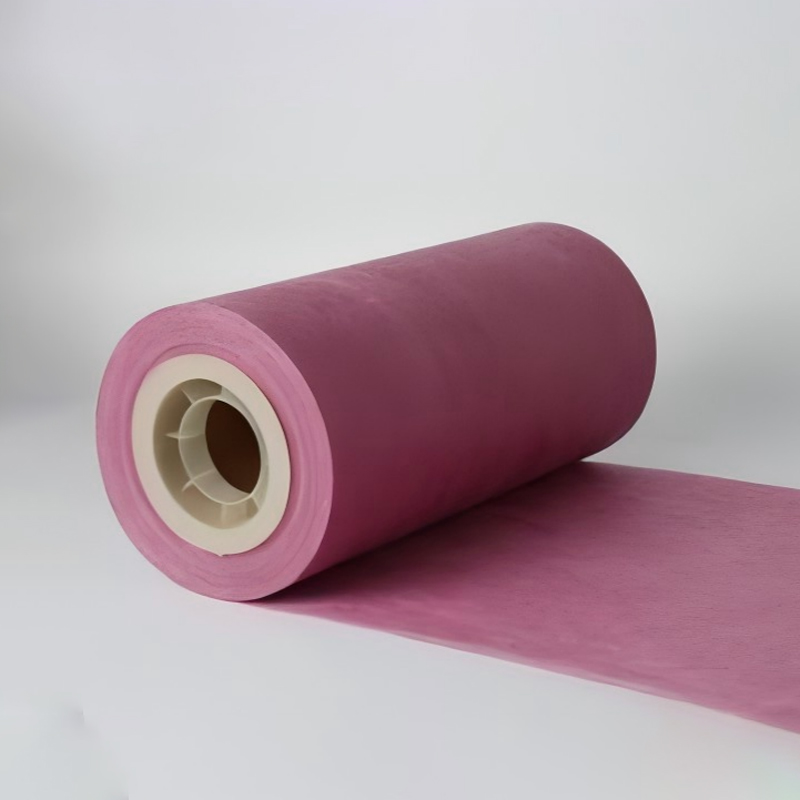 Filtration Nonwoven
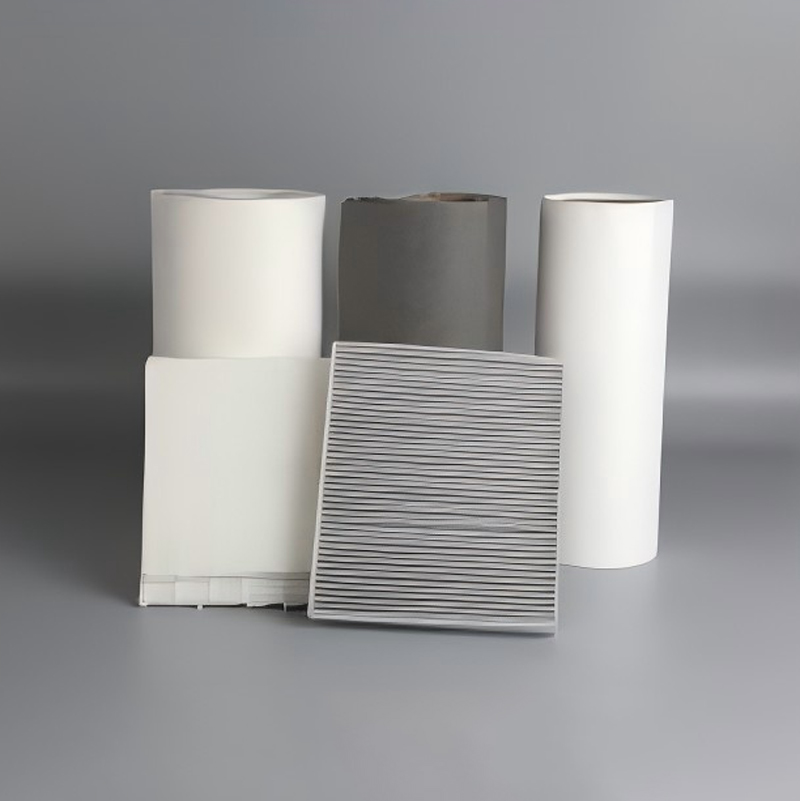 Air Filter Media
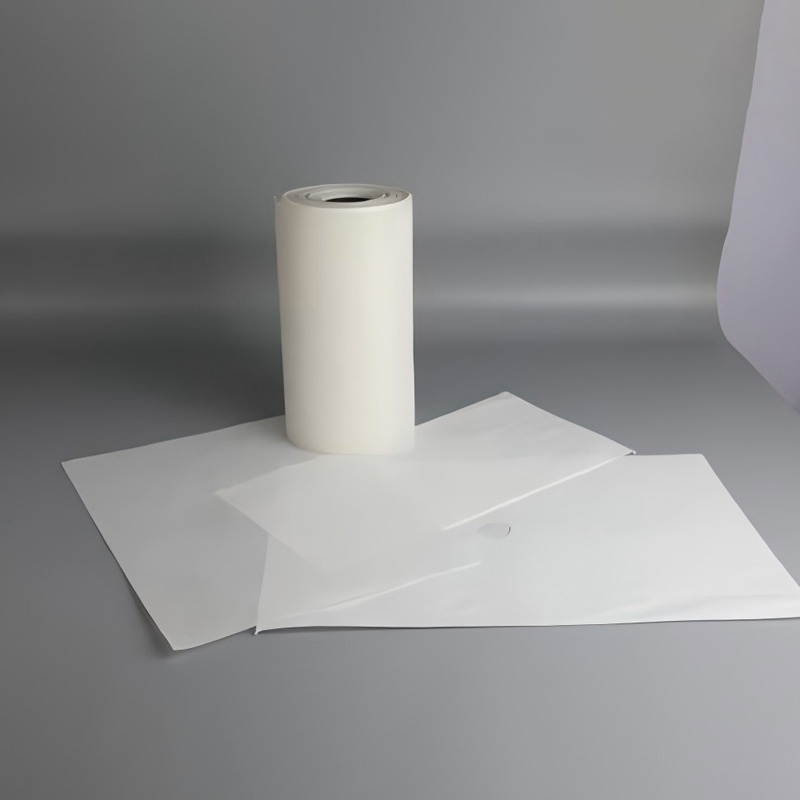 Liquid Filter Media
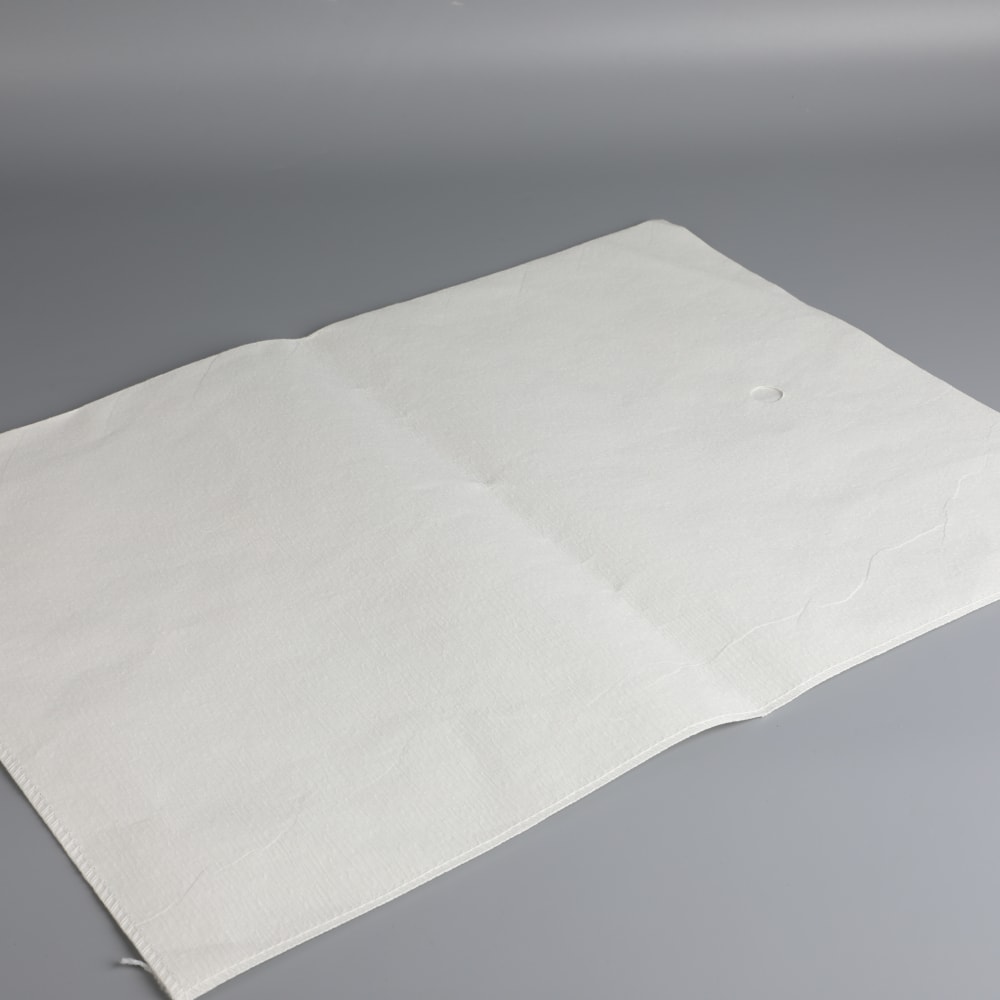 Filter Envelope & Filter Sheet
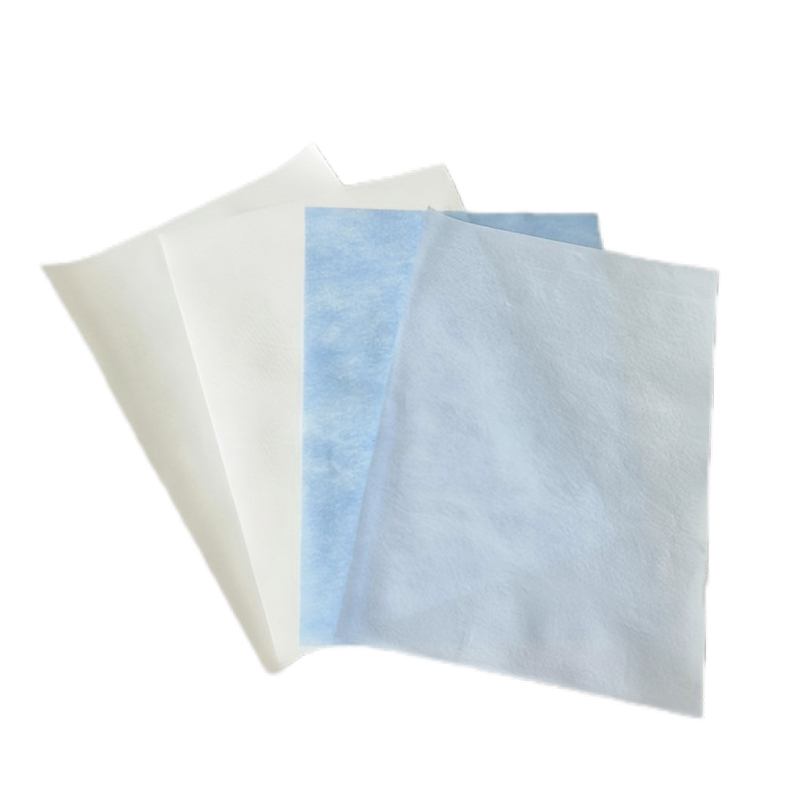 Breathable Film Laminates
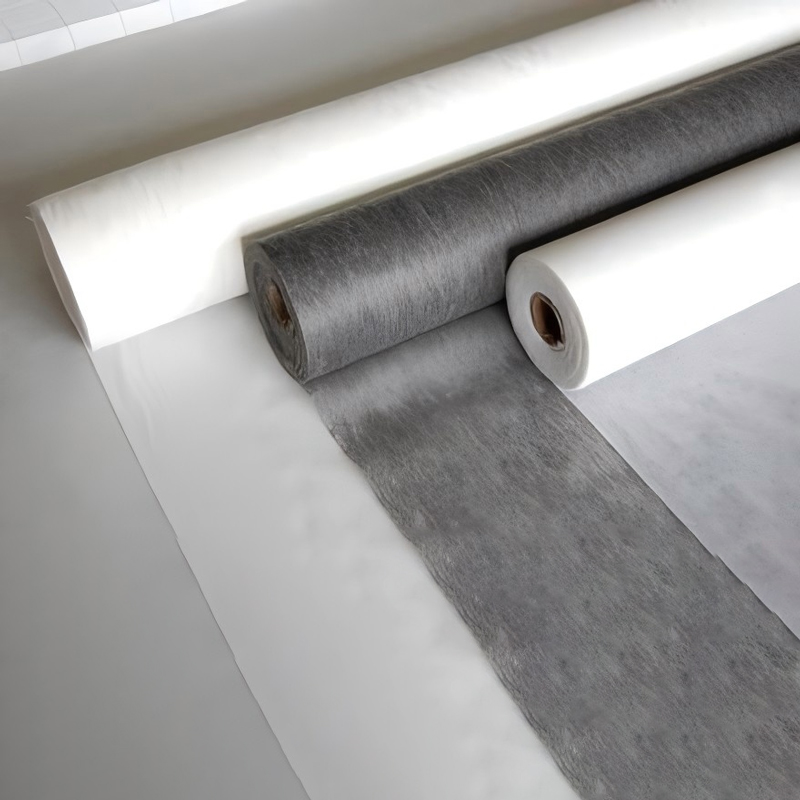 Nonwoven Interlining
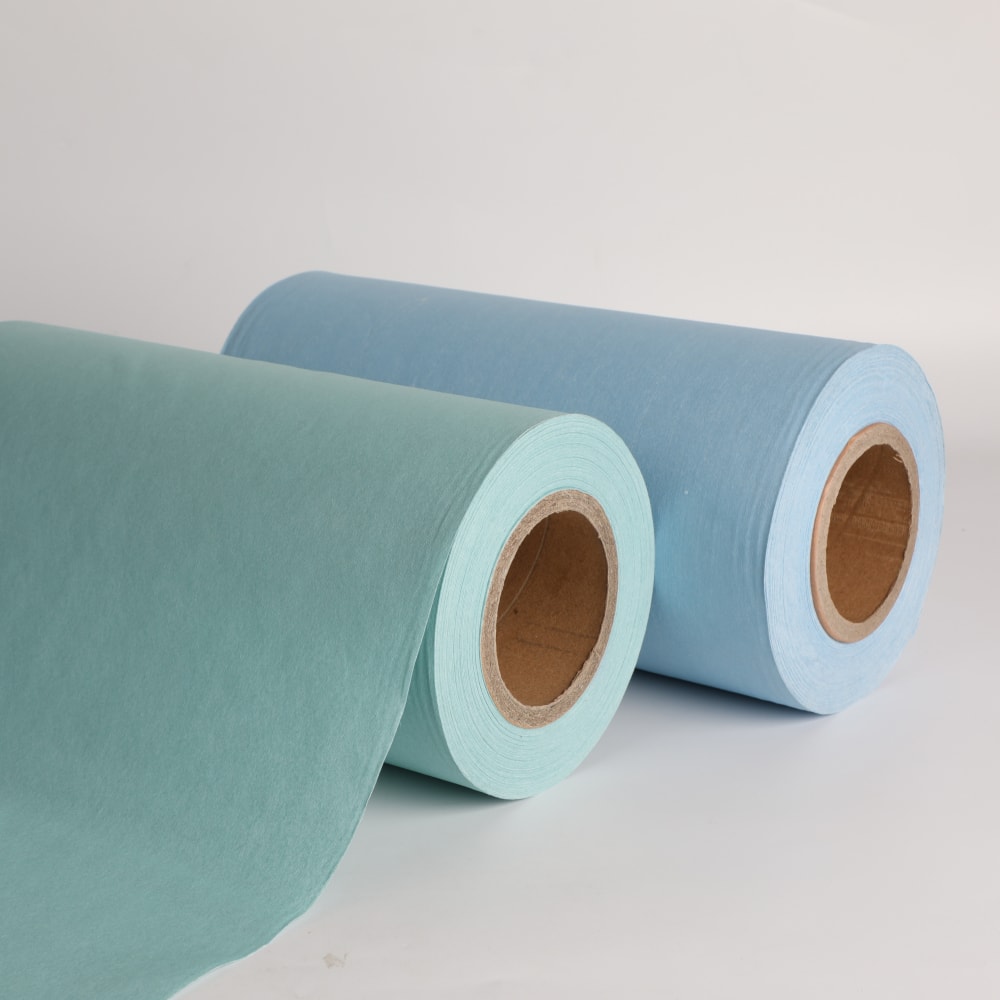 Fluid Repellent Woodpulp Spunlace Nonwoven
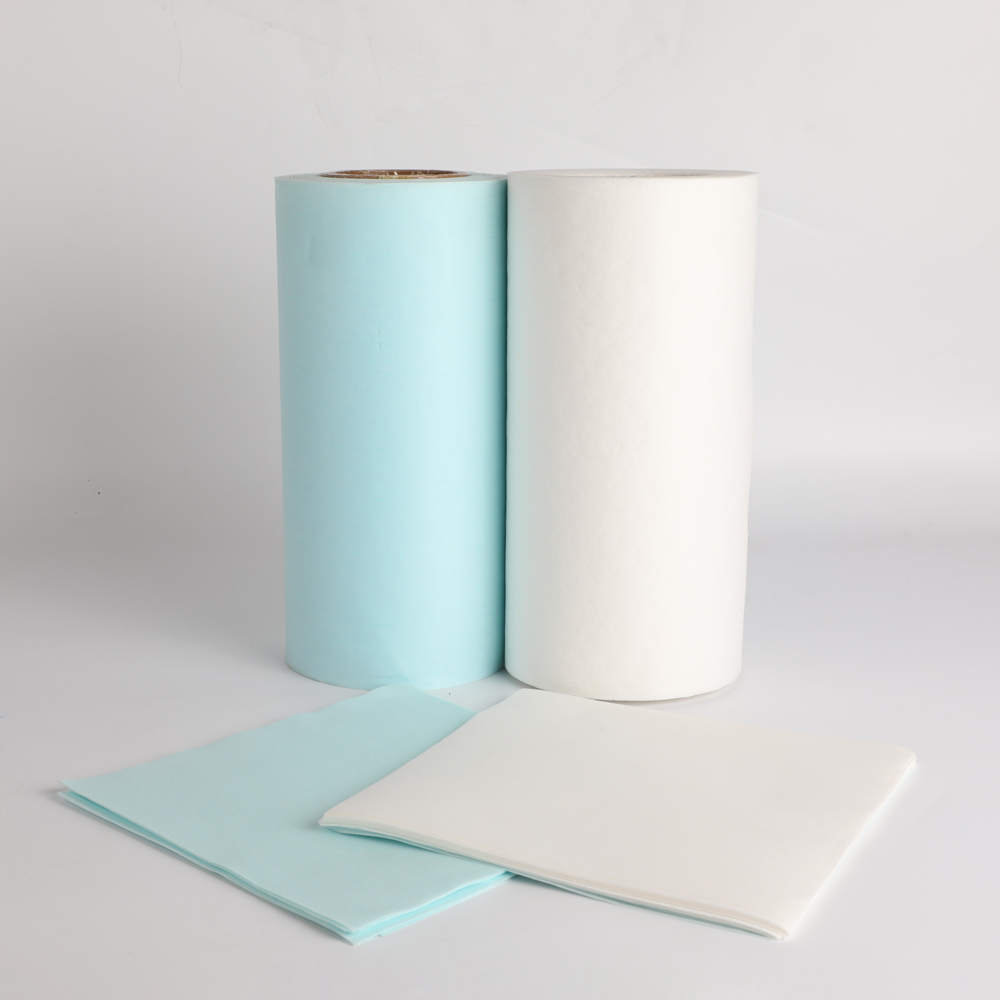 Woodpulp Nonwoven Wipe
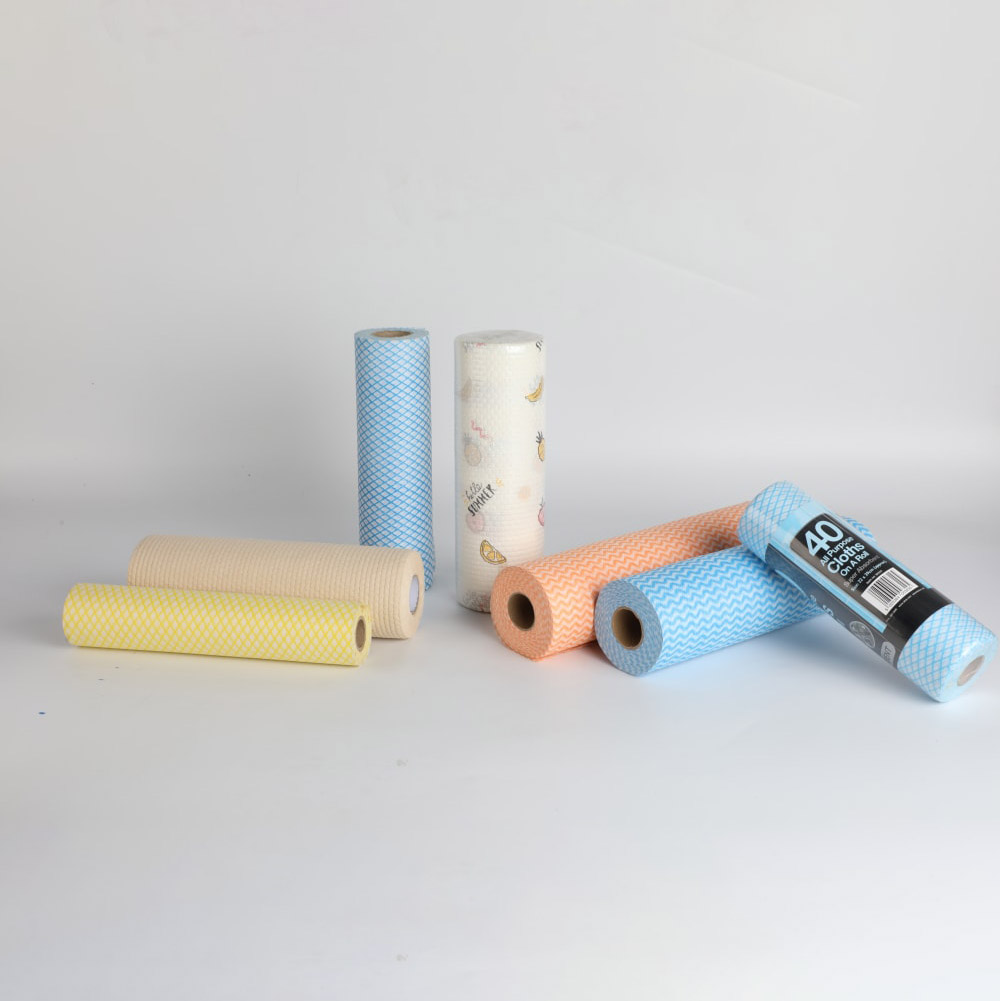 Nonwoven Cleaning Wipe
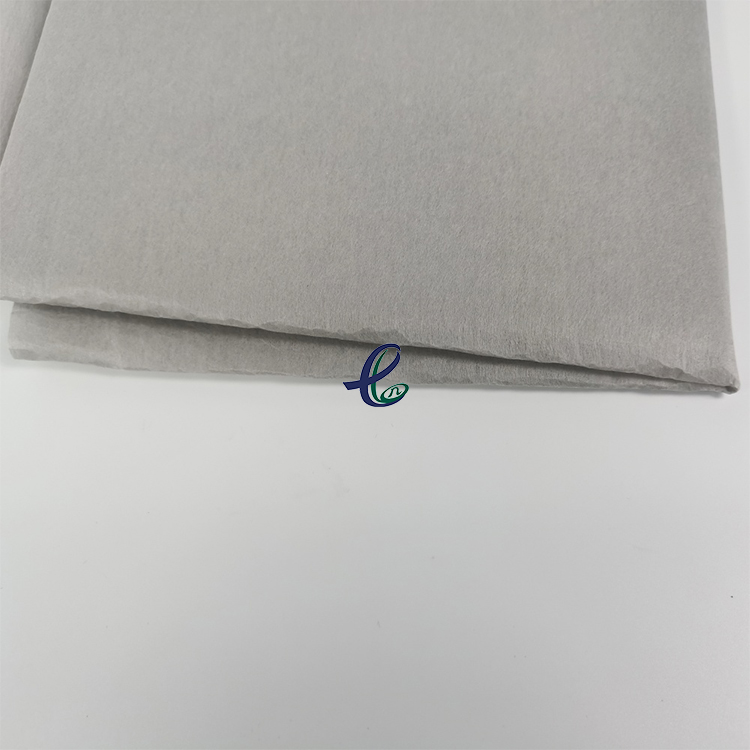 Curtain Nonwoven
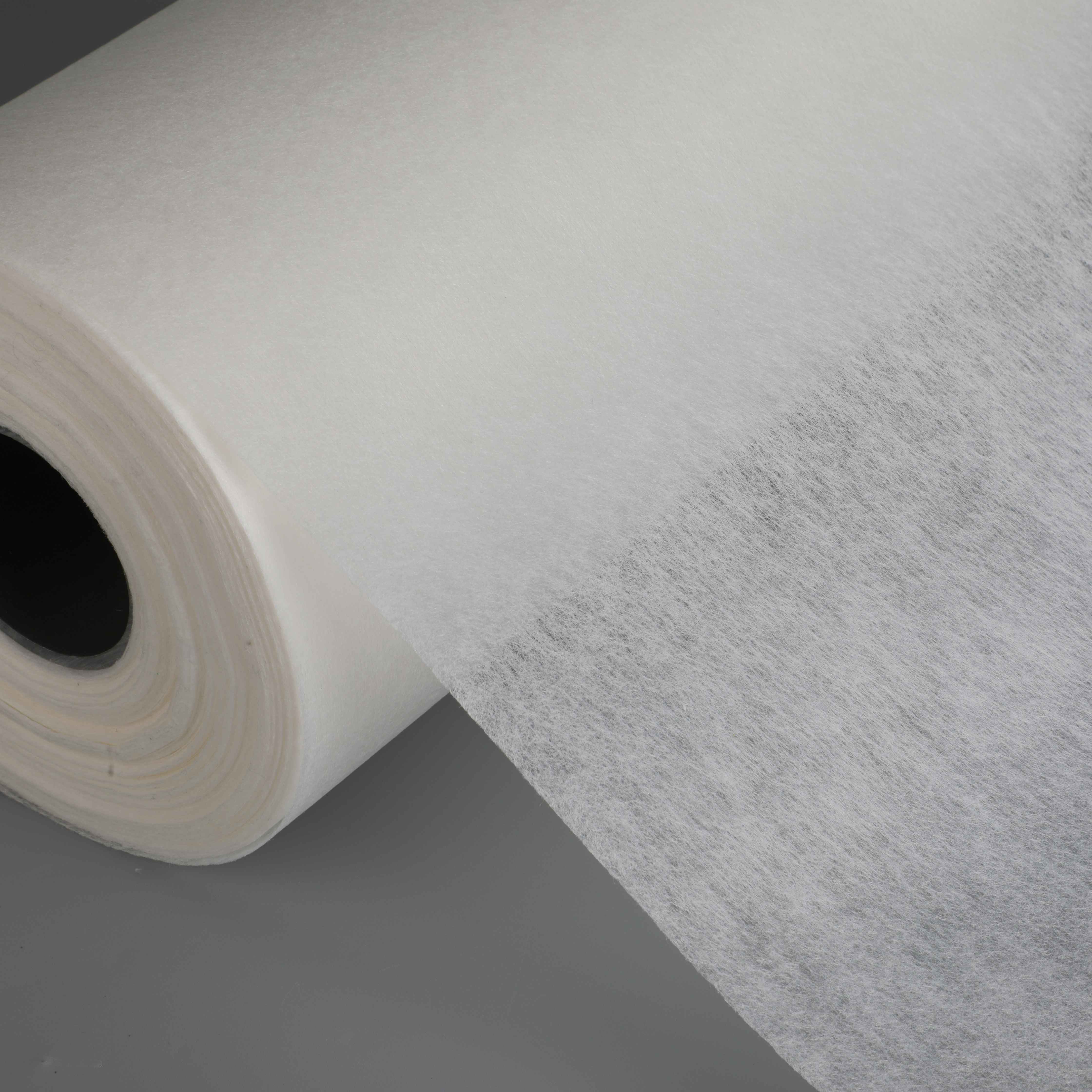 Food Grade Packaging Nonwoven
 Aluminized Nonwoven
 Hot Air Cotton Nonwoven
 Flame Retardant Nonwoven
 Cable Wrapping Nonwoven
 Semi-conductive Nonwoven
 Anti-Bacterial Nonwoven
 +8613957712400
 CONTACT WhatsApp
 CONTACT WeChat
 CONTACT NUMBER
 CONTACT EMAIL