Top 10 Benefits of Nonwoven Fabric Needle Punched for Buyers?
In the world of textiles, "Nonwoven Fabric Needle Punched" has emerged as a crucial innovation for various industries. Experts like Dr. Emily Carter emphasize its significance, stating, “The versatility of needle-punched nonwovens is transforming how we approach manufacturing.” This statement highlights the growing importance of this fabric in meeting diverse requirements.
Nonwoven fabrics offer distinct advantages for buyers. Their manufacturing process results in materials that are durable, lightweight, and cost-effective. The market response to these benefits has been overwhelmingly positive. Many buyers appreciate how these fabrics excel in insulation, filtration, and medical applications. They provide solutions where traditional textiles fall short.
However, the nuances of selecting the right type of nonwoven fabric can be complex. Buyers need to consider specific applications and performance characteristics. Not every needle-punched product is the same. Ongoing research and development are essential to stay updated on new innovations in this field. This evolving landscape calls for careful consideration, underscoring the need for expert guidance in leveraging the benefits of Nonwoven Fabric Needle Punched.
Understanding Nonwoven Fabric: What Is Needle Punched Technology?
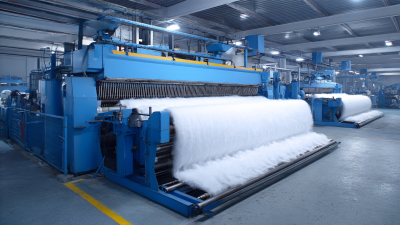
Needle punched technology is an innovative process used to create nonwoven fabrics. This method involves the use of barbed needles to entangle fibers, forming a stable fabric. It is known for its versatility and strength. The result is a robust material that can be customized for various applications. From medical supplies to automotive components, the use of needle punched nonwoven fabric is widespread.
One benefit of this technology is its cost-effectiveness. Producing nonwoven fabric through needle punching often requires less energy and time compared to traditional methods. This leads to lower production costs for manufacturers. Buyers can obtain high-quality products without breaking the bank. However, the environmental impact of production must be considered. Sustainable practices in the manufacturing process help mitigate negative effects.
Tips for selecting needle punched nonwoven fabric include evaluating its weight and thickness. Thicker fabrics may offer increased durability but can be heavier. Testing samples before purchasing is crucial. Additionally, it's wise to confirm the fabric's compatibility with your intended use. Understanding the technical aspects ensures you make informed choices.
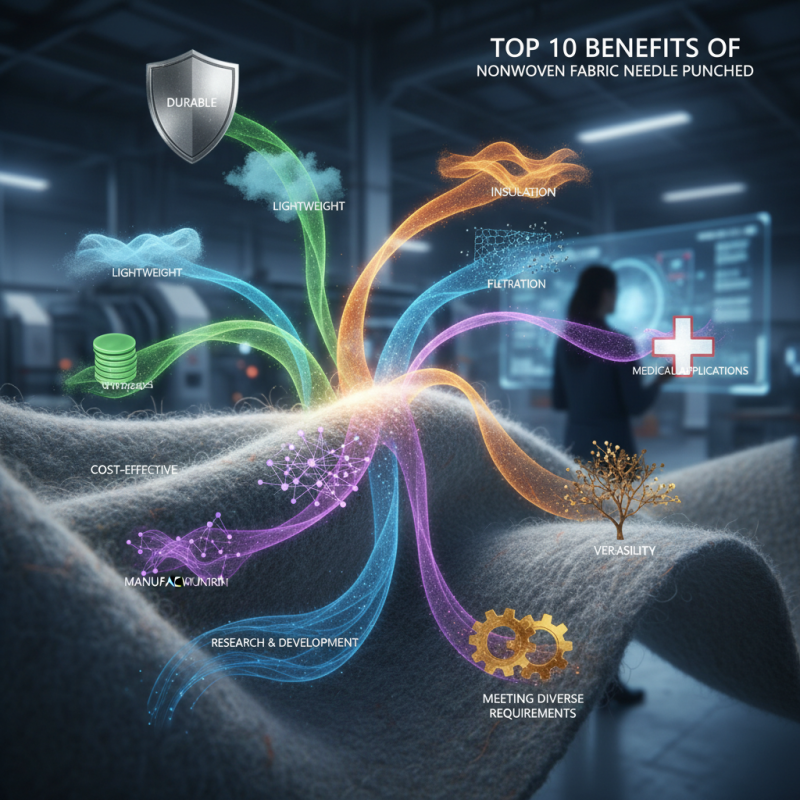
Top 10 Benefits of Nonwoven Fabric Needle Punched
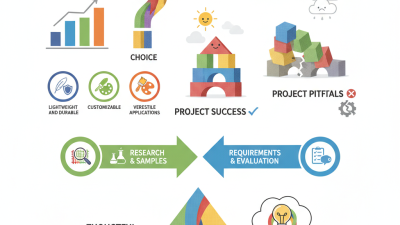
This chart illustrates the top 10 benefits of nonwoven fabric needle punched technology, rated on a scale from 1 to 10. Each benefit showcases its significance, highlighting why buyers should consider nonwoven fabrics for various applications.
Key Characteristics and Properties of Needle Punched Nonwoven Fabrics
Needle punched nonwoven fabrics possess unique characteristics that make them favorable for various applications. They are made from fibrous materials that are mechanically bonded together through a process called needling. This creates a strong and durable fabric. The process allows for a range of thicknesses and textures, enabling customization for different uses. These fabrics exhibit excellent dimensional stability and strength, making them suitable for both industrial and consumer products.
The properties of needle punched nonwoven fabrics include high absorbency and breathability. They can efficiently wick moisture away, which is beneficial in applications like filtration and hygiene products. Additionally, these fabrics are resistant to tearing and abrasion, providing longevity in demanding environments. However, not all needle punched products have the same quality. Some may lack uniform thickness or consistency. Buyers should carefully evaluate material specifications to ensure they meet project requirements. Trusting well-established sources can help mitigate risks associated with product variability.
Top 10 Benefits of Nonwoven Fabric Needle Punched for Buyers
| Benefit |
Description |
| Durability |
Needle punched nonwoven fabrics are known for their high strength and long-lasting performance. |
| Versatility |
These fabrics can be used in various industries, such as automotive, construction, and apparel. |
| Cost-Effectiveness |
They offer a lower cost compared to other types of fabrics while maintaining quality. |
| Sustainability |
Many nonwoven fabrics are made from recycled materials and are biodegradable. |
| Breathability |
These fabrics allow airflow, making them suitable for personal protective equipment. |
| Customization |
Different textures, weights, and colors can be achieved to meet specific requirements. |
| Easy to Handle |
Nonwoven fabrics are lightweight and easy to cut, sew, and assemble. |
| Reduced Waste |
They are produced without weaving, leading to less raw material waste during manufacturing. |
| Enhanced Performance |
These fabrics have excellent moisture resistance and durability under various conditions. |
| Sound Absorption |
They can effectively reduce noise levels, making them ideal for soundproofing applications. |
Top Industries Benefiting from Needle Punched Nonwoven Fabric
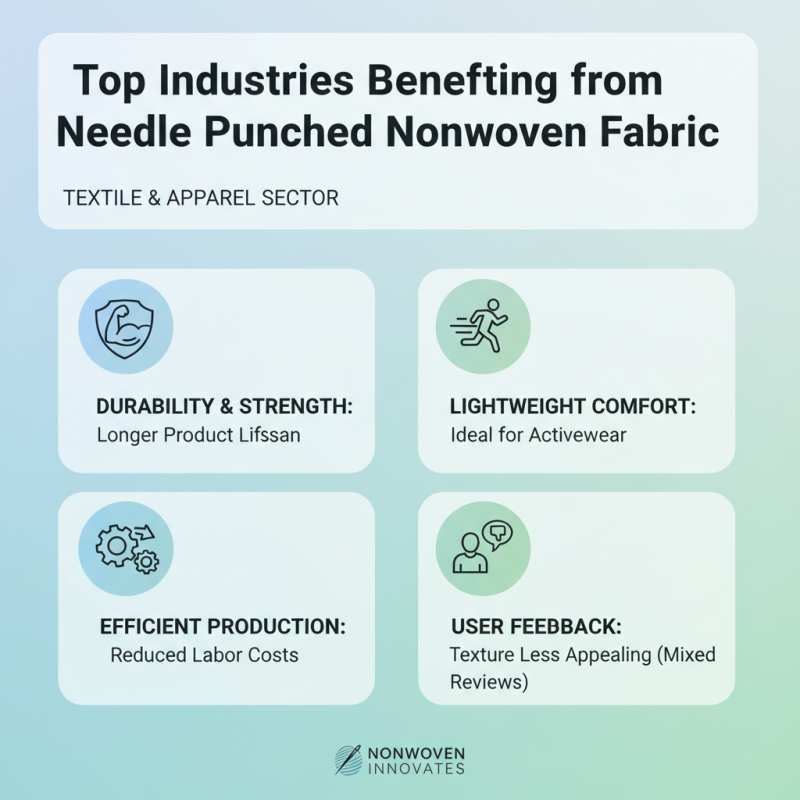
Needle-punched nonwoven fabric is making waves across various industries. The textile and apparel sector is one of the most significant benefactors. This fabric offers durability and strength in clothing applications, enhancing product lifespan. Its lightweight design aids in comfortable wear, making it suitable for activewear. Manufacturers appreciate the efficient production process, reducing labor costs. However, some users may find the texture less appealing, leading to mixed feedback.
Another important industry is automotive. Needle-punched nonwoven fabric is widely used for insulation and soundproofing. It effectively reduces noise levels in vehicles. This fabric is also used in seat covers and carpets, contributing to overall vehicle aesthetics. The challenge lies in maintaining consistency across batches. Variations can affect the quality of the final product, which is a point of concern for manufacturers.
The construction industry has also adopted needle-punched nonwoven fabric. It serves as a reliable barrier for moisture control and filtration. Many builders prefer it for its cost-effectiveness compared to traditional materials. However, some may question its long-term durability in harsh weather conditions. Continuous research and development are needed to address these concerns and improve product reliability.
Advantages of Needle Punched Nonwoven Fabric in Sustainability
Needle punched nonwoven fabric has gained popularity for its role in
sustainability. This fabric is made from fibers that are
mechanically entangled, resulting in a durable and versatile product. The production process is efficient,
requiring less water and energy compared to traditional textile methods. Reduce, reuse, and recycle
are key principles that needle punched fabrics embody.
Moreover, needle punched fabrics can be made from recycled raw materials.
This reduces waste and lowers the demand for virgin resources. Many industries use these fabrics in applications
like filtration and geotextiles. Their biodegradability adds another layer of sustainability. In the right
conditions, these fabrics break down naturally, minimizing environmental impact.
However, challenges exist. Although durable, the longevity of needle punched fabrics can lead to
landfill concerns if not disposed of properly. Not all consumers may
understand the environmental benefits. Education is vital for promoting
these fabrics. Buyers should weigh the benefits against potential drawbacks. A balance must be found in making
choices that are both practical and eco-friendly.
Cost-Effectiveness and Versatility for Buyers in Needle Punched Fabrics
Nonwoven fabric needle punching offers impressive cost-effectiveness and versatility for buyers. This method creates strong materials without the need for traditional weaving. The result is a durable product that suits many applications, from automotive to medical uses. Buyers often find that needle-punched fabrics provide similar or superior performance compared to woven options at a lower price point.
The versatility of needle-punched nonwoven fabrics is another key benefit. They can be engineered for specific properties, such as softness or rigidity. This allows manufacturers to tailor the material to meet diverse needs. However, some buyers might overlook this adaptability, focusing instead on immediate costs. It's essential to consider long-term benefits, even when faced with lower initial expenses.
While many recognize the effectiveness of needle-punched fabrics, misconceptions remain. Buyers need to research and understand all potential limitations. This approach helps in making informed decisions. Cost-effectiveness is important, but performance reliability must not be sacrificed. Balancing these factors can lead to a more satisfactory purchasing experience.

 PP Laminates
 Multi Laminates
 Spunlace Nonwoven Laminates
 Breathable Film Laminates
 Viscose Laminates
 Medical Viscose Nonwoven
 Head Wear Nonwoven
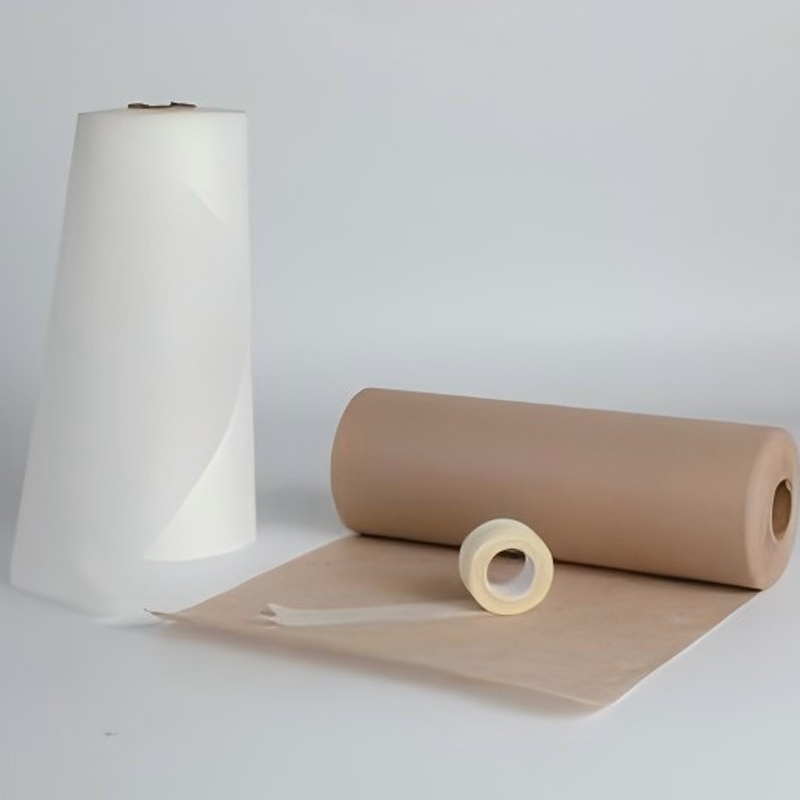 Medical Tape Nonwoven
 Snus Pouch Nonwoven
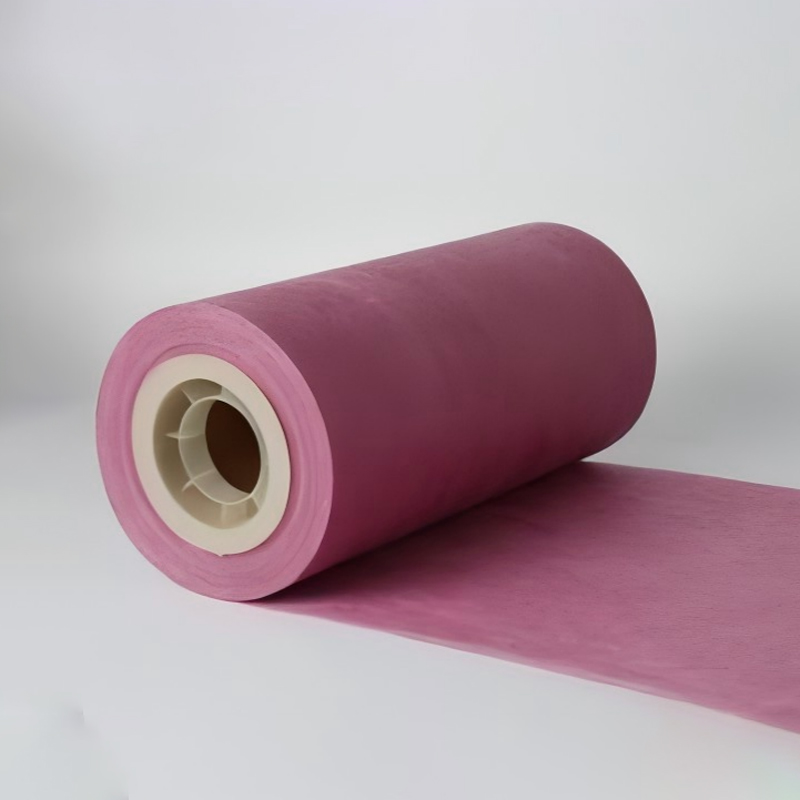 Filtration Nonwoven
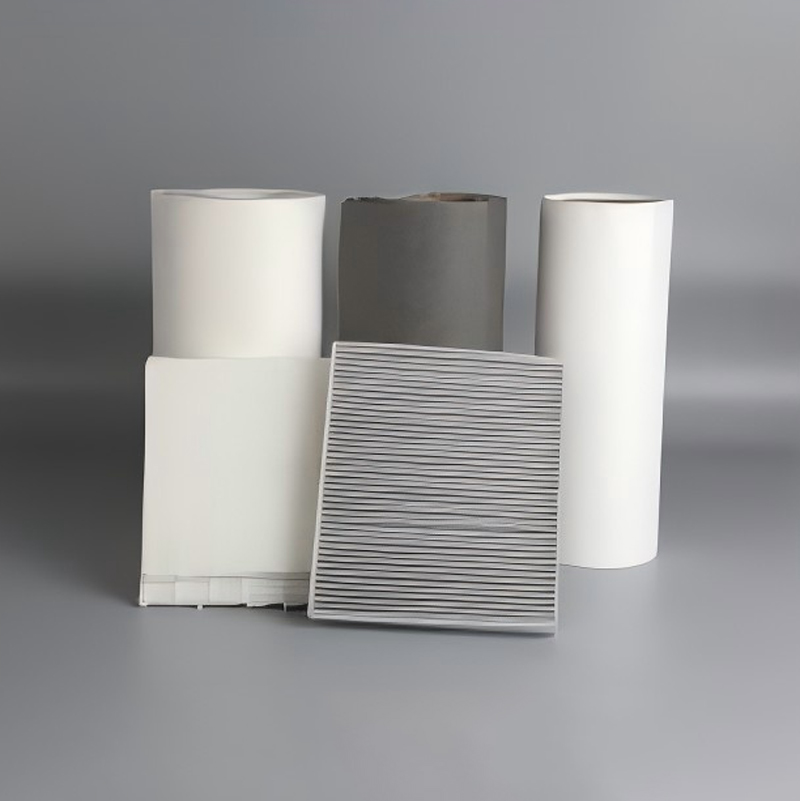 Air Filter Media
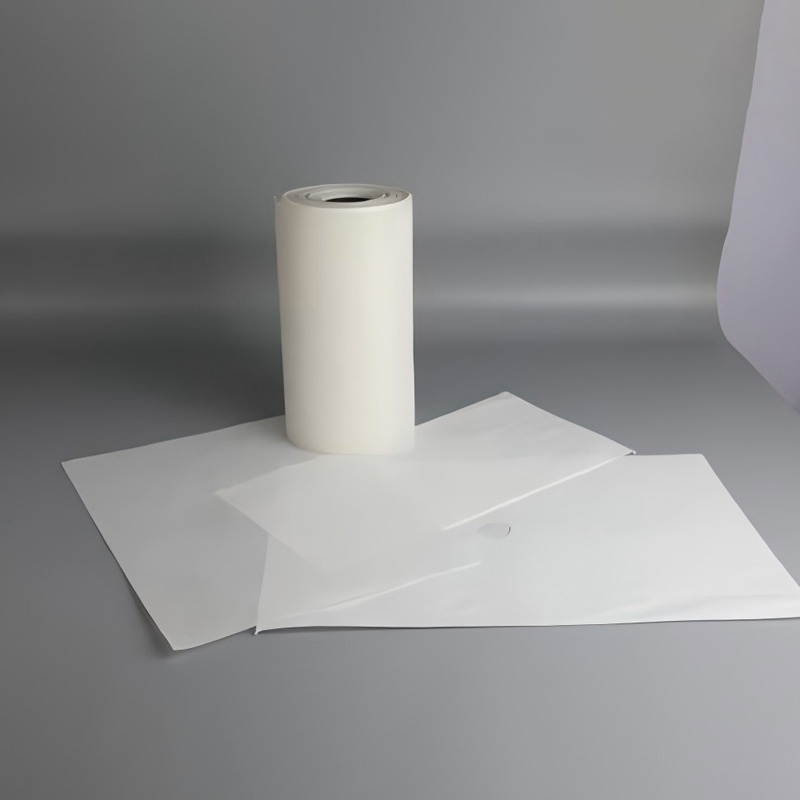 Liquid Filter Media
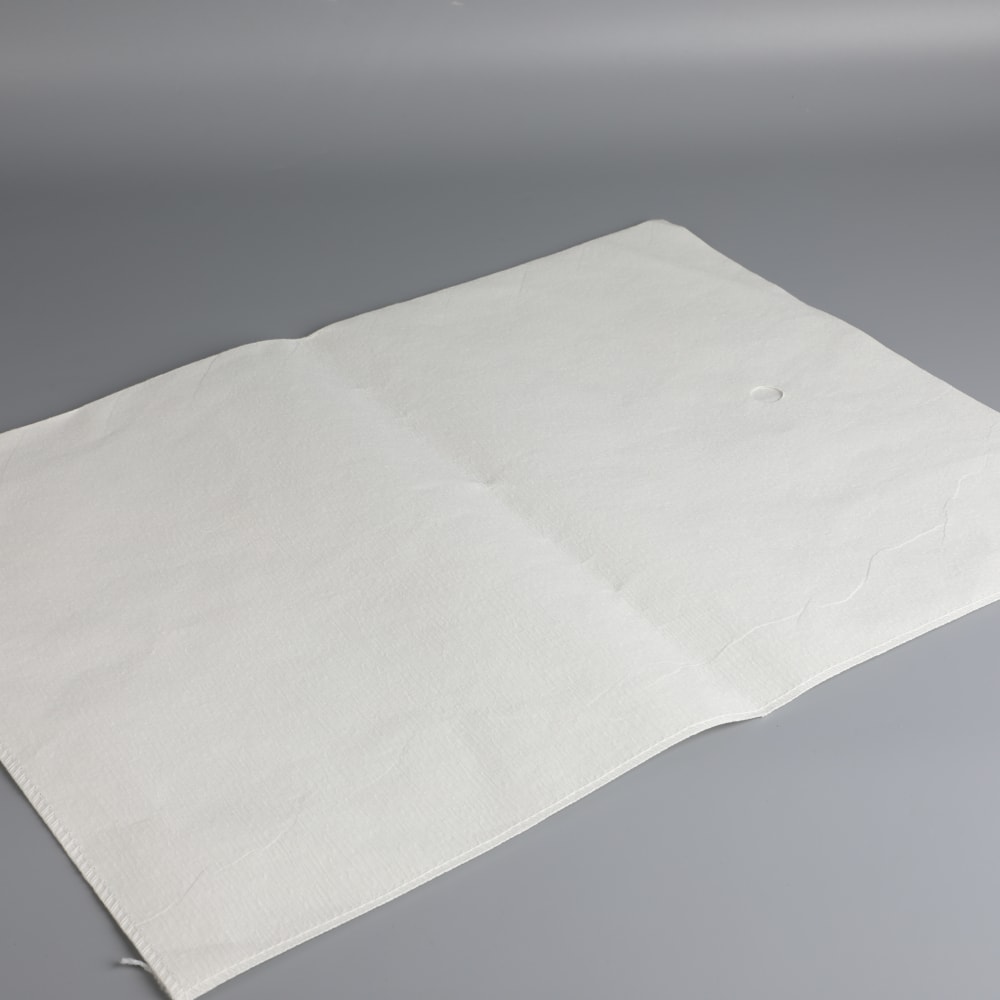 Filter Envelope & Filter Sheet
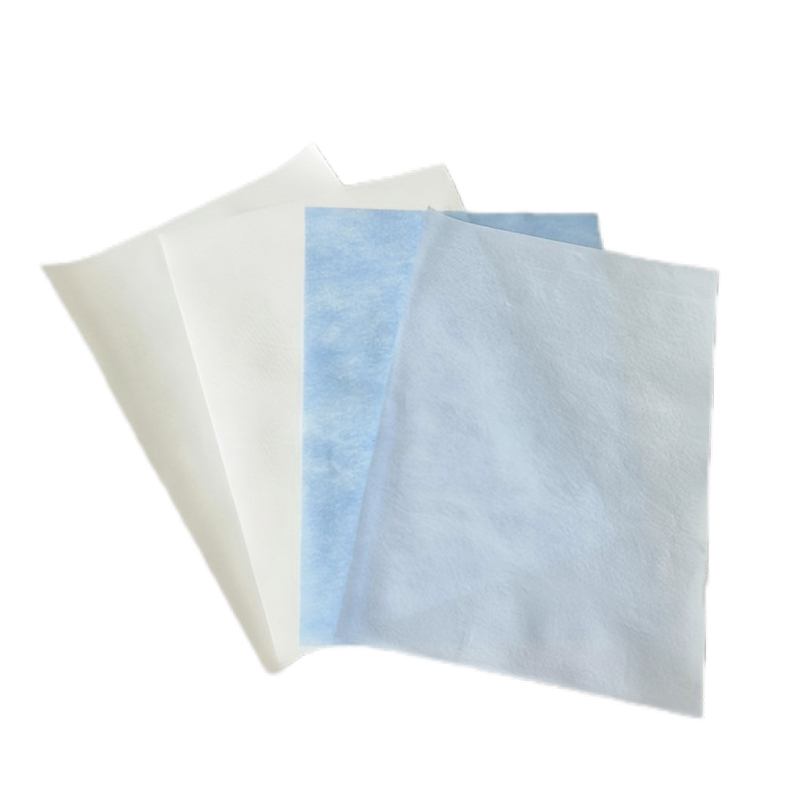 Breathable Film Laminates
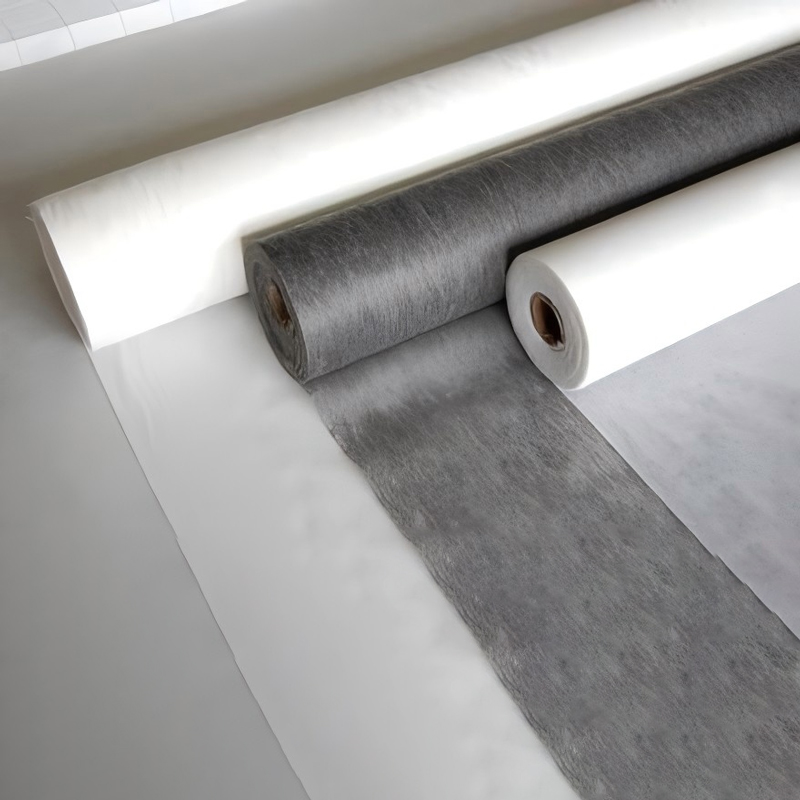 Nonwoven Interlining
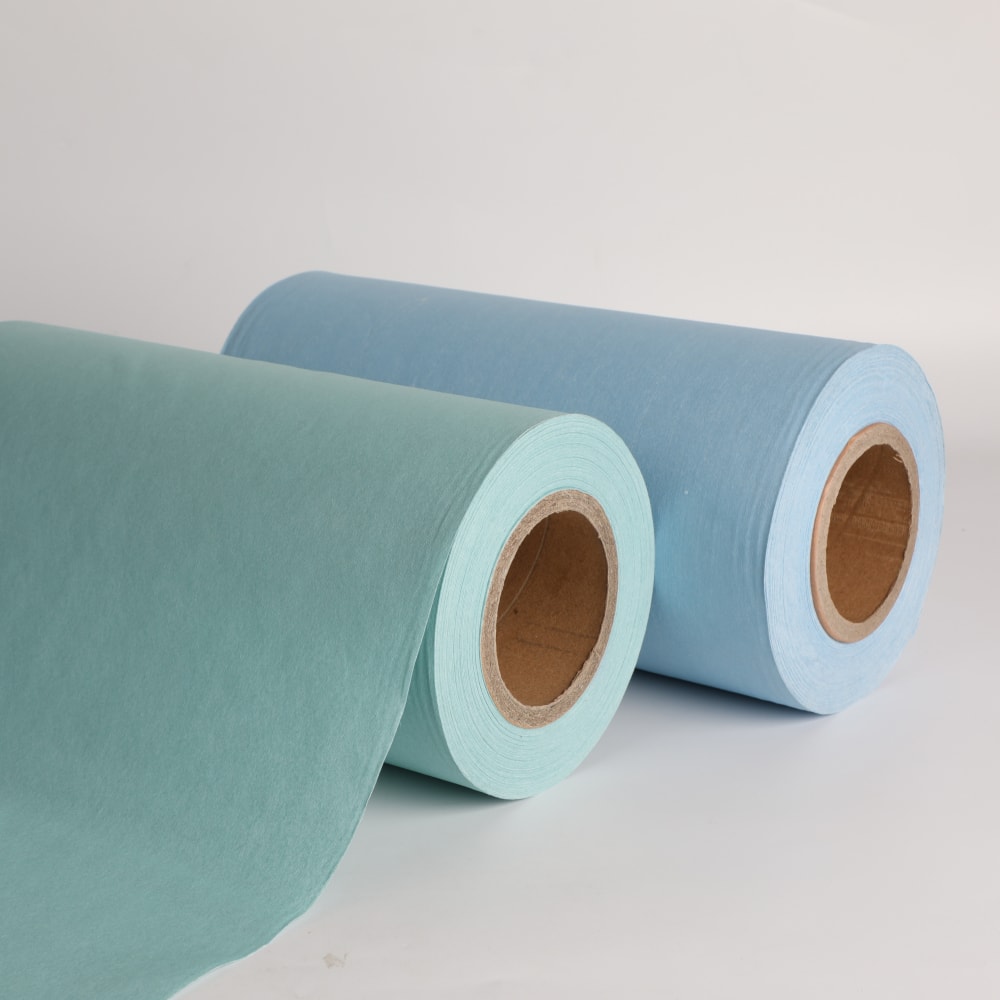 Fluid Repellent Woodpulp Spunlace Nonwoven
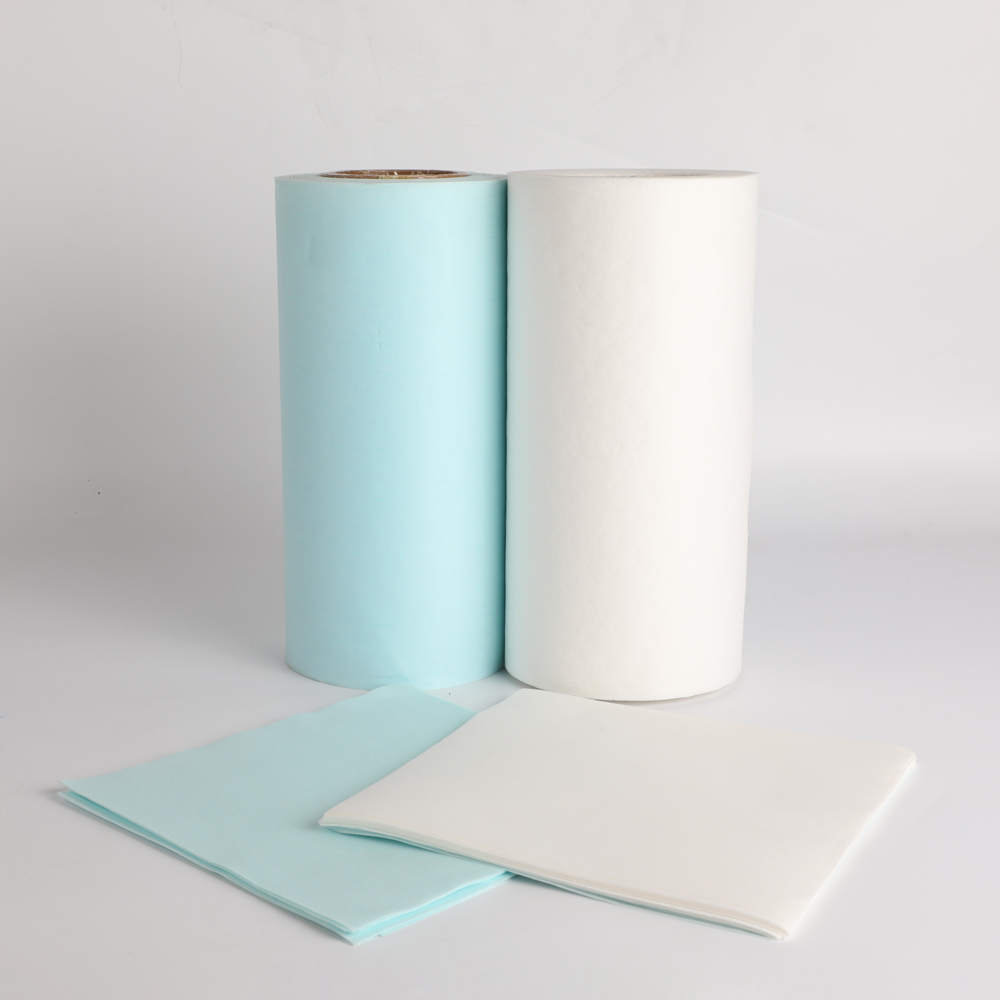 Woodpulp Nonwoven Wipe
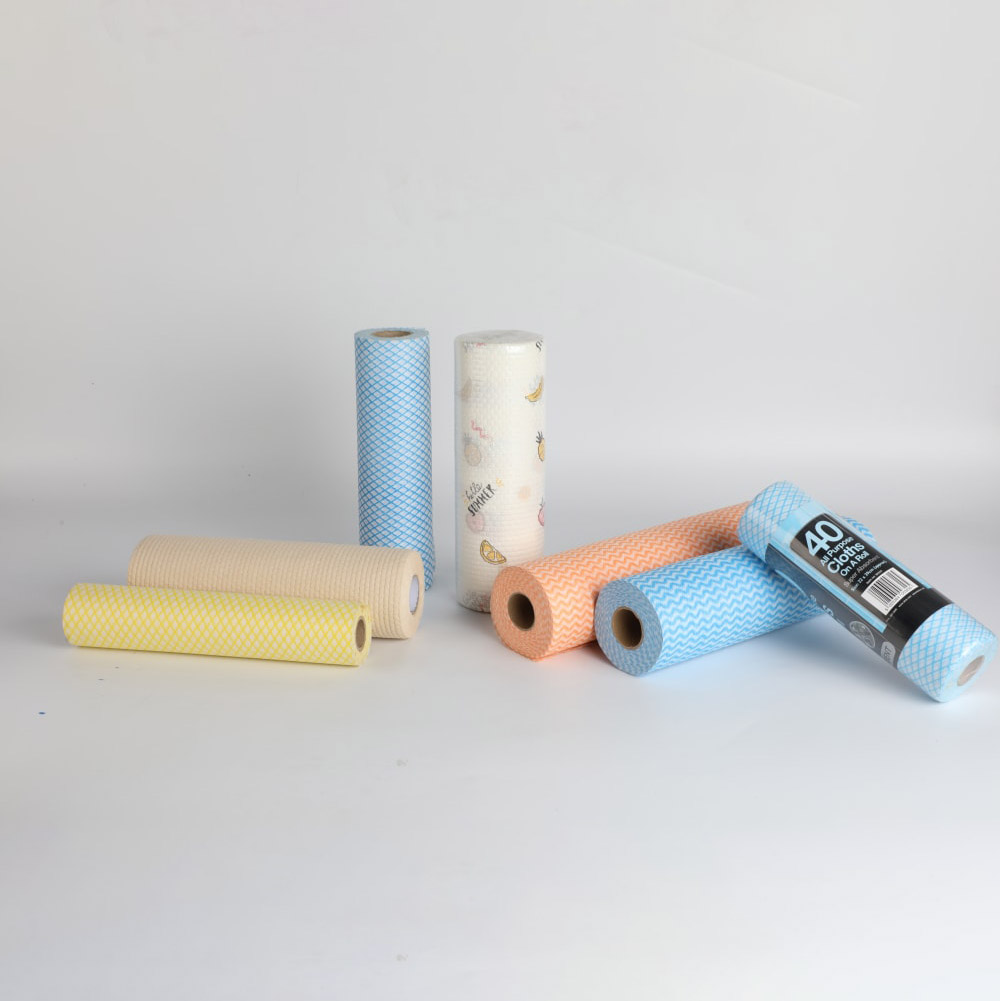 Nonwoven Cleaning Wipe
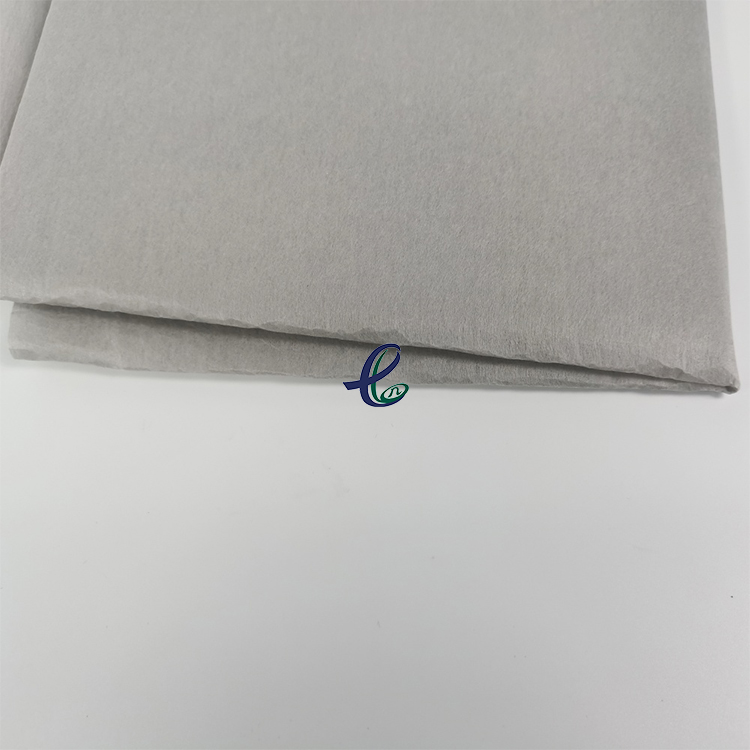 Curtain Nonwoven
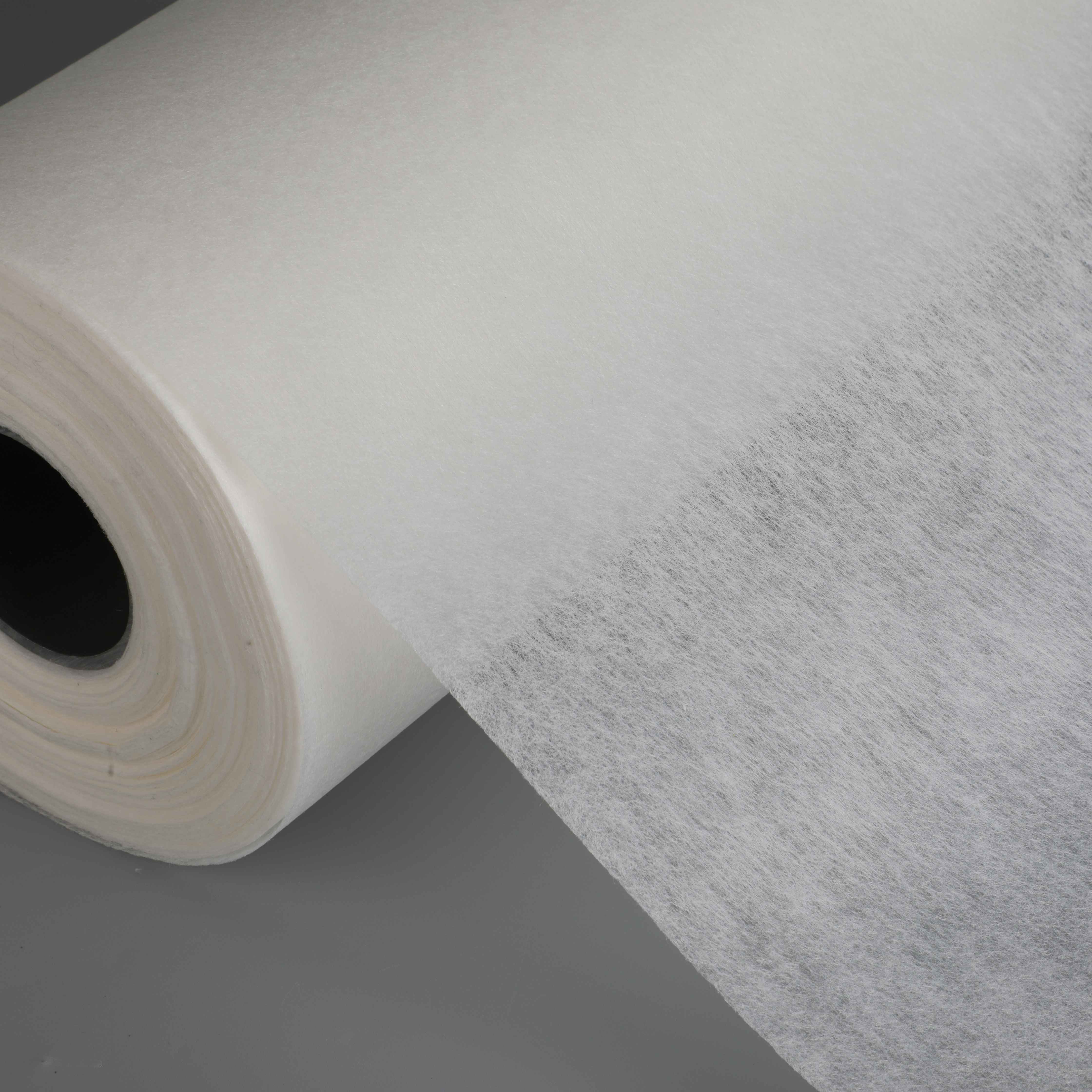 Food Grade Packaging Nonwoven
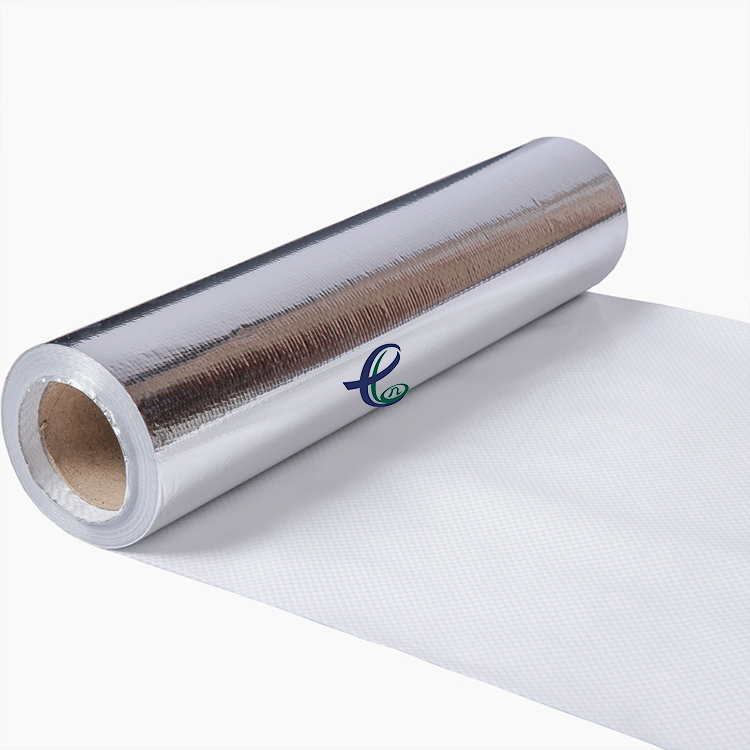 Aluminized Nonwoven
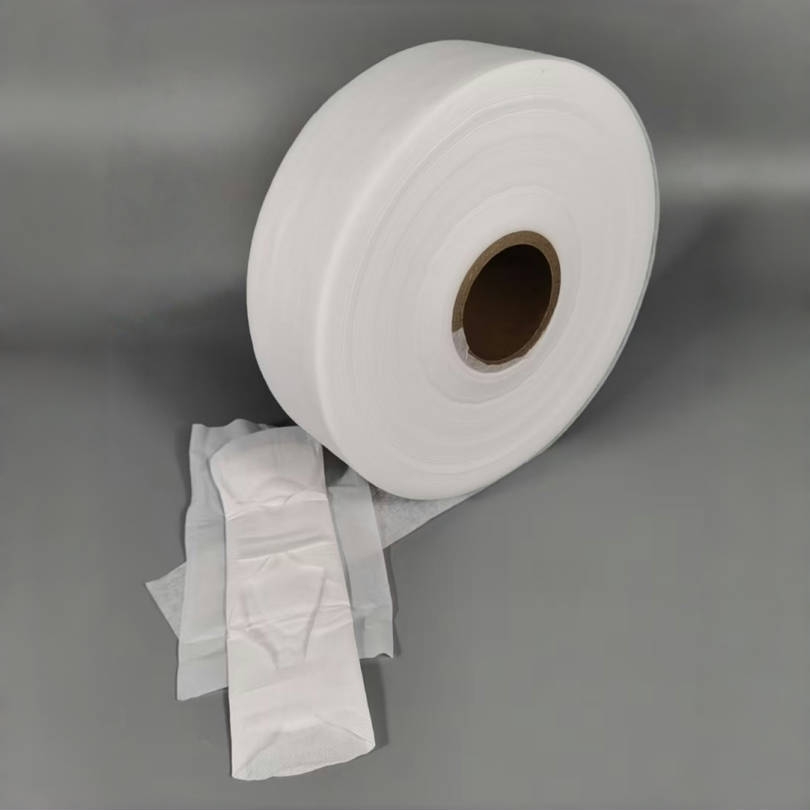 Hot Air Cotton Nonwoven
 Flame Retardant Nonwoven
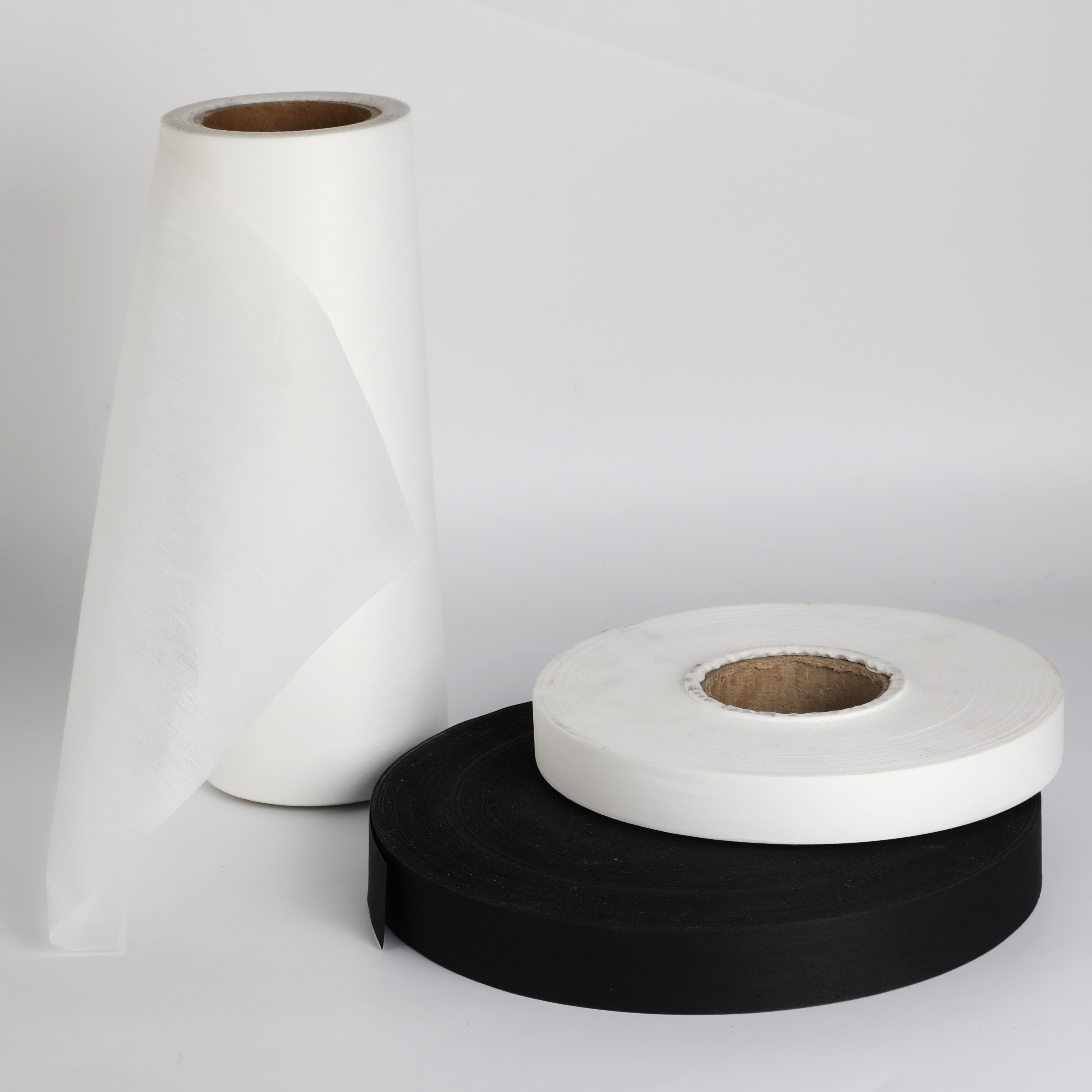 Cable Wrapping Nonwoven
 Semi-conductive Nonwoven
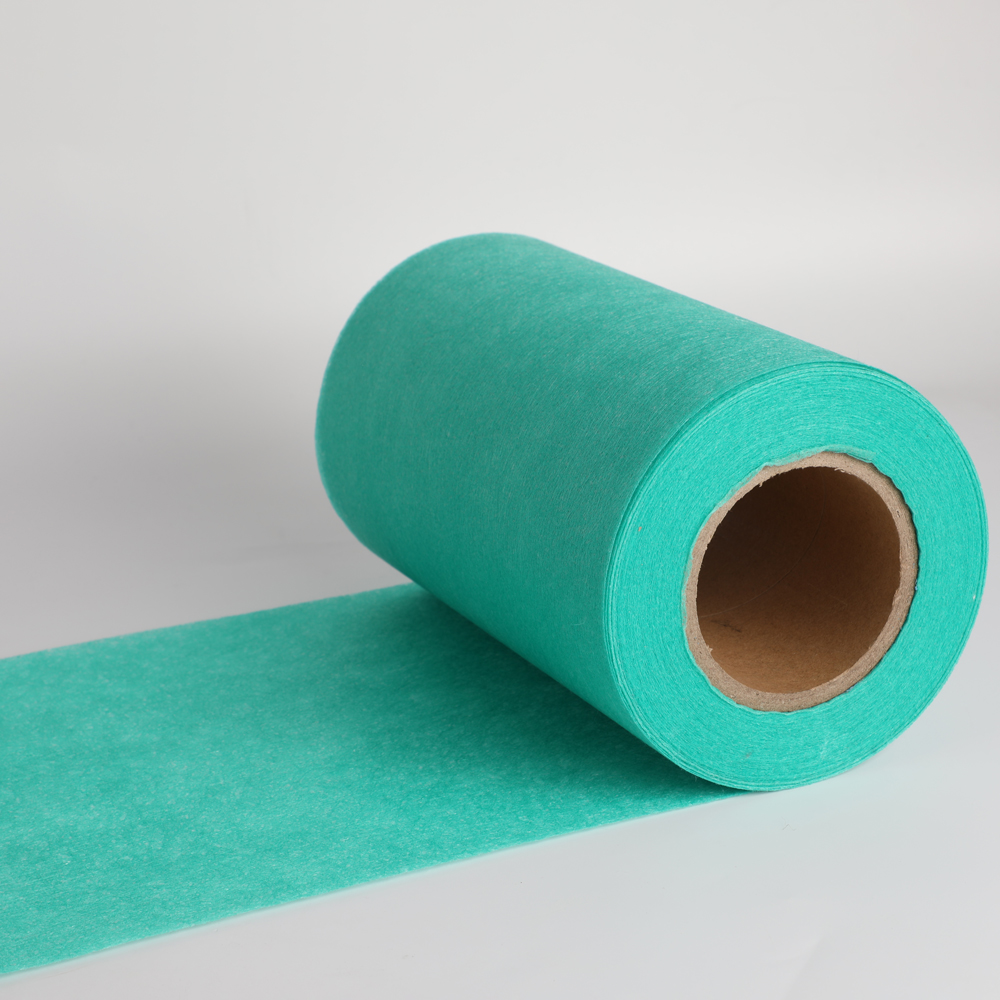 Anti-Bacterial Nonwoven
 +8613957712400
 CONTACT WhatsApp
 CONTACT WeChat
 CONTACT NUMBER
 CONTACT EMAIL