Top 10 Benefits of Using Wet Kitchen Wipes for Cleaning?
Wet Kitchen Wipes have become a common tool in modern kitchens. They offer convenience and effectiveness in cleaning surfaces quickly. According to Sarah Matthews, a cleaning industry expert, "Wet Kitchen Wipes provide efficiency and ease, making daily cleaning tasks much simpler."
These wipes not only save time but also enhance the cleanliness of kitchen environments. Their antibacterial properties eliminate harmful germs. The lightweight design allows users to reach hidden spots easily. However, some users might question their long-term sustainability and environmental impact.
Choosing to depend heavily on Wet Kitchen Wipes can lead to a reliance on single-use products. This may raise concerns about waste. While they are undeniably effective for quick clean-ups, pondering their role in an overall cleaning routine could be beneficial. Balancing convenience with sustainability is crucial for a responsible approach to kitchen hygiene.

Understanding Wet Kitchen Wipes: Composition and Functionality
Wet kitchen wipes have revolutionized cleaning in food preparation areas. Typically composed of non-woven fibers, they include surfactants and antimicrobial agents. These components work together, providing effective cleaning and sanitization. A study from the International Journal of Food Science & Technology indicates that wipes with antimicrobial properties eliminate 99.9% of bacteria on surfaces, highlighting their effectiveness.
The convenience of wet kitchen wipes cannot be overstated. Many users appreciate their ability to clean various surfaces quickly. In fact, data from Statista shows that 70% of consumers prefer disposable wipes due to their time-saving capabilities. However, reliance on wipes raises concerns about their environmental impact. Not all wipes are biodegradable, prompting a need for conscious purchasing decisions.
Though wet wipes offer clear benefits, they can also lead to overconfidence in cleaning practices. People may assume that using these wipes alone is sufficient. In reality, surface cleaning often requires additional processes for optimal hygiene. It is essential to combine the use of wipes with regular cleaning protocols to ensure food safety standards are maintained. Balancing convenience and thorough cleaning methods presents a challenge for many households.
Convenience: The Quick and Easy Cleaning Solution for Busy Lives
In today's fast-paced world, convenience is key. Wet kitchen wipes offer a quick and easy cleaning solution for busy lives. With just a single wipe, you can tackle spills, grease, and food residues. These wipes save time, especially when unexpected guests arrive. A simple swipe across the countertop can leave your kitchen looking fresh in seconds.
However, not everything is perfect. Over-reliance on wet wipes can lead to missed spots. They may not replace a thorough cleaning session, but they are a great supplement. The ease of grabbing a wipe encourages regular cleaning habits. Yet, it's important to remember that not all surfaces are suitable for wipes. Some may require special care to avoid damage.
Convenience should never compromise effectiveness. Balancing quick clean-ups with deep cleaning is essential. Wet wipes make cleaning less daunting, but they shouldn't replace more thorough methods entirely. A mindful approach can maximize their benefits while ensuring your kitchen remains truly clean.
Effective Germ Removal: How Wet Wipes Disinfect Surfaces Efficiently
Wet kitchen wipes are gaining popularity for their efficiency in disinfecting surfaces. According to a report from the Environmental Protection Agency (EPA), proper disinfection can reduce harmful bacteria by over 99%. This is crucial in kitchens, where foodborne illnesses can arise from contaminated surfaces. Research shows that wet wipes penetrate grime and bacteria more effectively than dry cloths. The moisture helps the active ingredients work more efficiently, ensuring germs do not linger.
In busy kitchens, time is often limited. Wet wipes allow for quick cleaning without the need for additional sprays or solutions. A study from the American Journal of Infection Control indicates that cleaning with wipes can cut down surface germs significantly. They are convenient, reduce cross-contamination, and provide instant results. However, it is important to ensure that wipes are used correctly to maximize their effectiveness.
Despite their benefits, there can be challenges. Over-reliance on wipes may lead to a false sense of security. Some users may not allow the wipes to stay on surfaces for the recommended time, reducing their effectiveness. Regularly reassessing cleaning routines is vital to maintain a safe kitchen environment. Understanding how to properly use these wipes will enhance their germ-disinfecting capabilities.
Versatile Uses: Beyond the Kitchen for All Household Cleaning Needs
Wet kitchen wipes offer incredible versatility, extending their usefulness well beyond the confines of the kitchen. These wipes are not only effective for cleaning greasy countertops but can effectively tackle a variety of household tasks. A recent industry report highlights that around 72% of households now use wet wipes for cleaning diverse surfaces, including bathroom fixtures and children's toys.
When it comes to cleaning, wet wipes can save time and ensure efficiency. They are designed for quick and easy use, making them ideal for busy households. In fact, research indicates that using wipes can reduce cleaning time by up to 30%. Tips for optimal use include pre-treating tougher stains with a bit of extra solution before wiping. Another beneficial approach is to always have a pack handy in high-traffic areas like living rooms and bathrooms.
However, reliance on wet wipes can present challenges. They often contribute to waste, and improper disposal can clog sewage systems. Research shows that more than 80% of wipes are disposed of incorrectly. To minimize your impact, consider integrating washable cloths into your cleaning routine. Such an approach balances convenience and sustainability, making your home cleaner and gentler on the environment.
Eco-Friendly Options: Sustainable Choices in Wet Kitchen Wipes
Wet kitchen wipes have become a popular cleaning choice for many households. When selecting these wipes, considering eco-friendly options is essential. Sustainable kitchen wipes help reduce waste and protect the environment. Many brands now offer wipes made from bamboo or recycled materials. These biodegradable choices break down more easily compared to traditional options.
Choosing wipes without harmful chemicals is also a thoughtful way to clean your kitchen. Look for natural ingredients like vinegar or essential oils. This can help maintain a healthier home environment. It’s not just about convenience but also about caring for our planet.
Tips: Always check packaging for certifications like "compostable" or "biodegradable." It can make a significant difference in your impact. Consider making homemade cleaning wipes using reusable cloths soaked in eco-friendly solutions. This lowers waste while still being effective. Investing in sustainable cleaning products impacts both your home and the world.

 PP Laminates
 Multi Laminates
 Spunlace Nonwoven Laminates
 Breathable Film Laminates
 Viscose Laminates
 Medical Viscose Nonwoven
 Head Wear Nonwoven
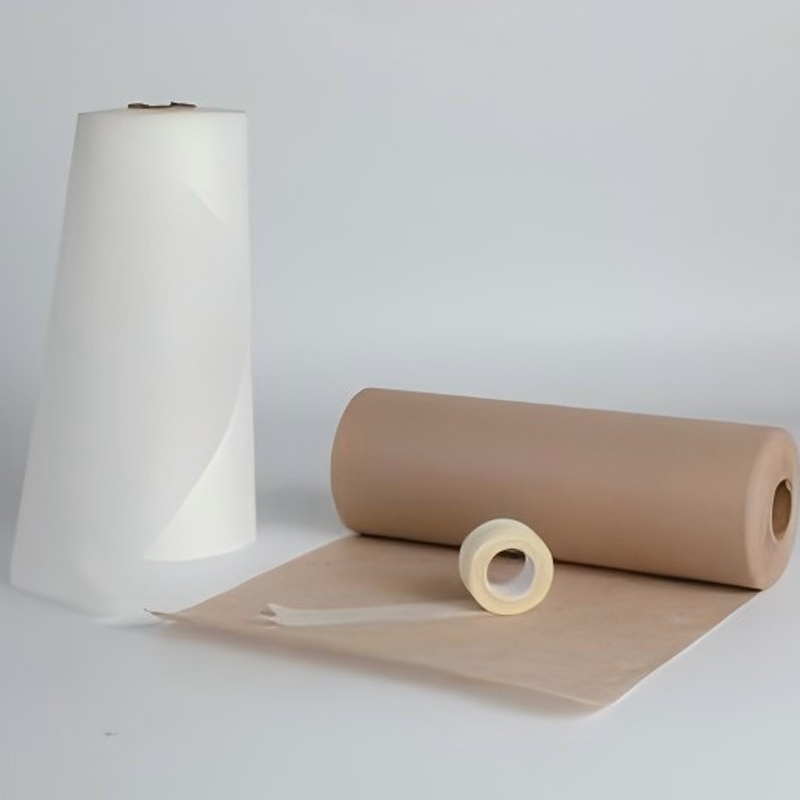 Medical Tape Nonwoven
 Snus Pouch Nonwoven
 Filtration Nonwoven
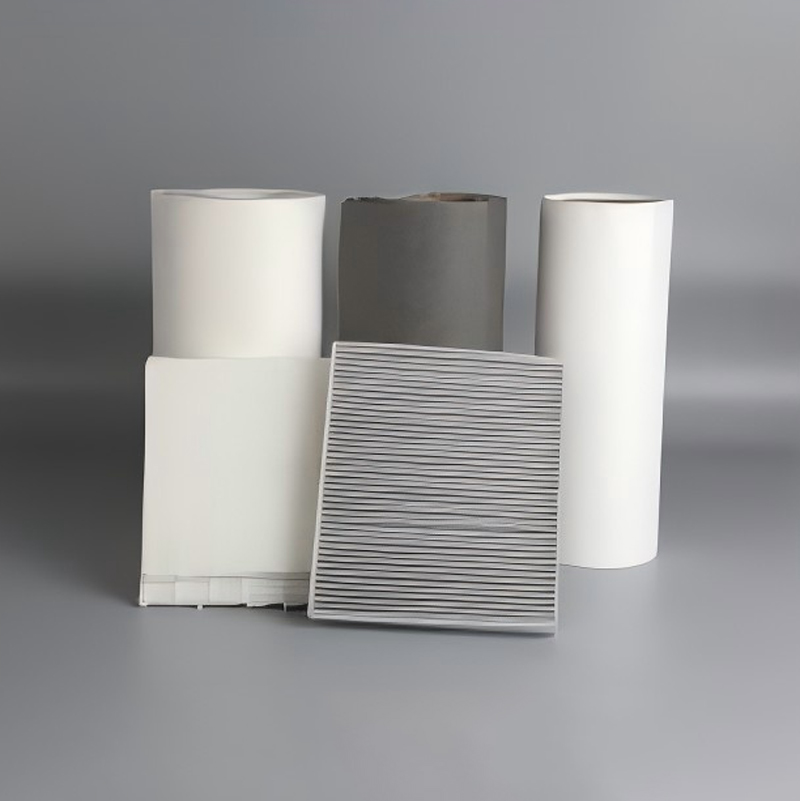 Air Filter Media
 Liquid Filter Media
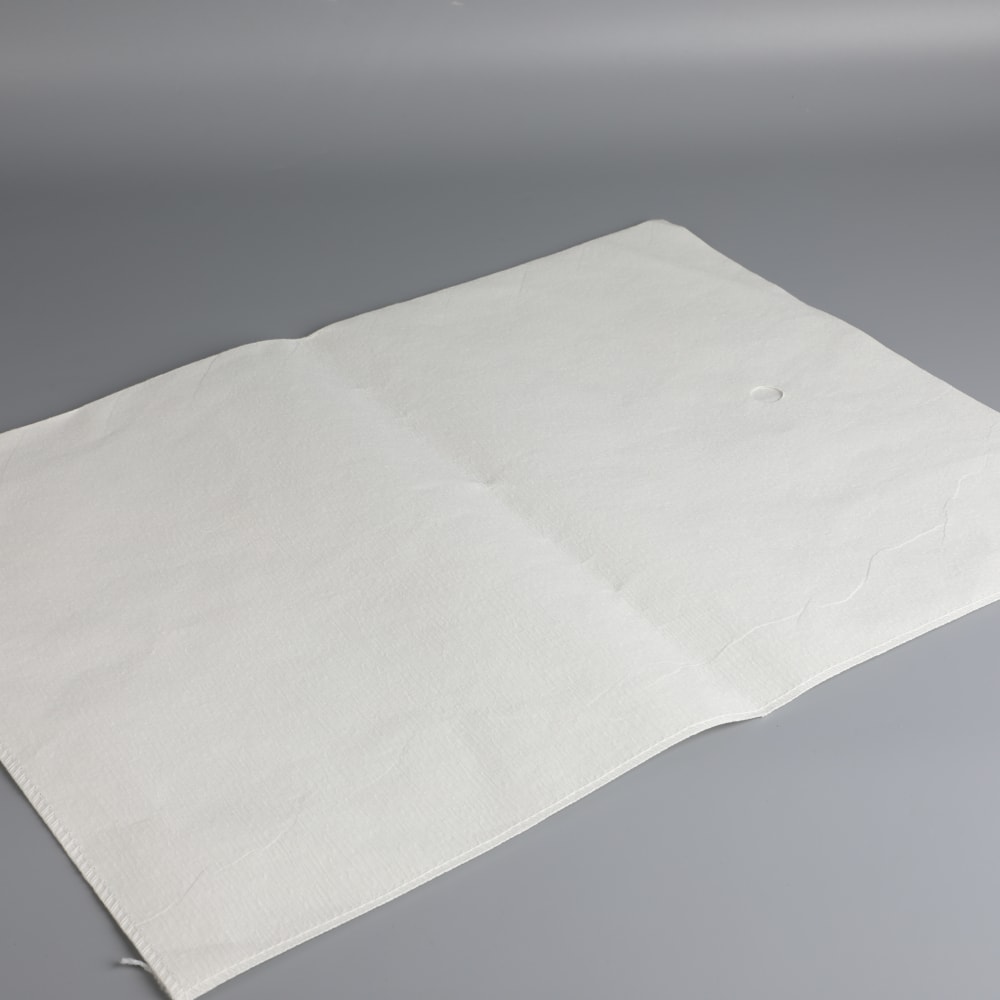 Filter Envelope & Filter Sheet
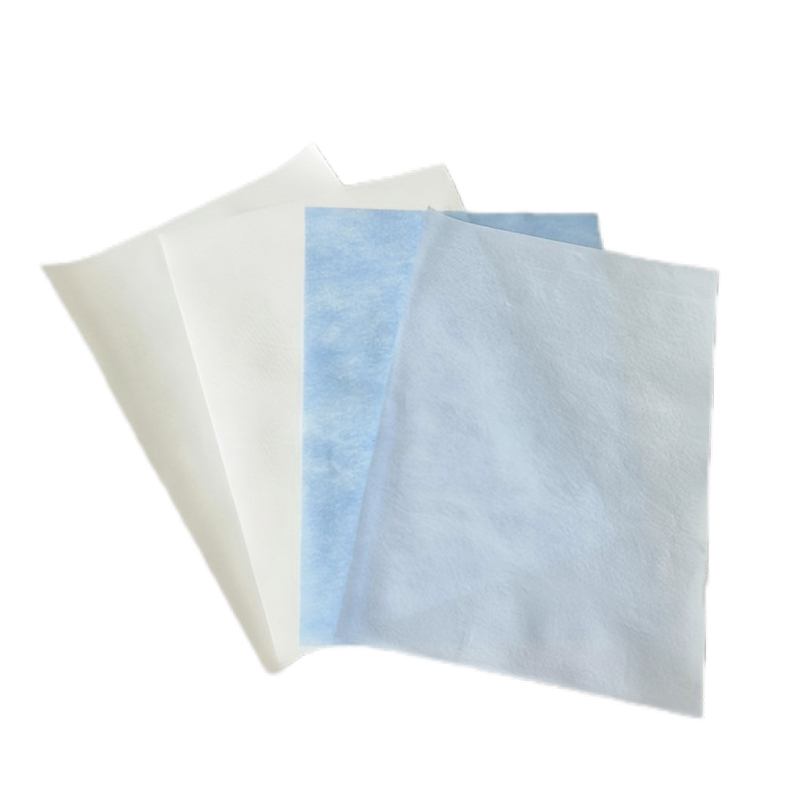 Breathable Film Laminates
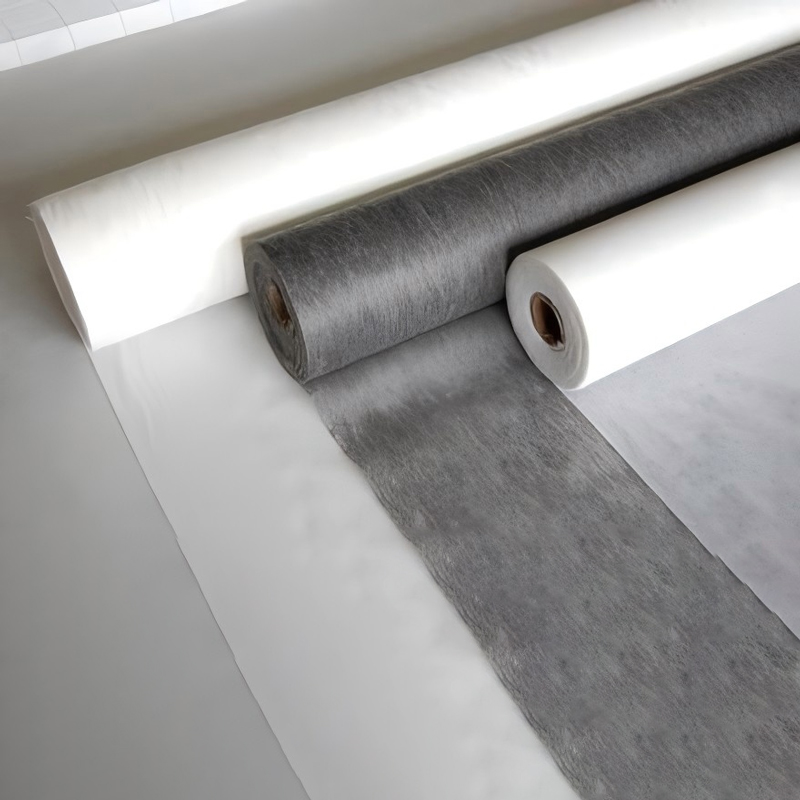 Nonwoven Interlining
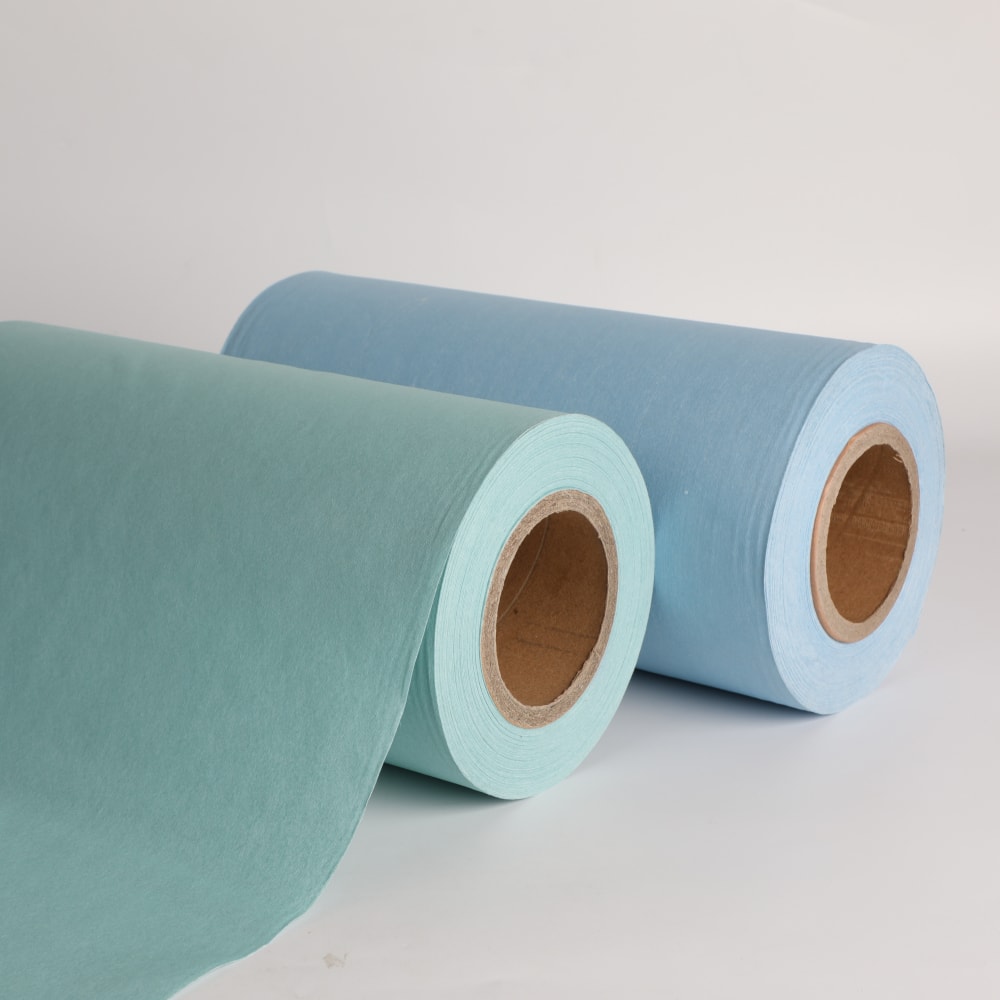 Fluid Repellent Woodpulp Spunlace Nonwoven
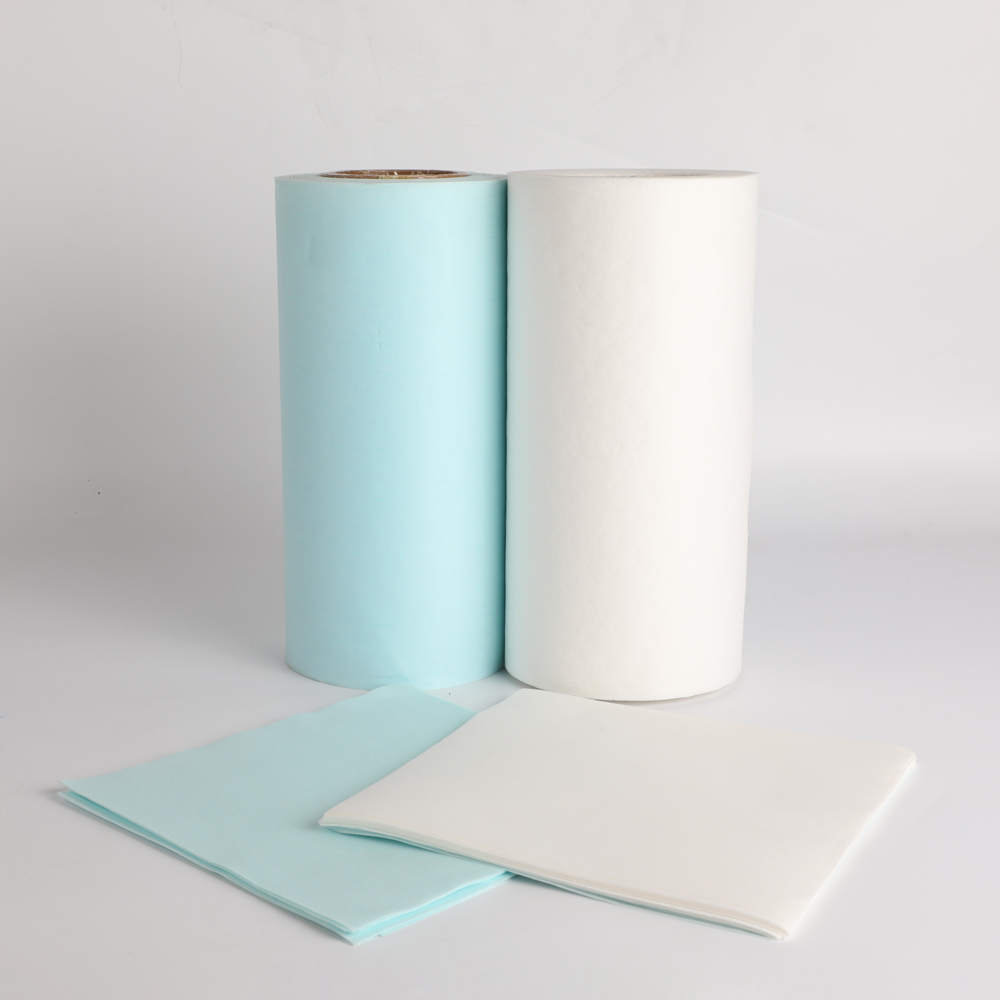 Woodpulp Nonwoven Wipe
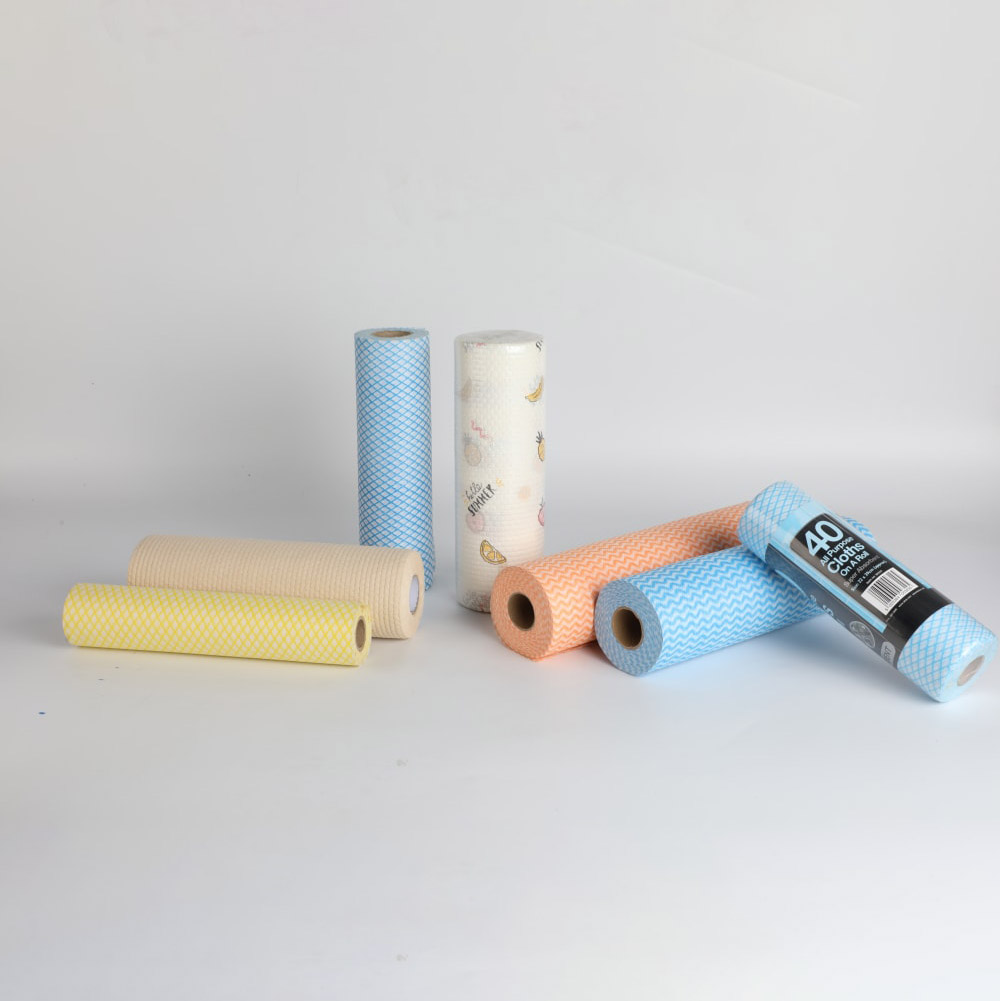 Nonwoven Cleaning Wipe
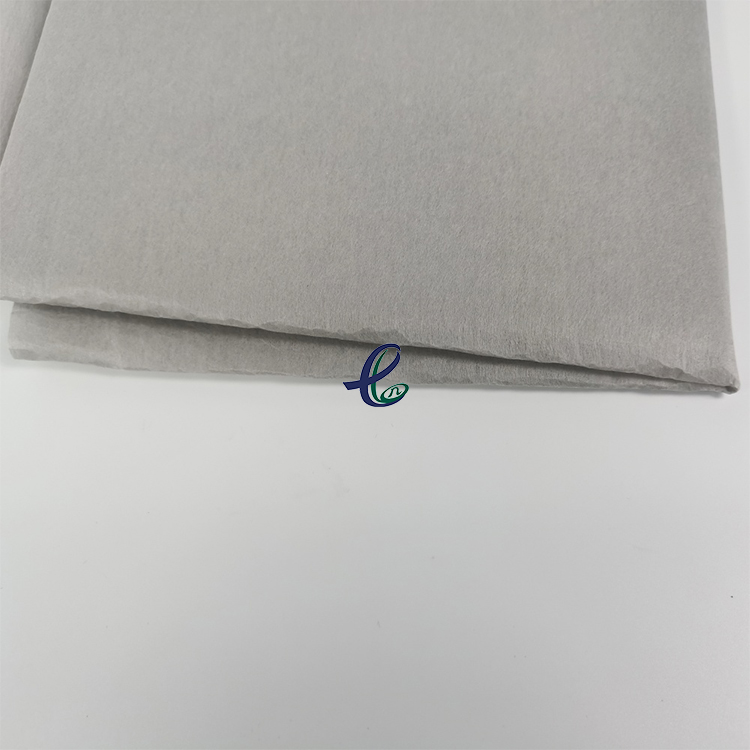 Curtain Nonwoven
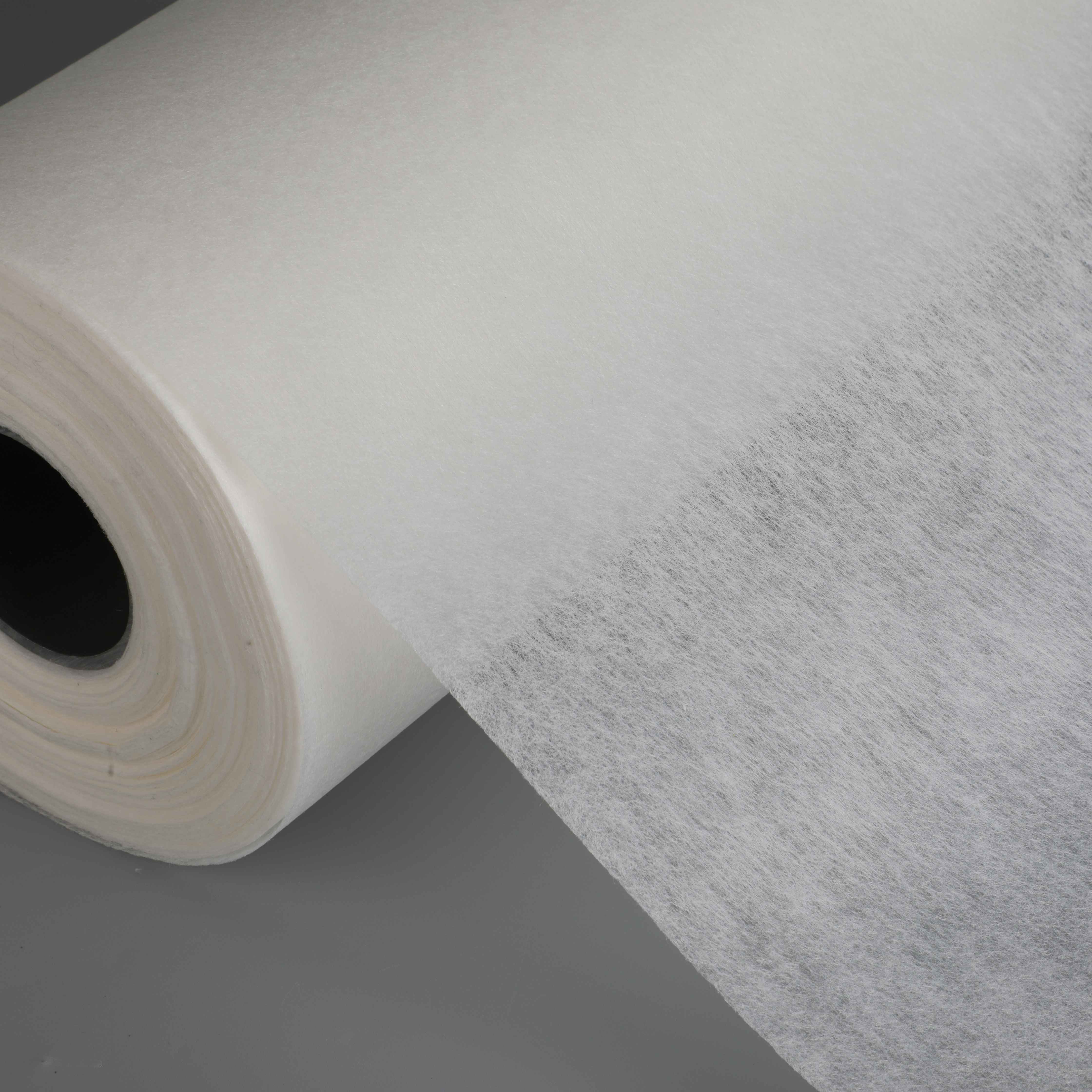 Food Grade Packaging Nonwoven
 Aluminized Nonwoven
 Hot Air Cotton Nonwoven
 Flame Retardant Nonwoven
 Cable Wrapping Nonwoven
 Semi-conductive Nonwoven
 Anti-Bacterial Nonwoven
 +8613957712400
 CONTACT WhatsApp
 CONTACT WeChat
 CONTACT NUMBER
 CONTACT EMAIL