Top Non Woven Material Suppliers for Global Purchasing Needs?
In the rapidly evolving world of manufacturing, the demand for Non Woven Material has surged significantly. This innovative material is used across various industries, from hygiene products to construction. Suppliers play a vital role in meeting the diverse needs of global purchasers. Identifying reliable sources can be challenging, as quality and sustainability remain pressing concerns.
Non Woven Material offers distinct advantages. Its lightweight nature provides ease of use, and it often comes with impressive durability. However, the landscape is competitive. Many suppliers claim to deliver high-quality products, yet not all meet expectations. Buyers must be discerning in their choices, ensuring they partner with credible manufacturers. Research shows that quality control standards vary widely among suppliers.
It’s crucial for companies to foster relationships with reputable suppliers. This partnership can lead to improved product quality and sustainability. However, the selection process is not without its complexities. Exploring a variety of options allows purchasers to find the best fit for their needs. Ultimately, being informed and proactive will enhance the sourcing experience for Non Woven Material.
Overview of Non Woven Materials and Their Applications in Various Industries
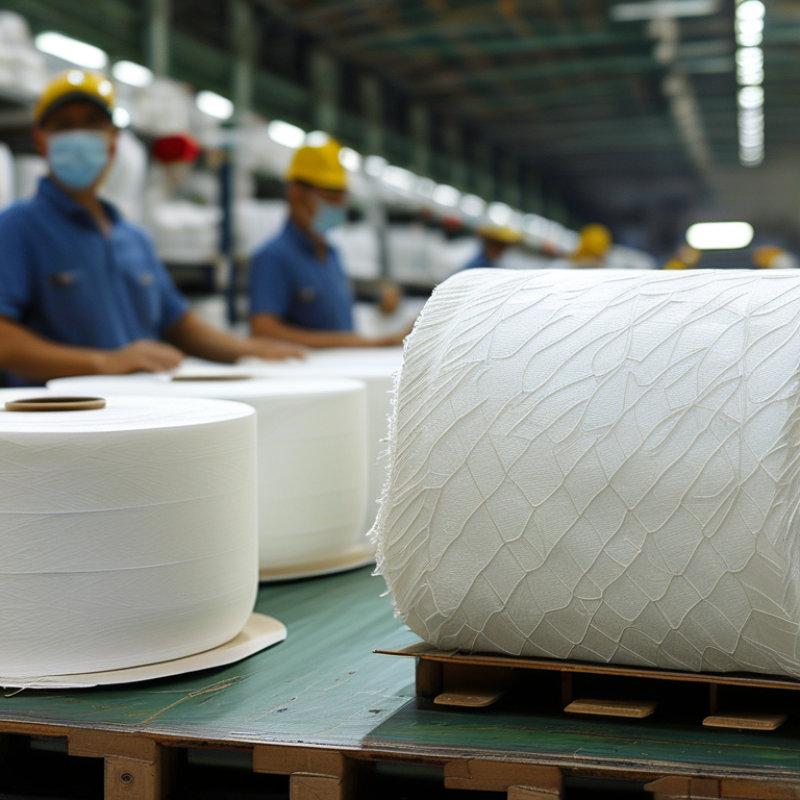
Non-woven materials have gained widespread attention across various industries. These versatile products are created by bonding fibers through processes like heat, chemical, or mechanical means. Unlike traditional textiles, non-woven fabrics do not require weaving threads, which makes them cost-effective and efficient. Their breathability, durability, and lightweight characteristics make them suitable for countless applications.
In healthcare, non-woven materials are crucial. They are used in surgical gowns, masks, and drapes. These items provide essential protection and comfort, ensuring patient safety and hygiene. In the automotive industry, non-woven fabrics serve as sound dampeners and insulation liners. This enhances vehicle performance and passenger comfort. Additionally, the building and construction sector employs non-woven materials for insulation, filtration, and erosion control, contributing to sustainability efforts.
Yet, reliance on non-woven materials raises some concerns. The environmental impact of synthetic fibers, often used in production, cannot be overlooked. Recycling options are still limited, making waste management a pressing issue. Continuous innovation is necessary to improve sustainability while meeting the diverse needs of global industries. Balancing these complexities requires collaboration among suppliers, manufacturers, and consumers alike.
Global Market Analysis of Non Woven Materials: Trends and Predictions
The global non-woven materials market is evolving rapidly. Various industries are increasingly relying on these materials for their versatility. From healthcare to consumer goods, non-woven fabrics are becoming essential. They offer unique benefits, such as lightweight properties and high durability. Analysts predict continued growth in this sector as manufacturers find new applications.
Sustainability is a key trend in this market. Eco-friendly non-woven options are gaining popularity. Companies are investing in research to create sustainable raw materials. This reflects a growing awareness of environmental impact. Many manufacturers are shifting toward biodegradable alternatives. The demand for quality and environmentally responsible products can lead to innovation.
Supply chain challenges remain. Disruptions can impact material availability and costs. Fluctuations in raw material prices can create uncertainty. Manufacturers must be adaptable. They need to develop strategies to address these challenges. Overall, the non-woven materials market presents opportunities, yet it also requires careful navigation.
Key Players in the Non Woven Material Supply Chain and Their Market Shares
The non woven material market is dynamic and diverse. Key players in this sector play significant roles. They shape the supply chain and influence pricing. Many companies focus on sustainability and innovation. This shift is essential for meeting today’s environmental standards. The demand for eco-friendly materials continues to rise. Companies that adapt will likely hold larger market shares.
Recent reports indicate that a few suppliers dominate the market landscape. Their extensive distribution networks provide reliability. However, smaller suppliers also contribute unique solutions. They often cater to niche markets. These players bring creativity and flexibility. This balance brings about healthy competition, benefiting end-users. Yet, potential inconsistencies in quality remain an area to explore.
Market shares in this field can fluctuate based on trends. Economic factors and consumer preferences greatly influence this. Suppliers that can pivot quickly often succeed. However, over-reliance on material trends can be risky. A thorough understanding of global demands is crucial. Fading market shares remind us not to overlook consumer insights.
Sustainability in Non Woven Material Production: Industry Standards and Practices
The production of non-woven materials is increasingly focused on sustainability. According to a report by Smithers, the global non-woven fabrics market was valued at around $50 billion in 2021. This industry is shifting towards eco-friendly practices. Most suppliers now prioritize biodegradable raw materials and non-toxic production processes.
Industry standards play a crucial role in this transition. Organizations like ASTM International and ISO set guidelines for sustainable practices. Compliance with these standards enhances the credibility of suppliers. For instance, many manufacturers are adopting life cycle assessments to evaluate environmental impact. This approach encourages transparency and accountability.
Yet, challenges remain. Many companies struggle with the initial cost of sustainable materials. This price barrier can deter smaller manufacturers from adopting eco-friendly solutions. The progress is evident, but continuous improvement in practices is necessary. The industry must work collaboratively to standardize sustainability measures across all sectors.
Sustainability in Non Woven Material Production
Challenges and Opportunities in Sourcing Non Woven Materials Globally
Sourcing non-woven materials globally presents notable challenges and opportunities. According to a recent industry report by Smithers, the global non-woven fabrics market is expected to reach $57.9 billion by 2027, growing at a CAGR of 6.2%. This robust growth indicates rising demand across sectors like healthcare, hygiene, and automotive. However, procurement professionals face hurdles related to supply chain disruptions and fluctuating raw material costs.
Logistics issues can affect production timelines significantly. Delays in freight shipping and customs clearance can lead to unexpected costs. Additionally, varying regulatory standards across regions may complicate compliance. Companies often find themselves in lengthy audits due to these inconsistencies. Market fluctuations can lead to sudden price hikes, impacting budgeting and planning.
While challenges abound, opportunities exist in innovation and sustainability. The push for eco-friendly materials is driving R&D efforts. Emerging technologies, like biodegradable non-wovens, are gaining traction. Industry experts highlight that investments in sustainable practices can yield long-term savings. Companies focusing on responsible sourcing may enhance their brand reputation. The non-woven landscape is evolving, presenting a mixed bag of obstacles and strategic advantages for global sourcing efforts.
Top Non Woven Material Suppliers for Global Purchasing Needs
| Supplier Region |
Material Type |
Annual Production Volume (tons) |
Export Capability (%) |
Key Challenges |
Opportunities |
| North America |
Spunbond |
250,000 |
70% |
Regulatory compliance, raw material costs |
Growing demand in healthcare and hygiene sectors |
| Europe |
Meltblown |
180,000 |
65% |
Logistical challenges, competition |
Innovations in sustainability and biodegradable materials |
| Asia |
Needlepunched |
300,000 |
80% |
Quality control and material sourcing |
Rapid market growth, particularly in automotive and construction |
| South America |
Composite Nonwovens |
100,000 |
60% |
Market access limitations, infrastructure issues |
Emerging opportunities in eco-friendly product lines |

 PP Laminates
 Multi Laminates
 Spunlace Nonwoven Laminates
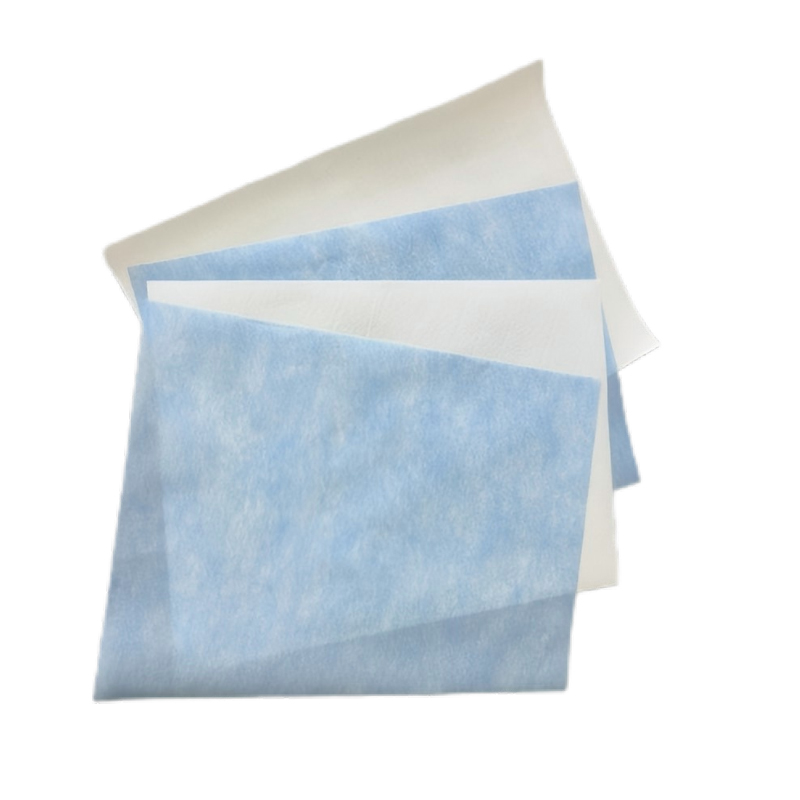 Breathable Film Laminates
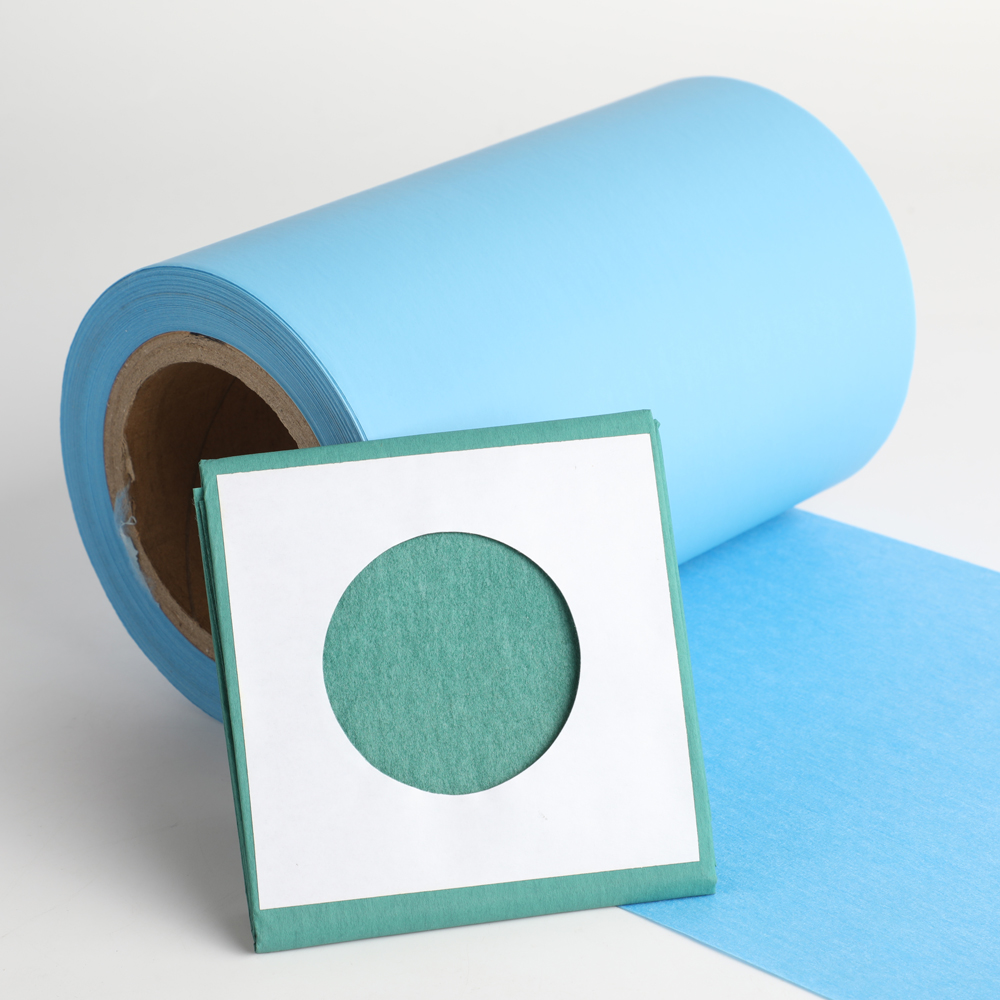 Viscose Laminates
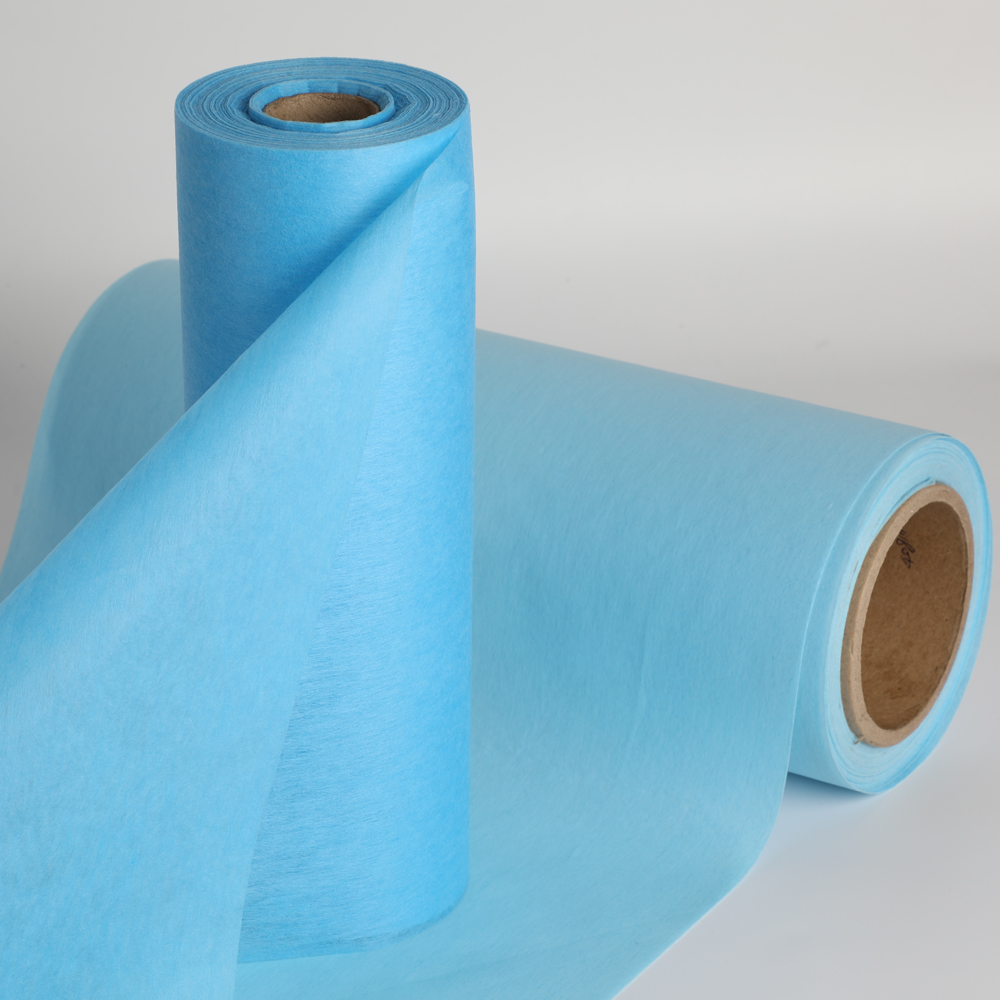 Medical Viscose Nonwoven
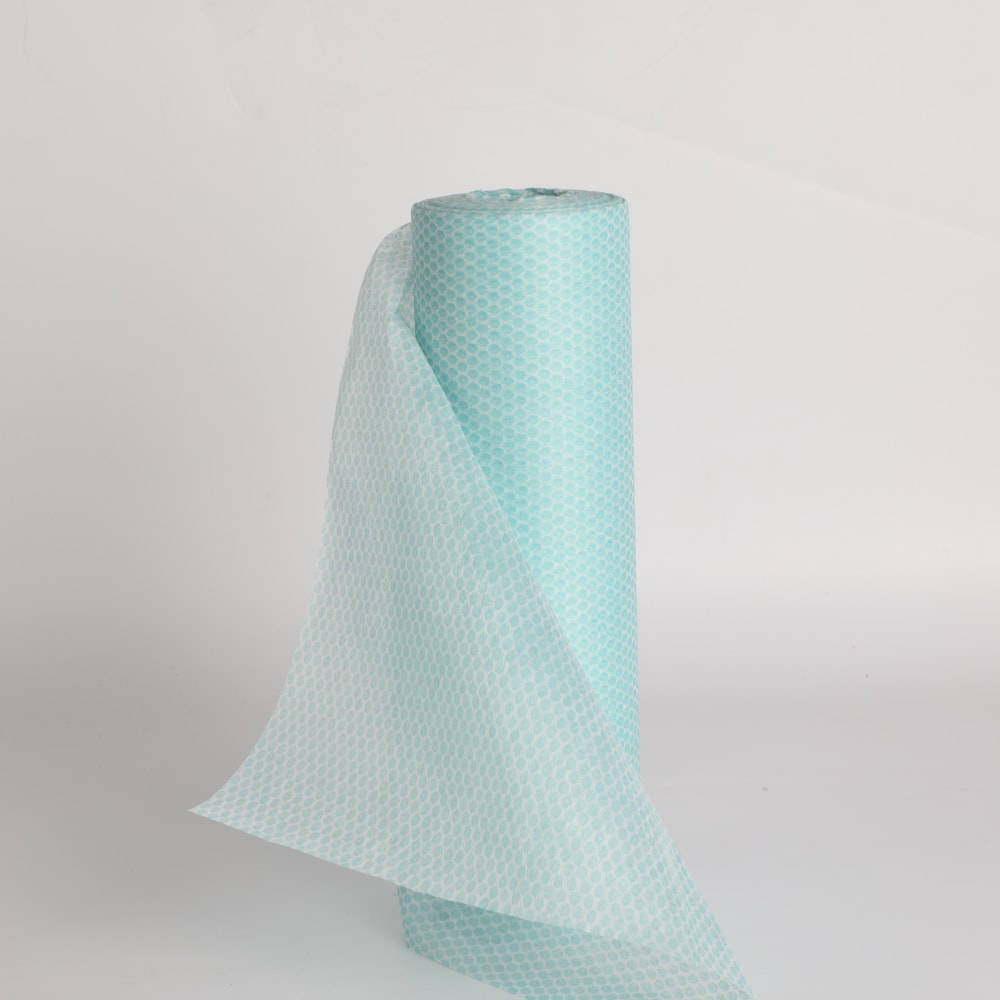 Head Wear Nonwoven
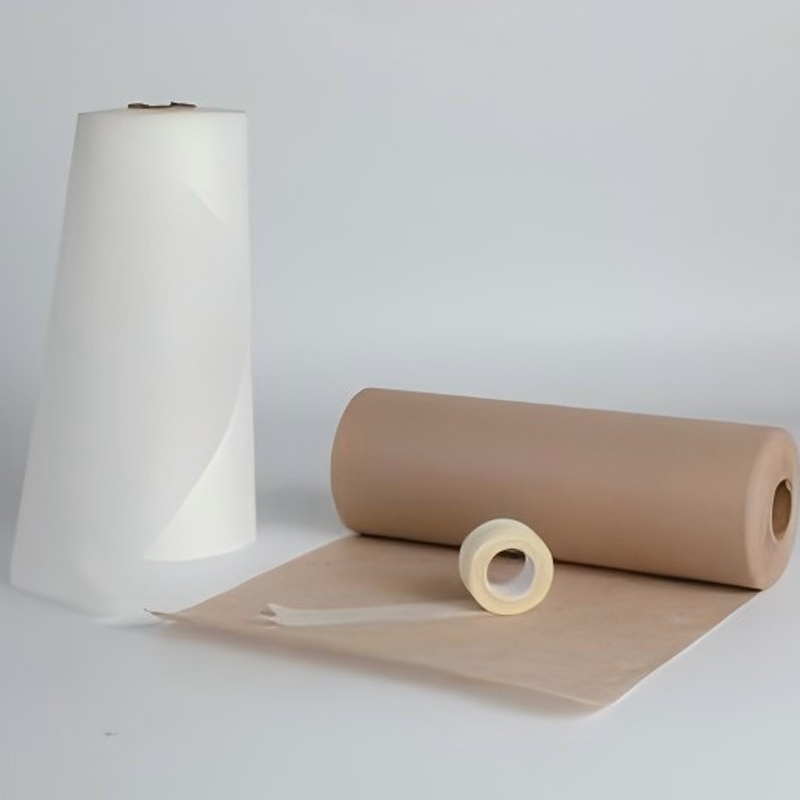 Medical Tape Nonwoven
 Snus Pouch Nonwoven
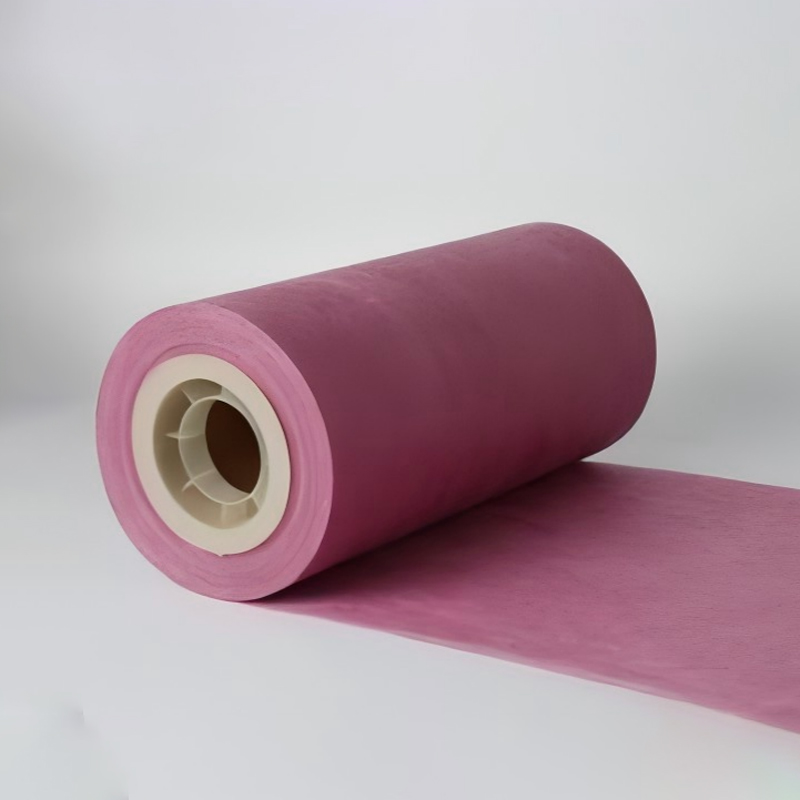 Filtration Nonwoven
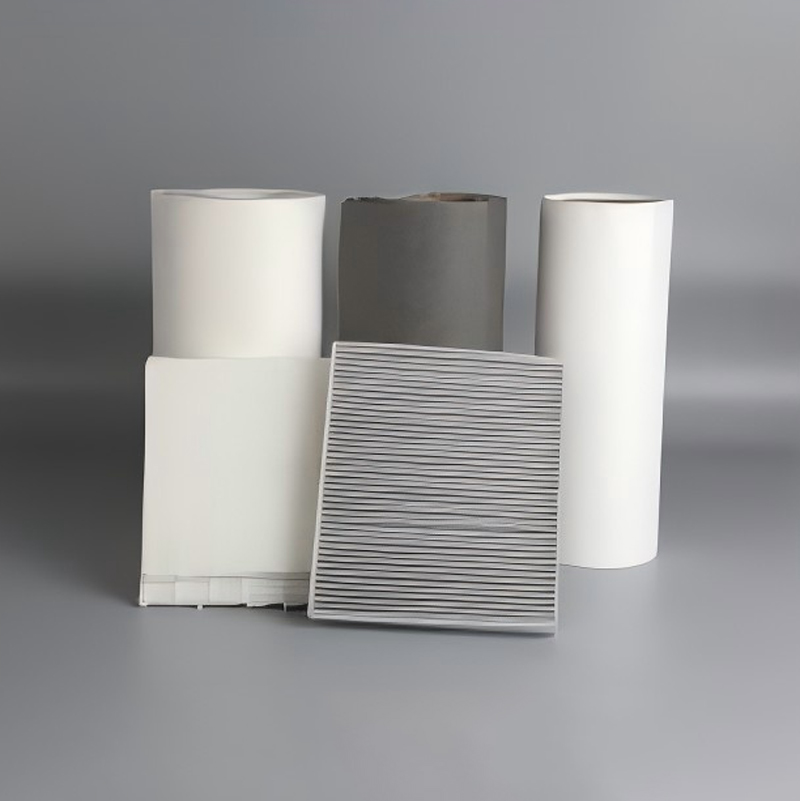 Air Filter Media
 Liquid Filter Media
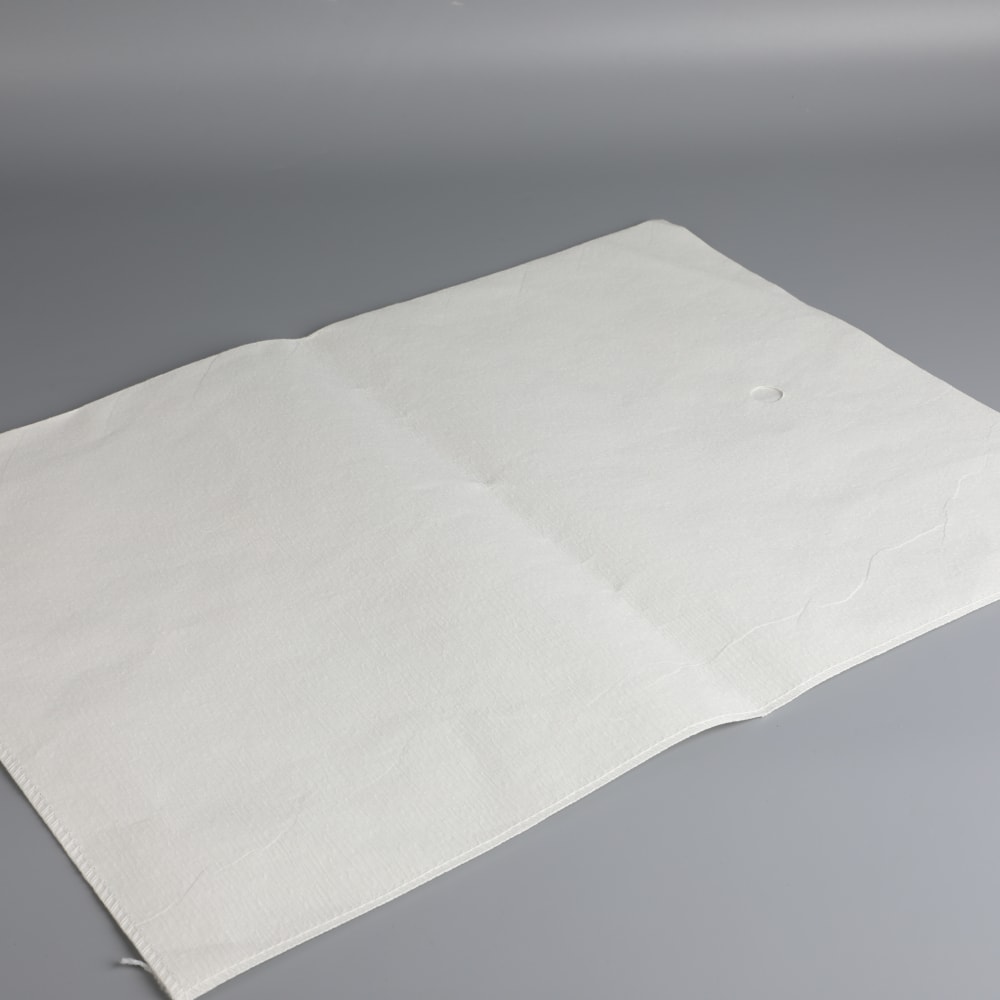 Filter Envelope & Filter Sheet
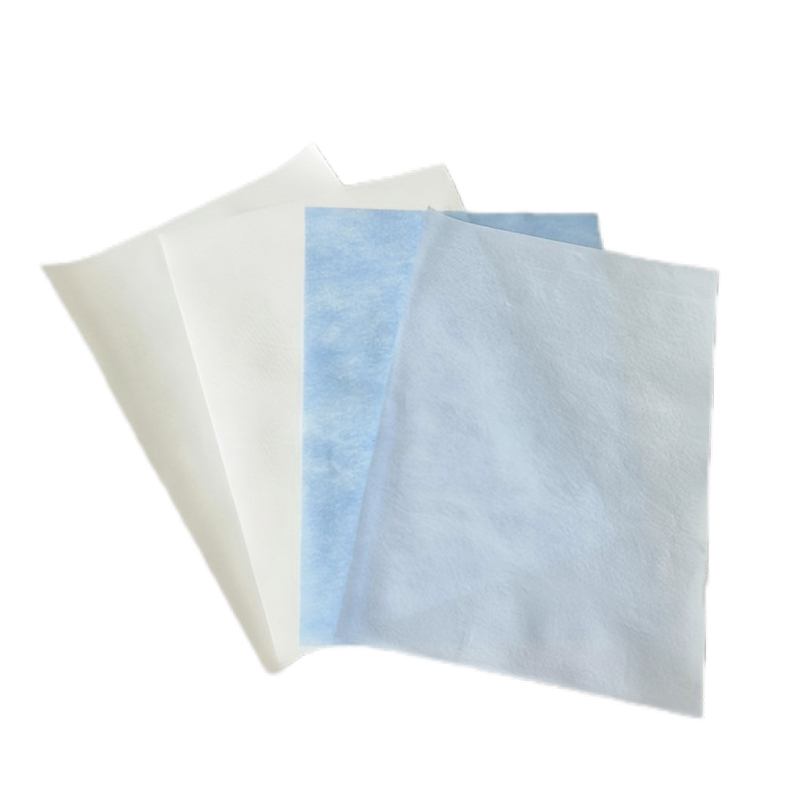 Breathable Film Laminates
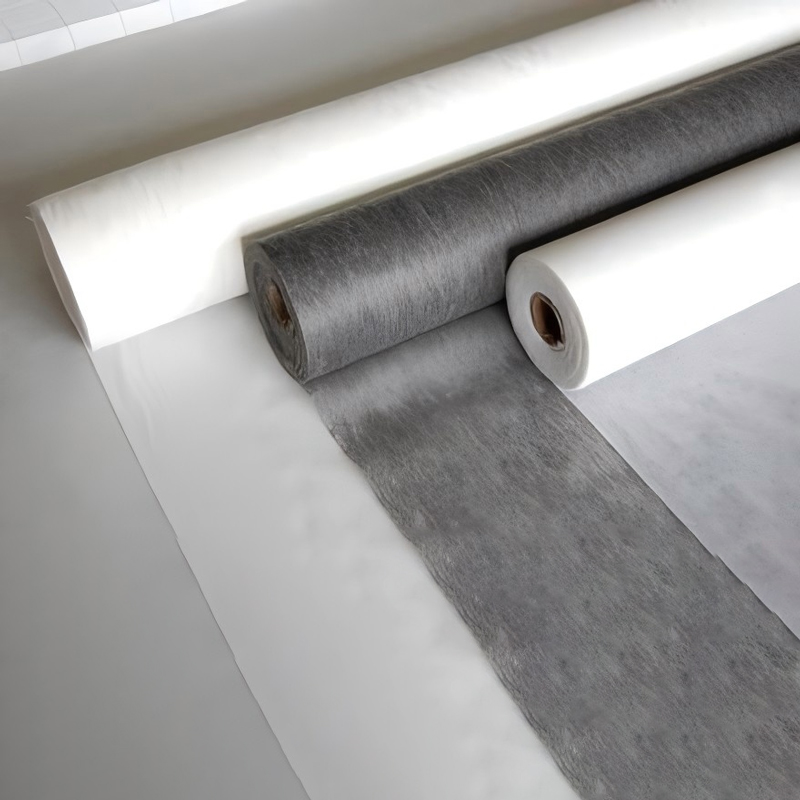 Nonwoven Interlining
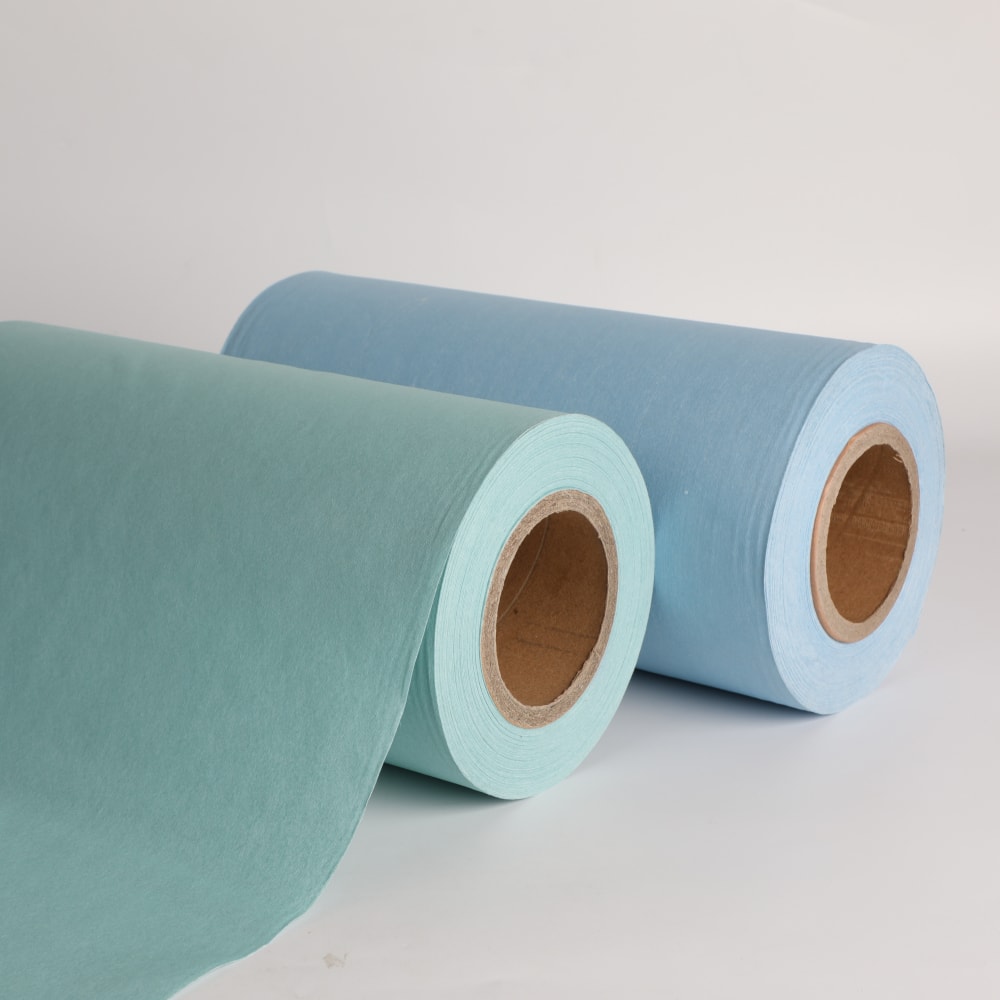 Fluid Repellent Woodpulp Spunlace Nonwoven
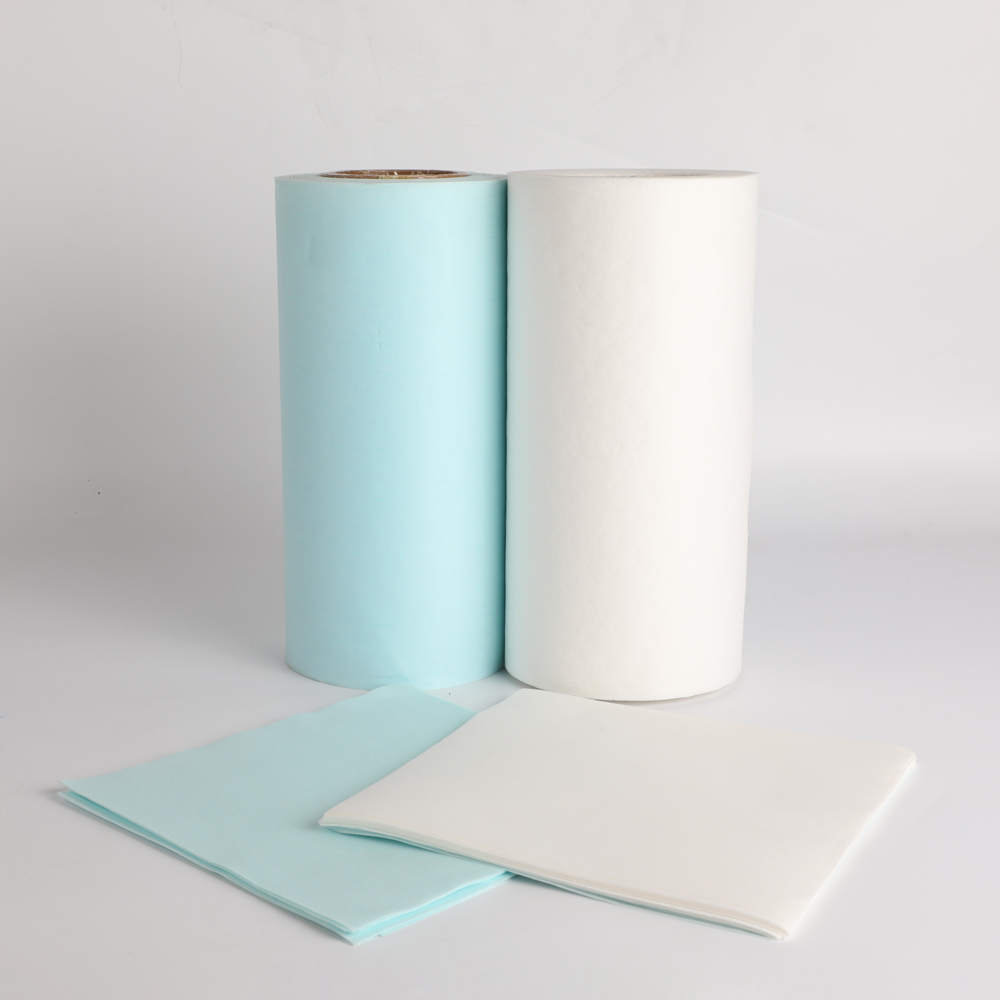 Woodpulp Nonwoven Wipe
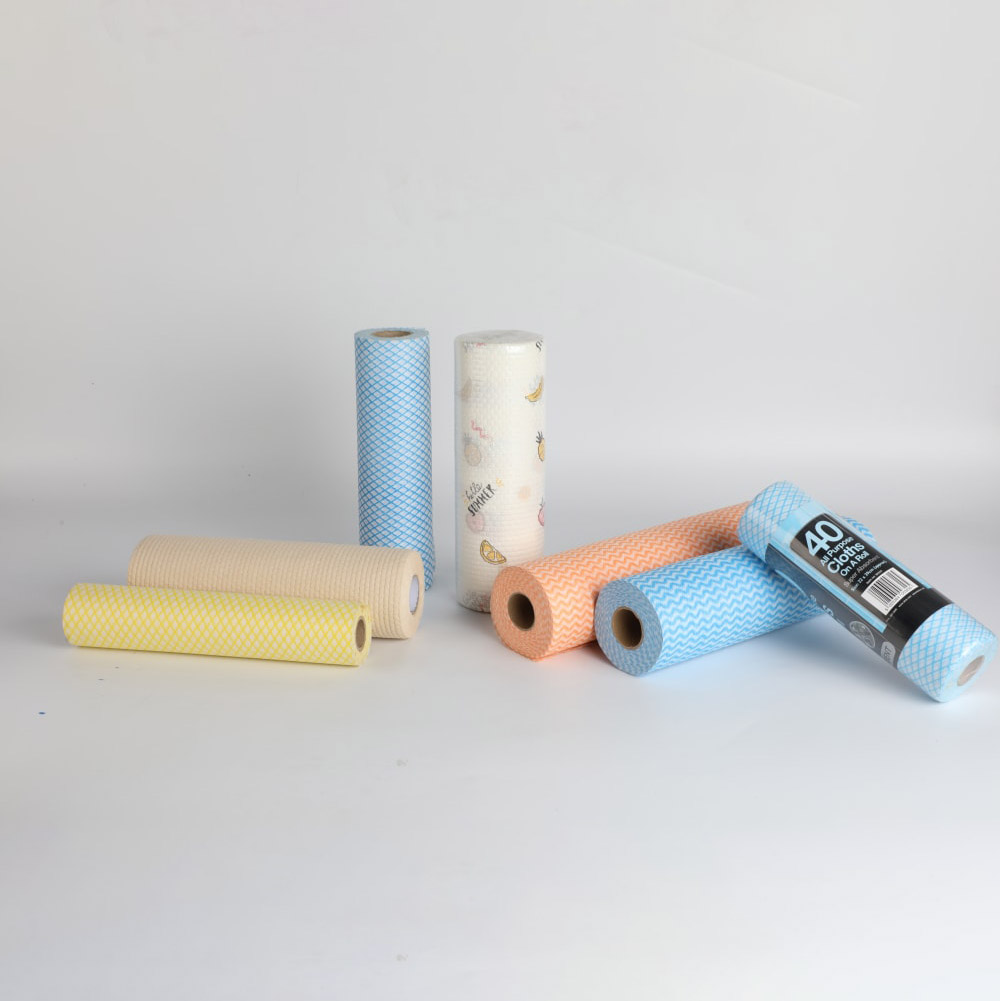 Nonwoven Cleaning Wipe
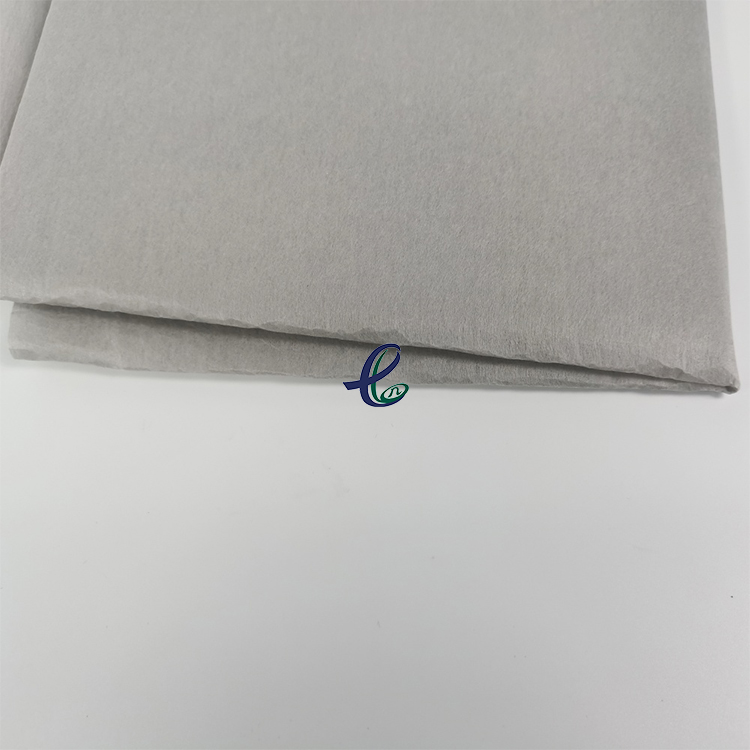 Curtain Nonwoven
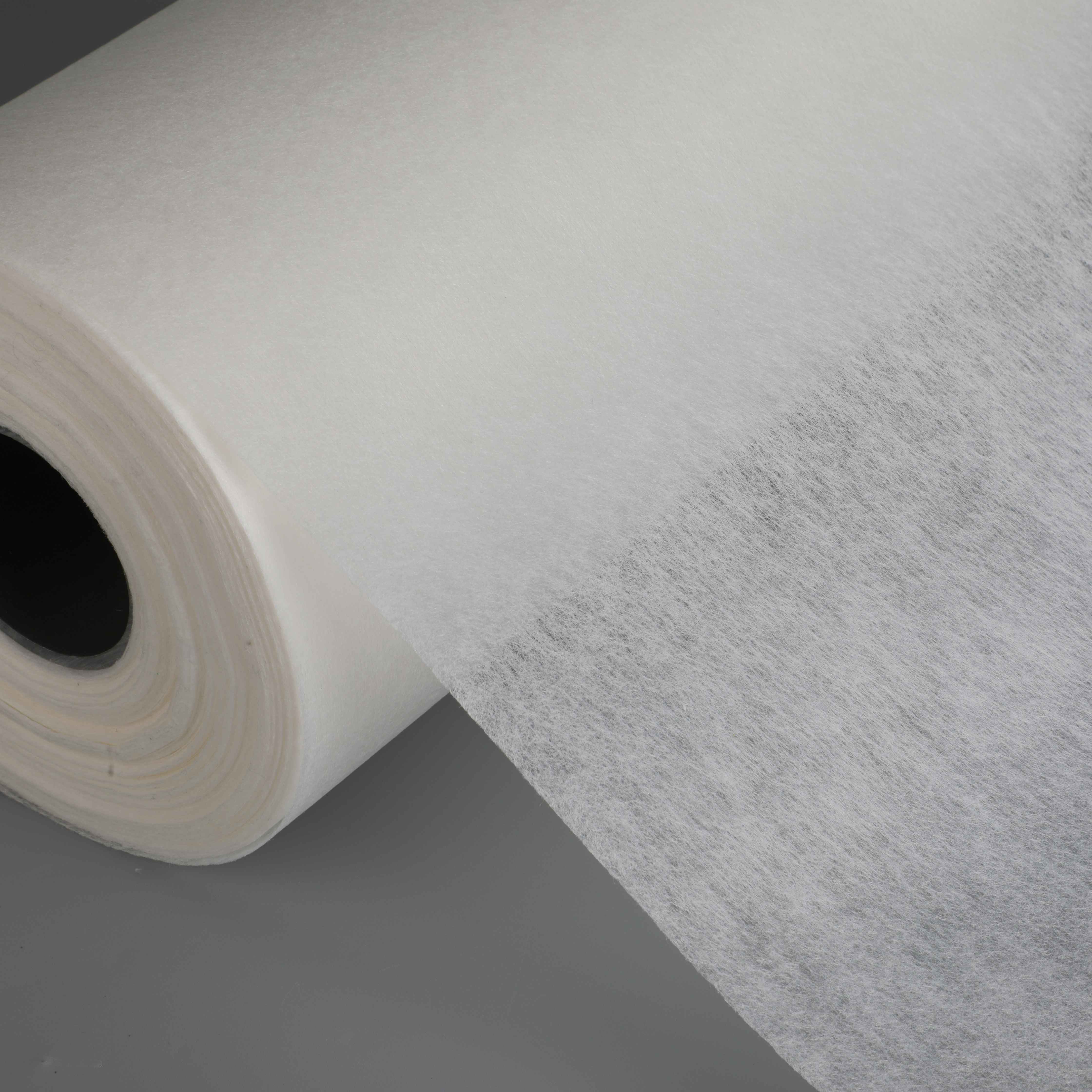 Food Grade Packaging Nonwoven
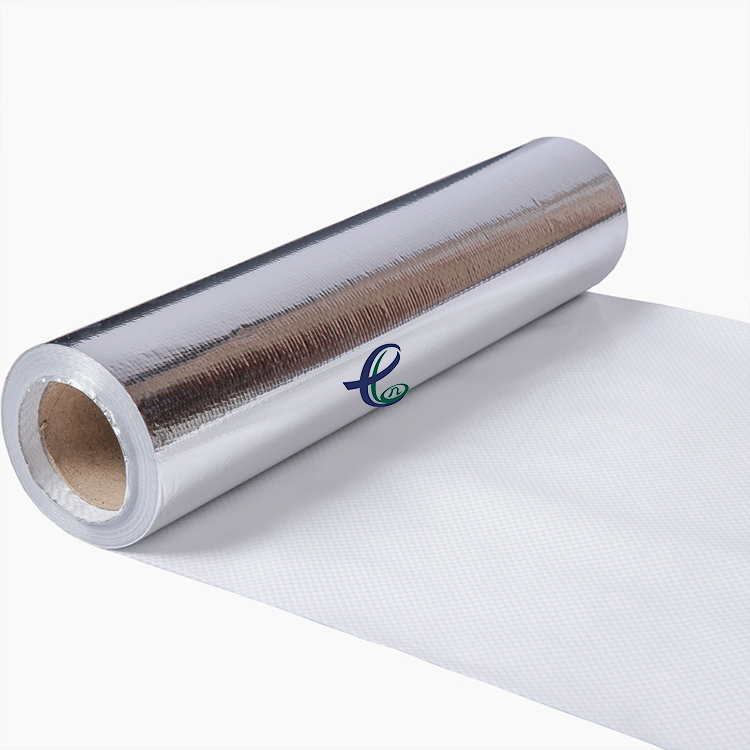 Aluminized Nonwoven
 Hot Air Cotton Nonwoven
 Flame Retardant Nonwoven
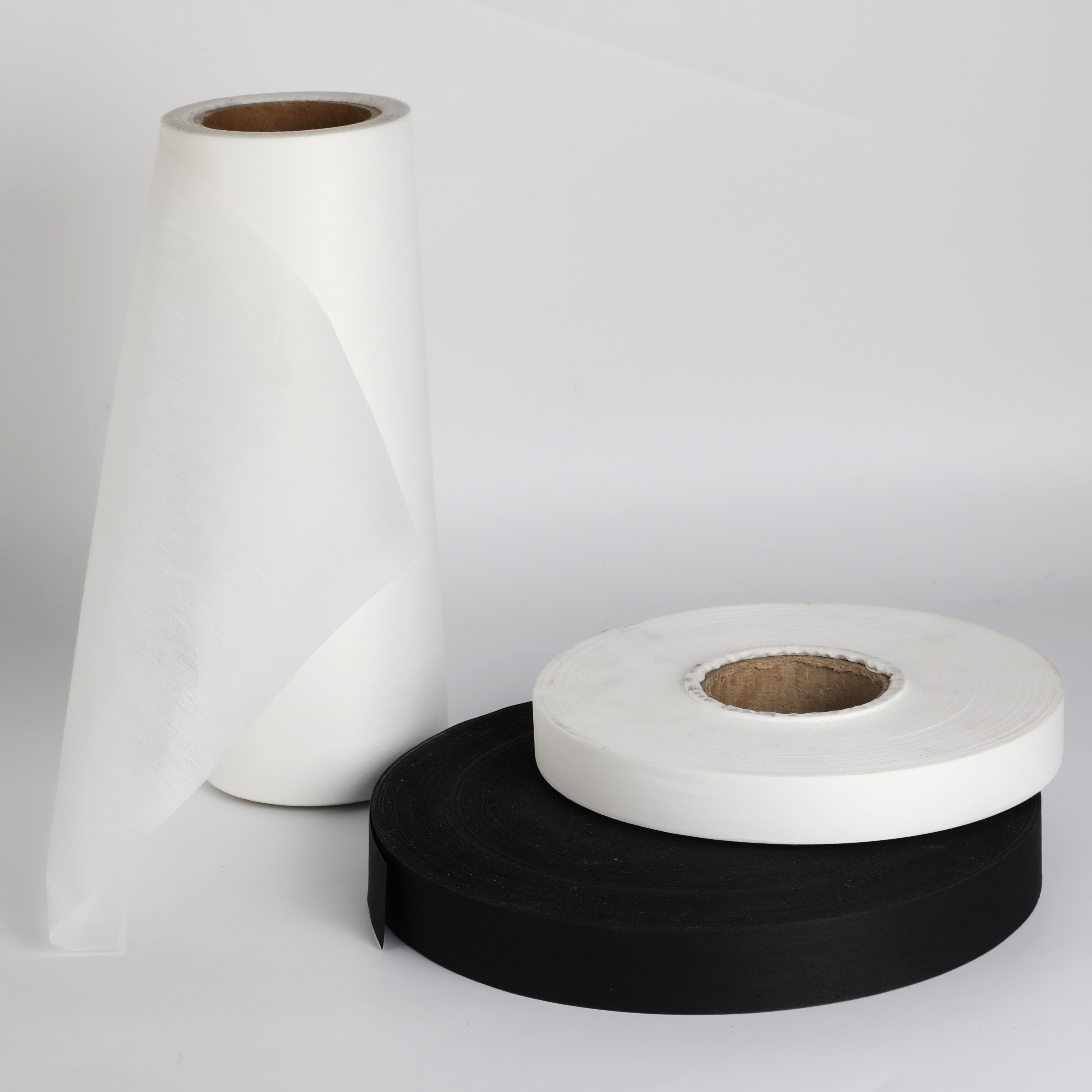 Cable Wrapping Nonwoven
 Semi-conductive Nonwoven
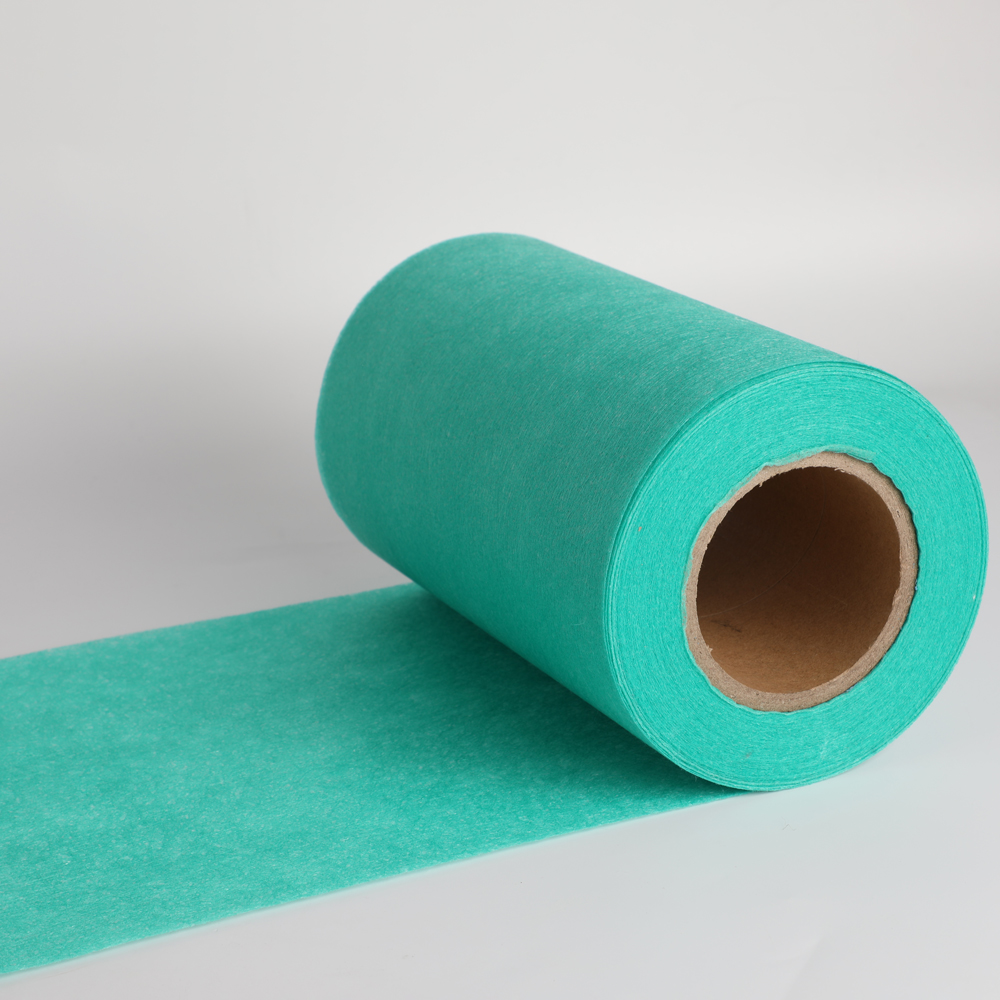 Anti-Bacterial Nonwoven
 +8613957712400
 CONTACT WhatsApp
 CONTACT WeChat
 CONTACT NUMBER
 CONTACT EMAIL