Top 5 Tips for Sourcing Fusible Nonwoven Interlining Fabric?
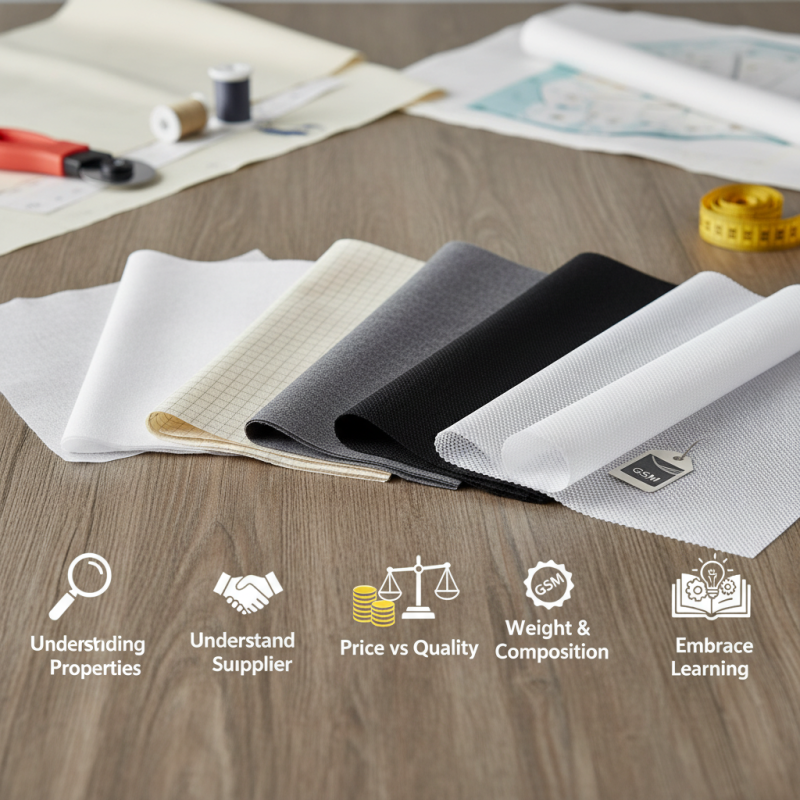
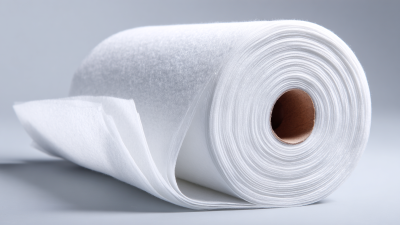
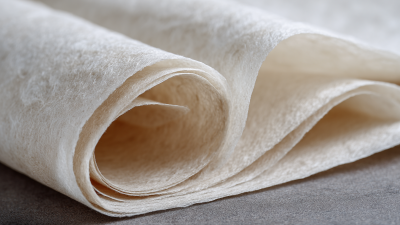
Sourcing high-quality Fusible Nonwoven Interlining Fabric can be challenging. This fabric is essential for creating structured garments. Understanding its properties and applications is key for designers and manufacturers.
Finding the right supplier is crucial. You may face issues like inconsistency in quality. Additionally, global sourcing can lead to unexpected delays. Reliable suppliers often have proven track records, which lowers risks.
When exploring options, consider various factors. Price is important, but never compromise on quality. A thorough understanding of the fabric's weight and composition will help you make informed decisions. Each choice impacts your final product. Embrace the learning curve, as navigating this process can be complex yet rewarding.
Understanding Fusible Nonwoven Interlining Fabric and Its Uses
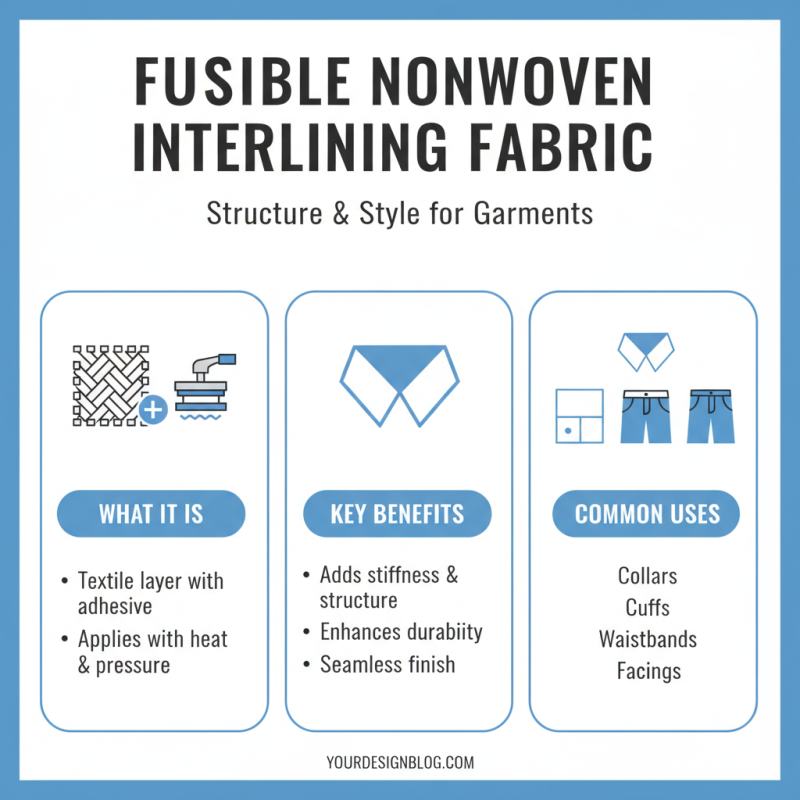
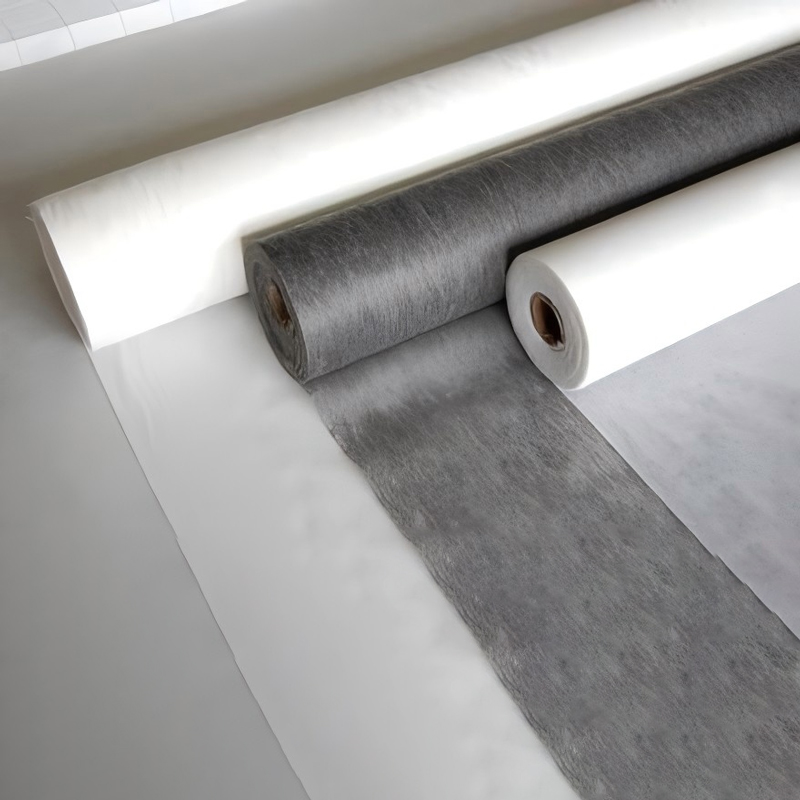
Fusible nonwoven interlining fabric plays a crucial role in garment construction. It provides essential stiffness and structure to fashion items. Designers often incorporate this fabric in collars, cuffs, and waistbands, enhancing the overall durability and fit. By applying heat and pressure, the interlining adheres to the garment, creating a seamless finish.
Understanding its properties is vital. Fusible interlining comes in various weights and thicknesses, allowing flexibility in design choices. While it offers ease of use, improper application can lead to bubbling or peeling. Precision in temperature settings for the adhesive is essential. Having a reliable heat source is crucial for a successful bond. Testing on fabric scraps before larger projects minimizes potential mishaps.
Sourcing quality nonwoven interlining requires attention to detail. Look for suppliers with a reputation for high-grade materials. Researching feedback from other designers can provide insights into performance and reliability. For effective use, having comprehensive knowledge about the fabric's behavior under different conditions is beneficial. Mistakes may occur during the process, but they often lead to newfound skills and understanding in fabric application.
Identifying Key Qualities to Look for in Interlining Fabric
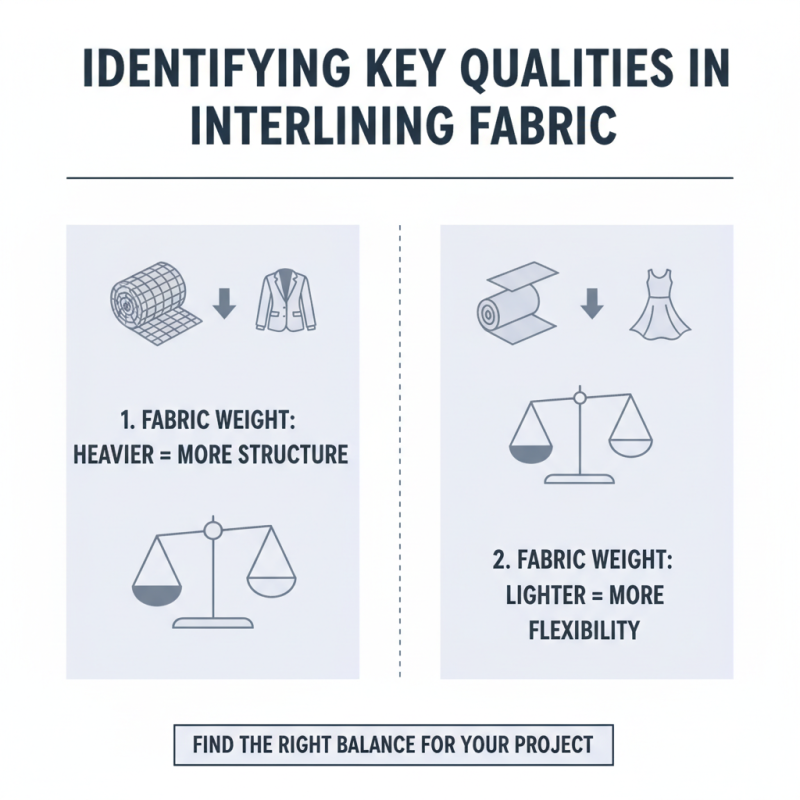
When sourcing fusible nonwoven interlining fabric, it’s essential to identify key qualities that ensure optimal performance. Start with the weight of the fabric. Heavier interlining offers more structure, while lighter options enhance flexibility. Finding the right balance based on your project's needs is crucial.
Next, consider the type of adhesive. A high-quality adhesive is vital for durability. Some adhesives may degrade over time, affecting the fabric's integrity. Testing the bonding strength in real-world scenarios can offer valuable insights. Look for interlining that maintains its properties after multiple washings. This aspect is often overlooked but is key to long-lasting results.
It's also important to evaluate the hand feel and drape. A stiff fabric may not suit all designs, while too soft may lack support. Experimenting with different types can lead to surprising outcomes. Additionally, consulting experts in the field or reviewing professional insights can guide your choices. Understanding these qualities ensures a more informed decision, preventing costly mistakes down the line.
Researching Reliable Suppliers for Nonwoven Interlining
Researching suppliers for fusible nonwoven interlining fabric is crucial in the textile industry. Reliable suppliers can significantly impact the quality of the final product. According to a recent survey, over 40% of manufacturers report issues with fabric consistency from suppliers. This inconsistency can lead to costly delays and rework.
When evaluating suppliers, consider their history and reliability. Look for those with a track record of meeting industry standards. Industry reports show that about 75% of successful sourcing involves verifying certifications and standards compliance. Additionally, supplier reviews and testimonials can provide insight into their reputation. Engaging directly with other manufacturers can yield valuable information.
Keep an eye on the sustainability practices of the suppliers as well. Research indicates that 50% of consumers prefer products made from eco-friendly materials. Suppliers committed to sustainability are often more reliable in the long run. Assess their sourcing methods and material transparency to ensure quality. Remember, the right supplier can make a significant difference.
Evaluating Price vs. Quality When Sourcing Interlining Fabric
When sourcing fusible nonwoven interlining fabric, evaluating price versus quality is crucial. Many factors influence the cost of interlining. These include fiber type, thickness, and adhesive quality. A lower price may seem appealing but often comes at the expense of quality. Inferior materials can lead to poor performance in garments.
Look for interlining that maintains its integrity during washing and pressing. Test different samples to assess their feel and durability. Many fabrics may appear similar, but their performance can vary significantly. It’s essential to balance affordability and quality. An inexpensive interlining might save money upfront but could lead to higher costs in production.
Quality fabrics result in better garments. They provide structure and support, enhancing the final product. Pay attention to the fabric's drape and finish. Engage with suppliers to understand their sourcing processes. Confirm that they prioritize quality control. Investing time in thorough evaluations can prevent costly mistakes down the line.
Top 5 Tips for Sourcing Fusible Nonwoven Interlining Fabric
| Tip # |
Tip Description |
Price Range (per yard) |
Quality Rating (out of 5) |
| 1 |
Research Different Fabric Types |
$2.50 - $5.00 |
4 |
| 2 |
Compare Suppliers |
$3.00 - $6.00 |
5 |
| 3 |
Check for Certifications |
$2.00 - $4.50 |
4.5 |
| 4 |
Request Samples |
Varies |
N/A |
| 5 |
Evaluate Bulk Purchase Discounts |
$2.00 - $5.50 |
4.8 |
Sustainable Sourcing Practices for Interlining Materials
Sourcing sustainable interlining materials has gained traction in the textile industry. About 70% of textile waste comes from the production phase. Adopting eco-friendly practices is essential. Focus on using nonwoven interlining fabrics made from recycled fibers. These materials significantly reduce environmental impact.
Industry reports indicate that consumers prefer sustainable options. According to a survey, 60% of shoppers are willing to pay more for brands committed to sustainability. This trend shows the shift in consumer consciousness. Brands sourcing eco-friendly materials can attract a larger market share. Incorporating organic materials, such as natural fibers, helps brands align with these values.
Sourcing methods also play a crucial role. Transparency in the supply chain is key. The Global Organic Textile Standard (GOTS) emphasizes ethical sourcing. It ensures that materials are produced with respect for both people and the environment. However, achieving this can be challenging. Many suppliers struggle with sustainability certifications. Identifying suppliers who prioritize eco-friendly practices is essential, though it may require extra effort. Balancing cost and sustainability remains a significant challenge for many brands today.

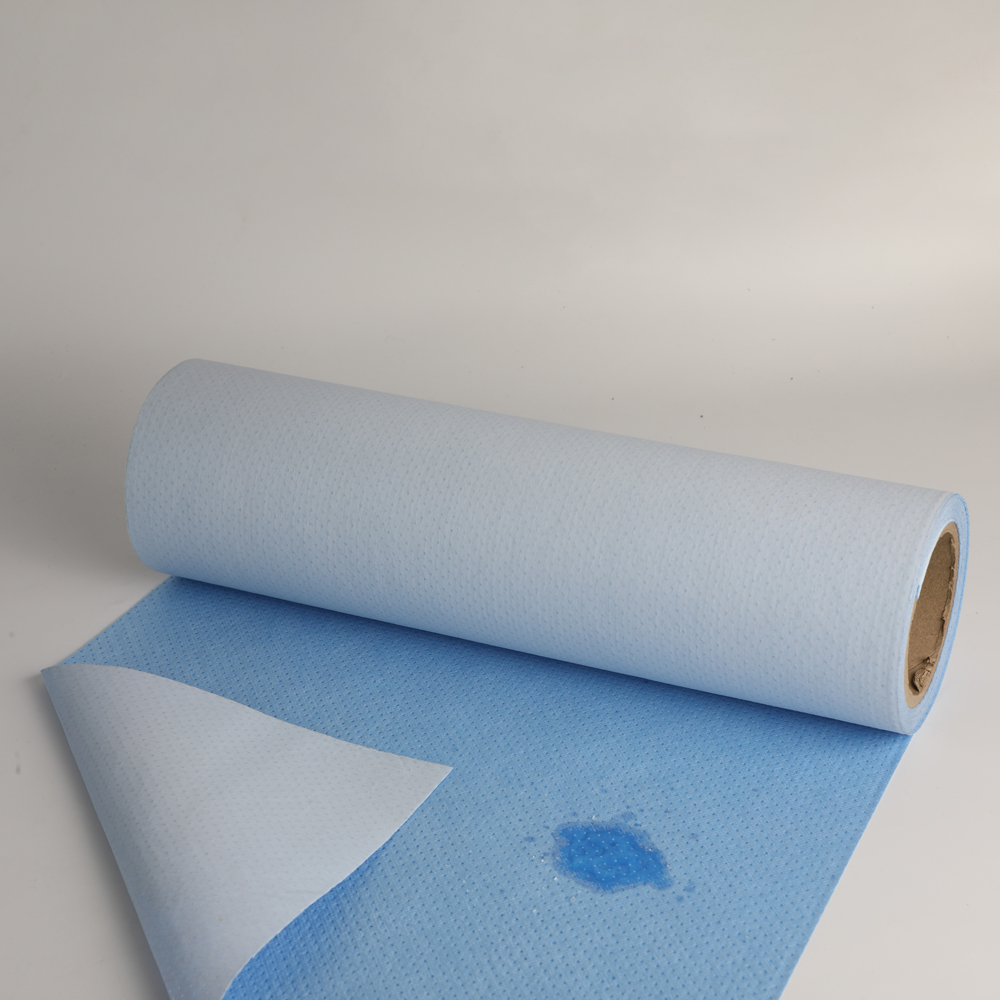 Multi Laminates
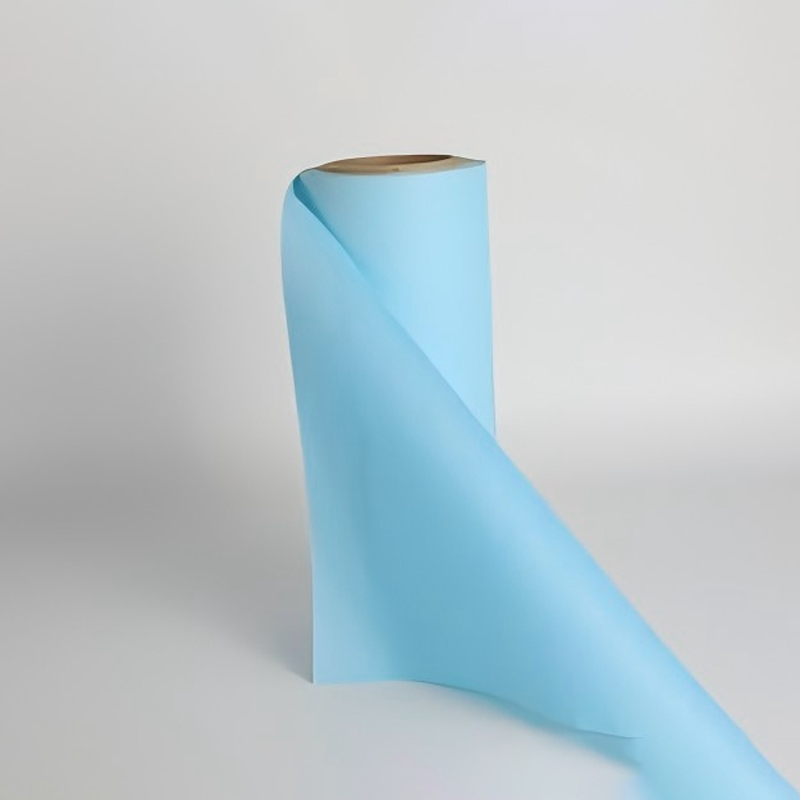 Spunlace Nonwoven Laminates
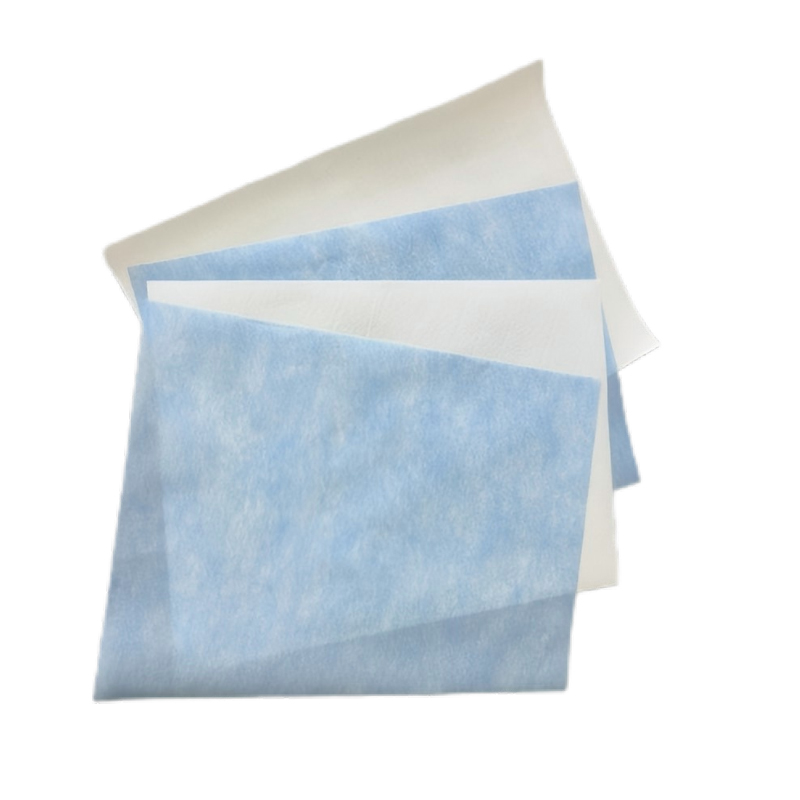 Breathable Film Laminates
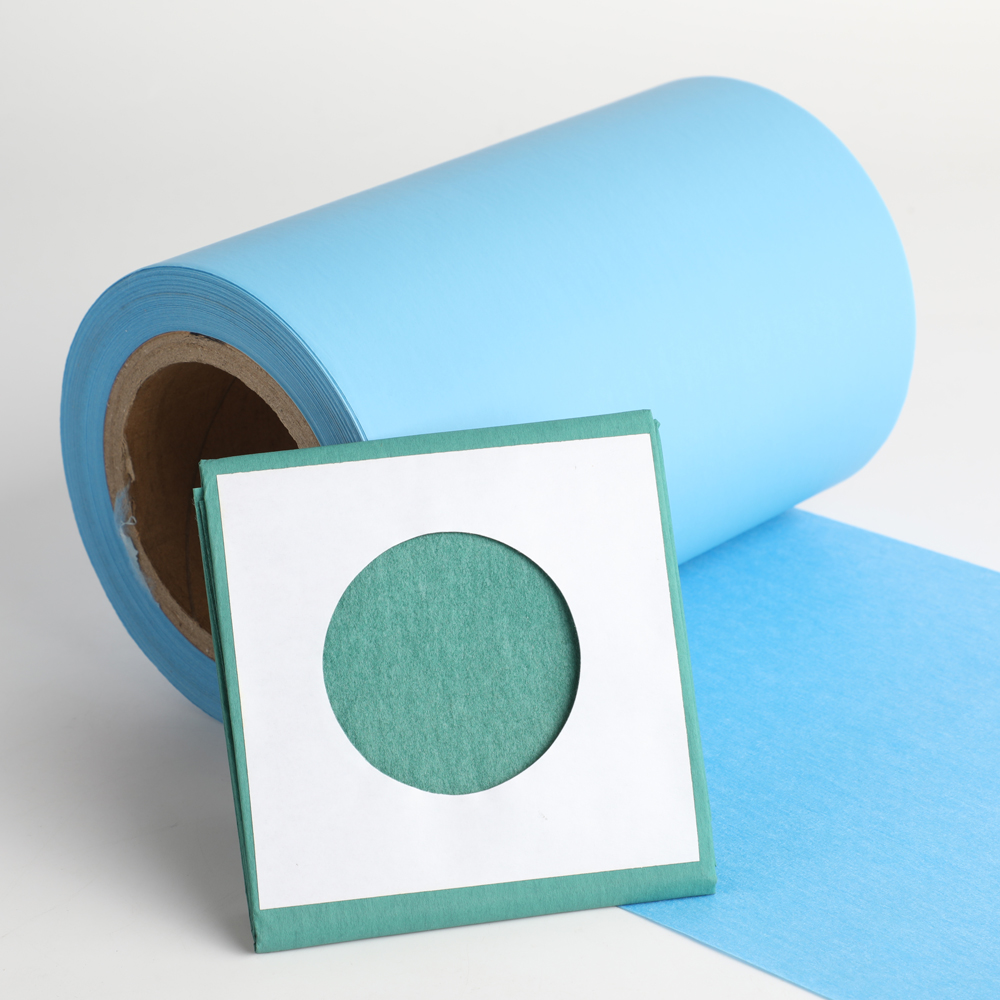 Viscose Laminates
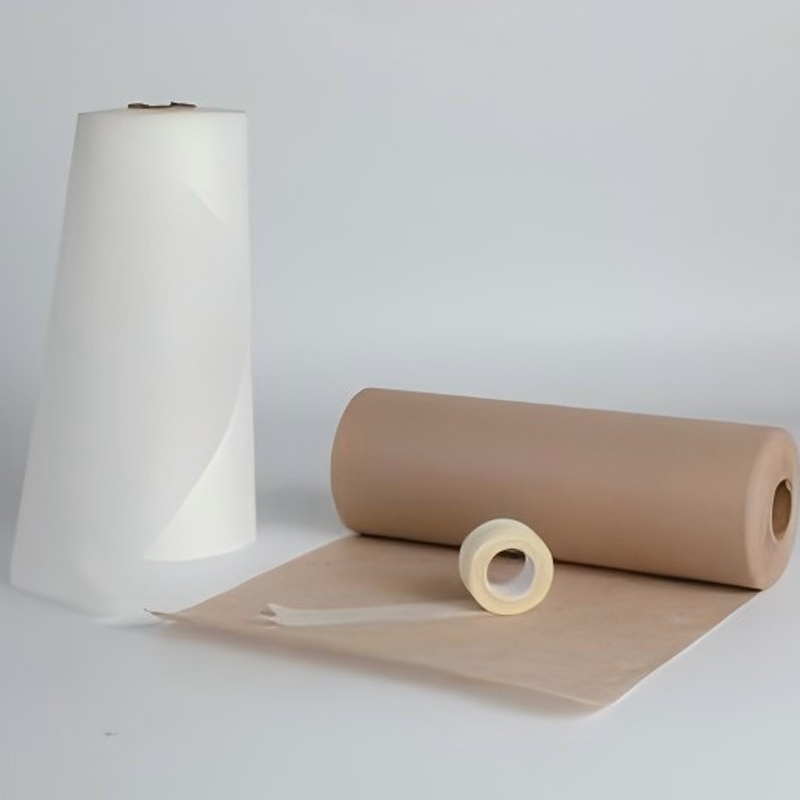 Medical Tape Nonwoven
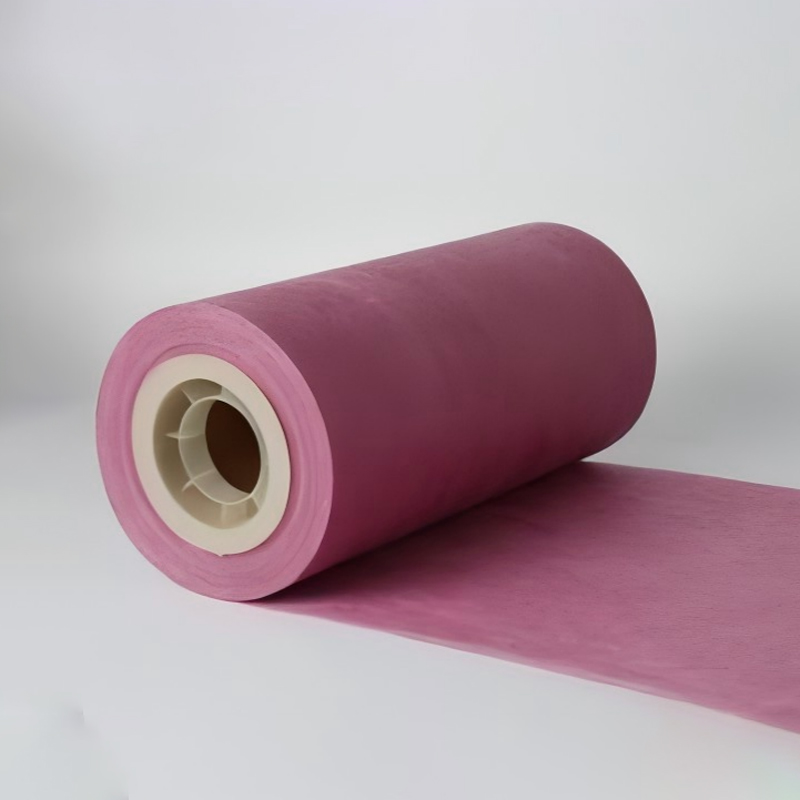 Filtration Nonwoven
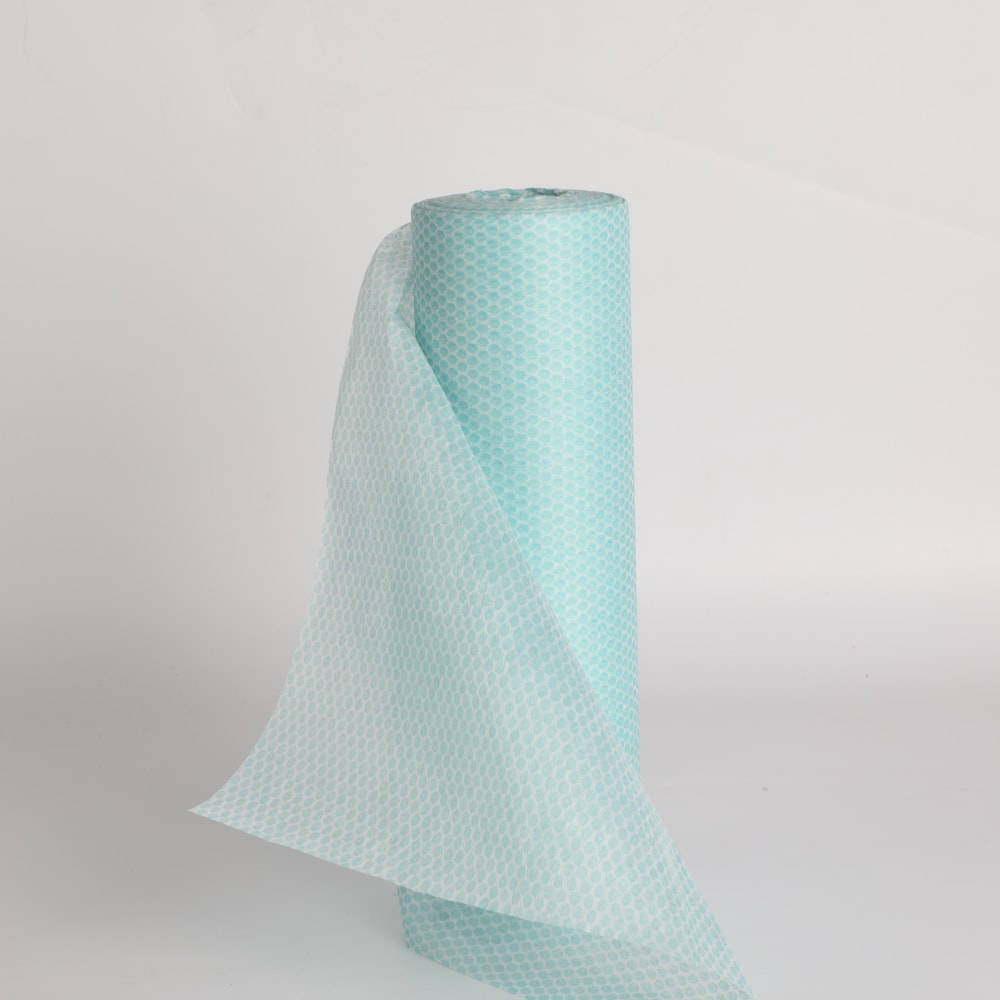 Head Wear Nonwoven
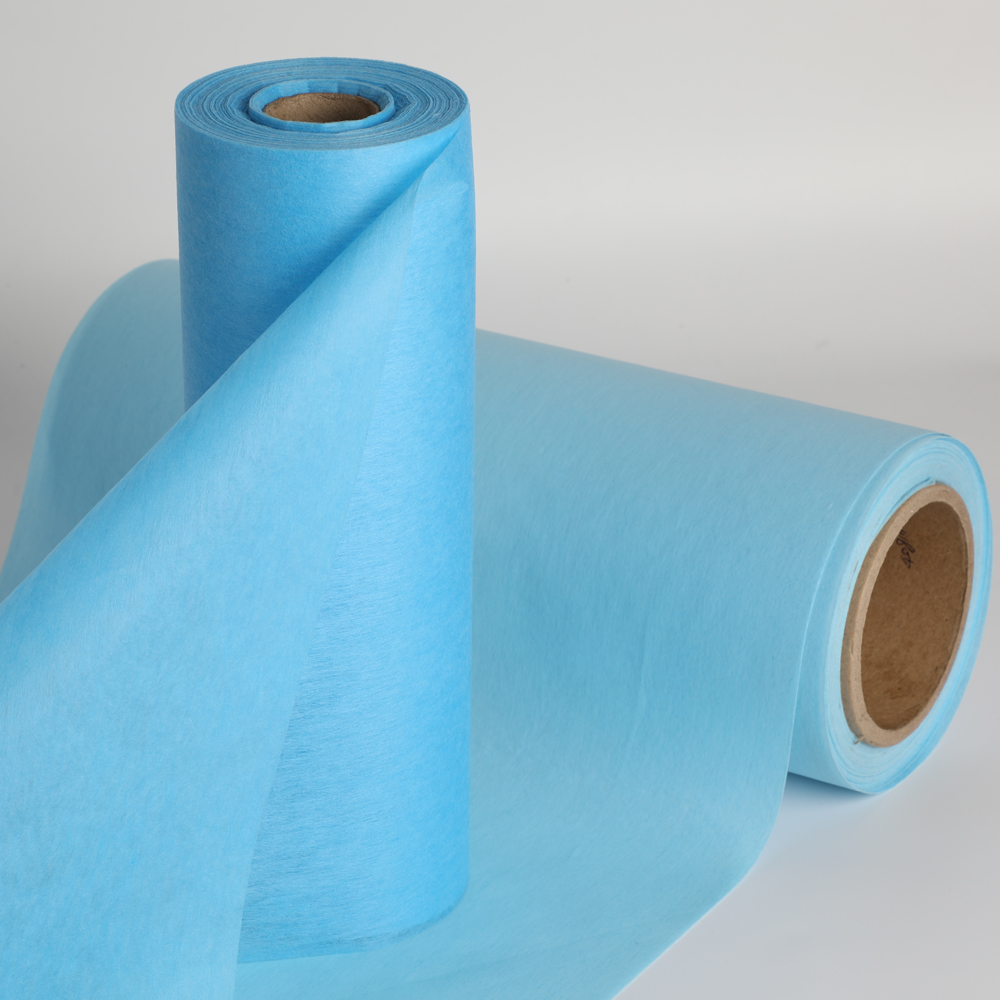 Medical Viscose Nonwoven
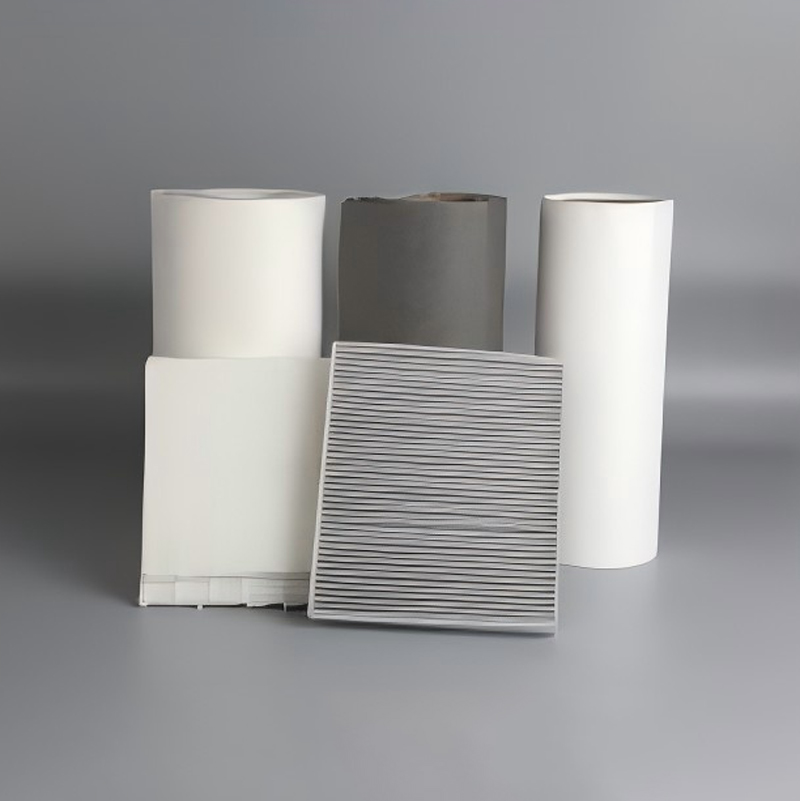 Air Filter Media
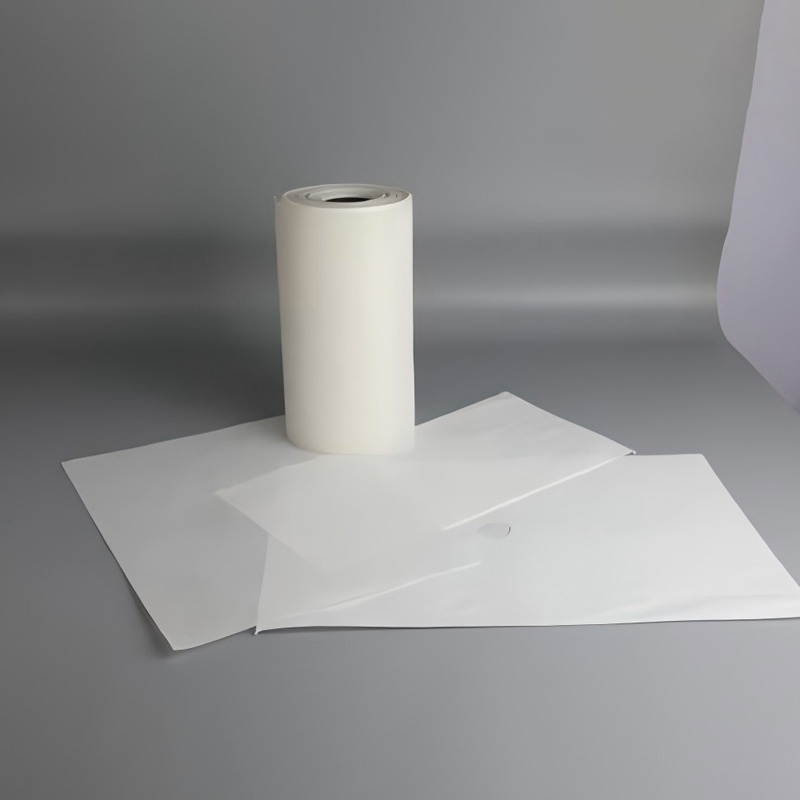 Liquid Filter Media
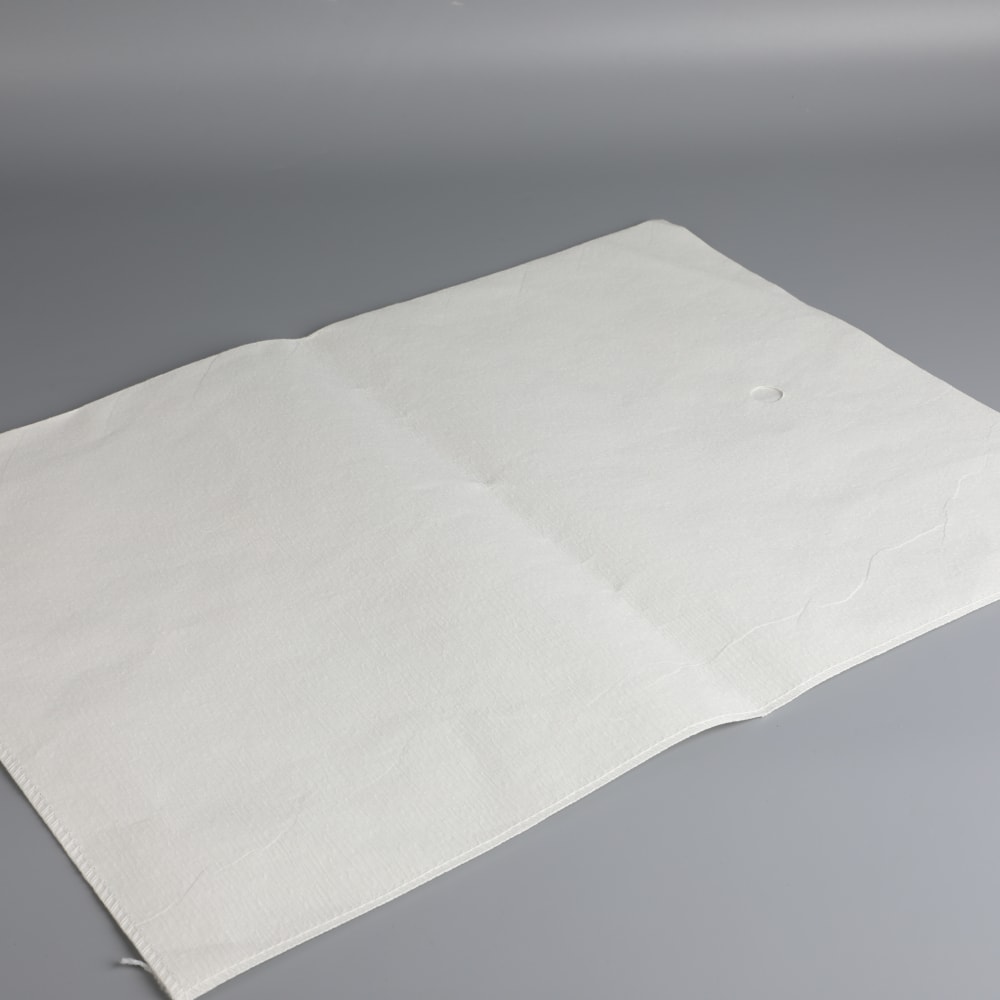 Filter Envelope & Filter Sheet
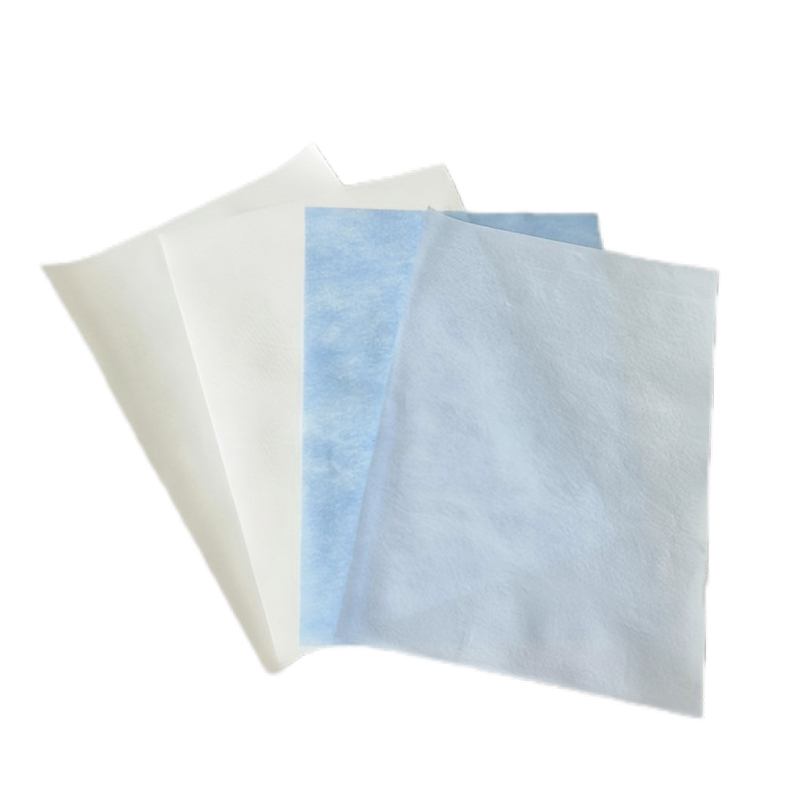 Breathable Film Laminates
 Nonwoven Interlining
 Fluid Repellent Woodpulp Spunlace Nonwoven
 Woodpulp Nonwoven Wipe
 Nonwoven Cleaning Wipe
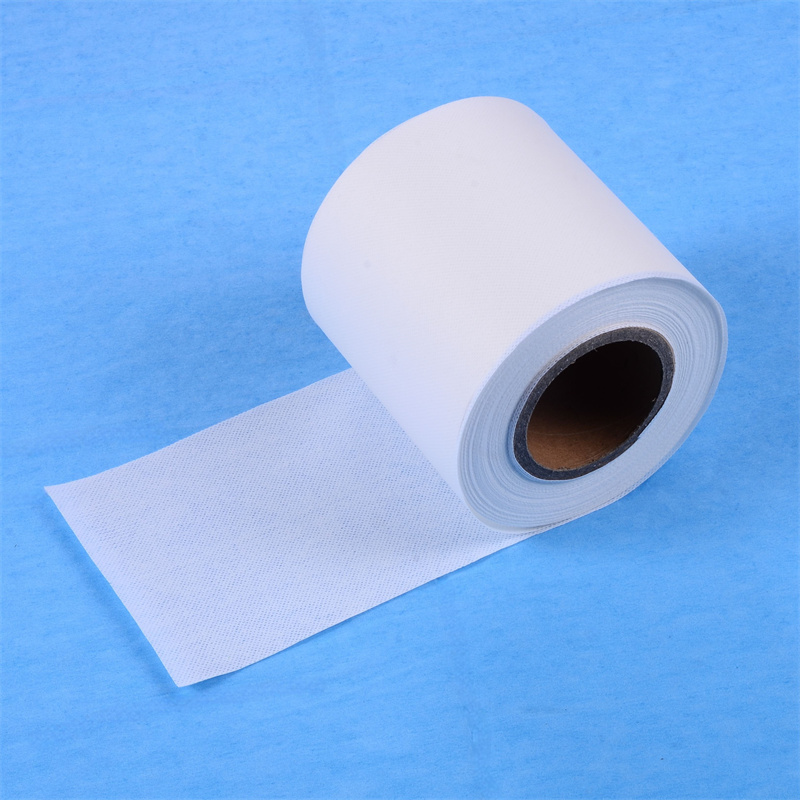 Flame Retardant Nonwoven Fabric
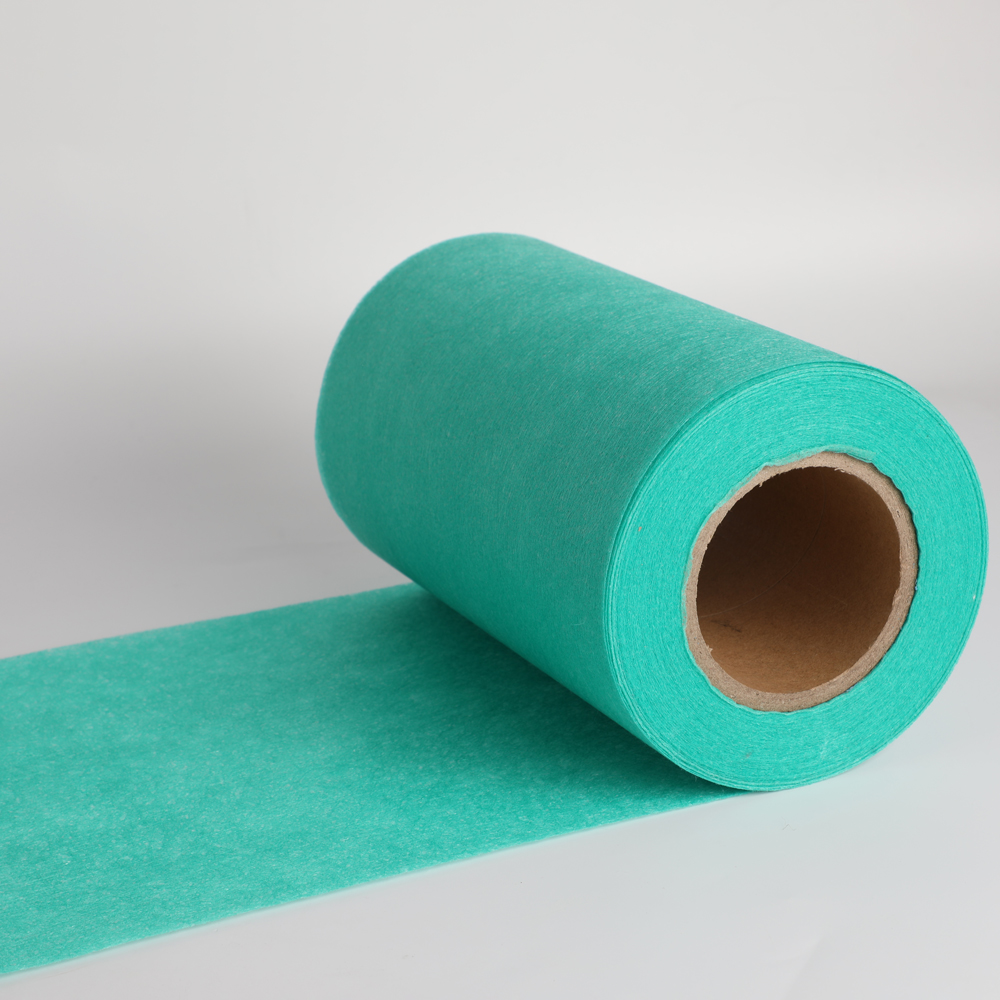 Anti-Bacterial Nonwoven
 CONTACT WhatsApp
 CONTACT WeChat

 CONTACT NUMBER
 CONTACT EMAIL