How to Choose the Best Water Repellent Nonwoven Fabric?
Choosing the right "Water Repellent Nonwoven" fabric can be challenging. Many factors influence the decision. According to Dr. Sarah Thompson, an expert in nonwoven technologies, “Understanding the properties of these fabrics is crucial for optimal performance.”
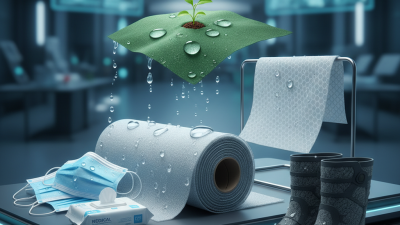
Water repellency plays a vital role in various applications, from outdoor clothing to medical textiles. The effectiveness of a water repellent nonwoven fabric depends on its material composition and manufacturing process. It's essential to consider how these fabrics interact with water and other elements.
Many products claim water repellency, but not all are created equal. Evaluating the certification and testing methods used can guide you to the best choice. The market is vast, and picking a fabric that meets your needs requires careful thought. Keep in mind that versatility and durability are key. It's not just about water resistance; it's about the fabric's overall performance in real-world conditions.

Understanding Water Repellent Nonwoven Fabrics
Understanding water repellent nonwoven fabrics is crucial for various applications. These fabrics are engineered to repel water while maintaining breathability. This makes them ideal for outdoor gear, medical materials, and protective clothing. According to a report by MarketsandMarkets, the global nonwoven fabric market is projected to reach $51.4 billion by 2025. This growth highlights the increasing demand for functional textiles that serve specific needs, like water resistance.
Manufacturers utilize different treatments to enhance water resistance. These may include chemical coatings and specialized fibers. A study by the Nonwovens Innovation and Research Institute (NIRI) indicates that the performance of water repellent nonwoven fabrics can vary widely. Factors like fiber composition and manufacturing processes impact their effectiveness. Optimally, a balance between water repellency and breathability should be sought. Yet, this balance is often challenging to achieve.
In evaluating these fabrics, factors such as tensile strength and weight are essential. Data suggests that lighter fabrics tend to have lower durability. Thus, selecting a fabric requires careful consideration of intended uses. It’s critical to acknowledge that not all water repellent fabrics perform equally. Thorough testing and comparisons help in identifying the best options for specific applications.
Key Characteristics of High-Quality Water Repellent Fabrics
When selecting water repellent nonwoven fabric, understanding key characteristics is essential. High-quality fabrics typically exhibit effective water resistance and breathability. Recent industry reports highlight that fabrics with a hydrostatic head rating of over 300 mm demonstrate significant water resistance. This rating indicates the fabric's ability to withstand water pressure, making it crucial for outdoor applications.
Durability is another key factor. Many fabrics lose effectiveness over time due to wear or exposure to environmental elements. A study by textile experts recommends considering a fabric's abrasion resistance rating. Fabrics with a rating of 100,000 Martindale cycles or more are ideal for high-traffic areas. This ensures longevity while maintaining performance.
Choosing fabric based on end-use is important. For instance, fabrics used in outdoor gear should balance weight and flexibility with water resistance. Considerations about thermal properties also matter. Fabrics that provide insulation while remaining water repellent perform better in extreme conditions. Be mindful; not all water repellent fabrics are equal. Sometimes, a higher price does not guarantee superior functionality. Test samples before purchase when possible. Make informed decisions about your fabric needs to ensure you choose wisely.
Types of Water Repellent Treatments for Nonwoven Fabrics
When selecting water repellent nonwoven fabrics, understanding the treatments available is vital. Common treatments include hydrophobic coatings, resin finishes, and membrane technologies. Each method has unique benefits, impacting the fabric's durability and water resistance.
Hydrophobic coatings create a surface tension that causes water to bead up and roll off. This treatment is often cost-effective and easy to apply. In contrast, resin finishes provide a more robust solution, enhancing both water resistance and fabric integrity. Membrane technologies, such as microporous films, offer superior breathability and are ideal for outdoor applications. According to a recent market report, the global nonwoven fabric market is expected to grow significantly, driven by demand for these advanced treatments.
When choosing a treatment, consider your specific needs. For heavy-duty applications, resin finishes may be more suitable. If breathability is a priority, look into membrane technologies. Reflect on your experiences with water exposure. Have previous fabrics performed as expected?
Experimenting with different treatments can yield surprising results. Some may generate unexpected costs or maintenance challenges over time. It's essential to evaluate these factors carefully. Prioritizing the appropriate treatment can lead to better performance and longevity of your nonwoven fabric products.
Evaluating the Performance of Water Repellent Nonwoven Fabrics
Evaluating the performance of water repellent nonwoven fabrics is crucial for various applications. The ability of these materials to resist water influences their usefulness in products like outdoor gear, medical supplies, and construction materials. To assess their performance, factors such as water repellency, durability, and breathability must be considered.
Water repellency is often tested by measuring the contact angle of water droplets on the fabric surface. A higher contact angle indicates better water resistance. However, achieving high repellency can sometimes compromise breathability. This trade-off is essential to keep in mind. Durability also plays a key role; repeated washing or exposure to harsh conditions may degrade the fabric's water-repellent properties over time.
Moreover, not all nonwoven fabrics perform equally in real-world scenarios. Some might excel in certain conditions but fail in others. For instance, a material that performs well in light rain may not hold up in heavy downpours. Understanding these limitations can guide users in making more informed choices. Testing under various environmental conditions can reveal the true potential of these fabrics, offering insights into their reliability in practical use.
Cost Considerations in Choosing Water Repellent Nonwoven Fabrics
Cost considerations play a crucial role when selecting water-repellent nonwoven fabrics. The global market for nonwoven fabrics was valued at around $50 billion in 2022, according to industry reports. This highlights the scale at which these materials are produced and consumed. Budget constraints often force manufacturers to balance cost and performance. Cheaper fabrics may lack the durability or performance required for specific applications.
For example, investing in higher-quality nonwoven fabrics may increase upfront costs, but it can lead to longer product lifespans. A report from a textile research group indicates that high-performance nonwoven materials can reduce replacement frequency by up to 30%. This factor is essential for companies looking to minimize long-term operational costs. However, it can be challenging to justify this investment without clear data on expected performance improvements.
Additionally, considering sourcing options is important. Local suppliers may offer higher prices due to lower production scales, while overseas providers can be more cost-effective. However, quality control issues can arise with international shipments. Transparency in sourcing can sometimes be lacking. Ultimately, weighing cost against reliability and performance is vital in selecting the right water-repellent nonwoven fabric. Many businesses find this trade-off difficult, as the short-term savings can lead to long-term complications.
How to Choose the Best Water Repellent Nonwoven Fabric? - Cost Considerations
| Fabric Type |
Water Repellent Level |
Cost per Square Meter |
Durability (Years) |
Common Applications |
| Polypropylene Nonwoven |
Medium |
$2.50 |
3-5 |
Medical, Industrial |
| Polyester Nonwoven |
High |
$3.50 |
5-7 |
Outdoor Fabrics, Apparel |
| Nylon Nonwoven |
Very High |
$4.50 |
7-10 |
High-Performance Gear, Bags |
| Biodegradable Nonwoven |
Low |
$3.00 |
1-2 |
Packaging, Disposable Products |
| Recycled Nonwoven |
Medium |
$2.00 |
3-6 |
Eco-Friendly Products, Upholstery |

 PP Laminates
 Multi Laminates
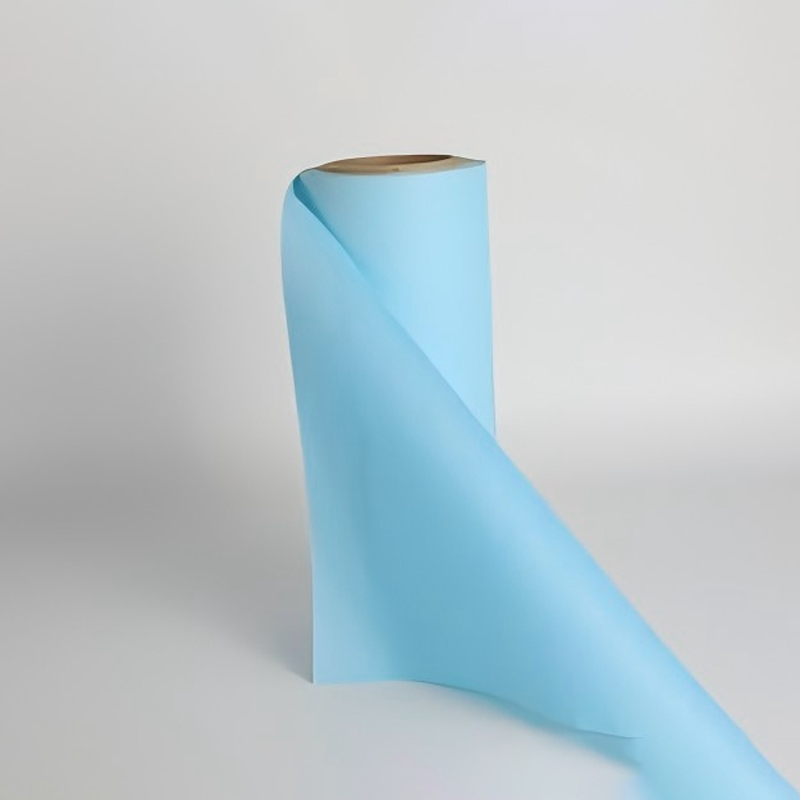 Spunlace Nonwoven Laminates
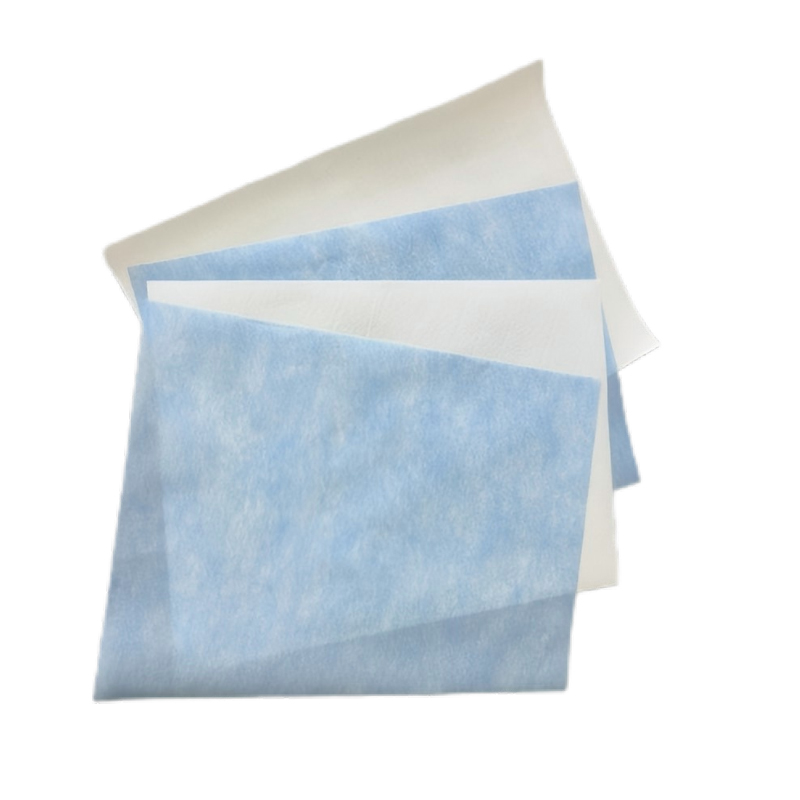 Breathable Film Laminates
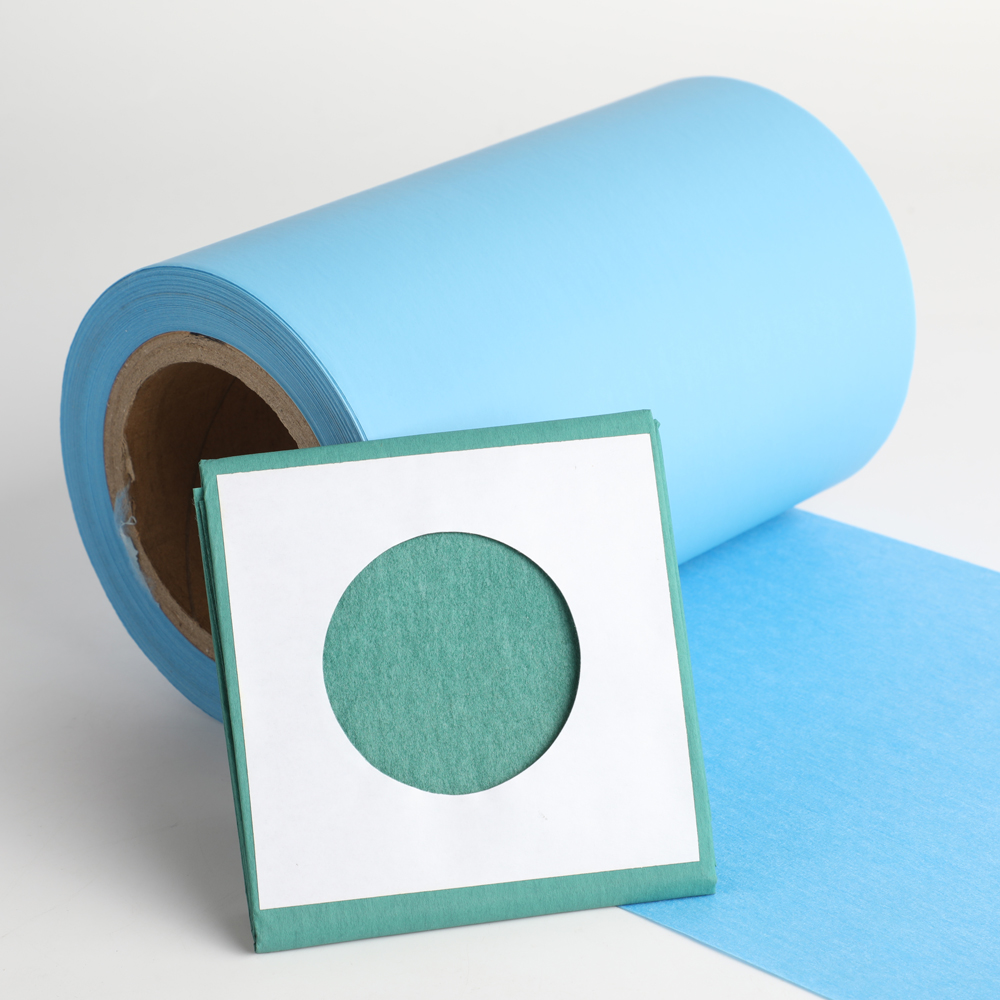 Viscose Laminates
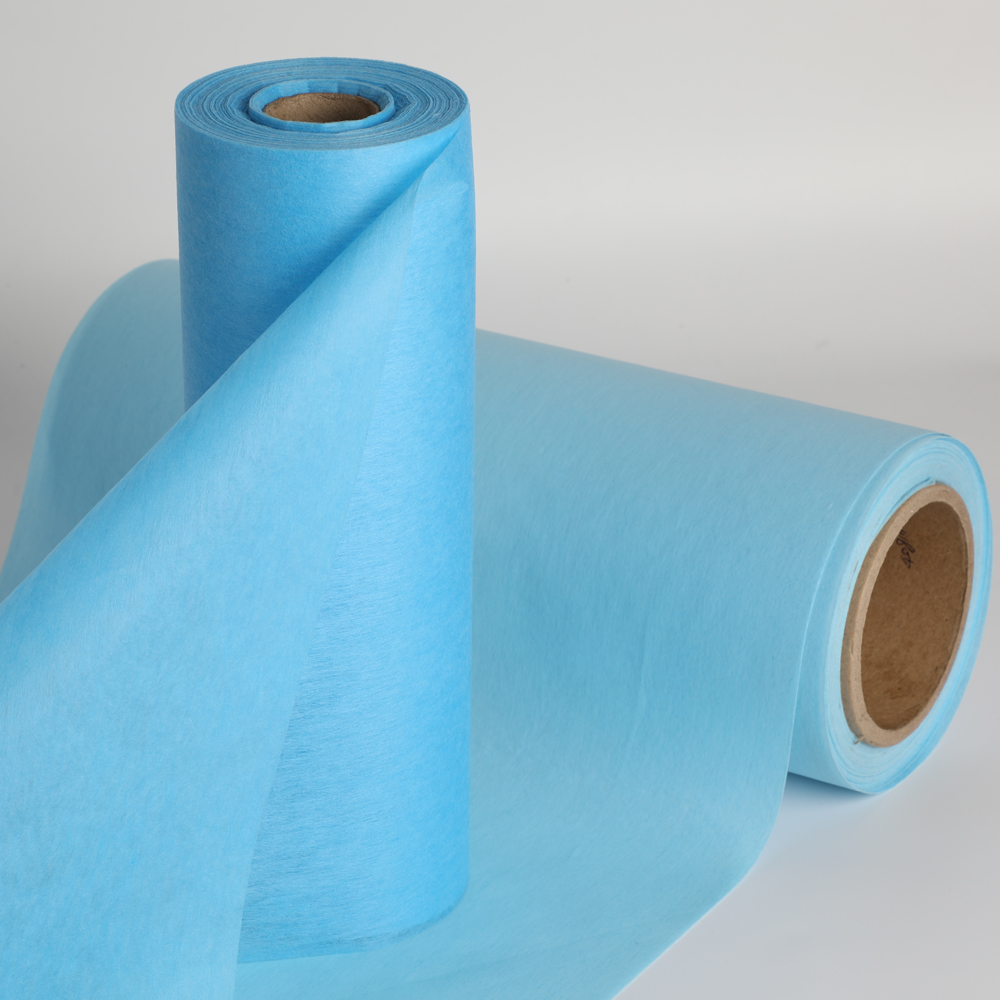 Medical Viscose Nonwoven
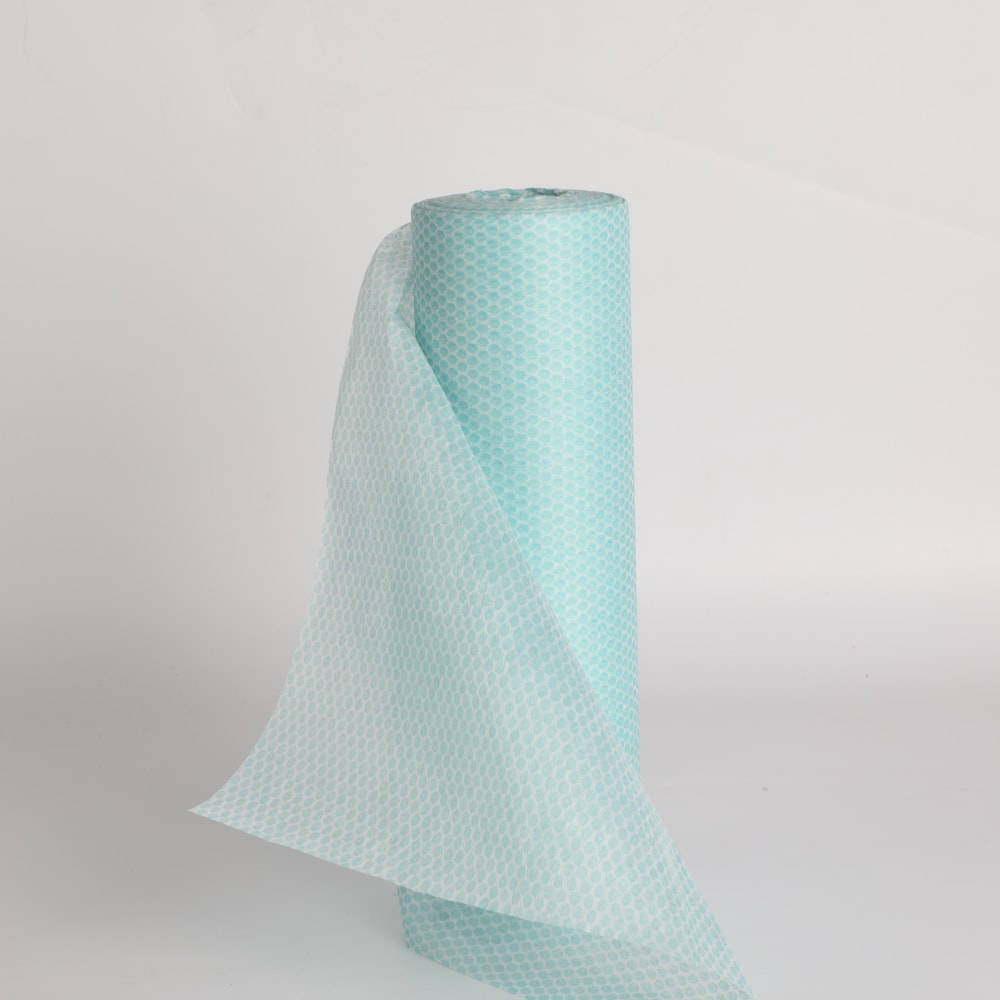 Head Wear Nonwoven
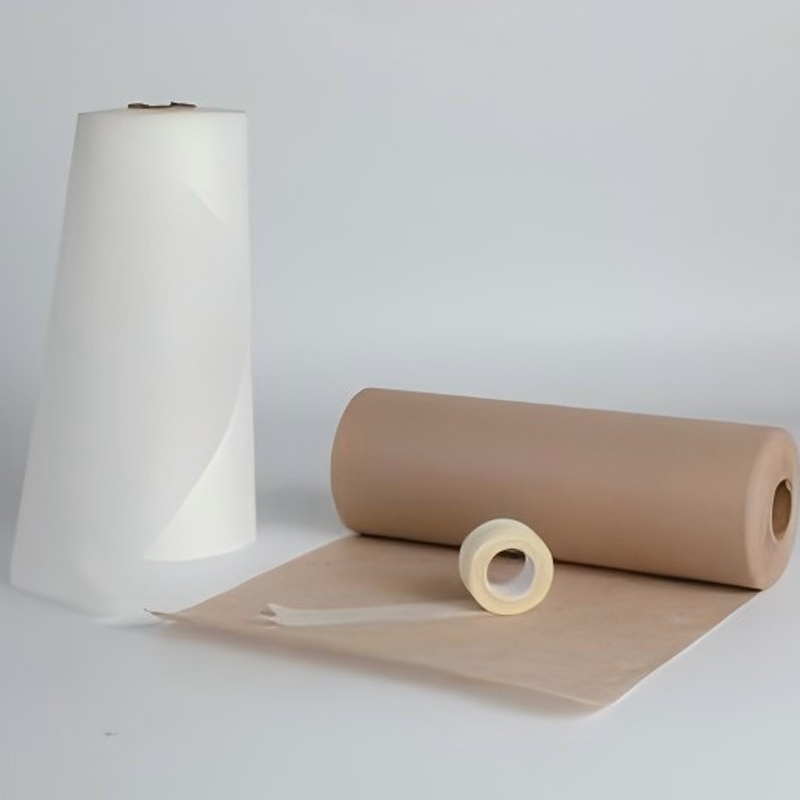 Medical Tape Nonwoven
 Snus Pouch Nonwoven
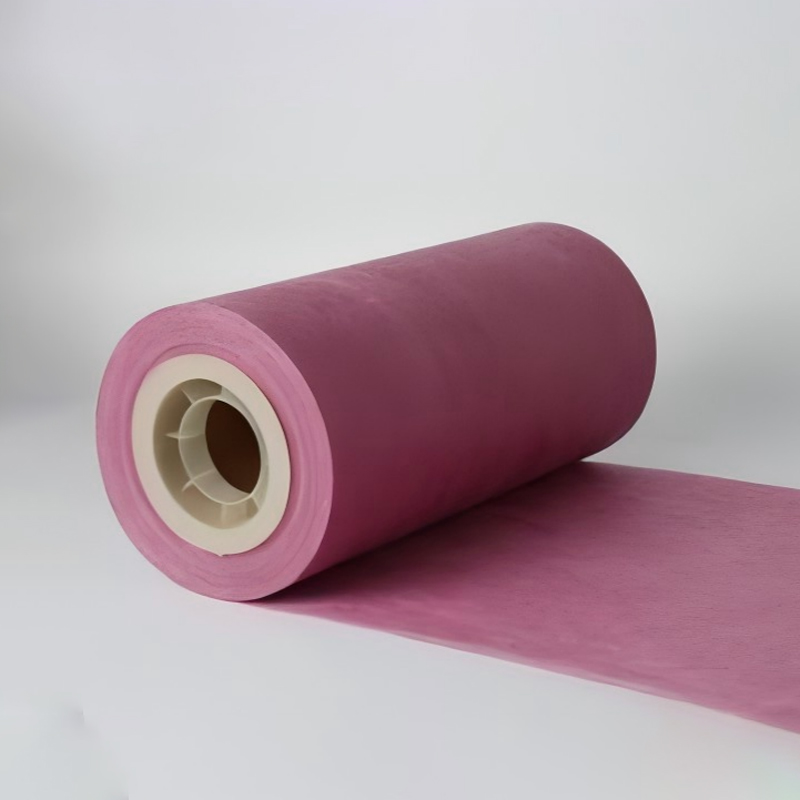 Filtration Nonwoven
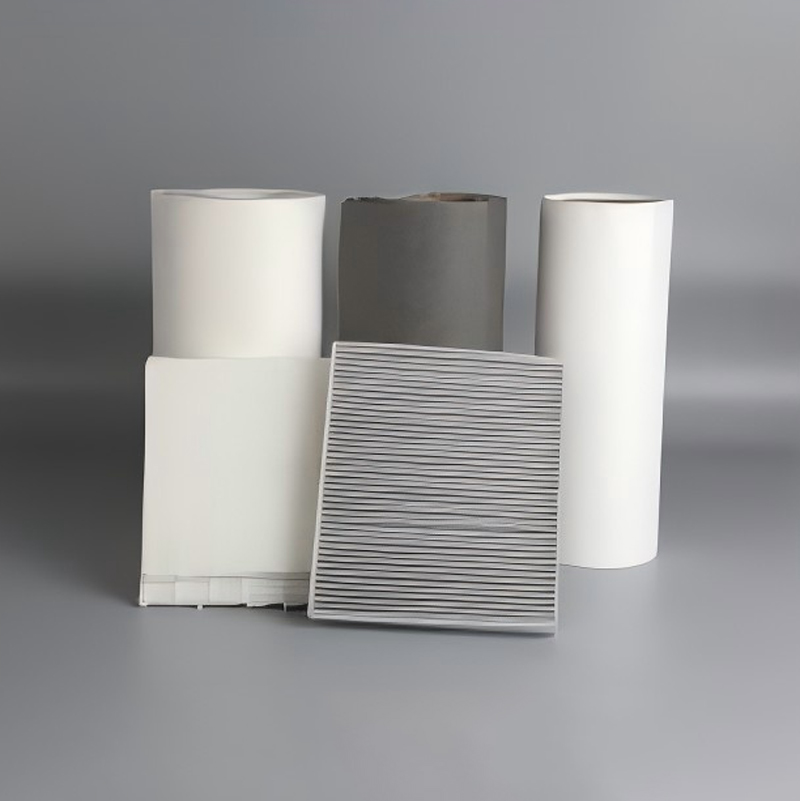 Air Filter Media
 Liquid Filter Media
 Filter Envelope & Filter Sheet
 Breathable Film Laminates
 Nonwoven Interlining
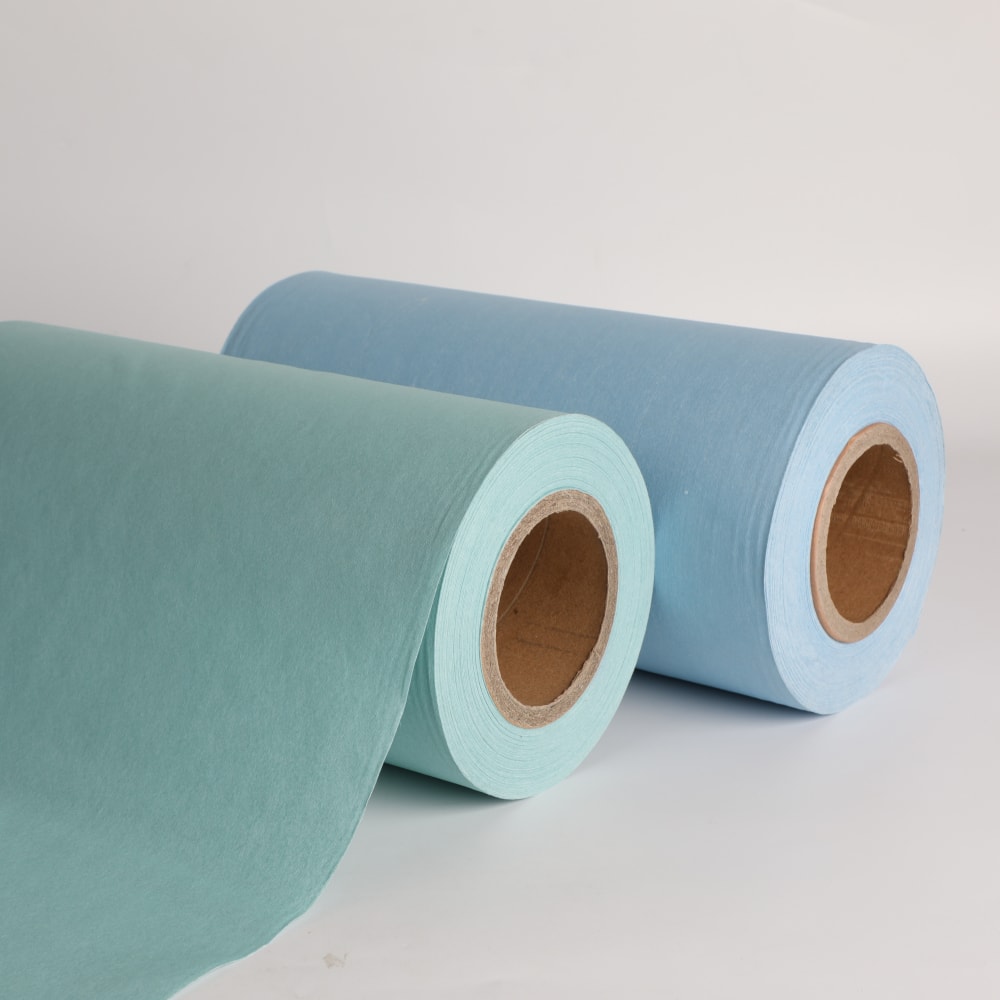 Fluid Repellent Woodpulp Spunlace Nonwoven
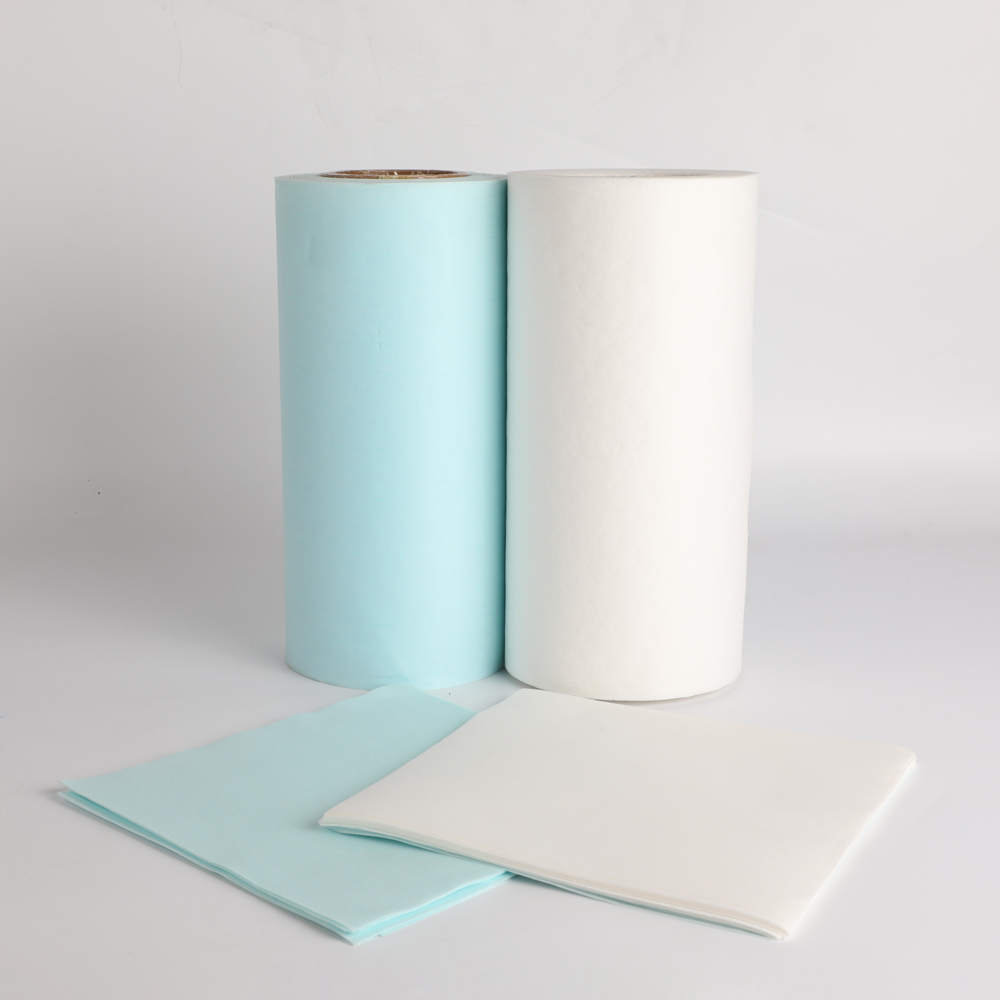 Woodpulp Nonwoven Wipe
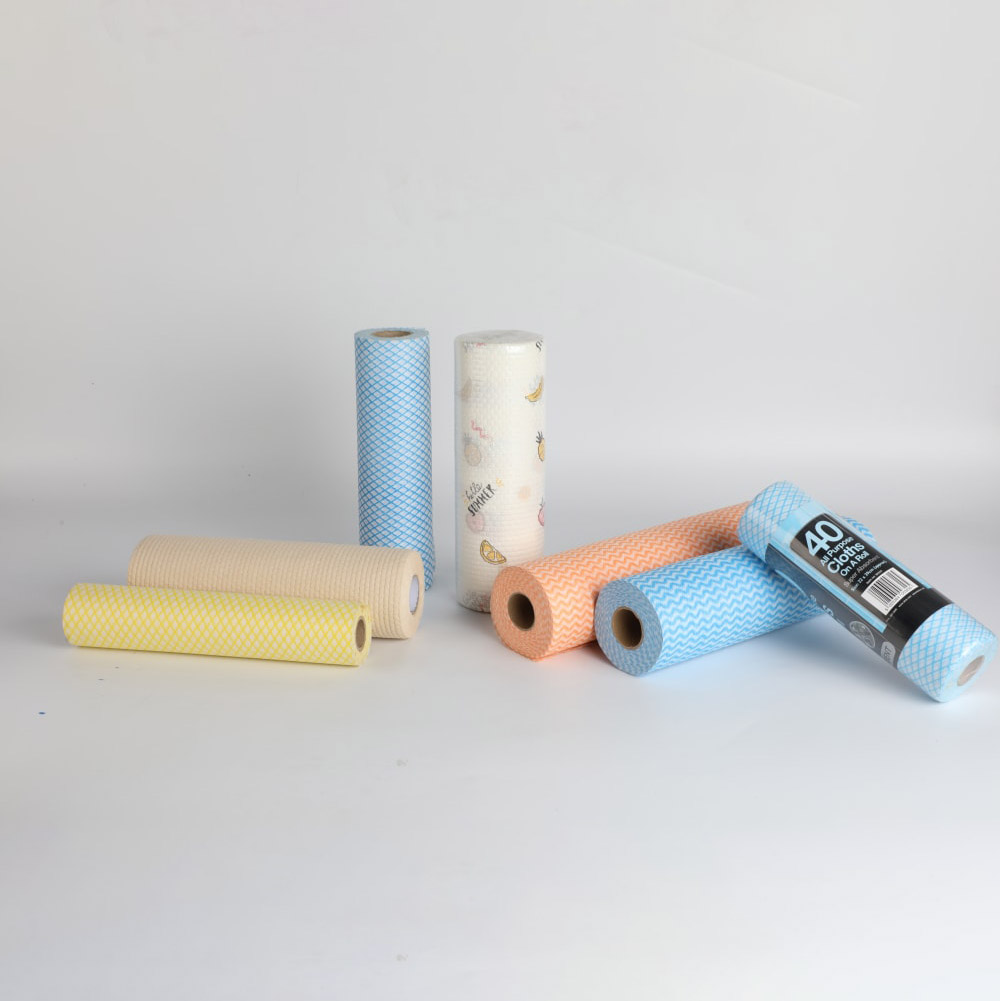 Nonwoven Cleaning Wipe
 Curtain Nonwoven
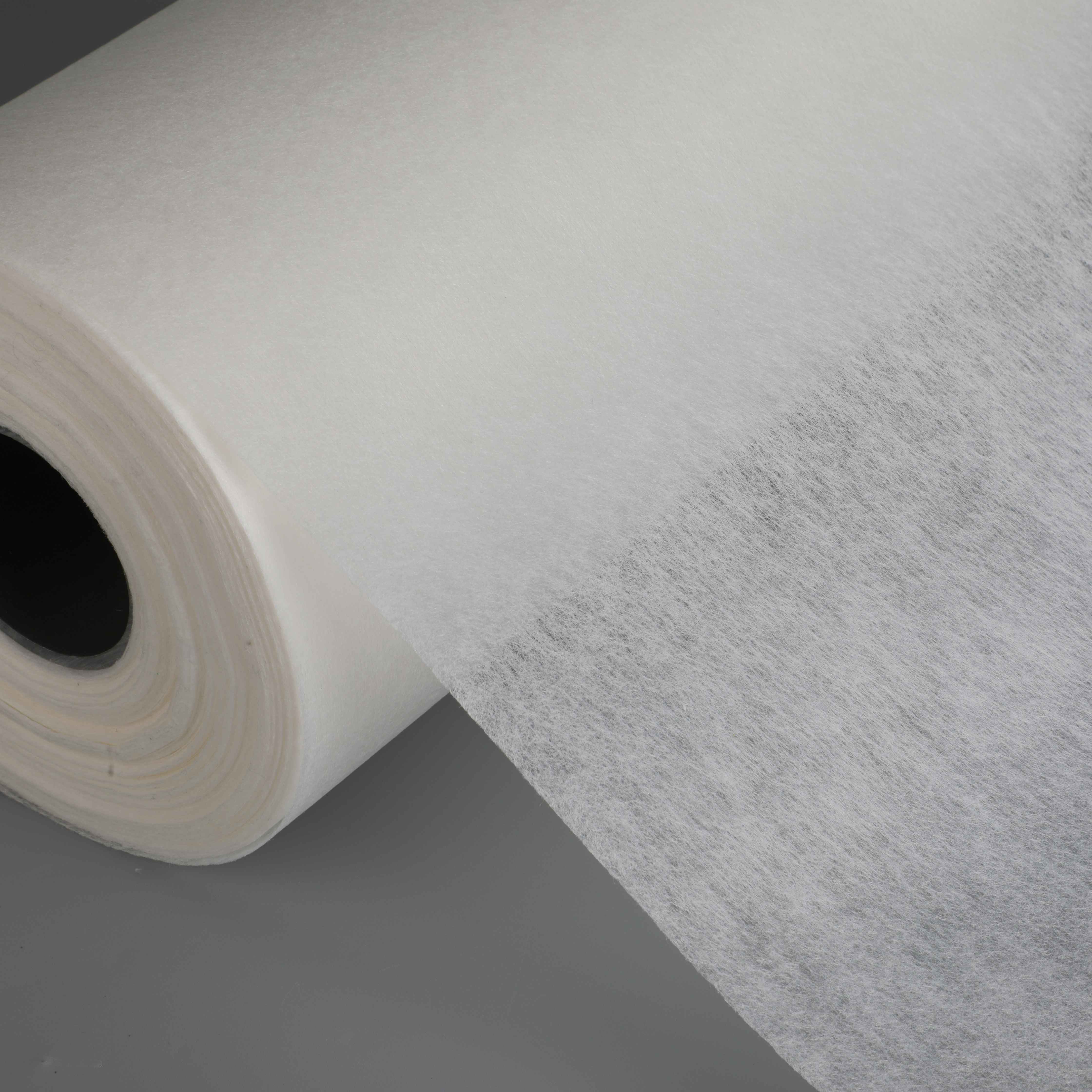 Food Grade Packaging Nonwoven
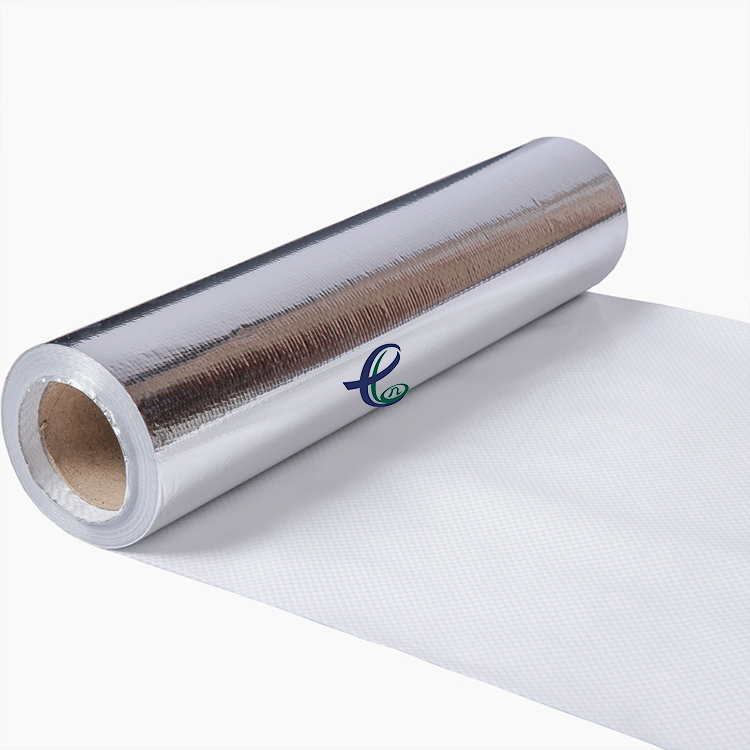 Aluminized Nonwoven
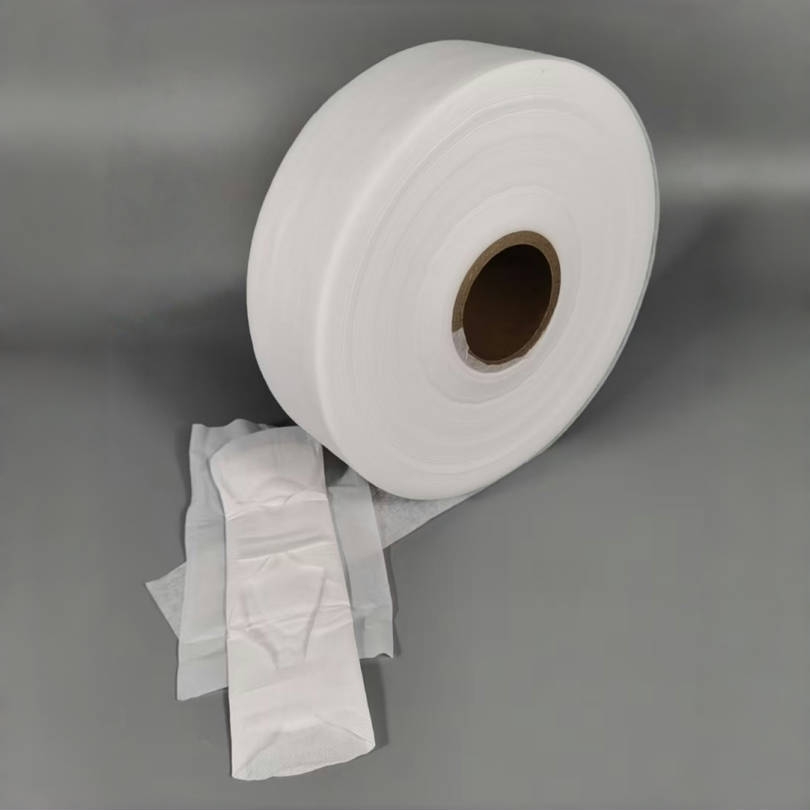 Hot Air Cotton Nonwoven
 Flame Retardant Nonwoven
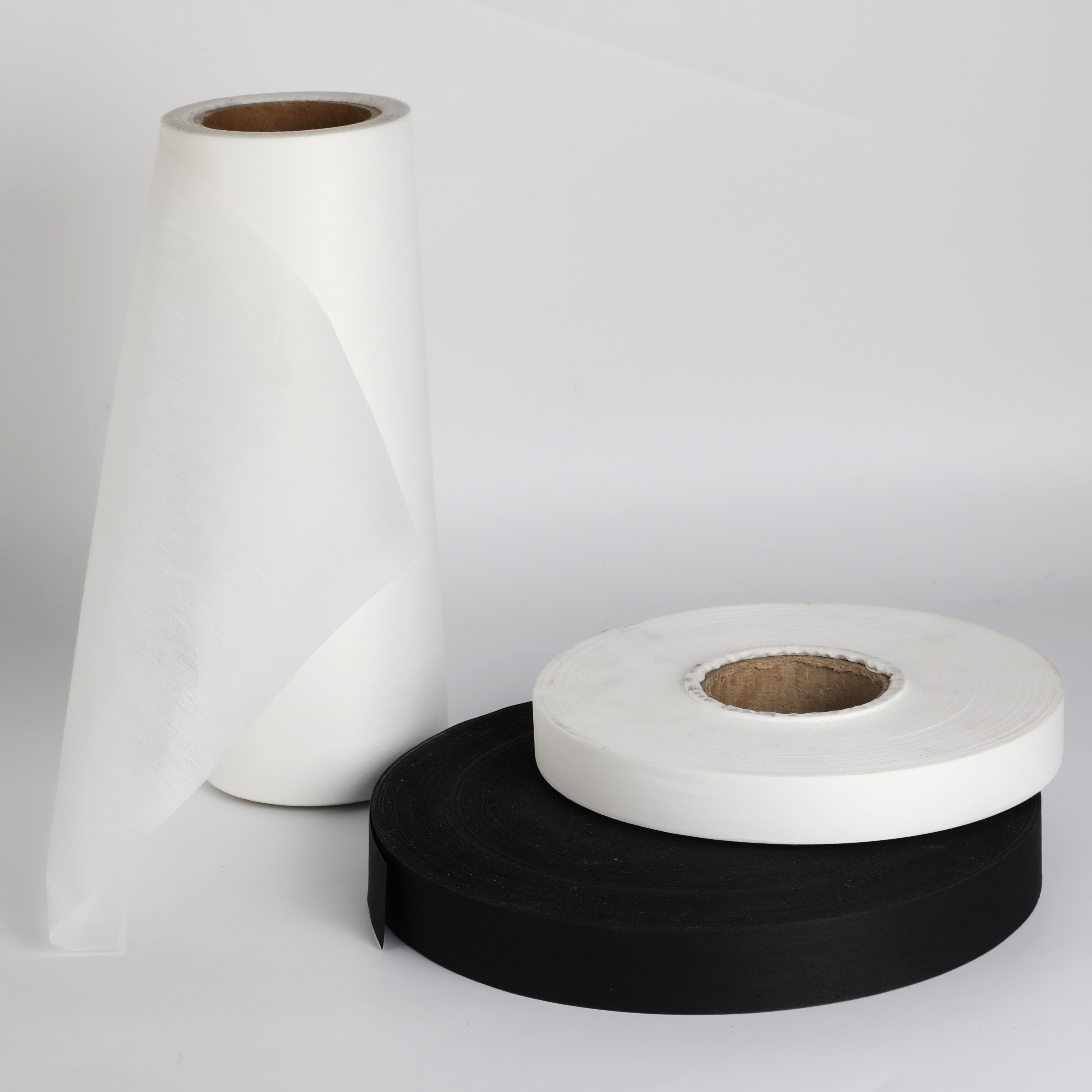 Cable Wrapping Nonwoven
 Semi-conductive Nonwoven
 Anti-Bacterial Nonwoven
 +8613957712400
 CONTACT WhatsApp
 CONTACT WeChat
 CONTACT NUMBER
 CONTACT EMAIL