How to Choose the Best Lamination Nonwoven Fabric for Your Needs?
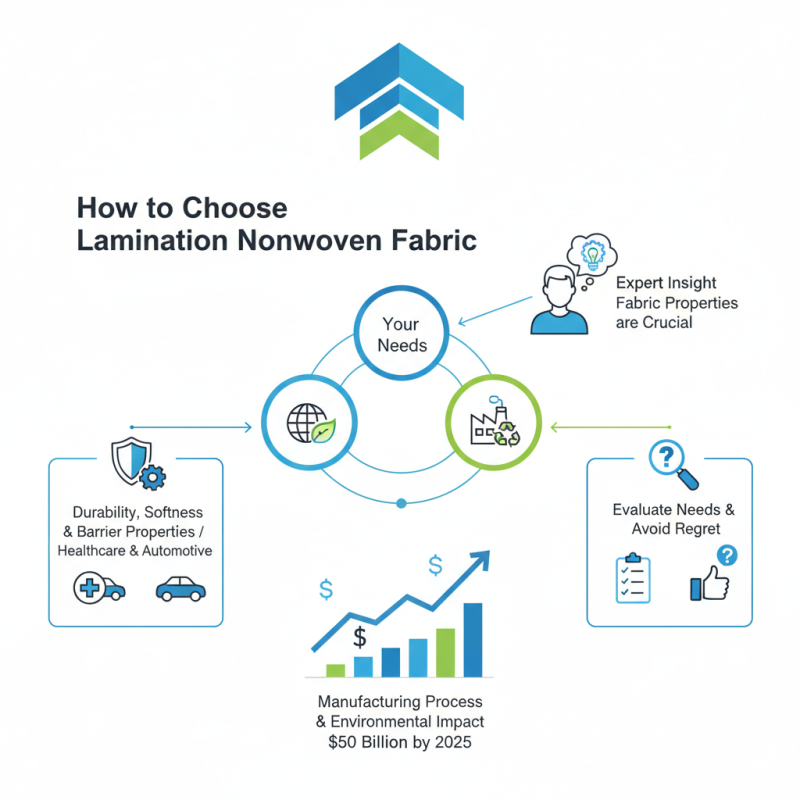
Choosing the right Lamination Nonwoven Fabric can be a daunting task. The market offers a wide range of options, making it critical to understand your specific needs. According to a recent report by Smithers Pira, the global nonwoven fabric market is projected to reach $50 billion by 2025. This growth reflects increasing demand for innovative materials in various industries, such as healthcare and automotive.
Industry expert Dr. Emily Chen emphasizes the importance of fabric selection: “The right lamination nonwoven fabric can significantly impact product performance.” Her insight stresses that understanding fabric properties is crucial. Different applications may call for varying levels of durability, softness, or barrier properties.
While options abound, choices should not be made lightly. It’s vital to consider factors such as manufacturing processes and environmental impact. This multifaceted nature can confuse buyers. Rushing into a decision often leads to regret. Taking the time to evaluate your needs ensures a more suitable selection.
Understanding the Basics of Lamination Nonwoven Fabrics
Lamination nonwoven fabrics are essential in various industries, from healthcare to automotive. They provide durability and improved barrier properties. Understanding their basics helps in making informed decisions.
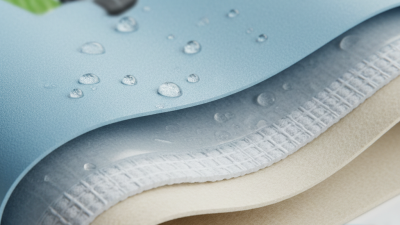
Lamination involves bonding layers of nonwoven substrates using heat, pressure, or adhesive. This process enhances the fabric's strength and performance. Industry reports show that the global nonwoven fabric market size reached approximately $51.25 billion in 2021. It is projected to grow at a CAGR of 6.5% through 2028. Such growth reflects the increasing demand for robust materials across multiple sectors.
Selecting the appropriate lamination nonwoven fabric depends on specific needs. Factors like thickness, weight, and breathability are crucial. For instance, medical applications often require high fluid resistance while ensuring breathability. Additionally, evaluating environmental impacts is vital. Sustainable options are becoming necessary in manufacturing. Reflecting on these aspects is crucial for both performance and compliance with regulations.
How to Choose the Best Lamination Nonwoven Fabric for Your Needs?
| Fabric Type |
Weight (g/m2) |
Thickness (mm) |
Applications |
Lamination Method |
| PP Nonwoven |
80 |
0.5 |
Bags, Packaging |
Extrusion |
| SMS Nonwoven |
100 |
0.6 |
Medical, Hygiene |
Adhesive |
| Spunbond Nonwoven |
120 |
0.7 |
Automotive, Geotextiles |
Calendering |
| Meltblown Nonwoven |
60 |
0.3 |
Filtration, Masks |
Hot Air |
Key Factors in Selecting Nonwoven Fabric: Composition and Weight
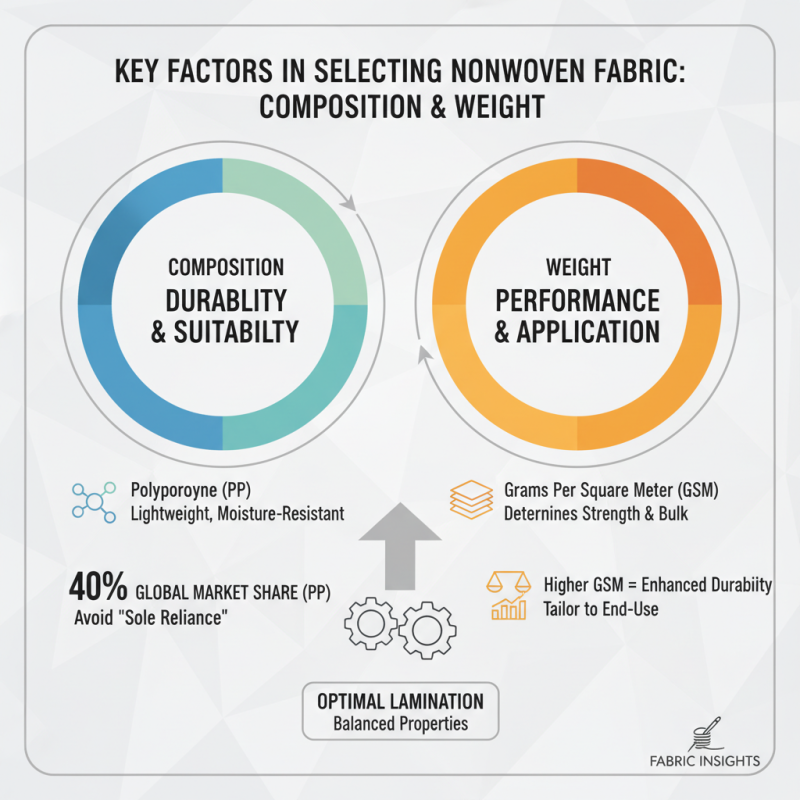
When selecting lamination nonwoven fabrics, composition and weight are critical factors. The fabric's composition directly impacts its durability and suitability for various applications. For instance, polypropylene remains a popular choice due to its lightweight and moisture-resistant properties. According to industry reports, nonwoven fabrics made from polypropylene account for about 40% of the global market share. However, relying solely on one material may limit functional versatility.
Weight also plays a crucial role in the performance of nonwoven fabrics. Lighter fabrics, typically below 60 grams per square meter (gsm), are suitable for applications like disposable products. Conversely, heavier fabrics, exceeding 100 gsm, provide increased strength and durability for reusable items. Notably, a report from the Nonwovens Institute emphasizes that heavier nonwoven fabrics increase consumer confidence in product quality. Yet, balancing weight with cost efficiency remains a challenge for manufacturers.
It's essential to consider the intended use of the fabric. Is it for medical supplies, hygiene products, or industrial applications? Each of these requires different weight and composition approaches. Focusing on these aspects can lead to better performance but may also bring complexities in sourcing materials and production processes. Therefore, a thorough evaluation of both composition and weight is vital for choosing the appropriate nonwoven fabric.
Evaluating Performance Characteristics: Strength, Durability, and Breathability
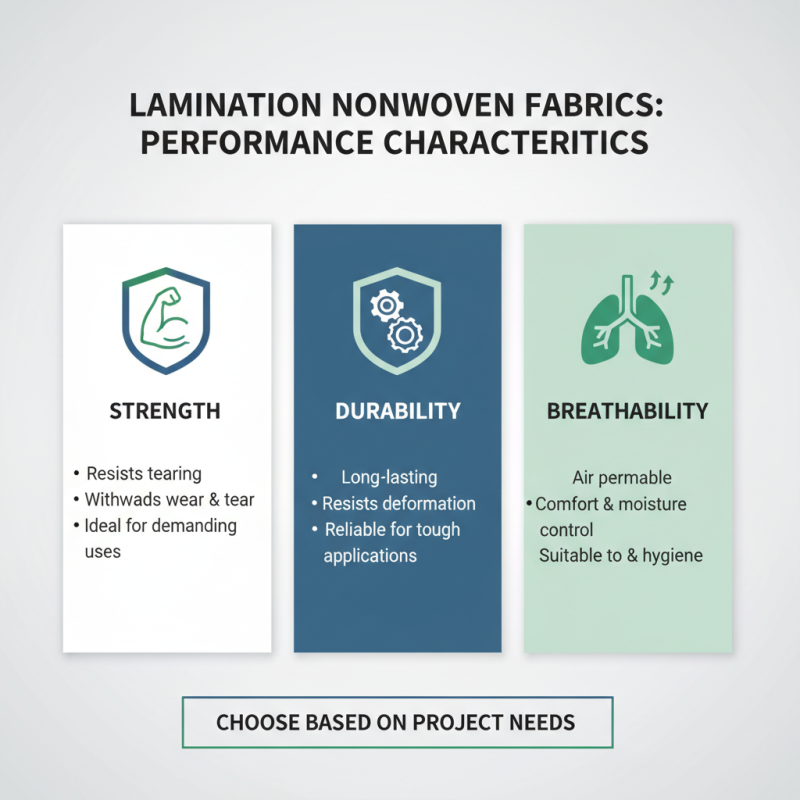
When choosing lamination nonwoven fabrics, consider strength, durability, and breathability. These performance characteristics significantly impact functionality. Strong fabrics withstand wear and tear. They resist tearing and deformation, making them ideal for demanding applications. However, not all strong materials are appropriate for every use. It's crucial to assess the specific requirements of your project.
Durability is another key factor. A durable fabric ensures longevity, cutting down on replacement costs. It often performs well in various environmental conditions, but this can come at the cost of breathability. Many users overlook breathability, yet it is essential for comfort in garments and medical applications. Fabrics with high breathability allow moisture to escape while preventing water ingress. Yet, finding the right balance can be challenging.
Consider your unique context. Some fabrics excel in strength but lack in comfort. Others may be breathable but not robust enough for rigorous tasks. It's essential to test and evaluate materials in real-life scenarios. Monitor performance over time. Reflect on how these fabrics perform under pressure. Sometimes, the ideal choice isn't the most robust or the most breathable; it's the one that best fits your needs.
Industry Applications: Choosing Nonwoven Fabrics for Specific Needs
When choosing nonwoven fabrics for specific industry applications, consider the material properties essential for your needs. Nonwoven fabrics come in various types, each suited for distinct functions. For example, medical applications often call for barrier fabrics that prevent bacteria and fluids, while agricultural sectors may need UV-resistant options to protect crops.
Tips: Look closely at the fabric thickness, strength, and moisture control. These factors greatly affect performance. A fabric that may seem perfect could fall short in real-world applications. Conducting tests with samples can save time and resources.
Another vital aspect is the sustainability of the fabric. In industries like fashion and home textiles, eco-friendly options are increasingly important. While these fabrics can be more expensive, they reflect growing consumer preferences for sustainable products.
Tips: Evaluate the supply chain and production methods. Understanding the environmental impact helps in making informed decisions. Sometimes, a lower-cost alternative may lead to long-term issues, such as durability or safety. Prioritize quality to avoid future setbacks.
Cost Analysis: Balancing Quality and Budget in Nonwoven Fabric Selection
When selecting lamination nonwoven fabric, cost analysis is crucial. Balancing quality with budget affects the end product's performance. Cheaper options may not last as long, while premium fabrics can strain your finances. Consider the application before diving into costs. What are the specific requirements? Are aesthetics or durability more important? This clarity helps in making informed decisions.
Quality can often be misleading. Some fabrics might appear strong but could be subpar in real-world conditions. Conduct tests where possible. Compare samples side by side. Look for certifications that indicate reliability and performance standards. Remember, investing just a little more upfront can save money in the long run.
Take into account the production volume. For smaller batches, the cost per unit could increase significantly due to setup fees. Evaluate if scaling up could yield savings. Seek out suppliers who offer flexibility in order sizes. This might lead to better overall pricing without compromising fabric integrity. Ultimately, achieving a balance requires careful consideration and sometimes reevaluation of priorities.
Cost Analysis of Lamination Nonwoven Fabric Selection

 PP Laminates
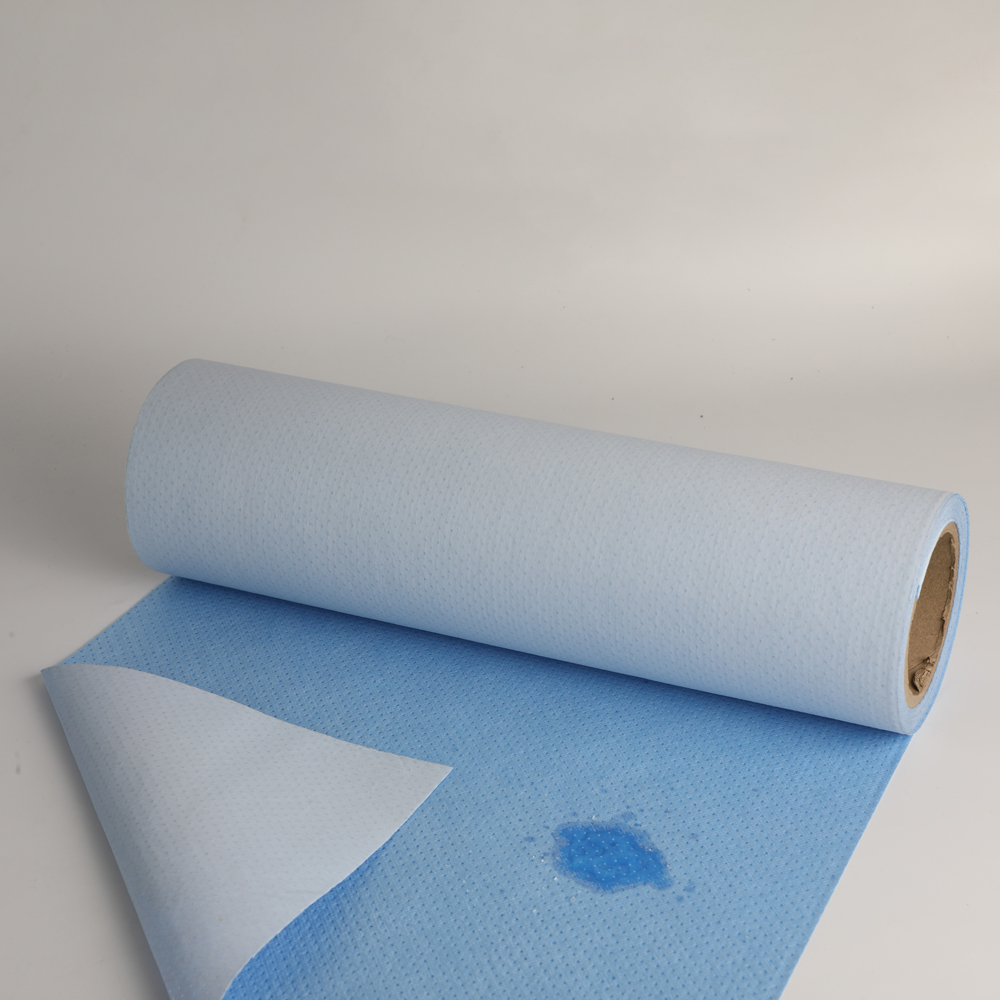 Multi Laminates
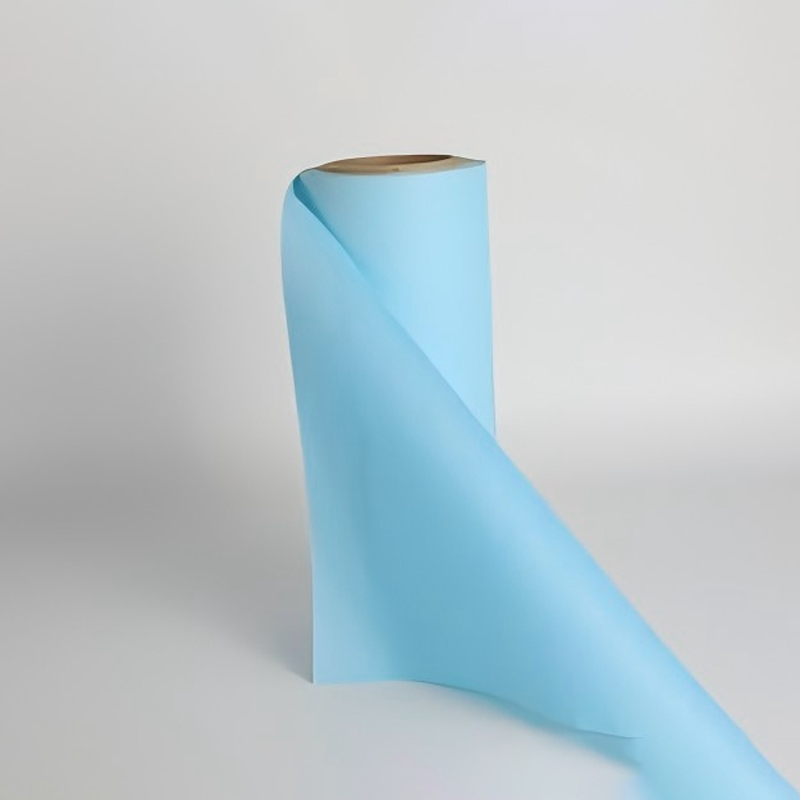 Spunlace Nonwoven Laminates
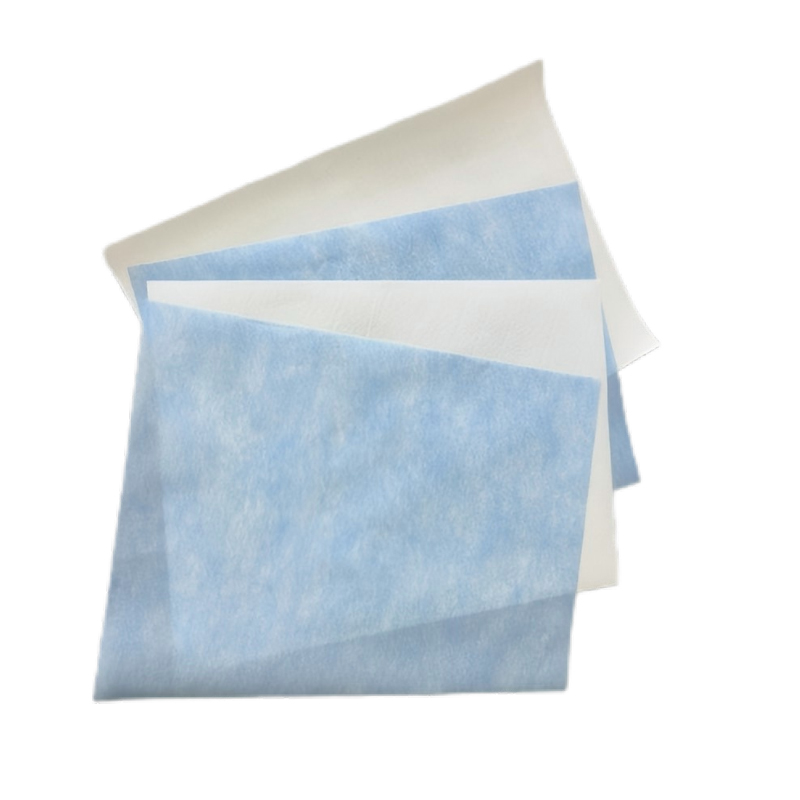 Breathable Film Laminates
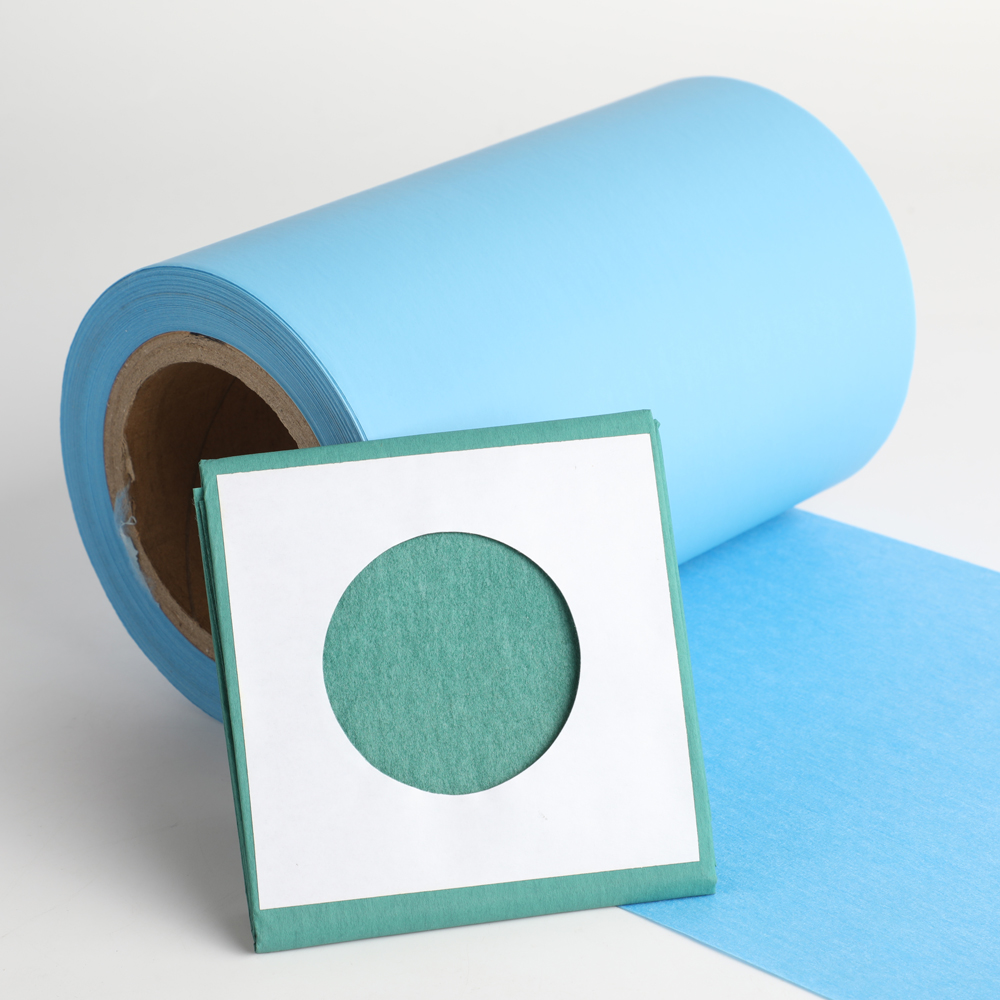 Viscose Laminates
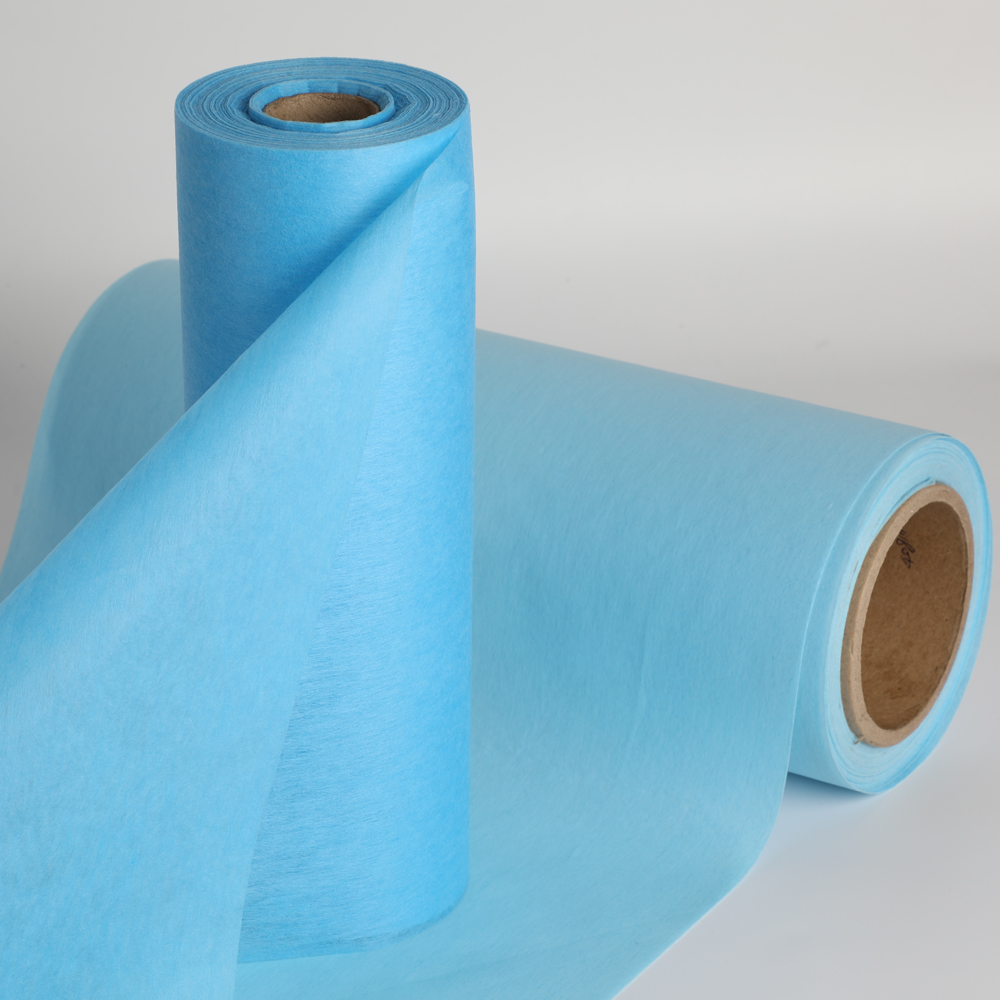 Medical Viscose Nonwoven
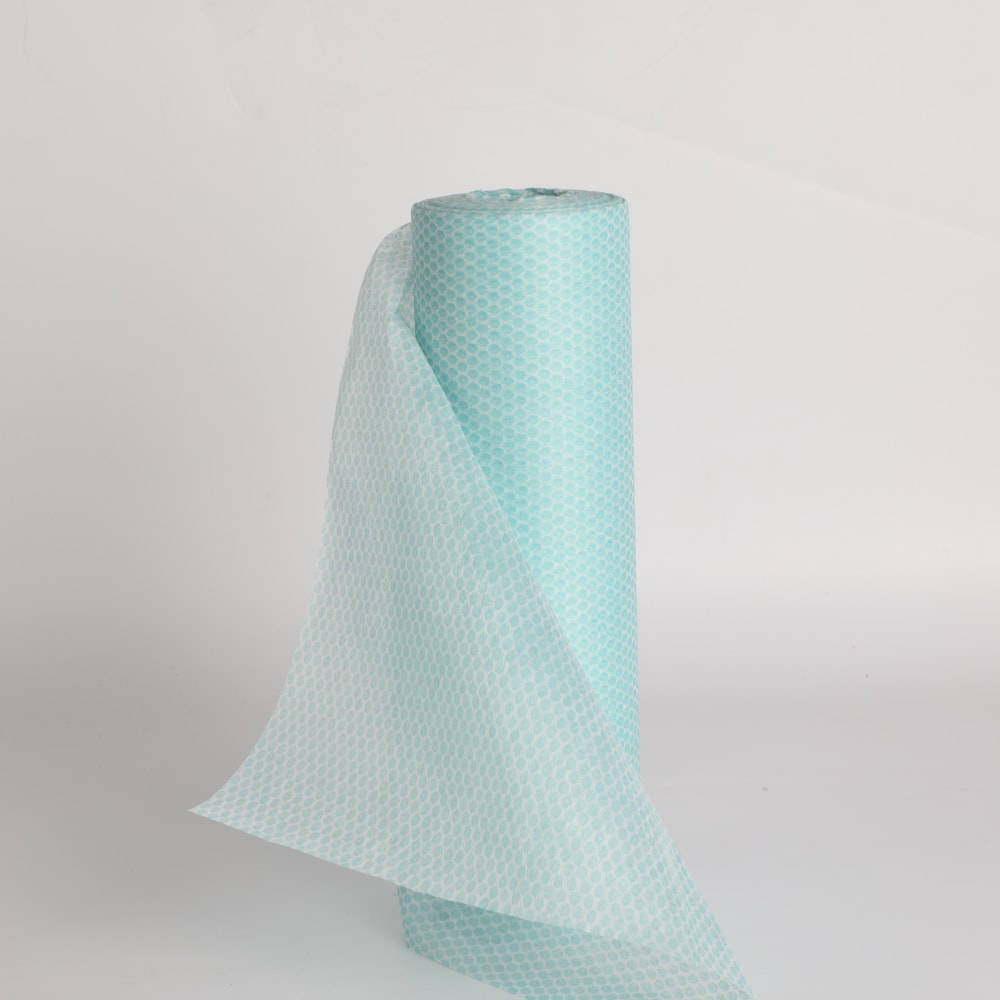 Head Wear Nonwoven
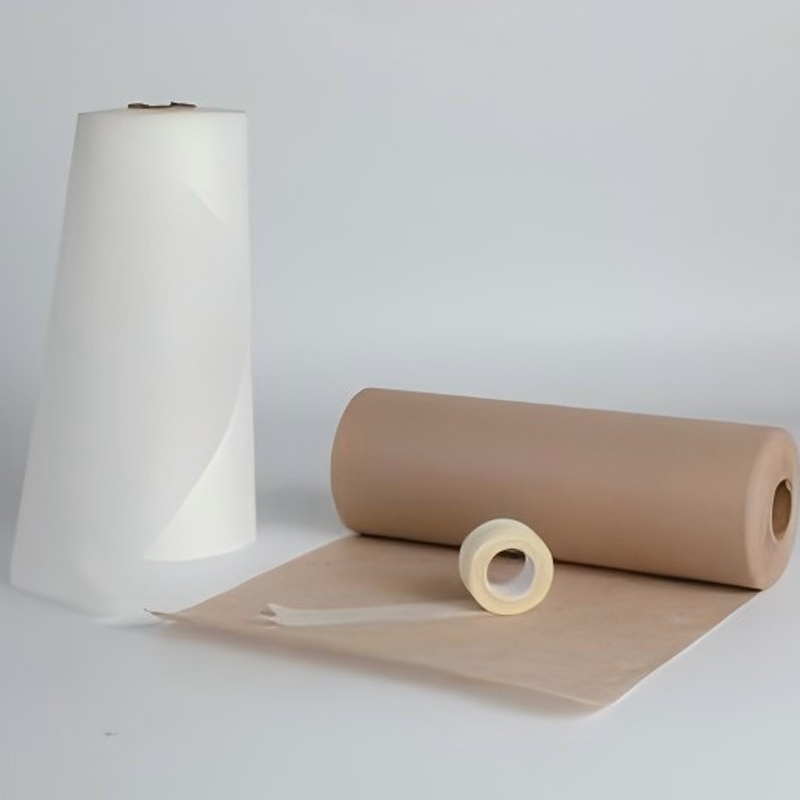 Medical Tape Nonwoven
 Snus Pouch Nonwoven
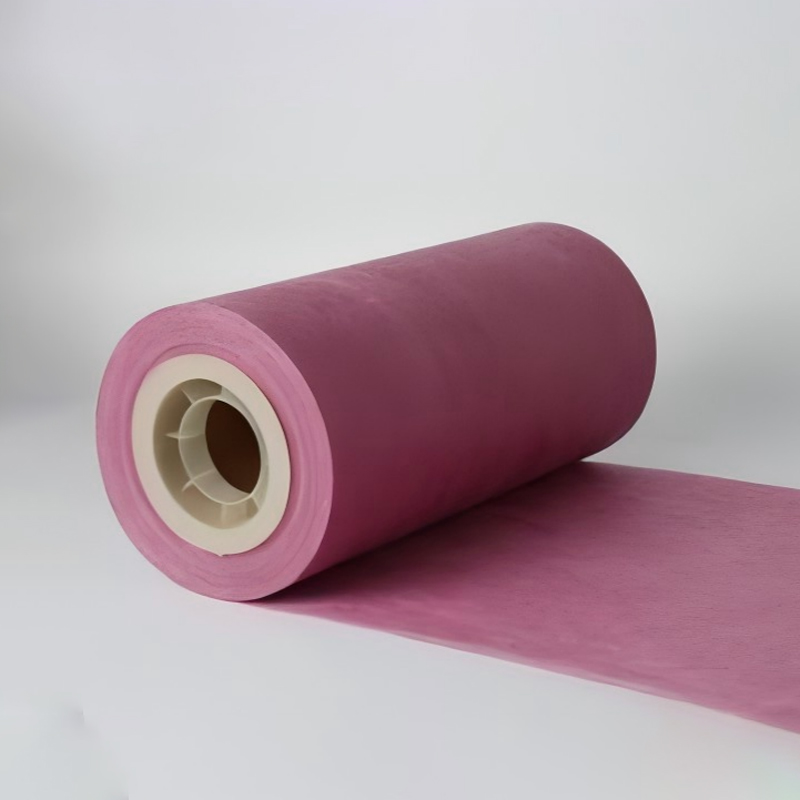 Filtration Nonwoven
 Air Filter Media
 Liquid Filter Media
 Filter Envelope & Filter Sheet
 Breathable Film Laminates
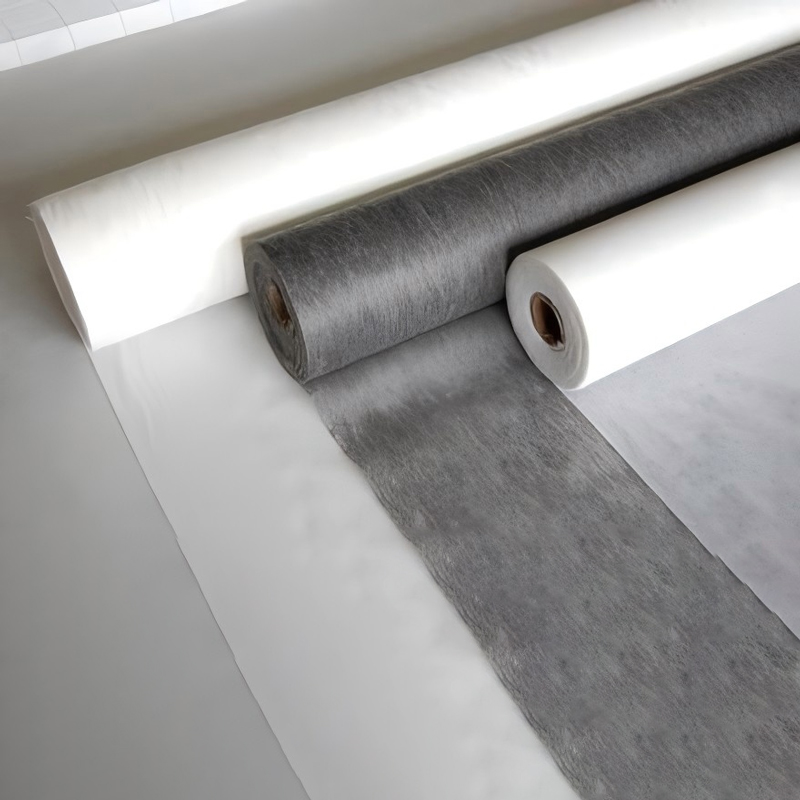 Nonwoven Interlining
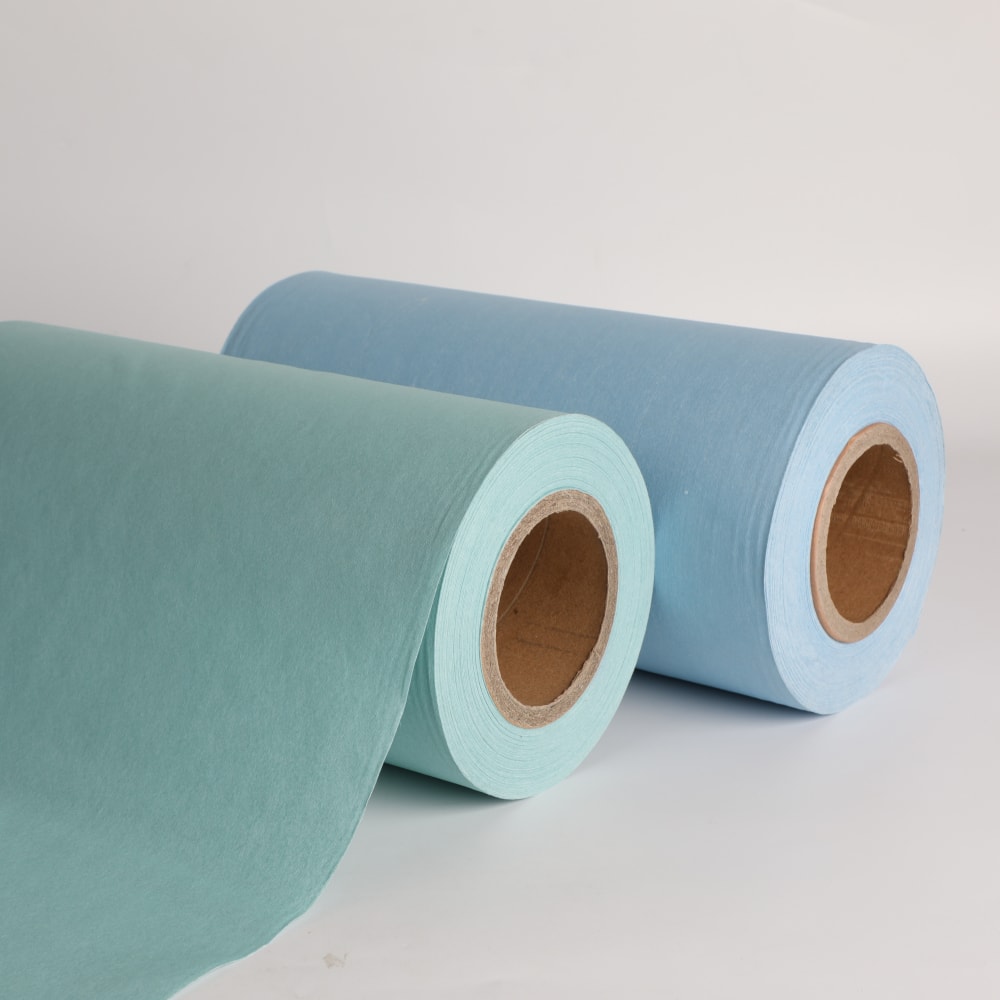 Fluid Repellent Woodpulp Spunlace Nonwoven
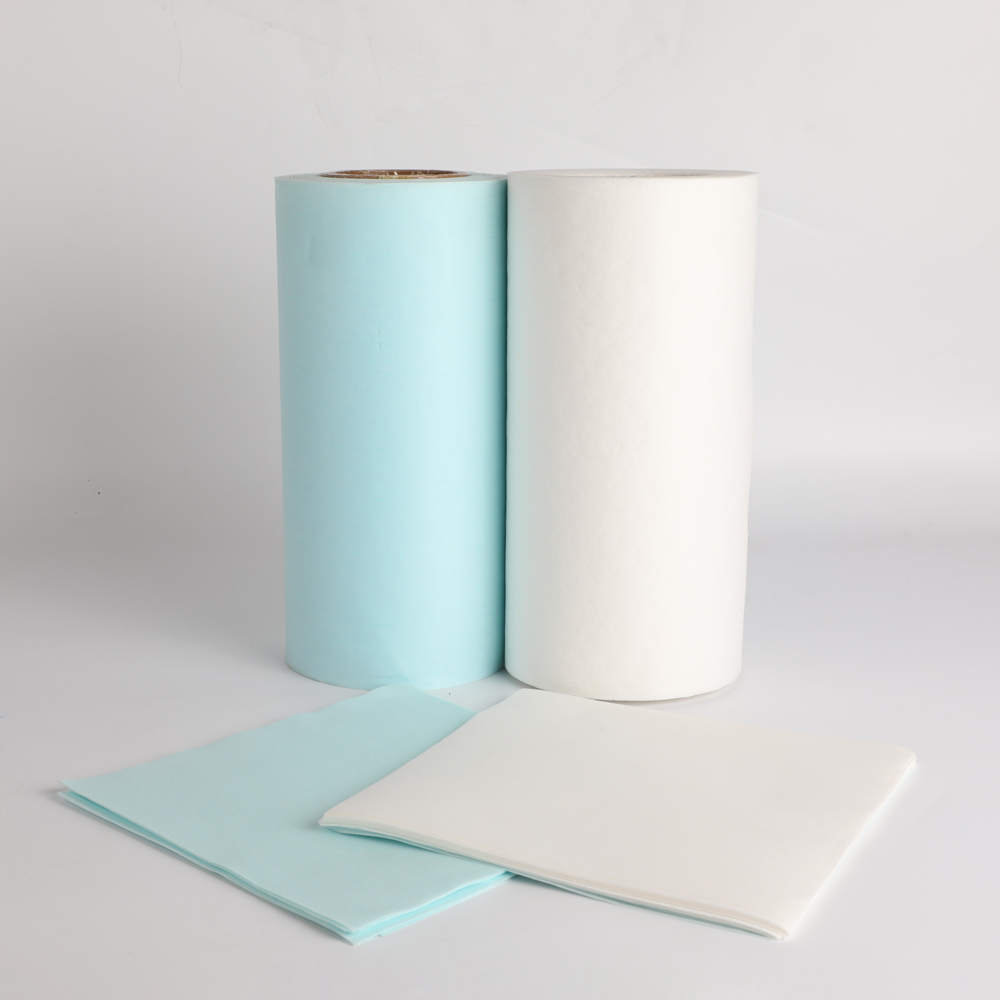 Woodpulp Nonwoven Wipe
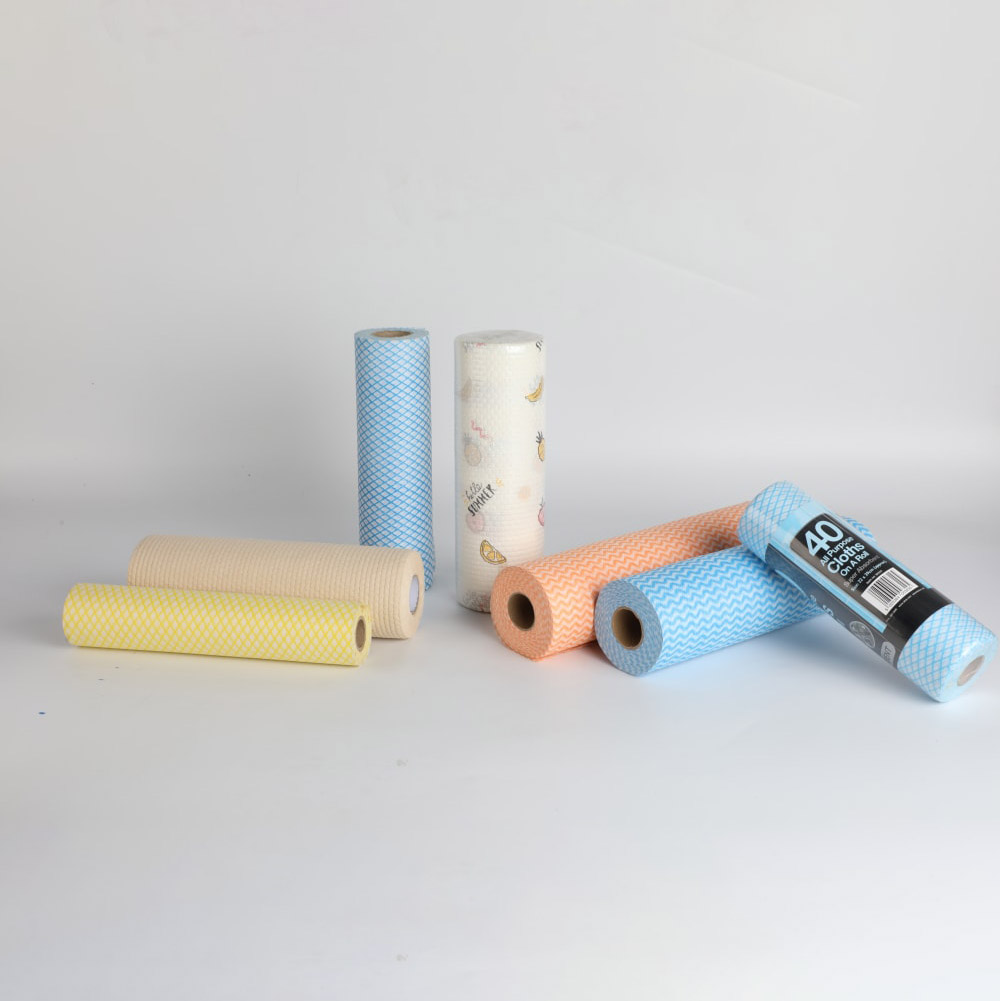 Nonwoven Cleaning Wipe
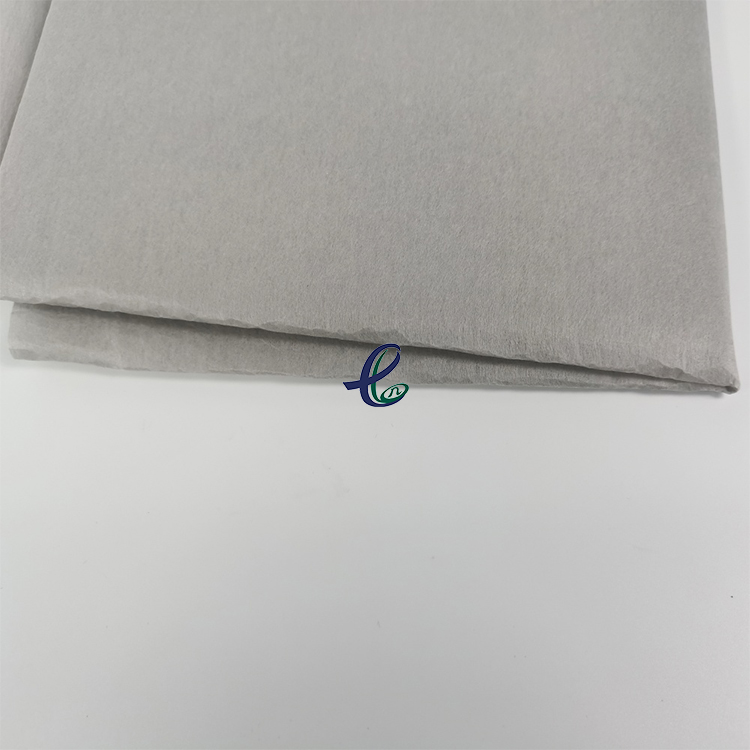 Curtain Nonwoven
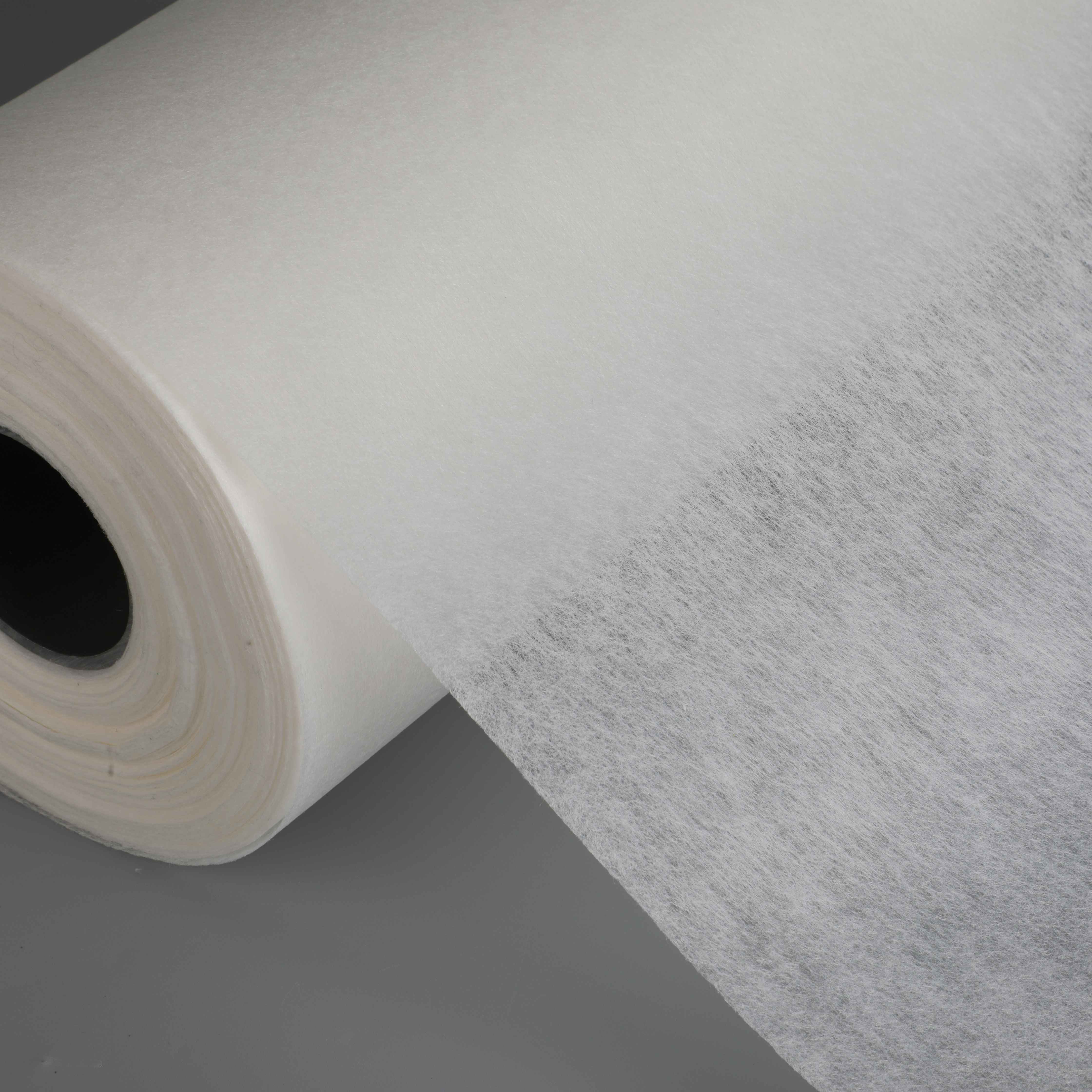 Food Grade Packaging Nonwoven
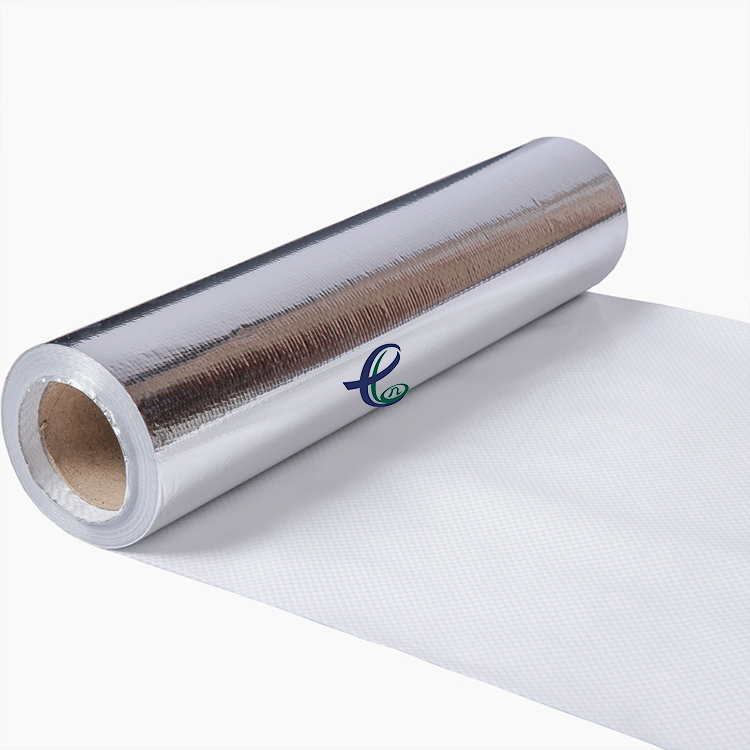 Aluminized Nonwoven
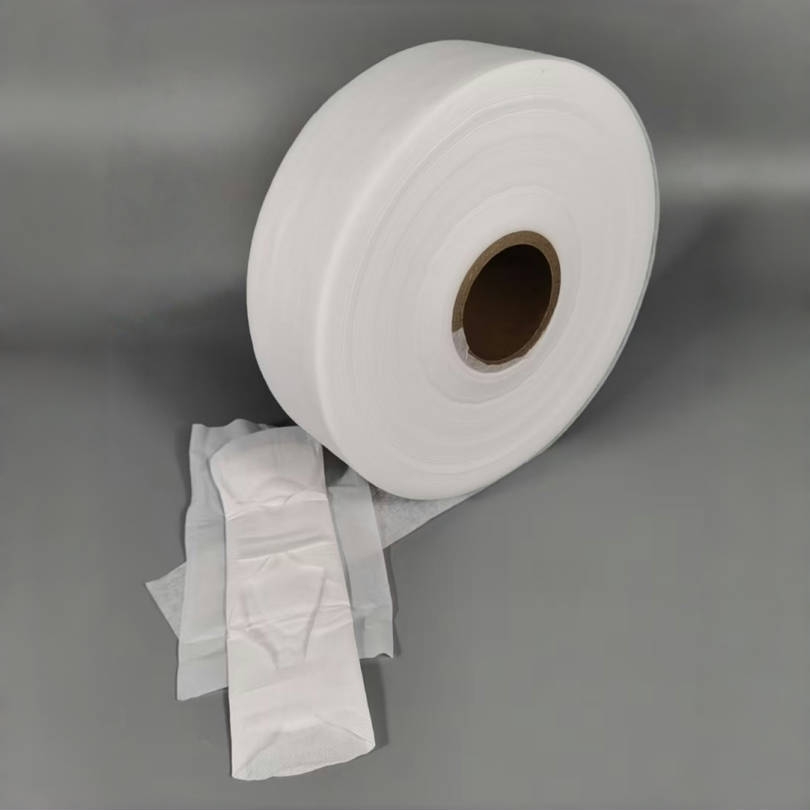 Hot Air Cotton Nonwoven
 Flame Retardant Nonwoven
 Cable Wrapping Nonwoven
 Semi-conductive Nonwoven
 Anti-Bacterial Nonwoven
 +8613957712400
 CONTACT WhatsApp
 CONTACT WeChat
 CONTACT NUMBER
 CONTACT EMAIL