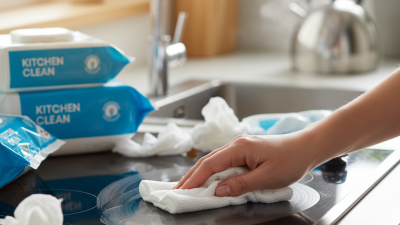
| Product Function |
Intended use and claim scope |
Define whether the product is for hands, face, body, babies, personal care, surface cleaning, or disinfection. Avoid antimicrobial or disinfectant claims unless the required efficacy data and approvals are available. |
Final artwork, claims matrix, intended-use statement, efficacy reports where applicable. |
A change from “cleansing” to “disinfecting” can place the product under a different regulatory framework in the destination market. |
| Skin Compatibility |
Formula pH |
For leave-on skin-contact wipes, a mildly acidic target around pH 4.5–5.5 is commonly used, but the final range should be justified by the intended user group and formulation. |
Batch pH results, test method, product specification, and stability data. |
Do not accept a pH value without confirming the measurement method and product shelf-life stability. |
| Skin Compatibility |
Fragrance and essential oils |
For sensitive-skin, baby, and intimate-use products, fragrance-free formulations generally reduce the number of potential fragrance allergens and irritation variables. |
Complete ingredient list, fragrance allergen declaration, and irritation or compatibility test results. |
Ingredient disclosure requirements and fragrance-allergen thresholds may differ by market; review the destination-market rules before artwork approval. |
| Skin Compatibility |
Alcohol and harsh surfactants |
For routine skin cleansing, evaluate whether ethanol, isopropanol, high surfactant levels, or strong solvents are necessary; these ingredients may increase dryness or stinging for some users. |
Quantitative formulation, ingredient safety data, and repeated-use skin compatibility results. |
Do not describe an alcohol-containing wipe as “alcohol-free”; verify the finished product rather than relying only on the base formula. |
| Preservation |
Microbiological preservation system |
Water-based wipes require an effective preservation system and hygienic manufacturing controls. A preservative-free claim should not be accepted without strong microbiological evidence. |
Preservative efficacy or challenge test, such as ISO 11930 where applicable, plus preservative assay results. |
The preservation system must remain effective throughout the stated shelf life and after repeated opening by consumers. |
| Microbiological Safety |
Finished-product microbiological quality |
Use a risk-based specification appropriate to the product category. Cosmetic products are commonly evaluated using ISO 17516 principles, with tighter controls for products used around the eyes, mucous membranes, babies, or damaged skin. |
Recent finished-product microbial test reports, sampling plan, organism identification records, and release specification. |
Test both initial production and stability samples; microbial limits alone do not replace good manufacturing practice. |
| Substrate Safety |
Nonwoven fiber composition |
Common substrates include polyester, viscose, cotton, polypropylene, and blends. Select based on softness, strength, absorbency, linting, and disposal requirements. |
Fiber composition declaration, technical data sheet, supplier qualification records, and restricted-substance test results. |
“Plant-based” or “biodegradable” claims should be supported by defined test methods and conditions, not only by the presence of a natural fiber. |
| Chemical Safety |
Restricted substances and impurities |
Screen for substances relevant to the destination market, such as prohibited colorants, formaldehyde or formaldehyde-releasing substances, heavy metals, residual solvents, and selected PFAS where applicable. |
Independent laboratory reports, supplier declarations, safety data sheets for raw materials, and restricted-substance compliance statement. |
Testing should cover both the lotion and the dry substrate, because contamination can originate from either component. |
| User Safety |
Dermatological and irritation assessment |
For leave-on skin products, consider a controlled human repeat-insult patch test, dermatologist-supervised compatibility assessment, or another scientifically justified evaluation. |
Protocol, participant criteria, test conditions, adverse-event records, and final report from a qualified testing facility. |
“Dermatologically tested” is not a universal safety guarantee; the claim should match the actual test design and population. |
| Packaging |
Moisture barrier and closure integrity |
The pack should prevent drying, leakage, contamination, and excessive preservative loss during normal distribution and consumer use. |
Seal-strength test, leak test, opening-and-reclosing assessment, transport simulation, and accelerated stability data. |
Evaluate the full pack system, including lid, label, adhesive, film, and dispensing opening—not only the primary pouch film. |
| Shelf Life |
Stability and expiry period |
Set the expiry period using real-time and accelerated stability studies that monitor appearance, odor, pH, lotion content, microbial quality, preservative level, and packaging integrity. |
Stability protocol, time-point results, defined acceptance criteria, and proposed expiry or period-after-opening information. |
Confirm performance under the temperature and humidity conditions expected in export markets and shipping lanes. |
| Manufacturing Controls |
Quality management and hygiene controls |
Prefer documented batch records, sanitation procedures, environmental monitoring, raw-material controls, change control, deviation handling, and traceability. |
GMP certificates or audit reports, quality manual, batch records, corrective-action records, and recall procedure. |
For cosmetics, ISO 22716 is a widely used good manufacturing practice reference; confirm whether local law requires additional controls. |
| Regulatory Compliance |
European Union requirements |
Cosmetic wipes generally require an EU/EEA responsible person, product safety assessment, product information file, compliant ingredient labeling, and notification through the applicable EU cosmetic product portal before sale. |
Cosmetic Product Safety Report, product information file index, ingredient list, responsible-person details, and claim substantiation. |
If the product makes biocidal or medical claims, the applicable legal pathway may differ from the cosmetics framework. |
| Regulatory Compliance |
United States requirements |
Classification depends on claims and use. General cleansing wipes, cosmetic products, over-the-counter drug products, and EPA-regulated disinfectant products can follow different requirements. |
Ingredient and claim review, applicable facility or product registrations, labeling review, and efficacy data where required. |
Obtain a U.S.-specific regulatory assessment before using terms such as “kills germs,” “antibacterial,” “disinfecting,” or “prevents infection.” |
| Regulatory Compliance |
Labeling and language |
Include product identity, intended use, directions, warnings, ingredient declaration where required, net contents, lot or batch code, expiry information when applicable, and responsible-party details required by the destination market. |
Market-specific label checklist, translated artwork, barcode data, and final packaging proof. |
Translation should be reviewed for regulatory meaning, especially for warnings, claims, and disposal instructions. |
| Environmental Claims |
Flushability and disposal |
Do not label a wipe “flushable” unless it passes the relevant destination-market and industry tests for dispersibility, disintegration, and wastewater-system compatibility. Disposal in a waste bin is the safer general instruction for non-flushable wipes. |
Applicable flushability test reports, disposal assessment, packaging claim substantiation, and wastewater compatibility evidence. |
Flushability requirements vary by market and wastewater infrastructure; avoid relying on a single test for every country. |
| Supplier Qualification |
Batch consistency and change notification |
Require defined specifications for lotion weight, wipe dimensions, basis weight, tensile strength, absorbency, odor, color, microbial quality, and packaging performance. |
Certificate of analysis, golden sample, incoming inspection plan, capability data, and written change-notification procedure. |
Approve a pilot batch before mass production and require requalification after any formula, substrate, preservative, packaging, or manufacturing-site change. |

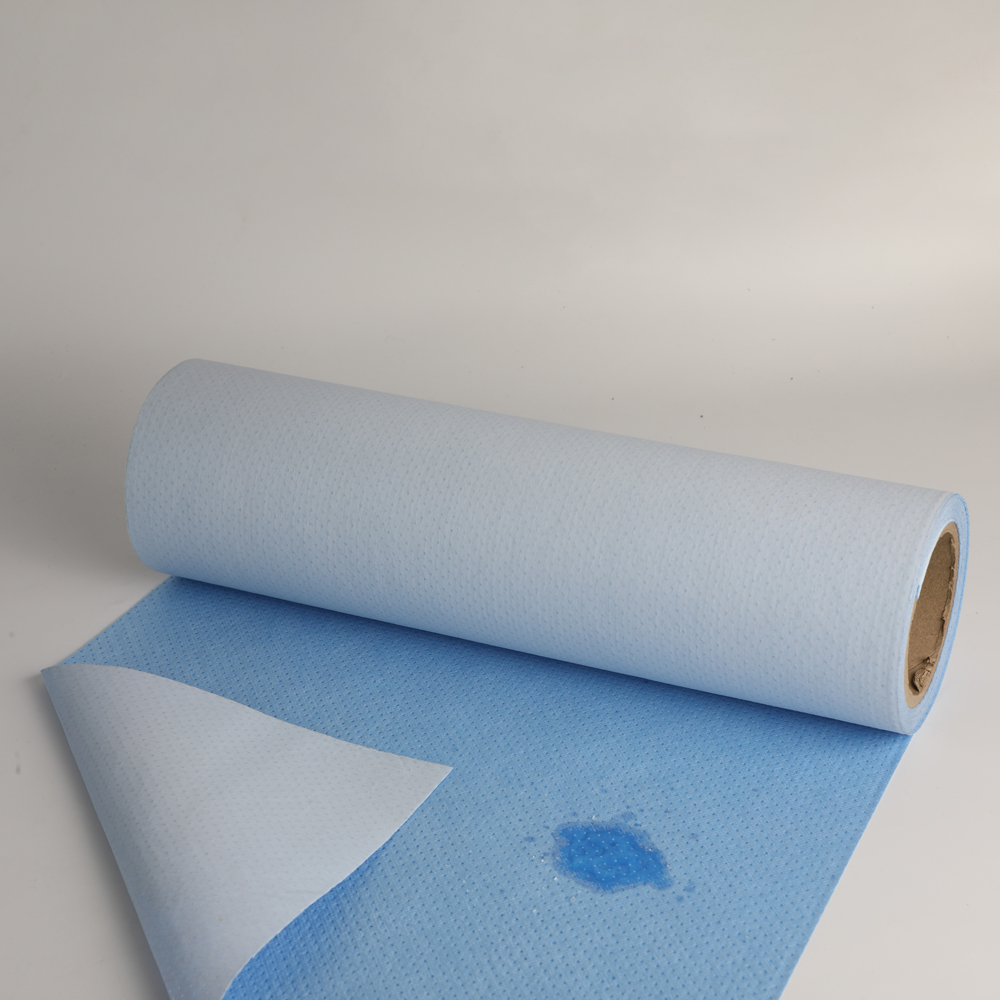
 PP Laminates
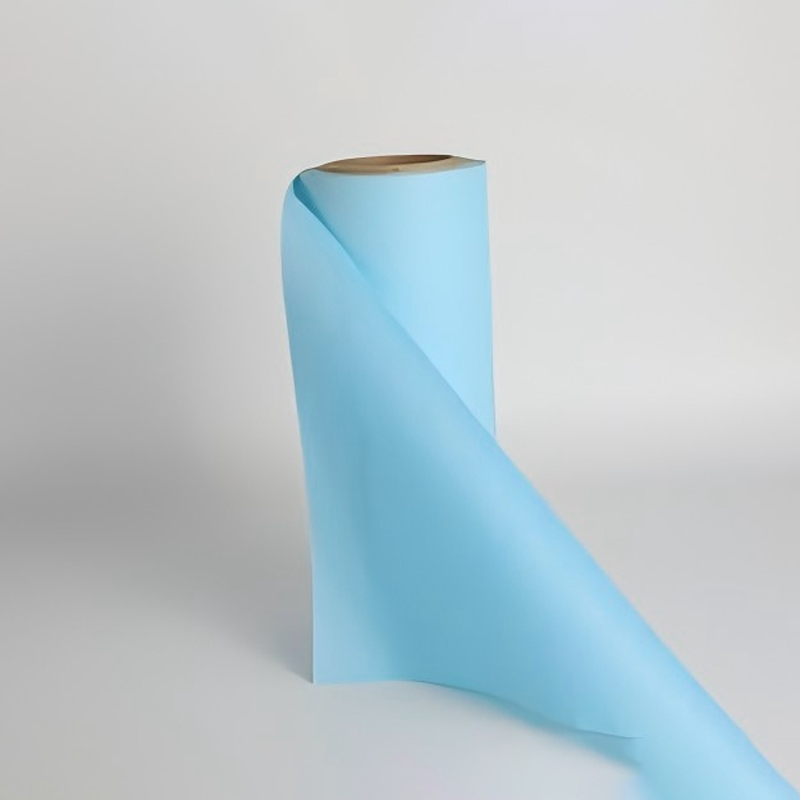
 Multi Laminates
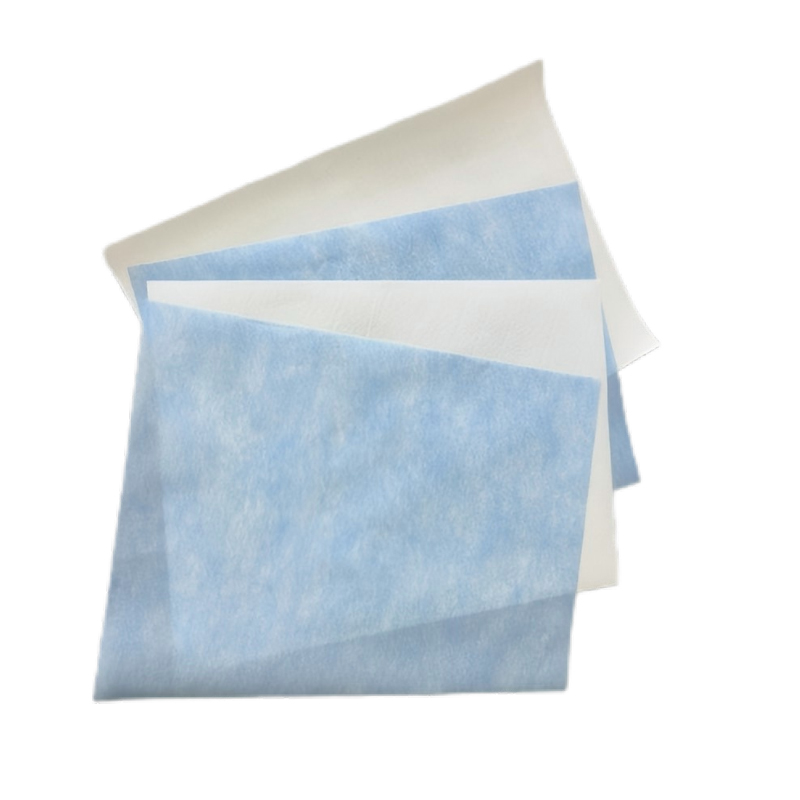
 Spunlace Nonwoven Laminates
 Breathable Film Laminates
 Viscose Laminates
 Medical Viscose Nonwoven
 Head Wear Nonwoven
 Medical Tape Nonwoven
 Snus Pouch Nonwoven
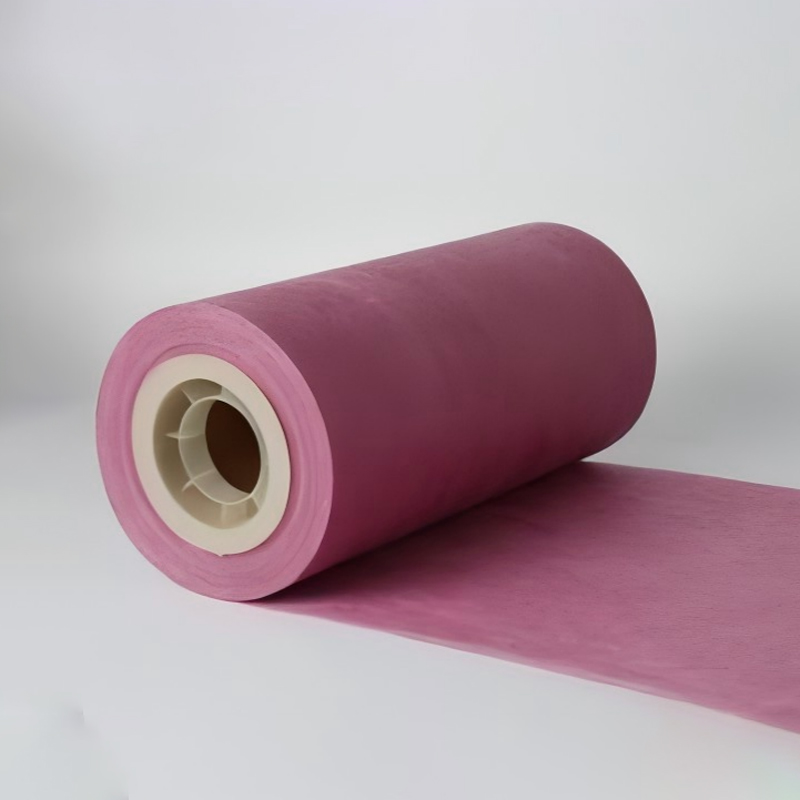 Filtration Nonwoven
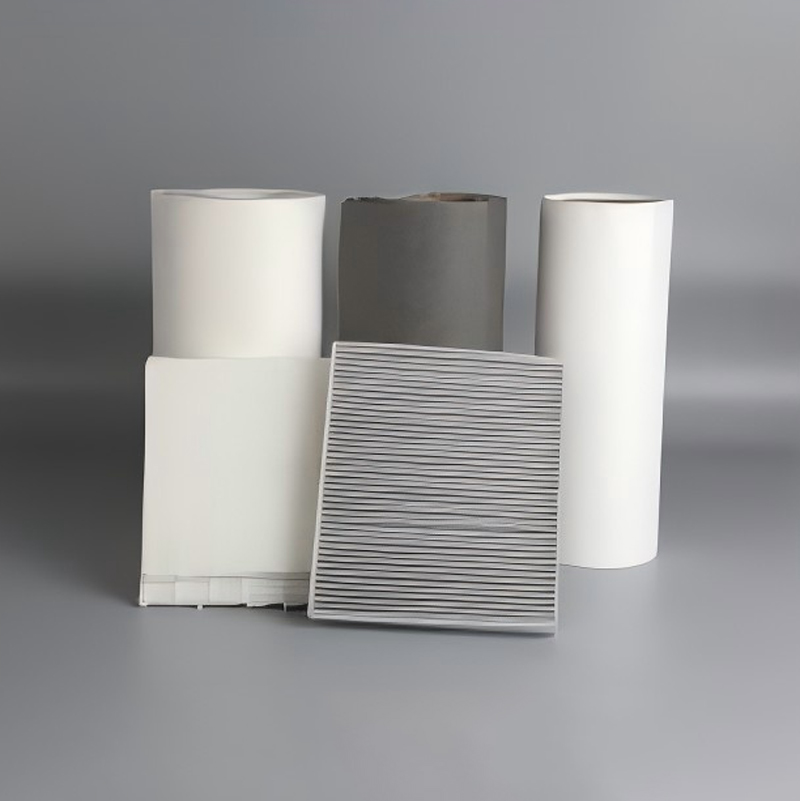 Air Filter Media
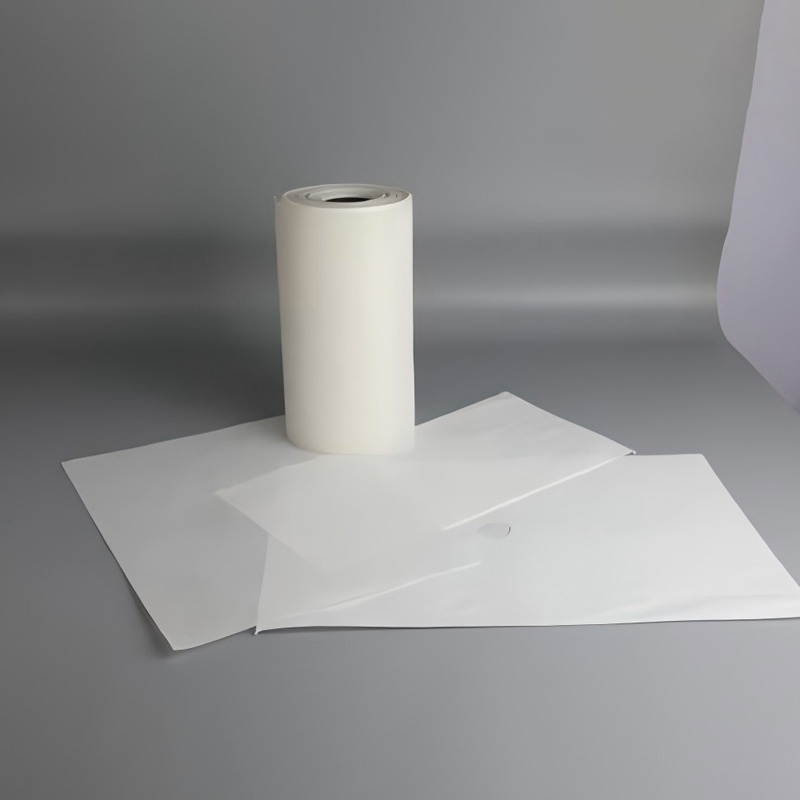 Liquid Filter Media
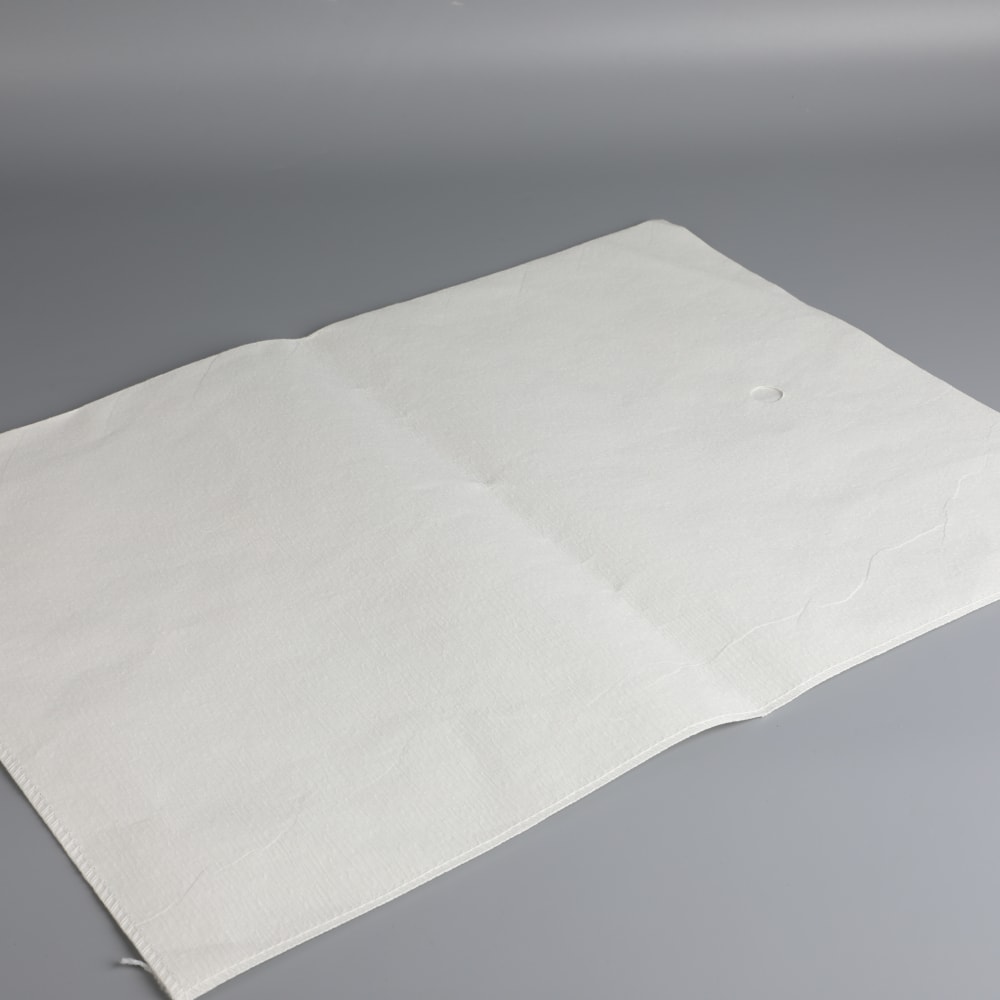 Filter Envelope & Filter Sheet
 Breathable Film Laminates
 Nonwoven Interlining
 Fluid Repellent Woodpulp Spunlace Nonwoven
 Woodpulp Nonwoven Wipe
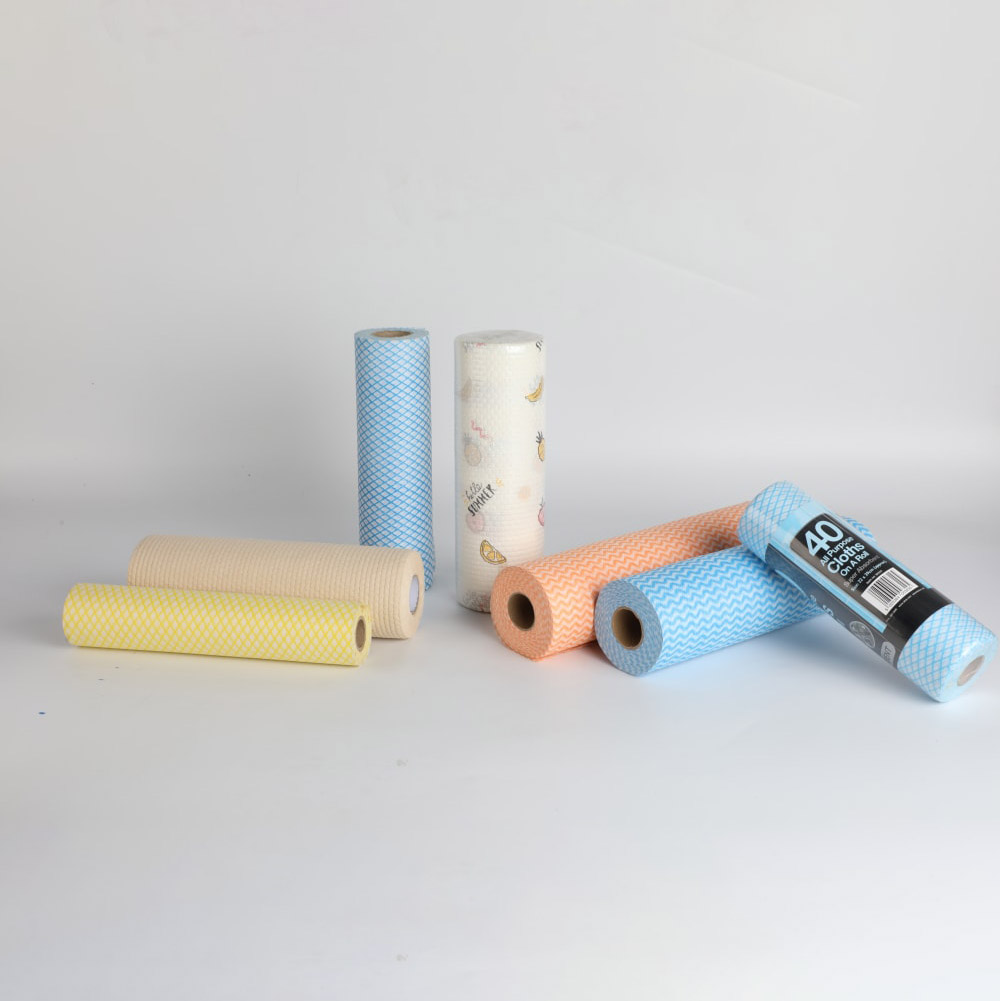 Nonwoven Cleaning Wipe
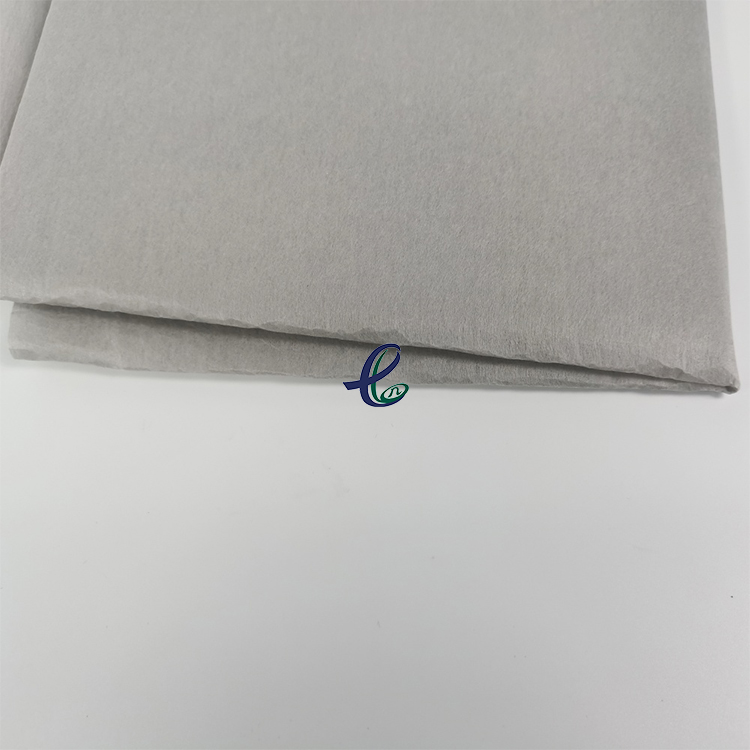 Curtain Nonwoven
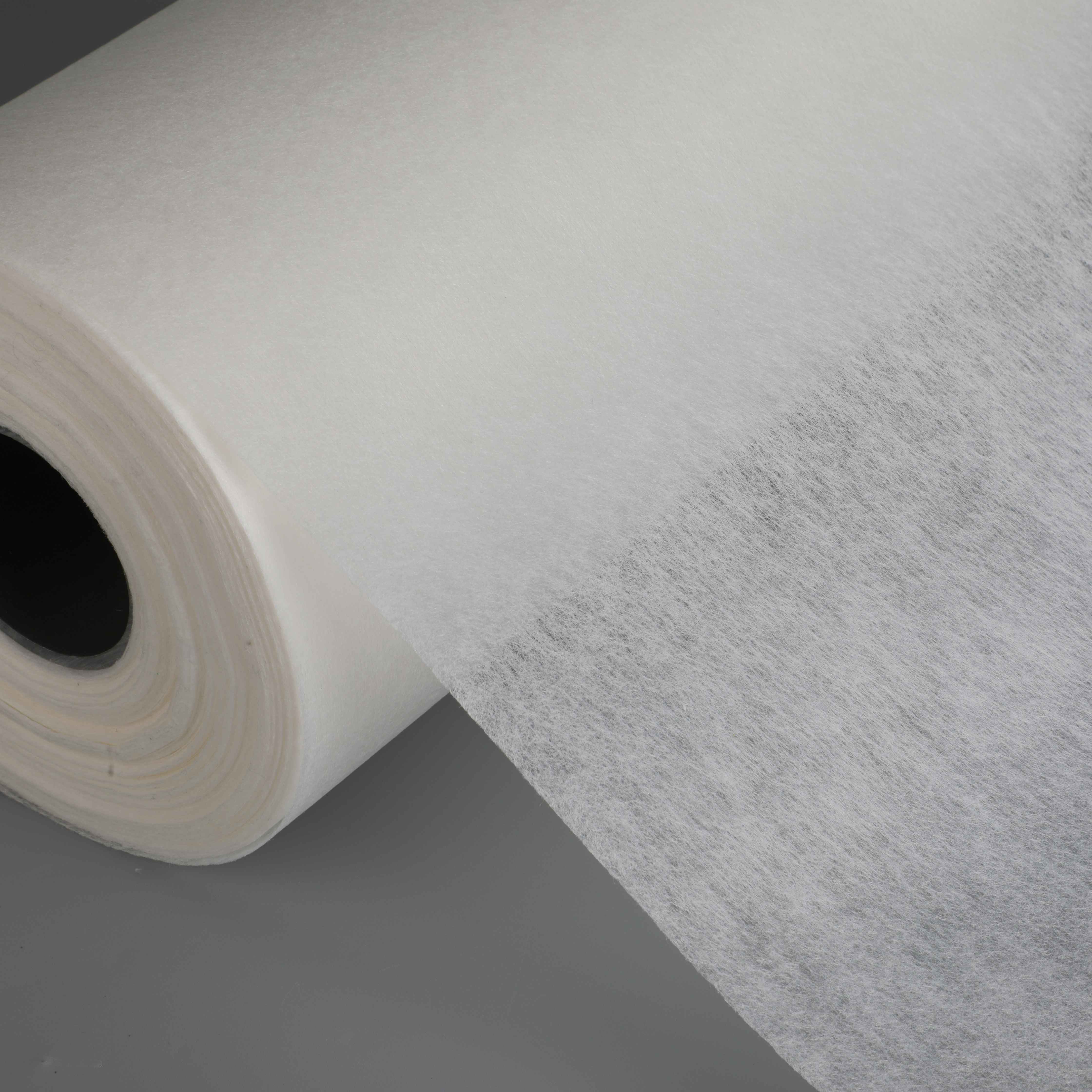 Food Grade Packaging Nonwoven
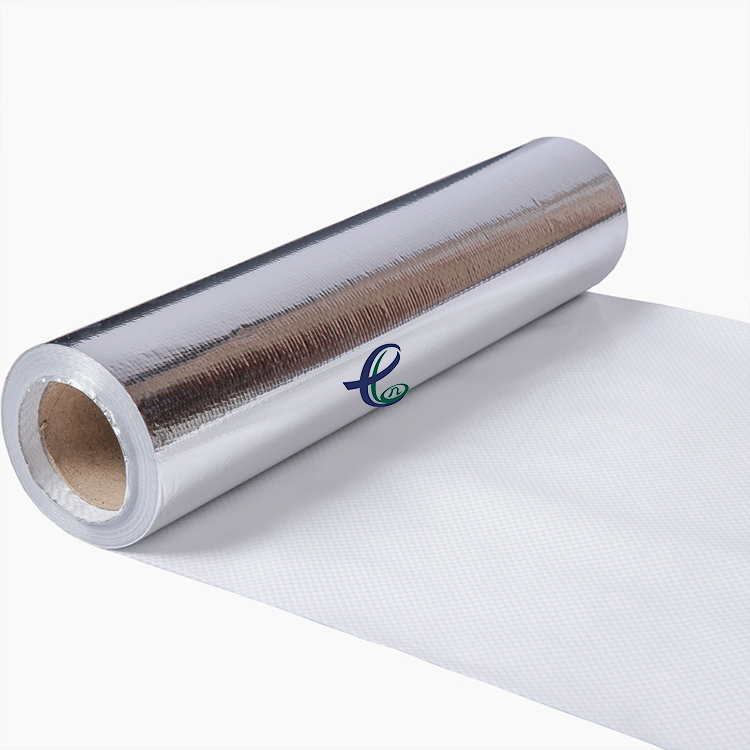 Aluminized Nonwoven
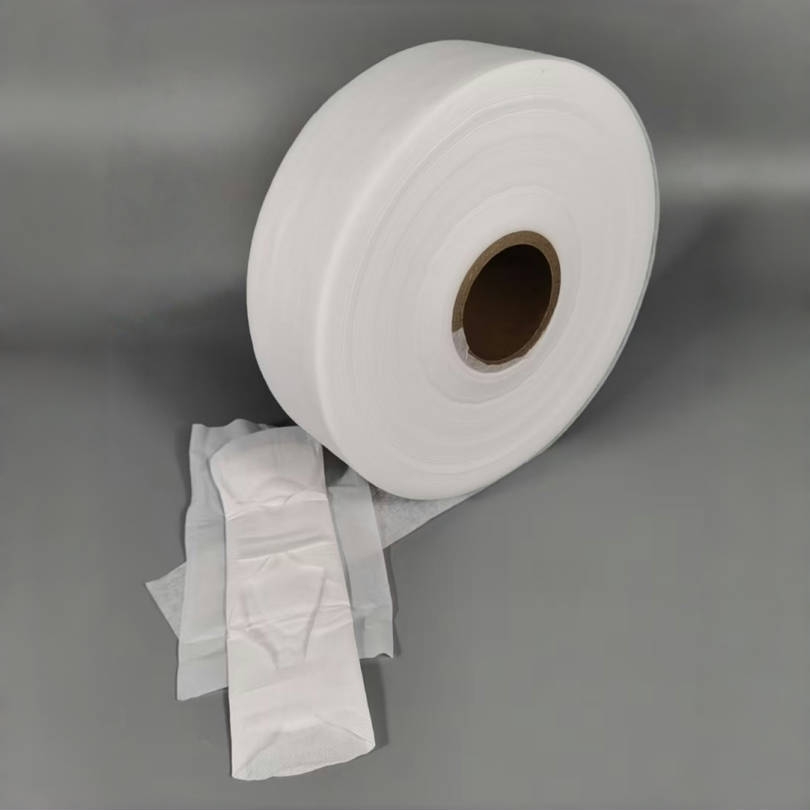 Hot Air Cotton Nonwoven
 Flame Retardant Nonwoven
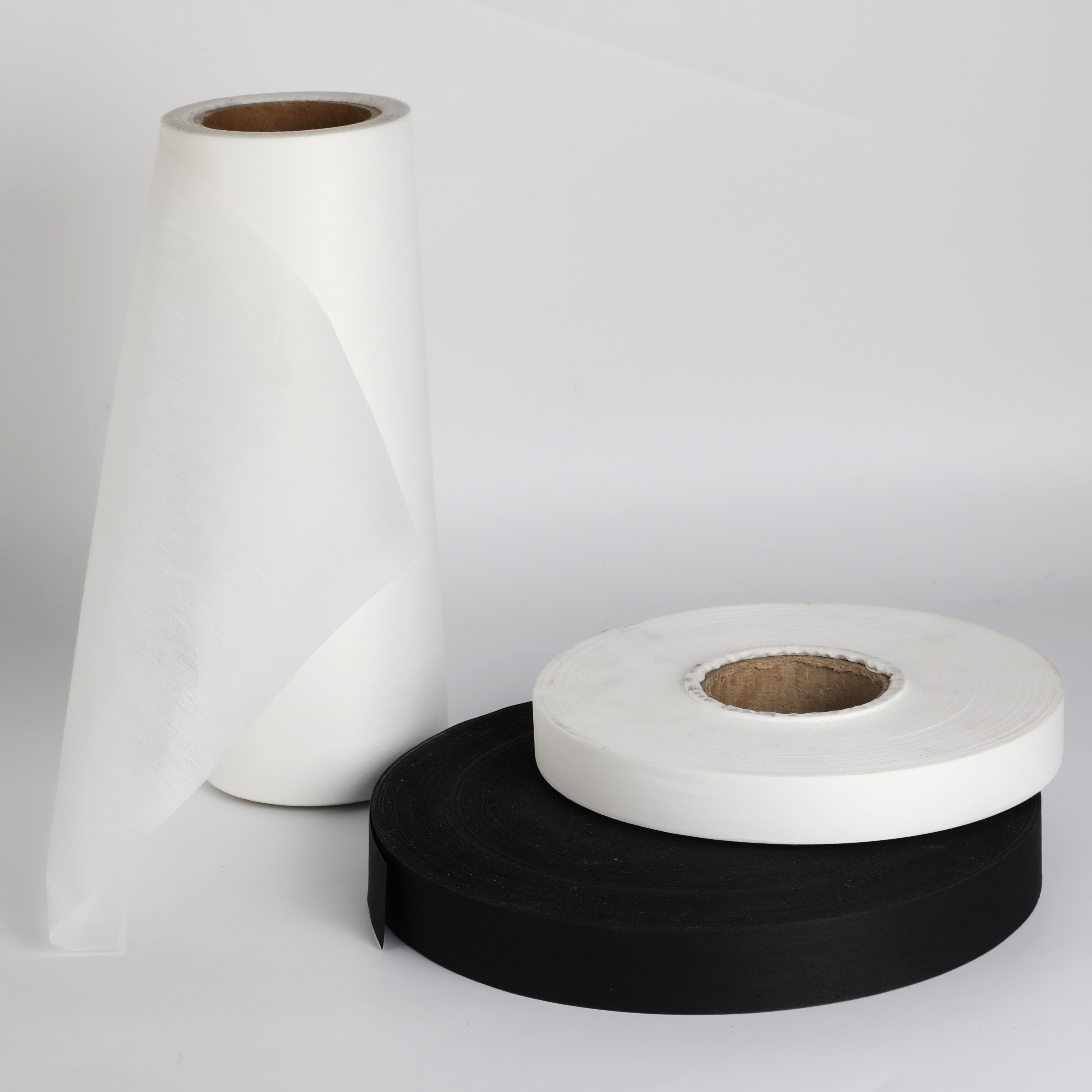 Cable Wrapping Nonwoven
 Semi-conductive Nonwoven
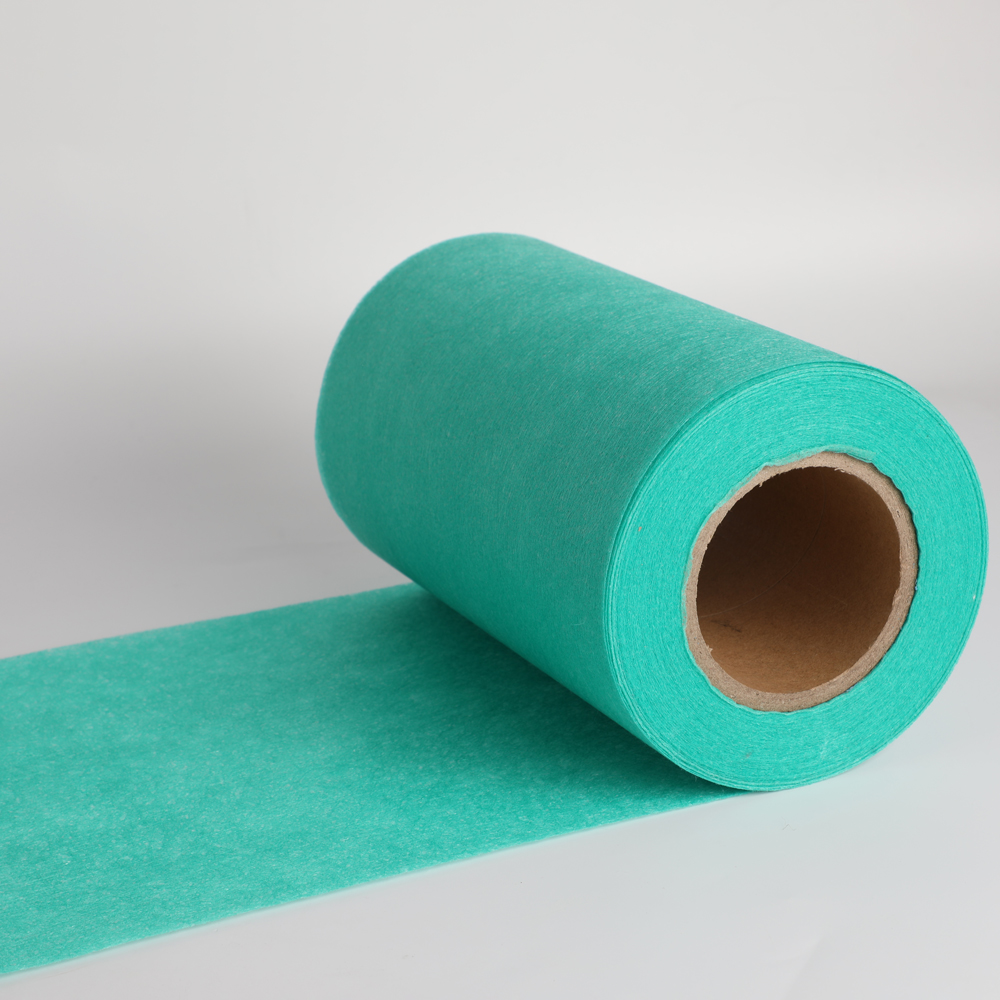 Anti-Bacterial Nonwoven
 +8613957712400
 CONTACT WhatsApp
 CONTACT WeChat
 CONTACT NUMBER
 CONTACT EMAIL