2026 Top Filter Nonwoven Fabric Trends for Global Buyers
As we approach 2026, the landscape of Filter Nonwoven Fabric is evolving rapidly. This material is pivotal in various industries, including filtration, hygiene, and construction. Buyers worldwide are seeking innovative solutions that meet their specific needs.
Recent trends highlight advancements in technology and sustainability. Manufacturers are focusing on eco-friendly processes and materials that do not compromise performance. The integration of smart technologies in Filter Nonwoven Fabric is also on the rise. Smart textiles offer enhanced functionality that was not previously possible.
However, challenges persist. Not all products are created equal. Buyers must navigate the complexities of quality and sourcing. Evaluating reliability and effectiveness remains crucial. As the market grows, it becomes imperative to make informed decisions. The future of Filter Nonwoven Fabric holds promise, but due diligence is essential for success.

Emerging Innovations in Nonwoven Filter Fabric Technology
The nonwoven filter fabric industry is evolving rapidly. Innovations are transforming the way these materials are produced and utilized. Recent trends highlight sustainability and advanced filtration capabilities. Manufacturers are focusing on using eco-friendly materials. This shift aligns with global demands for cleaner and safer products.
New technologies are allowing for better performance. For example, advancements in electrospinning create finer fibers. These fibers enhance filtration efficiency. Buyers are increasingly seeking customized solutions to meet specific needs. Emerging developments in nanotechnology further improve the filtration process. These innovations promise greater effectiveness in capturing pollutants and particulates.
Tips: When selecting filter fabrics, prioritize quality over cost. Examine the filtration efficiency and durability of materials. Not all nonwoven options are created equal. Perform tests to ensure they meet your requirements. Collaboration with suppliers can yield customized solutions for unique challenges. Keep an eye on new research and innovations to stay ahead in this competitive field.
Sustainability Trends Driving Nonwoven Fabric Production in 2026
The demand for sustainable solutions is revolutionizing the nonwoven fabric industry. Buyers are increasingly focused on eco-friendly materials. In 2026, nonwoven manufacturers will prioritize reducing environmental impact. This trend influences sourcing and production processes on a global scale.
Innovations in biodegradable materials and recycling methods will lead the way. The inclusion of natural fibers can reduce reliance on synthetic options. However, challenges remain in ensuring durability while maintaining sustainability. Many products still lack effective recycling pathways. This contributes to a need for continuous improvement in design and functionality.
Moreover, transparency will become essential. Buyers seek reliable information about sourcing practices. Regulations on sustainability will likely increase, impacting production standards. Nonwoven fabric producers must adapt quickly to meet buyer expectations. Balancing performance and eco-friendliness will shape the future landscape of the industry.
2026 Top Filter Nonwoven Fabric Trends
Key Market Dynamics Impacting Global Demand for Nonwoven Filters
The nonwoven fabric market for filters is poised for significant growth by 2026,
driven by key market dynamics. Increasing environmental regulations are pushing manufacturers to seek
eco-friendly solutions.
According to a recent market analysis, the global demand for nonwoven filters is expected to grow at a
CAGR of 5.4% from 2021 to 2026. This growth reflects a shift towards sustainable practices
in various industries.
Tip: Consider the environmental impact when selecting materials.
Eco-friendly options can help enhance your market presence while complying with regulations.
Market dynamics also include technological advancements.
Innovations in production techniques are improving filter performance and efficiency. These improvements
are essential for industries such as medical,
automotive, and air filtration.
However, companies face challenges in balancing cost and quality.
Not all innovations are financially feasible for every company.
Tip: Regularly assess your suppliers. Evaluate their ability to meet your
quality and sustainability standards without
compromising your budget.
Comparative Analysis of Nonwoven vs. Traditional Filter Materials
The comparison between nonwoven and traditional filter materials reveals significant differences in efficiency and sustainability. Nonwoven fabrics, often made from synthetic fibers, excel in applications where high filtration performance is essential. Reports indicate that nonwoven filters can achieve filtration efficiencies exceeding 99%, making them highly competitive. Traditional filter materials, such as woven fabrics, typically lag behind in capturing finer particles.
Another notable advantage of nonwoven materials is their lightweight nature. This characteristic facilitates easier handling and installation, contributing to reduced operational costs in various applications. Data from industry analyses show that the global nonwoven market is projected to grow at a compound annual growth rate (CAGR) of 5.3% from 2021 to 2026. This growth underscores the increasing preference for nonwoven over traditional options.
However, challenges remain. The production of nonwoven fabric can sometimes lead to higher energy consumption and waste generation compared to traditional filters. This aspect requires continuous improvement and innovation within the industry. As consumers become more environmentally conscious, the push for eco-friendly materials is critical. Addressing these challenges is essential for the sustainability of the nonwoven sector.
Future Applications of Nonwoven Filters Across Various Industries
The future of nonwoven filters is bright, with applications spanning various industries. These filters are crucial in air and water purification. In healthcare, nonwoven materials help create effective masks and gowns. Their lightweight nature ensures comfort while offering reliable protection. Similarly, in the automotive sector, nonwoven filters enhance engine efficiency and reduce emissions.
Tips: When choosing nonwoven filters, consider the specific application. Understand the required filtration level and environment. Remember, not all filters are equal. Testing and feedback are vital for optimal performance.
In home appliances, nonwoven fabrics are changing the landscape. Air purifiers with nonwoven filters capture allergens efficiently. However, consumer education is lacking. Many overlook the maintenance needs of these filters. Regular changes are essential for effectiveness. Ignoring this can lead to indoor pollution issues.
In the textile industry, the use of nonwoven filters in clothing is emerging. They improve breathability while providing protection against particulates. But the sustainability of materials is a concern. Manufacturers face pressure to ensure eco-friendly production methods. Balancing performance and sustainability should be a priority.
2026 Top Filter Nonwoven Fabric Trends for Global Buyers - Future Applications of Nonwoven Filters Across Various Industries
| Industry |
Application |
Material Types |
Key Trends |
Projected Growth (%) |
| Automotive |
Air Filtration |
Polypropylene, Polyester |
Sustainability, Lightweight Materials |
8% |
| Healthcare |
Surgical Masks |
Polypropylene, Polystyrene |
Biodegradable Materials, Enhanced Filtration |
10% |
| Construction |
Air Filtration Fabrics |
Vinyl, Polyester |
Durability, UV Resistance |
6% |
| Food Industry |
Food Packaging |
Cellulose, PLA |
Eco-Friendly, Breathable Materials |
7% |
| Electronics |
Dust Filters |
Polyethylene, Nylon |
Nanofiber Technology, High Efficiency |
5% |

 PP Laminates
 Multi Laminates
 Spunlace Nonwoven Laminates
 Breathable Film Laminates
 Viscose Laminates
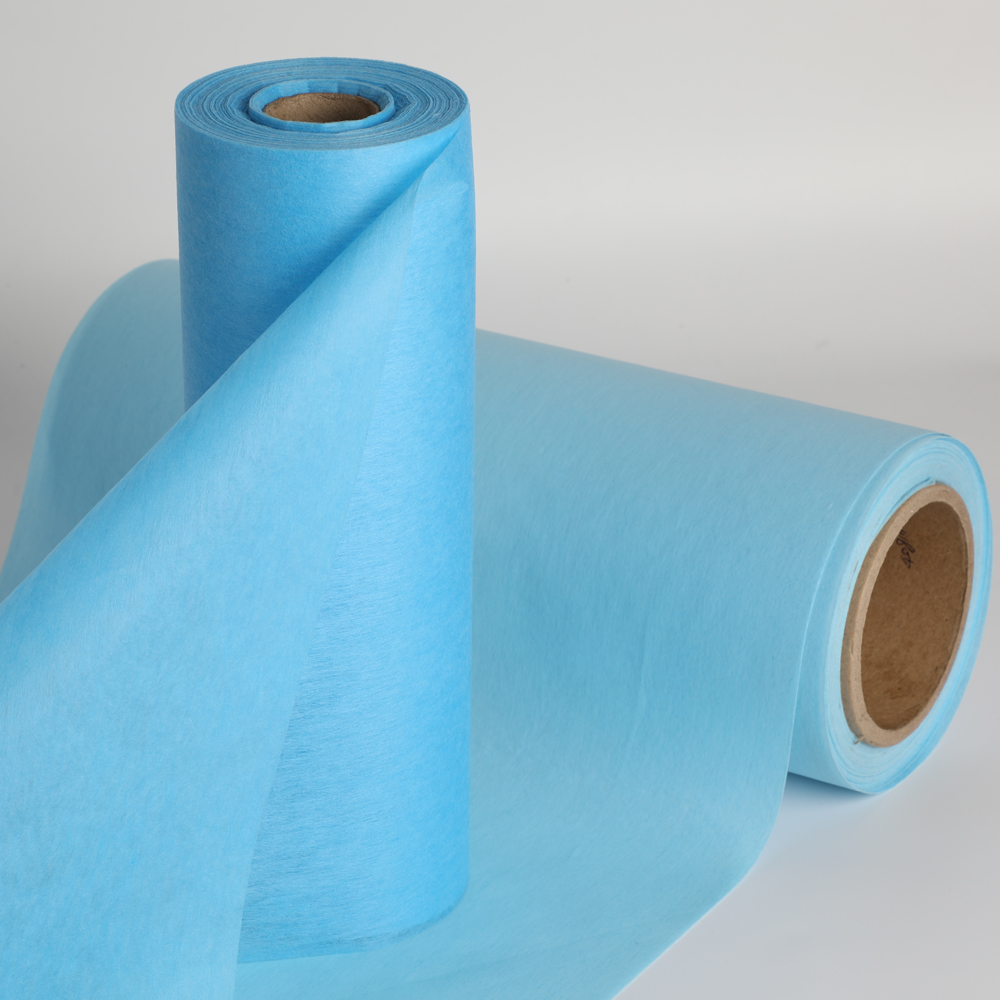 Medical Viscose Nonwoven
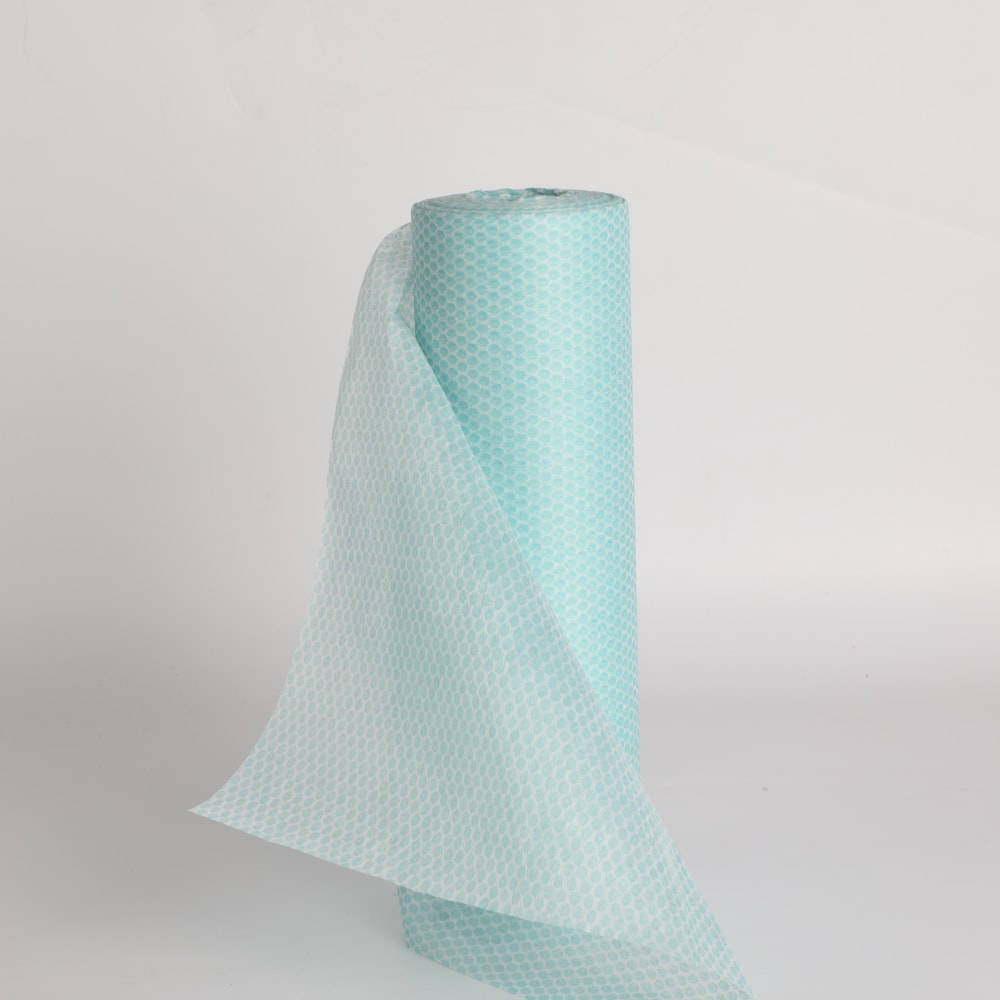 Head Wear Nonwoven
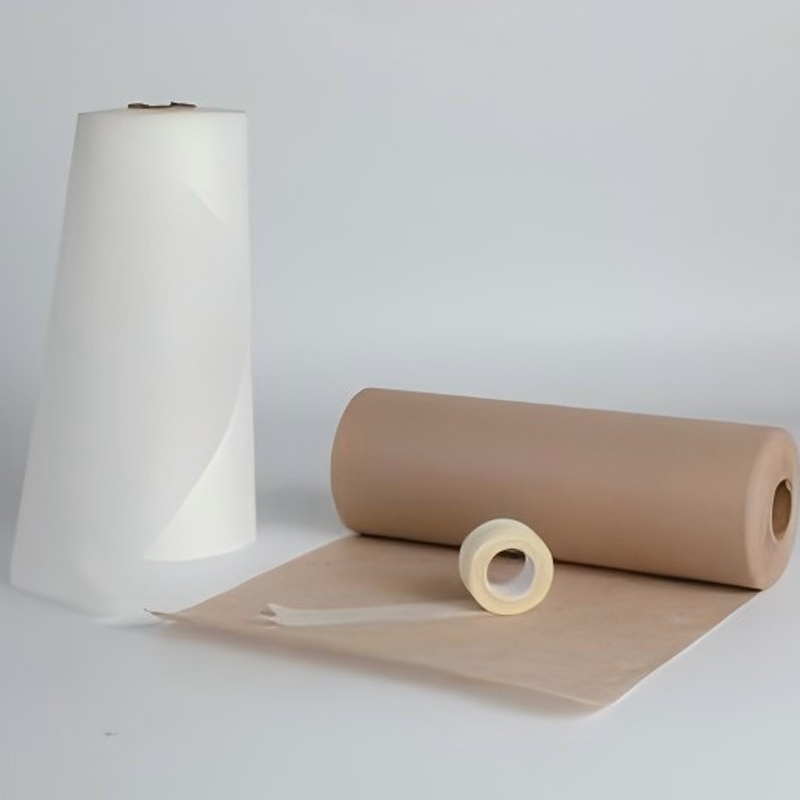 Medical Tape Nonwoven
 Snus Pouch Nonwoven
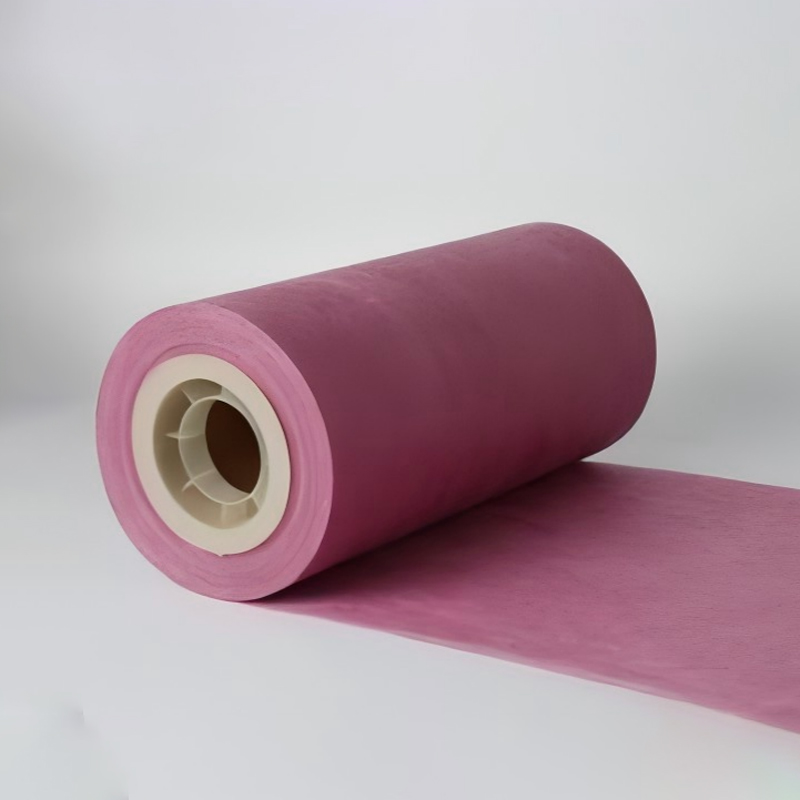 Filtration Nonwoven
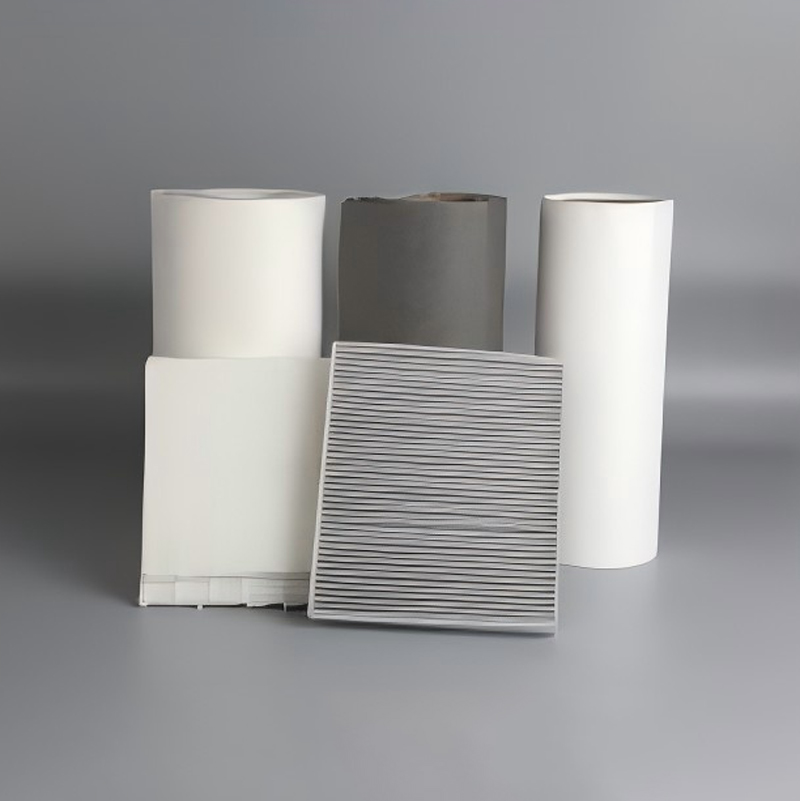 Air Filter Media
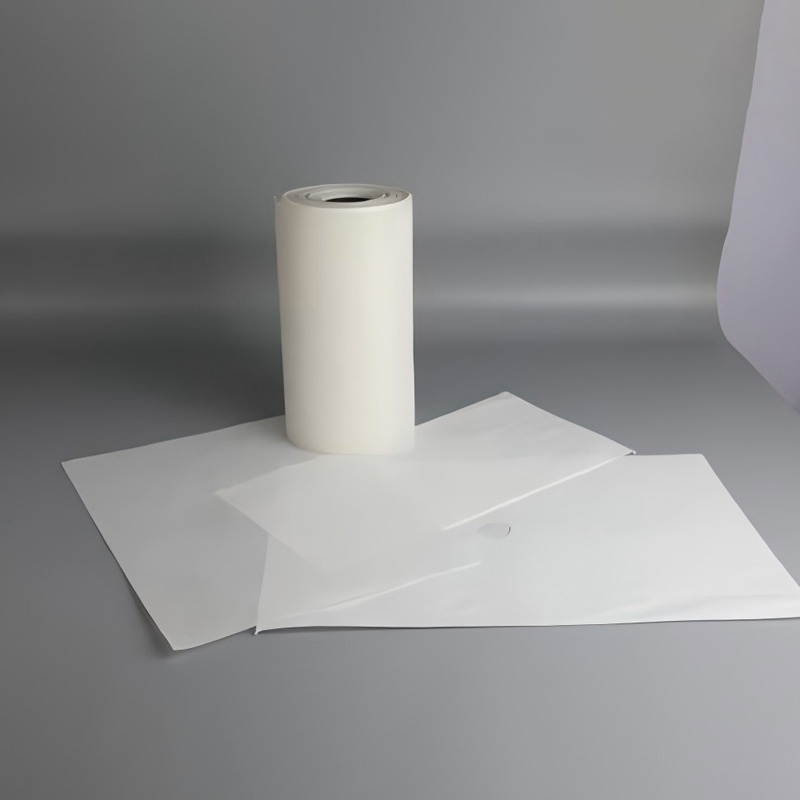 Liquid Filter Media
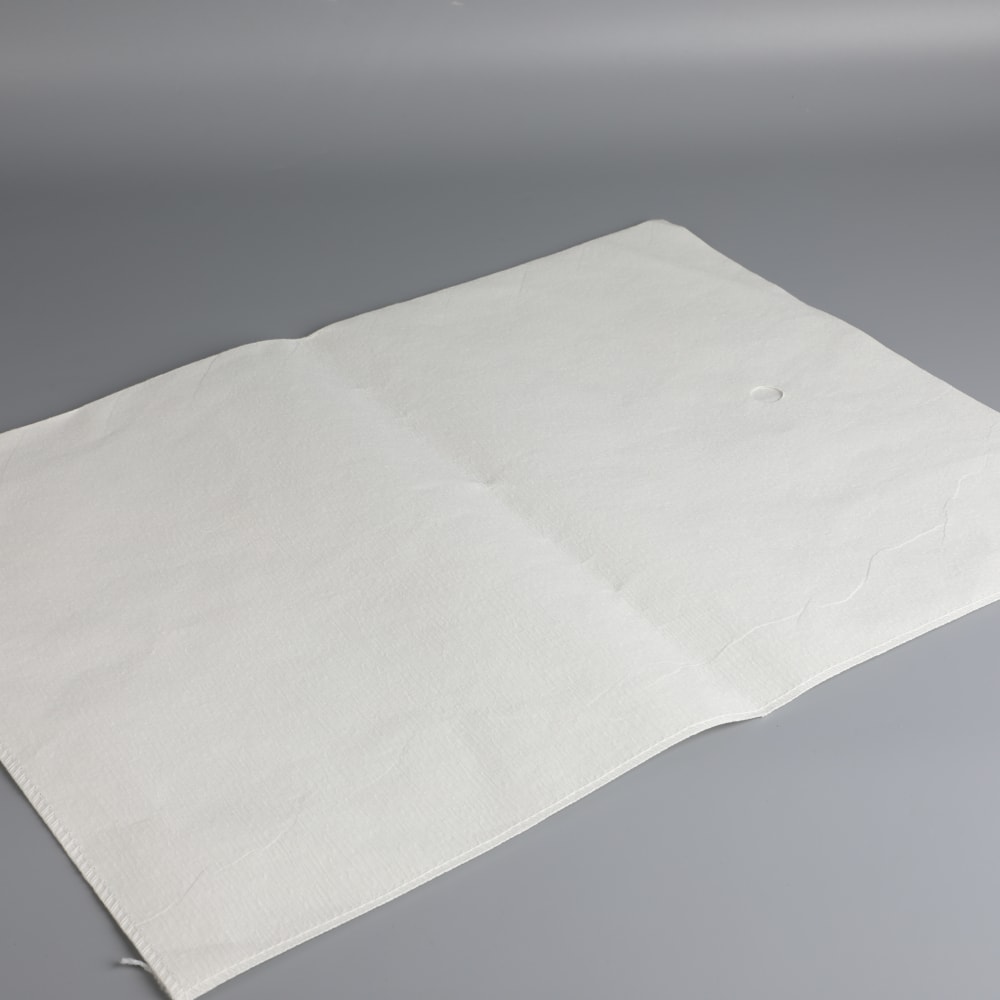 Filter Envelope & Filter Sheet
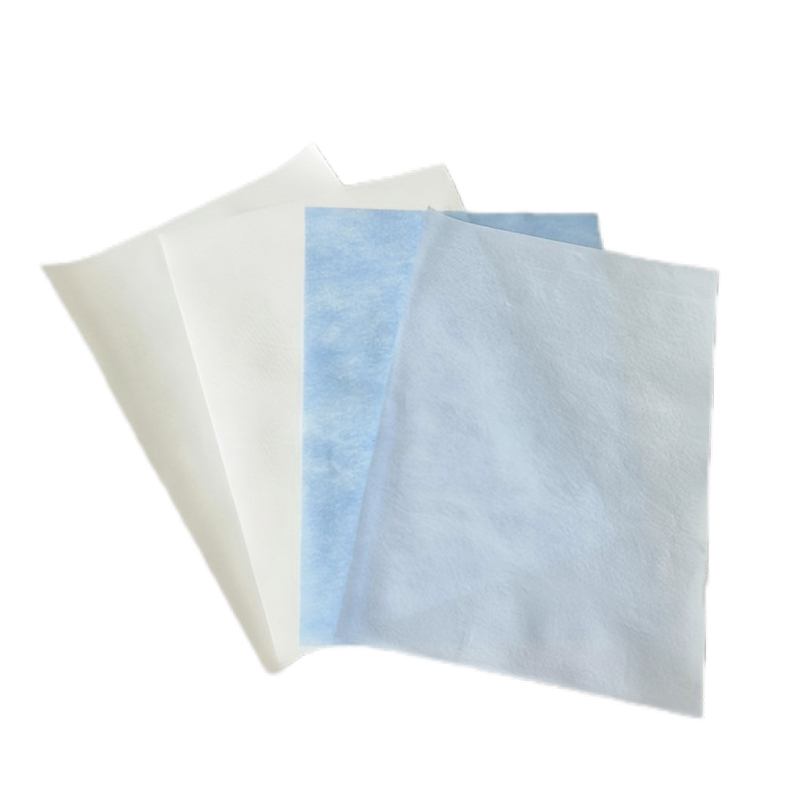 Breathable Film Laminates
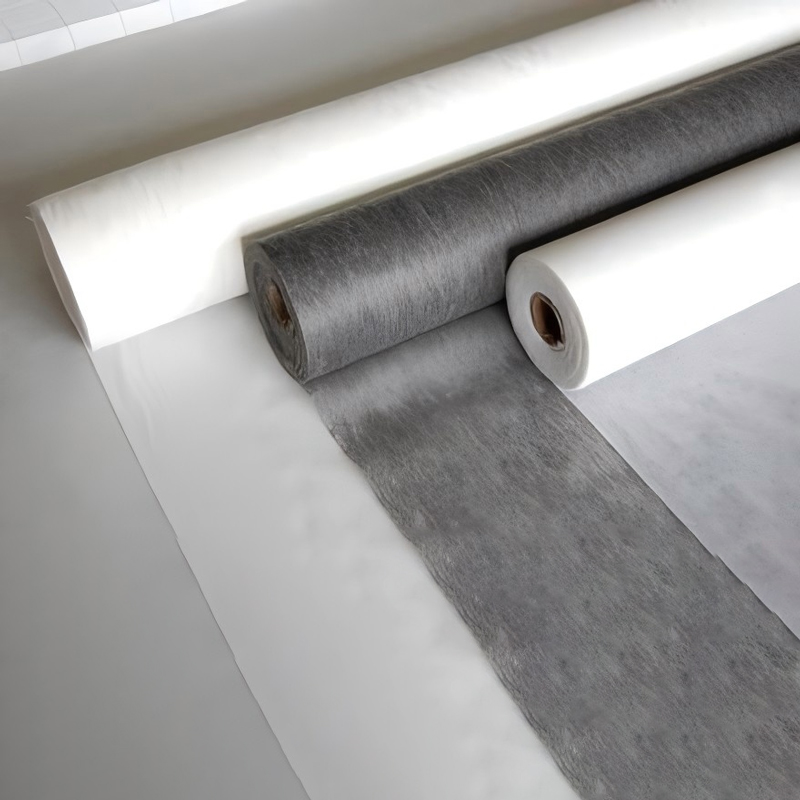 Nonwoven Interlining
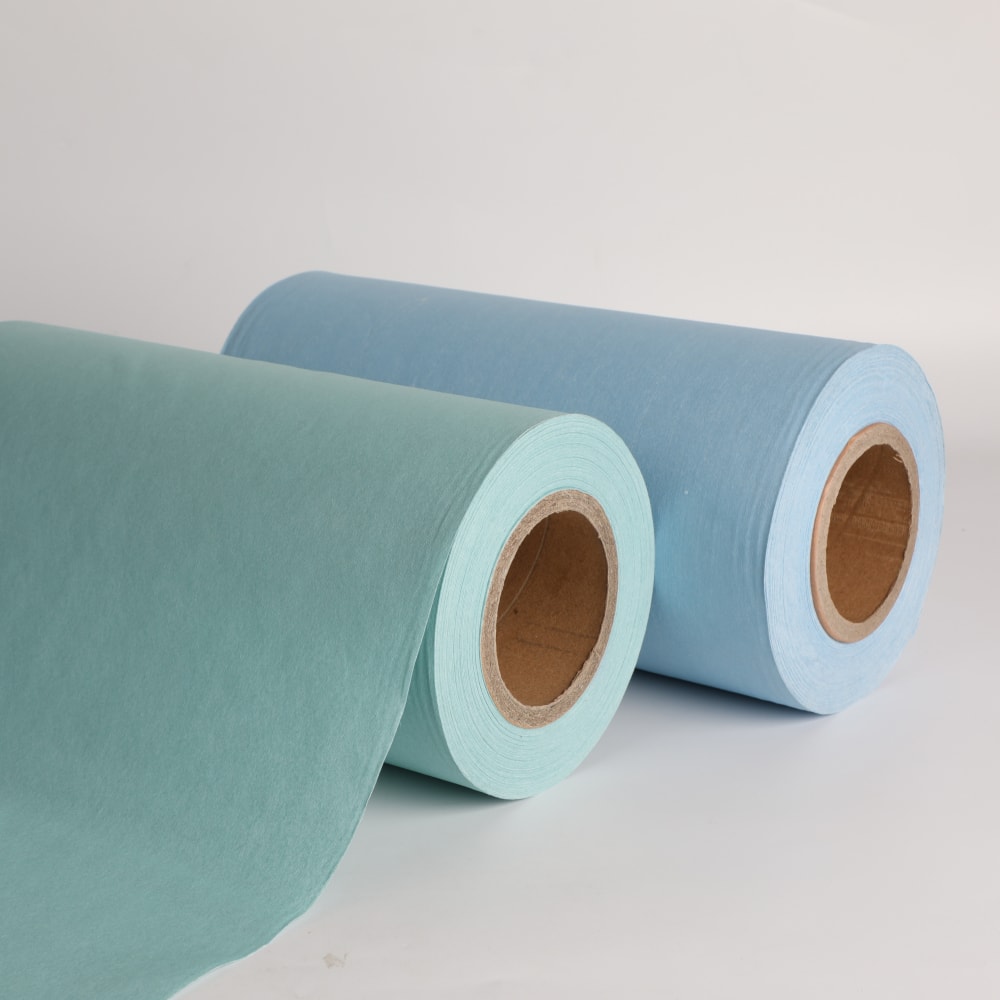 Fluid Repellent Woodpulp Spunlace Nonwoven
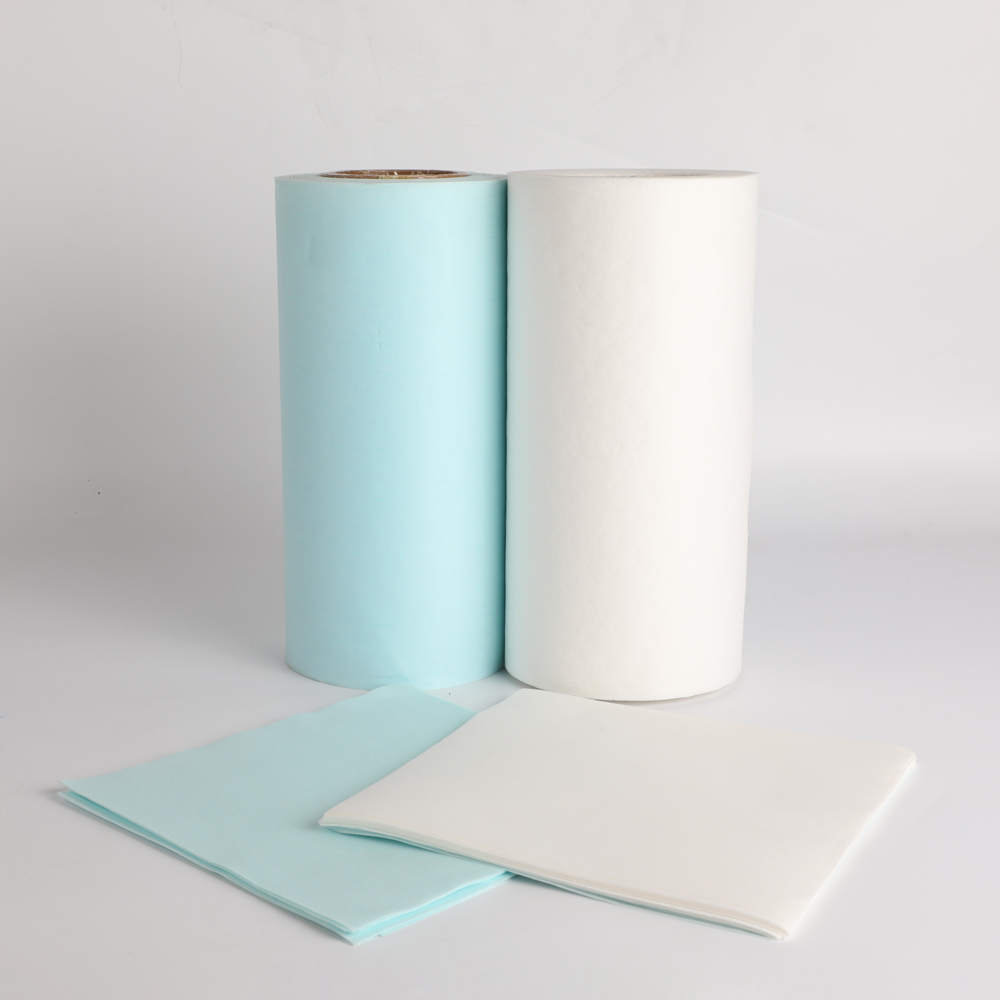 Woodpulp Nonwoven Wipe
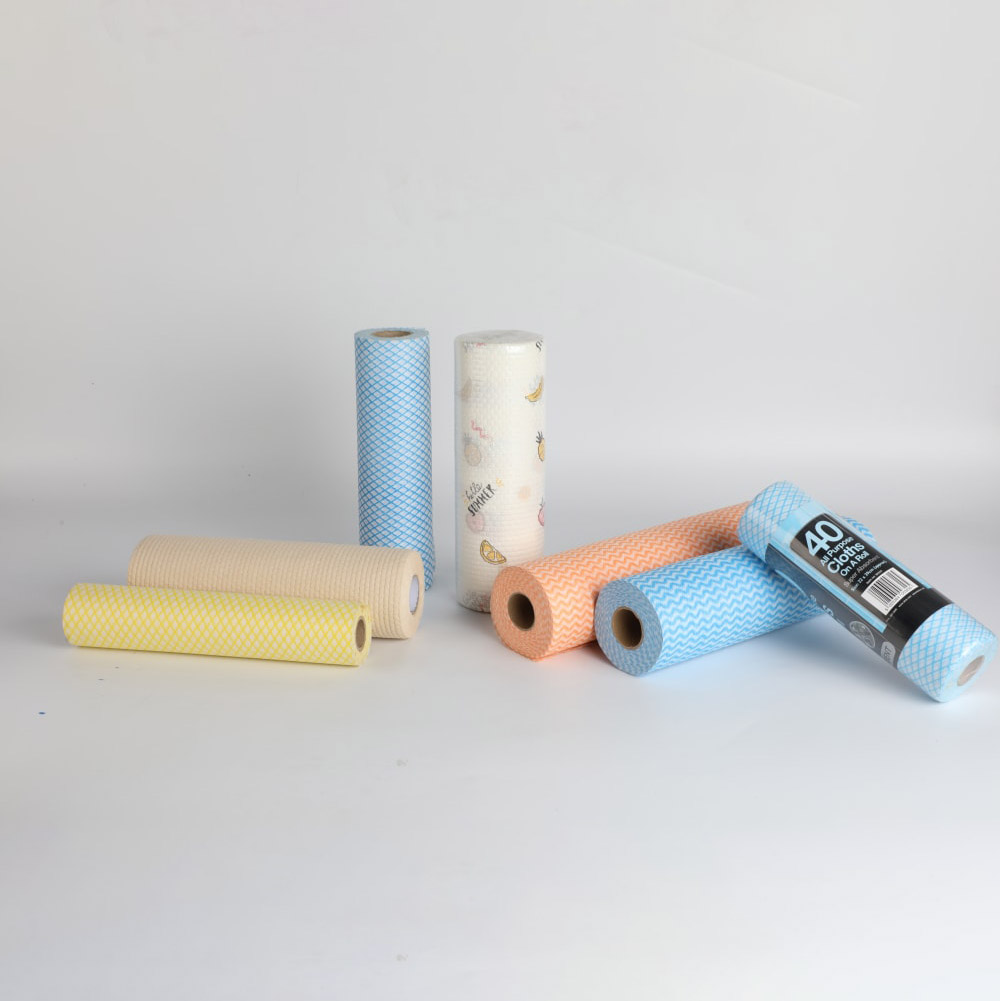 Nonwoven Cleaning Wipe
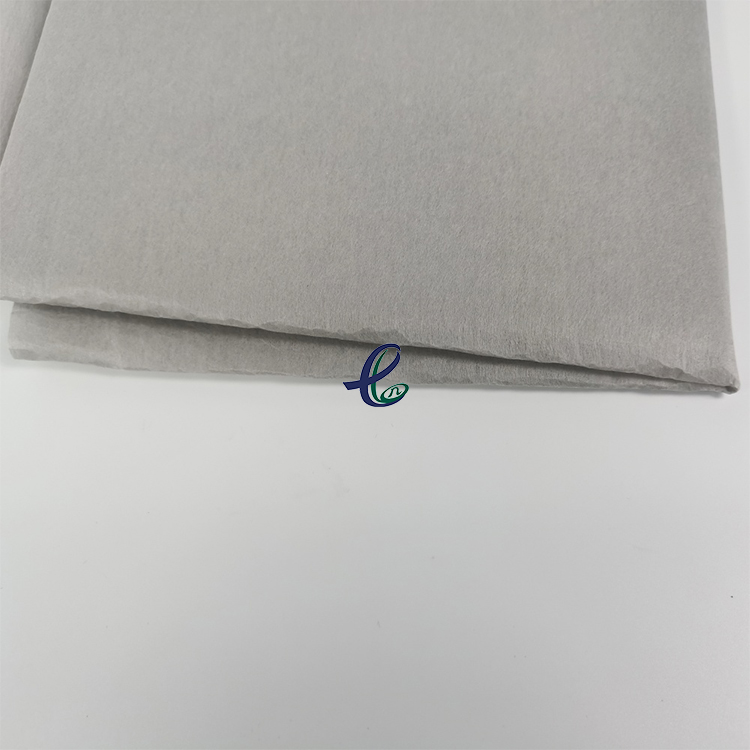 Curtain Nonwoven
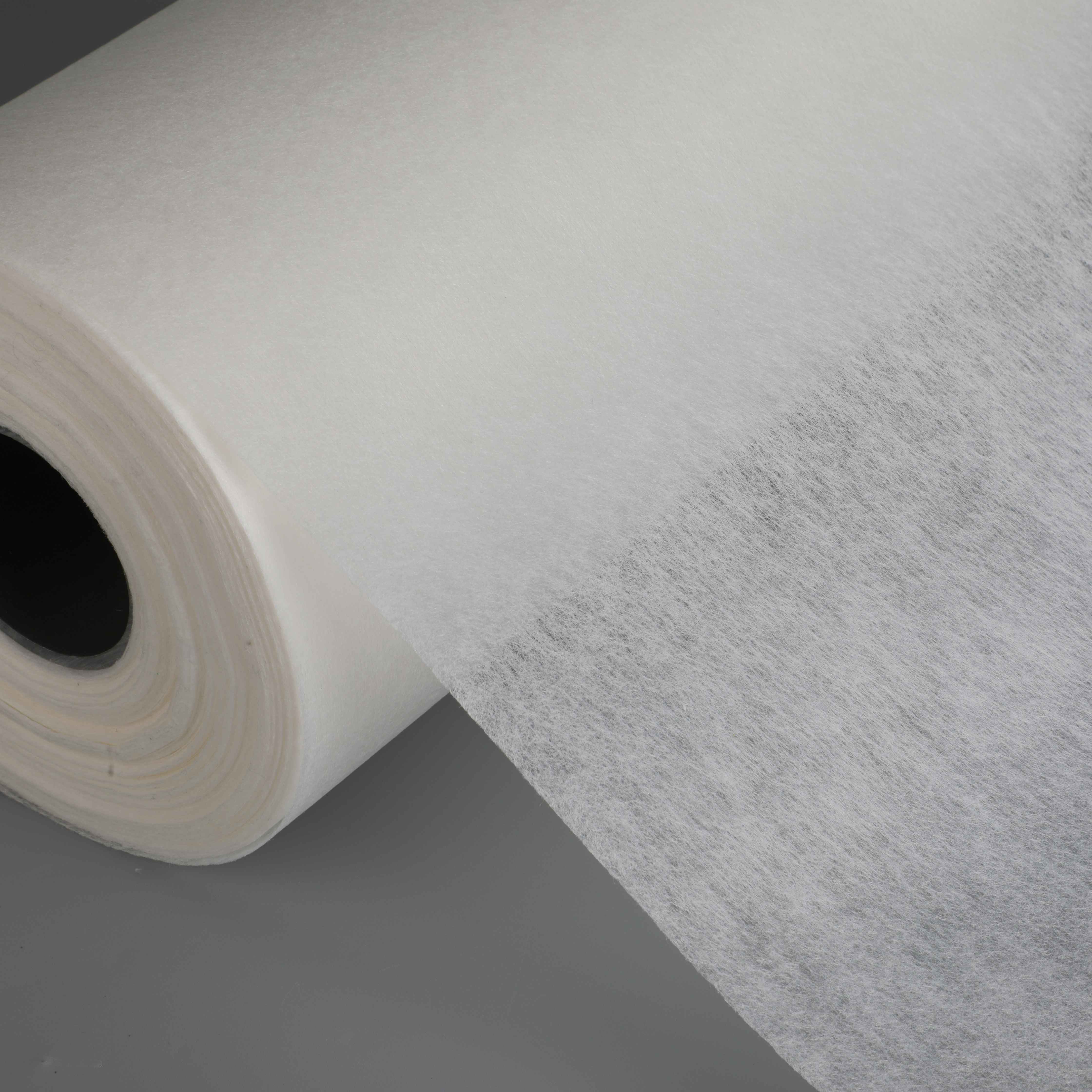 Food Grade Packaging Nonwoven
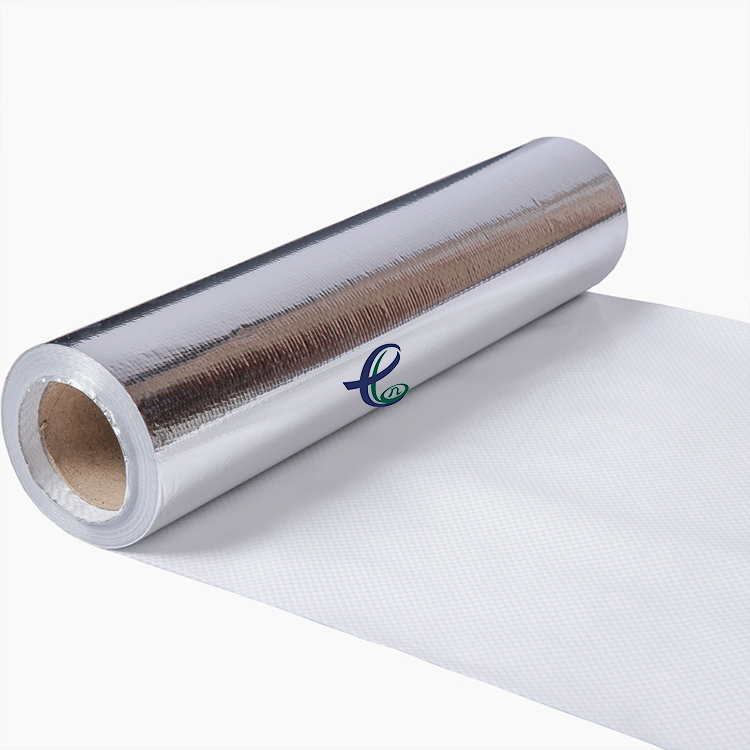 Aluminized Nonwoven
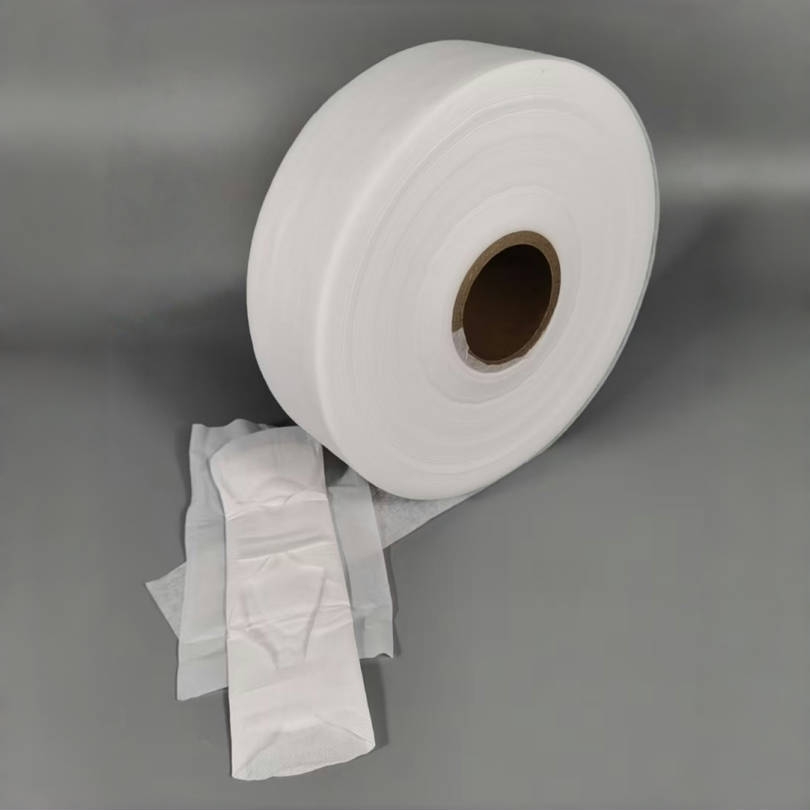 Hot Air Cotton Nonwoven
 Flame Retardant Nonwoven
 Cable Wrapping Nonwoven
 Semi-conductive Nonwoven
 Anti-Bacterial Nonwoven
 +8613957712400
 CONTACT WhatsApp
 CONTACT WeChat
 CONTACT NUMBER
 CONTACT EMAIL