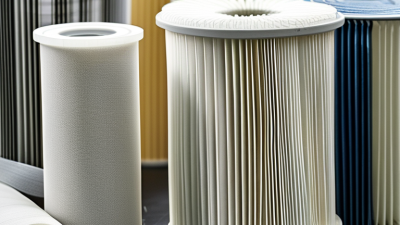
| Particle Filtration Efficiency |
The percentage of particles retained at a specified particle size, airflow or liquid flow rate, and test condition. |
It is the primary indicator of how effectively the material removes target contaminants. Efficiency must always be linked to particle size and operating conditions. |
Approximately 20% to above 99.9%, depending on fiber diameter, web structure, electrostatic treatment, thickness, and test velocity. |
ISO 16890 for HVAC filter elements; EN 1822 for high-efficiency air filters; ASTM F2299 or equivalent methods for specific applications; liquid standards vary by industry. |
Critical |
Request efficiency curves rather than a single percentage. Confirm the test aerosol, particle-size range, face velocity, and conditioning procedure. |
| Pressure Drop |
The resistance created by the filter when air or liquid passes through it. |
Lower pressure drop can reduce fan or pump energy consumption, while excessive resistance can shorten service life and reduce system flow. |
For air media, commonly about 10–250 Pa at a stated face velocity; liquid pressure drop depends strongly on viscosity, flow rate, and permeability. |
Airflow resistance testing under a specified face velocity; liquid differential-pressure testing under a defined flow rate. |
Critical |
Never compare pressure-drop data from different face velocities. Ask for both clean-media pressure drop and pressure drop after loading. |
| Air Permeability |
The volume of air passing through a defined area of fabric under a specified pressure difference. |
It helps indicate airflow capacity and supports the balance between filtration efficiency and energy use. |
Often about 10–2,000 L/m²/s at 200 Pa, depending on basis weight, thickness, fiber diameter, bonding, and pore structure. |
ISO 9237 or ASTM D737, with the test pressure and specimen condition clearly stated. |
High |
Compare materials using the same test pressure, conditioning atmosphere, sample size, and measurement direction. |
| Pore Size and Pore-Size Distribution |
The size and variation of openings through which the fluid travels. |
Pore structure influences particle retention, depth filtration, permeability, contaminant loading, and the risk of premature surface blinding. |
Ranges from sub-micrometre structures in fine-filter media to several hundred micrometres in coarse prefilters and support webs. |
Bubble-point, capillary-flow porometry, mercury intrusion, or application-specific pore-size analysis. |
Critical |
Specify whether the requirement refers to maximum pore size, mean-flow pore size, or nominal filtration rating. These terms are not interchangeable. |
| Dust-Holding or Contaminant-Holding Capacity |
The quantity of contaminant retained before the filter reaches a defined terminal pressure drop or performance limit. |
Higher holding capacity generally supports longer service intervals, but results depend on contaminant type, loading method, airflow, and terminal pressure drop. |
Highly application-dependent; values may range from tens to several hundred grams per square metre for air media, while liquid-media results are commonly reported by mass or volume retained. |
Standardized dust-loading tests for complete air-filter elements; application-specific loading tests for filter media and liquid filters. |
High |
Ask for the loading contaminant, particle distribution, test flow, terminal pressure drop, and whether the result applies to flat media or a finished filter. |
| Thickness and Basis Weight |
Thickness is the compressed or measured fabric depth; basis weight is mass per unit area, normally expressed in g/m². |
These properties affect media volume, stiffness, available filtration depth, roll yield, pleatability, and material cost. |
Basis weight commonly ranges from about 20–250 g/m²; thickness commonly ranges from approximately 0.1–5 mm, depending on construction. |
ISO 9073 series, ASTM D1777, or equivalent thickness and mass-per-area procedures. |
High |
Set tolerances, measurement pressure, roll direction, moisture condition, and allowable basis-weight variation before sampling. |
| Wet Strength and Dry Strength |
The tensile, tear, or bursting resistance of the fabric in dry and wet conditions. |
Strength affects converting, pleating, sewing, handling, installation, backflushing, and resistance to pressure surges. |
Values vary widely with polymer, bonding method, orientation, and test direction; specify minimum tensile and tear values instead of relying on a generic range. |
ISO 9073 series, ASTM D5035, ASTM D5733, or application-specific burst and wet-strength procedures. |
High |
Test both machine direction and cross direction. For liquid filtration, include wet-state testing after immersion in the intended fluid. |
| Chemical Compatibility |
The ability of the polymer, binder, coating, and support layer to resist the process fluid, cleaning chemicals, oils, acids, alkalis, and solvents. |
Incompatible materials may swell, embrittle, dissolve, lose strength, release extractables, or change filtration performance. |
No universal numerical range; compatibility depends on polymer type, concentration, temperature, exposure time, and mechanical stress. |
Immersion, mass-change, dimensional-change, tensile-retention, and extractables testing using the actual process chemistry. |
Critical |
Obtain a chemical-resistance matrix and validate it with the actual fluid, temperature, concentration, and cleaning cycle. |
| Temperature Resistance |
The temperature range in which the filter maintains dimensional stability, strength, and filtration performance. |
Temperature limits determine whether the media is suitable for hot air, exhaust, sterilization, drying, or heated liquid processes. |
Common polymeric nonwovens may be used from below 0°C to approximately 120–180°C, while specialty fibers can withstand higher temperatures; exact limits are material-specific. |
Continuous-use temperature data, thermal aging, dimensional stability, tensile retention, and application-specific exposure testing. |
High |
Separate continuous operating temperature from short-term peak temperature. Verify performance after thermal aging, not only before exposure. |
| Hydrophobicity or Hydrophilicity |
The tendency of the media to repel or absorb water and other liquids. |
Hydrophobic media help prevent water blockage in air systems; hydrophilic media can support wetting and liquid flow in selected filtration processes. |
Reported through contact angle, water penetration pressure, absorbency, or wicking time rather than one universal value. |
Contact-angle testing, hydrostatic-pressure testing, water-penetration testing, and wicking or absorbency methods. |
High |
Match surface treatment to the application. Confirm that coatings do not cause unacceptable extractables, odor, or efficiency loss. |
| Electrostatic Charge Retention |
The ability of an electret or electrostatically treated medium to retain charge-assisted filtration performance over time. |
Electrostatic attraction can increase efficiency without proportionally increasing pressure drop, but charge may decay after exposure to humidity, heat, aerosols, or solvents. |
Performance is best specified as efficiency and pressure drop before and after conditioning; charge level alone is not a sufficient quality indicator. |
Efficiency conditioning with humidity, temperature, oil or aerosol exposure, followed by repeat filtration testing. |
High |
Request aging and conditioning data. Do not qualify an electret medium using initial efficiency alone. |
| Fiber Shedding and Particle Release |
The amount of loose fiber, binder, or particulate released from the media during handling, airflow, liquid flow, vibration, or cleaning. |
Low shedding is important for clean manufacturing, sensitive equipment, food-contact processes, healthcare-related applications, and downstream product protection. |
Application-specific; establish a maximum release limit using the actual fluid, flow, handling, and cleaning conditions. |
Particle-release, linting, extractables, rinse-fluid, or cleanroom-compatible testing as required by the application. |
High |
Evaluate finished rolls and converted parts, not only laboratory swatches. Packaging and transport can affect cleanliness. |
| Pleatability and Formability |
The ability of the media to be folded, pleated, laminated, die-cut, sewn, or thermally formed without cracking or permanent damage. |
Good formability increases effective filtration area and supports consistent production of cartridges, panels, bags, and composite filters. |
No universal numerical range; define minimum pleat height, fold integrity, compression recovery, and allowable damage after converting. |
Pleat-crush testing, fold-integrity testing, flex testing, compression-recovery measurements, and trial conversion runs. |
Medium |
Approve material only after a production-representative converting trial using the intended equipment and line speed. |
| Batch Consistency |
The repeatability of filtration, physical, and chemical properties from lot to lot and across production widths. |
Stable properties reduce process adjustments, qualification risk, field failures, and variation in finished-filter performance. |
Set statistical tolerances for basis weight, thickness, permeability, pressure drop, efficiency, strength, and roll width. |
Certificate-of-analysis review, incoming inspection, statistical process control, and periodic third-party verification. |
Critical |
Define a lot, sampling plan, retained samples, change-notification rules, traceability requirements, and nonconformance procedure. |

 PP Laminates
 Multi Laminates
 Spunlace Nonwoven Laminates
 Breathable Film Laminates
 Viscose Laminates
 Medical Viscose Nonwoven
 Head Wear Nonwoven
 Medical Tape Nonwoven
 Snus Pouch Nonwoven
 Filtration Nonwoven
 Air Filter Media
 Liquid Filter Media
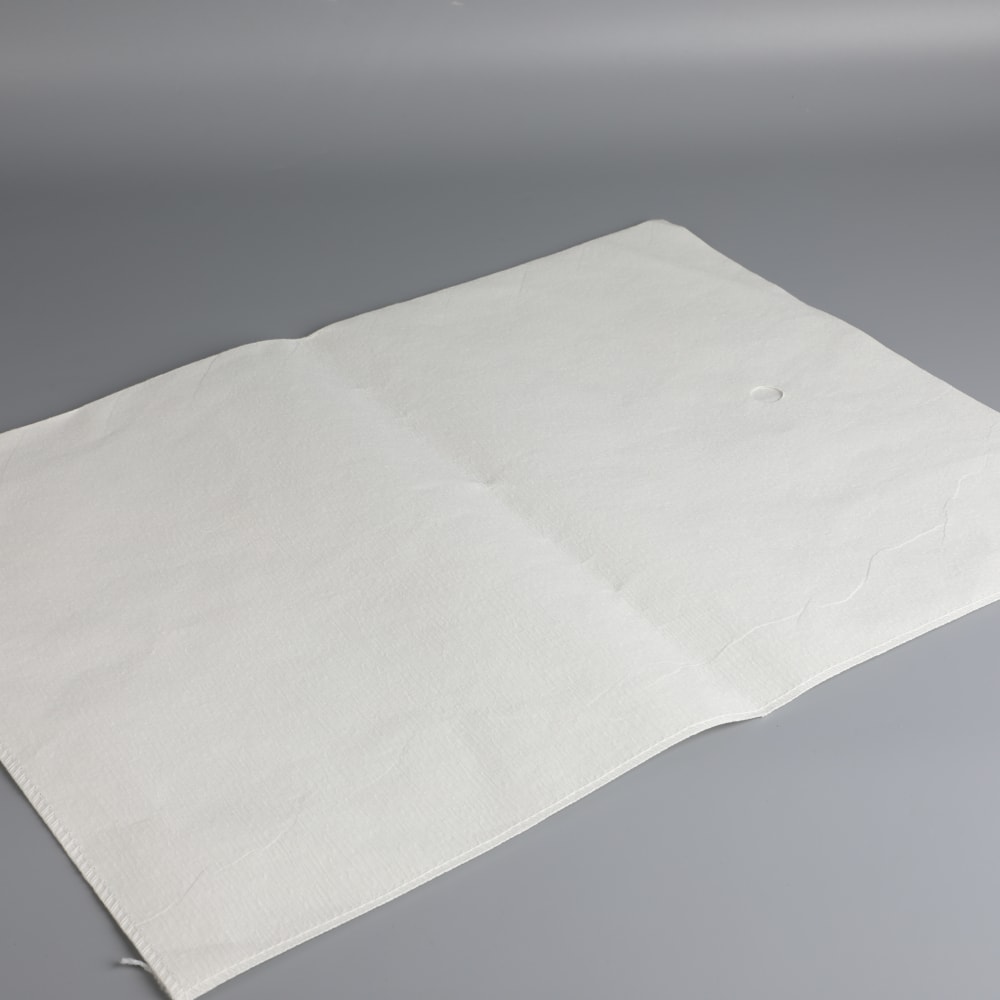 Filter Envelope & Filter Sheet
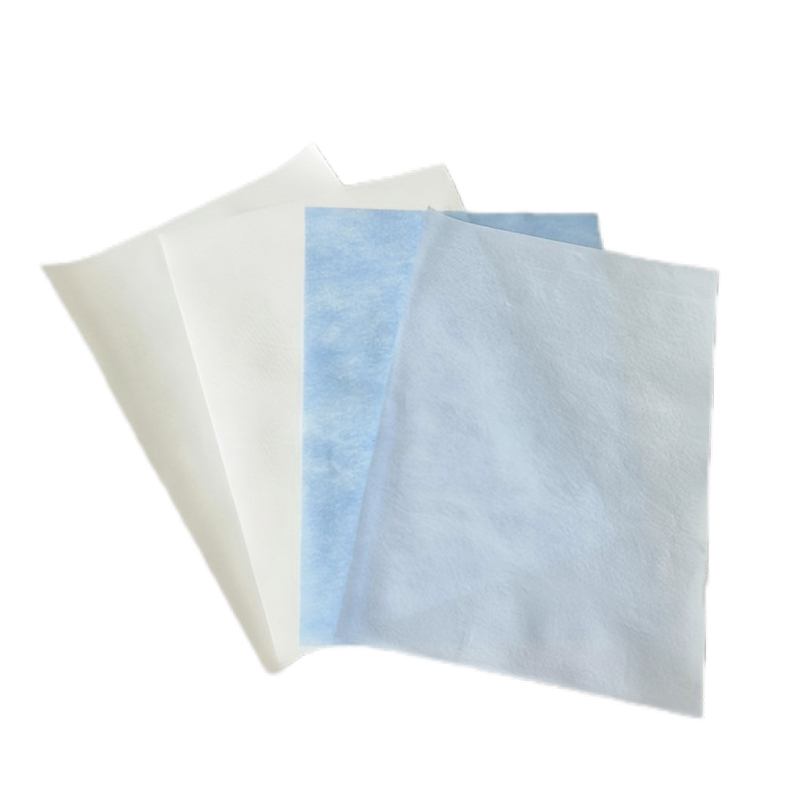 Breathable Film Laminates
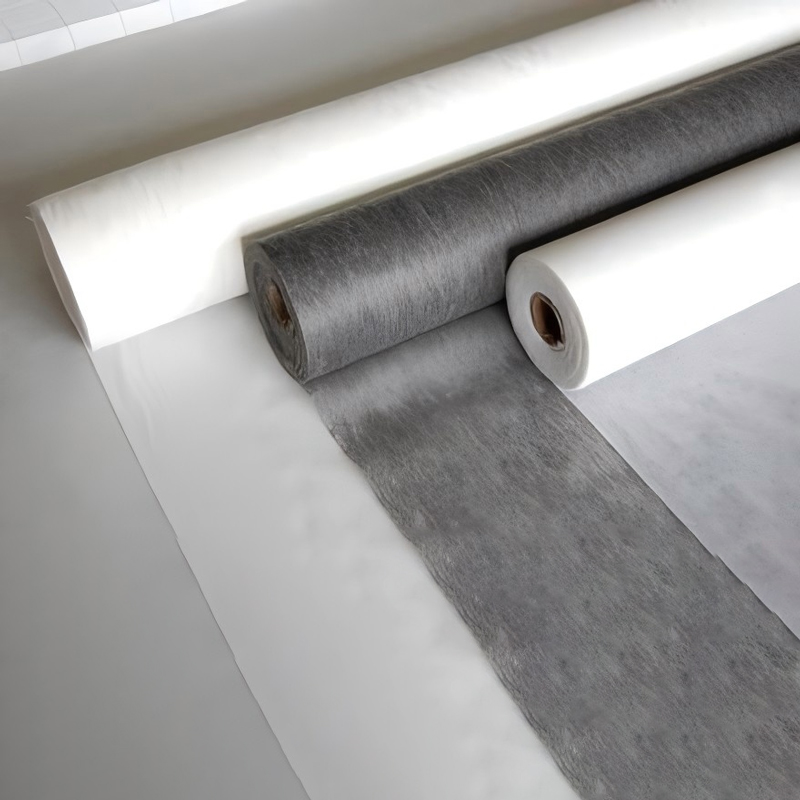 Nonwoven Interlining
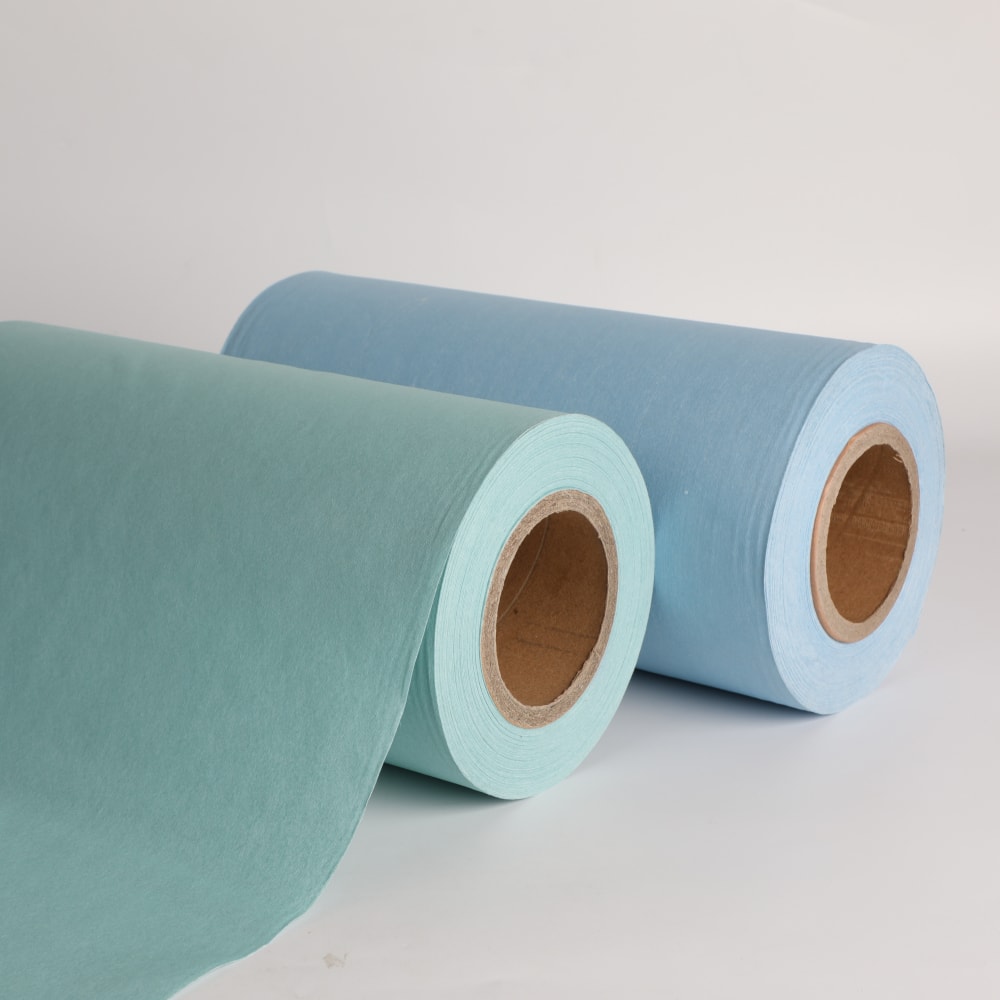 Fluid Repellent Woodpulp Spunlace Nonwoven
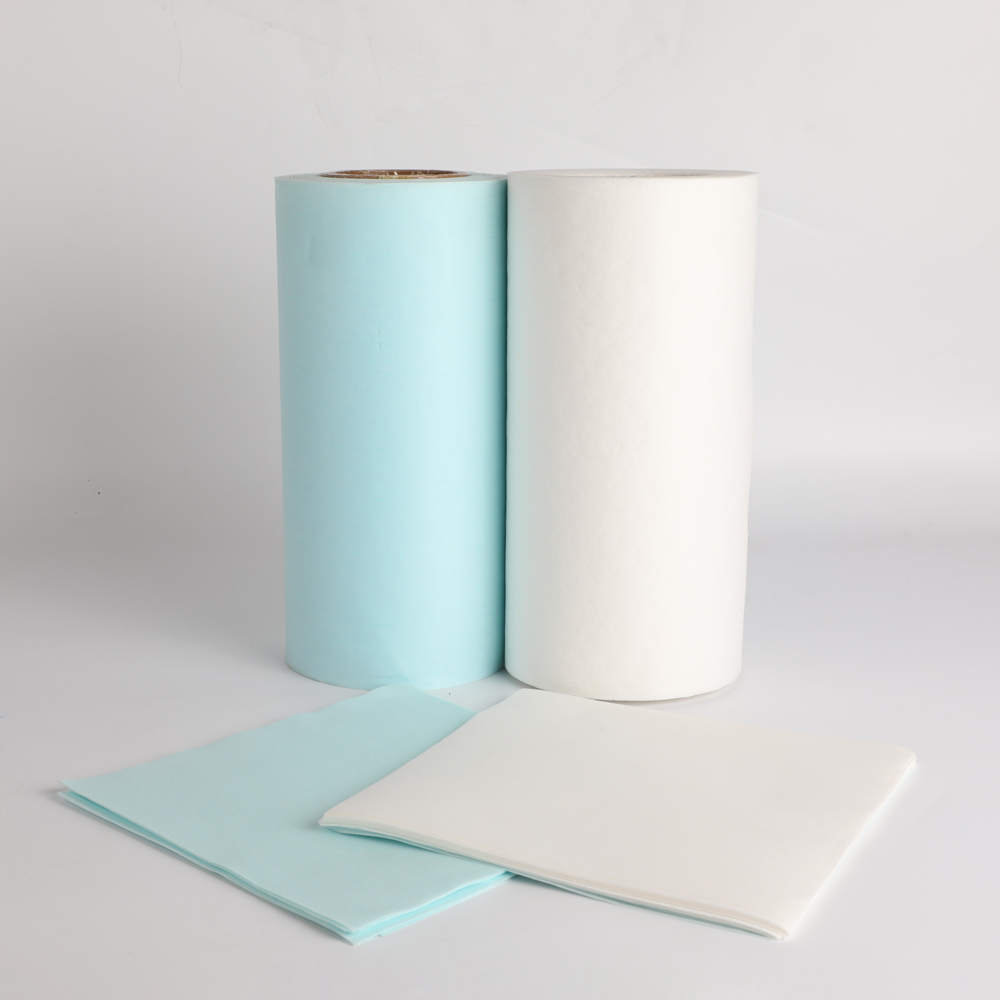 Woodpulp Nonwoven Wipe
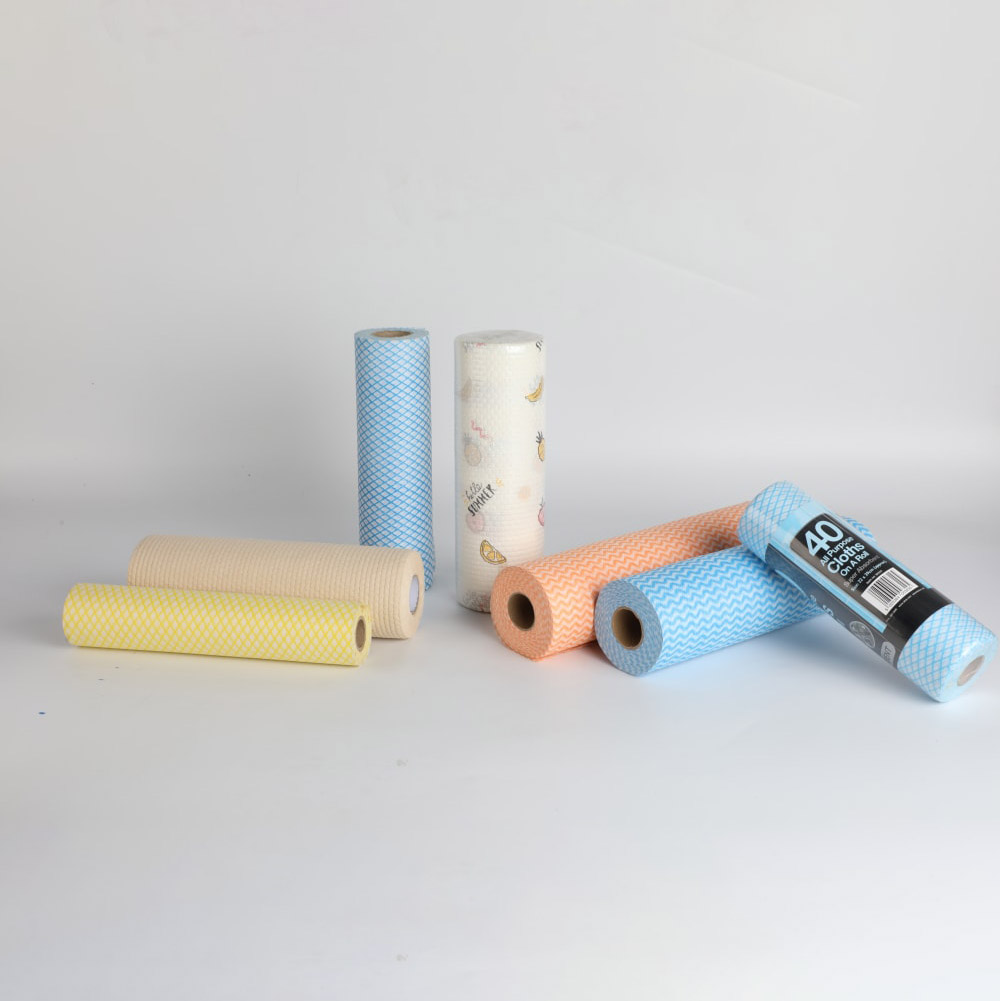 Nonwoven Cleaning Wipe
 Curtain Nonwoven
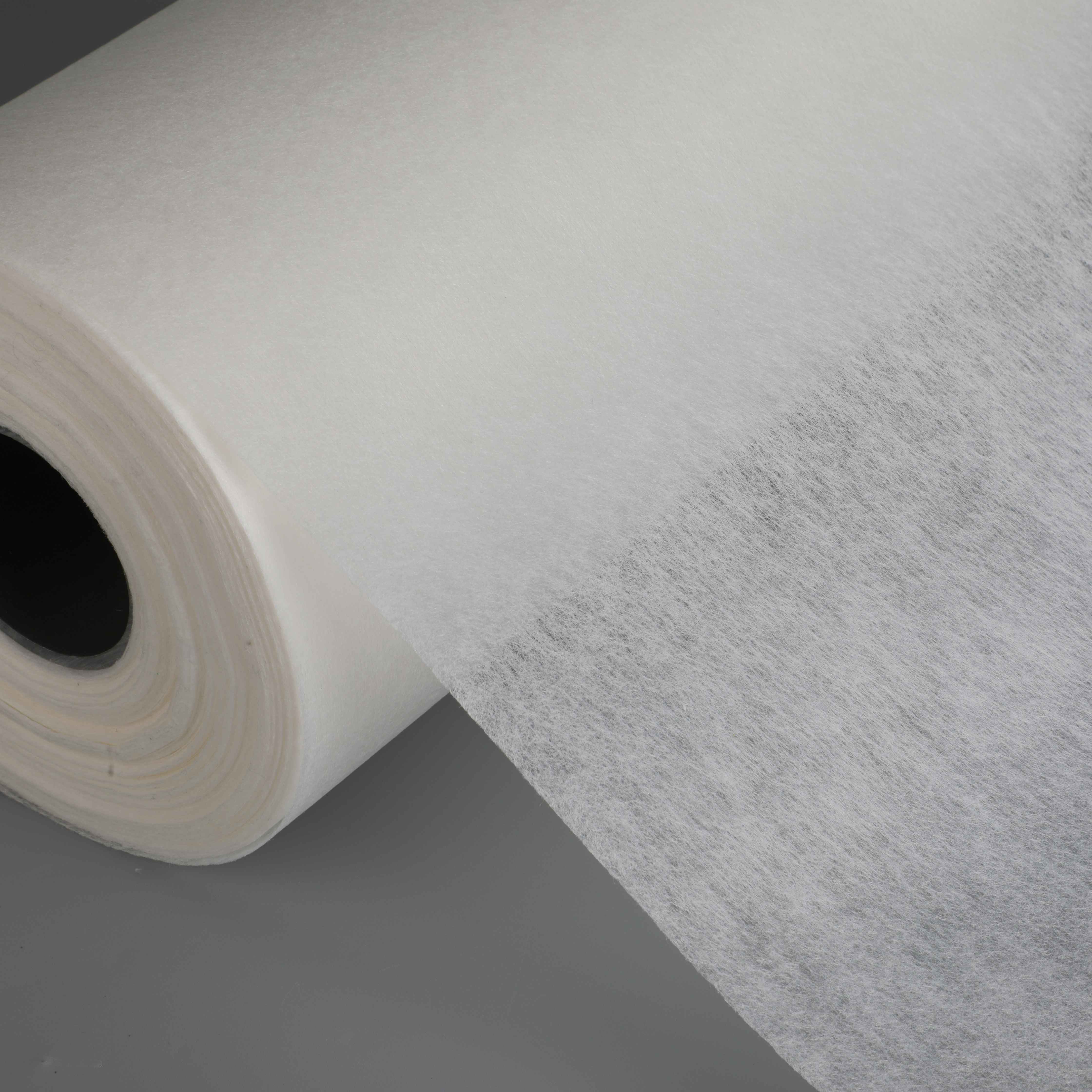 Food Grade Packaging Nonwoven
 Aluminized Nonwoven
 Hot Air Cotton Nonwoven
 Flame Retardant Nonwoven
 Cable Wrapping Nonwoven
 Semi-conductive Nonwoven
 Anti-Bacterial Nonwoven
 +8613957712400
 CONTACT WhatsApp
 CONTACT WeChat
 CONTACT NUMBER
 CONTACT EMAIL