
 PP Laminates
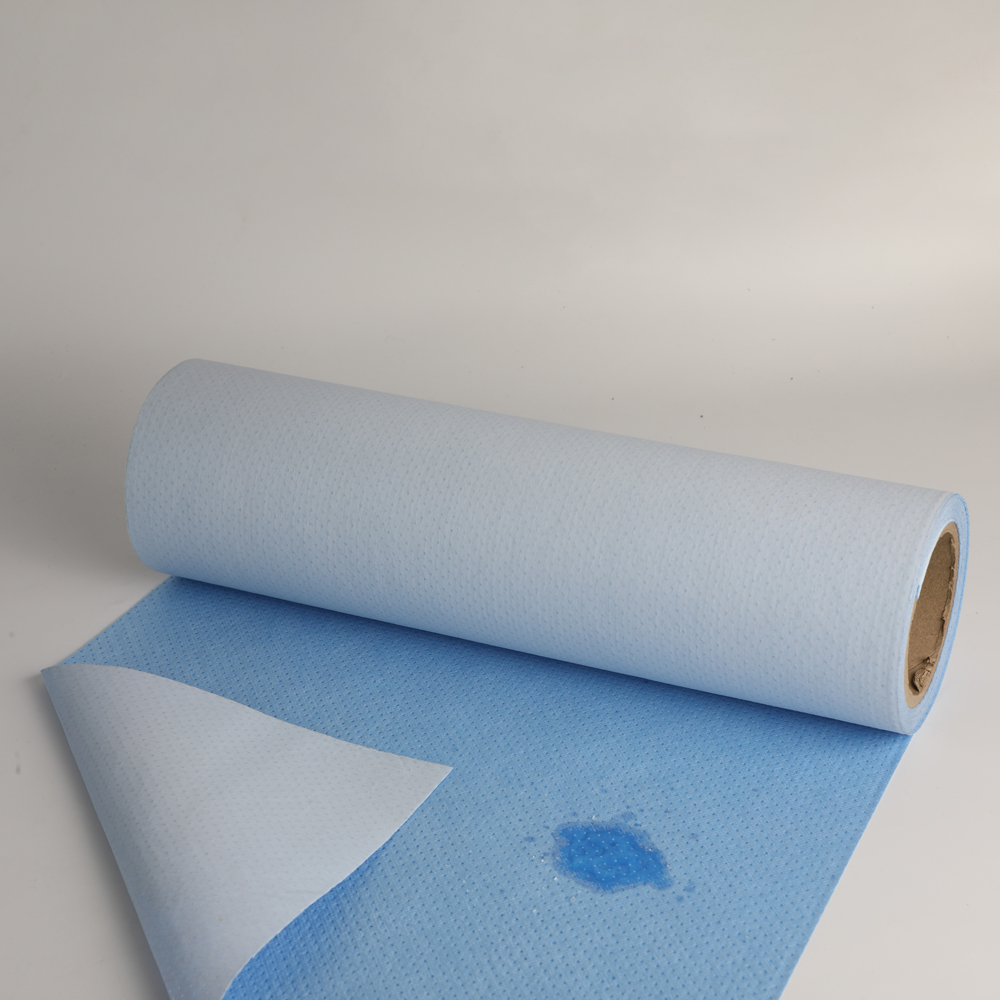 Multi Laminates
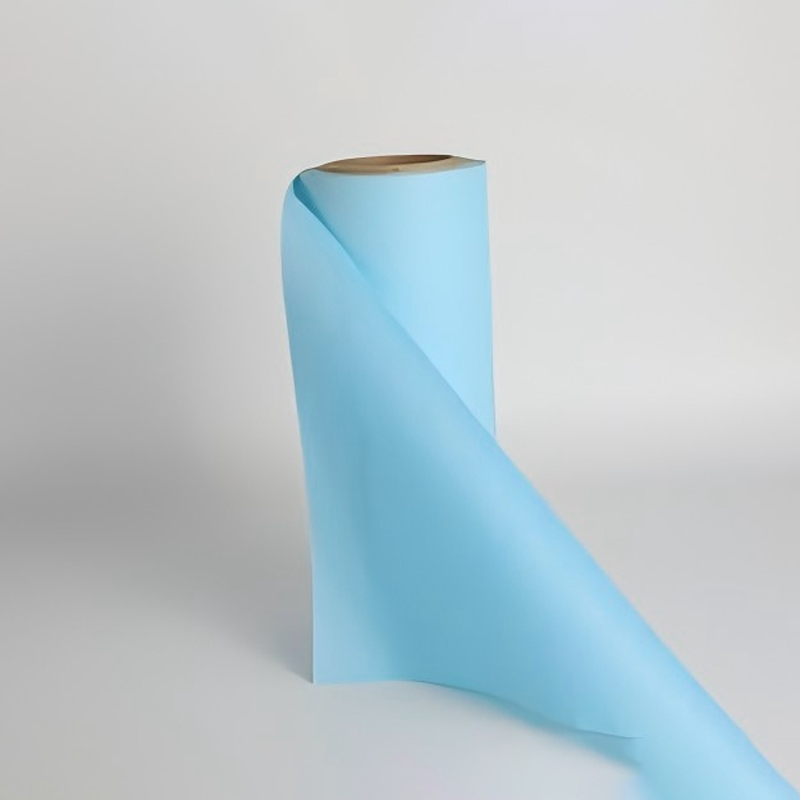 Spunlace Nonwoven Laminates
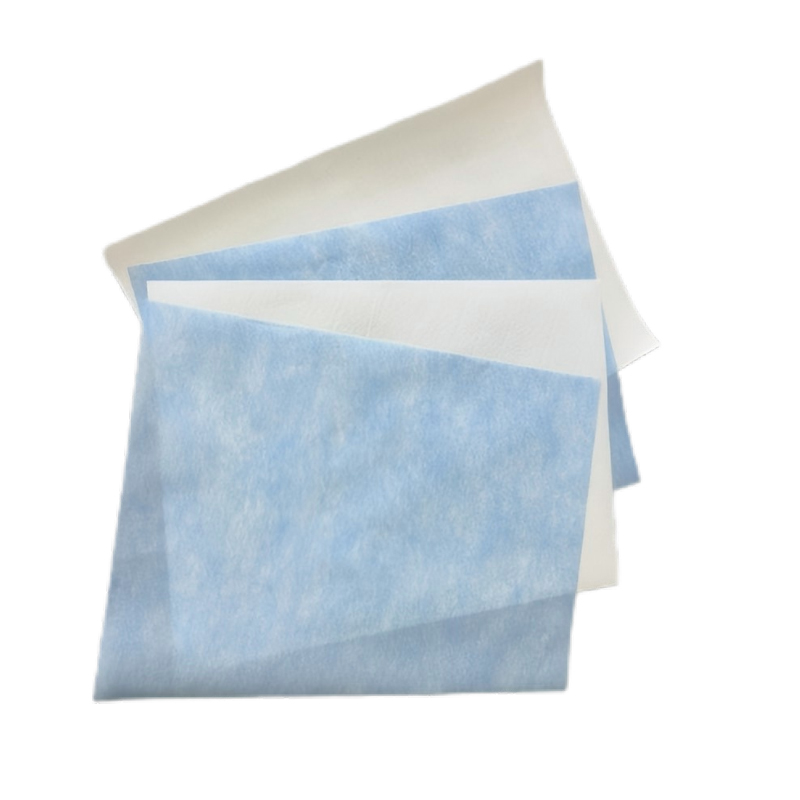 Breathable Film Laminates
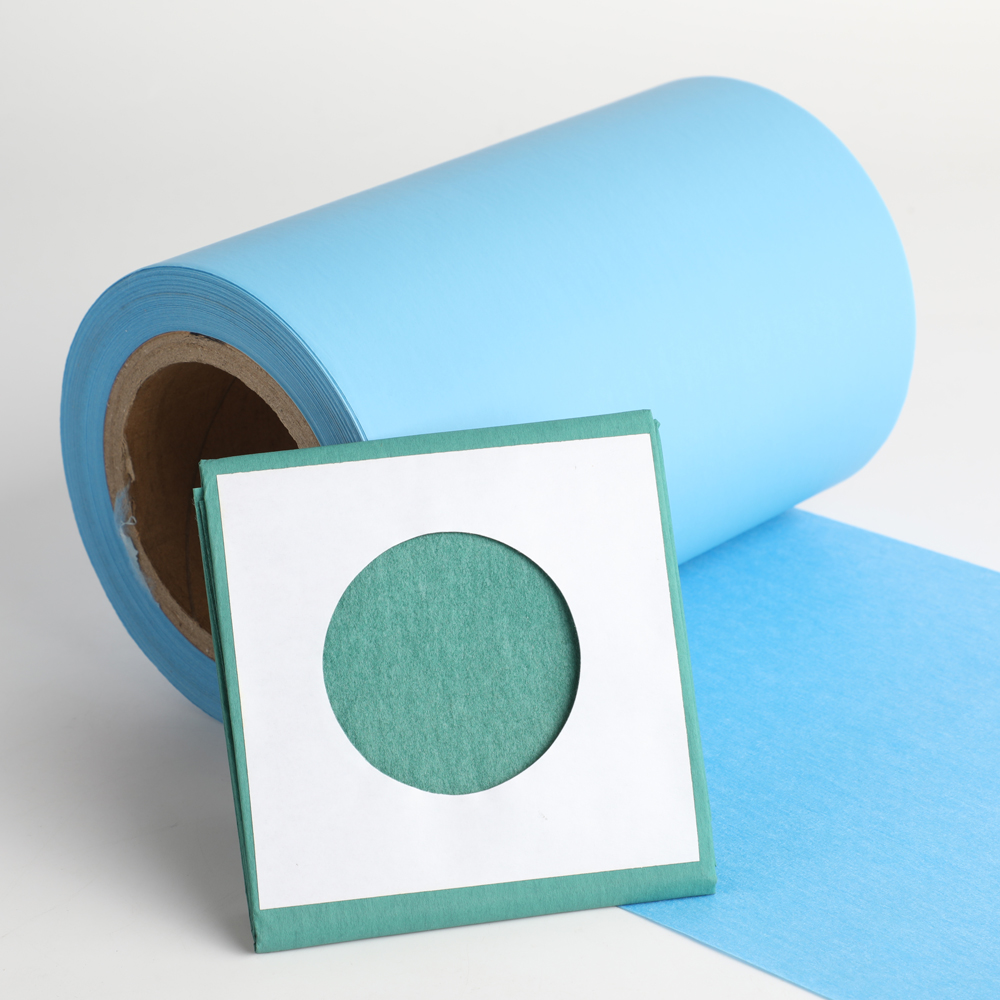 Viscose Laminates
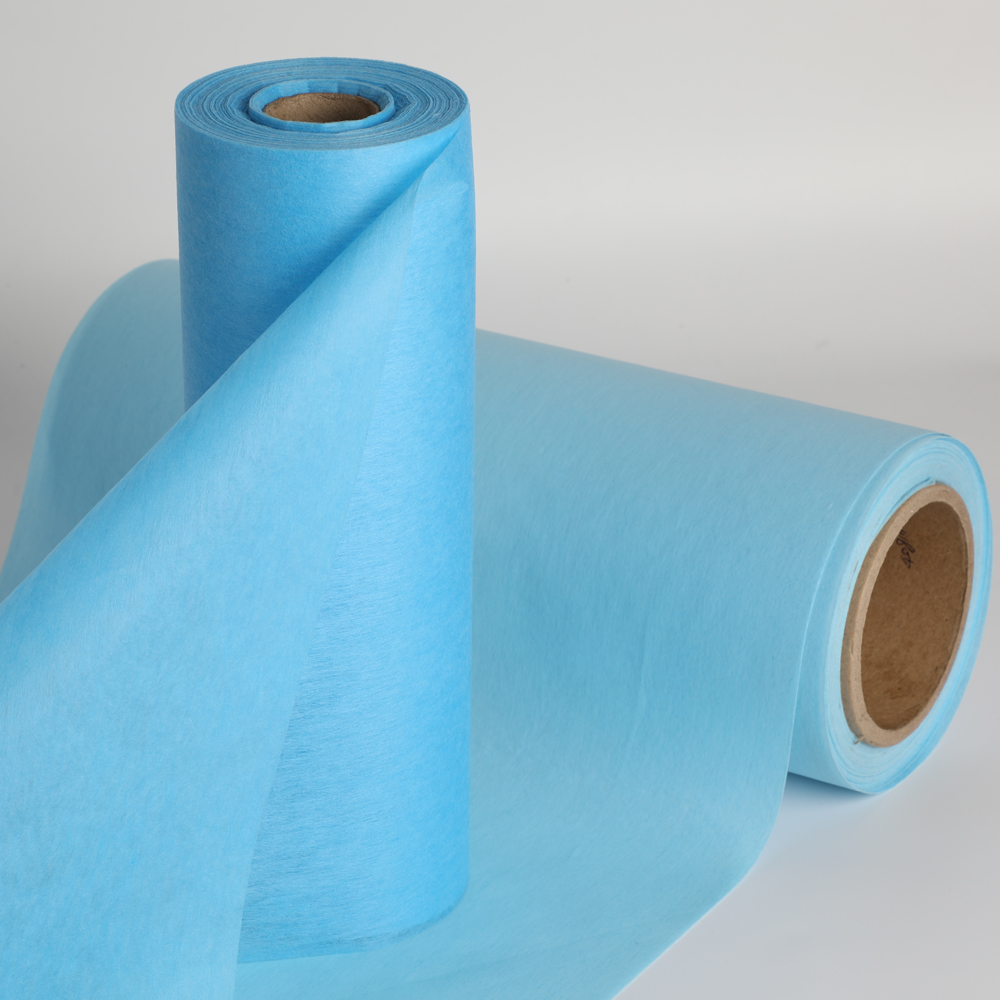 Medical Viscose Nonwoven
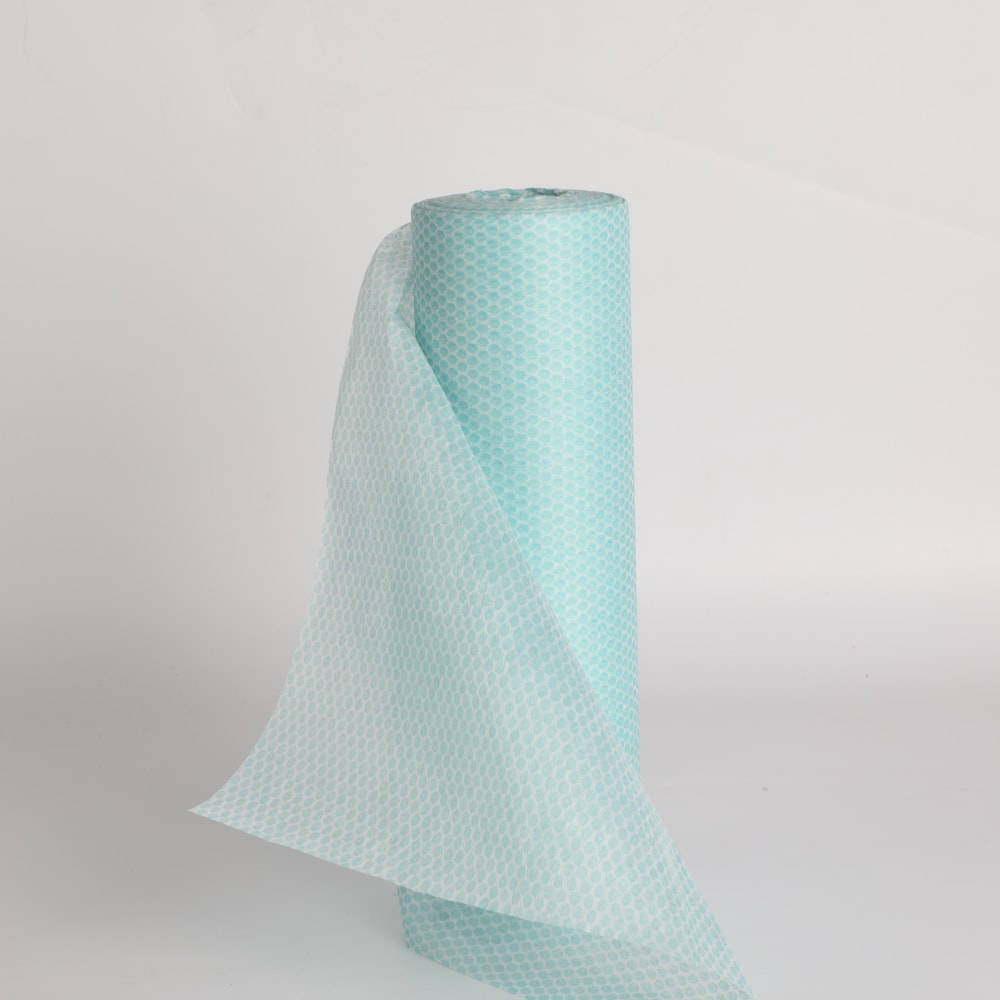 Head Wear Nonwoven
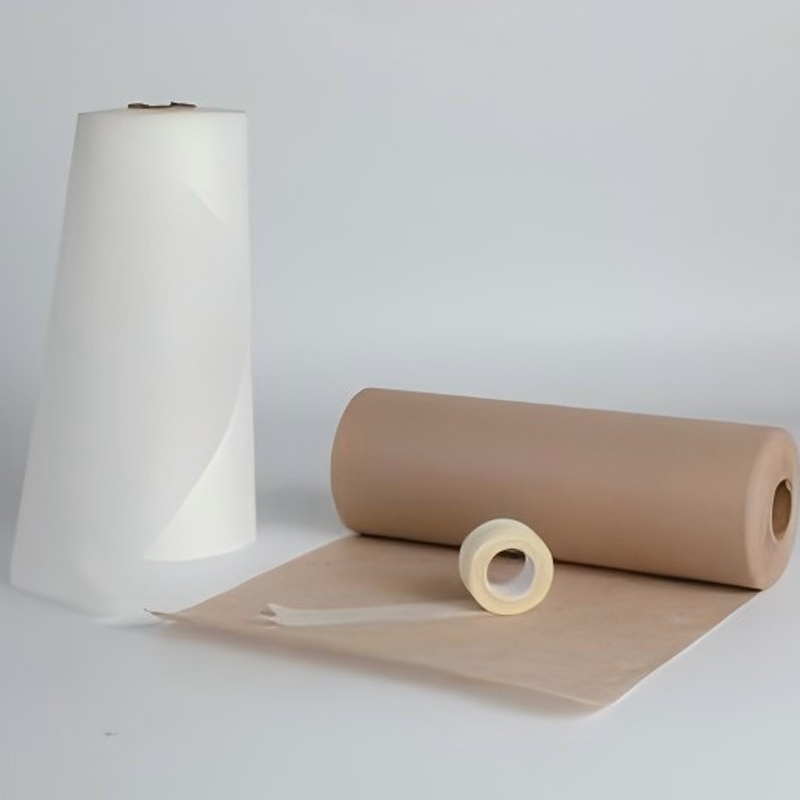 Medical Tape Nonwoven
 Snus Pouch Nonwoven
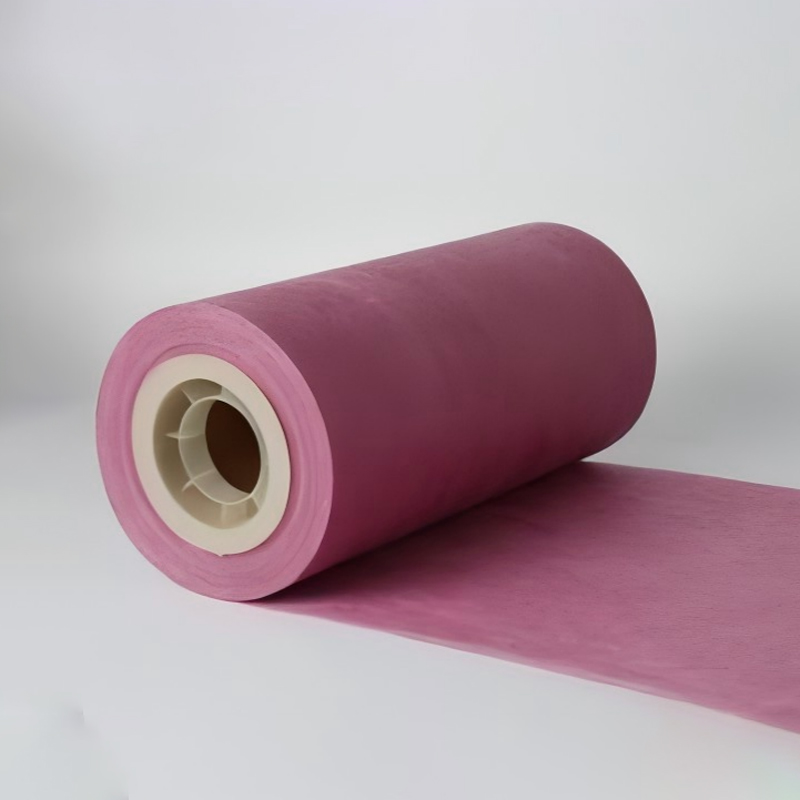 Filtration Nonwoven
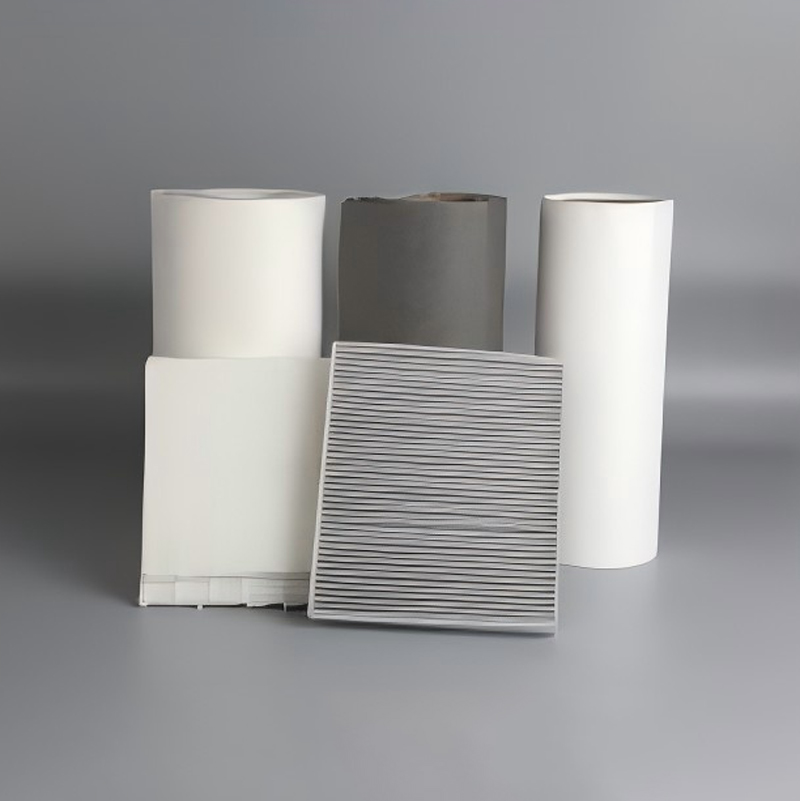 Air Filter Media
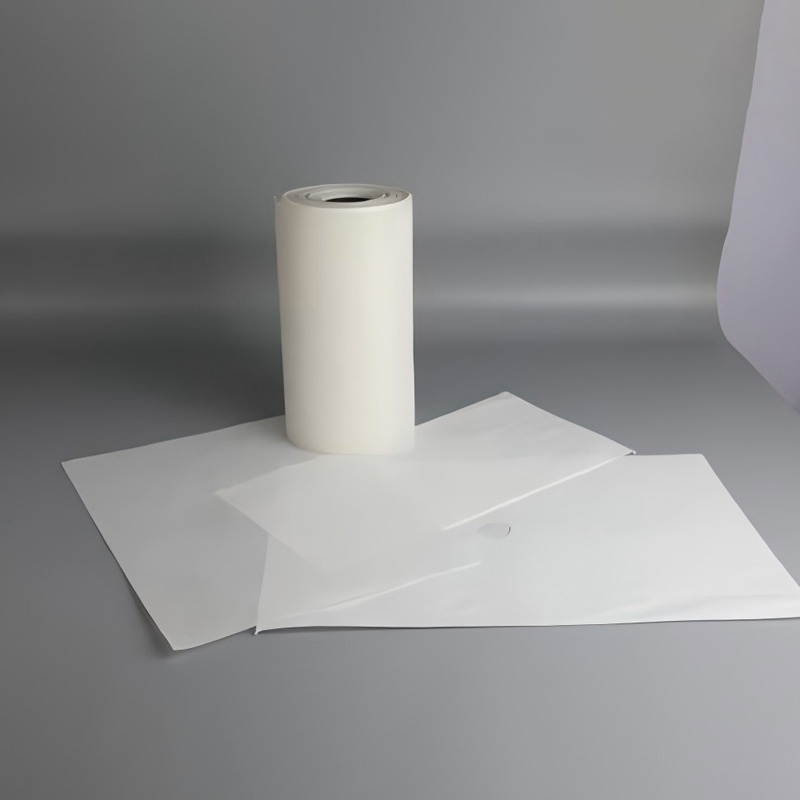 Liquid Filter Media
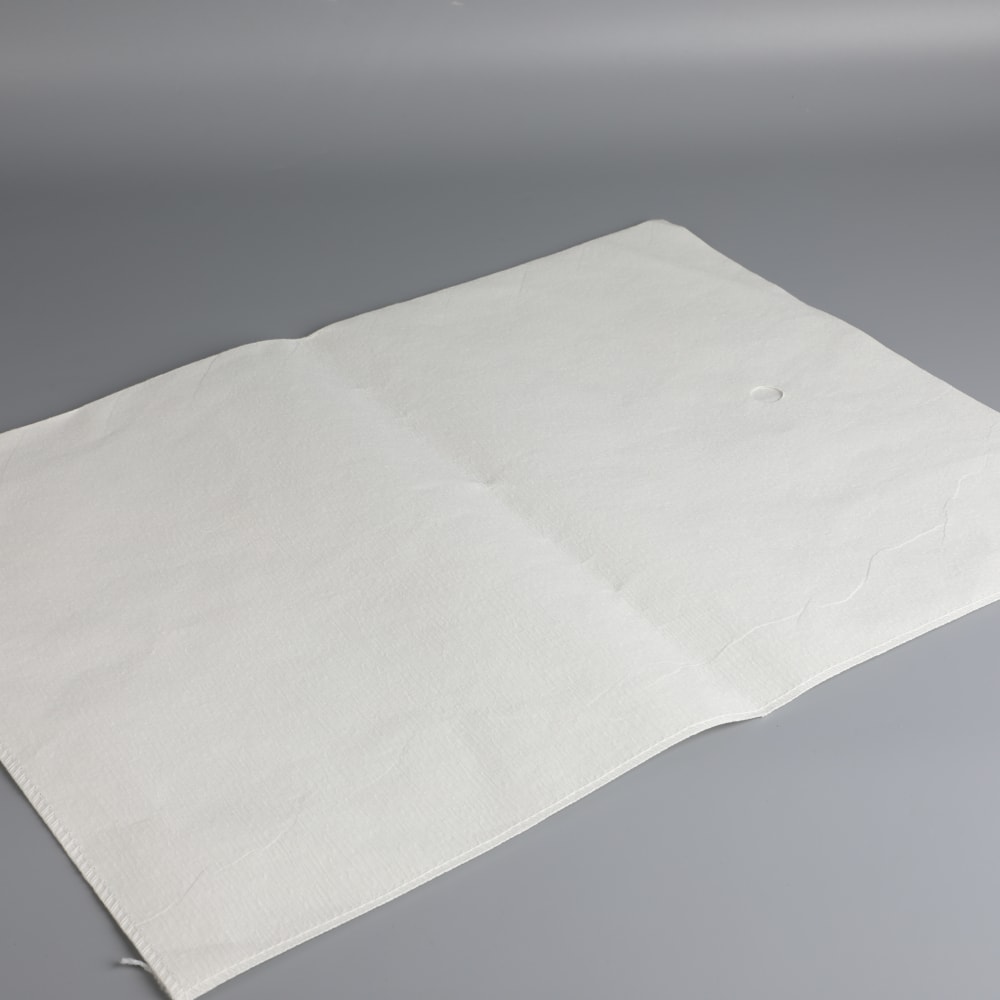 Filter Envelope & Filter Sheet
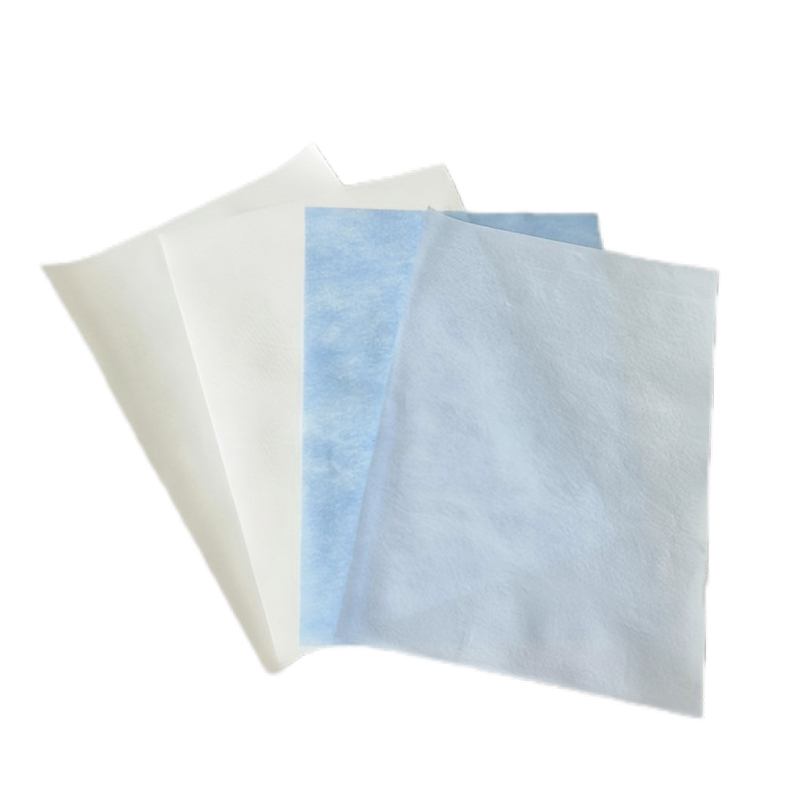 Breathable Film Laminates
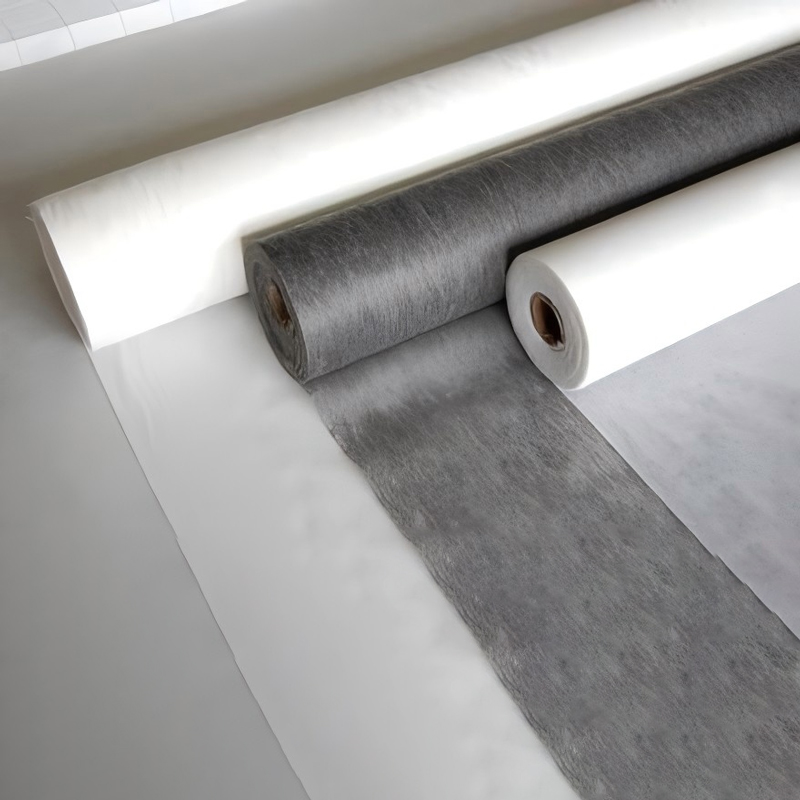 Nonwoven Interlining
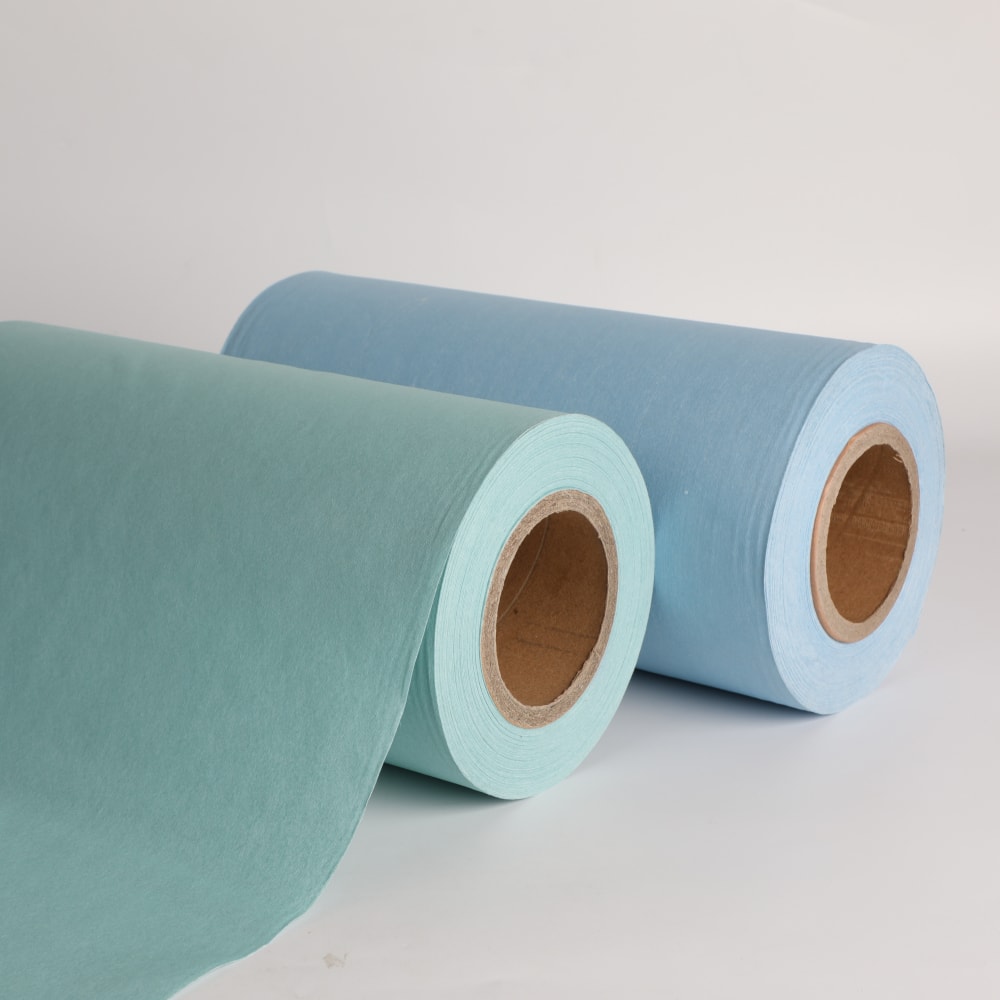 Fluid Repellent Woodpulp Spunlace Nonwoven
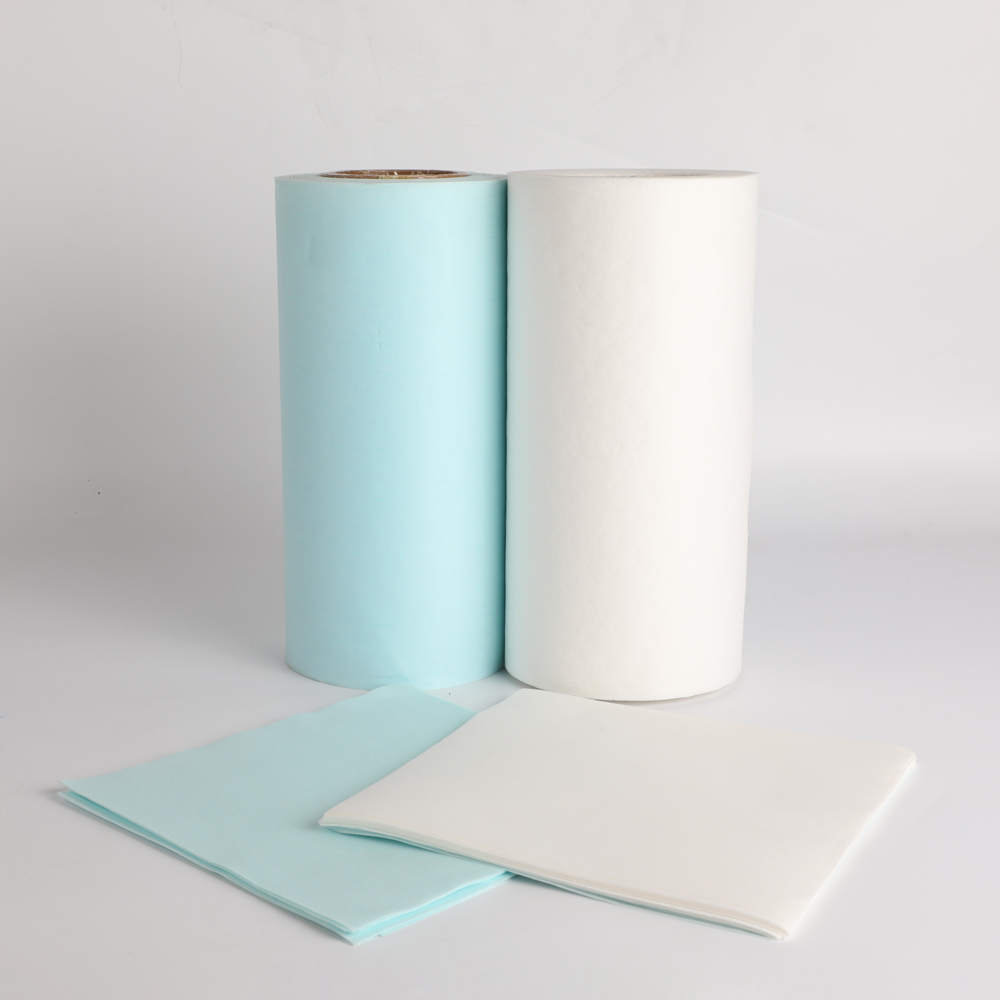 Woodpulp Nonwoven Wipe
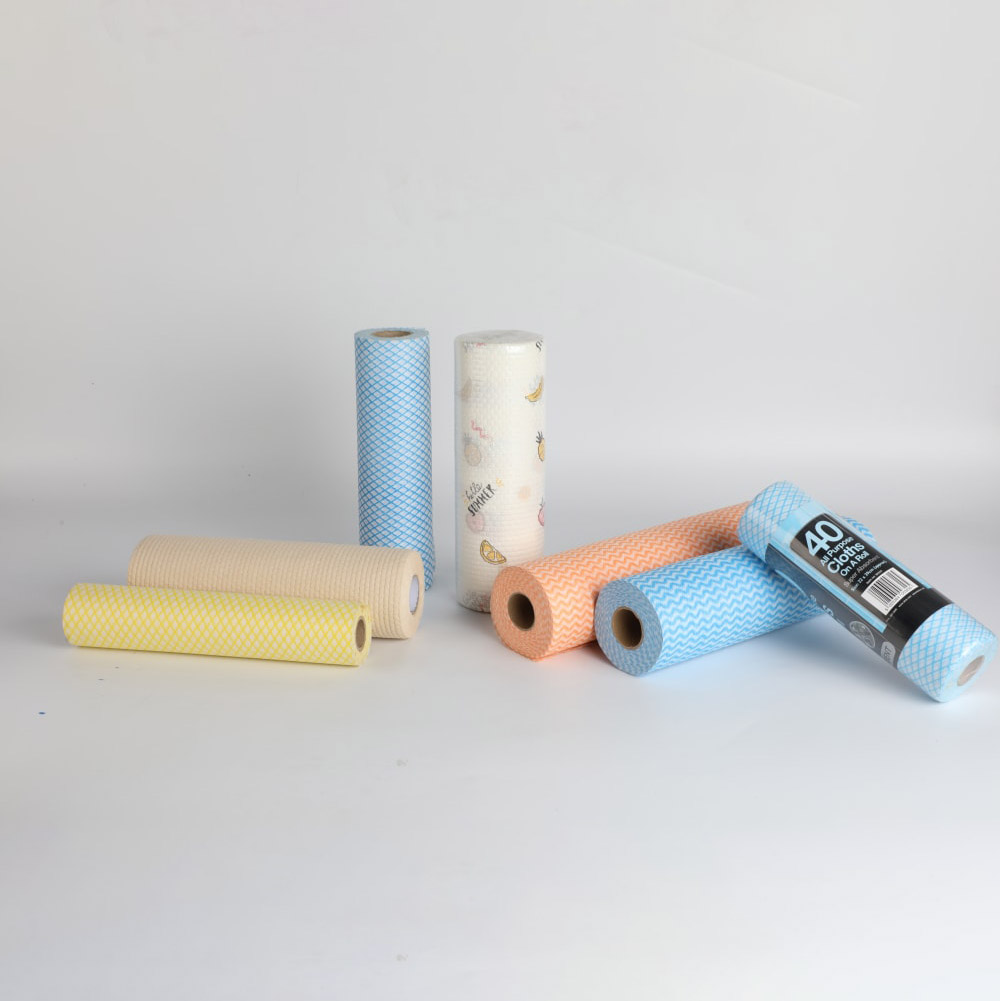 Nonwoven Cleaning Wipe
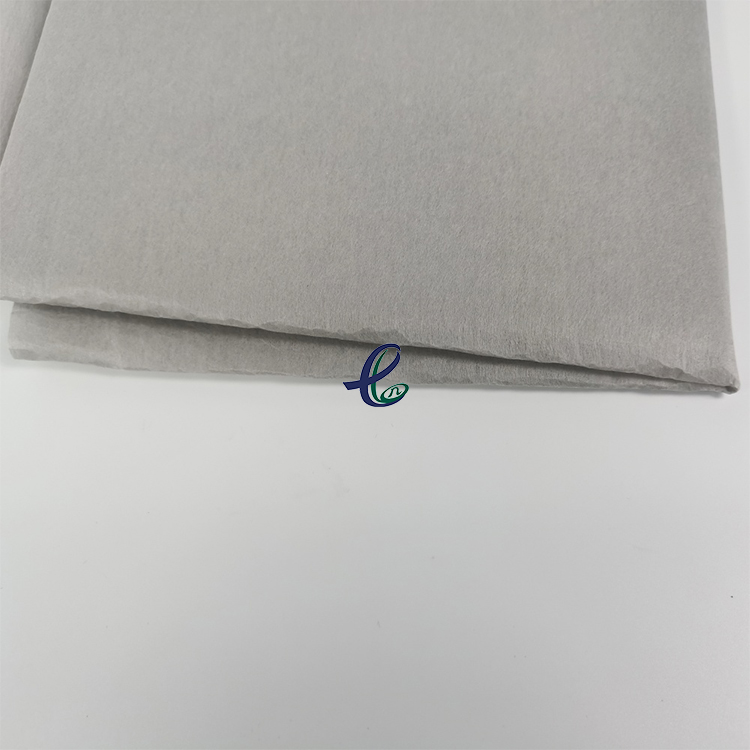 Curtain Nonwoven
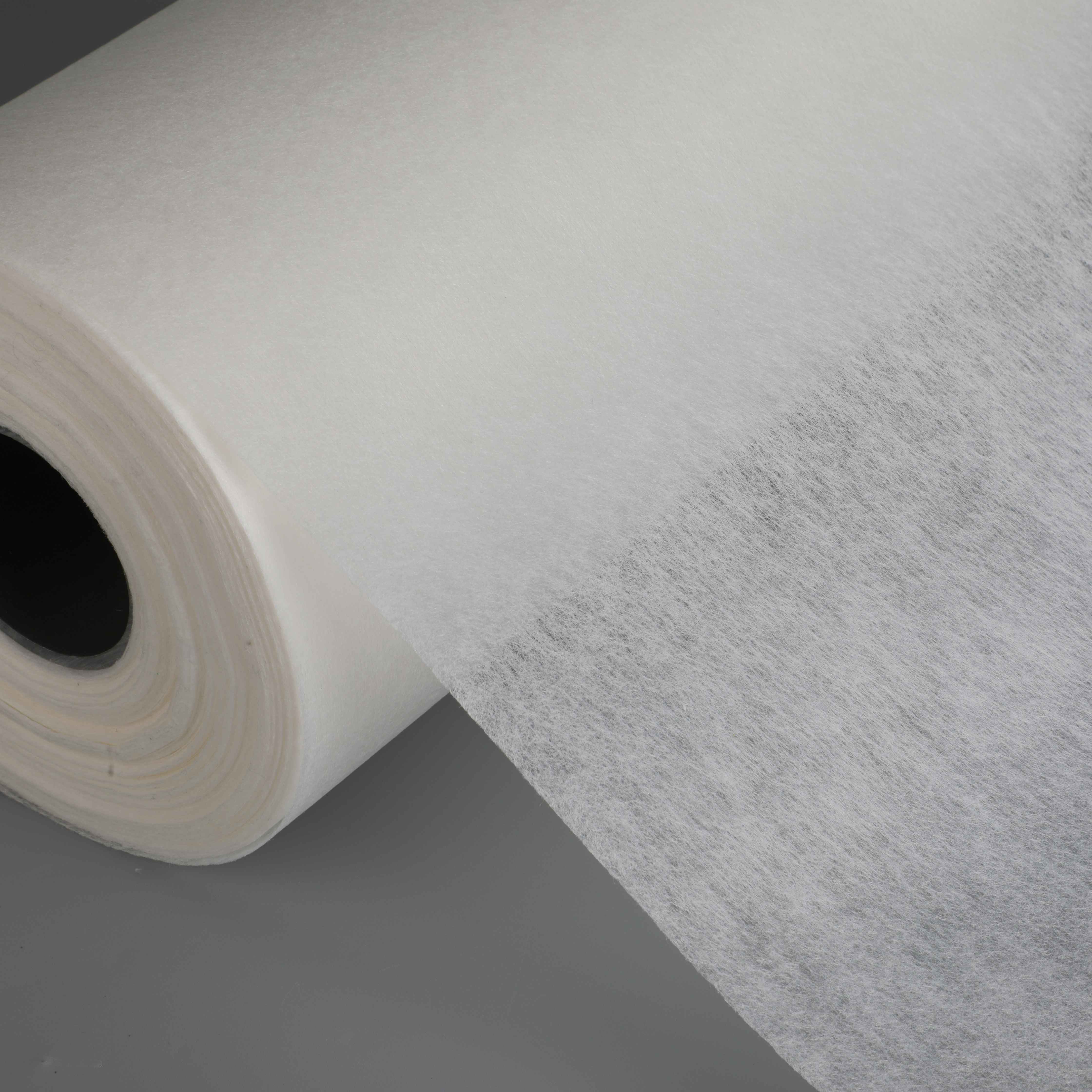 Food Grade Packaging Nonwoven
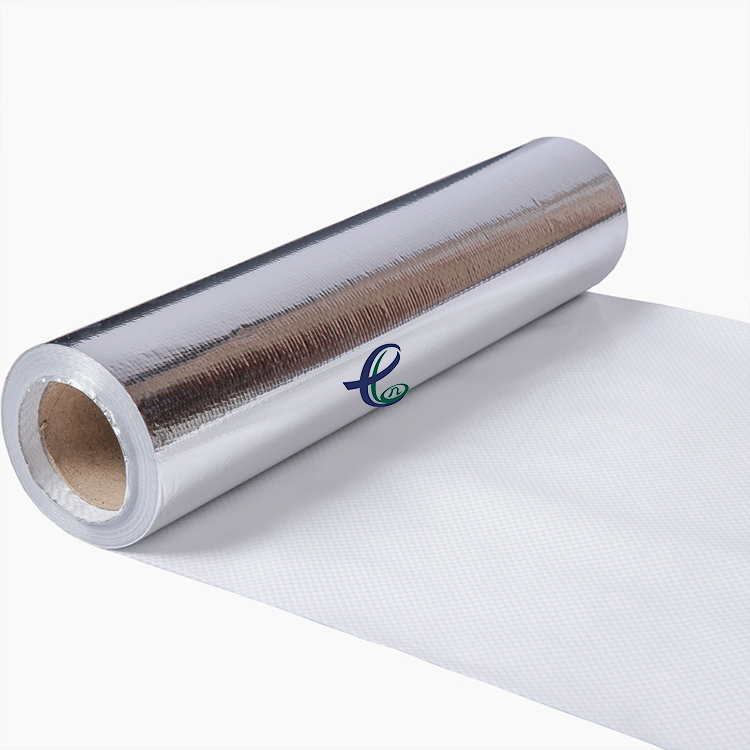 Aluminized Nonwoven
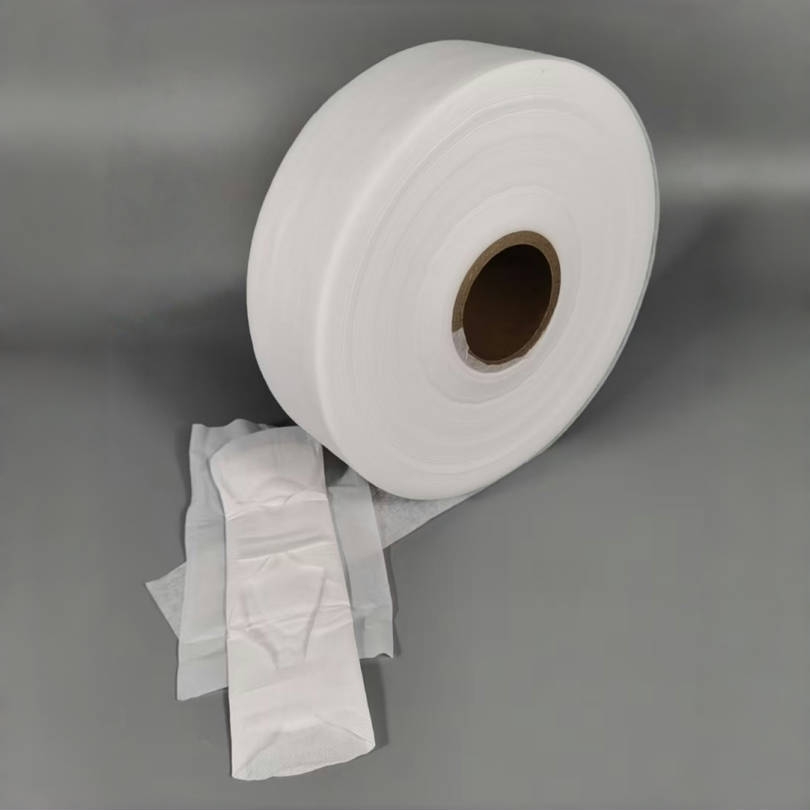 Hot Air Cotton Nonwoven
 Flame Retardant Nonwoven
 Cable Wrapping Nonwoven
 Semi-conductive Nonwoven
 Anti-Bacterial Nonwoven
 +8613957712400




0102030405
What is Lamination nonwoven?
2025-08-25
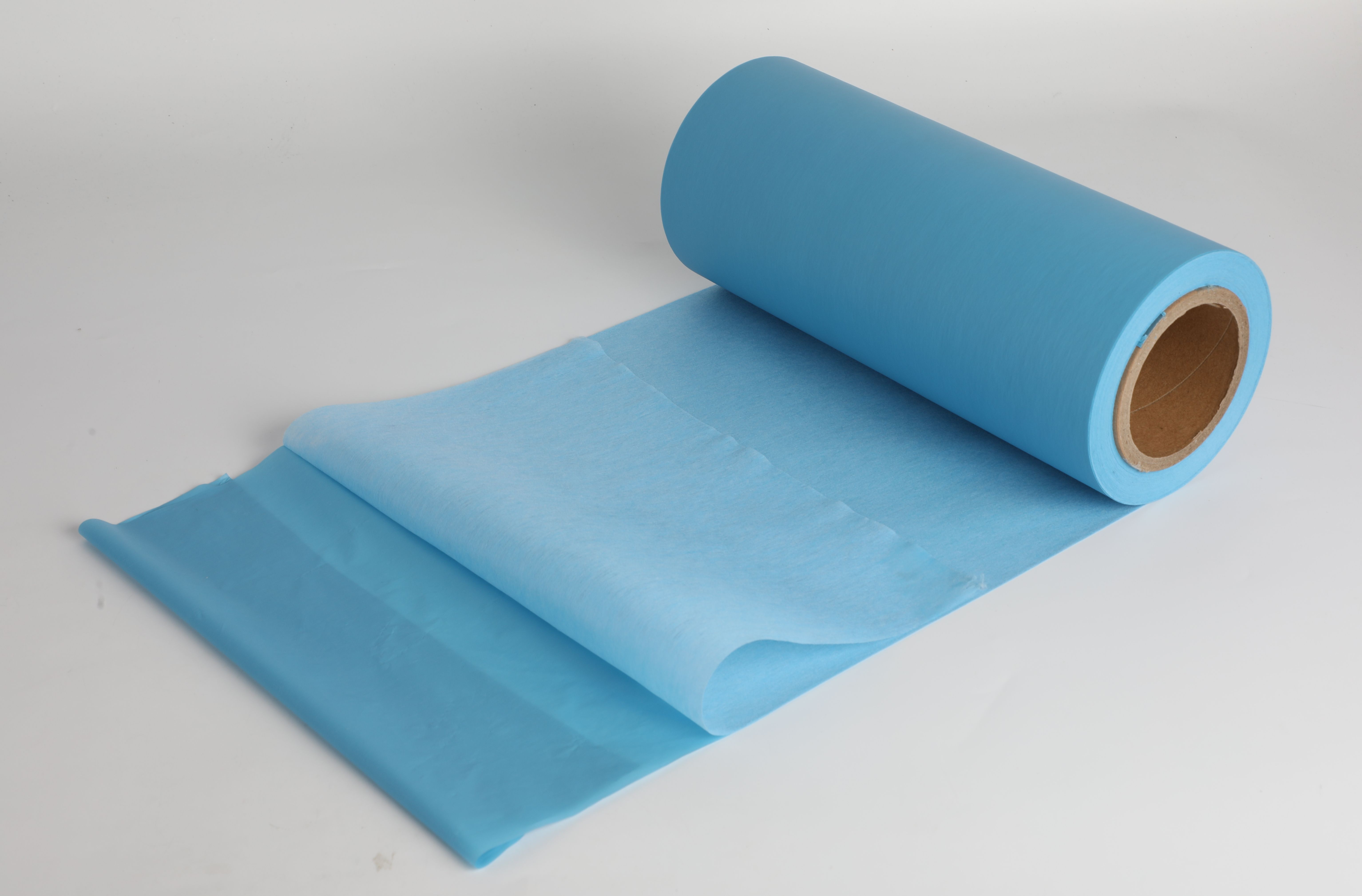
Lamination is the process of manufacturing a material in multiple layers, so that the combined physical and mechanical characteristics of each layer make for a stronger, more resilient composite material.
The earliest examples of lamination made use of natural adhesives such as beeswax, gums, tar and substances derived from animal bones.As technology progressed, we discovered the use of sealing wax as the first hot-melt adhesive.
In the 1930s a wet lamination process (with the use of solvents) was used to bond shirt collars (a woven fabric) with cellulose acetate.This process was deemed inconvenient, and by 1948 progress was made in dry lamination using polyvinyl acetate plasticized with dibutyl phthalate.
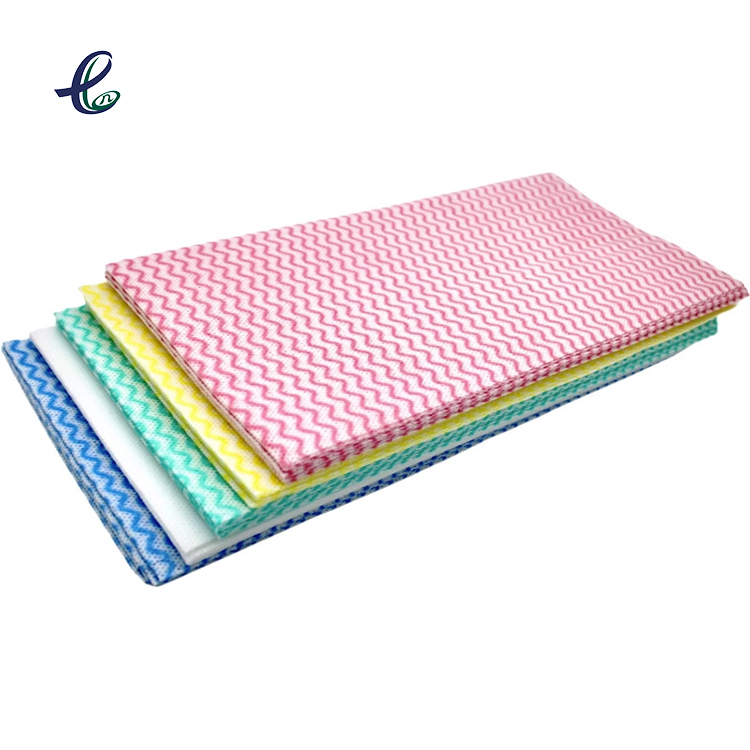
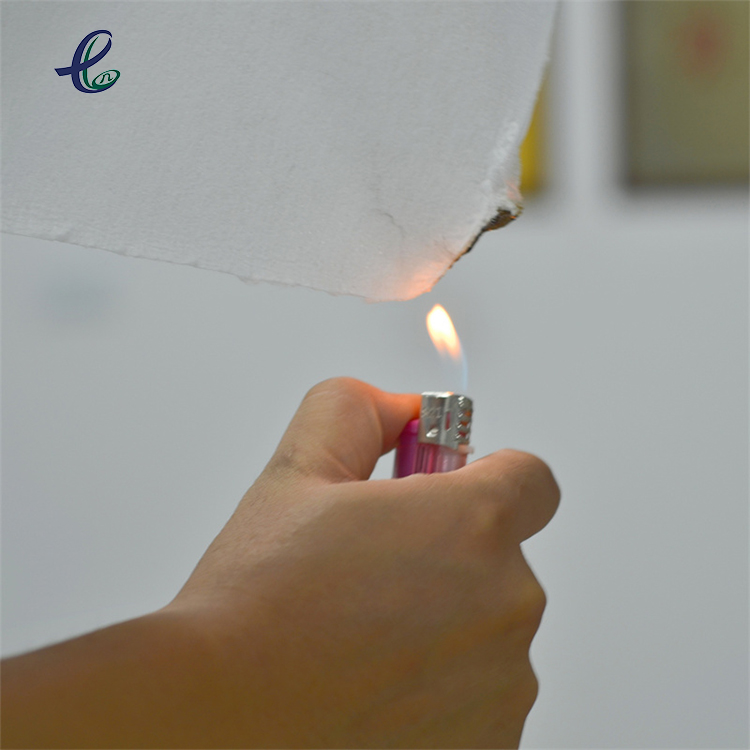
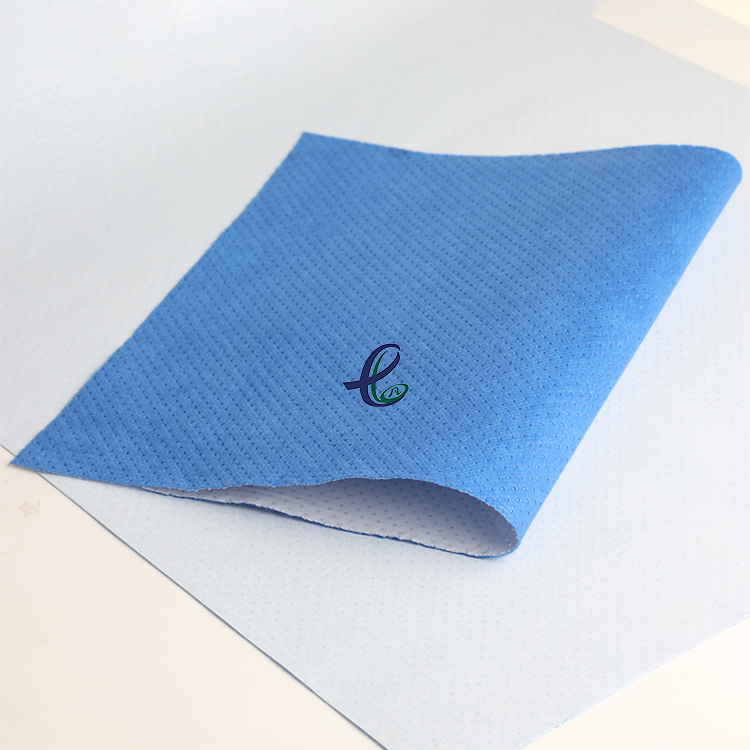
Nonwovens lamination, in particular, is the process of bonding two or more layers, at least one of which is a non woven fabric, with the aim of obtaining better strength, stability, sound insulation, appearance or other properties.
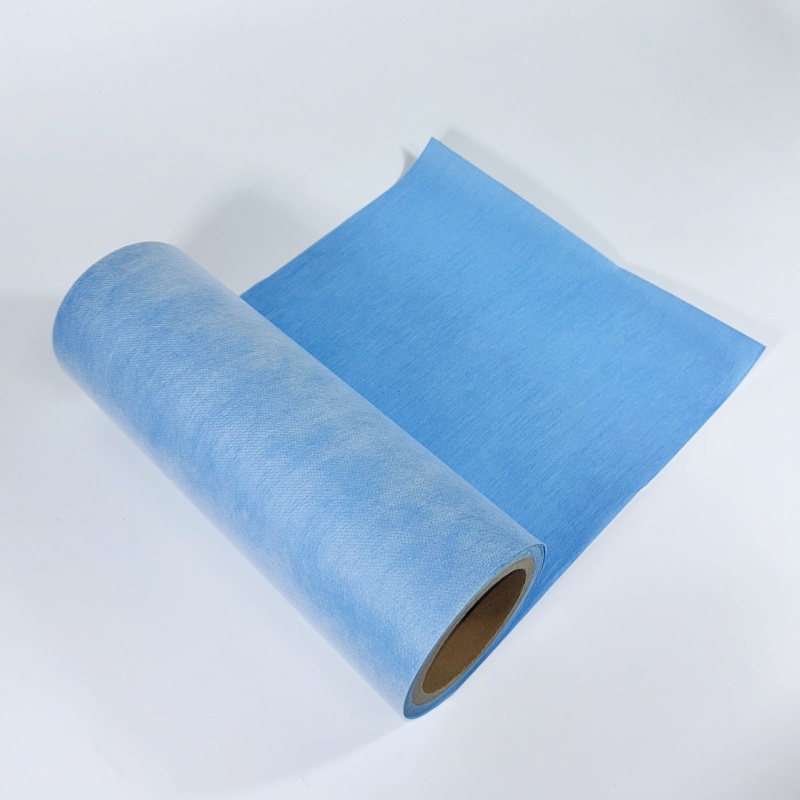
The bonding is typically done with the use of adhesives (or heat) and pressure, making it possible to manufacture nonwovens products, equipped with a waterproof layer, that are breathable, soft, comfortable and suitable for printing.
Shortly after the beginning of the industrial production of disposable diapers, Nonwoven Laminated products, such as the textile ack shebet, appeared.From the early days of dry lamination various adhesives were produced, including hot-melt powders.
Breathability was an issue with lamination in the early days, but the processes used today are capable of producing breathable, porous materials that maintain their waterproof properties.